
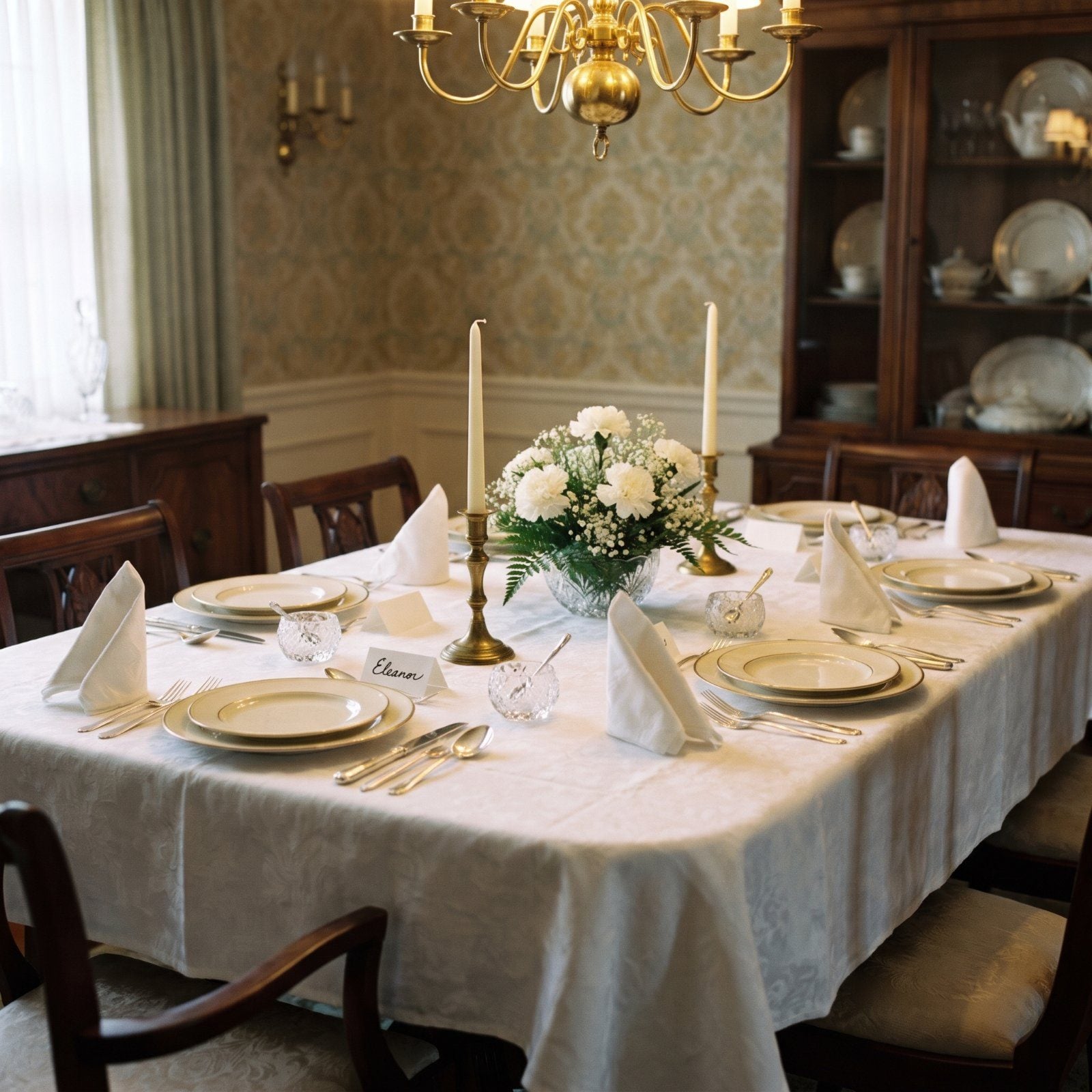
The table knew how to behave before anyone sat down. Every fork had a job, every candle a rule, every guest a cardstock name waiting on the cloth. We set out to reenact one formal dinner party from the early 1960s and follow the etiquette as written, start to finish. What came back was the labor of it — the hours before the doorbell rang, the quiet choreography that let a host look like none of it was any trouble at all.
Please note that some of the images in this article were created with the assistance of AI.
32. Ashtrays and Matches Were Set Out Beside the Good China
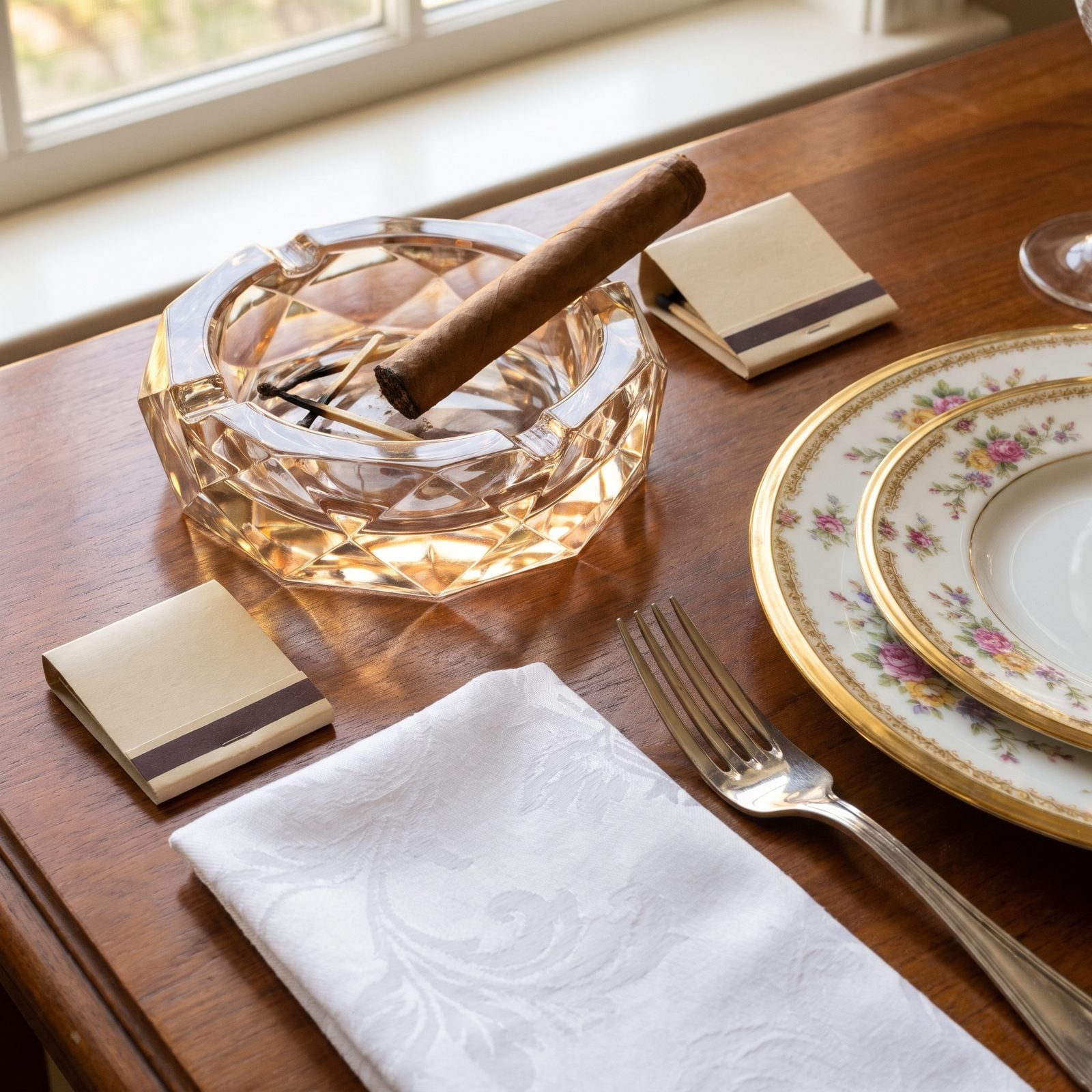
The ashtray was a host duty, not a vice. A formal table assumed guests would light up once the meal ended, so you set a small glass ashtray and a fresh book of matches at each place, or shared one between two settings. Leaving them off counted as a quiet rudeness, like forgetting water goblets.
Silver cigarette boxes got passed after dinner the way candy does now. Reads strangely from here. At the time it was just hospitality.
31. The Invitations Had to Be Mailed Weeks Ahead
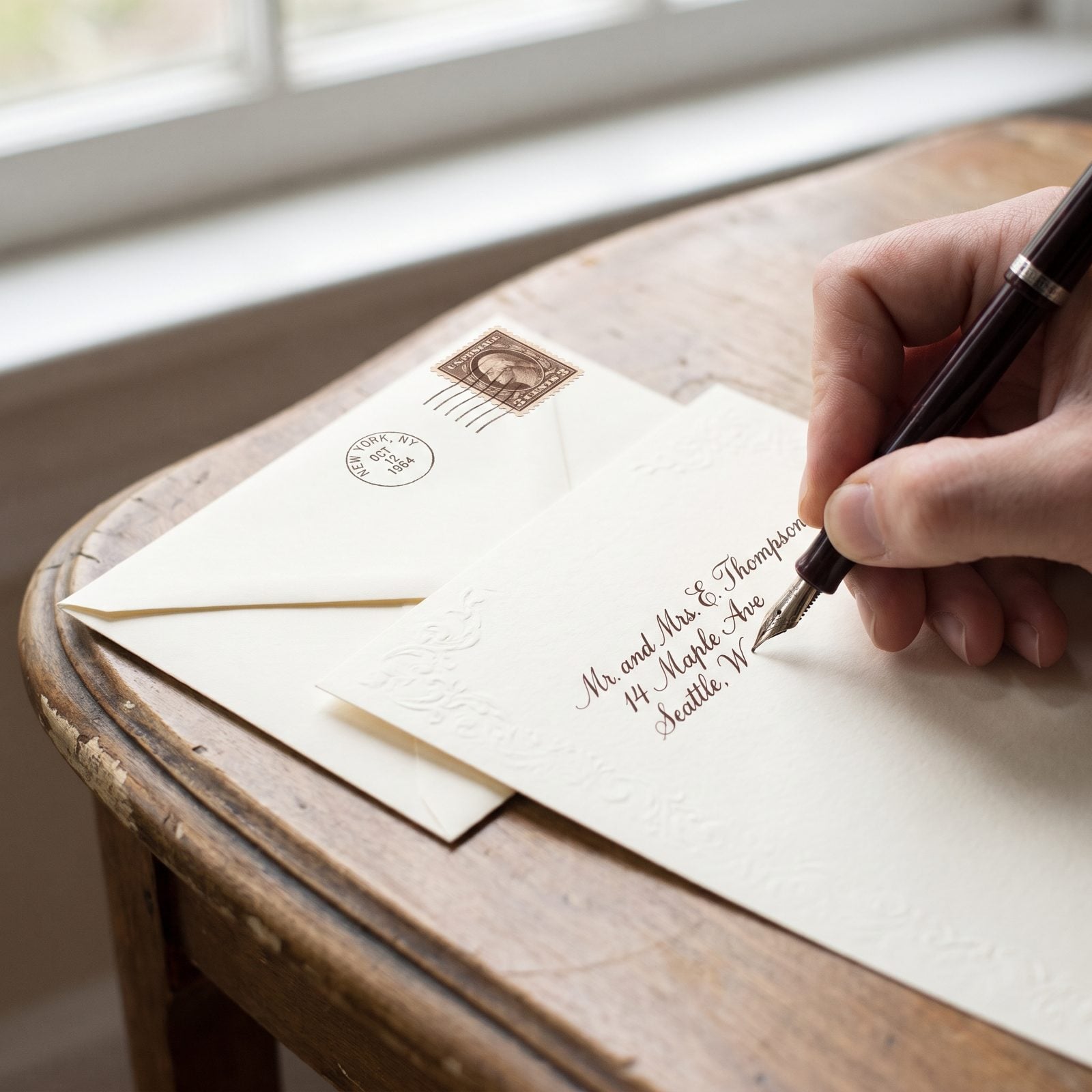
Three weeks’ notice was the floor, not a courtesy. For a formal dinner you wrote the invitations by hand on good notepaper, mailed them, then waited by the telephone for replies. No group text. No “let me check my calendar and get back to you.”
And the lead time did real work — it gave guests room to answer in writing, and it handed the host the final count needed to plan the table, buy the food, and decide who sat where.
30. The Tablecloth Was Ironed Directly on the Table
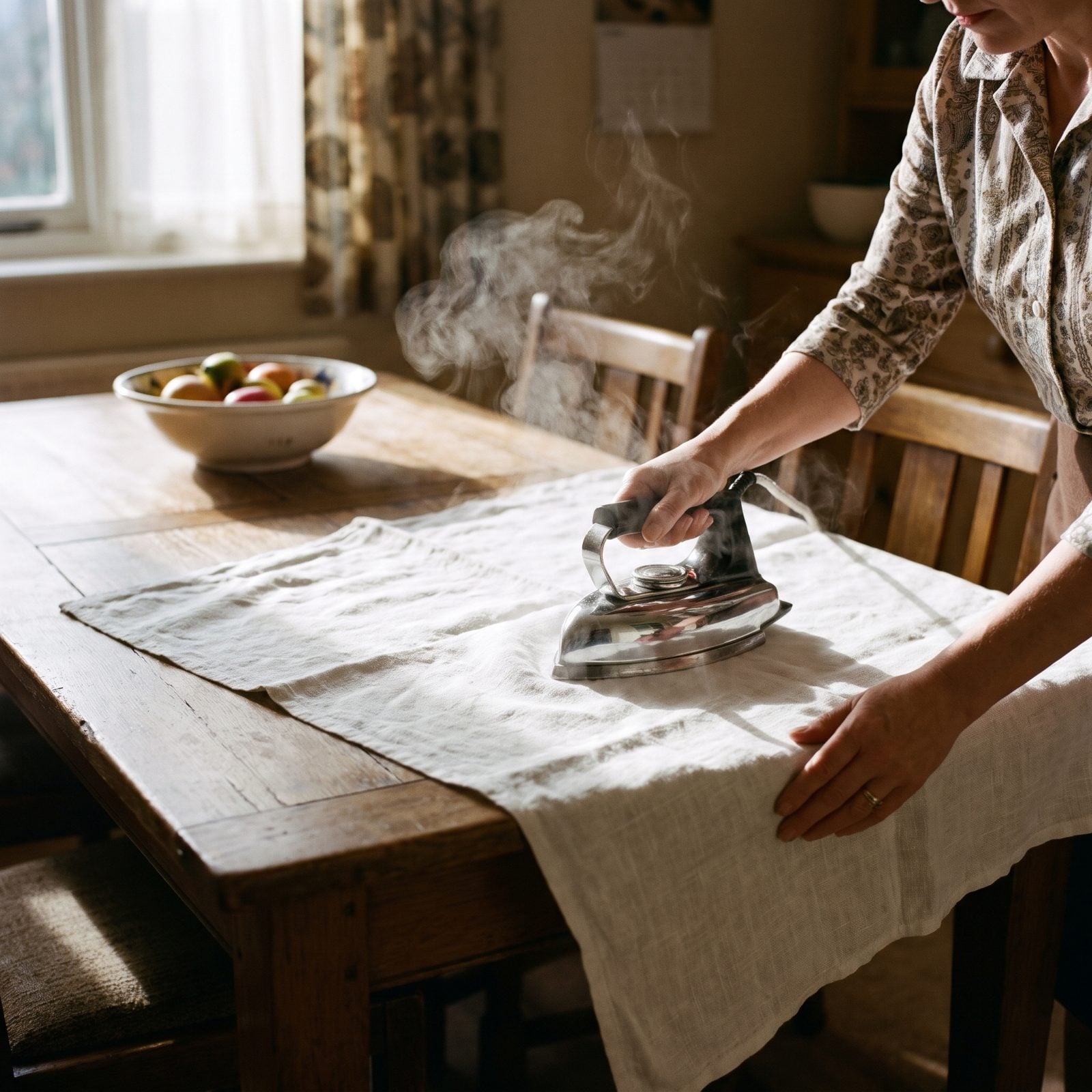
You ironed the cloth after it was already on the table. Pressing it beforehand just put the creases back the moment you draped it, so hosts smoothed the damask into place and ran the iron over it right there, working out every fold with the setting half-built around them.
The goal: a single long center crease running straight down the table and not one wrinkle anywhere else. Guests never noticed, which was exactly the point.
29. A Felt Silence Cloth Went Beneath the Linen
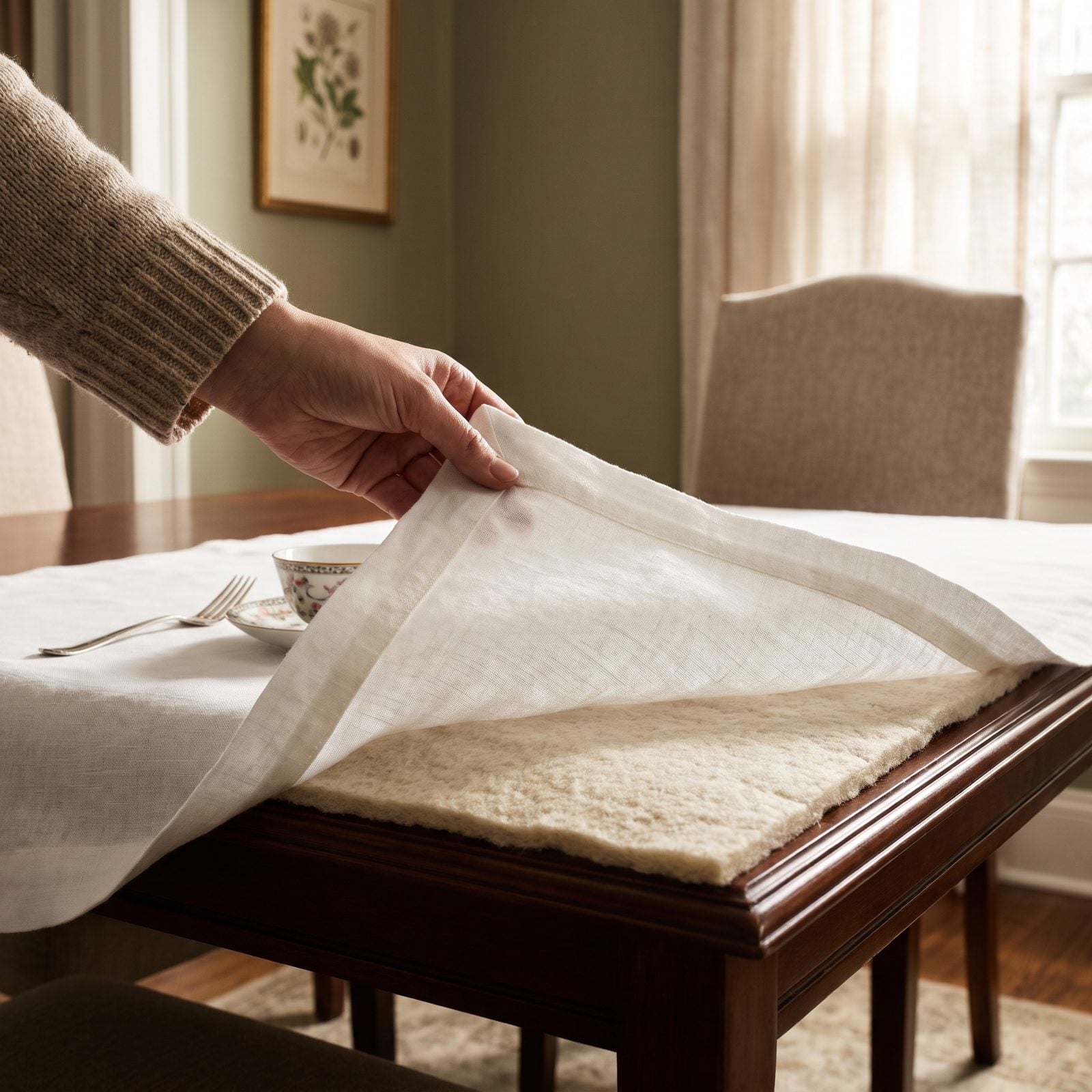
Under the pretty linen hid a thick layer of felt. Called a silence cloth, it padded the table so plates didn’t clatter, glasses didn’t ring, and the damask draped with a softer, richer fall.
It muffled the whole meal — no sharp click of a goblet set down too fast, no scrape of a serving dish. The table sounded as composed as it looked, a luxury you only notice when it’s gone.
28. Every Piece of Silver Was Polished by Hand
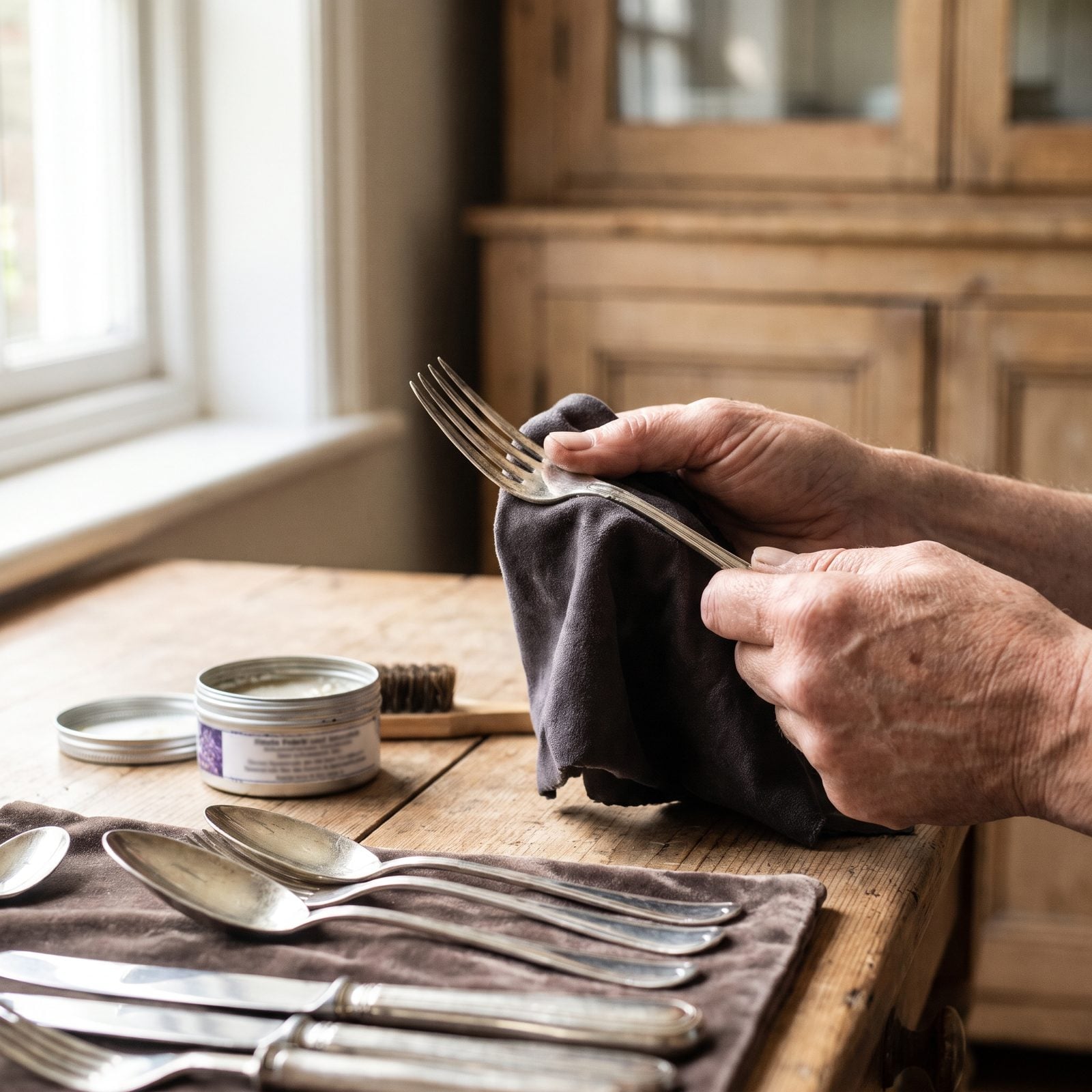
Sterling tarnishes if you so much as look at it, so a formal dinner meant hours bent over the flatware with polish and a rag. Every fork, every knife, the serving pieces, the candlesticks — all of it buffed by hand until it threw back the candlelight.
You could smell the polish long after. I’ll admit I underestimated this chore until I timed it, and a full service for eight is no quick job. Invisible labor that made the table gleam like it just happened to be that way.
For heavily tarnished pieces, a silversmith says “A cotton ball or clean cotton cloth is used to gently rub off the tarnish using circular motions. Rinse all of the polish off and dry the piece well.”
27. The Candlesticks Were Prepared to Burn Without Dripping
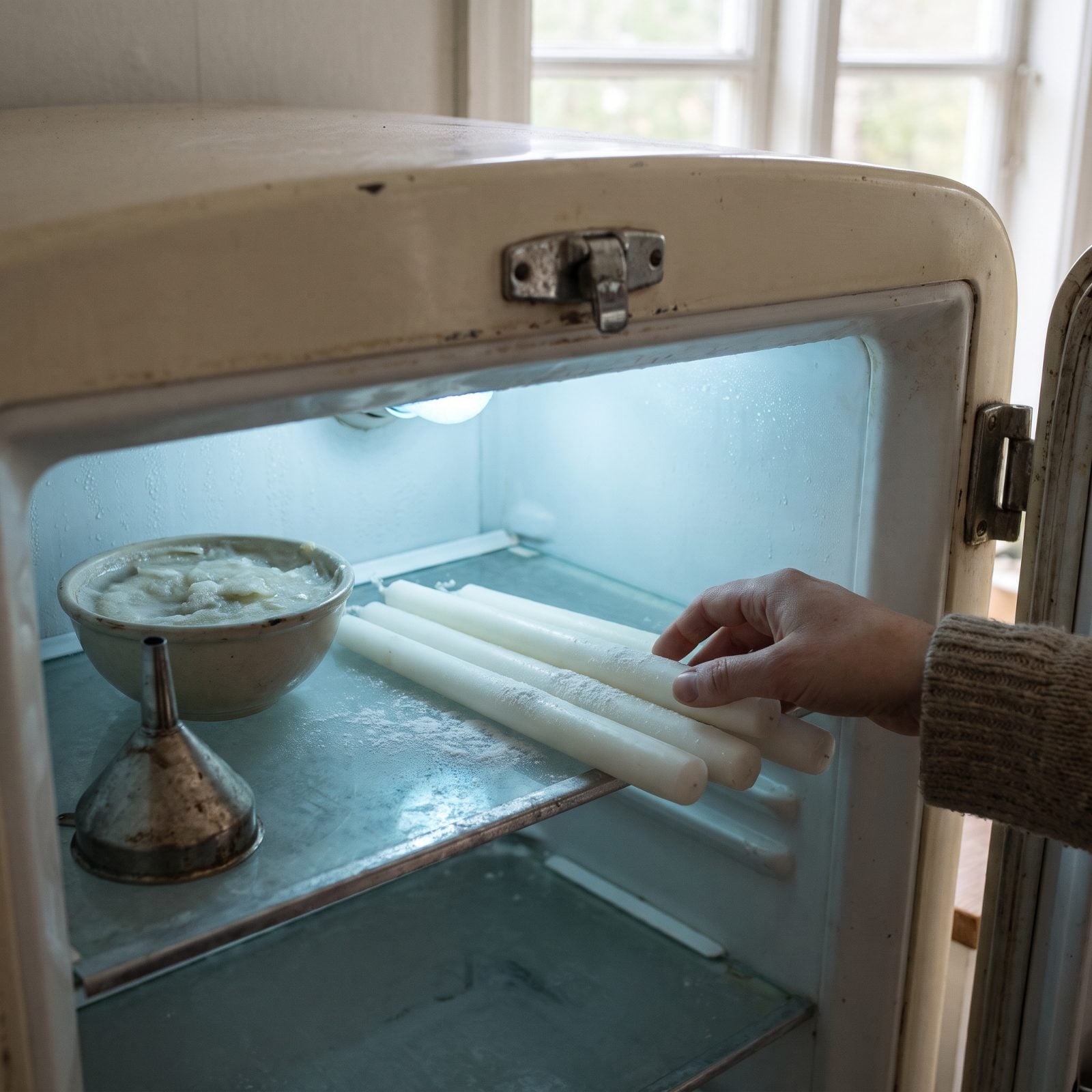
Drippy candles marked a careless host. So tapers got prepped ahead: refrigerated for hours so they’d burn slow and even, wicks trimmed to a short clean length, bases shaved or wrapped with foil to seat tight in the candlesticks.
A well-prepared taper burned straight down with no wax running onto the linen. Small thing. But a wax-streaked candlestick at a formal table was the sort of detail that got noticed, then mentioned later in the car on the way home.
To keep tapers from dripping wax on the table, a wedding planner recommends leaving them in the freezer overnight before setting them in their candlesticks, saying they then burn longer without dripping.
26. A Ruler Helped Space the Place Settings
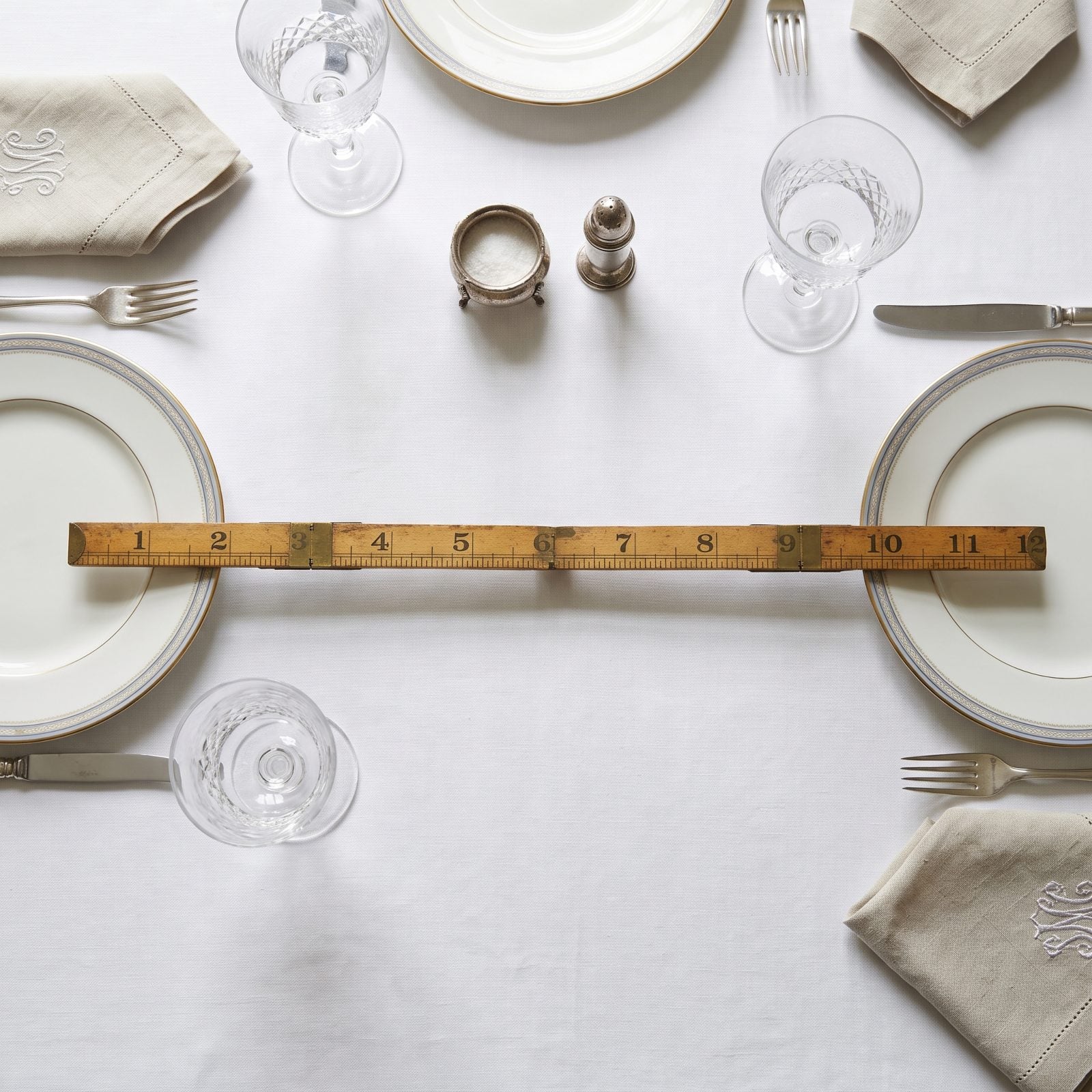
Yes, a ruler. Etiquette called for every setting to sit an equal distance from its neighbors and from the table edge, roughly an inch, with the flatware lined up in a dead-even row. Rather than eyeball it, careful hosts measured.
Fussy? Absolutely. But a symmetrical table reads as intentional and calm the moment you walk in, and the eye catches the difference even when it can’t name it.
What Our Readers Say
- Piaci Pizza readers give photos of a set table more hearts than the other images in the same articles, 80% versus 76%.
- Photos that look like the 1960s get fewer hearts from our readers than the other images in the same articles, 42% versus 69%.
From Piaci Pizza reader polls and votes.
25. The Powder Room Needed Guest Towels and Fresh Soap
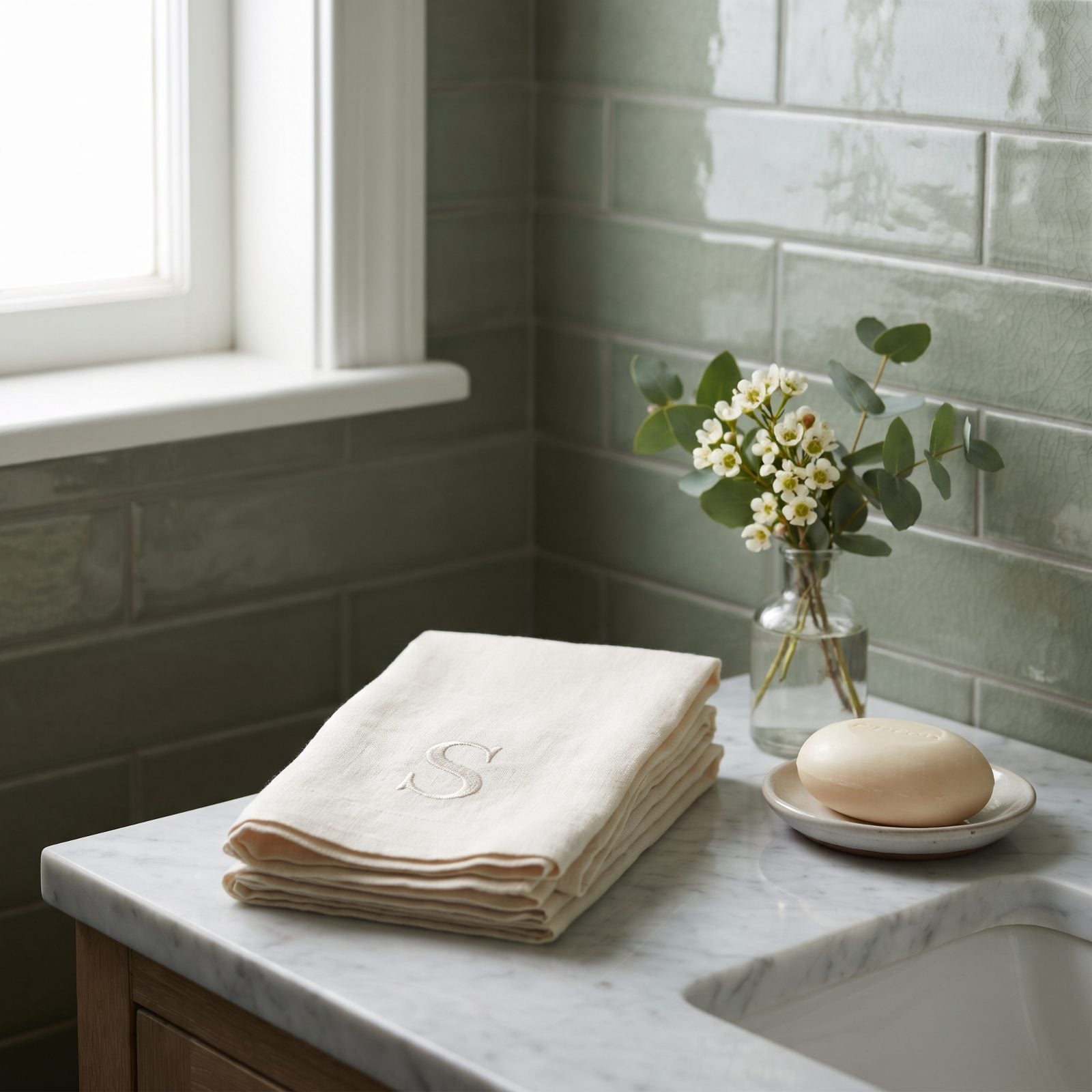
Before anyone rang the bell, the powder room got its own inspection. Out went the everyday towels, the thin ones with the frayed hem nobody mentioned, and in came the good linen, pressed and folded in threes, set out so guests would hesitate to touch them at all.
Fresh soap mattered too. A used bar, soft at the edges with somebody’s thumbprint worn in, was a small social failure, so you opened a new one. The whole room carried a message: we prepared for you.
24. The Host Personally Took Every Coat at the Door
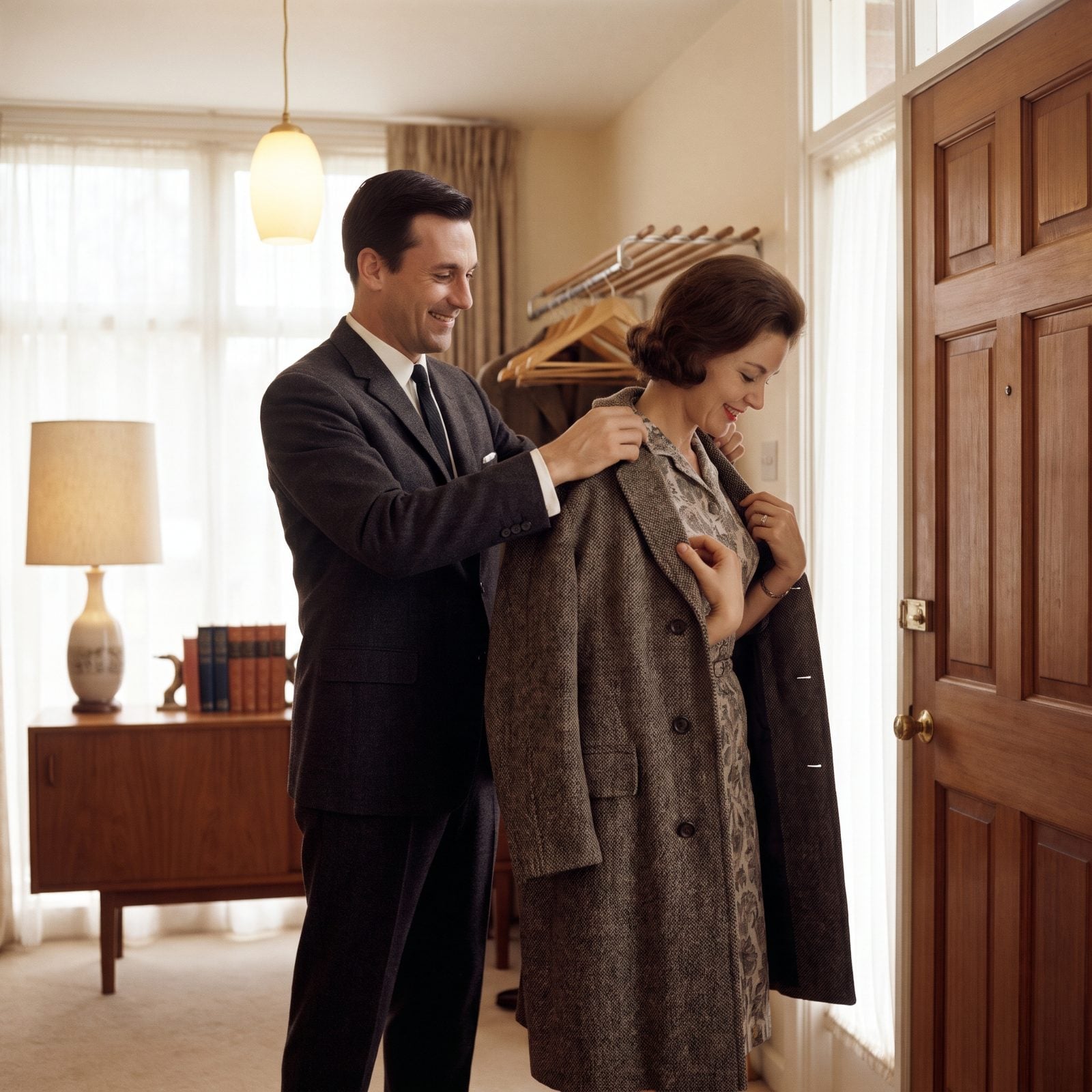
No gesturing toward a pile on the bed. The host took the coat himself, from the shoulders, and carried it to the closet where real wooden hangers waited. Every guest got the same welcome at the door — the handshake, the taking of the coat, the step inside before anyone mentioned the weather.
Reads as a small thing now. It wasn’t. That coat told you exactly where you stood the second you crossed the threshold.
23. Guests Arrived in Suits, Dresses, Heels, and Jewelry

An invitation to dinner meant dressing the way you’d dress for church or a job interview. Women wore the good dress, the one that needed a slip and real shoes, with pearls or the costume set that passed for them, and gloves sometimes, carried in rather than worn once indoors.
Men showed up in a suit and tie even for a friend’s house on a Saturday. Casual wasn’t relaxed back then — it was an insult, and everyone knew it.
22. Every Guest Received a Formal Introduction

Nobody was left to figure out who anybody was. The host walked newcomers around the room and introduced them by name, usually with a line attached: this is the fellow from the office, this is my cousin visiting from Ohio. The younger was presented to the older, the man to the woman.
There were rules about the order, and people followed them. The payoff? No guest ever stood in a corner nursing a drink, wondering whether the man by the window would bite if approached.
21. The Host Mixed Drinks From a Fully Stocked Bar Cart
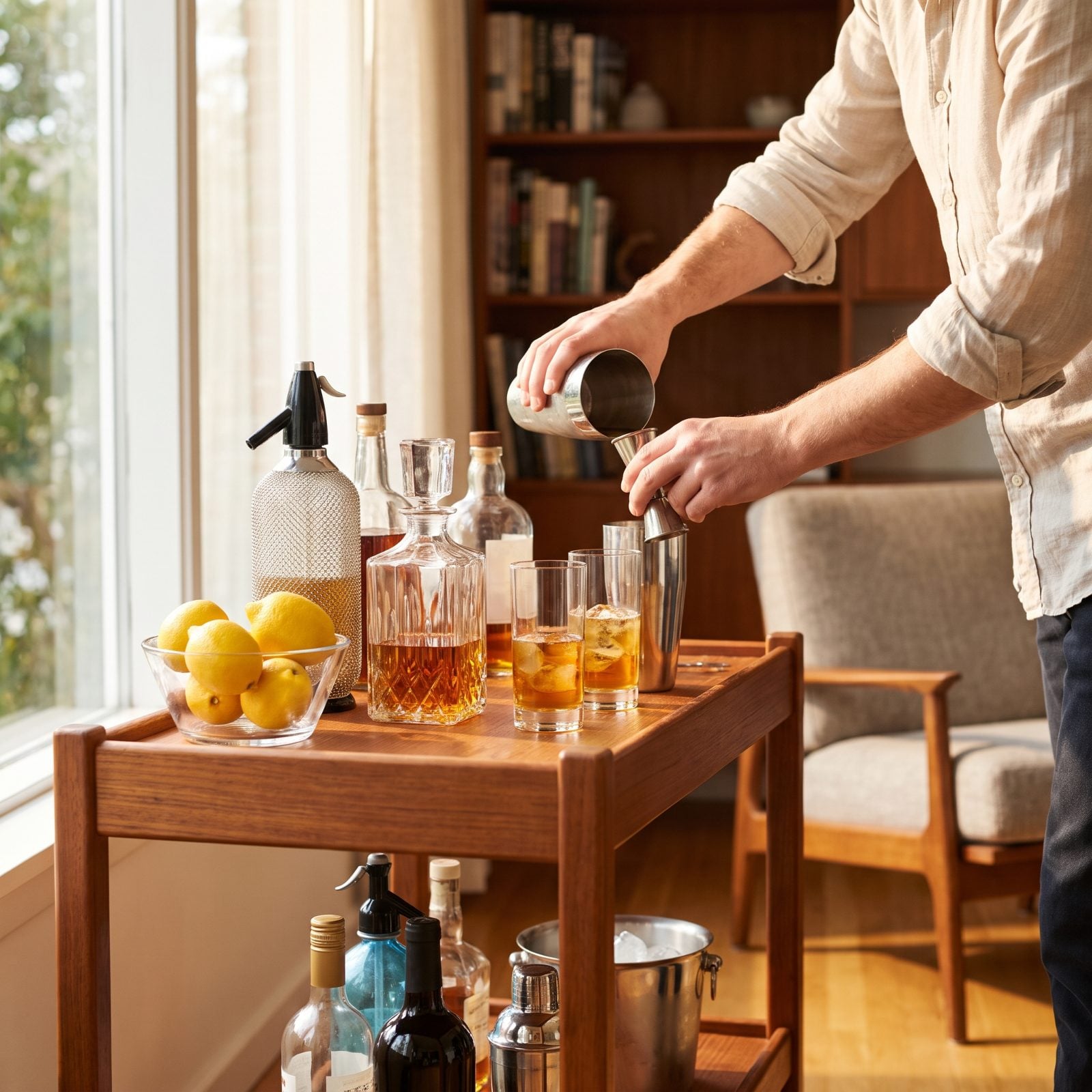
Guests didn’t help themselves. The host worked the cart like a station, taking orders, measuring with a jigger, shaking each drink cold, then pouring it into a plain tumbler or tall highball glass and handing it over. A proper cart carried gin, bourbon, two vermouths, a soda siphon, and a bowl of lemons for twists.
Mixing was the host’s act, and a good one built a reputation. Running out of ice did the opposite.
20. Ice Was Transferred With Tongs, Never Fingers
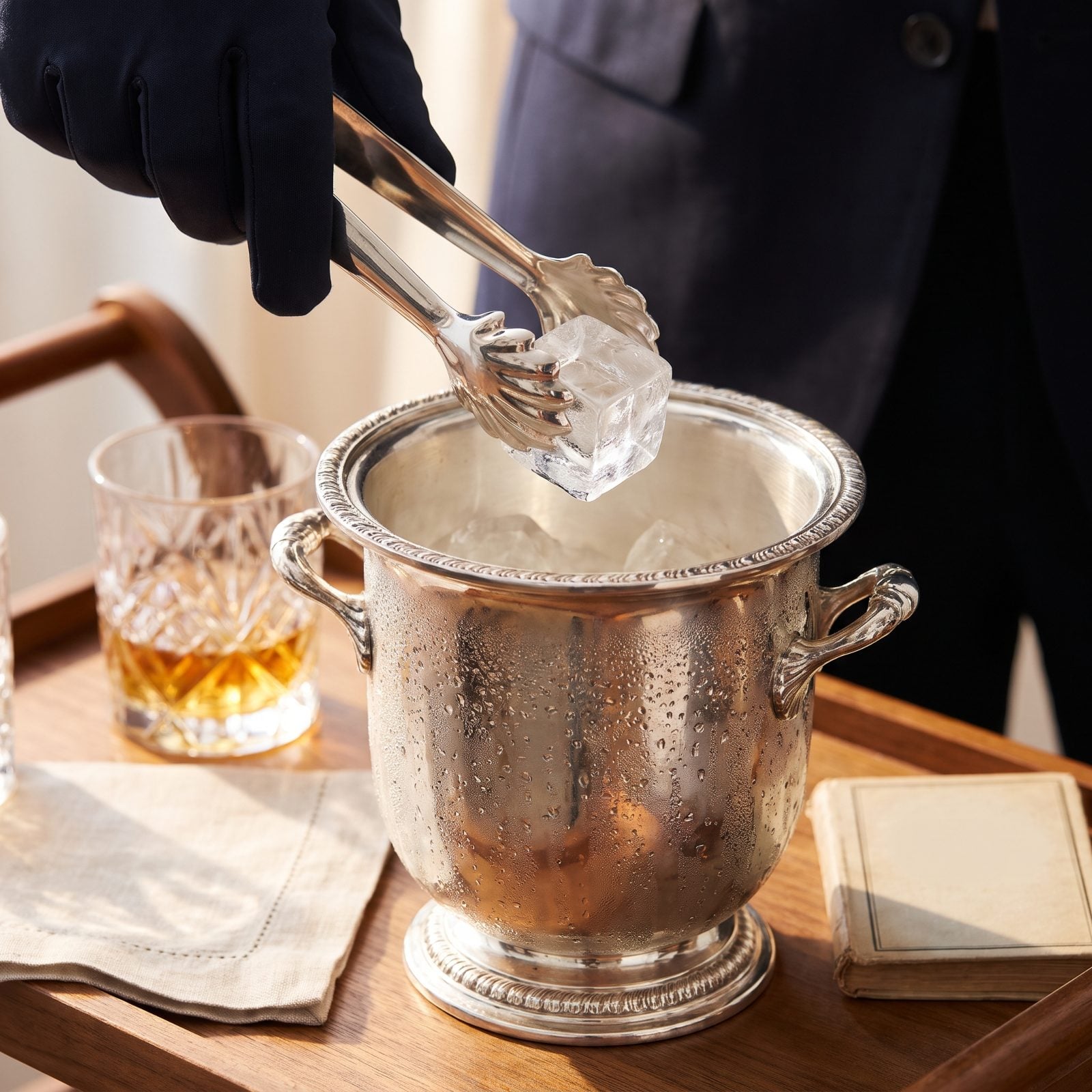
The ice bucket came with tongs, and those tongs weren’t decoration. Reaching in with your hand to grab a cube was the sort of thing a host clocked, even if nobody said it aloud. You used the tongs — one cube at a time, into the glass, with the little clink.
Small rule, real weight. It separated the people who knew from the people who didn’t, and at a formal table everyone was watching whether they’d admit it or not.
19. A Relish Tray Turned Olives and Celery Into a Course
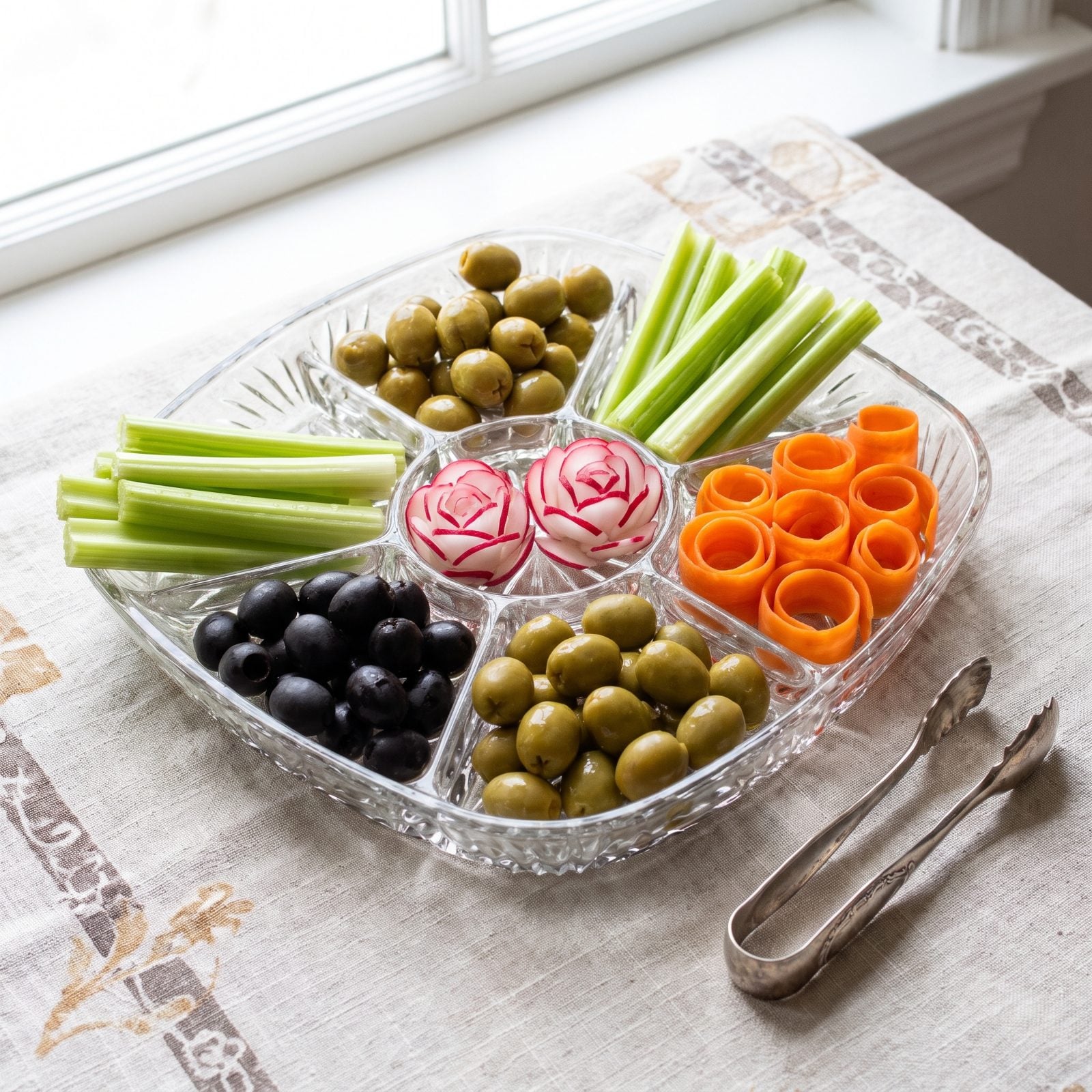
Olives, celery, carrot curls, radishes cut to look like roses, a few sweet gherkins. Set them in a divided glass dish and suddenly they weren’t snacks anymore — they were a course, out before dinner and parked where everyone could reach without leaning.
Somebody spent real time on those carrot curls, soaking strips in ice water so they’d hold the shape. Nobody ate more than a bite. That was never the point.
18. Tiny Canapés Were Passed Instead of Left on a Table
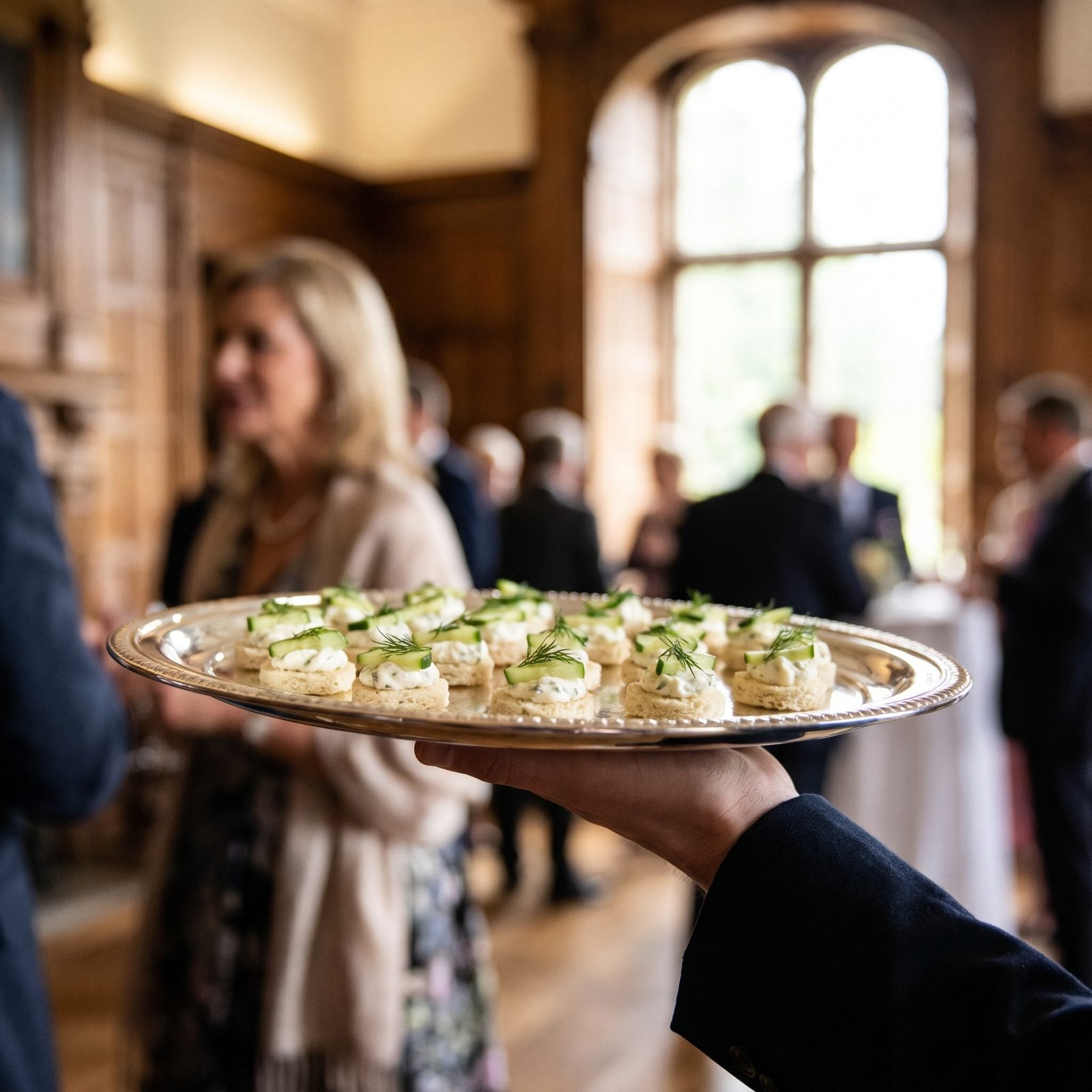
The food came to you. Someone carried a tray around the room, bending slightly, offering each guest a cream-cheese toast round or a shrimp on cucumber, a stack of tiny napkins tucked at the edge. You took one, said thank you, and the tray moved on.
A bowl of chips on a table was fine for watching the game. At a dinner party the passing was the whole ritual, and it kept the host drifting through every conversation in the room.
17. The Hostess Kept Working While Everyone Else Socialized
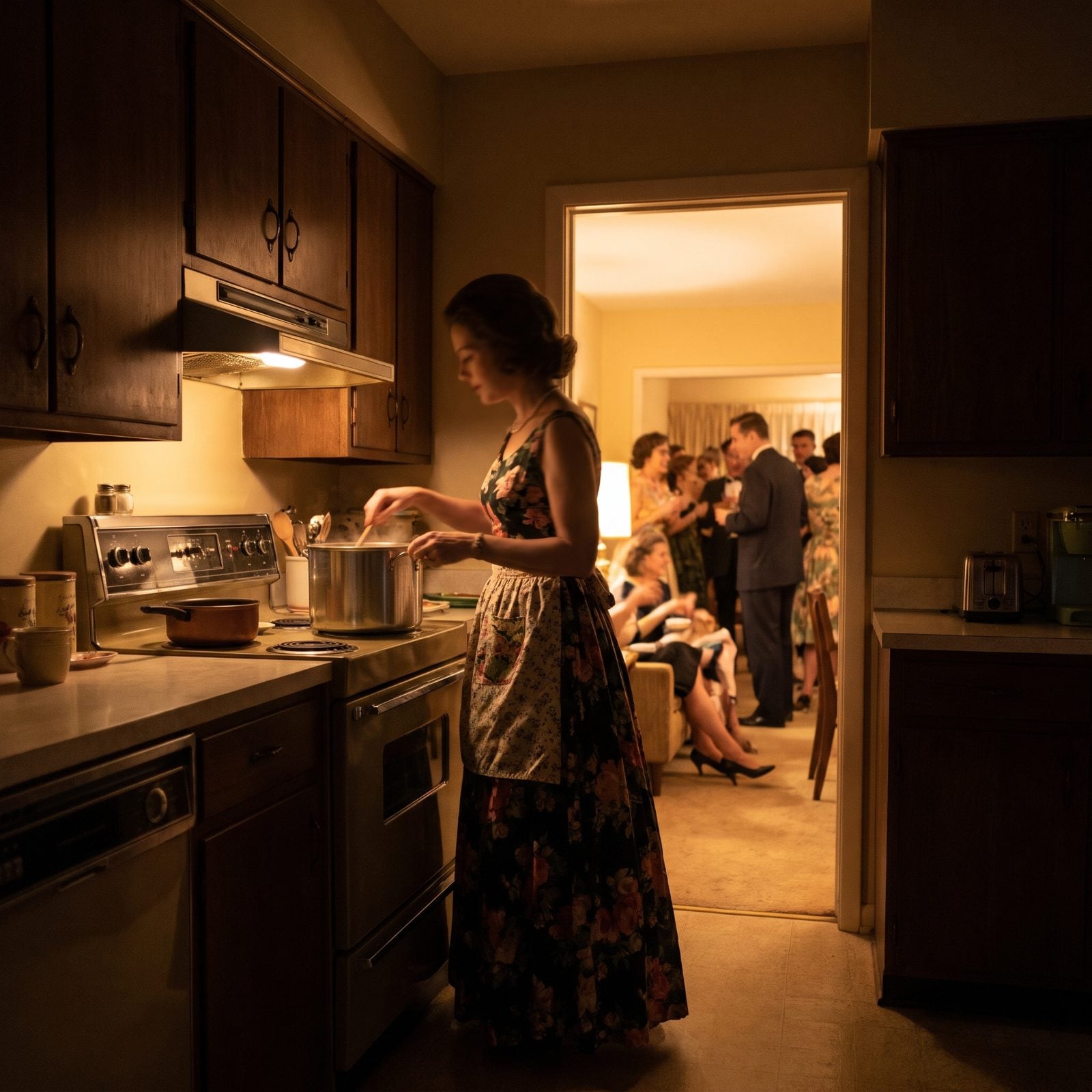
While the guests laughed and the host mixed drinks, the hostess stood in the kitchen in her good dress and an apron, checking the roast, making the gravy, timing the rolls so they’d land hot on the table. She came out for the introductions, then slipped back to the stove.
The whole evening ran on her labor, and the etiquette of the day asked her to make it look like no labor at all. That part hasn’t aged well, and it shouldn’t. The roast still had to come out on time, and it did — because she never really sat down.
Our readers give photos of cooking in progress more hearts than the other images in the same articles, 86% versus 79%, so the kitchen side of a dinner party has its fans.
16. Guests Entered the Dining Room in Assigned Pairs
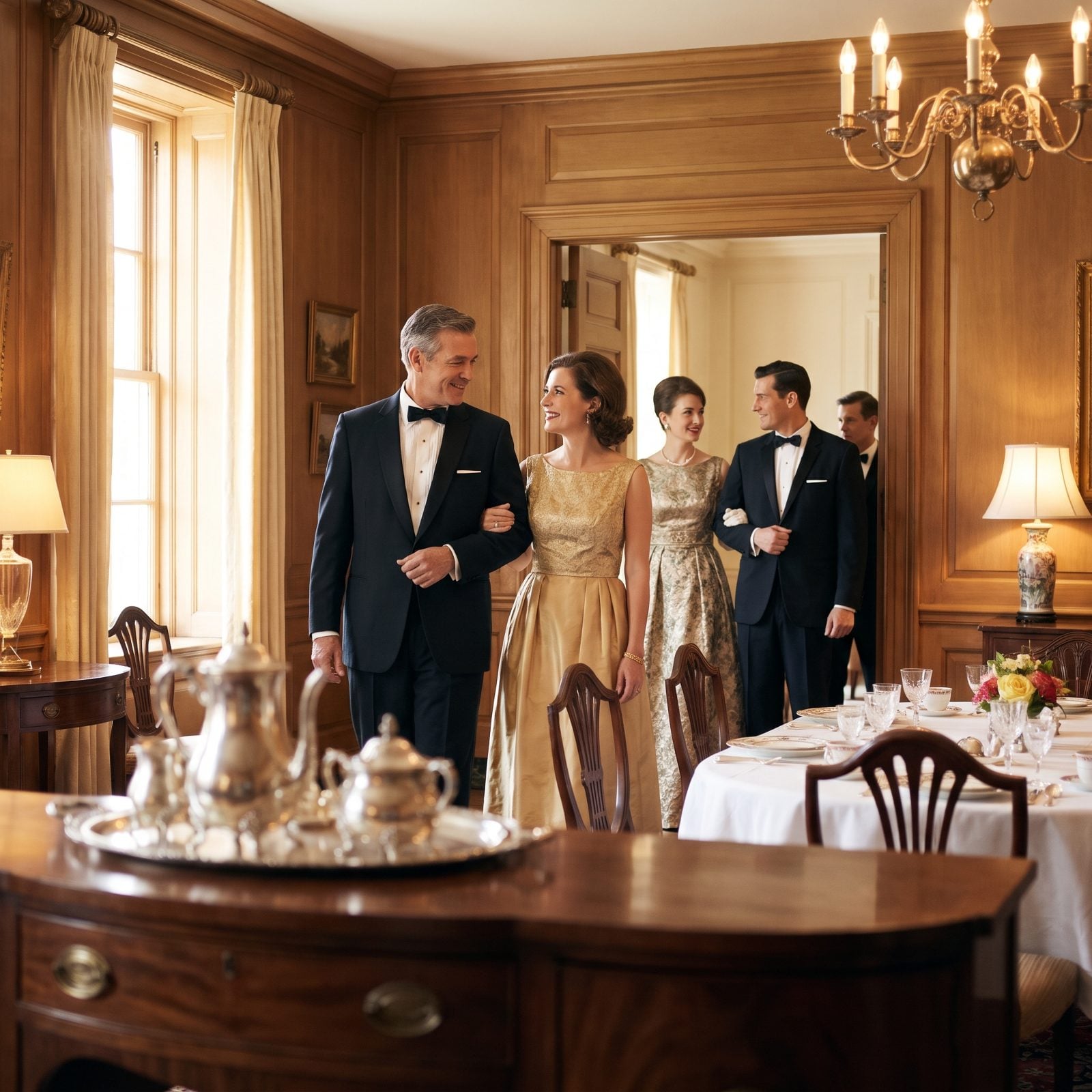
The host paired everyone before the first guest arrived. You didn’t wander in and grab a seat next to the person you came with. A man offered his arm to the woman he’d been assigned, and the two of you walked in together, in order, like a small procession nobody rehearsed but everybody understood.
The logic was social engineering dressed up as manners. Splitting couples and alternating men and women around the table was supposed to spark conversation across the cloth instead of within it. You sat next to a near-stranger on purpose.
15. Men Were Expected to Pull Out Women’s Chairs
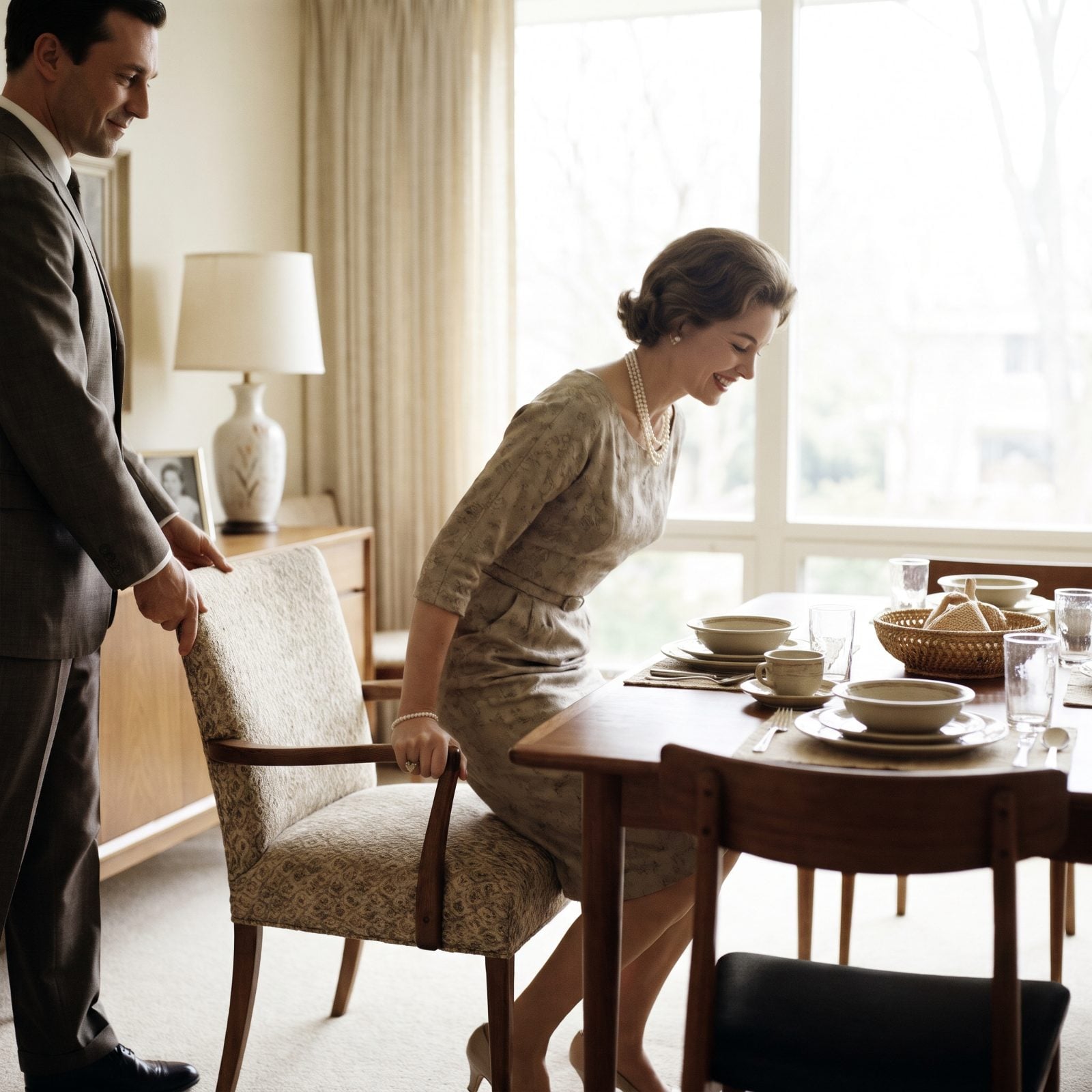
You timed it or you looked clumsy. The woman approached her seat, the man eased the chair out just enough, and as she lowered herself he nudged it back under. Too much push and she lurched toward the table; too little and she dropped into empty air. Nobody taught this directly. You learned it by getting it wrong at somebody else’s table first.
The gesture carried a whole worldview in it — woman as guest of honor, man as attendant, both playing roles that felt natural because nobody around them questioned the script.
14. Guests Waited for the Hostess to Take the First Bite
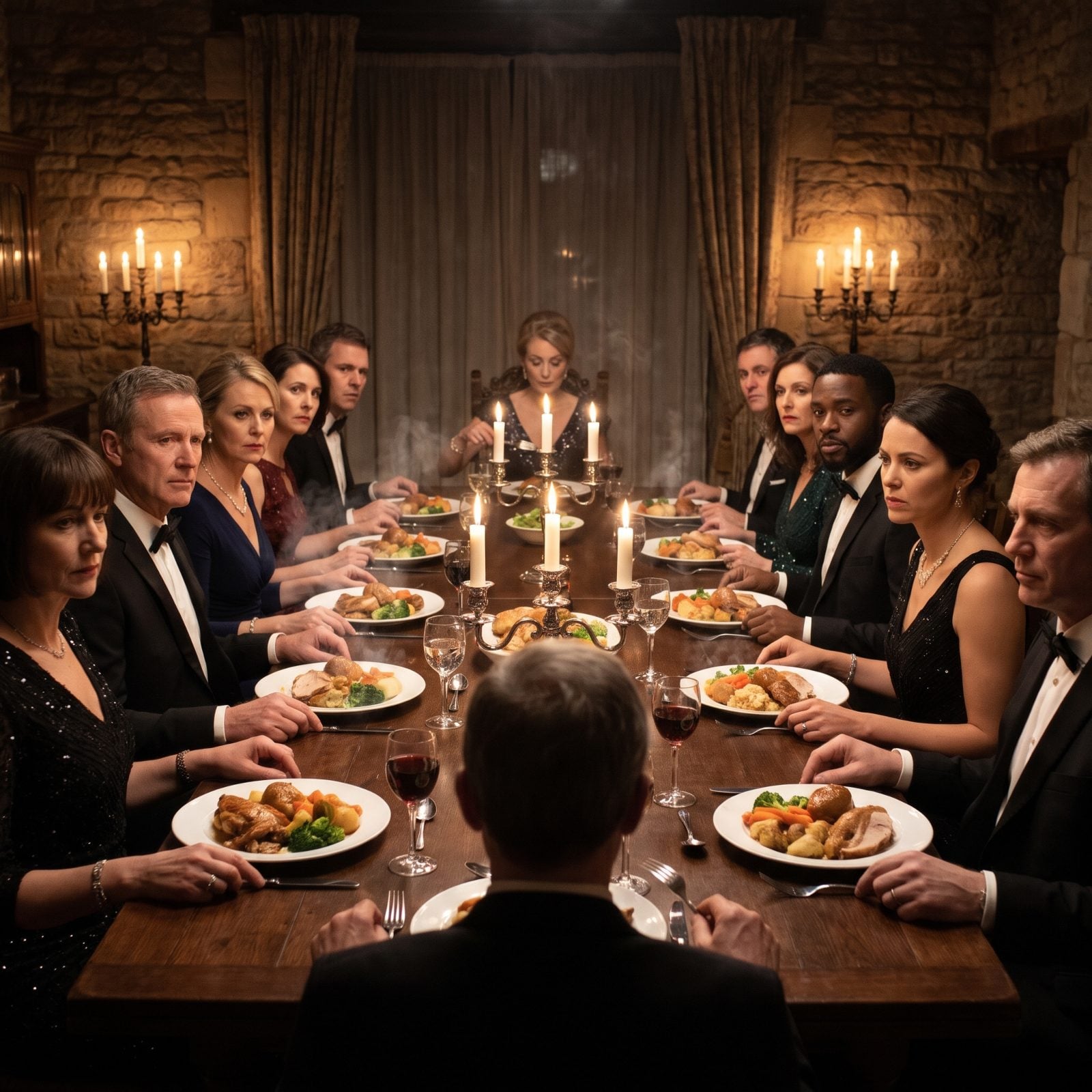
Everyone’s plate steamed in front of them, and nobody moved. The food could go lukewarm, and it did. Forks stayed down until the hostess lifted hers — that first bite was the starting gun, and watching the far end of the table for it became a quiet reflex.
A warm plate and a cold rule. You waited anyway.
Sounds precious now. But the waiting did something. It made the meal begin together, all at once, instead of in a scatter of whoever got hungry first.
13. Soup Had to Be Spooned Away From the Body
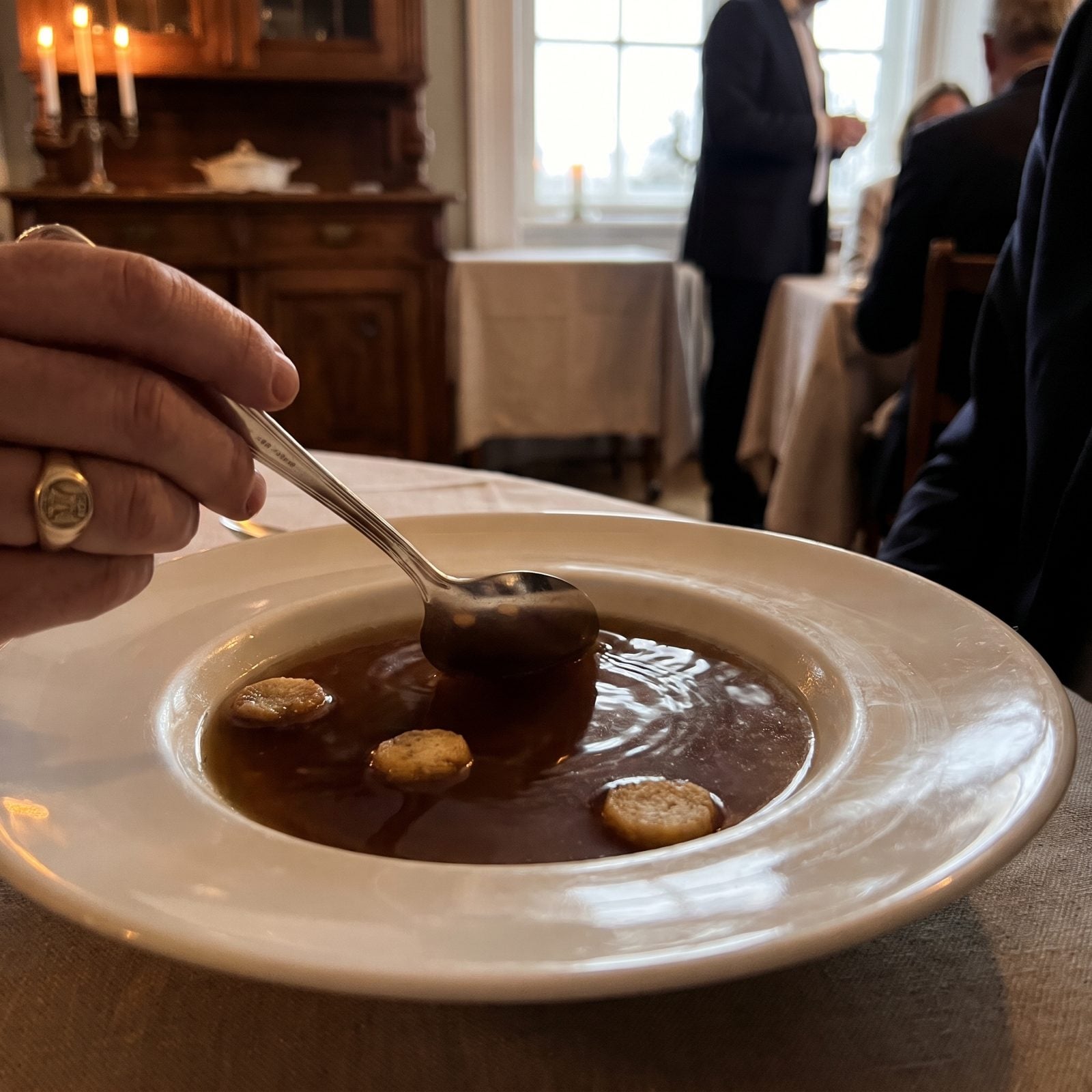
You dipped the spoon at the near edge and drew it toward the far rim, away from you, then sipped from the side without slurping. Tilt the bowl? Only away, and only to chase the last of it. The whole choreography existed to keep a drip from landing in your lap and the sound down to nothing.
Coaching new instructors on how to teach soup manners, an etiquette trainer writes “First, remind participants to sip from the side of the spoon. Here’s the trick—always spoon away from you.”
12. Diners Had to Remember to Use the Outside Fork First
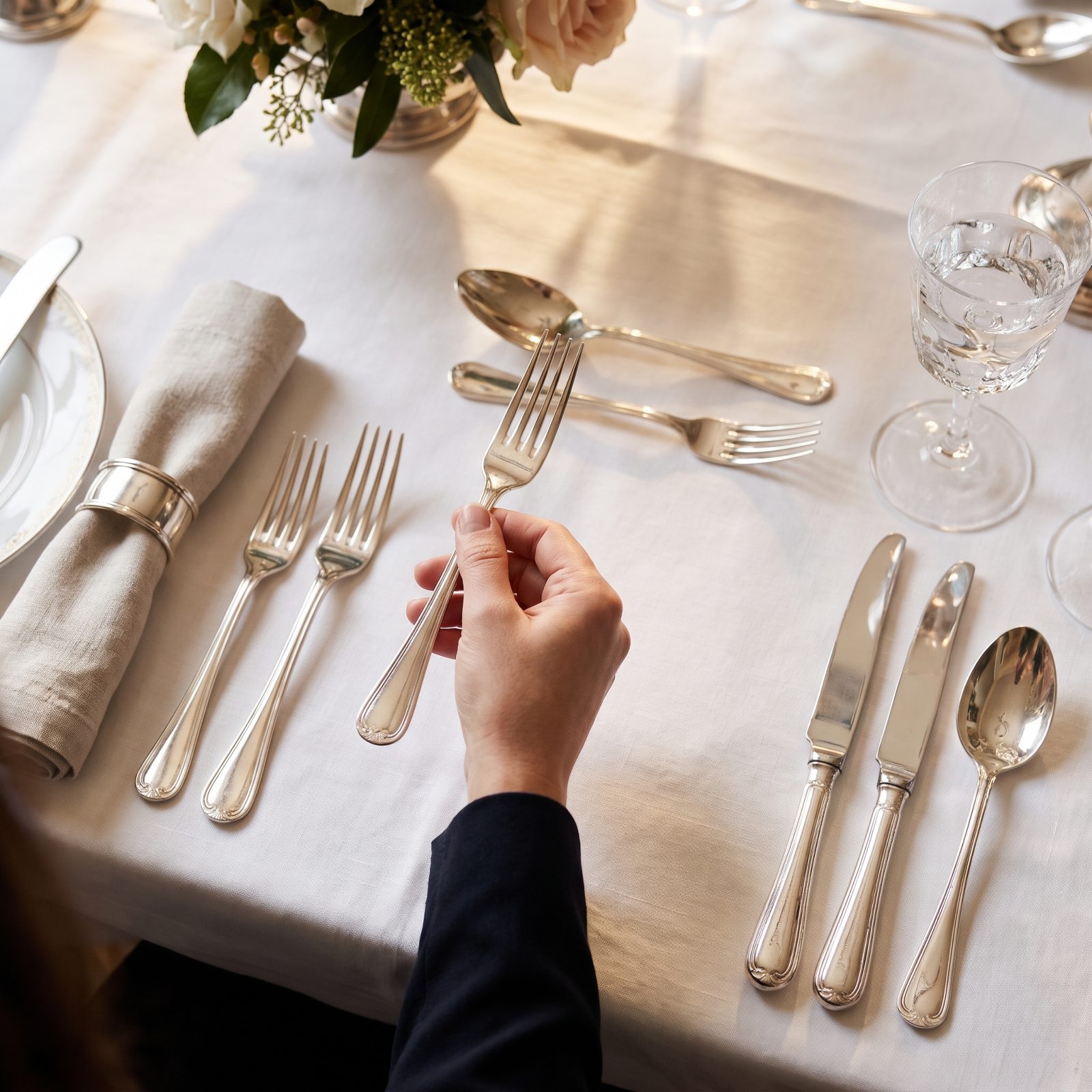
The forks lined up like a countdown. You worked from the outside in, one utensil per course, and if you kept your head you never had to guess — the fish fork lived on the far left because fish came first, the dinner fork waited closer to the plate.
Panic set in when an unexpected course arrived and you second-guessed the whole row. But the trick everyone whispered was simple. Start outside, move inward, and the table had already done the thinking for you.
11. Politics, Money, Illness, and Gossip Were Banned Topics
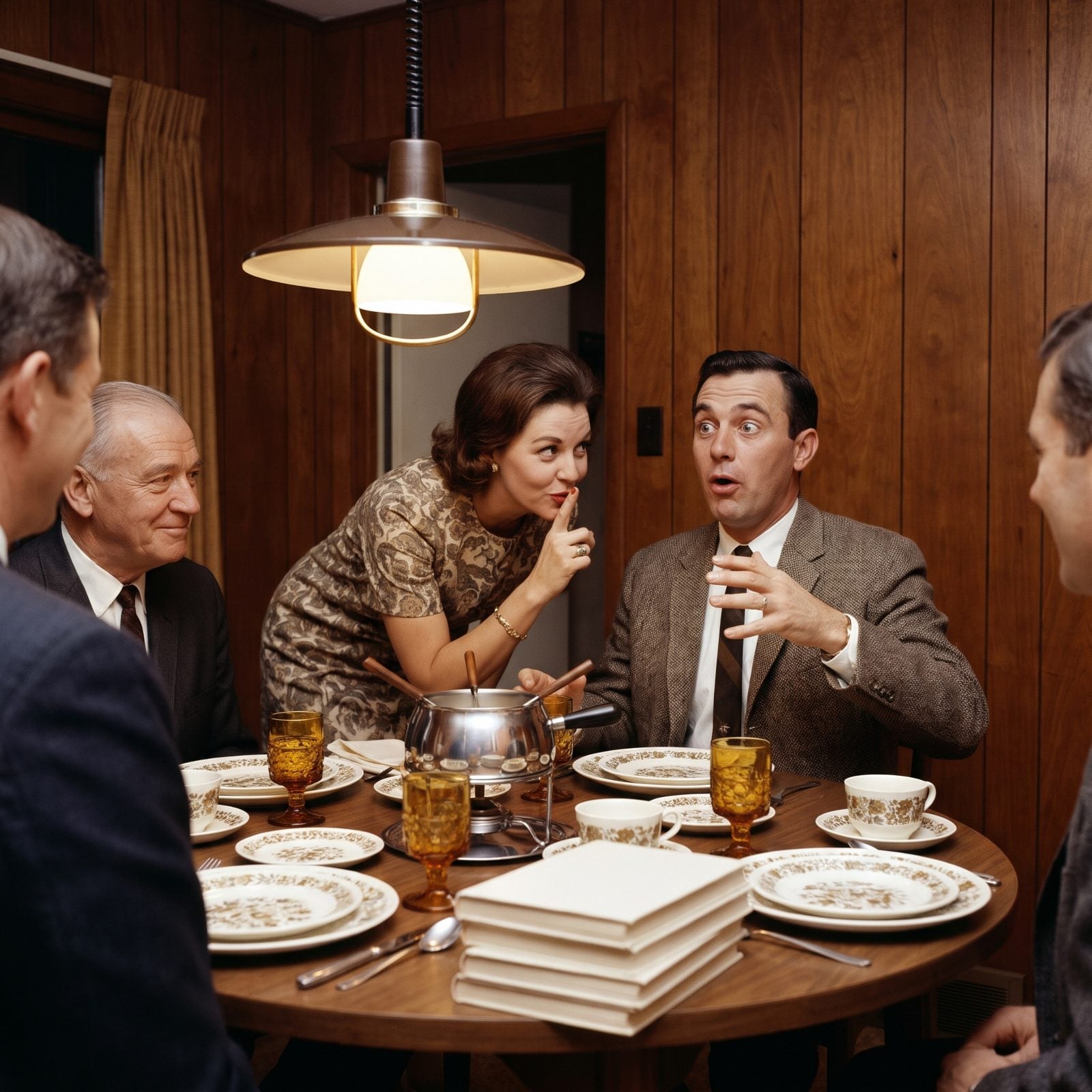
Travel, books, the weather, the roast — all fair game. Politics, money, who was sick, or who had been seen with whom? Off the table entirely. The banned list shrank the conversation on purpose, steering everyone toward the pleasant and away from the pulse-raising.
It was control disguised as grace. Keep it light, keep it safe, and nobody left offended. A dinner table was for digestion, not debate, and you learned to park your opinions at the door with your coat.
10. The Host Carved the Roast While the Hostess Served Vegetables
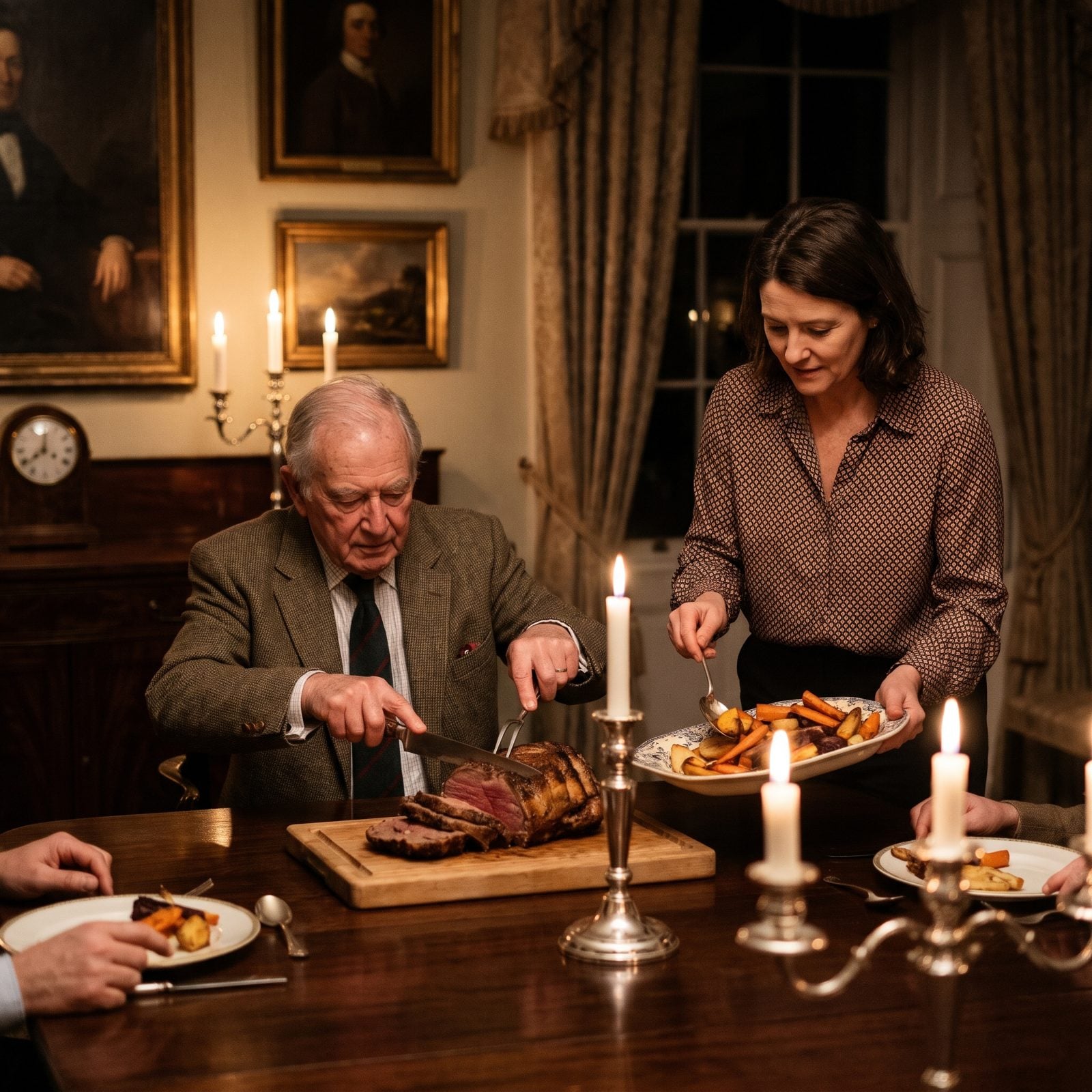
The roast landed in front of the man at the head of the table, and carving was his job alone. He stood or half-rose, worked the knife against the grain, plated slice by slice. At the other end, the hostess spooned out the peas and the potatoes. The meal split down gender lines before anyone took a bite.
Nobody questioned who got the knife. The carving was a small performance, and a man who could lay down clean even slices earned a quiet nod from the table.
9. Dinner Plates Were Warmed Before the Main Course
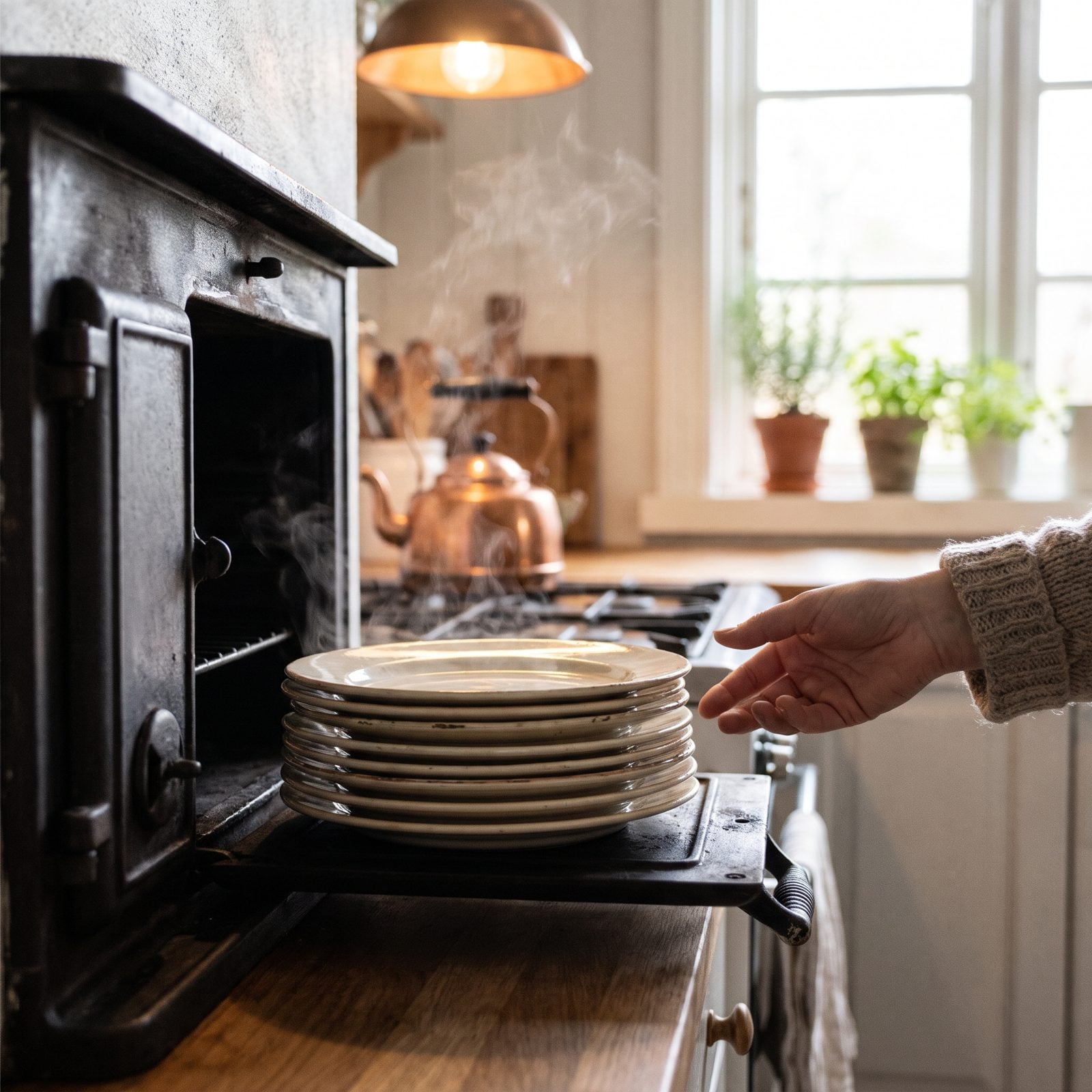
Cold plates killed a hot meal, and the hostess knew it. Before the roast came out, the dinner plates sat warming in a low oven or under a cloth so the butter stayed melted and the gravy didn’t skin over on contact. You handed guests a plate that was warm to the touch, and the food held its heat long enough to be eaten properly.
It’s one of those small details that separated a thought-through dinner from a rushed one. Honestly, it’s the rule I most wish had survived.
8. A Separate Fish Course Added More Plates and Cutlery
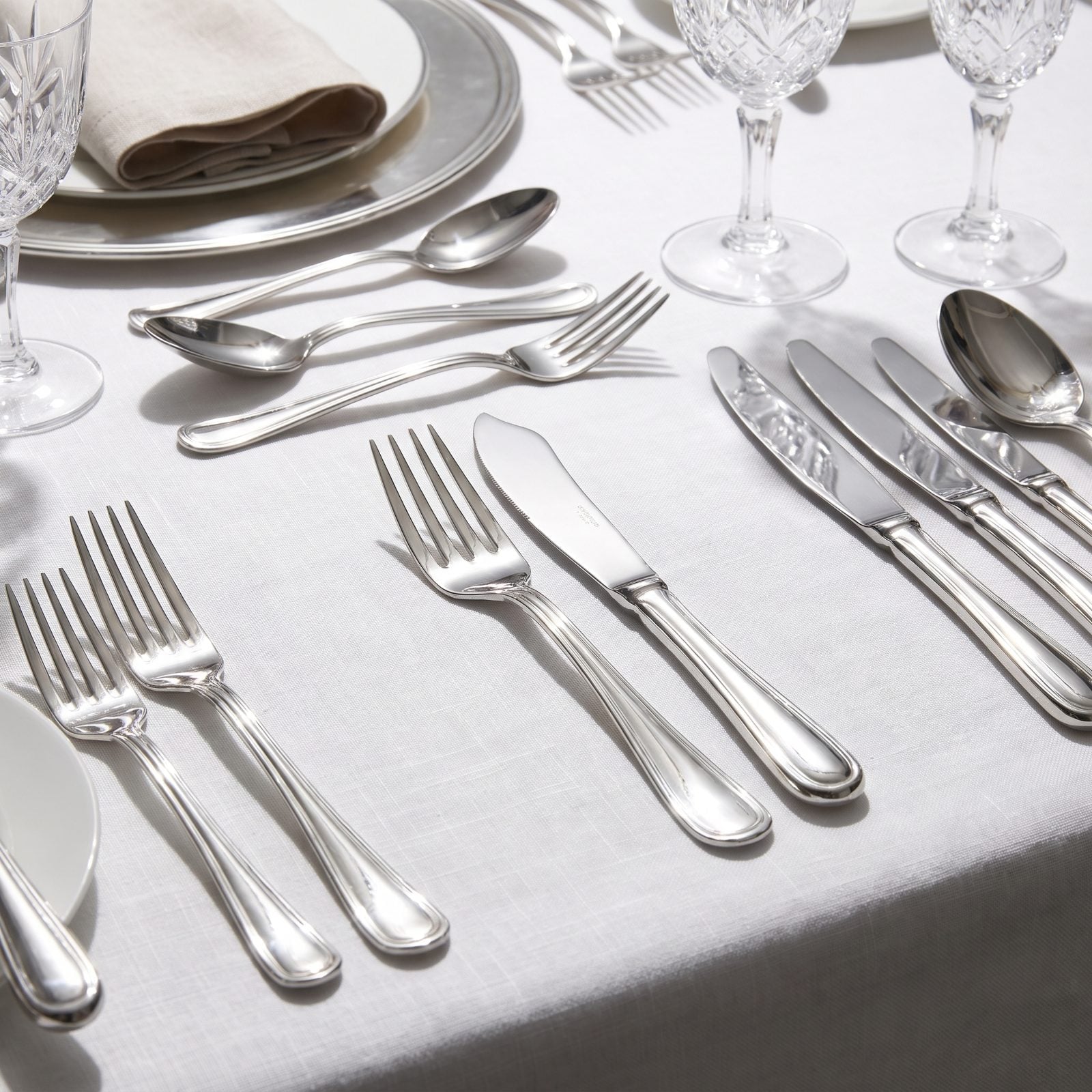
A fish course meant a whole extra arsenal arrived at your place. The fish fork sat with broader tines, and the fish knife came with that odd blunt, notched blade built to lift flesh off bone rather than cut it. You had to recognize both on sight and use them for the sole, not the beef.
More courses meant more plates, more silver, more washing up after the guests went home. The elegance guests admired was somebody’s long night at the sink.
7. The Salad Was Served After the Main Course

The salad came last. Not first, the way it lands on every American table now. In the continental tradition that middle-class hostesses copied from magazines and finishing-school lore, greens arrived after the roast to clean the palate, not before it to fill you up.
Sit with it a minute and the logic holds. A light vinaigrette after a heavy main resets the mouth before dessert. The used fork left resting on the emptied dinner plate was the tell: the main was finished, and only then did the greens arrive.
Whatever course it lands in, salad is a harder sell with Piaci Pizza readers: salad photos got hearts 48% of the time, versus 68% for other images in the same articles.
6. Dessert Required a Fresh Place Setting
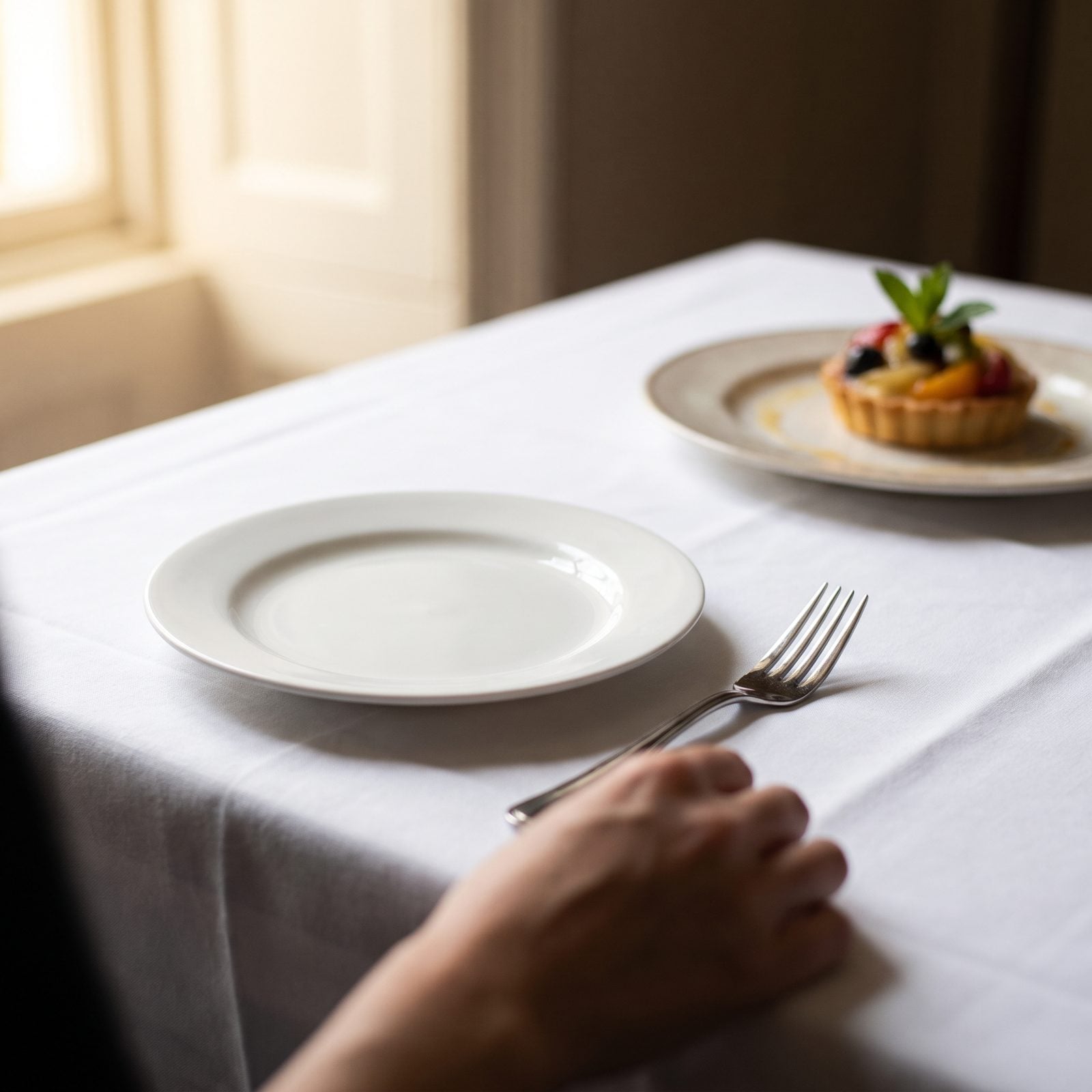
Nobody ate dessert off the plate that held the pot roast. In a house running by the book, that was unthinkable.
Between courses the hostess cleared everything and laid a fresh dessert plate, usually with a single dessert fork already laid on the cloth beside it rather than across the plate. That fork resting beside the plate signaled sweet was coming, and a guest watching the table could read the whole menu just by what silver appeared and when.
The dessert fork beside the plate was a promise, and everyone at the table knew how to read it.
It was labor, all of it. Someone washed those extra plates. Usually the same someone who cooked.
5. Finger Bowls Appeared After the Messiest Foods
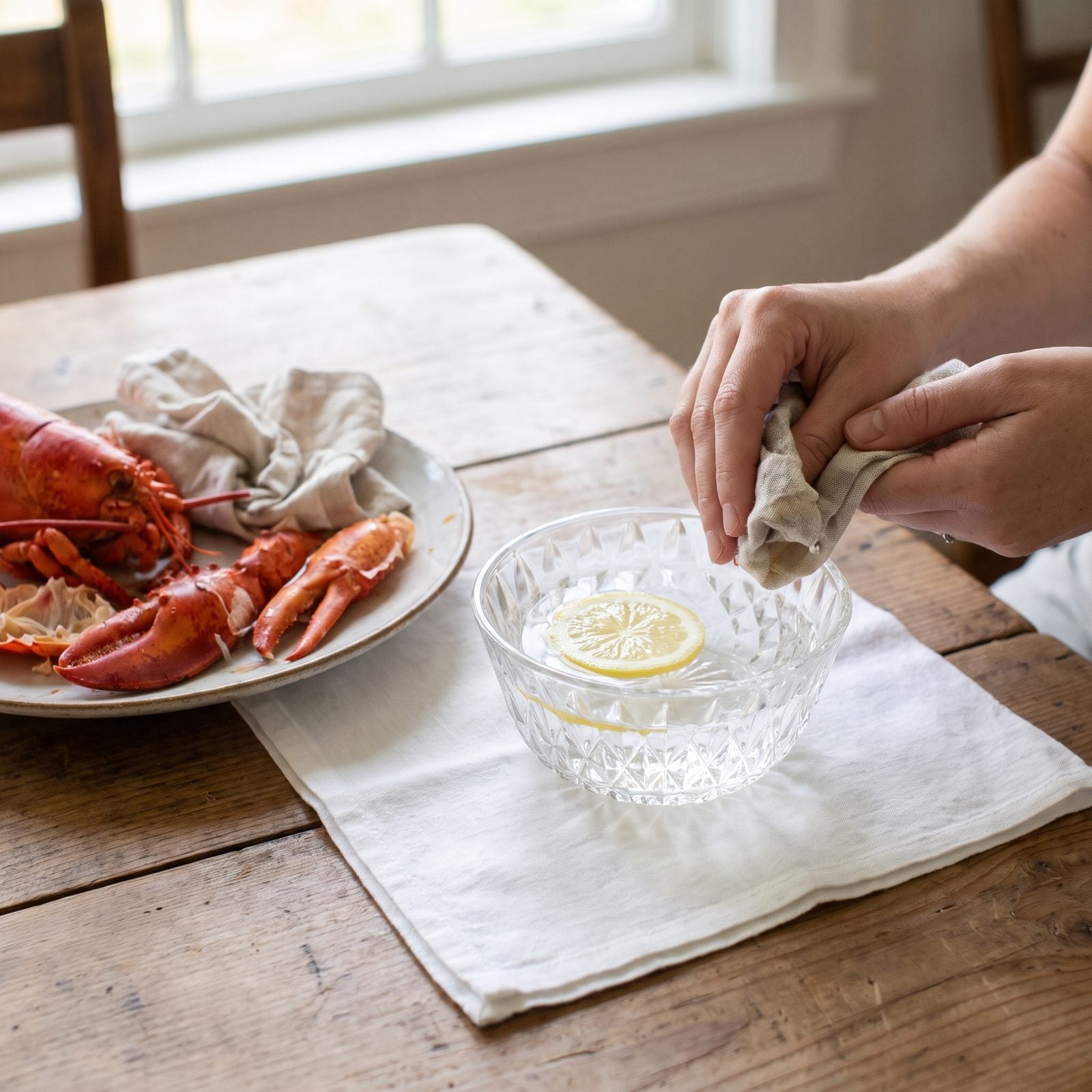
Lobster, corn on the cob, anything that left your fingers in a state: those were the dishes that summoned the finger bowl. A small glass bowl of cool water, a lemon slice floating in it, sometimes a leaf for scent.
Here is where guests got caught. The water was for dipping fingertips, one hand at a time, then drying on the napkin in your lap. It was not soup. The story of the guest who lifted the bowl and drank from it got told at a thousand dinner parties, usually with a kind laugh, usually by people who weren’t entirely sure they wouldn’t have done the same.
4. Used Plates Could Be Cleared but Never Stacked at the Table
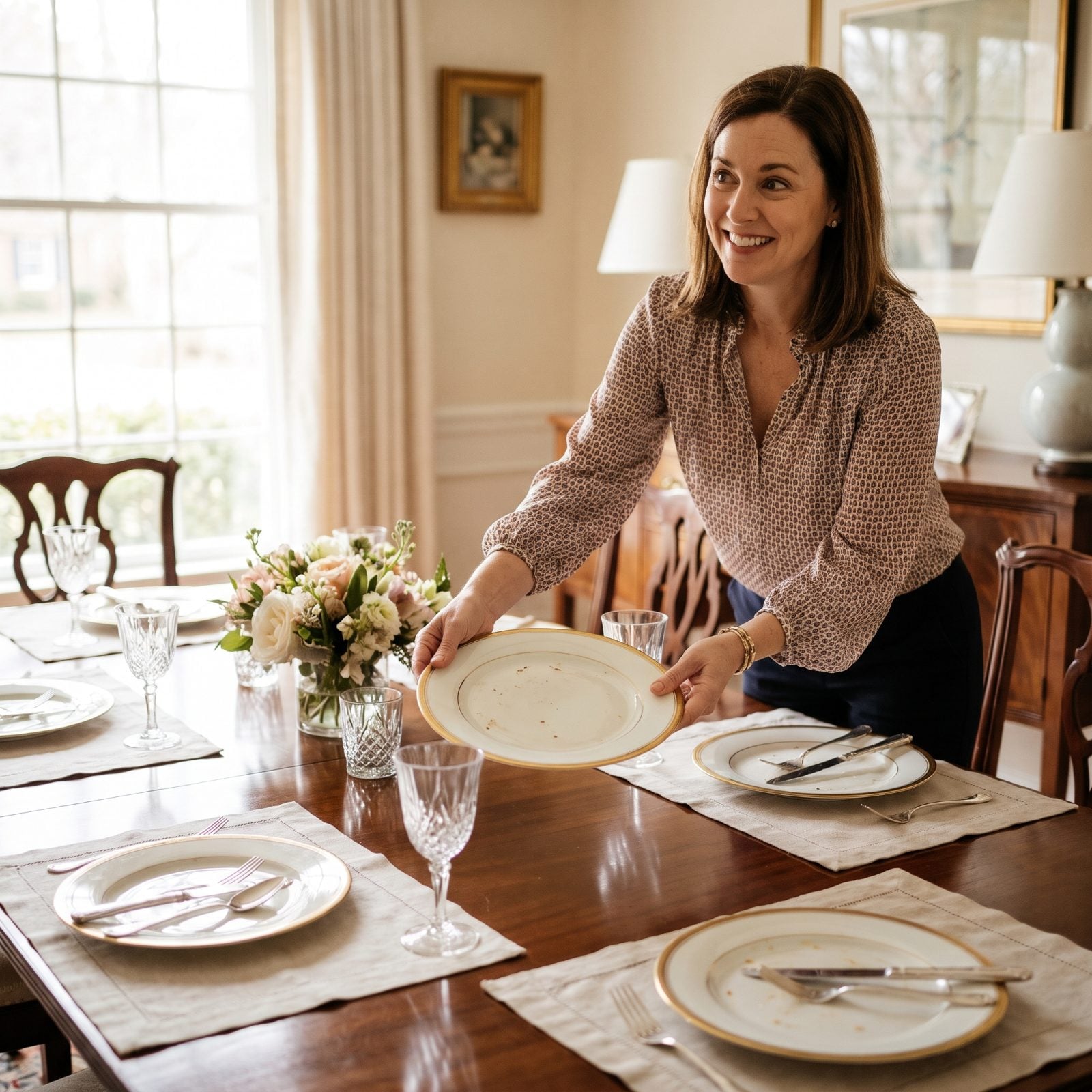
Clearing happened one plate at a time. You never saw a hostess scraping food or stacking dirty plates into a tower right there at the table, no matter how many guests she had to work through.
The reasoning was simple courtesy. Stacking made noise, made mess, reminded everyone they’d been eating. Plates left the table quietly, individually, and the clatter happened in the kitchen where it belonged.
This one survives in good restaurants and dies in most homes. Ever flinched a little watching someone build a plate-pyramid at a dinner party? This rule is why. Somewhere, somebody’s grandmother trained the instinct into you.
Laying out fine-dining clearing rules, a restaurant service trainer writes “Never stack plates at the table. Never scrape food in front of the guest. Each plate is lifted individually and carried to the service station.”
3. Cigarettes Appeared After Dinner, and a Gentleman Lit Them
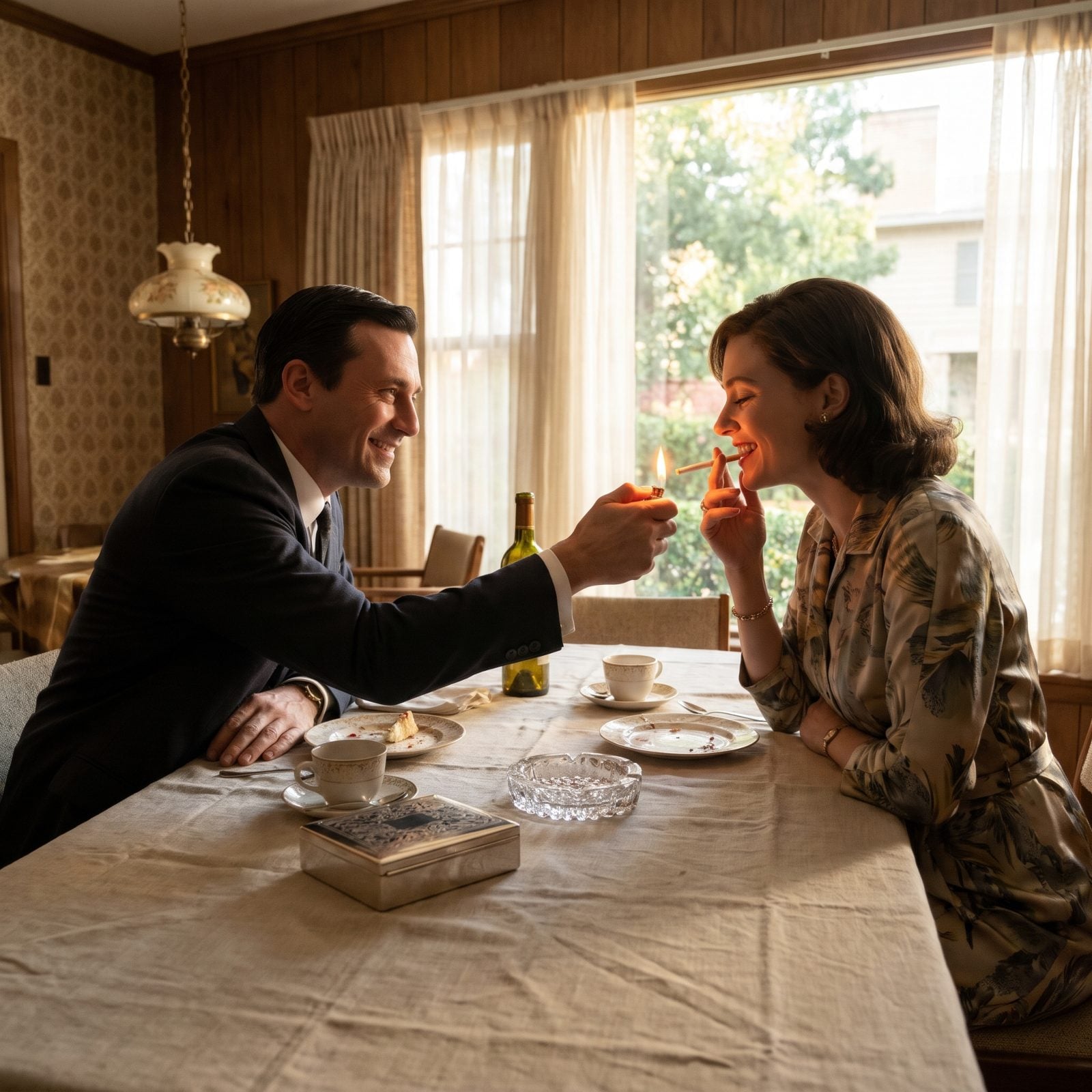
Smoking at the table before the meal ended was a breach. Afterward it was practically expected. The silver cigarette box came out with the coffee, and a well-mannered man leaned across to light the woman beside him before touching his own.
It reads strangely now, this choreographed gesture around something we’ve spent decades warning against. But the etiquette wasn’t about the cigarette. It was about attention, a man noticing a need and meeting it before being asked.
2. Coffee Was Served From a Formal Tray in the Living Room
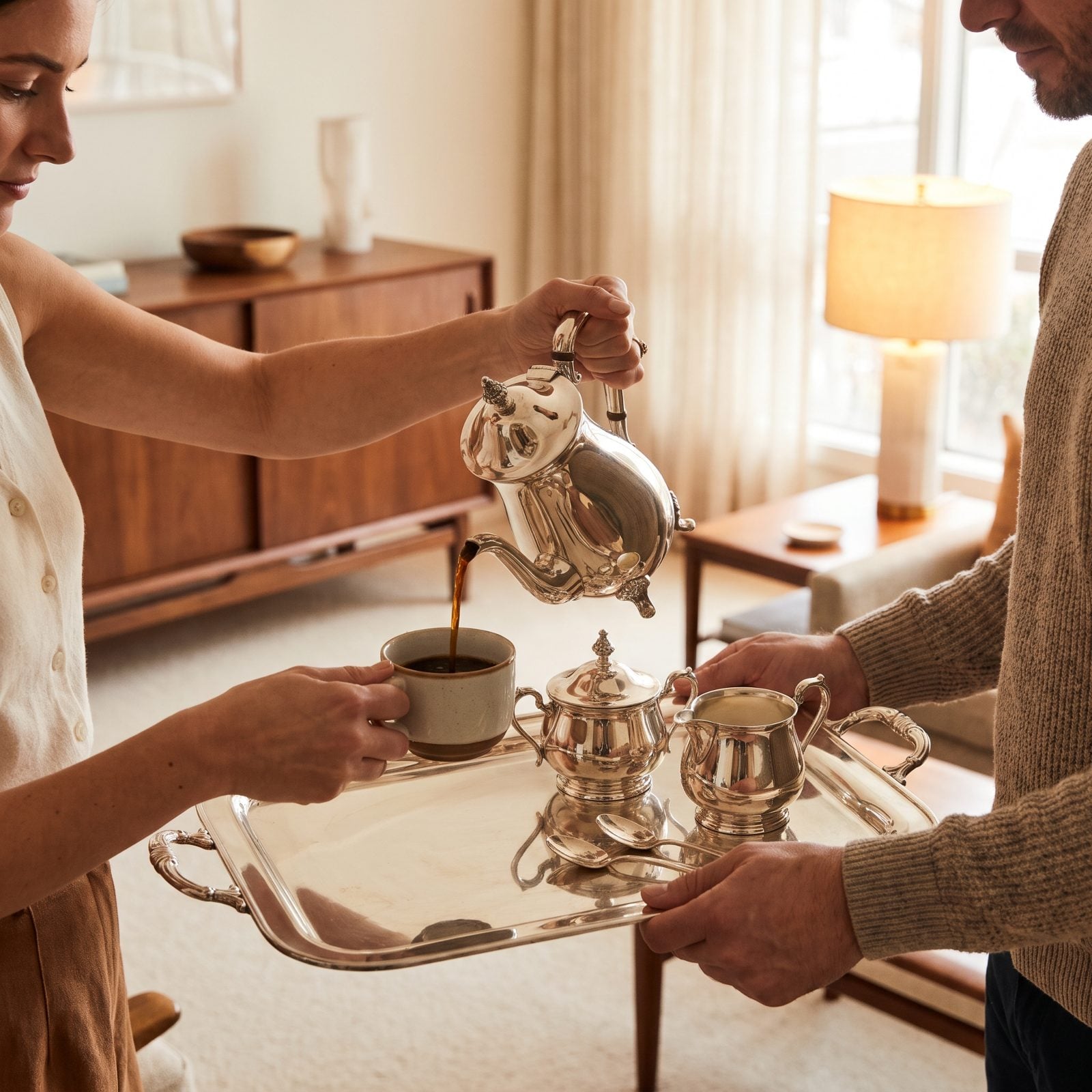
The meal ended in the dining room, but the evening moved. Coffee got carried to the living room on a silver tray, poured into sturdy stoneware cups, and handed round by the host himself.
Deliberate staging, all of it. Shifting rooms signaled the formal part was over and the comfortable part had begun. Guests sank into the sofa, loosened up, and the conversation changed register once the hard dining chairs were behind them.
Every house that did this had the tray. It lived in a cabinet, came out for company, and went back in the moment they left. Mine, if I’d had one, would have stayed in the box.
1. Men and Women Were Encouraged to Separate After Dinner
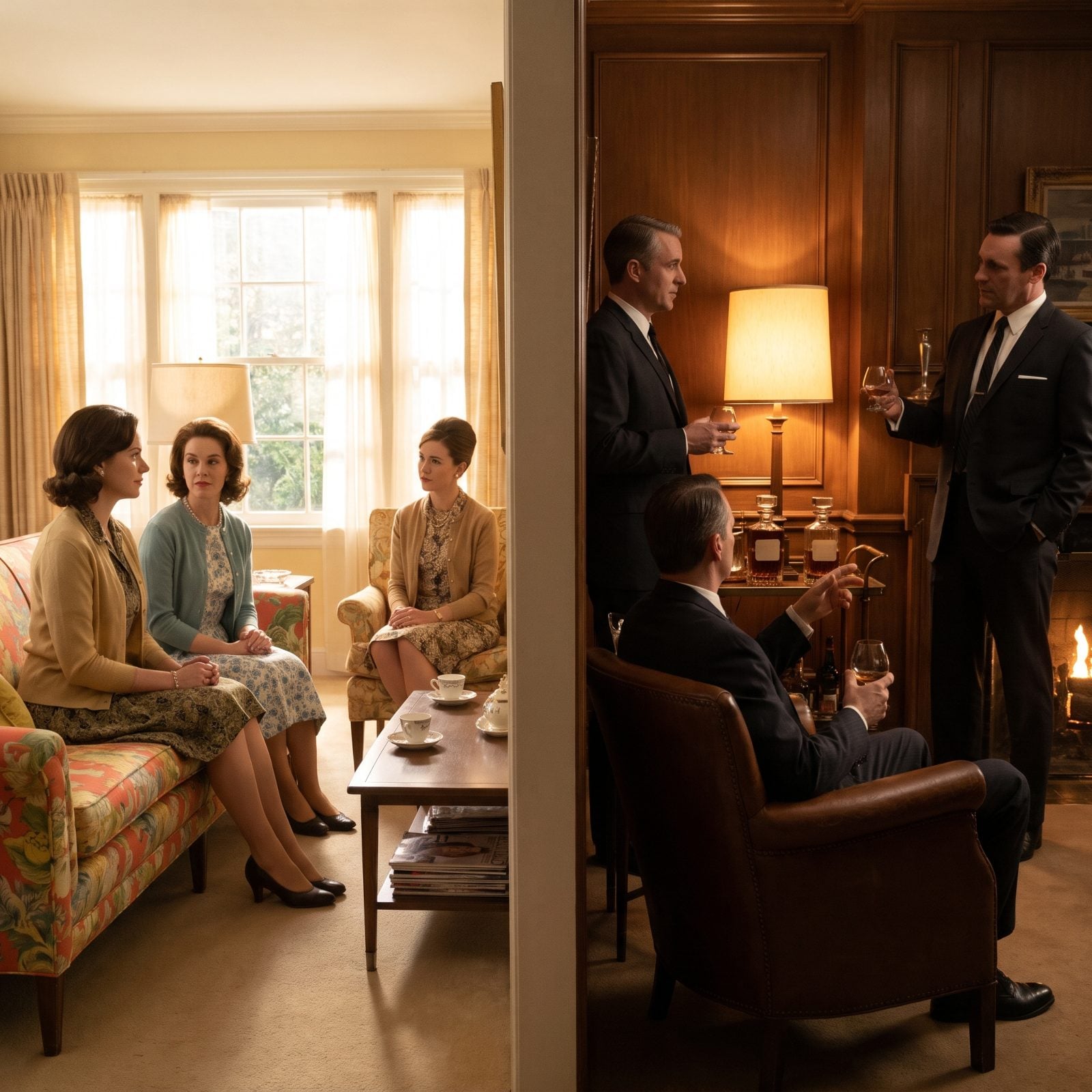
After the coffee, the party quietly split. Women stayed in the living room, men to the den or study with brandy and cigars, and for a stretch the evening ran on two separate tracks.
The official reason was that each group would be more at ease among its own, free to talk shop or gossip without performing for the other. The unofficial reason tells you everything about the decade: who was expected to discuss business and who was expected to discuss everyone else.
It faded fast. By the 70s, hostesses who tried it got polite resistance. The whole custom now feels like a photograph you find in a drawer, interesting precisely because nobody lives that way anymore.