Would you like to save this?
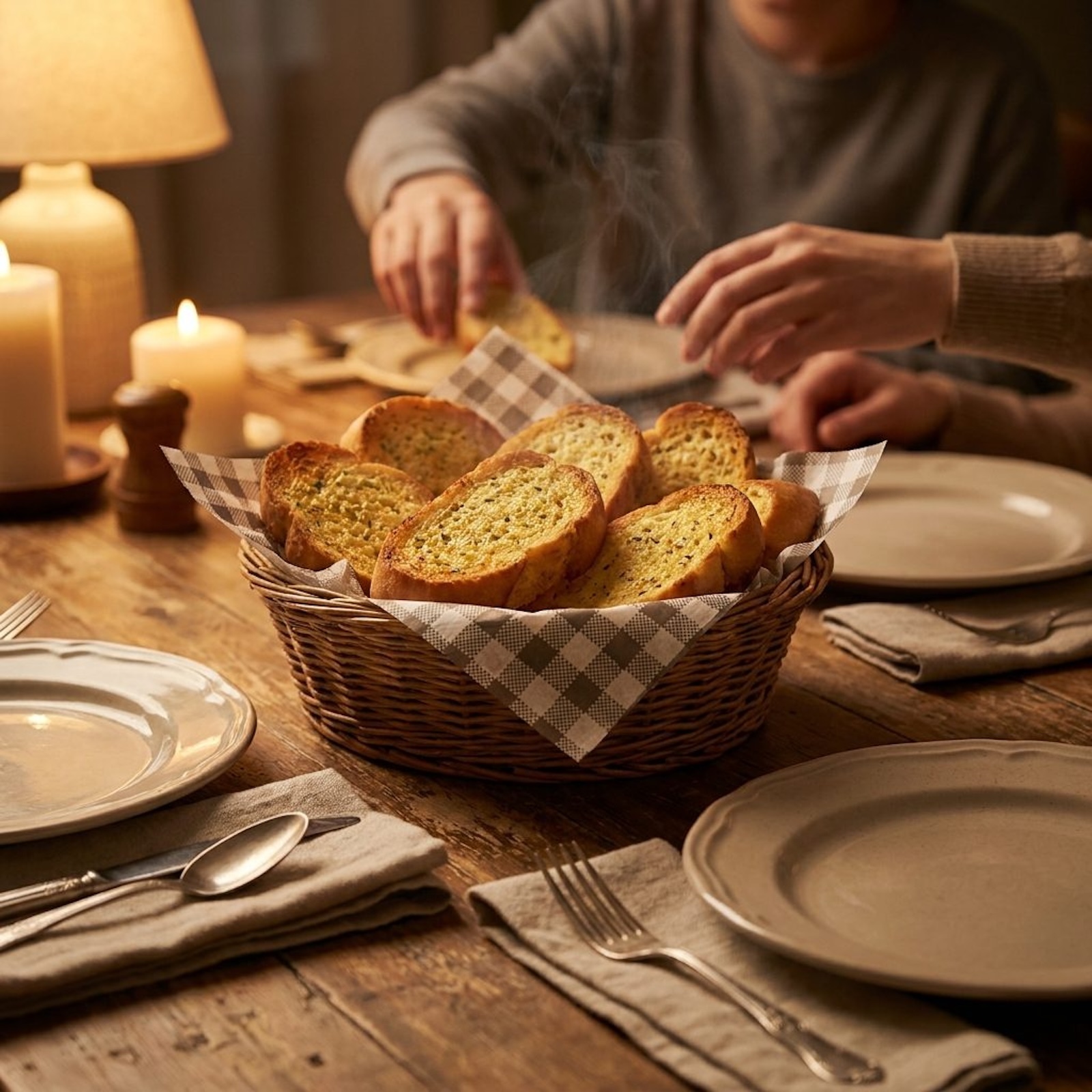
The bread came out before anything else, and you already knew dinner was going to be good. That warm foil packet, slightly crackling at the edges, hit the table and the whole room smelled like Sunday and something your grandmother would recognize. Whatever was happening in the kitchen, however long the sauce still had to go, none of that mattered. The bread was here. These are the details you remember.
Please note that some of the images in this article were created with the assistance of AI.
40. The Stick of Butter That Got Unwrapped While the Bread Was Already Sliced and Waiting
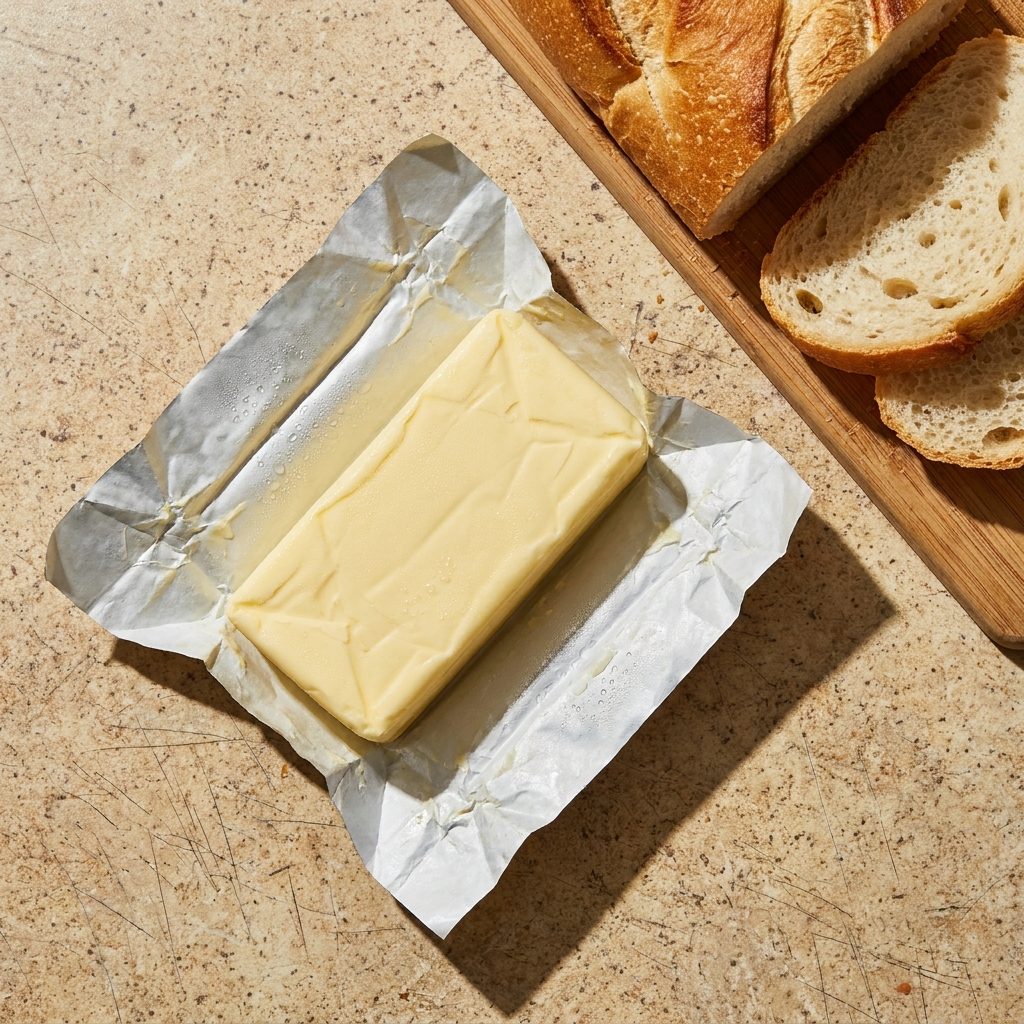
Dinner was fifteen minutes away and the butter came out of the fridge still cold and brick-hard, which is a fact that never stopped anyone. You unwrapped it from the wax paper anyway, dragged it across the sliced bread while it left torn white streaks instead of melting in, and called it good. The oven would sort it out. It always did.
The wrapper got folded and set on the counter in case you needed to grease something later. It was never thrown away on the first attempt.
39. The Way the Cut Side of the Bread Got Pressed Flat Against the Baking Sheet
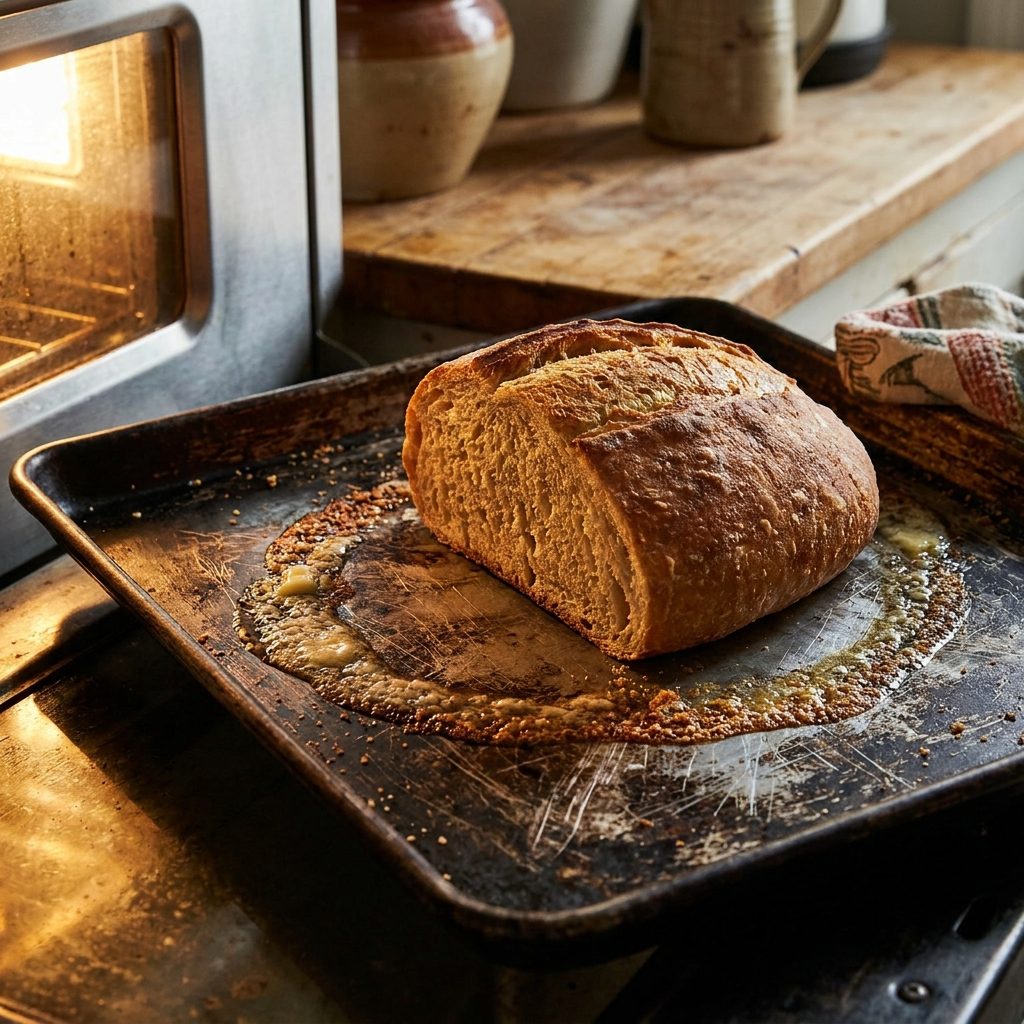
Not every household went cut-side-up. Some put the bread face-down directly on the baking sheet and let it absorb everything from below, which produced a different result entirely, denser, greasier, the garlic butter cooked into the bread instead of sitting on top of it.
The underside came out with a faint sear from the pan. The top stayed soft. It was the garlic bread equivalent of a grilled cheese made in a skillet instead of a toaster, and the people who made it this way were quietly confident they had the better method.
38. The Garlic Clove That Showed Up in Ambitious Households Instead of the Powder
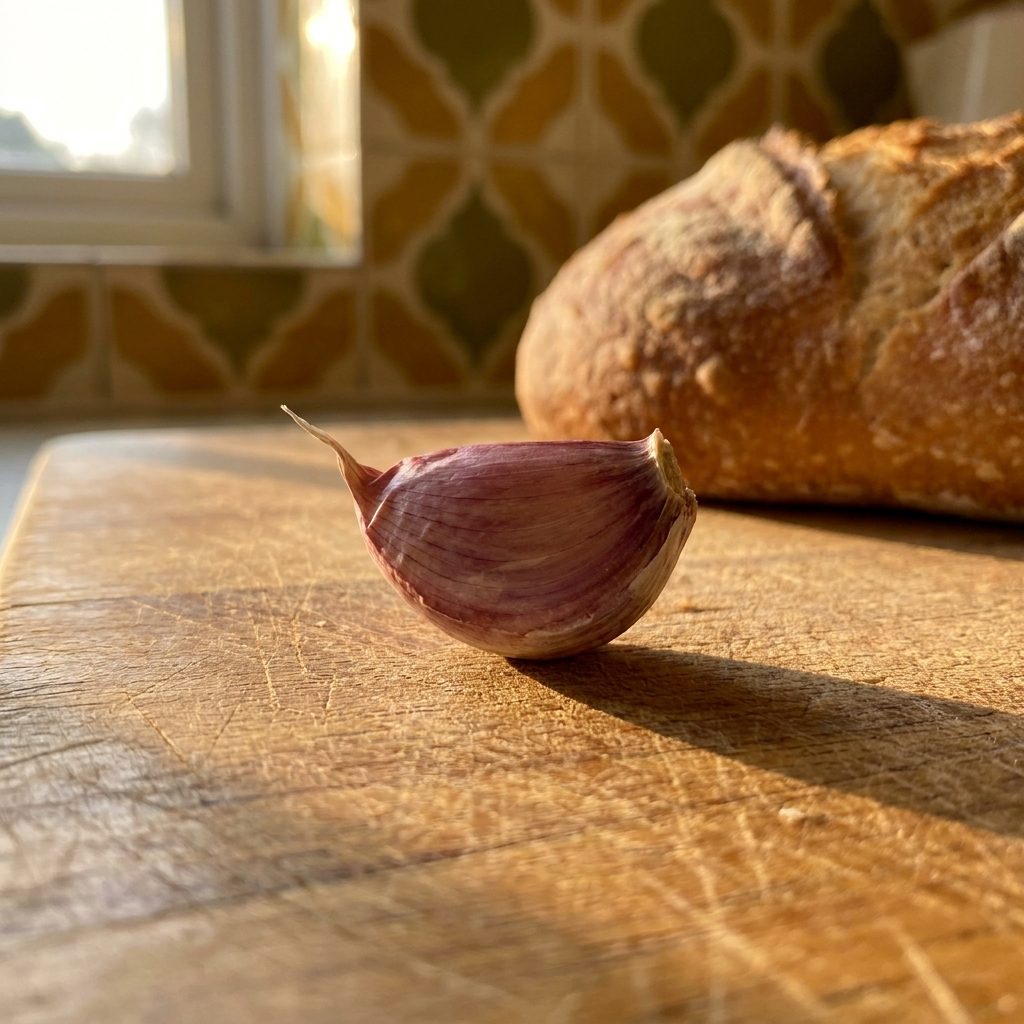
Most households ran on garlic powder, but every neighborhood had one family that used real garlic, and you knew it the second you walked in the door. They minced two cloves with a paring knife, worked it into softened butter with a fork until it was pale yellow and studded with white, and spread it on bread that came out of the oven with a smell that was sharper and more alive than anything from a shaker jar.
This was considered slightly extra for a Tuesday night in 1984. It was absolutely worth it.
37. The Broiler That Got Pressed Into Service for the Last Two Minutes
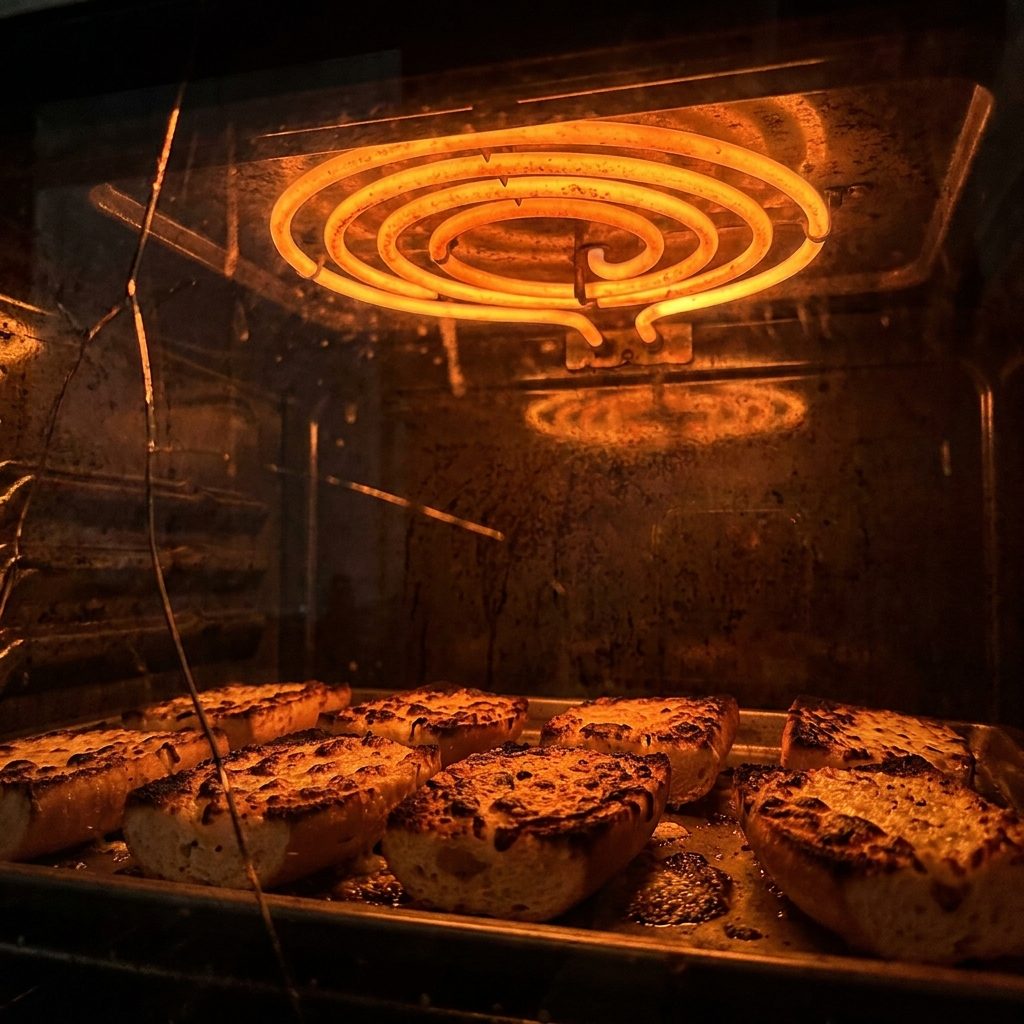
The oven did most of the work, but the broiler finished it. Two minutes, maybe three, with the door cracked and someone standing right there watching, because walking away from a broiler in the 1980s meant smoke and a parent who was not happy about it.
What the broiler did that the oven couldn’t was toast the surface without cooking the inside any further, the garlic butter crisped, the edges went golden, and the top of the bread got a faint char on the highest ridges of the crust that was the whole point of the exercise. The difference between garlic bread and good garlic bread was usually those final two minutes under the element.
36. The Specific Smell That Hit You at the Top of the Stairs When It Was Almost Ready
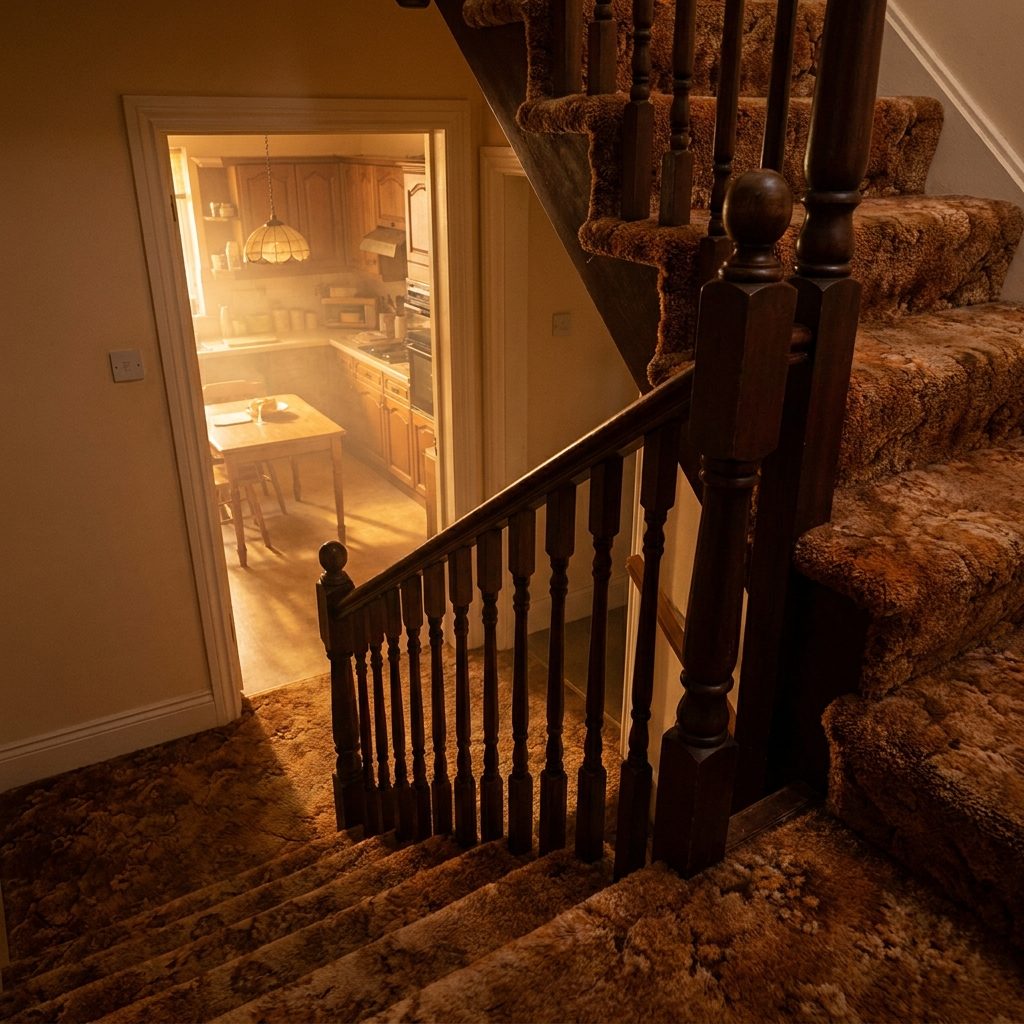
You could be upstairs doing homework or watching TV in the back bedroom and still know exactly where dinner was in the process. The garlic-butter smell traveled through the whole house the way almost nothing else did, ahead of the pasta, ahead of the sauce, ahead of everything.
It meant ten minutes, maybe fifteen. It meant set the table without being asked. It was the dinner bell that didn’t make a sound.
35. The Foil That Got Opened Partway at the Table So the Bread Stayed Warm Longer
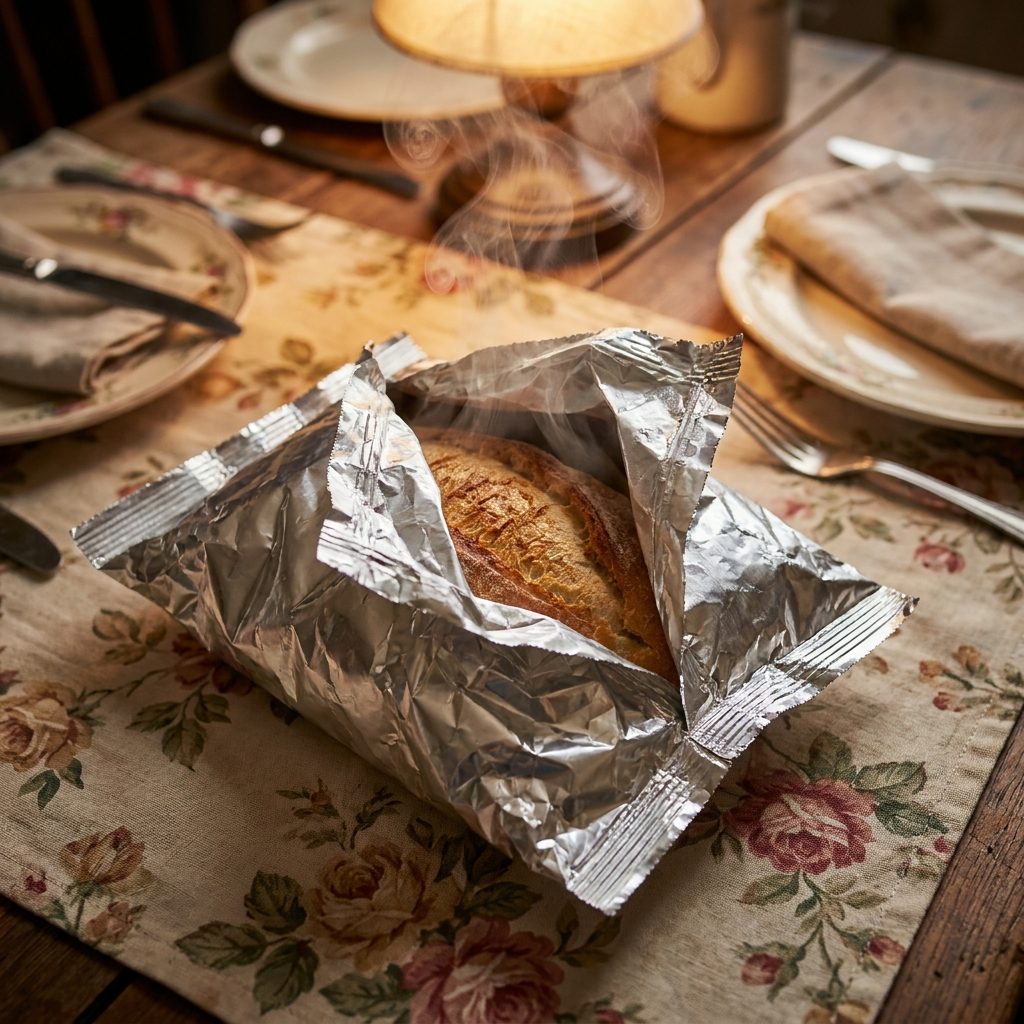
Whoever opened the foil at the table had the good sense not to pull it all the way back. You peeled the top open just enough to let people in, but left the sides folded up around the bread like a little foil cradle, because the second you unwrapped it completely it started cooling down fast and nobody wanted cold garlic bread before the pasta even got served.
This was practical knowledge, passed down without anyone ever saying it out loud.
34. The Way the Garlic Butter Pooled in the Score Marks When You Cut It Thick
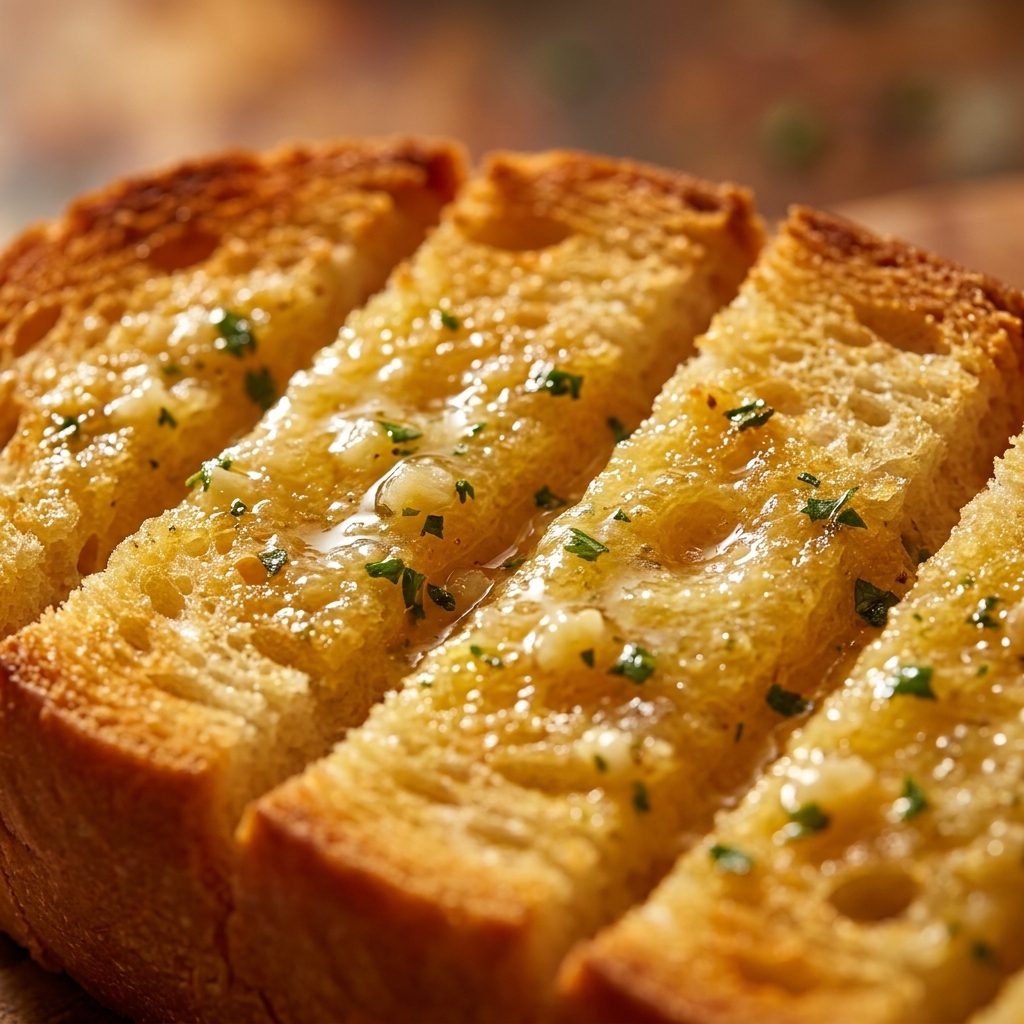
Cut the bread thick and something happened in the score marks. The garlic butter ran down into the grooves as it melted and collected there in little golden channels, which meant the piece you pulled from the center of the loaf had extra butter along both cut edges. This was not accidental planning. It was just what happened, and everyone at the table knew which pieces were better for it.
33. The Empty Basket at the End of the Table That Nobody Cleared Because Dinner Wasn’t Technically Over
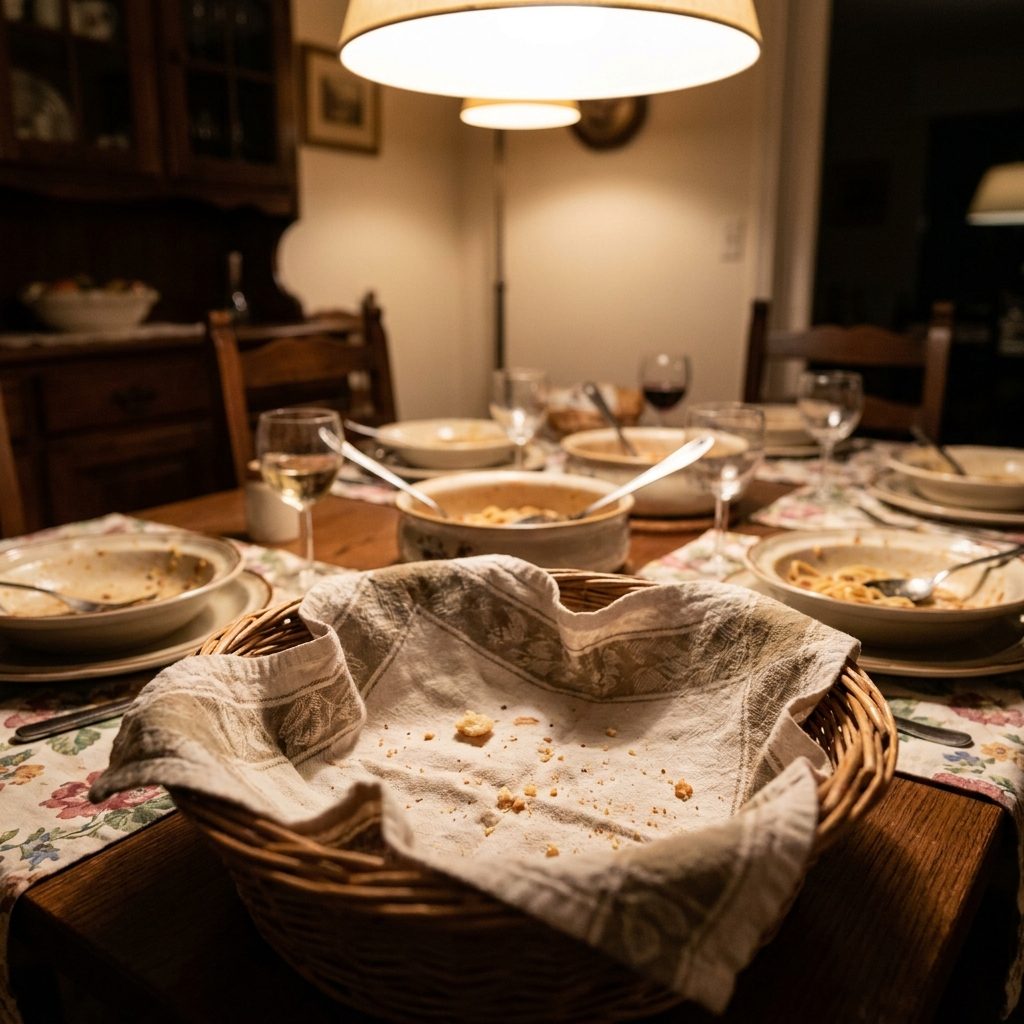
The bread was always the first thing gone. The pasta was still being served and the basket was already empty, sitting in the middle of the table with just a greasy paper napkin liner and a few crumbs as evidence. Nobody moved it. It stayed there through the whole meal, which felt right, the way an empty bowl at the end of a party still belongs on the table for a while.
If you were lucky, someone had held one piece back on the counter. Not for themselves. Just because they knew how the meal would go.
32. The Foil Wrap That Came Out of the Oven Looking Like a Silver Football
Would you like to save this?
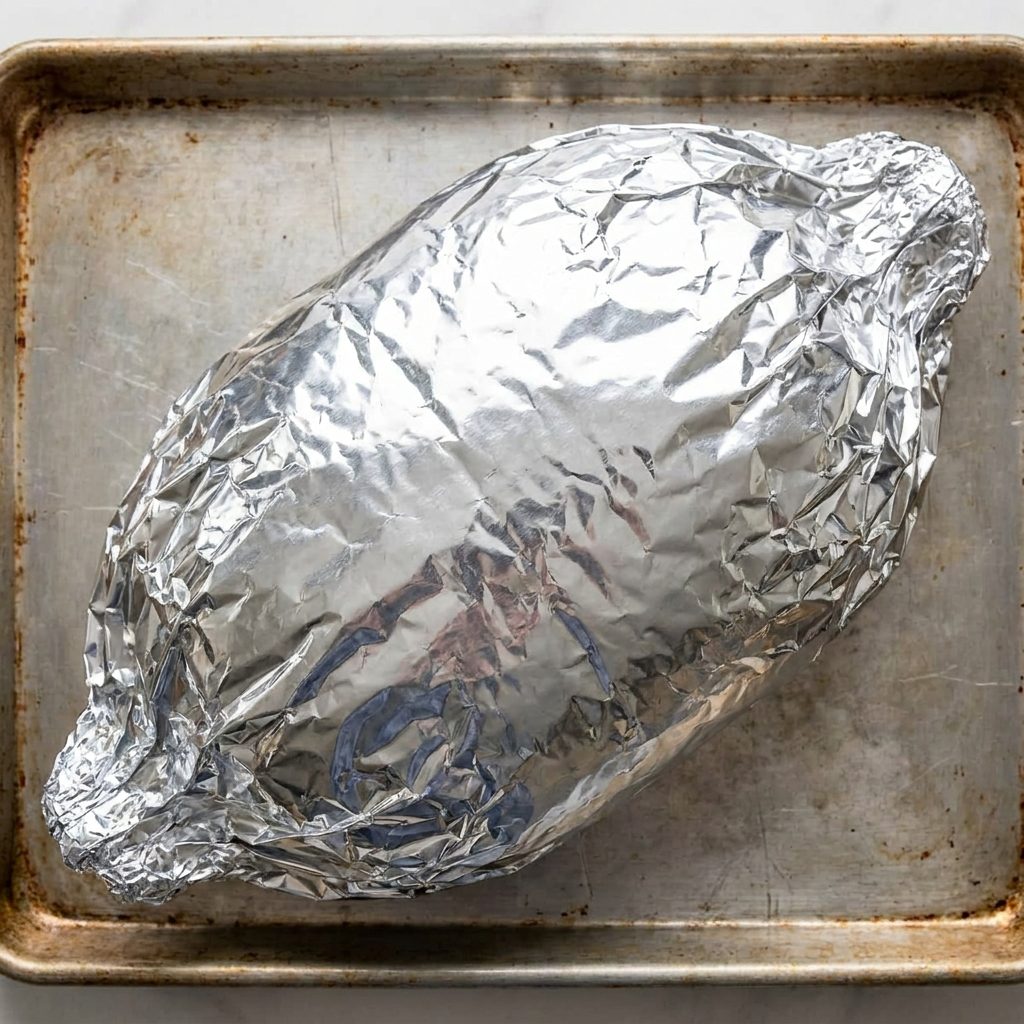
You learned early that the foil was not optional. Butter needed the steam. The steam needed the seal. And the seal meant that when you pulled the loaf out at 350 degrees, the whole package had inflated slightly, tight and drum-firm, smelling like garlic before you even broke the crimp.
Unwrapping it at the table was its own small ceremony. The foil hissed. The butter had gone translucent. The bread underneath was soft in the middle and just barely crisped at the cut edges where a little steam had escaped. Your mom did this every single time and never once consulted a recipe.
31. The Garlic Powder Jar With the Shaker Top That Was Always Half-Caked
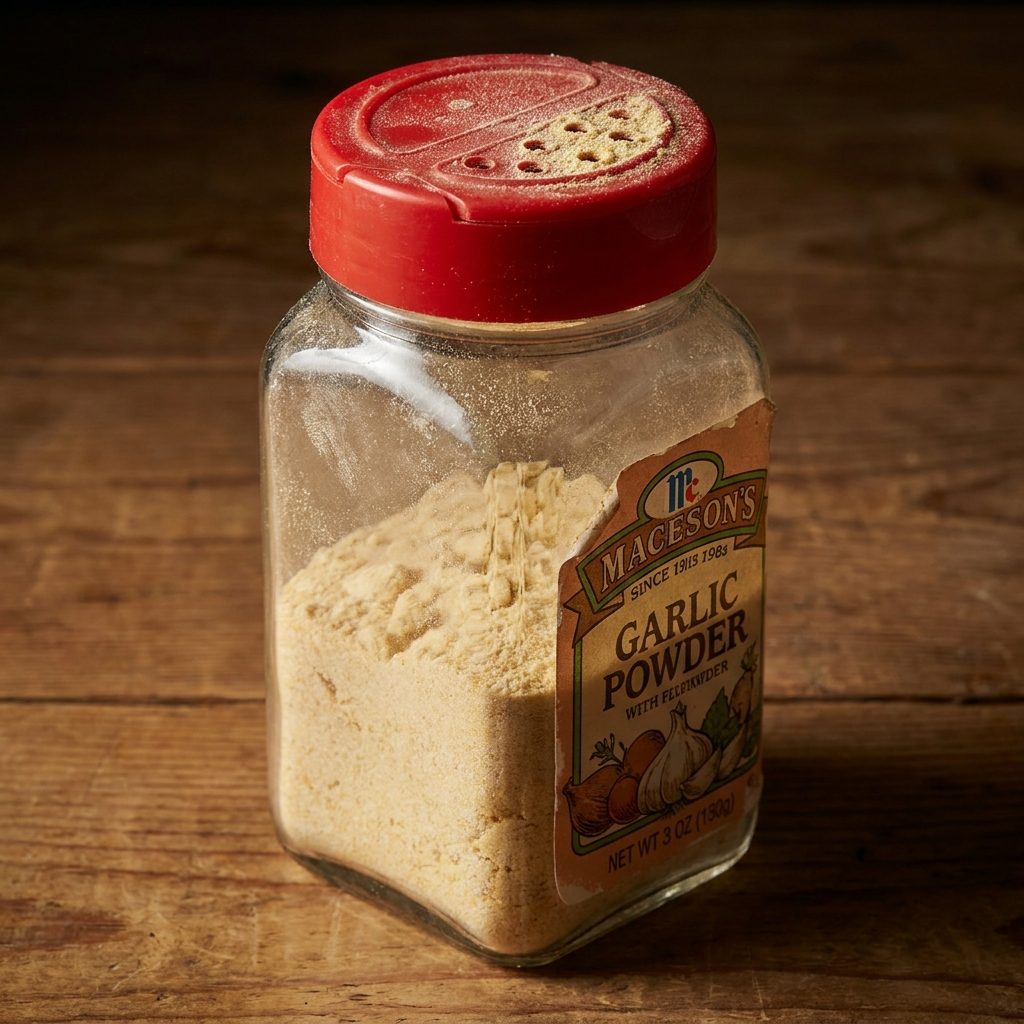
Every Italian household had one. The garlic powder jar with the plastic shaker top that was perpetually, stubbornly clogged. You’d tap it against your palm. You’d poke a toothpick through the holes. Sometimes you’d just unscrew the lid entirely and shake from the open jar, which resulted in a small garlic-powder snowstorm over the butter-slicked bread and whatever else was nearby.
Nobody threw the jar out when it got caky. You just worked around it. That was the whole relationship.
30. The Bread Knife That Lived in the Drawer and Only Came Out for This
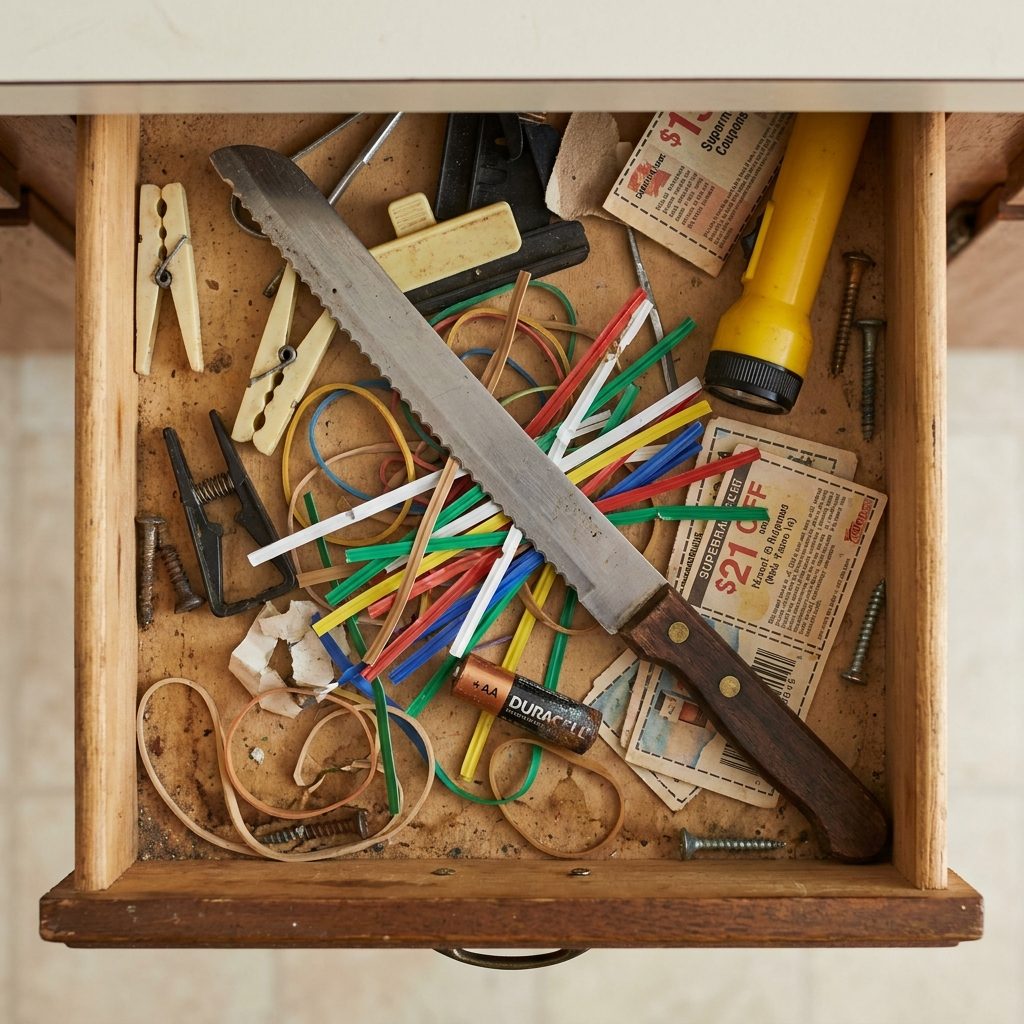
It wasn’t in the knife block. It was in the drawer, loose, usually under some twist ties and a dead battery. Long blade, wooden handle worn pale at the grip, serrated edge that still cut clean because bread knives basically last forever.
You only pulled it out for two things: slicing a fresh loaf and making garlic bread. The rest of the time it just waited in that drawer. Forty years of the same two jobs, doing both without complaint. There’s something admirable about that.
29. The Margarine Tub That Did the Work When Butter Wasn’t Softened
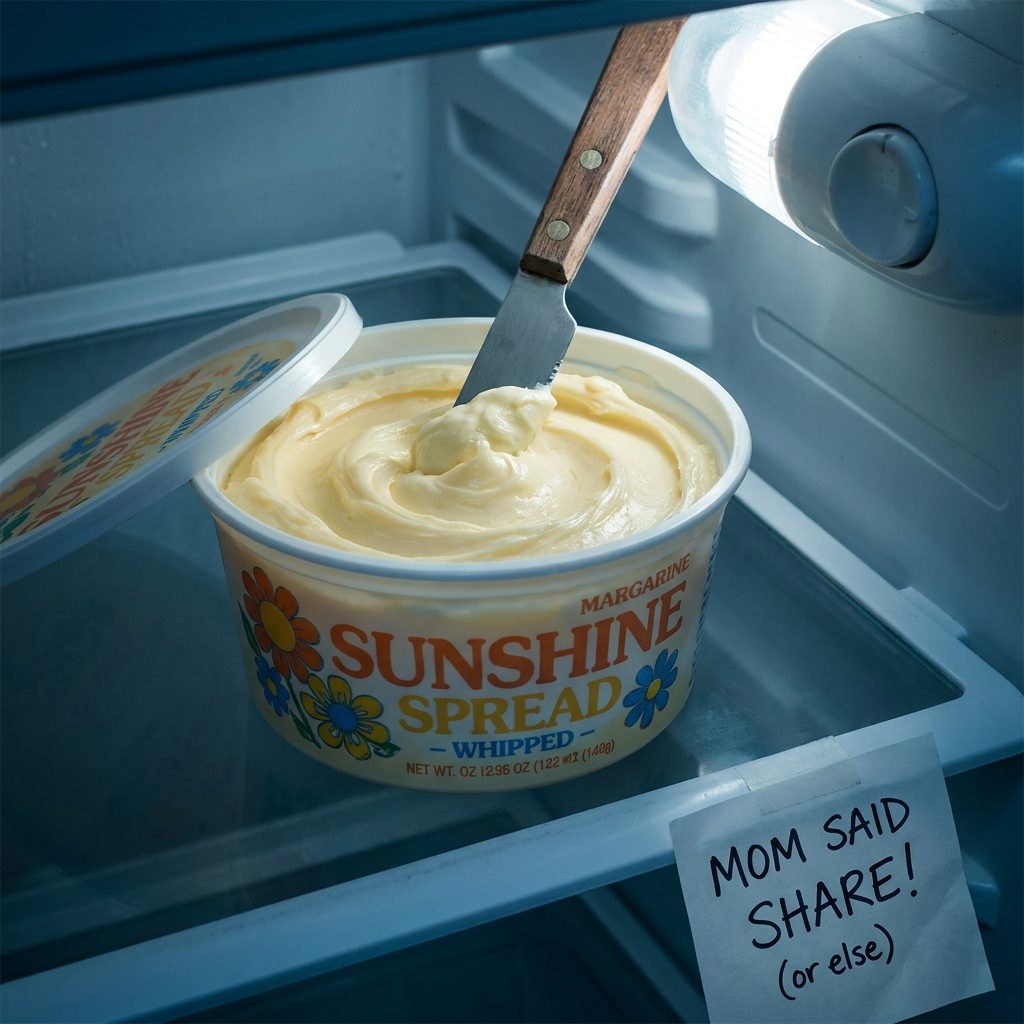
Butter was the goal. Margarine was what you had when you forgot to pull the butter out. The tub was always in the fridge door, always a little scooped-out on one side, always slightly translucent at the edges from being packed near the door seal.
The result wasn’t exactly the same, but it worked, and nobody at the table was going to complain. The garlic bread came out, the foil got peeled back, and everyone reached for a piece before the pasta even hit the serving bowl.
Margarine garlic bread was never the plan. It was the backup plan that worked so reliably it quietly became the plan.
28. The Italian Bread Loaf in the Long Paper Bag From the Bakery Section
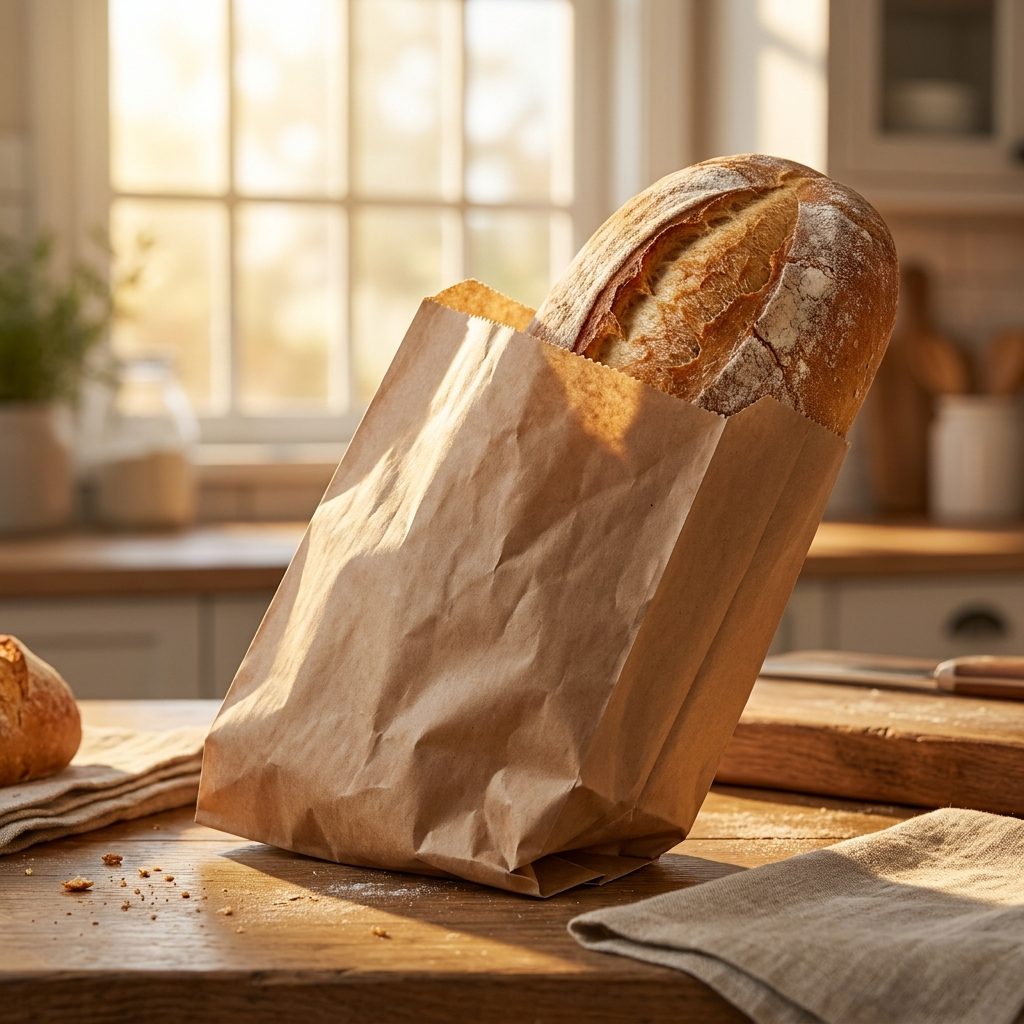
The long paper bag meant your mother had stopped at the real bakery section, not the shelf bread. You could feel the difference the second you squeezed it: still slightly warm, the crust crackling faintly under the paper. That loaf was going to become garlic bread and it was going to be different from the pre-sliced stuff in the plastic sleeve.
The paper bag usually got reused for something. Brown-bag lunch, trash-can liner, surface to peel garlic on. Nothing left the 1980s kitchen without serving two or three purposes.
27. The Parsley Flakes That Got Sprinkled on Top Like a Final Blessing
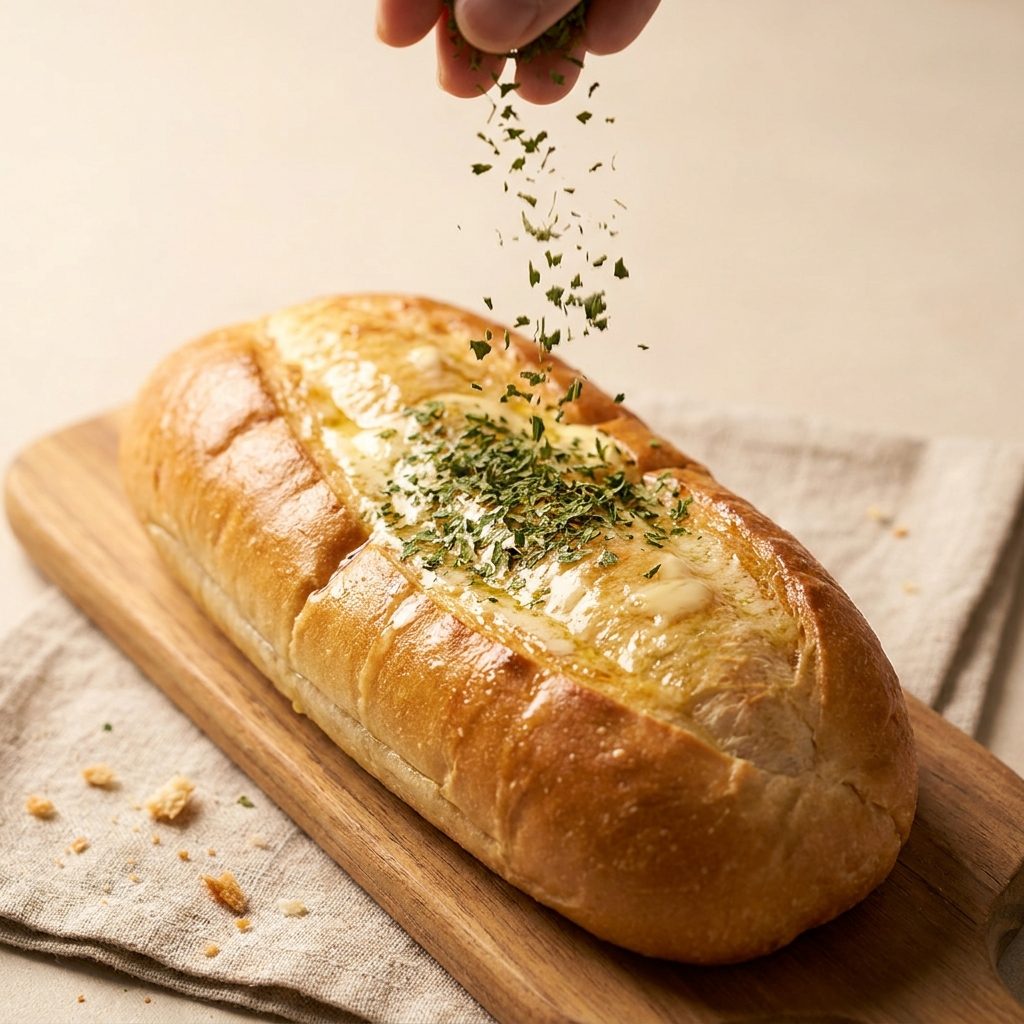
The parsley was not there for flavor. Everyone understood this. The garlic did the flavor. The butter did the richness. The parsley was there to make the whole thing look finished, like someone at the table had thought about presentation, even on a Tuesday.
Those little green flakes on the butter surface meant dinner was almost ready. They were a visual signal, not a culinary one. Nobody ever said this out loud. Nobody needed to.
26. The Basket It Came to the Table In, Lined With a Paper Napkin
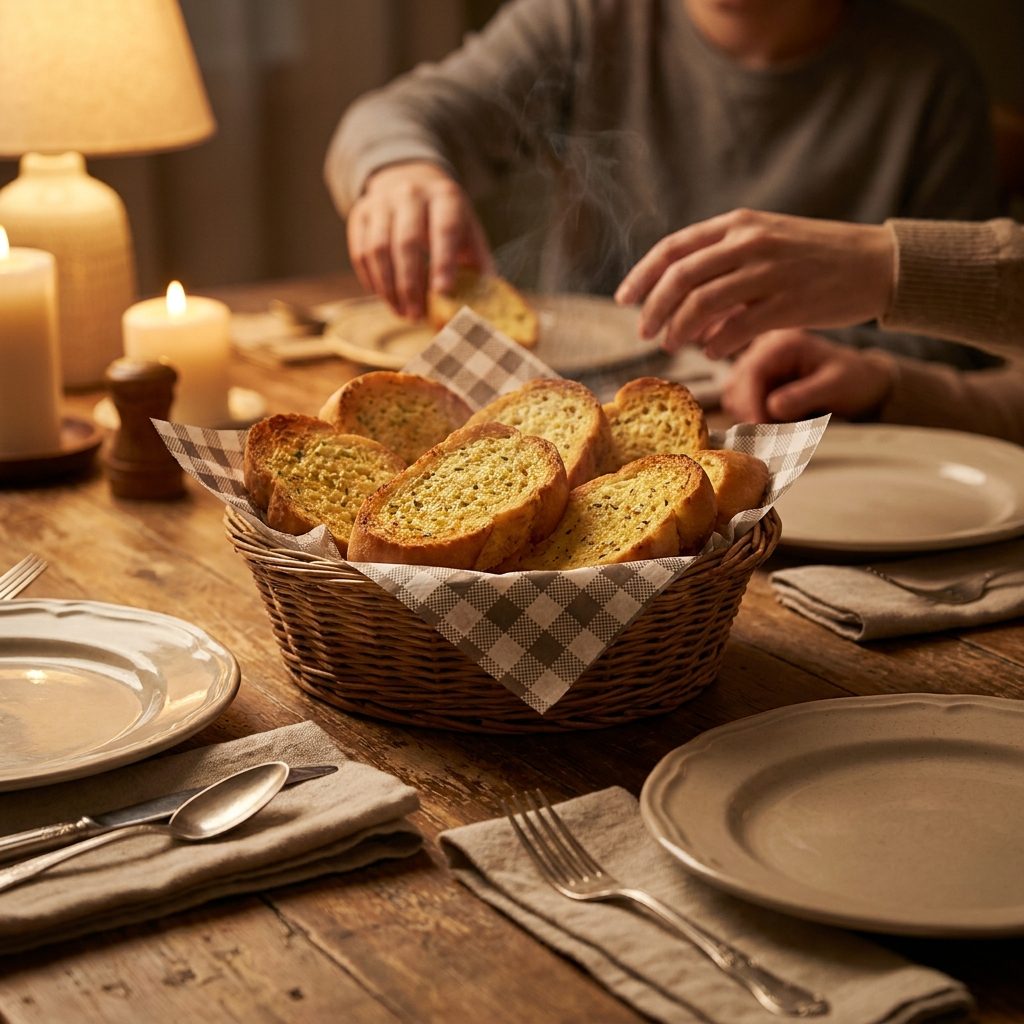
The basket arrived before anything else. Before the salads, before the pasta, definitely before the entrée. It sat in the middle of the table and nobody touched it for approximately four seconds before someone reached in.
The paper napkin lining was always slightly translucent at the bottom from the butter that had soaked through. That wet spot was how you knew the bread was fresh out of the oven and not sitting under a heat lamp somewhere.
25. The Moment Someone Asked ‘Is There More Bread?’ Before the Pasta Landed
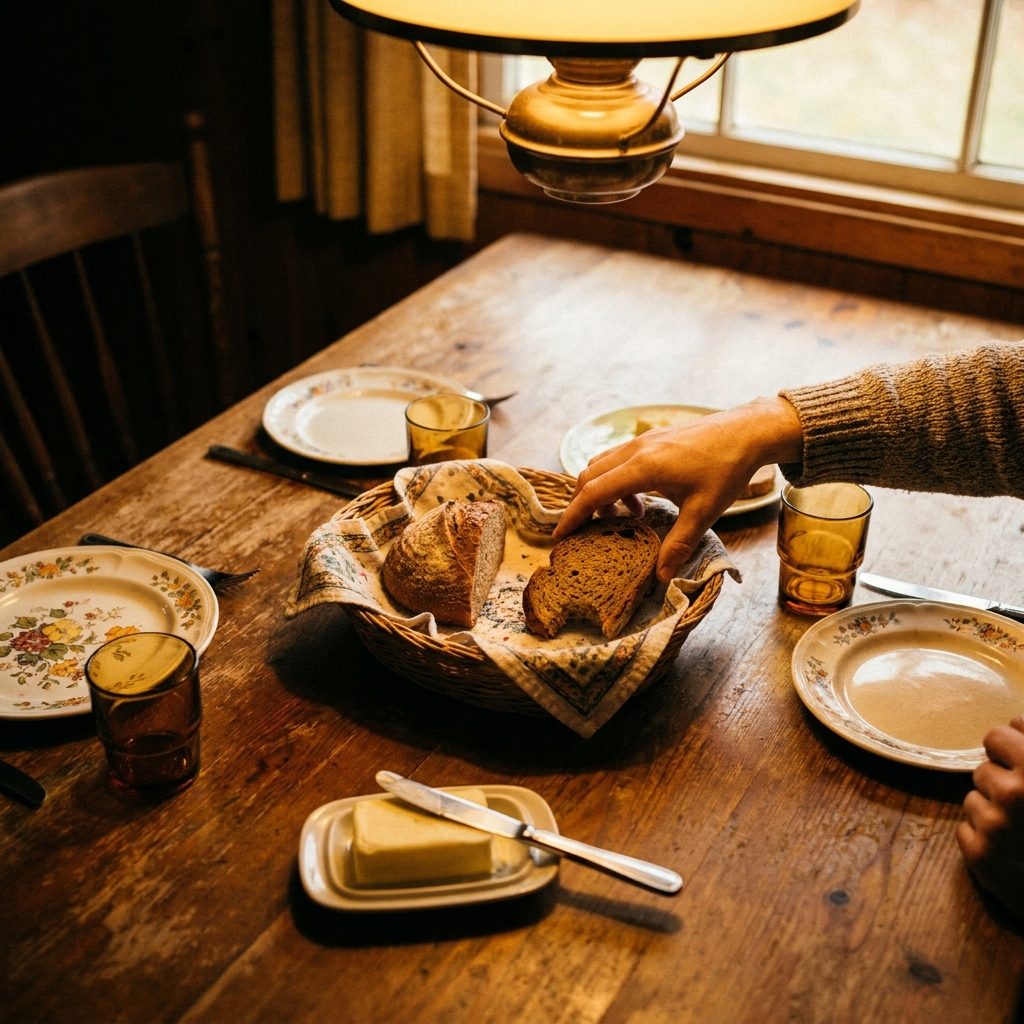
The basket had been at the table for maybe six minutes. The bread was gone except for the heel and one half-slice that nobody had claimed because it was the thin end. And the pasta bowl was still in the kitchen.
Someone always asked. Sometimes it was a kid. Sometimes it was a grown adult with zero shame. Your mom or the restaurant server would appear with another half-loaf wrapped in foil, slightly less hot than the first round, and it would disappear just as fast. The bread was never really the appetizer. It was the whole opening act.
24. The Loaf That Got Sliced Into Rounds Instead of Lengthwise
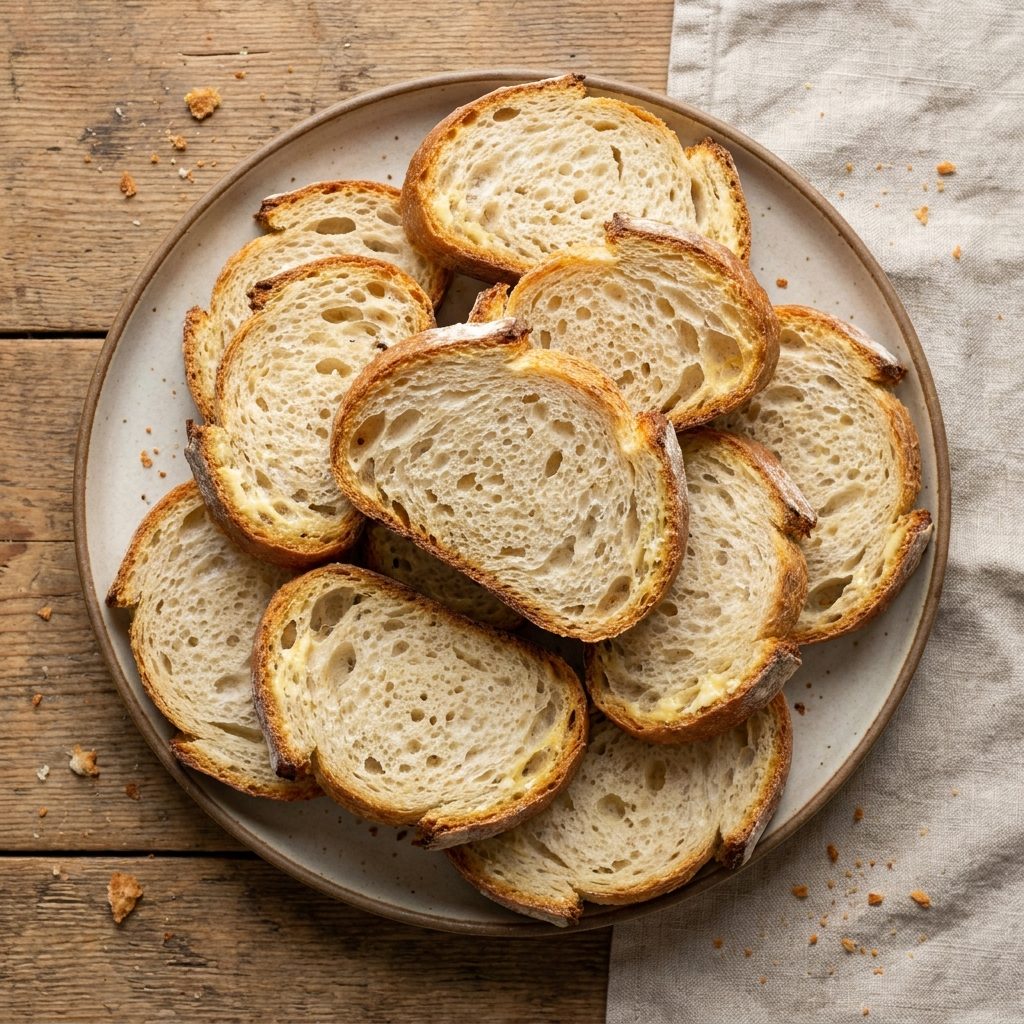
Every family had one relative who did not get the memo about slicing the bread lengthwise. The loaf came out of the oven in rounds, each one a little lopsided, butter pooling slightly off-center, garlic powder resting in the crater where the crumb had sunk. Nobody complained. The rounds were actually easier to grab from the basket without pulling the whole situation apart.
It was garlic bread logic applied independently in a hundred different kitchens, and it worked every single time.
23. The Foil That Got Too Tight and Steamed the Bread Into Submission
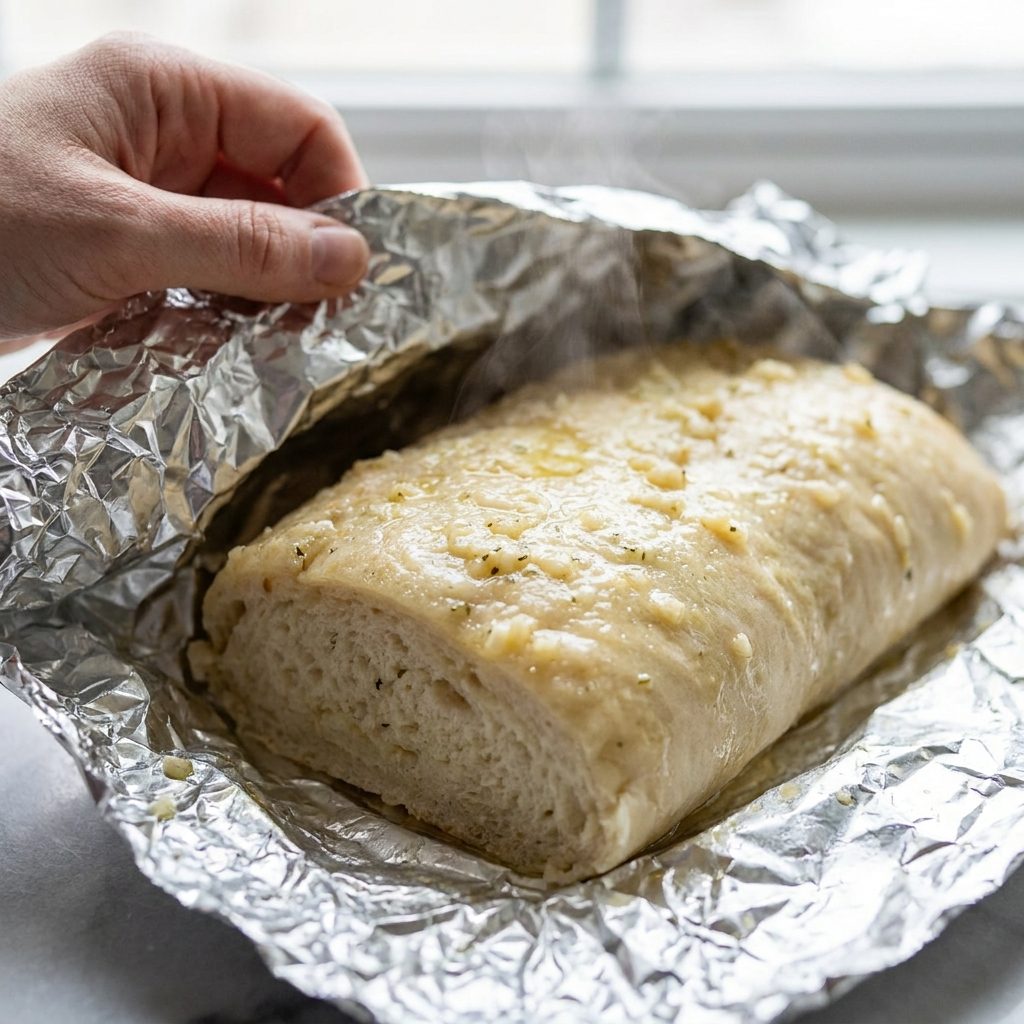
Wrapped so tightly the bread couldn’t breathe. That was the technique in a lot of households, and it produced garlic bread that was less toasted and more steamed, the inside soft and almost wet with butter, the crust no longer crunchy but yielding and damp.
Honestly, some people preferred it that way. The butter had nowhere to escape, so it stayed in the bread, and every bite hit with that concentrated garlic-butter punch. The foil was crimped shut like a secret, and the secret was softness.
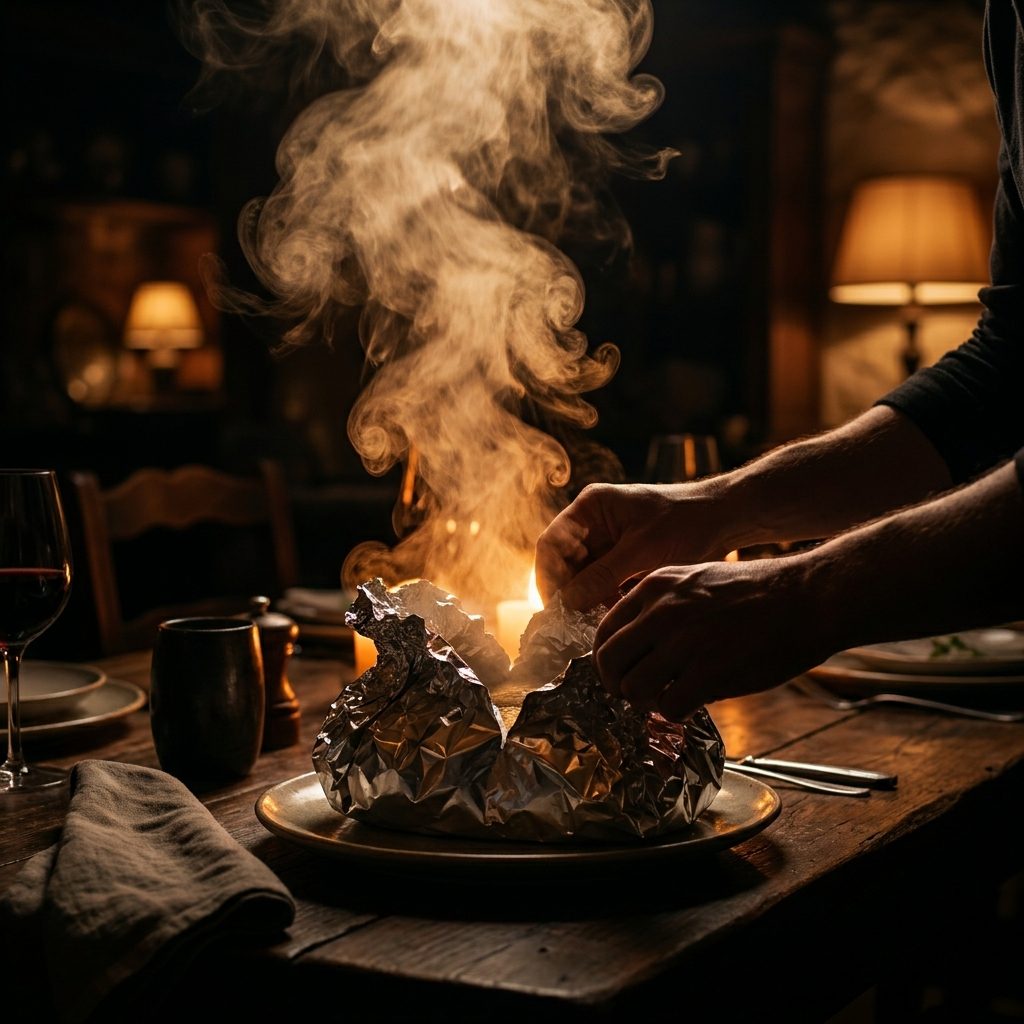
22. The Moment Someone Opened the Foil at the Table and the Steam Rose Up
Would you like to save this?
That steam was the announcement. It meant dinner was actually happening now, not just theoretically happening. Whoever peeled back the foil at the table was performing a small ceremony, and everyone looked up from whatever they were doing.
The smell that came out with the steam was garlic and butter and something slightly caramelized at the edges. The bread underneath was glossy and soft, glistening under the dining room light. The entrée could wait another thirty seconds. Nobody was moving until they had a piece.
21. The Side of Garlic Bread That Came With the Spaghetti at the Italian-American Restaurant
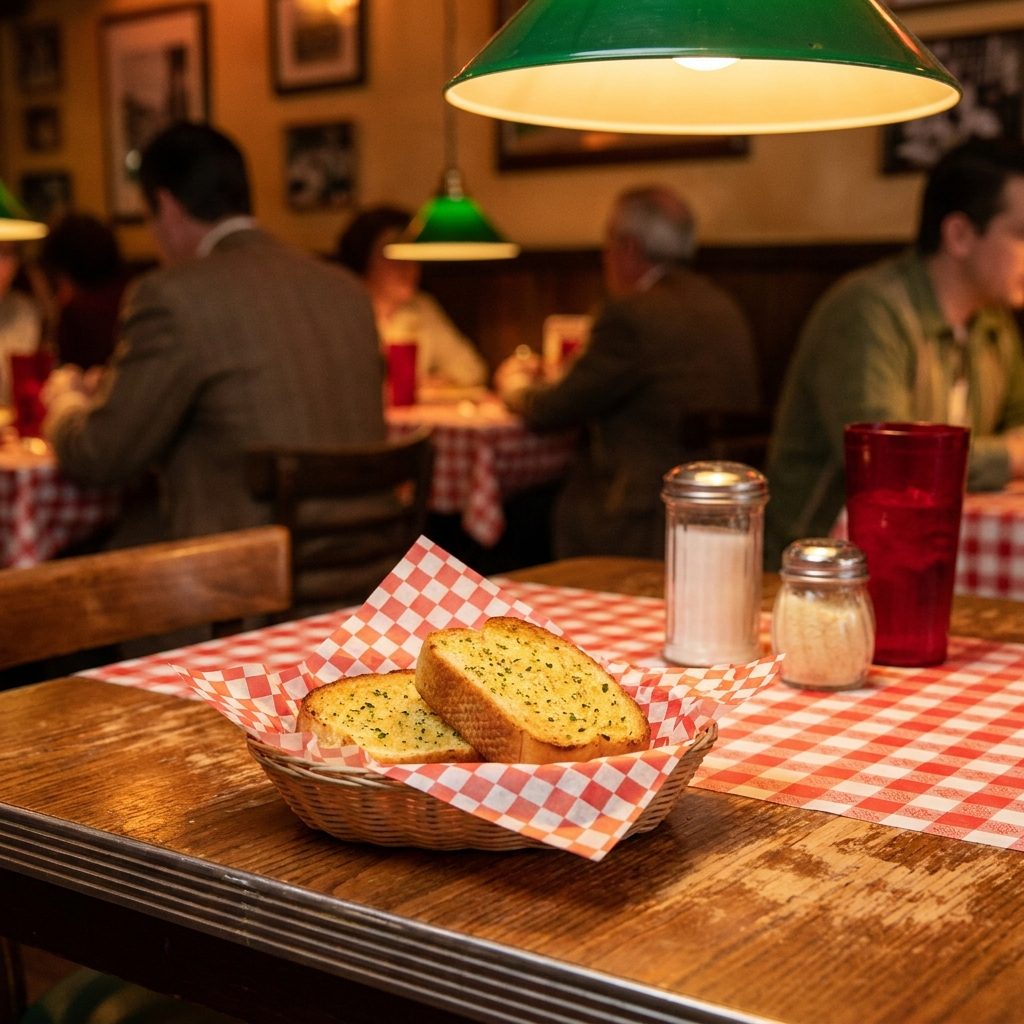
The restaurant basket was smaller than the one at home. Two slices, sometimes three, arranged in a red-and-white paper liner inside a wicker basket so small it barely justified existing as a separate dish. But it showed up before the pasta, and that was the entire point.
You ate it too fast. You always ate it too fast. And then the spaghetti arrived and you were already three-quarters full and you ate that too, because it was that kind of dinner.
20. The Garlic Powder Jar With the Red Metal Shaker Lid That Lived Next to the Stove Permanently
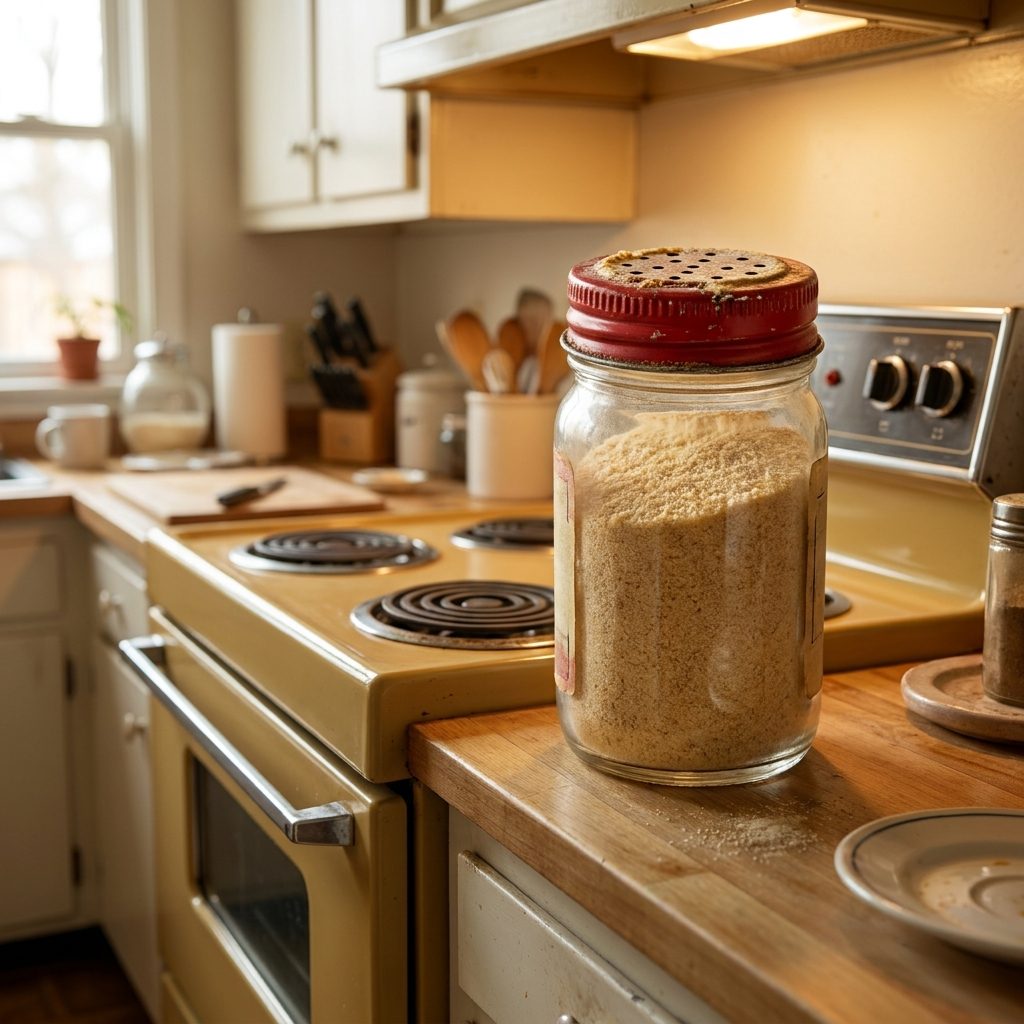
That jar never moved. It lived in the same spot for a decade, the metal lid developing a faint crust around the holes from proximity to steam and butter splatter. The label faded and the bottom ring left a permanent circle on the laminate countertop.
Garlic salt was for some households. Garlic powder was for others. The distinction felt like a personality trait, and everyone in the family knew which one their kitchen used without ever discussing it.
19. The Debate Over Whether the Parsley Was Dried, Fresh, or Completely Optional
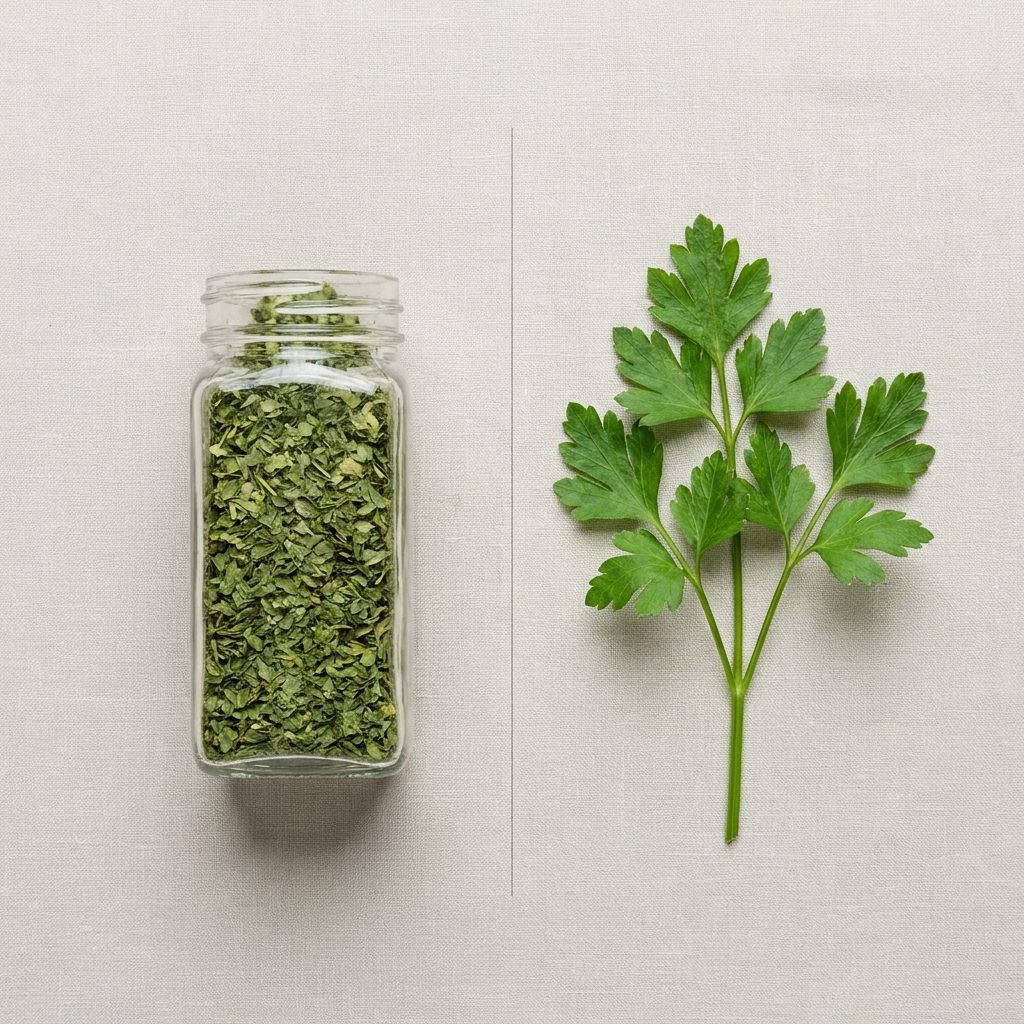
The parsley was entirely decorative and everyone knew it. It contributed nothing to the flavor. The butter was doing all the work. The garlic powder was doing all the work. The parsley was just there so the bread looked like something from a restaurant.
Some households skipped it entirely. Some used it every single time. Some put it on half the loaf because one person cared and one didn’t. This was the kind of low-stakes household negotiation that defined 1980s dinner prep.
18. The Bread Knife That Was Only Used for Garlic Bread and Existed for No Other Purpose
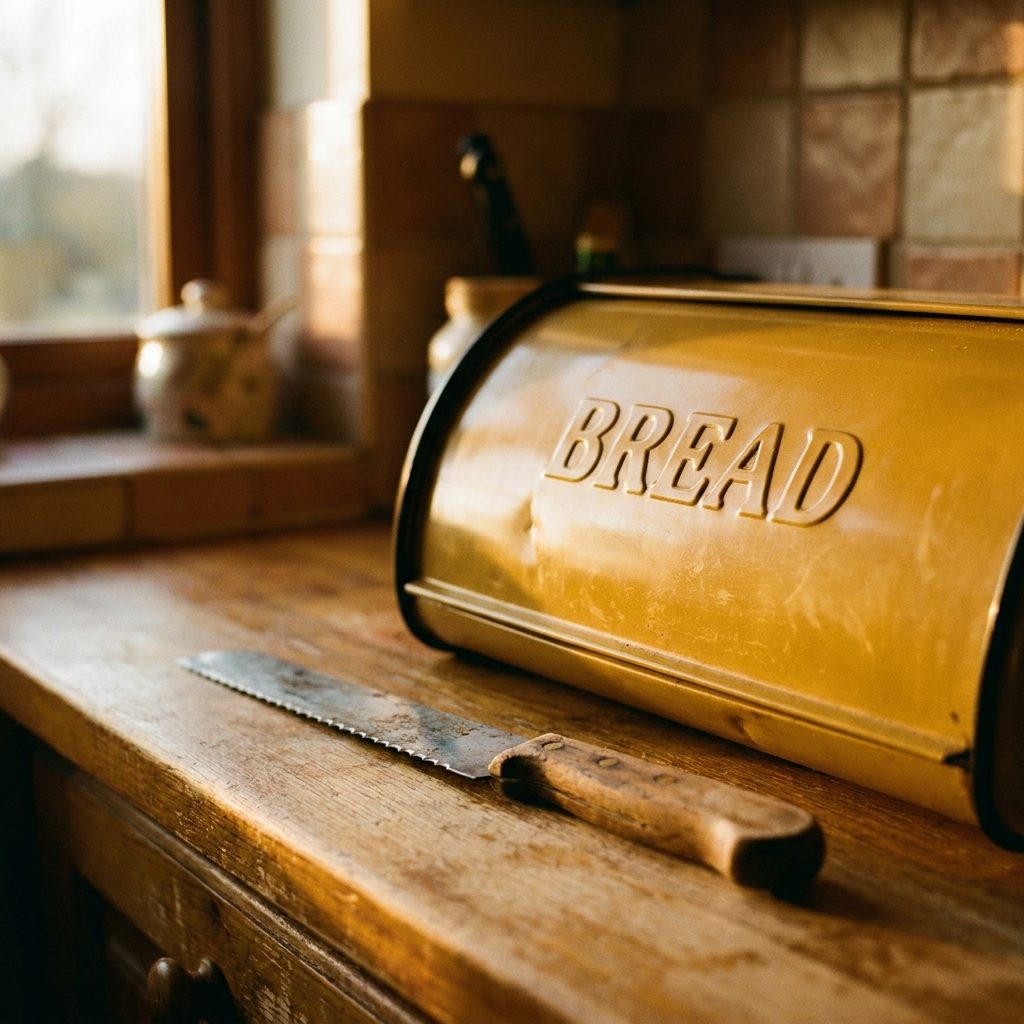
Every kitchen had one knife that lived near the bread box and never made it into the regular knife rotation. The blade was serrated, the handle was brown plastic or dark wood, and there were always faint butter stains near the base of the blade that no amount of dish washing fully removed.
It cut the Italian loaf. That was its job. It did its job without complaint for fifteen years, and nobody ever thought to replace it until it finally disappeared into the back of a drawer.
17. The Cold Leftover Slice at Breakfast That Nobody Admitted Was Also Good
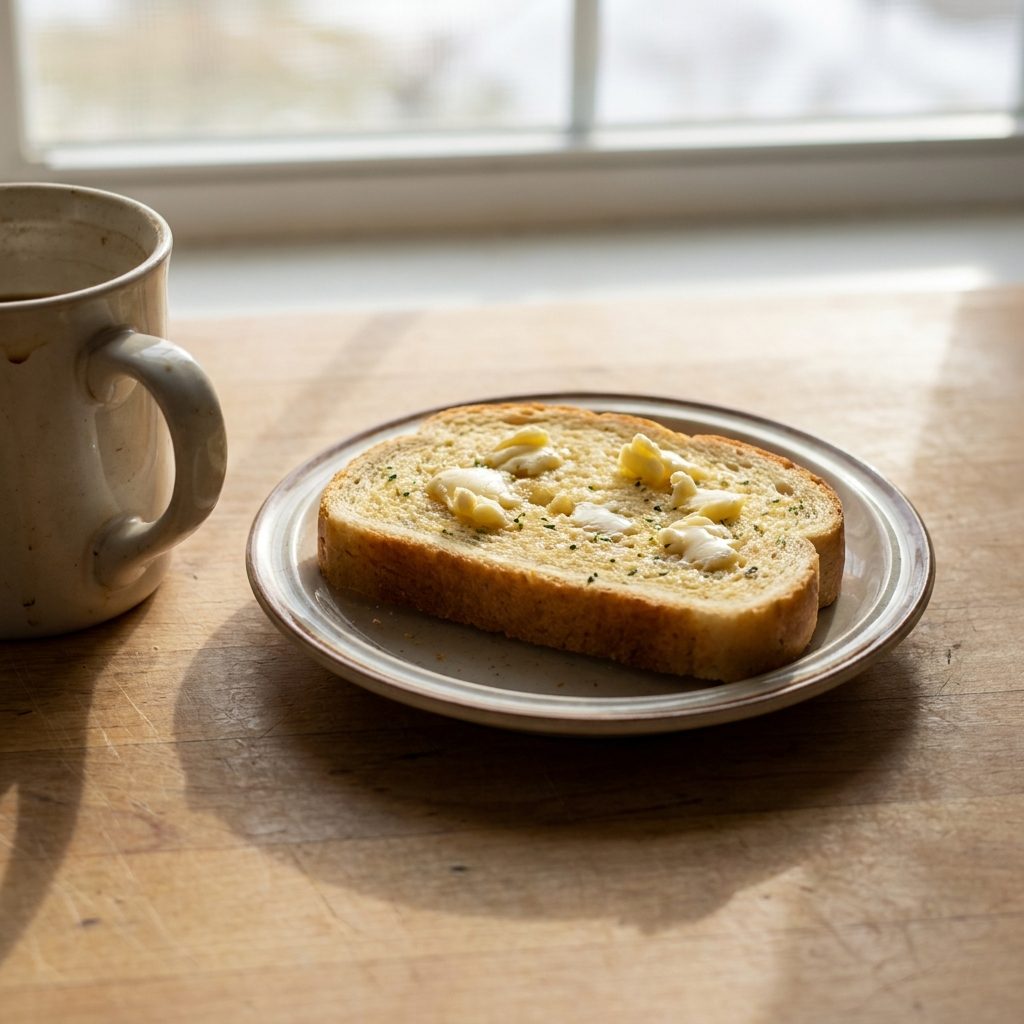
The butter had set back into a solid layer overnight. The bread was chewier than it had been, the crust doing its own thing. You ate it standing over the kitchen counter with your coffee and you didn’t tell anyone it was the best part of having made garlic bread in the first place.
16. The Foil Boat That Launched a Thousand Dinners
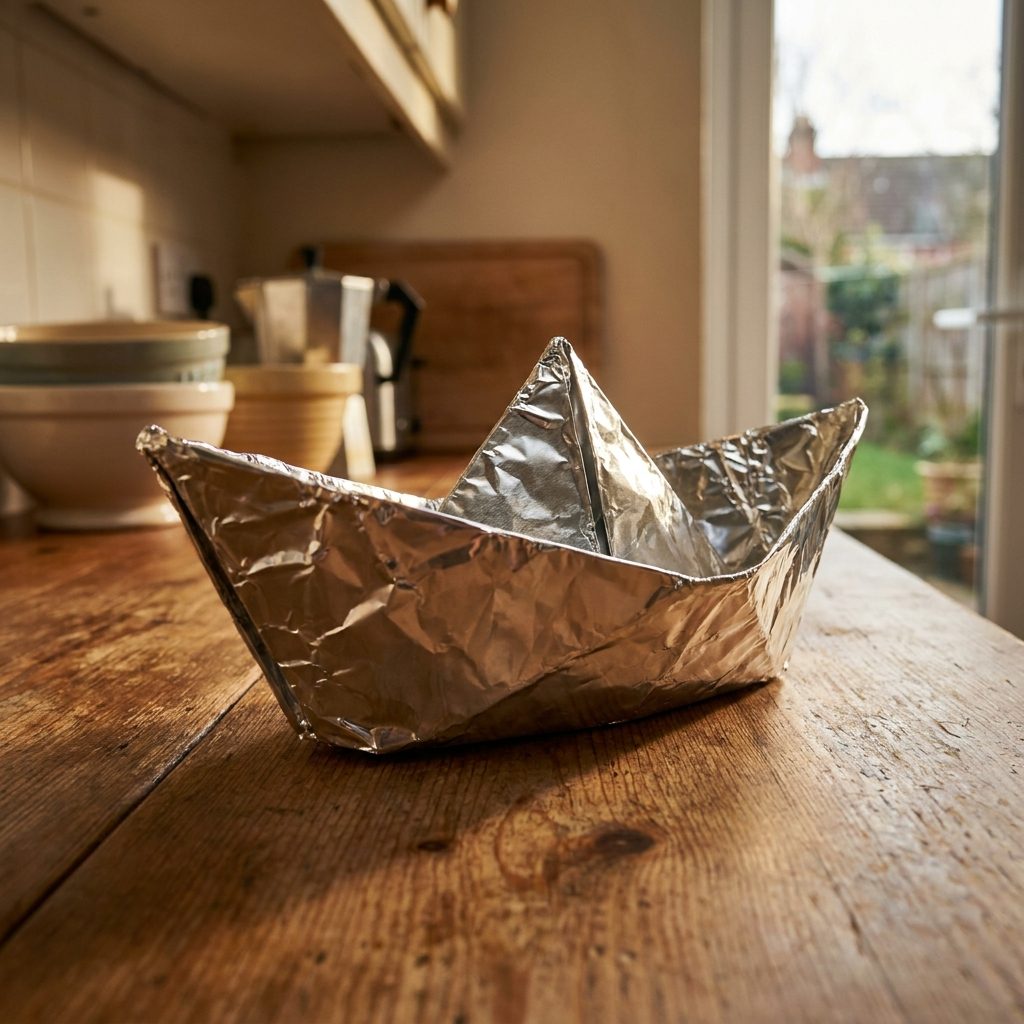
It was always wrapped in foil. That was the rule, unspoken, passed down from mothers to daughters the way all the best kitchen knowledge moves. The loaf went in at 350 degrees for exactly as long as it took for someone to realize they’d forgotten to set a timer. You knew it was close when the foil puffed slightly at the seam.
The unwrapping at the table was its own small ceremony. Steam escaped first. Then the smell. The foil crinkled loud enough to pull every head up from a homework assignment or a TV show in the next room. Nobody came for the pasta announcement. Everybody came for the foil sound.
15. The Margarine vs. Butter Debate Nobody Was Having Out Loud
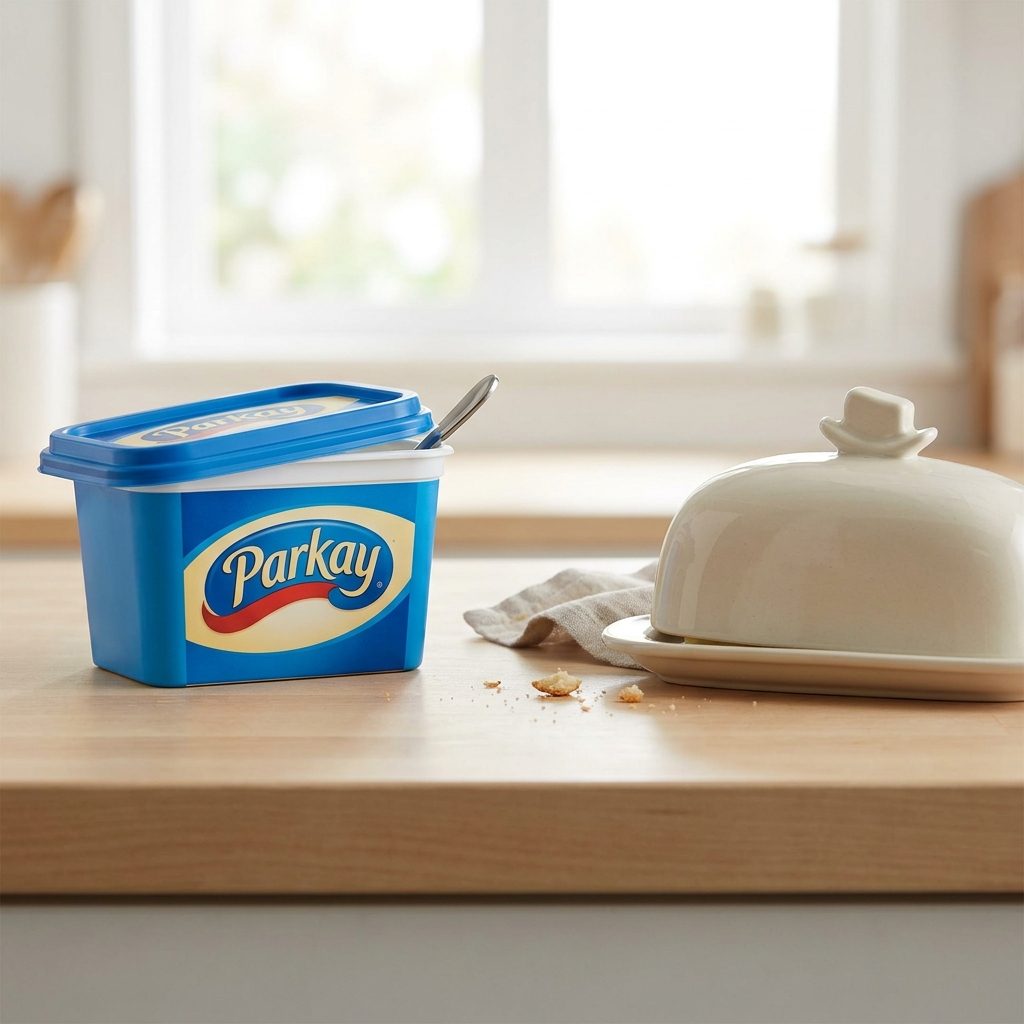
Most 1980s households used margarine on garlic bread and nobody said a word about it. The blue Parkay tub or the Imperial stick in the silver wrapper came out of the fridge, softened on the counter for twenty minutes, and got spread thick across the cut face of a loaf with a regular dinner knife. Not a bread knife. A dinner knife.
Butter existed for toast and special occasions. Margarine was for cooking. This logic held firm through most of the decade. If you grew up in a house where real butter hit the garlic bread, you already know your family was operating on a slightly different frequency than the rest of the neighborhood.
14. The Dried Parsley Flakes That Did Absolutely Nothing and Went on Every Loaf Anyway
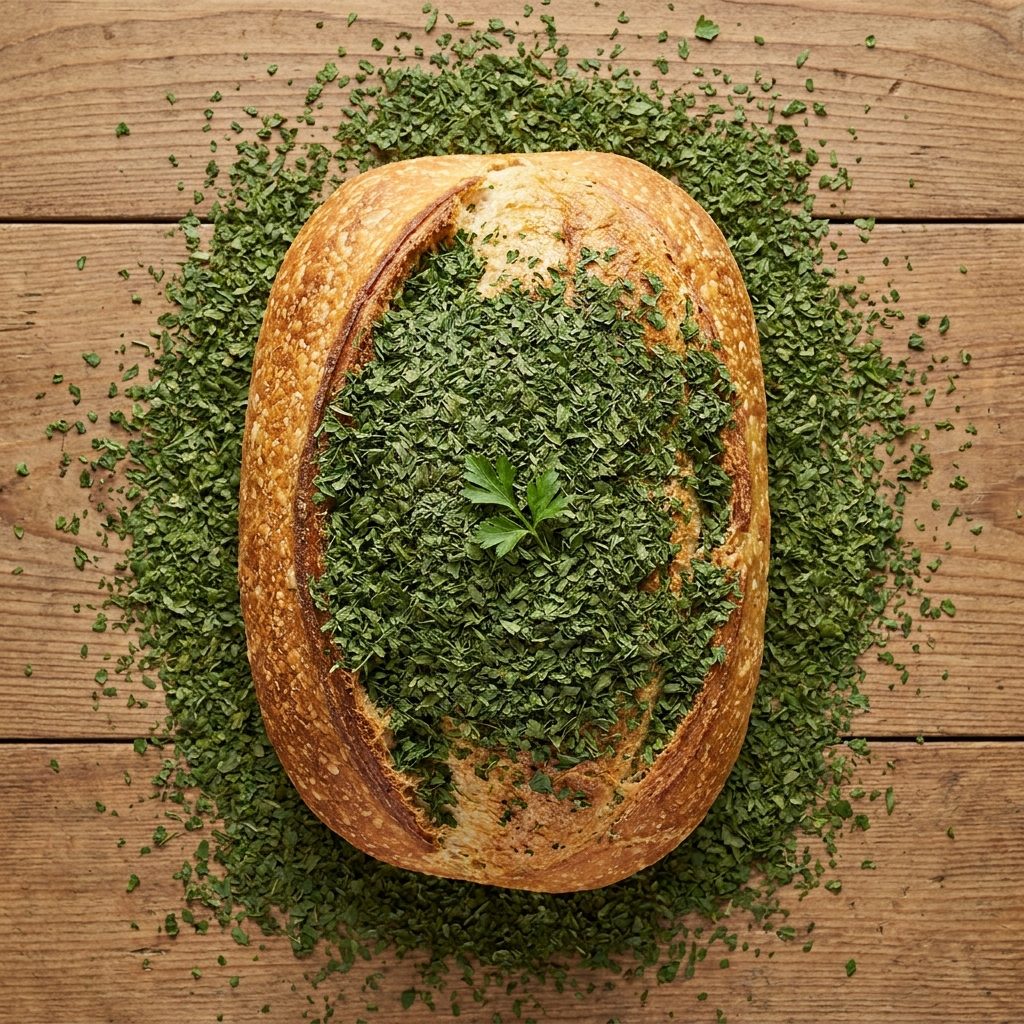
The parsley flakes were load-bearing in an aesthetic sense only. They contributed no flavor anyone could identify. They were not fresh. They had been sitting in that little glass jar since possibly the Carter administration. But they went on the garlic bread because that is what you did, shaken from the jar in a loose wrist-flick that left green specks distributed with the confidence of someone who had watched their mother do the same thing for fifteen years.
13. The Second Piece You Grabbed Before Anyone Else Could
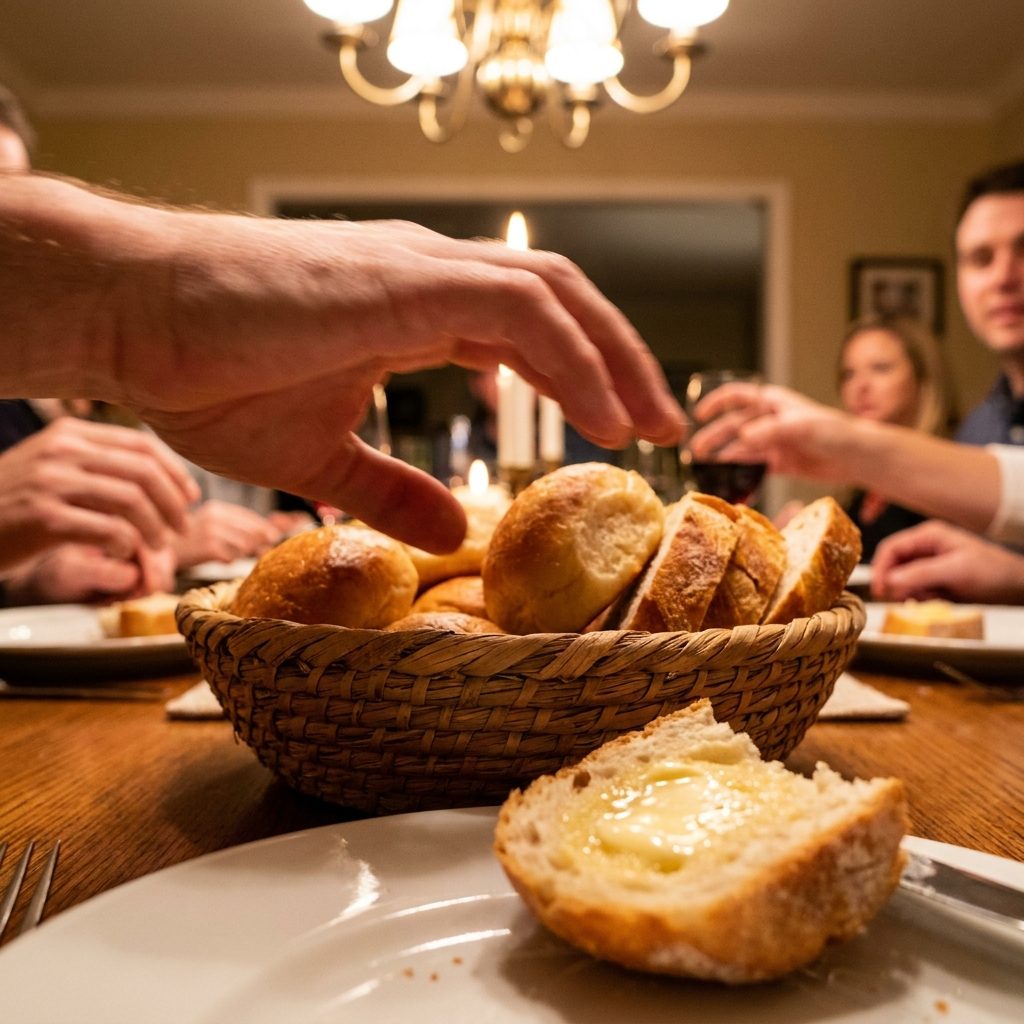
There was always a piece that looked better than the others. More butter pooled at the center cut. Crust slightly more golden at one corner. You spotted it the moment the foil opened and you were calculating your move while pretending to listen to whatever was being said about how everyone’s day went.
The strategy involved reaching early but not suspiciously early. Too fast and someone commented. The window was roughly four seconds after the foil opened. You got the piece. You said nothing. You ate it while the pasta was still being served. This is just how dinner worked.
12. The Garlic Salt Shaker With the Green Metal Top That Lived Next to the Stove
Would you like to save this?
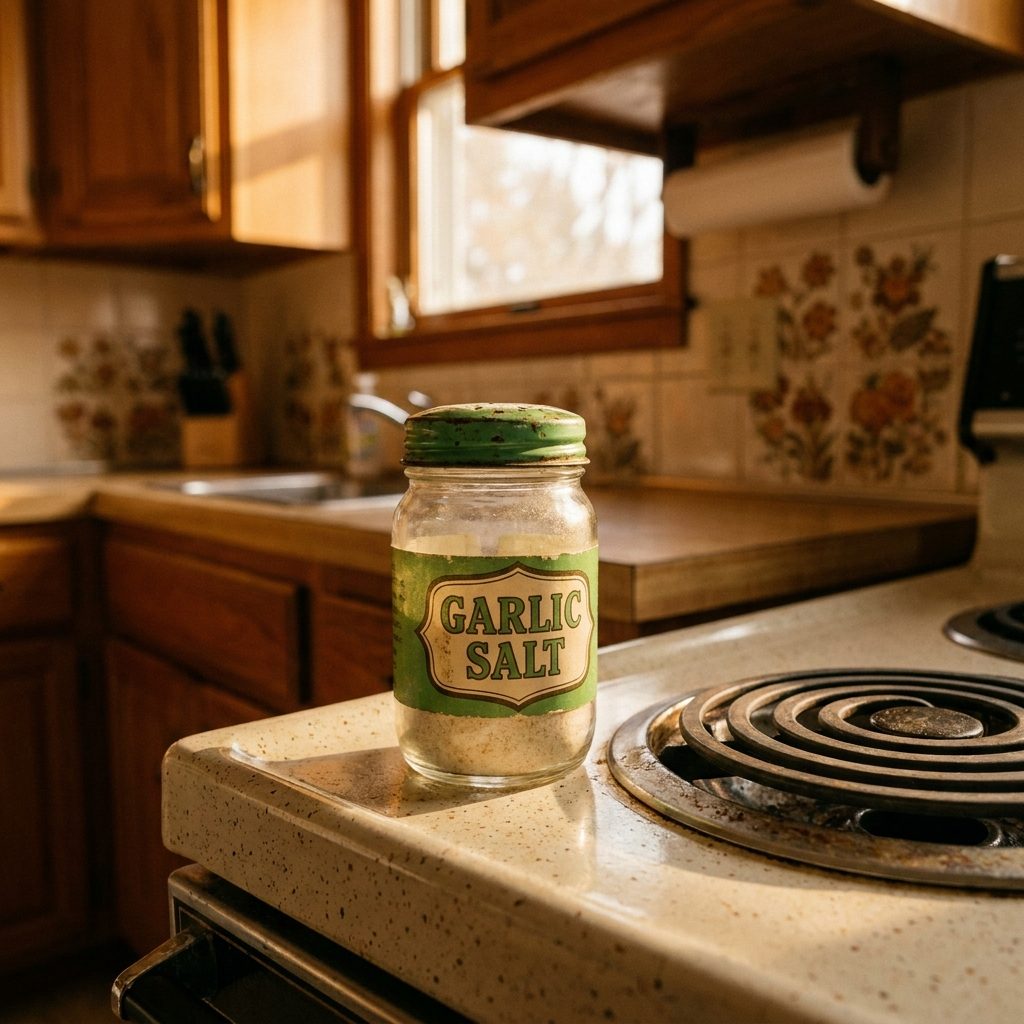
Garlic salt was the shortcut that worked. The shaker lived by the stove because it lived by the stove in every house like this. You put margarine on the bread, you shook garlic salt over it, and that was your garlic bread. No fresh garlic, no roasting, no mincing. The green metal top clogged sometimes from steam and you had to tap it on the counter. That was fine. Everything was fine. The bread tasted like garlic bread.
11. The Bread That Wasn’t Quite Italian but Got Called Italian Anyway
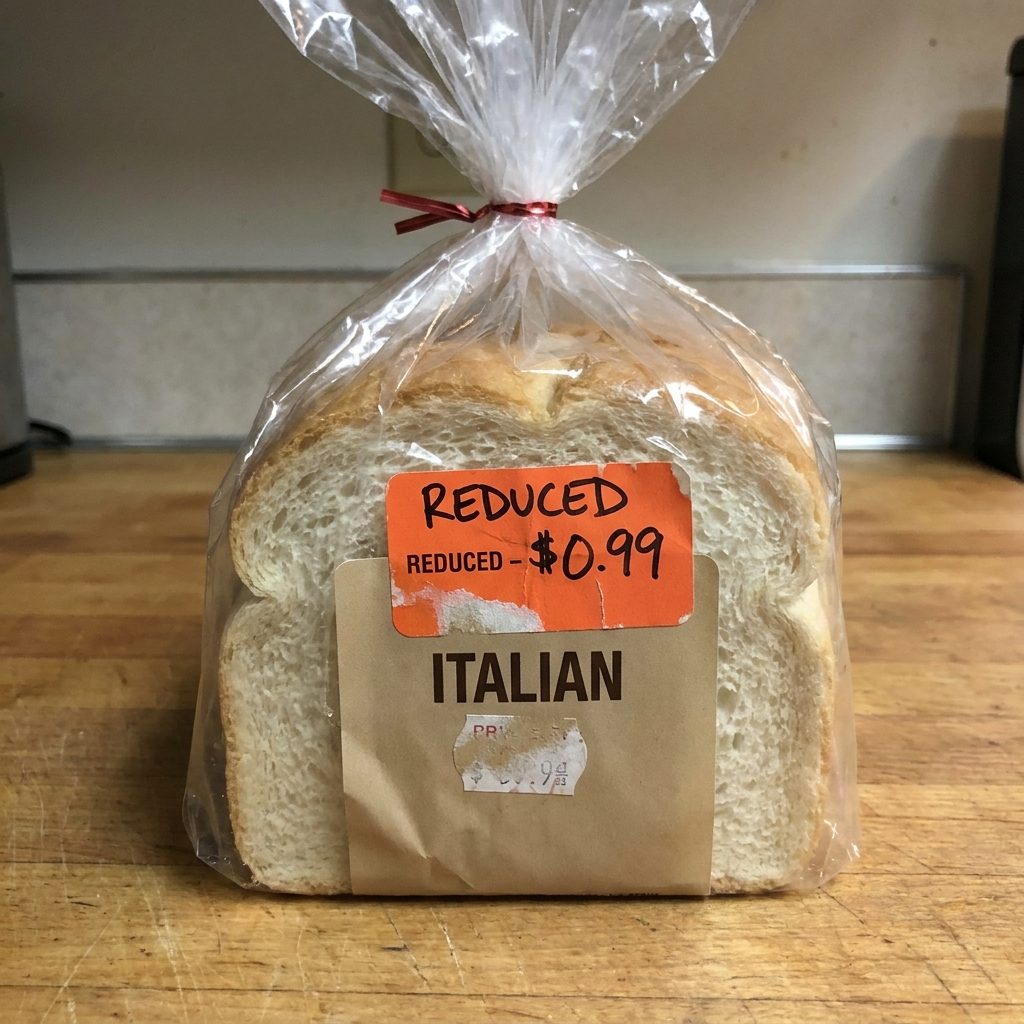
The bread came from a plastic bag and had a twist tie and cost about sixty cents. The label said Italian. The crust was soft enough to compress with one finger, which is not how Italian bread actually behaves, but this was Tuesday night and nobody was driving to a bakery. You cut it down the middle lengthwise, you spread the margarine, you put it in the oven wrapped in foil, and the results were perfectly acceptable. They were more than acceptable. They were dinner.
10. The Plate It Landed on That Had Nothing to Do With Italian Food
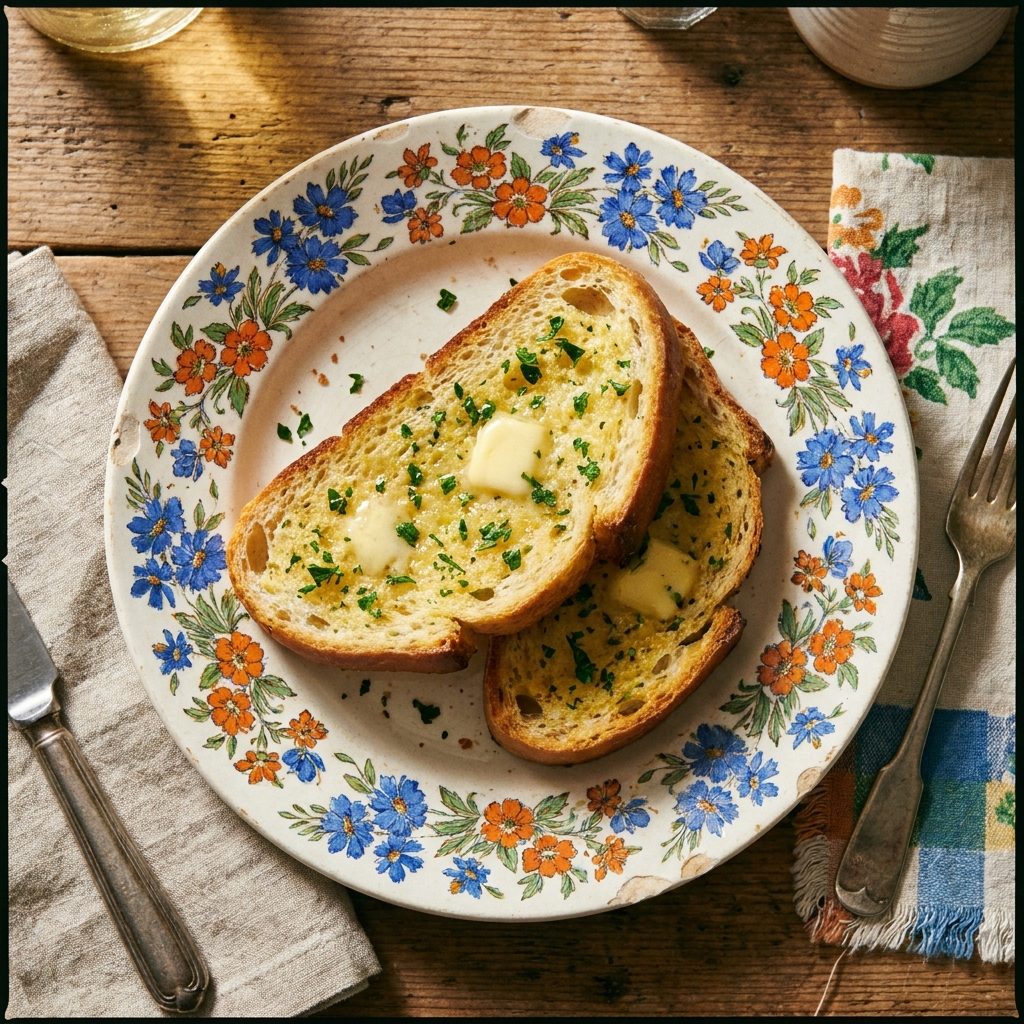
The serving plate for garlic bread in most households was whatever plate was clean and flat. Blue wildflowers. Brown autumn leaves. Plain white with a gold rim. The bread did not care and neither did anyone else. You stacked the pieces in a rough pile, put the plate in the middle of the table next to the pasta, and the plate was gone from that spot within four minutes regardless of what pattern it carried.
9. The Last Two Pieces That Sat There While Everyone Pretended to Be Full
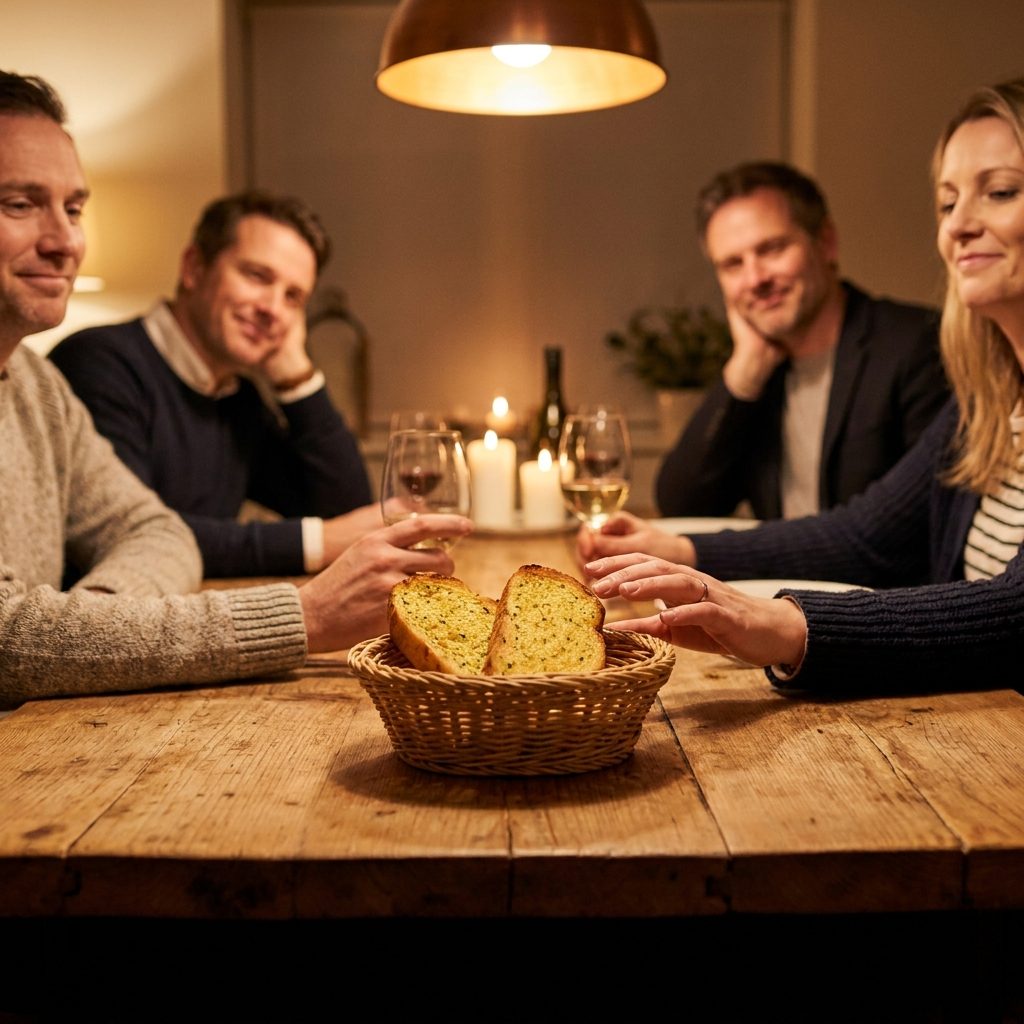
Those last two pieces were a whole social situation. Everyone had technically eaten enough. Nobody wanted to be the one who grabbed a third piece and proved it. They sat there for a full five minutes while conversation moved on to whether the gravy needed more salt and whether anyone wanted more pasta and who had homework still.
Then somebody took one. The moment they did, the second piece was gone inside thirty seconds. It had nothing to do with hunger. It had everything to do with permission. That second piece had been waiting for the first person to go first the entire time.
8. The Stick of Butter Left on the Counter an Hour Early Because Someone Planned Ahead
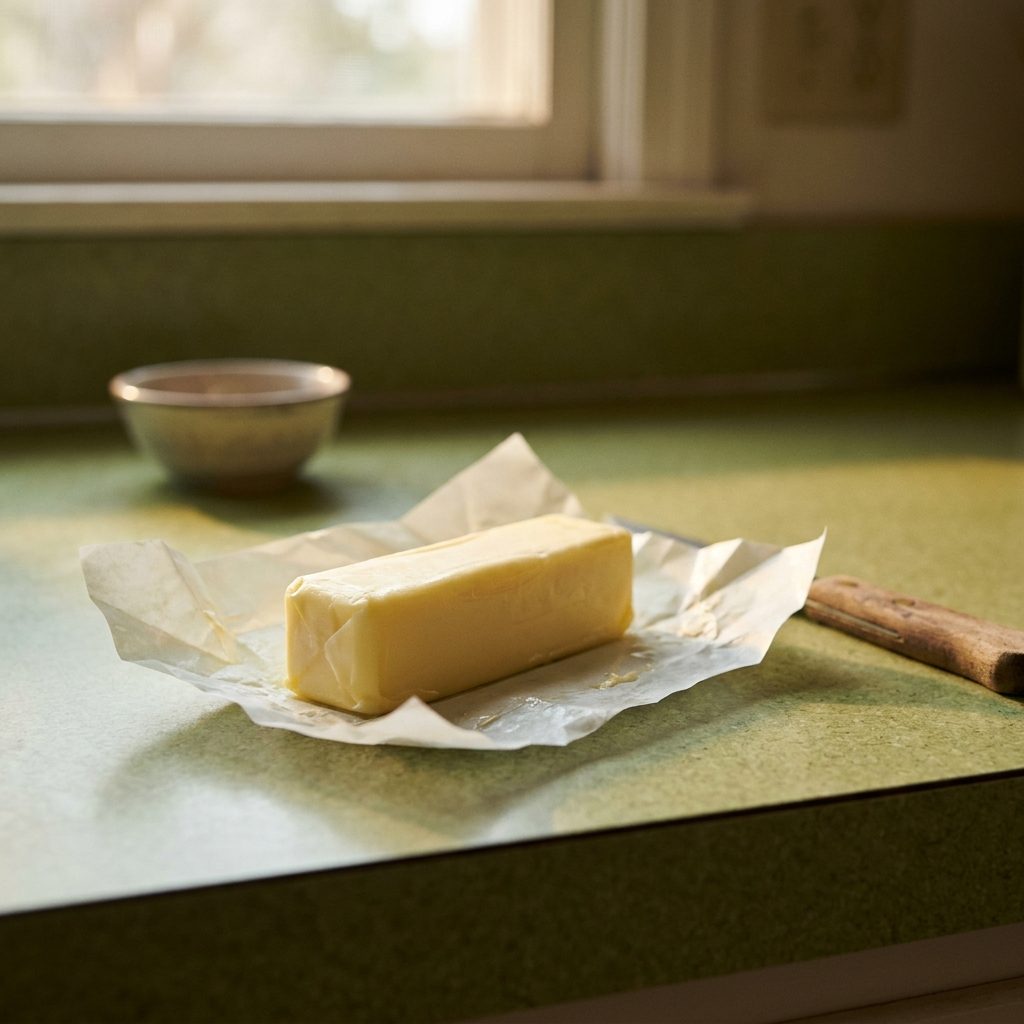
The butter on the counter was a signal. It meant somebody in the house had thought ahead, which happened maybe twice a year. Most nights it was cold out of the fridge and got spread in clumps anyway. But when the stick was sitting there soft, wrapper folded back, on that little ceramic plate with the chip in the rim, you knew dinner was being taken seriously.
The softened butter made all the difference. It went on in one smooth pass, soaked in evenly, and didn’t tear up the bread. Garlic powder stuck to it better too. The whole operation came together faster. A small thing. The kind of small thing that made a Tuesday feel like a Sunday.
7. The Garlic That Got Minced Fresh and Changed the Whole Smell of the Kitchen
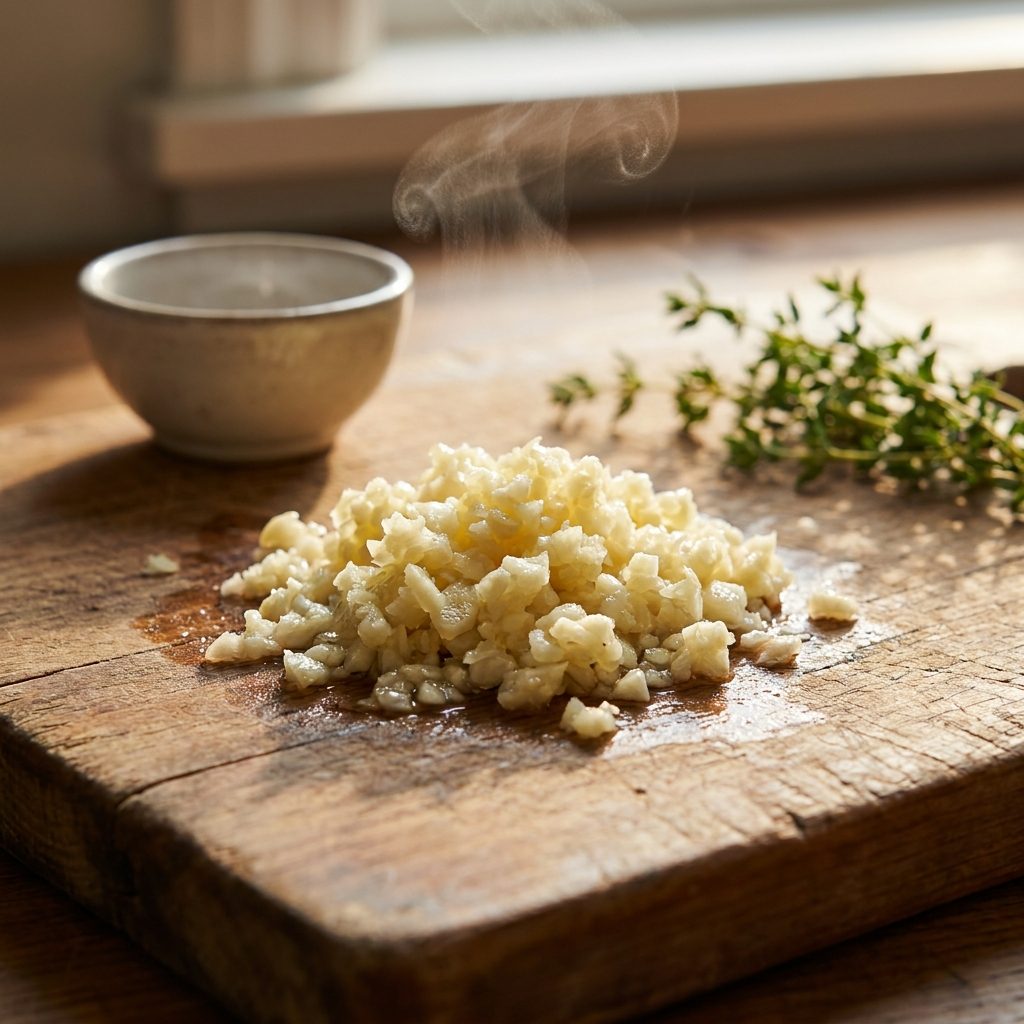
Fresh garlic in the 1980s home kitchen was the exception, not the rule. The jar of garlic powder lived next to the stove and handled most situations. But occasionally, someone got out the cutting board and actually minced a clove or two, and the whole kitchen changed. That sharp, clean smell was different from anything that came out of a shaker.
It perfumed the butter as it spread. It got a little golden in the oven and turned slightly sweet at the edges. The pieces were uneven, a few bigger than others, and the ones that got direct heat crisped up into something that barely resembled what went in. A completely different outcome from the powder version. Better, honestly. Though the powder version had its own thing going on.
6. The Way the Butter Pooled in the Scored Lines Before It Went Into the Oven
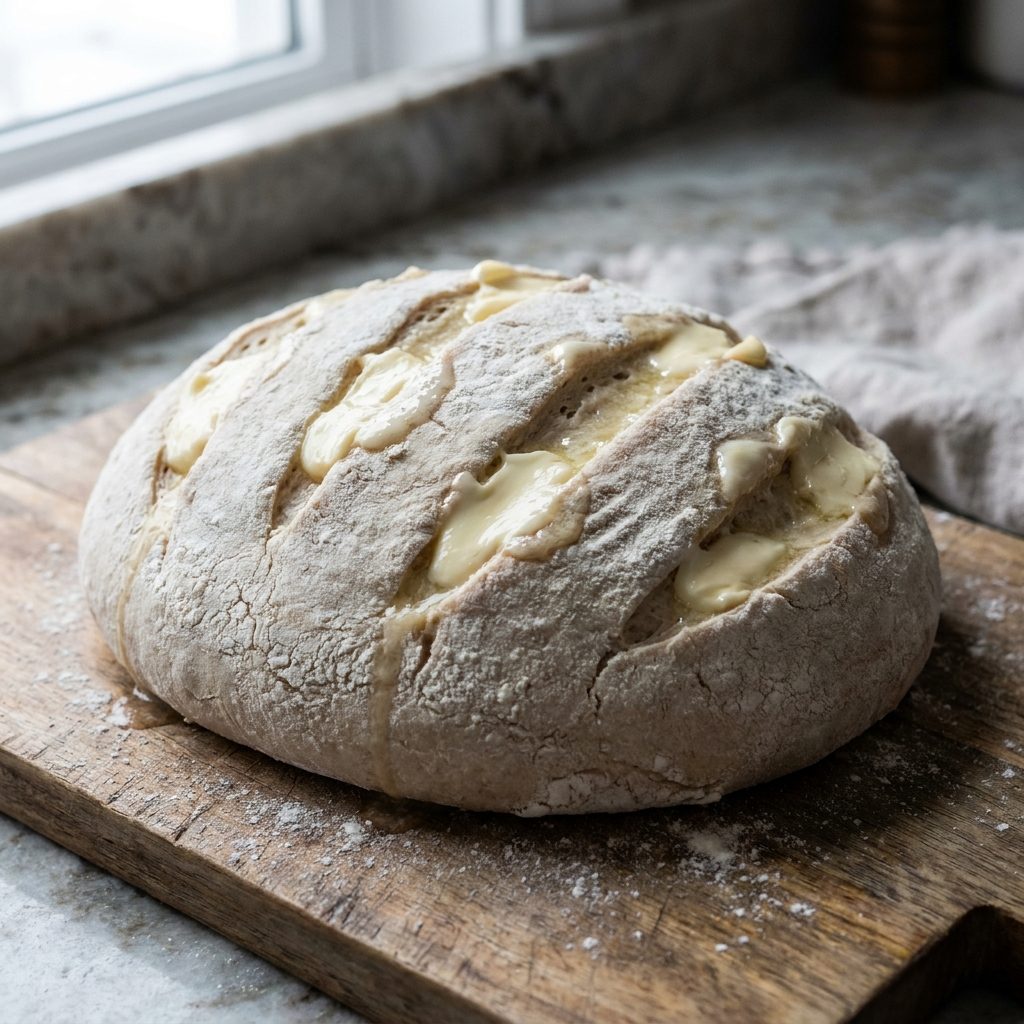
The score lines were practical, they let you pull pieces off without sawing, but they also created something better than what you intended. Every diagonal cut filled with butter before the bread even hit the oven. You’d hold the loaf up and those lines would already be glistening, the butter finding every groove like it had somewhere to be.
In the oven, those pooled sections got the most heat, the most color, the crispiest edges. The scored pieces always came out better than the unsegmented stretches between them. Nobody made a rule about this. It was just understood.
5. The Specific Smell That Hit When You Opened the Oven Door at the Four-Minute Mark
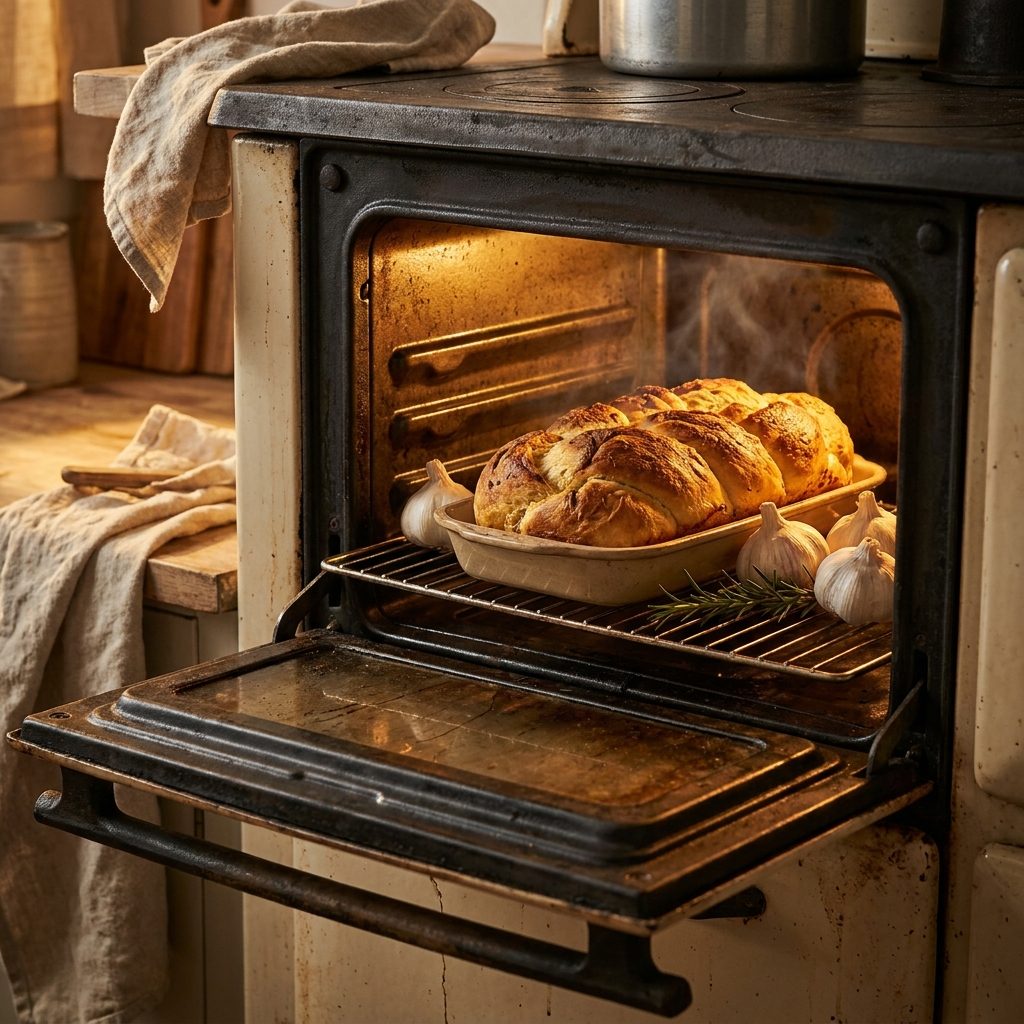
You always opened it before you were supposed to. Not because you were impatient, just because the smell asked you to. Somewhere around the four-minute mark, garlic butter started hitting the foil and the whole kitchen shifted. It was a specific smell: butter going slightly brown, bread warming through, garlic releasing. You’d crack the oven door just to confirm what your nose already knew.
4. The Oven Rack That Left Two Parallel Marks on the Bottom of the Foil
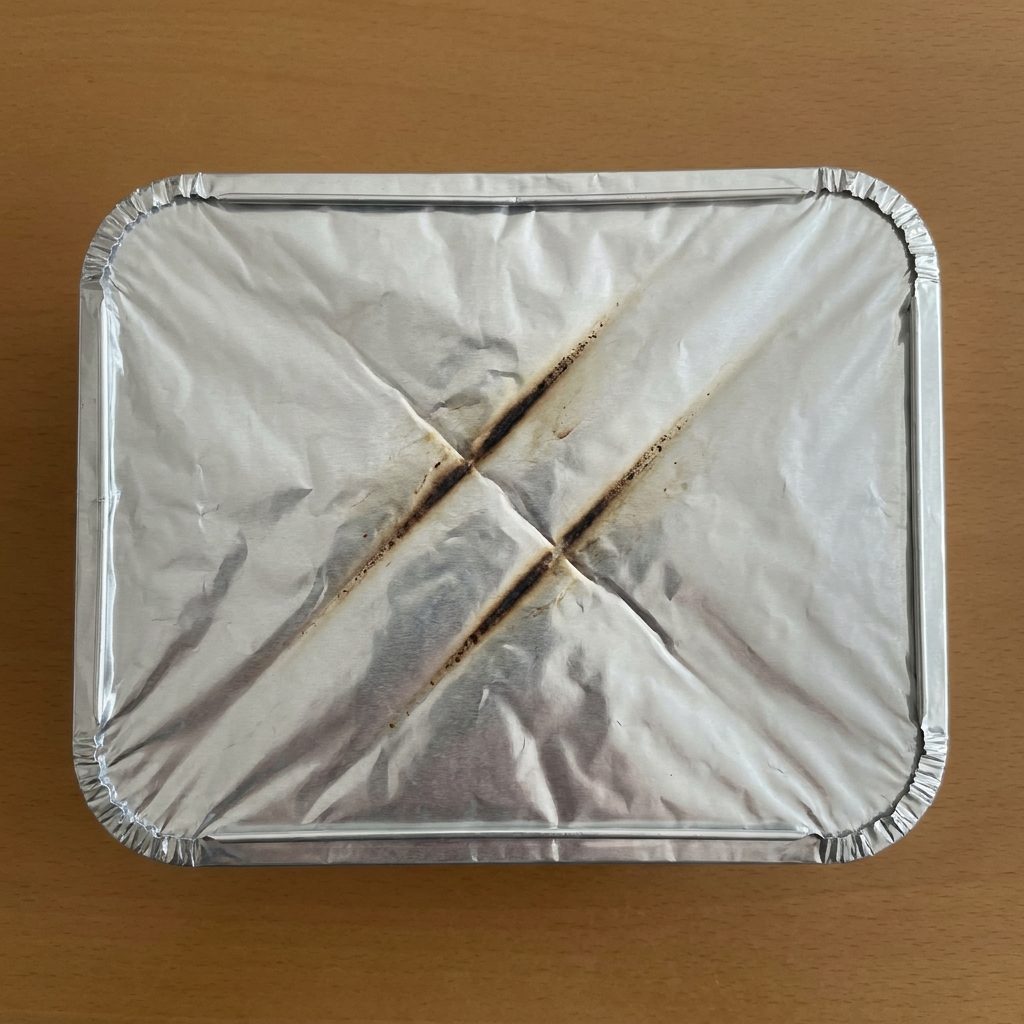
Those two lines on the bottom of the foil were as reliable as anything in the kitchen. Every time. The rack pressed them in during the bake, and when you slid the loaf out and set it on the counter, there they were: a permanent record of where it had been.
Nobody ever mentioned the rack marks. They were just part of the object. You’d pick up the foil packet and feel the slight ridge under your fingers, set it in the bread basket, and move on. A small domestic detail that showed up every single time and got noticed by nobody, which somehow makes it more worth remembering now.
3. The Garlic Bread That Showed Up Alongside Something That Had No Business Being Italian
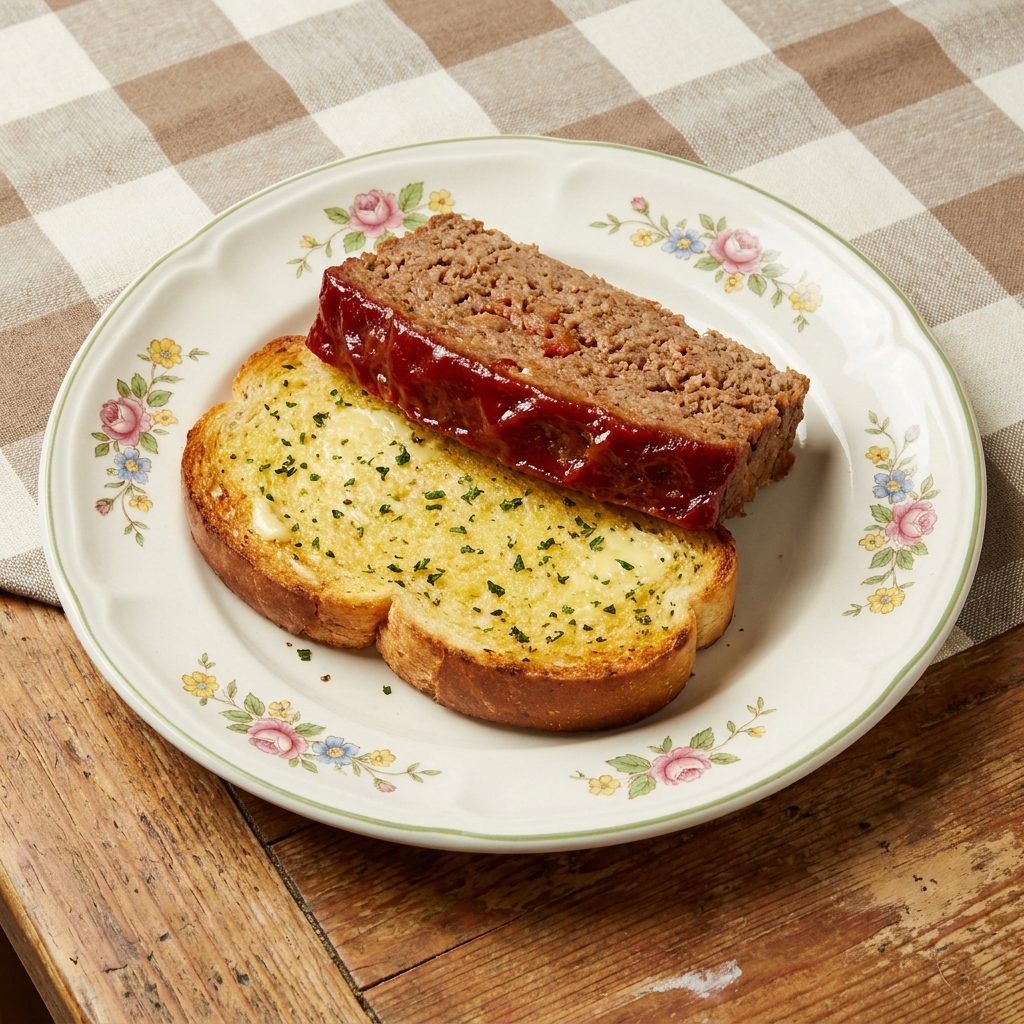
Garlic bread’s reach in the 1980s American household was not limited to Italian food. It showed up next to meatloaf. Next to chicken and rice casserole. Next to soup from a can. Nobody questioned this. The bread didn’t care what it was paired with, and neither did anyone at the table.
It wasn’t a side dish so much as a reflex. If the oven was going on anyway, someone was going to tear open a loaf. The spaghetti connection was real, but garlic bread had clearly outgrown it by 1983 and just kept going from there.
2. The Paper Bag the Loaf Came In That Got Left on the Counter All Week
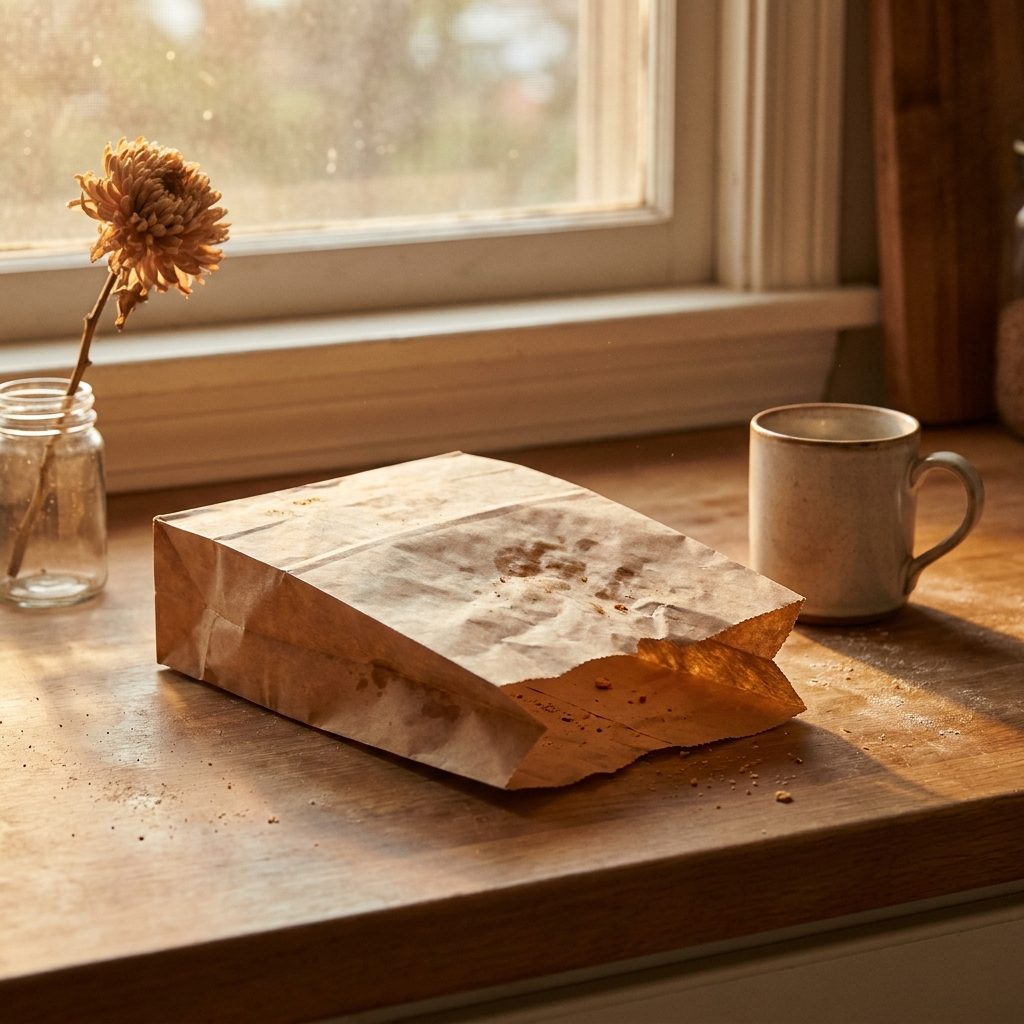
The paper bag never left. You’d use the loaf for garlic bread on Sunday and by Wednesday the bag was still on the counter, now holding just the end piece nobody wanted. It would sit there getting slightly stale, the paper going soft around the bottom, and somehow that was fine. The bag was part of the counter’s permanent landscape, like the canister set and the dish rack.
1. The Butter Knife With the Rounded Tip That Spread Everything in the House
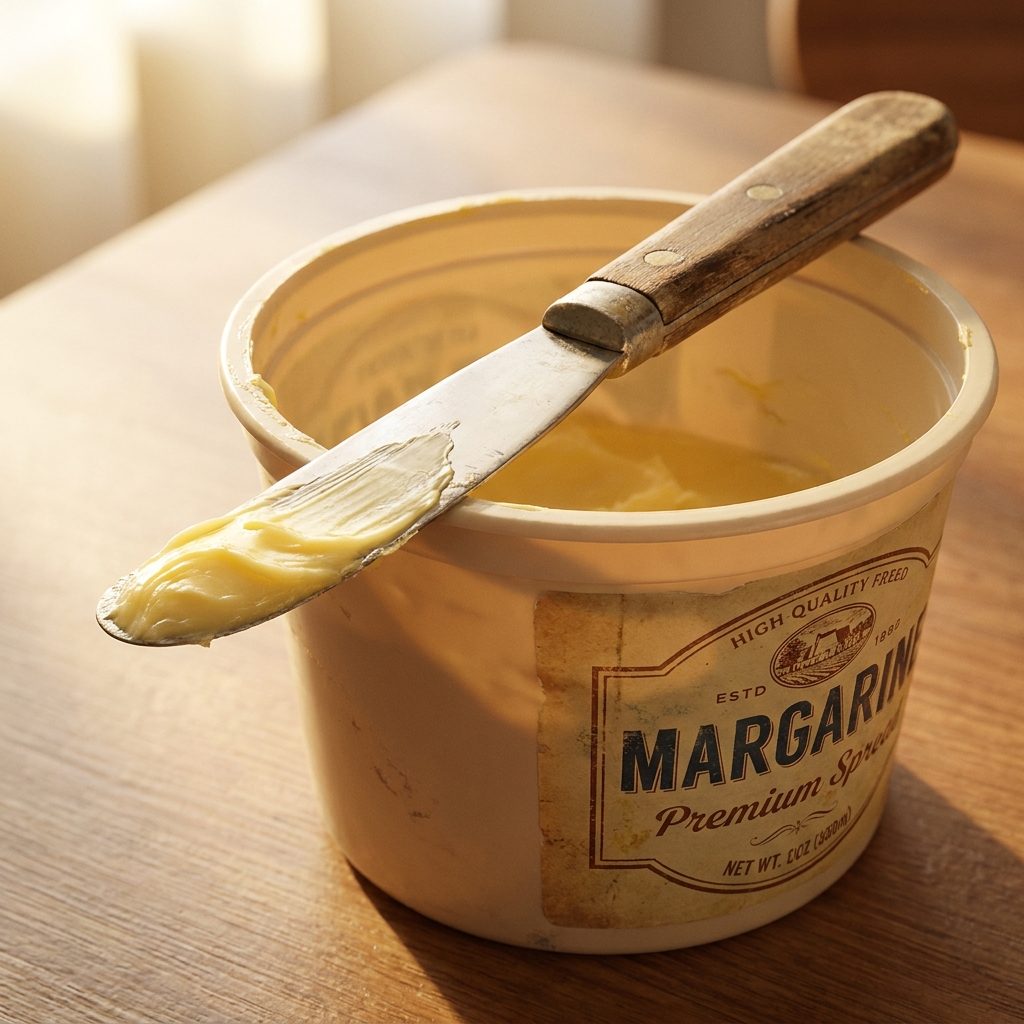
Not the bread knife. Not a good spreader. The butter knife with the rounded tip that lived in the utensil drawer and did everything in the house, it spread the peanut butter, scraped the jam jar, and handled garlic bread duty without any ceremony. You’d jam it into the margarine tub, drag it across the bread in three passes, and that was the whole technique.
It left ridges. Small parallel lines of butter that only partially smoothed out before hitting the oven. This was not a problem. The ridges crisped up individually and gave you slightly uneven browning across the surface, which was somehow better than uniform. A tool that did an imprecise job and produced a good result anyway.