Would you like to save this?
The smell of roasted garlic hit you before you even rang the doorbell. Somewhere inside, a Bobby Flay cookbook lay open on the counter, spine cracked, page corners oily. Natalie Merchant on the five-disc changer. And the host — still in an apron splattered with balsamic reduction — greeted you holding a glass of over-oaked Chardonnay like a trophy. These were the dishes that defined the decade.
Please note that some of the images in this article were created with the assistance of AI.
30. Sun-Dried Tomato Pasta Salad, the Dish That Launched a Thousand Potlucks
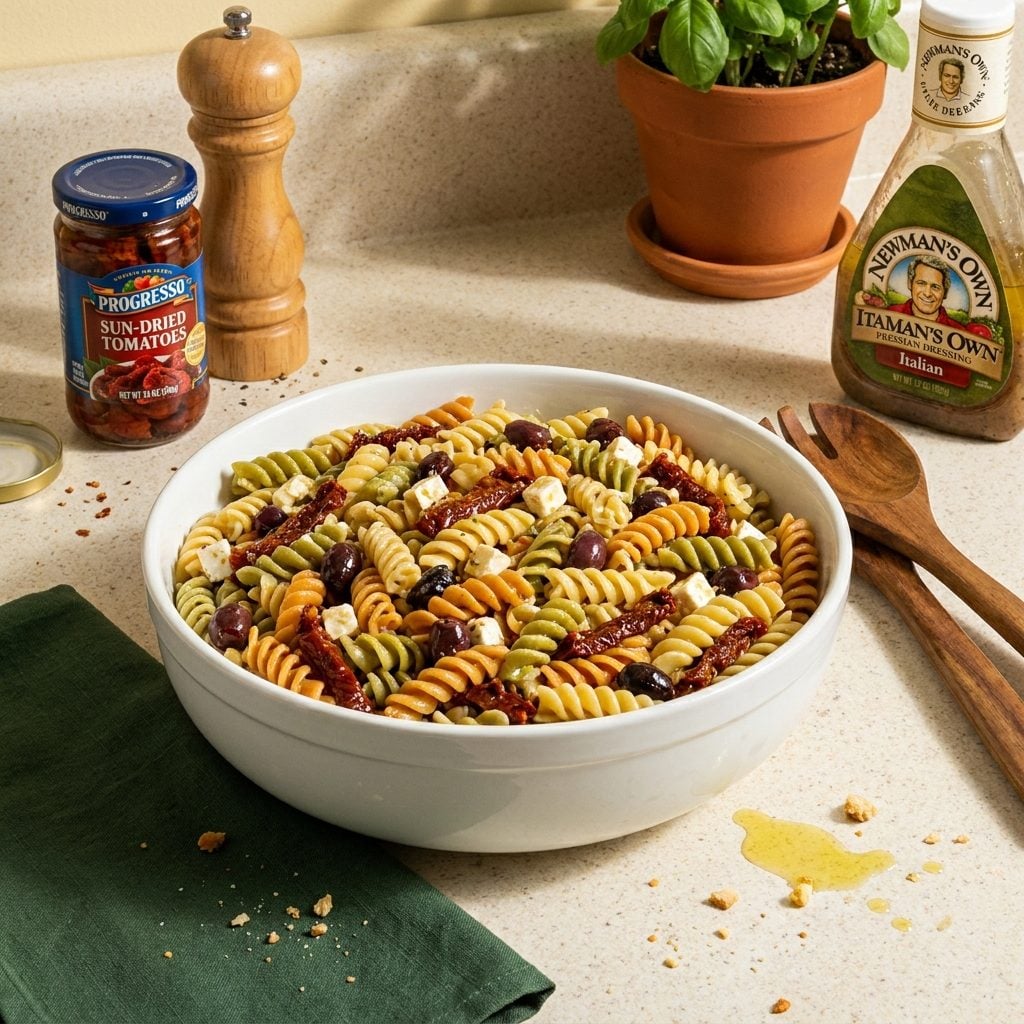
Tri-color rotini. Always tri-color rotini — never regular penne, never plain elbows. The orange and green spirals were non-negotiable, as if two extra colors of pasta justified calling cold noodles in Italian dressing a “salad.” Those sun-dried tomatoes came from a jar that cost a small fortune, and every host made sure you knew they were imported.
What nobody mentions is how these sat on the buffet table for three hours, slowly congealing into a single gluey mass that could patch drywall. You ate it anyway. Went back for seconds. The feta ran too salty, the olives came from a can, and somehow the whole thing still tasted like 1994.
29. Spinach Dip in a Hollowed-Out Bread Bowl That Took Two Hours to Destroy
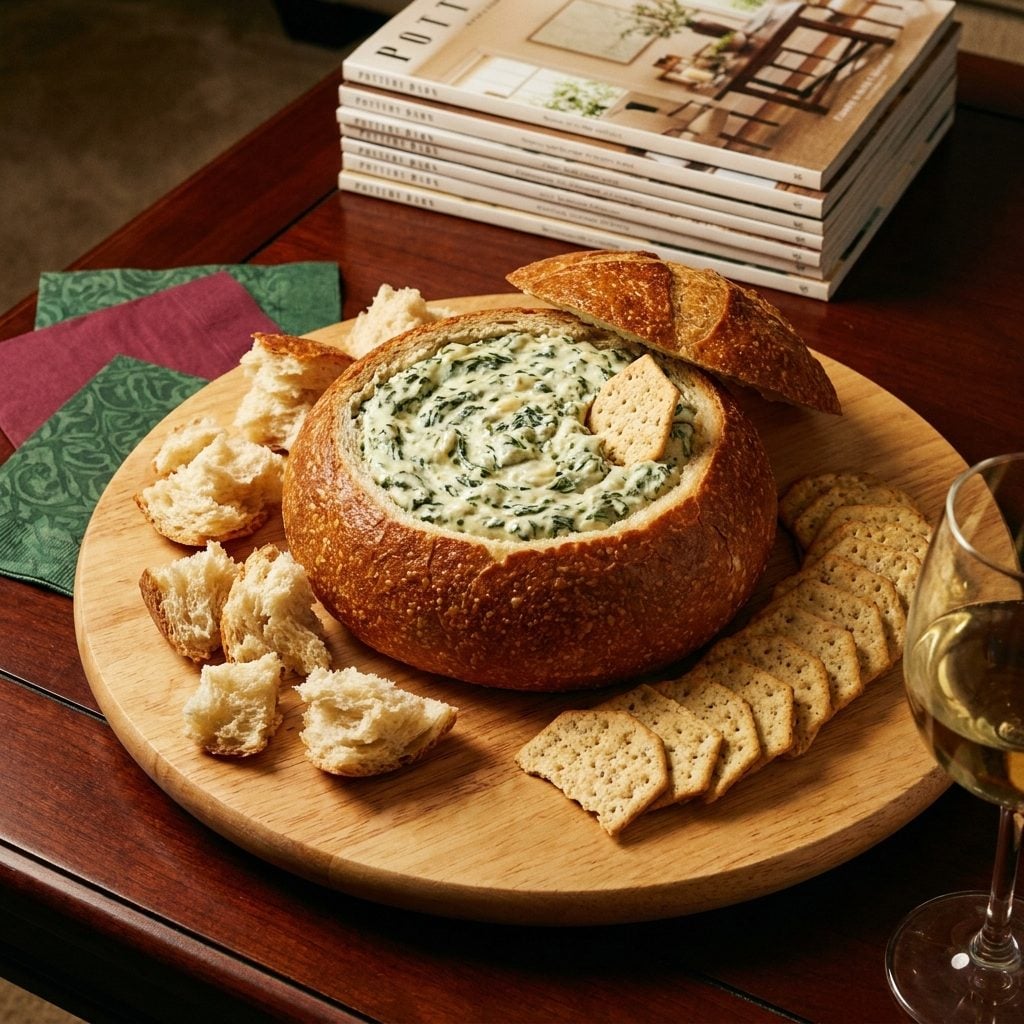
The excavation alone was impressive. Someone had to hollow out a round sourdough loaf without punching through the bottom — which happened constantly, turning the coffee table into a crime scene of Knorr soup mix and sour cream.
The dip recipe never varied: one box of frozen spinach (squeezed within an inch of its life in a dish towel), one packet of Knorr vegetable soup mix, sour cream, mayo, canned water chestnuts for “crunch.” Every single person at the party claimed their version was different. It was not.
And one thing genuinely baffled me. The torn bread pieces ran out in twenty minutes, but the bowl itself sat there the rest of the night, slowly going soggy, while everyone pivoted to Wheat Thins. Nobody ever ate the bowl. It was ornamental. We all just accepted this without comment, which says something about us as a people.
28. Blackened Chicken Caesar Salad, or How Paul Prudhomme Ruined Every Smoke Alarm in America
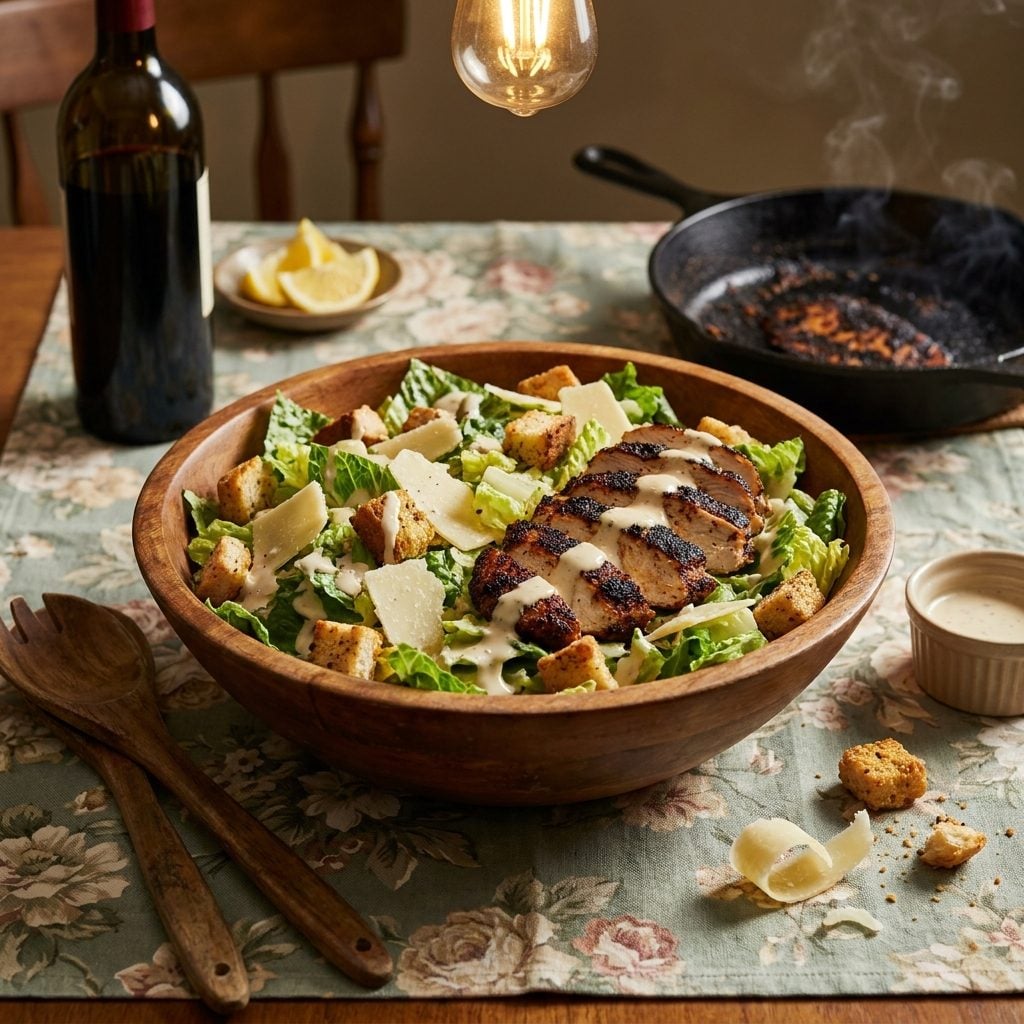
Every kitchen in 1996 smelled like a Cajun restaurant that was also on fire. The host would coat chicken breasts in enough cayenne and paprika to blind a horse, then sear them in a cast iron skillet at volcanic temperatures while the smoke alarm screamed and all the guests stood on the back patio pretending nothing was wrong.
The Caesar dressing was bottled. Always. Usually Cardini’s, occasionally something from Trader Joe’s if the host felt daring. Croutons came from a bag, dice-sized. But that blackened chicken on top made the whole production feel like something from an actual restaurant — which was the animating principle of 1990s dinner party cooking: replicate restaurant food badly, with total confidence.
27. Pesto Tortellini Salad Served Cold in a Bowl Nobody Was Sure Was Clean
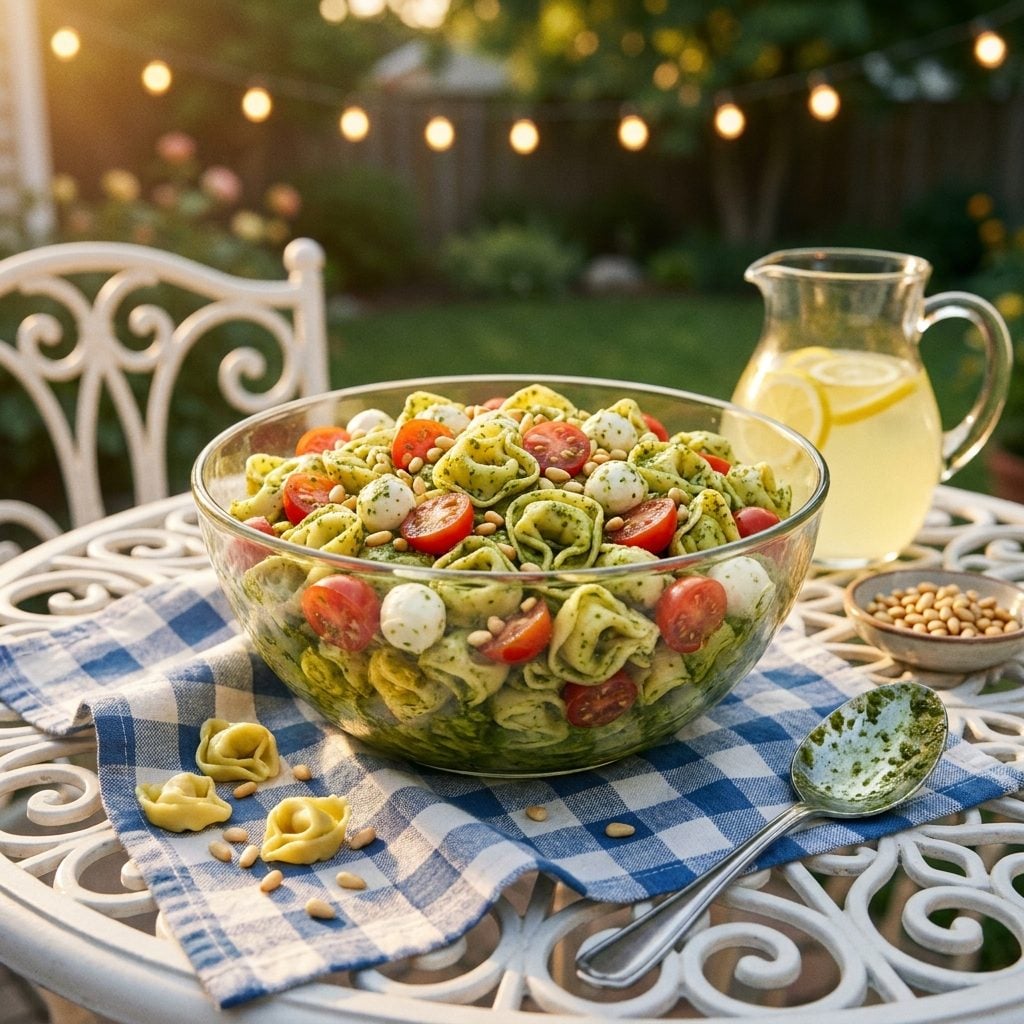
Costco tortellini. Contadina pesto from a jar. Cherry tomatoes halved by someone who clearly resented halving cherry tomatoes, because a third of them were just smooshed. Small mozzarella balls that had been sitting in their brine so long they tasted like the inside of a Tupperware container. Toss, chill, serve in the big bowl from the top shelf — the one you used twice a year and definitely didn’t wash first.
This was the 1990s potluck equivalent of showing up. Almost no skill required, it looked vaguely Italian, and it survived at room temperature for four hours without hospitalizing anyone. That last part was the real accomplishment, frankly.
26. Chicken Marbella from the Silver Palate Cookbook That Made Everyone Feel Like They Lived in Manhattan
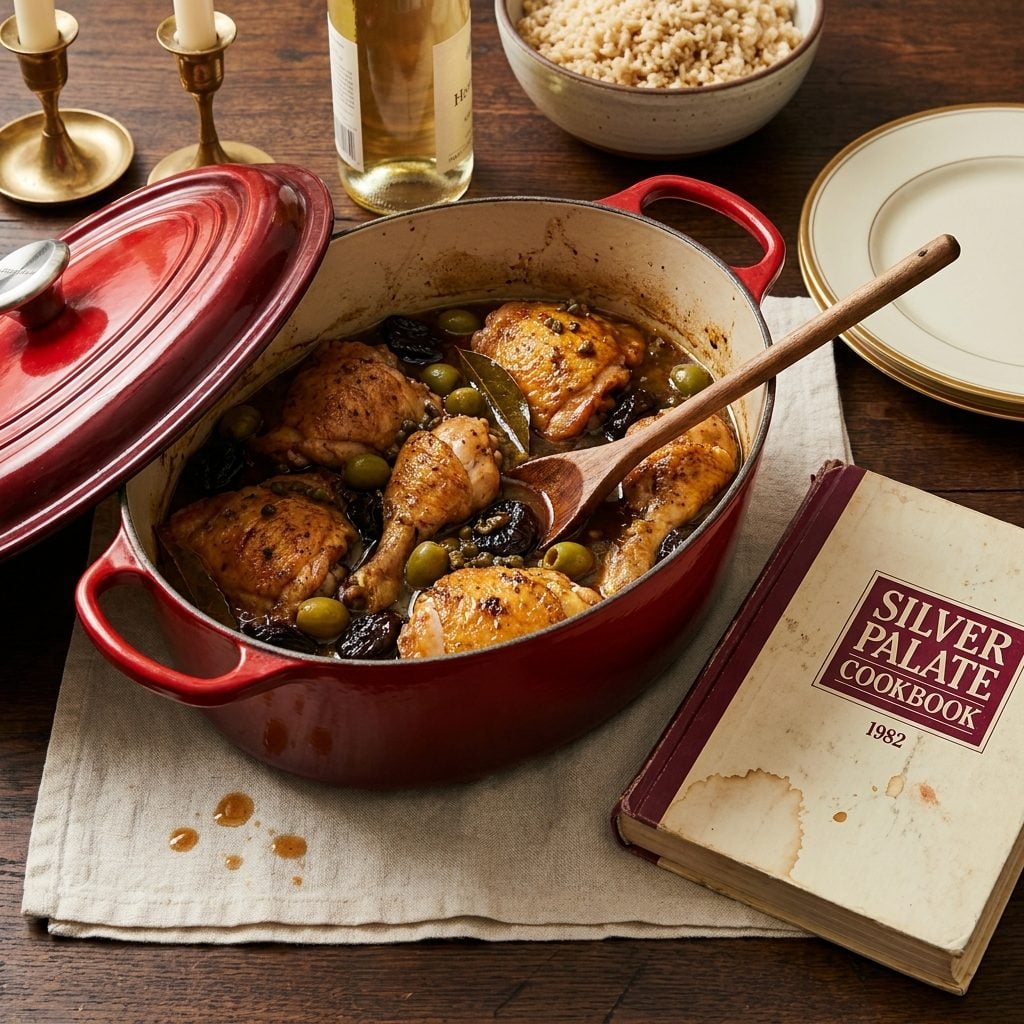
Prunes. With chicken. And olives. And capers. And enough brown sugar and white wine to qualify as dessert in certain countries. If you cooked from the Silver Palate Cookbook between 1990 and 1999, you made Chicken Marbella, and you acted like you’d invented the concept yourself.
What made Marbella brilliant was the overnight marinade — you did all the work on Friday while watching Seinfeld, then spent Saturday pretending you’d been laboring in the kitchen since dawn. Performatively effortless. The prunes turned soft and dark and sweet in the sauce, and guests who swore they hated prunes ate three pieces and asked for the recipe, which you photocopied because email recipe chains hadn’t been invented yet.
Sheila Lukins and Julee Rosso published this recipe in 1982. By the mid-nineties, it had probably been served at more suburban dinner parties than any other single dish in the country. I have no source for this. I believe it in my bones.
25. Brie Baked in Puff Pastry with Raspberry Jam, the Appetizer That Said ‘I Subscribe to Bon Appétit’
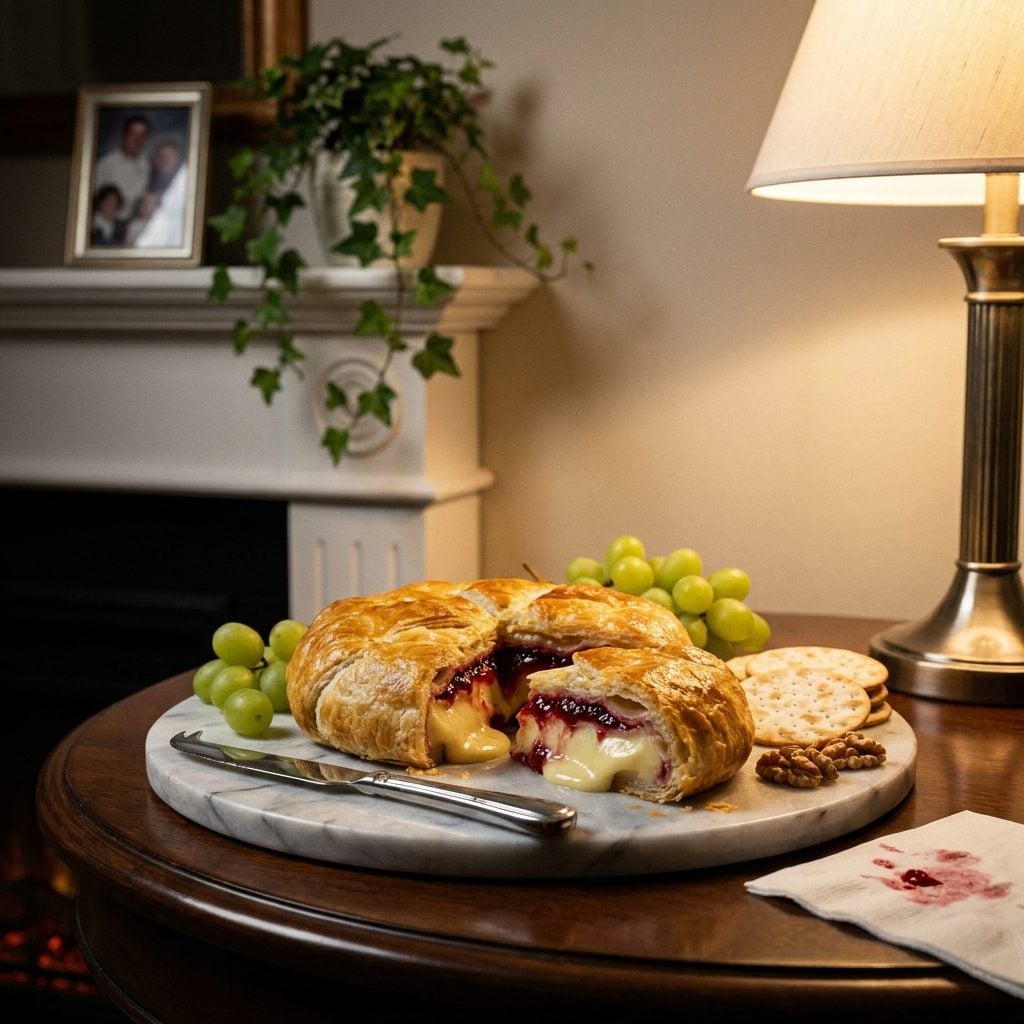
Walk into a dinner party and spot a golden-brown pastry dome on a marble board? You knew the host had cracked open at least one issue of Bon Appétit that year and held strong opinions about Brie versus Camembert. This appetizer separated people who “tried” from people who “entertained.”
The execution never varied. Pepperidge Farm puff pastry from the freezer section, thawed on the counter, rolled out with a wine bottle because nobody owned a rolling pin. A wheel of supermarket Brie. A generous smear of Smucker’s raspberry preserves masquerading as “jam.” Wrap, egg wash, bake until golden. Serve with plain water crackers and an air of quiet superiority. I miss none of it and simultaneously all of it.
24. Shrimp Cocktail Arranged Around a Martini Glass Like It Was the Met Gala
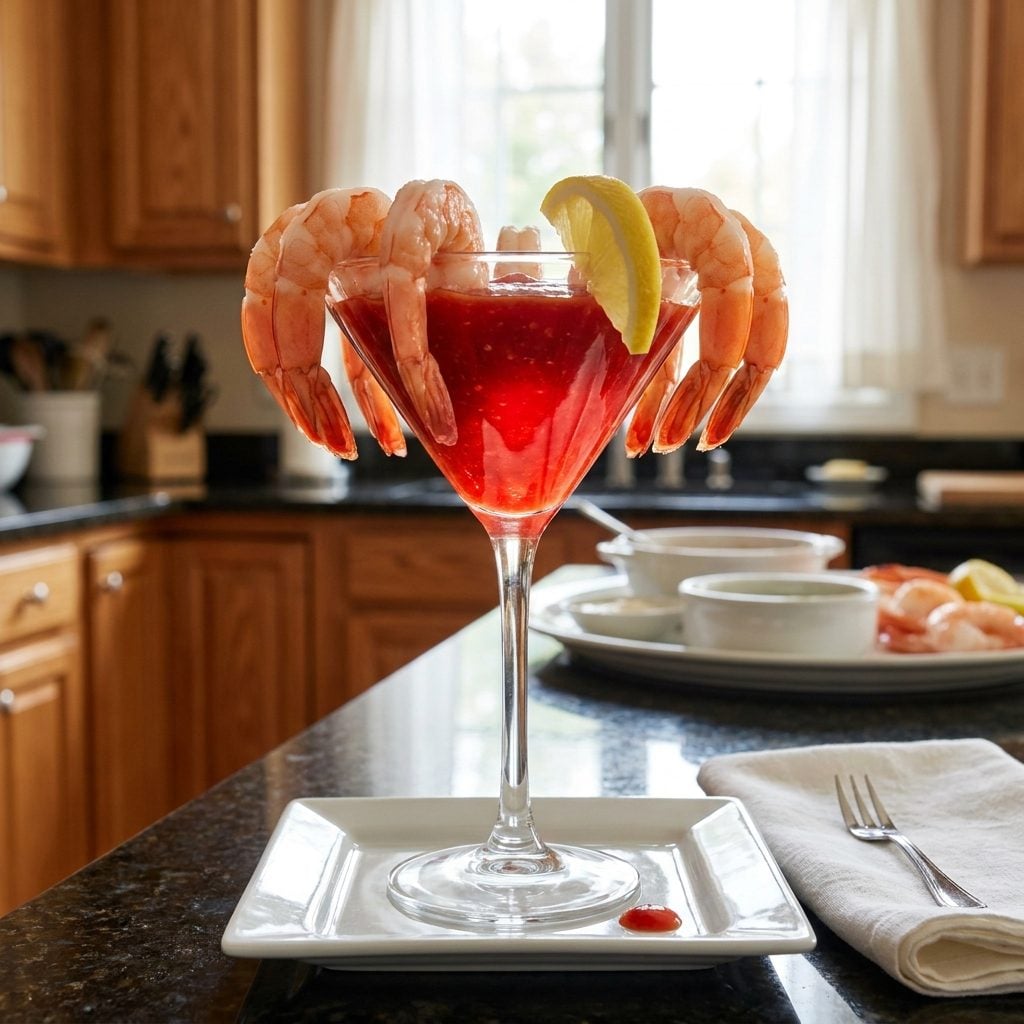
Why a martini glass? Nobody knows. Nobody ever asked. At some point in the early 1990s — a catering magazine, possibly Martha Stewart — someone decided shrimp cocktail should be served not in a bowl like normal food but draped over the rim of an oversized martini glass filled with Heinz cocktail sauce. An entire generation went along with it.
The shrimp were always from a frozen ring, thawed under running water about fifteen minutes before guests arrived. Tails stayed on because removing them would’ve been admitting you bought frozen shrimp. Everyone already knew. Leaving the tails on was a collective fiction we maintained out of politeness.
23. Pasta Primavera Drowning in Heavy Cream Because Vegetables Alone Were Not to Be Trusted
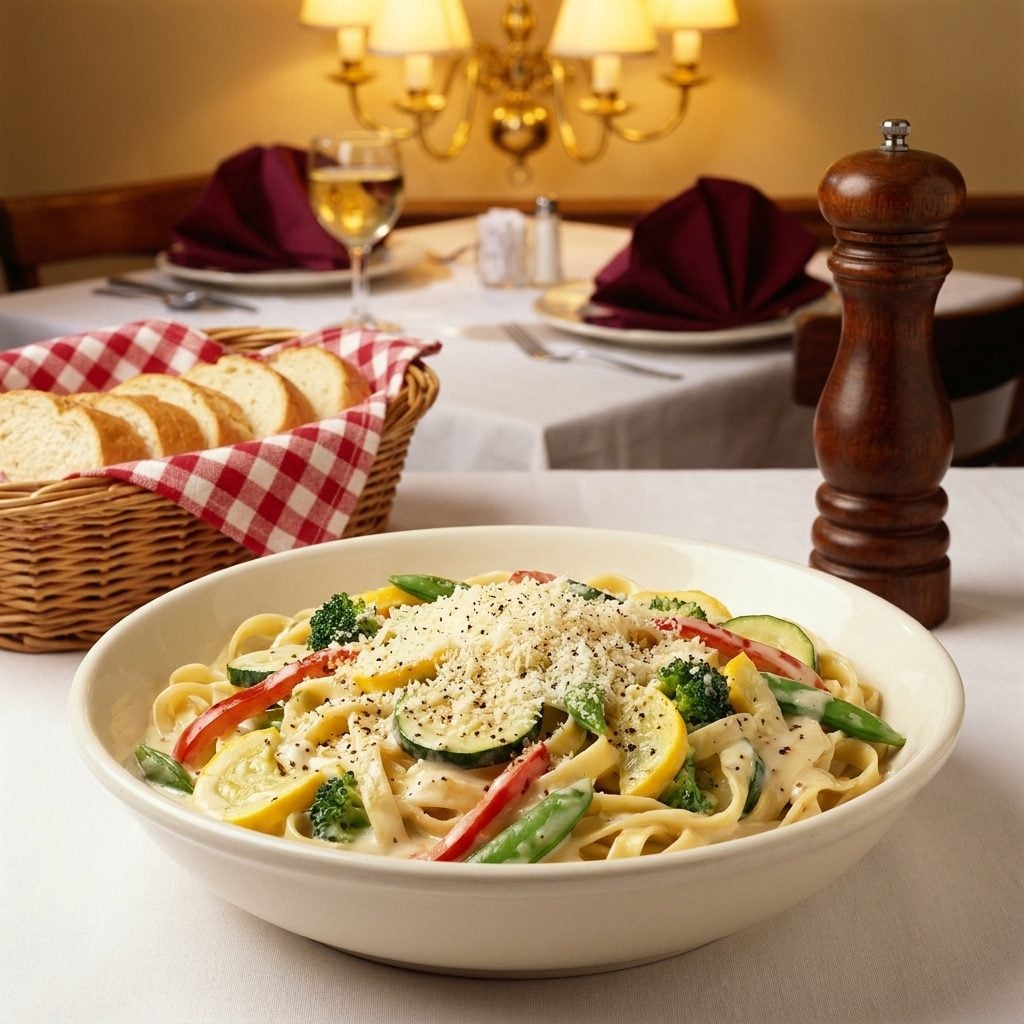
The 1990s had a complicated relationship with vegetables. Everyone knew they should eat more of them. Nobody was willing to actually taste them. The fix? Submerge an entire garden’s worth in heavy cream, toss it with a pound of fettuccine, call it primavera.
A full pint of cream went into this dish. A whole stick of butter. Enough parmesan to coat a small child. The vegetables were technically present but functionally decorative — you’d push aside a limp zucchini coin to get at the sauce underneath, which is where all the flavor lived. Broccoli: always overcooked. Red pepper: always underdone. Nobody cared. The cream sauce was a blanket pardon for every vegetable sin on the plate.
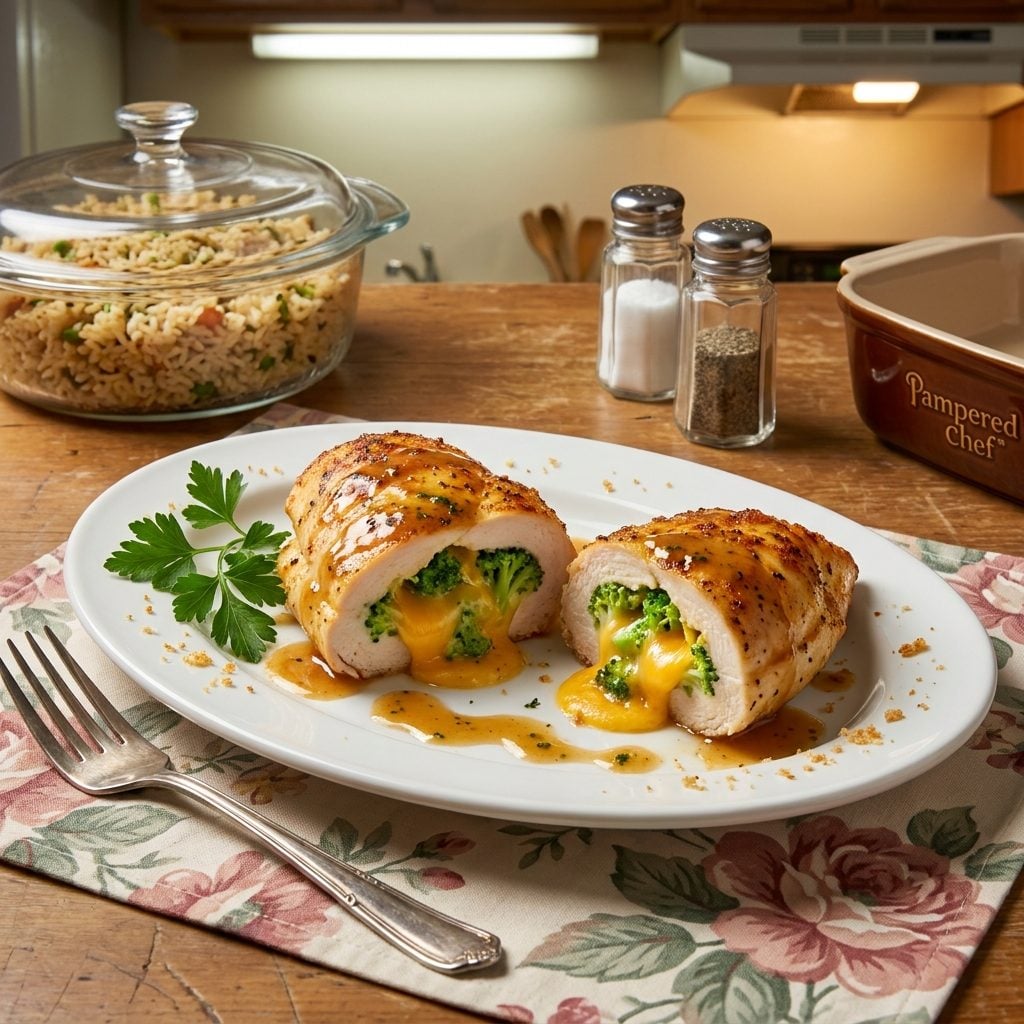
22. Chicken Breasts Stuffed with Broccoli and Cheese, the Entrée That Peaked at a Pampered Chef Party
Would you like to save this?
Boneless, skinless chicken breasts. The protein of the decade. The blank canvas onto which an entire generation projected culinary ambitions that all, somehow, involved stuffing something inside something else and hoping it cooked through.
Broccoli and cheese was the default filling. The technique: butterfly the breast, pound it flat with something heavy — a can of beans, a meat mallet still in its packaging from the wedding registry — pile in some steamed broccoli and shredded cheddar, roll it up, secure with toothpicks nobody remembered to warn guests about, bake at 375 until the outside turned to leather and the inside remained a question mark. I made this at least a dozen times. Never once did it look like the cookbook photo. The cheese always leaked out one end. The broccoli went gray. But you sliced it crosswise to display the spiral, everyone said “oh, that’s beautiful,” and you believed them because we were all so painfully earnest about dinner in those years.
21. Seven-Layer Taco Dip in a 9×13 Pyrex That Arrived at Every Single Gathering from 1991 to 1999
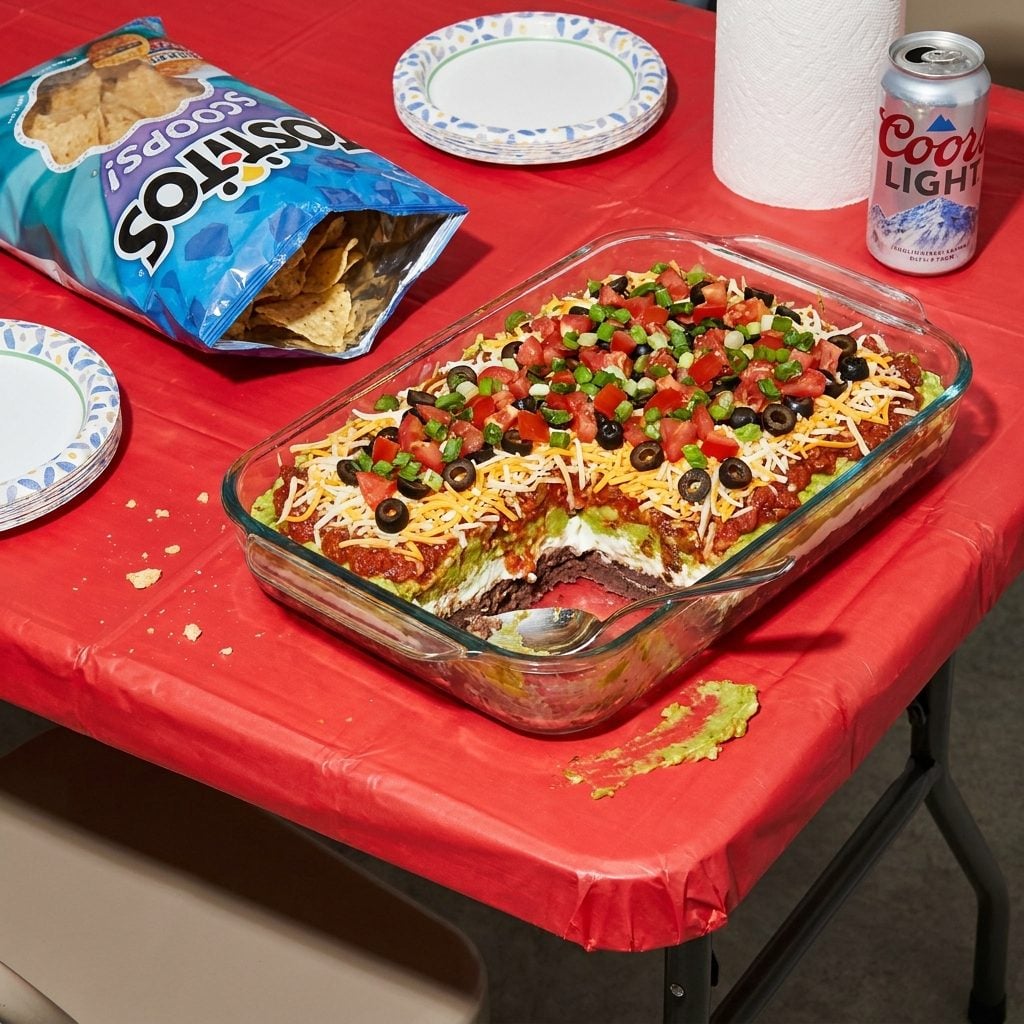
There it was. Every folding table, every Super Bowl party, every Fourth of July cookout, every “just having some people over” gathering for an entire decade. The clear Pyrex dish with seven visible layers like a geology textbook for people who considered Pace Picante Sauce exotic.
Layer one: canned refried beans, smeared across the bottom with the back of a spoon. Two: sour cream mixed with taco seasoning. Three: guacamole, already browning because you made it at noon. Four: salsa. Five: shredded cheese. Six: sliced black olives from a can. Seven: diced tomatoes and green onions. Flat Tostitos on the side, since this predated the Scoops era — and flat chips were structurally inadequate for the job, which everyone knew and nobody addressed.
Nobody ever ate below layer four. The bean stratum at the bottom stayed pristine, untouched, geologically stable. By midnight the dish looked like an archaeological dig — scooped and cratered and abandoned. Someone always volunteered to “just take it home,” where it sat in their fridge for six days before being thrown away. Pyrex included, sometimes. A small, quiet tragedy.
20. Mini Quiches from the Freezer Aisle, Arranged on Your Best Platter Like Nobody Could Tell
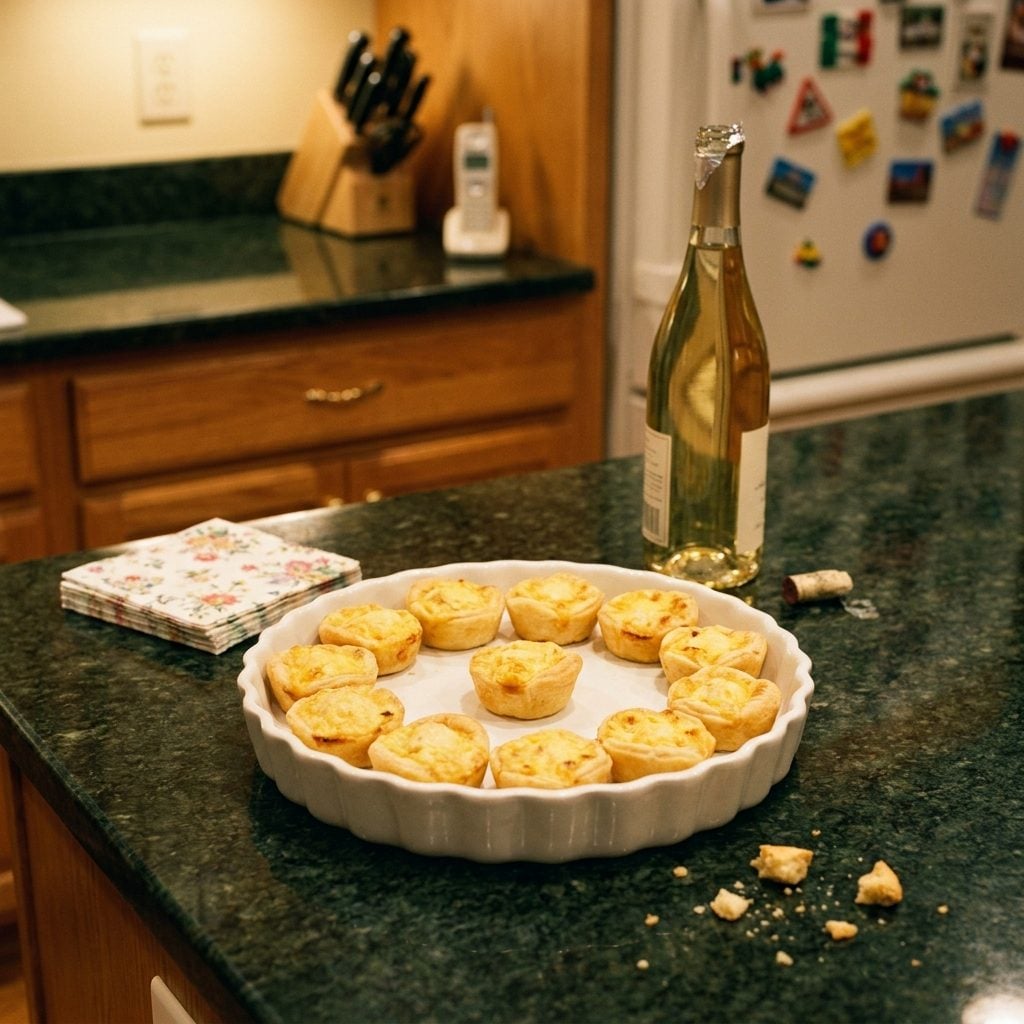
Every single one was exactly the same size — that was always the tell. Fanned out on a platter, maybe garnished with a sprig of parsley nobody intended to eat, and the host would say something vague like “I threw these together.” Nobody threw anything together. Somebody stood in the frozen foods aisle for four minutes comparing brands, weighed the pros and cons of Lorraine versus spinach, and picked one because buying two boxes felt excessive.
They came out of the oven puffed and golden and slightly rubbery in the center. We ate six before dinner even started because the actual meal was still forty minutes away and the wine had already been open for an hour.
19. French Onion Soup with a Mozzarella Cap So Thick You Needed a Steak Knife
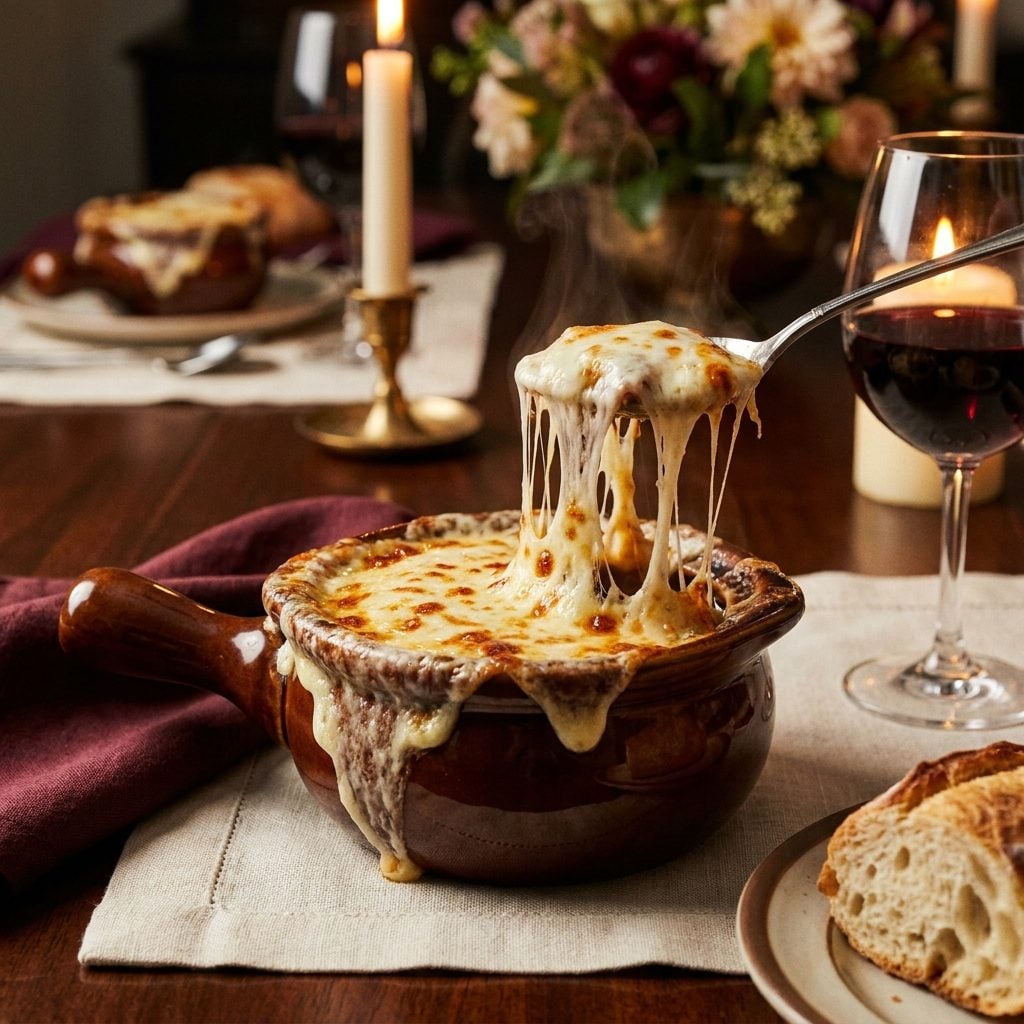
It was supposed to be Gruyère. Every recipe in every magazine said Gruyère. But Gruyère cost actual money in 1994, and the grocery store might not even carry it, so the host grabbed a bag of shredded mozzarella and piled it on thick enough to insulate a small building.
The result was a cheese helmet. You’d press your spoon against it and nothing would happen. Try again, harder — the whole crock would slide across the table. Eventually someone punctured through and a geyser of scalding broth shot up, and then you’d spend ten minutes pulling endless cheese strings off your chin while pretending this qualified as elegant.
The onions underneath were always either burnt or barely cooked. Broth from a can, extra wine splashed in. None of that mattered. The cheese dominated every sensory experience for the next half hour.
18. Bow-Tie Pasta with Smoked Salmon and a Drizzle of Something Called ‘Cream Sauce’
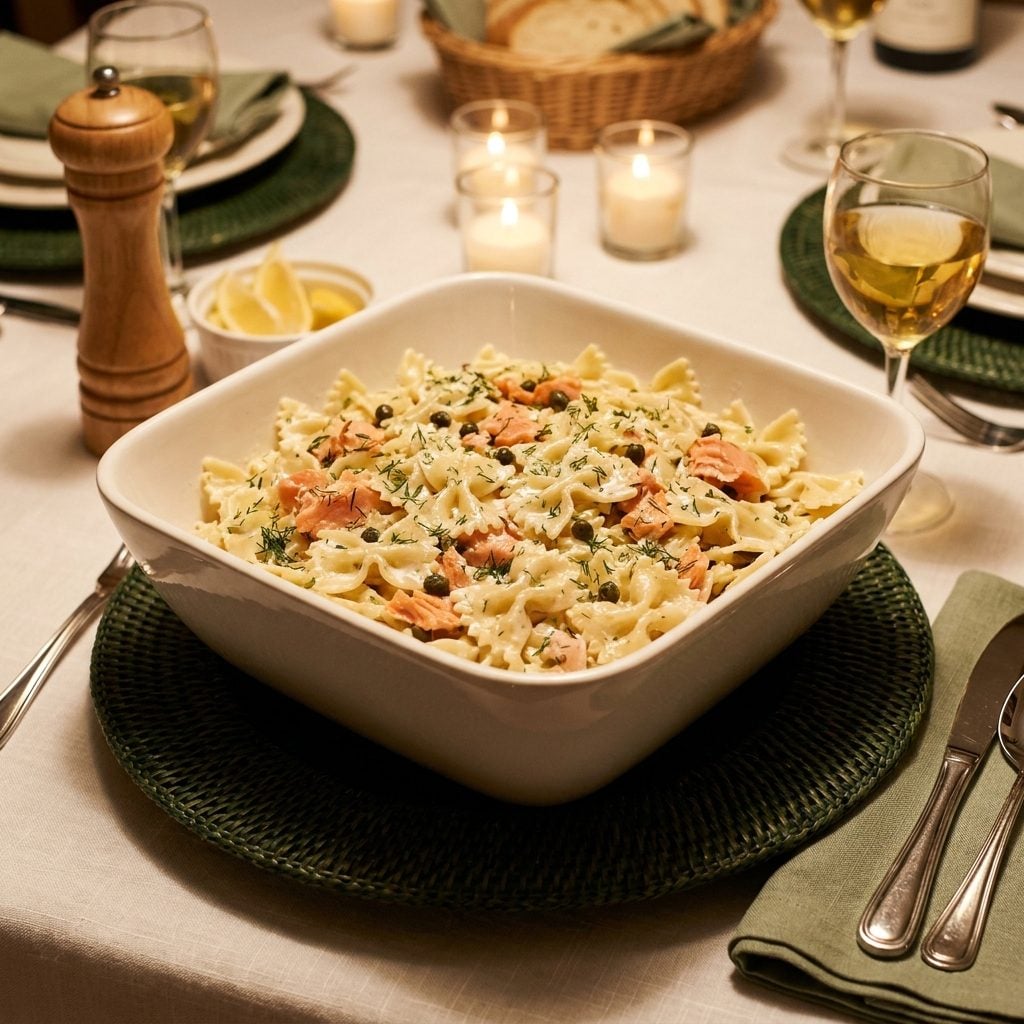
The dish that announced “I subscribe to Bon Appétit but I only cook from it twice a year.” Bow-tie pasta specifically — the shape felt fancier than penne without requiring any actual skill. The smoked salmon came from a vacuum-sealed package, sliced thin, and the host would drape it over the pasta with ceremonial reverence.
Heavy cream reduced with exactly one clove of garlic and enough dill to make the whole kitchen smell like a Scandinavian fish market. Capers appeared whether anyone liked capers or not. You’d eat it from an oversized white bowl, the kind that came in a set of four from Crate & Barrel, and someone at the table would always say “you should open a restaurant,” which was generous given the pasta was about two minutes past al dente.
17. The Portobello Mushroom Burger Your Host Called ‘Gourmet Vegetarian’
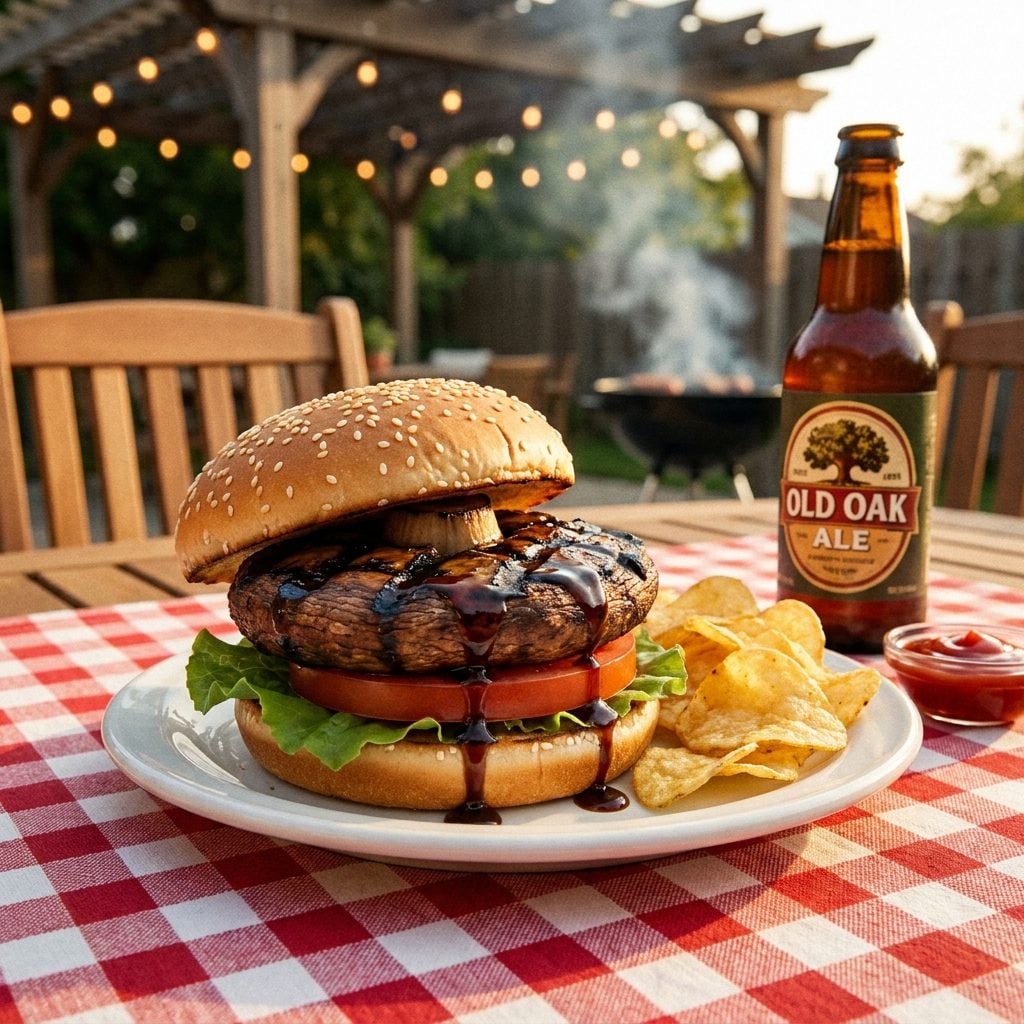
Somewhere around 1995, every dinner party host with a single vegetarian friend discovered the portobello mushroom and decided it was a complete substitute for a hamburger. It was not. But confidence is a powerful seasoning.
Off the grill it came looking like a deflated beret, soaked in whatever marinade the host found in the fridge — balsamic vinegar and soy sauce, usually, sometimes teriyaki. Placed on a bun with visible pride. Announced like a new menu item at a restaurant nobody asked to visit: “And for our vegetarian guest, we have a grilled portobello.” Delivered with a flourish. Received with a fixed smile.
The vegetarian would eat it and not mention that it tasted mostly like a warm, wet sponge. Gracious people, vegetarians.
16. Artichoke Dip So Loaded with Mayonnaise It Could Caulk a Bathtub
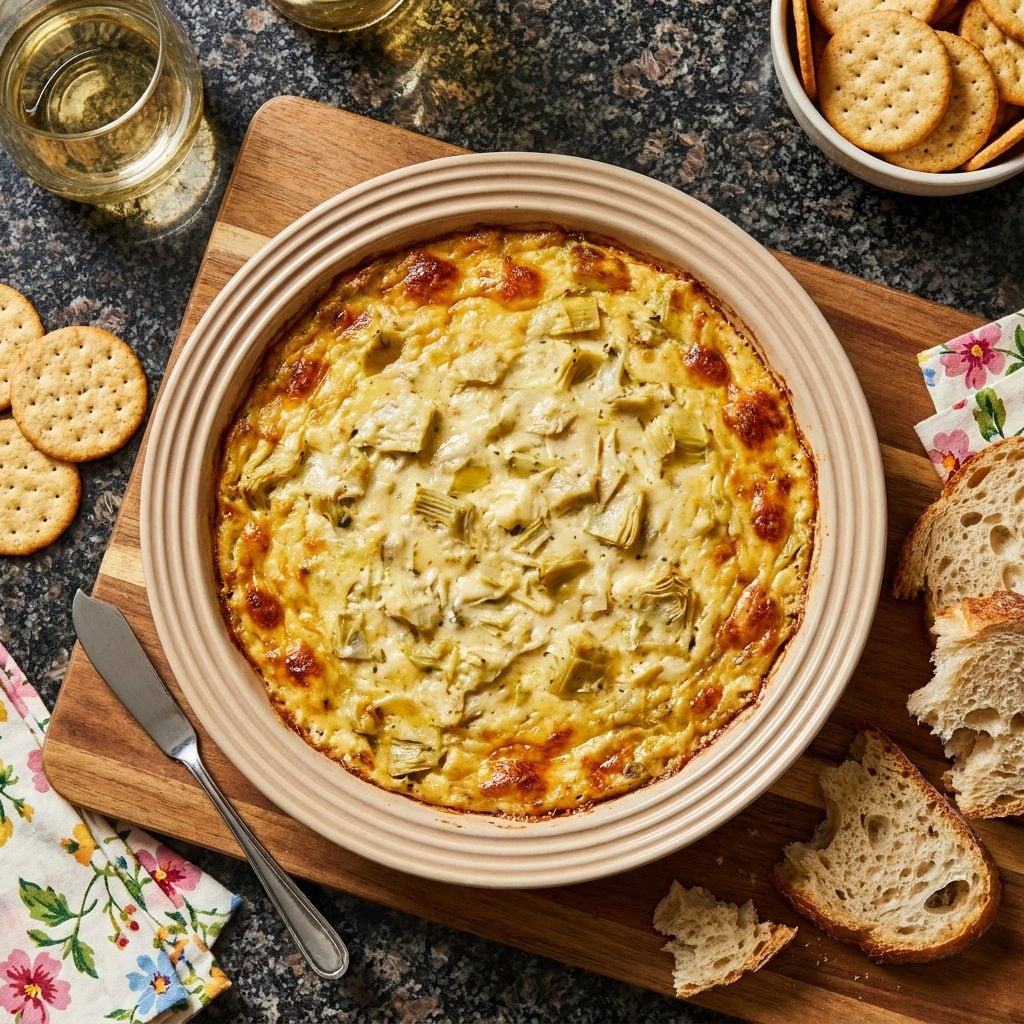
Three ingredients: one can of artichoke hearts, one cup of mayonnaise, one cup of parmesan from a green shaker can. Mix. Bake. Serve to humans and watch the entire dish vanish before anyone thinks to question what they’re doing.
The ratio was criminal. For every artichoke heart, roughly a quarter cup of mayo held it hostage. Out of the oven the surface came bubbling and golden, smelling incredible in that specific way that anything with melted cheese and hot mayonnaise smells incredible — your body knew this was bad for it but your hand kept reaching for the cracker anyway, cracker after cracker, with a kind of cheerful resignation.
15. Tri-Color Rotini Salad Dressed in Bottled Italian That Turned Everything Orange
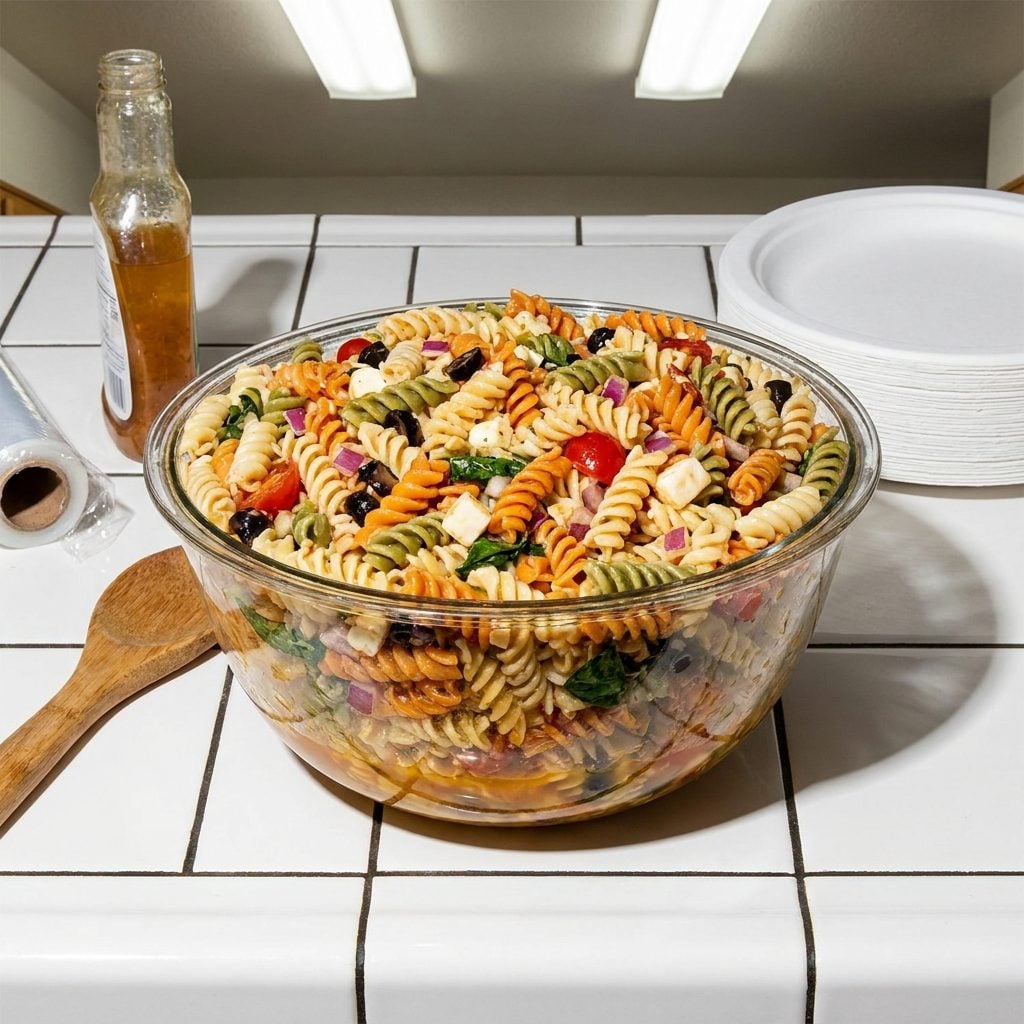
You could identify this salad from across the room. Not by the tri-color pasta, which was the whole selling point on the box — by the dressing, which had turned every surface of every noodle a uniform shade of wet tangerine.
It sat on the counter in a glass bowl under plastic wrap, had been sitting there since at least two hours before guests arrived, which meant the pasta had absorbed most of the dressing and now had the texture of something you’d find at the bottom of a hotel buffet in the dead middle of the afternoon. Olives canned. Mozzarella cubes pre-cut from a bag. Someone had added red onion, which bulldozed every other flavor into irrelevance. And yet people went back for seconds, because cold pasta salad at a gathering operates under completely different rules than food you’d willingly choose to eat alone on a Wednesday night. A potluck loophole. We all honored it.
14. Sliced Baguette with Olive Tapenade That Made Half the Room Quietly Panic
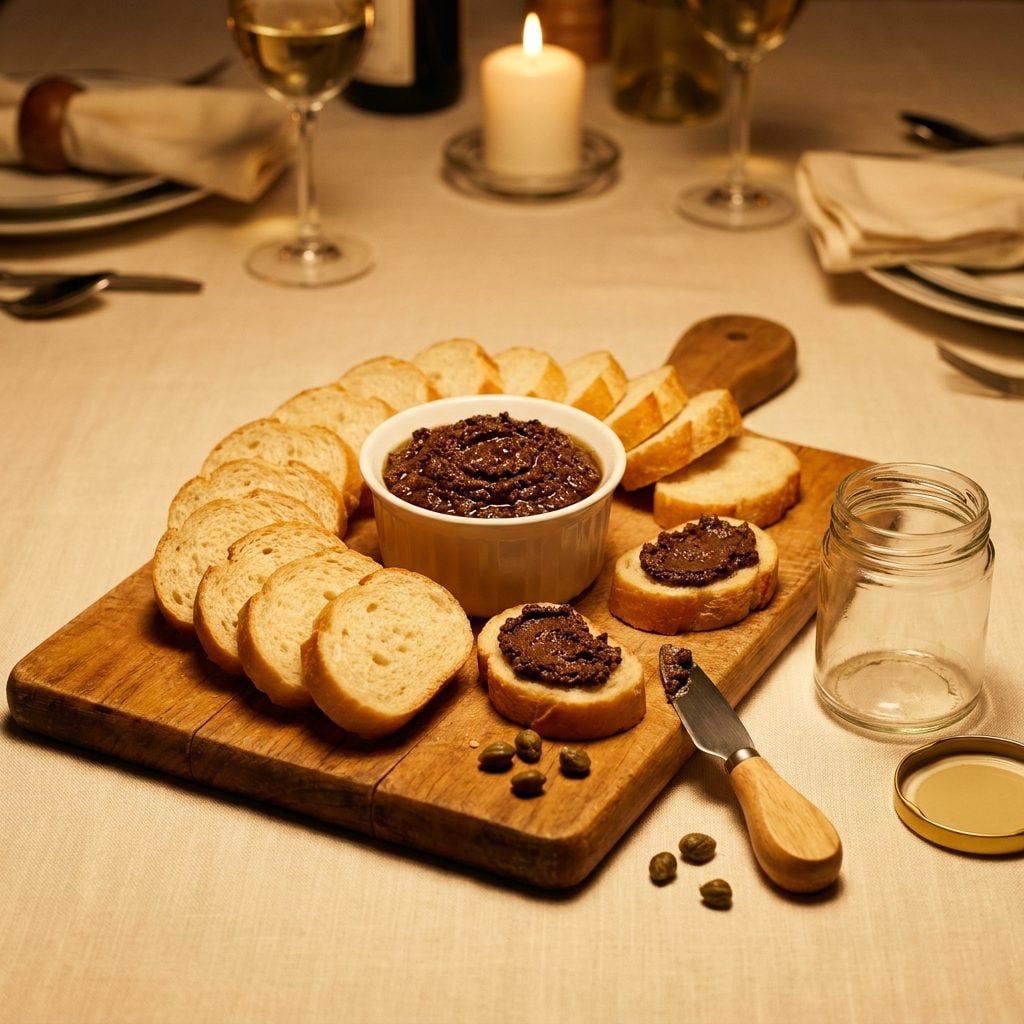
Tapenade was a loyalty test. Half the room loved it. The other half took one look at the dark, oily paste and quietly retreated to the cheese plate without comment.
Either the host made it from scratch using a food processor that hadn’t been cleaned since the last time tapenade was made, or it came from a jar in the fancy grocery store section where everything cost too much and had a French word on the label. Out it came in a small bowl with a tiny spreading knife, and someone would inevitably ask what it was. “Olive tapenade,” the host would say, in a tone that suggested the question itself was embarrassing. The baguette slices disappeared fast among those who were on board. The rest of the party pretended they just weren’t hungry yet.
13. The Fondue Pot Dragged Out of Storage for ‘Retro Fun’ Night
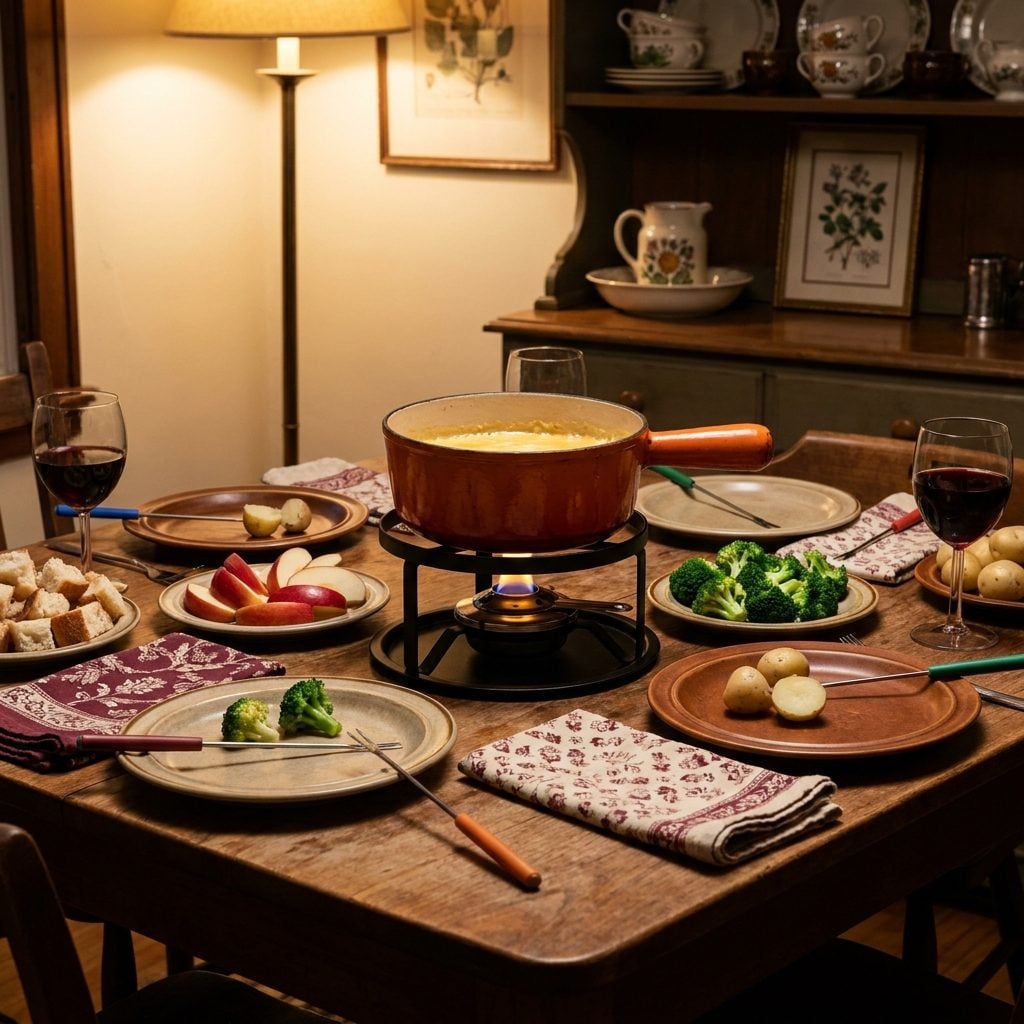
Somebody’s mother had given them a fondue pot as a wedding gift. It lived in the back of a cabinet for years until one evening when the host decided it was time for a “retro theme night” — which really meant they didn’t want to cook a real dinner and this seemed like a fun dodge.
The pot was harvest gold or avocado green, because those were the only two colors fondue pots came in during the decade they were originally purchased. The Sterno can underneath took four matches and considerable swearing to light. Cheese was Gruyère and Emmentaler if the host was committed, or a block of Velveeta and a splash of beer if honesty won out.
Everyone burned their tongues. Everyone dripped cheese on the tablecloth. Someone lost a bread cube in the pot and spent the rest of the evening trying to fish it out with mounting desperation while the host stared at the far wall. These were the rules of fondue. We accepted them.
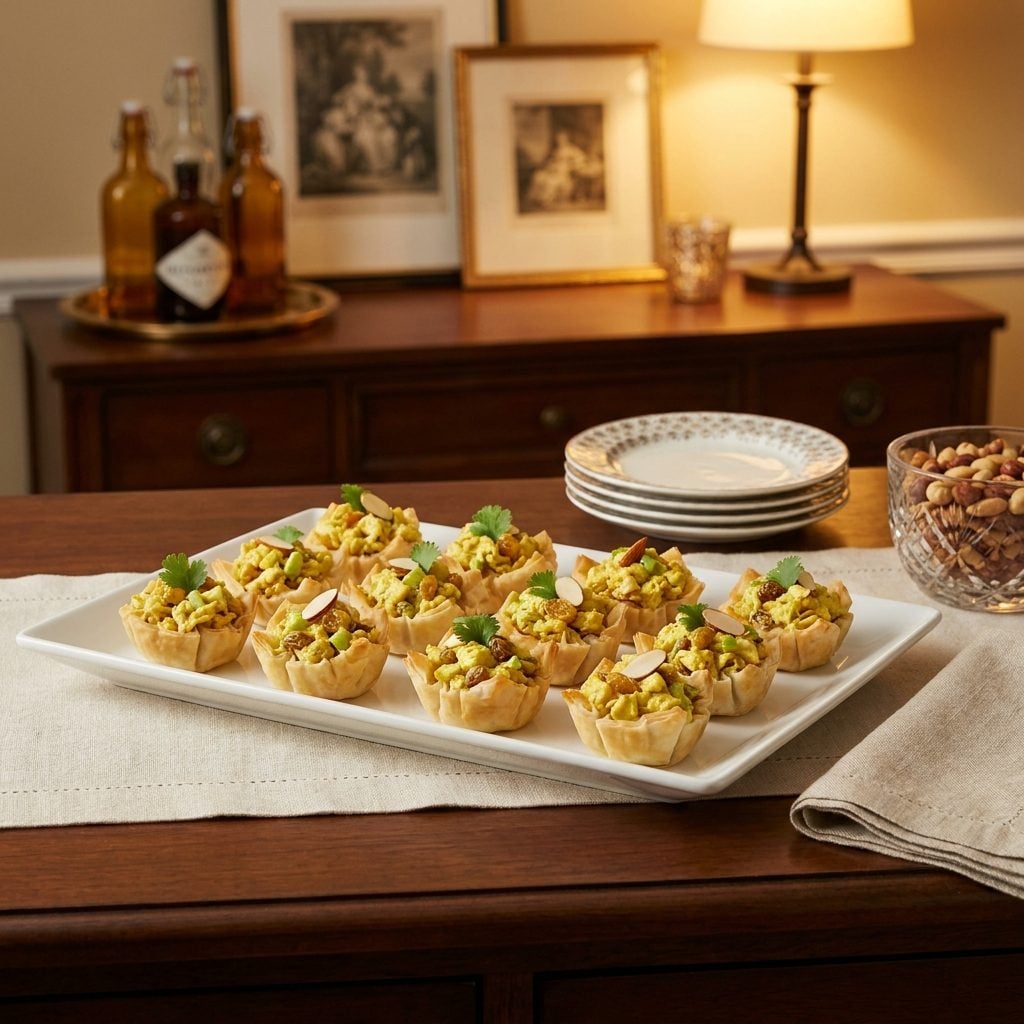
12. Curried Chicken Salad Stuffed into Phyllo Cups Like a Tiny Beige Surprise
Would you like to save this?
Curry powder was the 1990s dinner party host’s shortcut to seeming worldly. Regular chicken salad? Tuesday lunch. Same chicken salad with a teaspoon of curry powder stirred in? Suddenly you’ve traveled.
The phyllo cups came frozen in a box and emerged either perfectly crisp or shattered into flakes the moment you picked one up — no middle ground existed. Cold chicken, mayo, curry powder, and then whatever the recipe deemed “exotic”: golden raisins, slivered almonds, a chutney drizzle. It tasted fine. Tasted exactly like you’d expect chicken salad with curry powder to taste. But the phyllo cup elevated the whole operation to hors d’oeuvre status, and hors d’oeuvres meant this was a real event and not just people eating in your house, which was a distinction everyone at the party silently agreed to uphold.
11. The Marinated Vegetable Platter That Had Been Drowning in Vinaigrette Since Tuesday
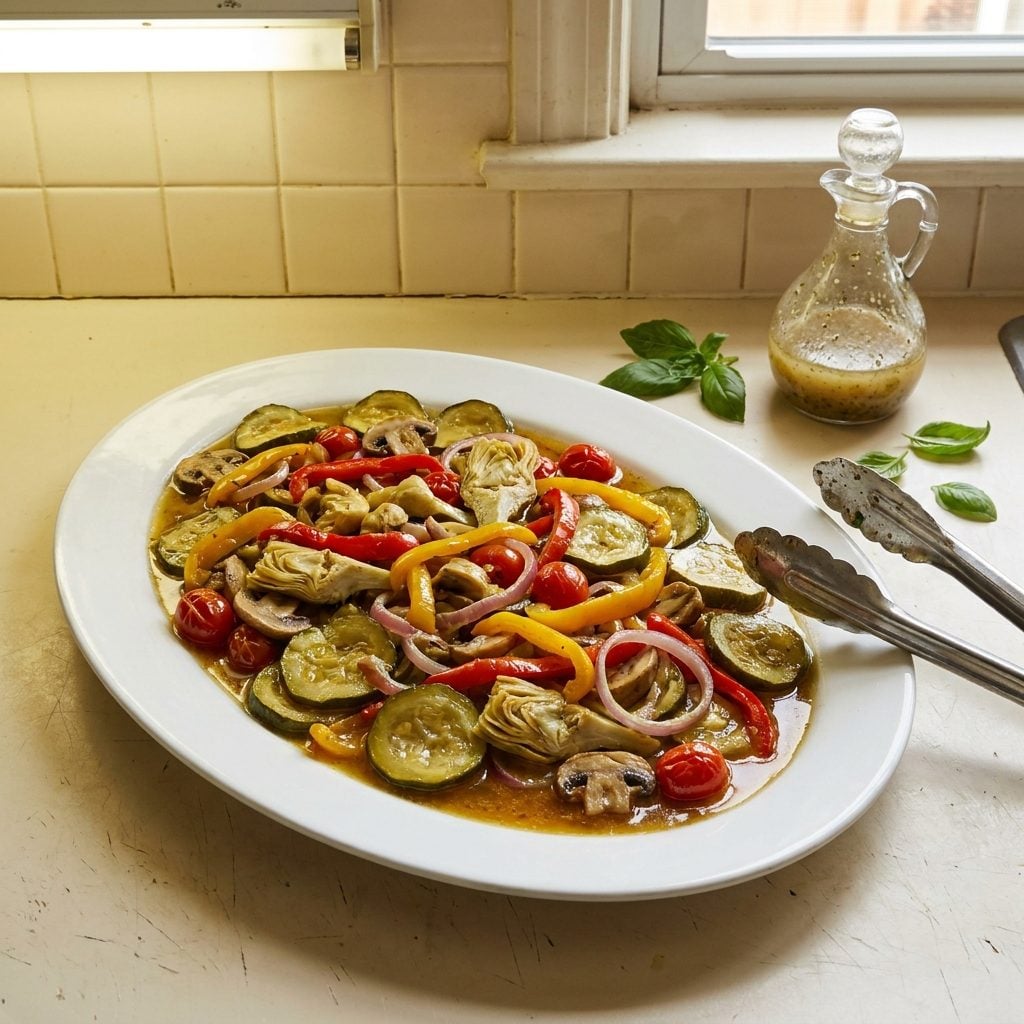
These vegetables had been through something. You could see it in their faces — the bell peppers gone translucent, the zucchini surrendering its structural integrity, the mushrooms having absorbed so much vinaigrette they were basically tiny oil sponges with a vaguely fungal memory.
Prepared days in advance. Every magazine and cookbook promised marinated vegetables “improve with time,” which is true up to about twelve hours, and then you’re in different territory. By the time guests arrived, these had crossed the line from “marinated” to “pickled” to something more adversarial. Something that happened to vegetables rather than for them.
But it was on the table. It was colorful. It counted as a side dish. We ate it with bread to absorb the half-inch of vinaigrette pooled at the bottom of the platter, and we didn’t complain, because free food at a party is still free food at a party.
10. Teriyaki Meatballs in the Slow Cooker, Glistening Like Little Brown Planets
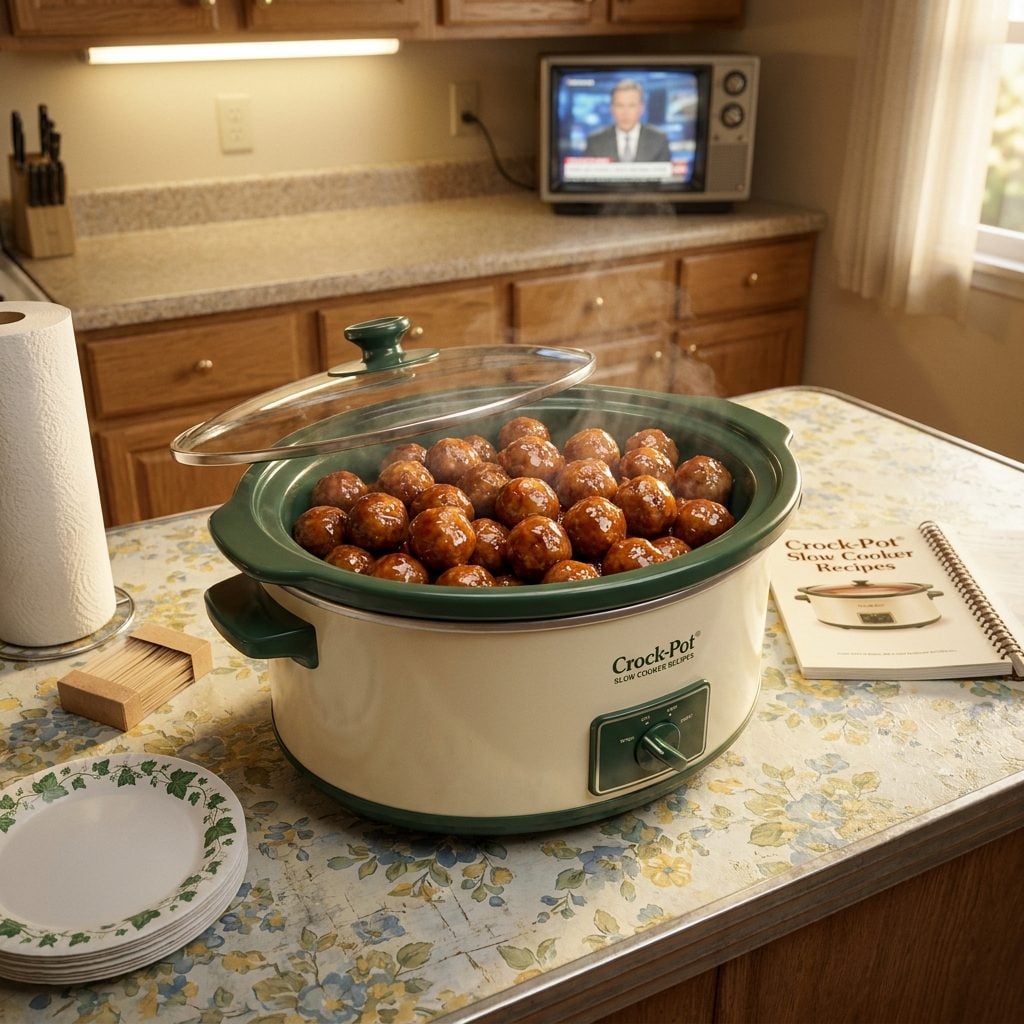
Lifting that slow cooker lid was the dinner party’s unofficial starting gun. And inside — every single time — those meatballs. Frozen bag from the grocery store, dumped into the ceramic insert with a full bottle of Kikkoman teriyaki and maybe some grape jelly if the host was feeling ambitious. They sat in that sweet, salty bath for hours, shrinking into dense little orbs that could anchor a hot air balloon.
Everyone stabbed at them with toothpicks. Nobody asked for the recipe because everyone already knew it. The meatball-to-sauce ratio was always wrong — by the end of the night you had a teriyaki swimming pool with a few survivors bobbing around the edges. I made these more times than I should probably admit.
9. That One Tofu Stir-Fry Served as the “Healthy Option” Nobody Touched
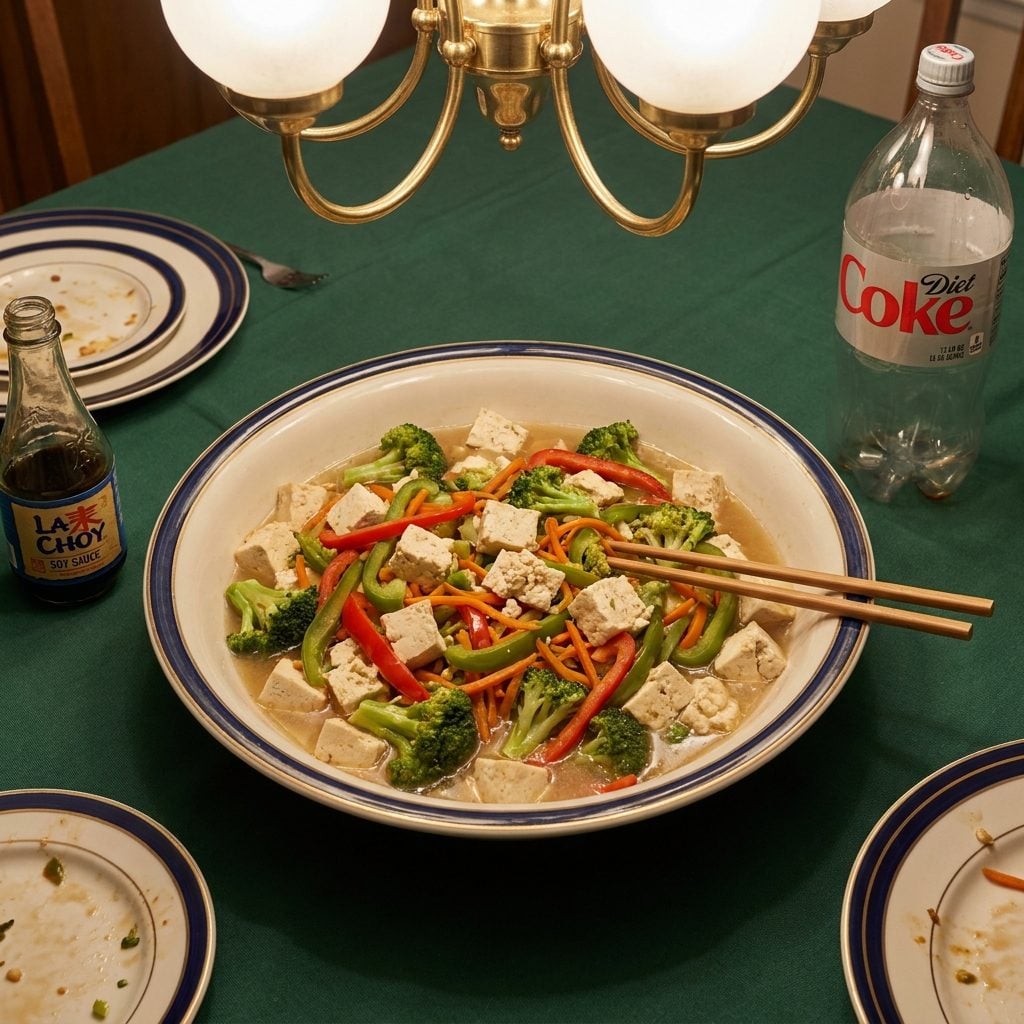
Somebody always felt obligated. The tofu came from a plastic tub, got pressed with paper towels for maybe forty-five seconds — not nearly long enough — then hit a wok that wasn’t hot enough with whatever stir-fry sauce came in a pouch. The result was cubes of warm sponge sitting in a puddle of soy-flavored water next to broccoli that had gone from raw to mush with no stop in between.
It sat on the table like a moral test. Eating it meant you were being good. Ignoring it meant you were honest. By ten o’clock the bowl was still almost entirely full, and the host would quietly scrape it into the trash, never to speak of it again. A mercy killing, really.
8. Cajun-Seasoned Everything, Because Paul Prudhomme Said So
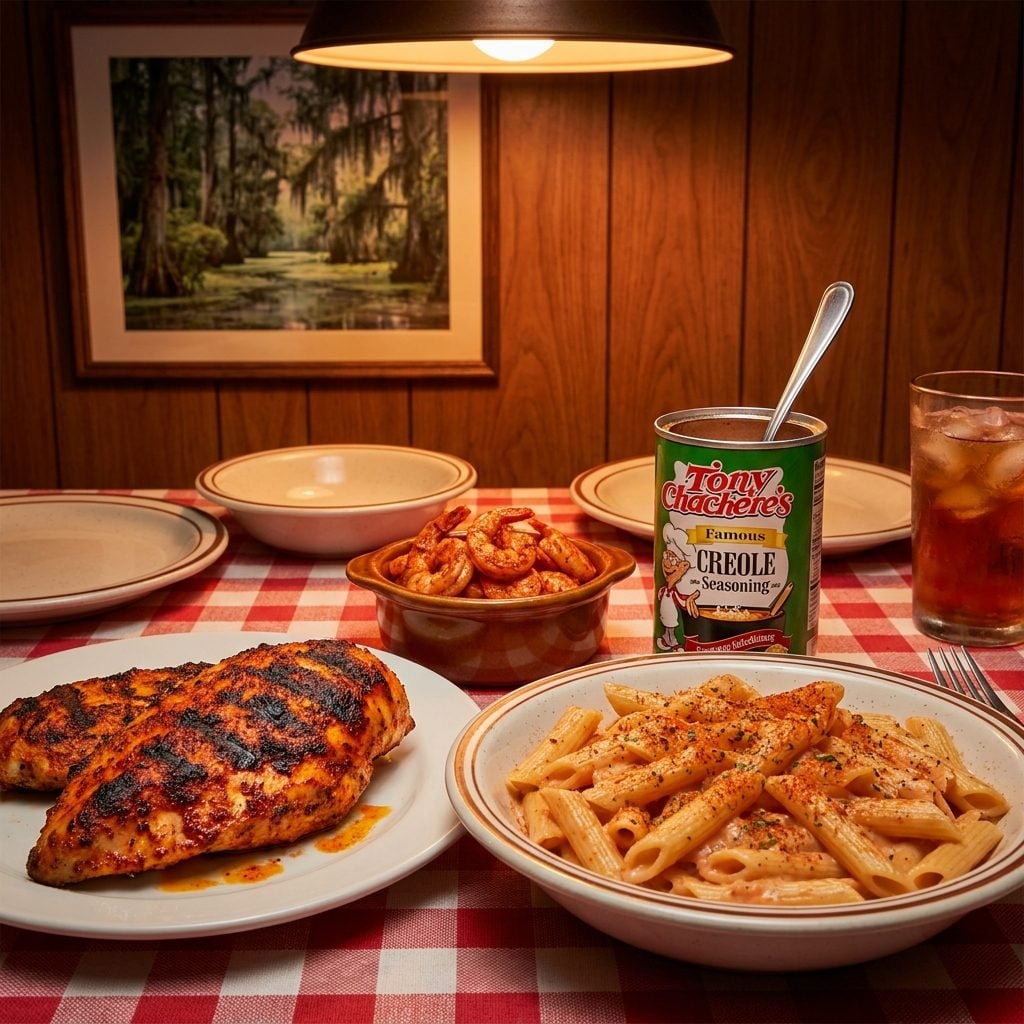
If it held still long enough, it got Cajun-seasoned. Chicken, shrimp, pasta, potatoes, popcorn — nothing was safe. There was a window in the mid-nineties where every home cook in America discovered blackening seasoning and abandoned all restraint. That tin of Tony Chachere’s became a personality trait.
Salt, paprika, more salt, garlic powder, and a cayenne kick that ambushed you thirty seconds after you swallowed. “It’s Cajun” served as both explanation and defense. Nobody questioned it. We all just drank more water and pretended our lips weren’t on fire.
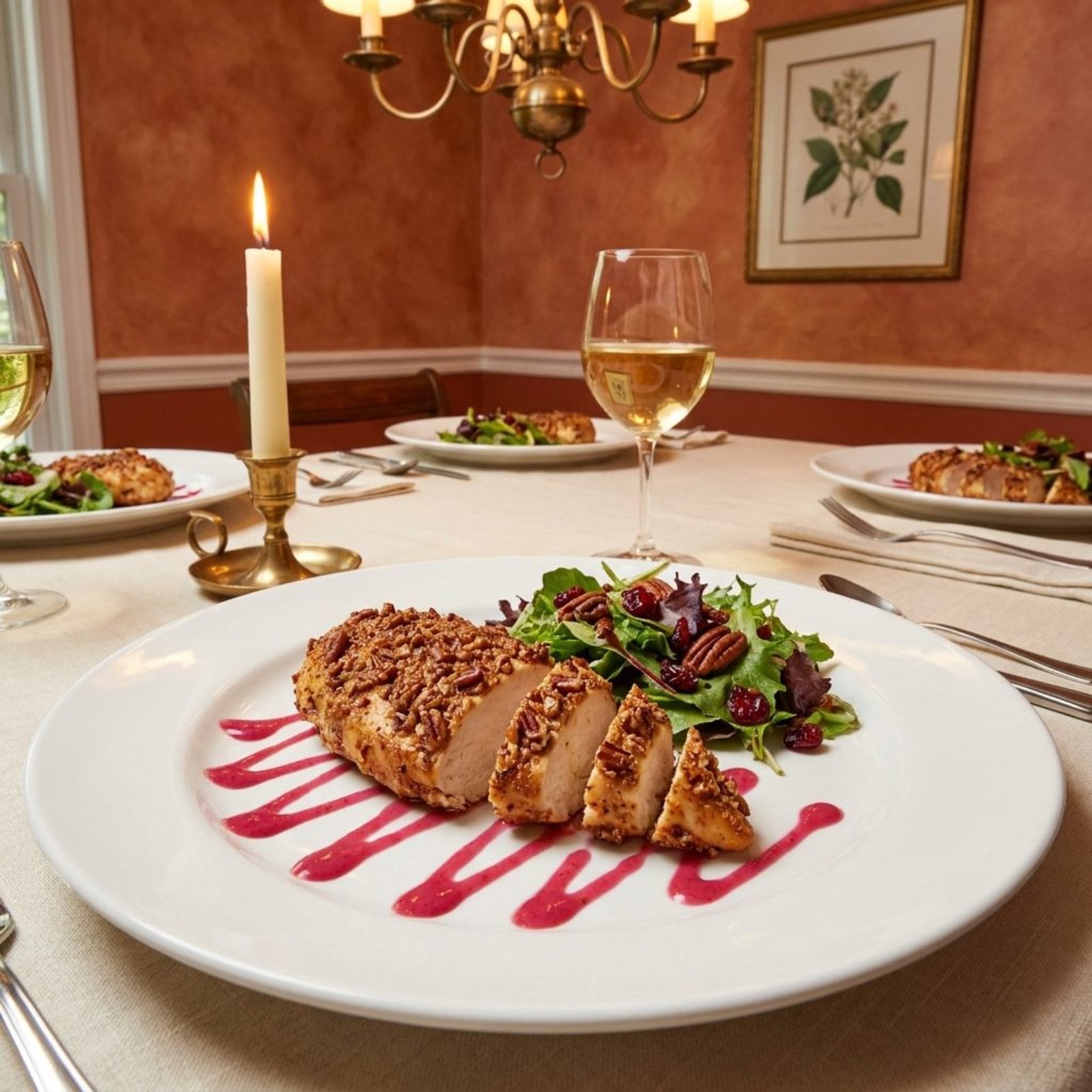
7. Pecan-Crusted Chicken with Raspberry Vinaigrette, the Aspirational Entrée
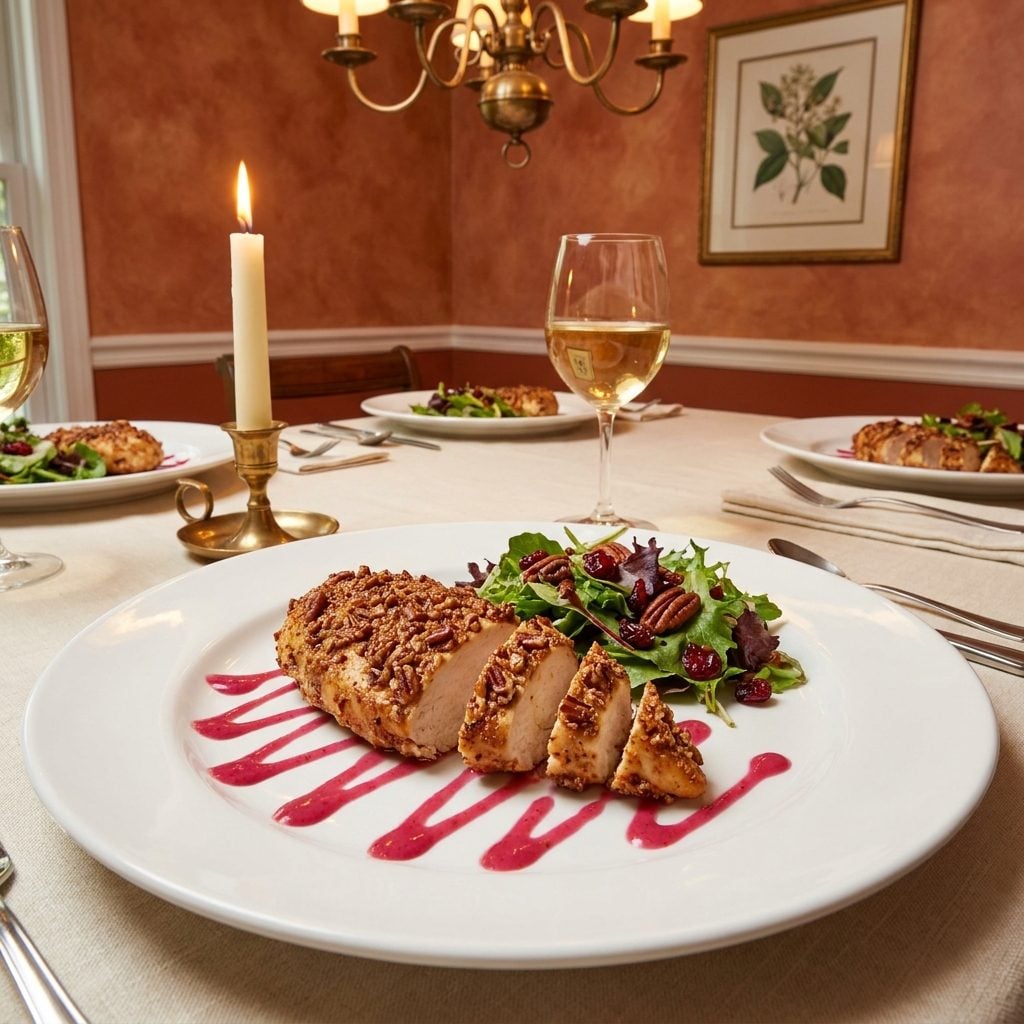
This was the dish that announced, “I subscribe to Bon Appétit but only cook from it twice a year.” The pecans came from a bag, got pulsed in a food processor until they were either powder or still whole halves — nothing in between existed. Underneath that nut armor, the chicken was always slightly dry.
And the raspberry vinaigrette. Squeezed from a bottle in a zigzag across the plate like a Jackson Pollock who’d given up on ambition. Fake raspberry sweetness crashing into salty pecan crust created a flavor less “fusion” and more “confusion.” But it photographed well by 1996 standards, which is to say: under fluorescent light, on a disposable camera, slightly off-center.
6. Frozen Chocolate Mousse Cake, Thawed on the Counter While Everyone Pretended Not to Notice
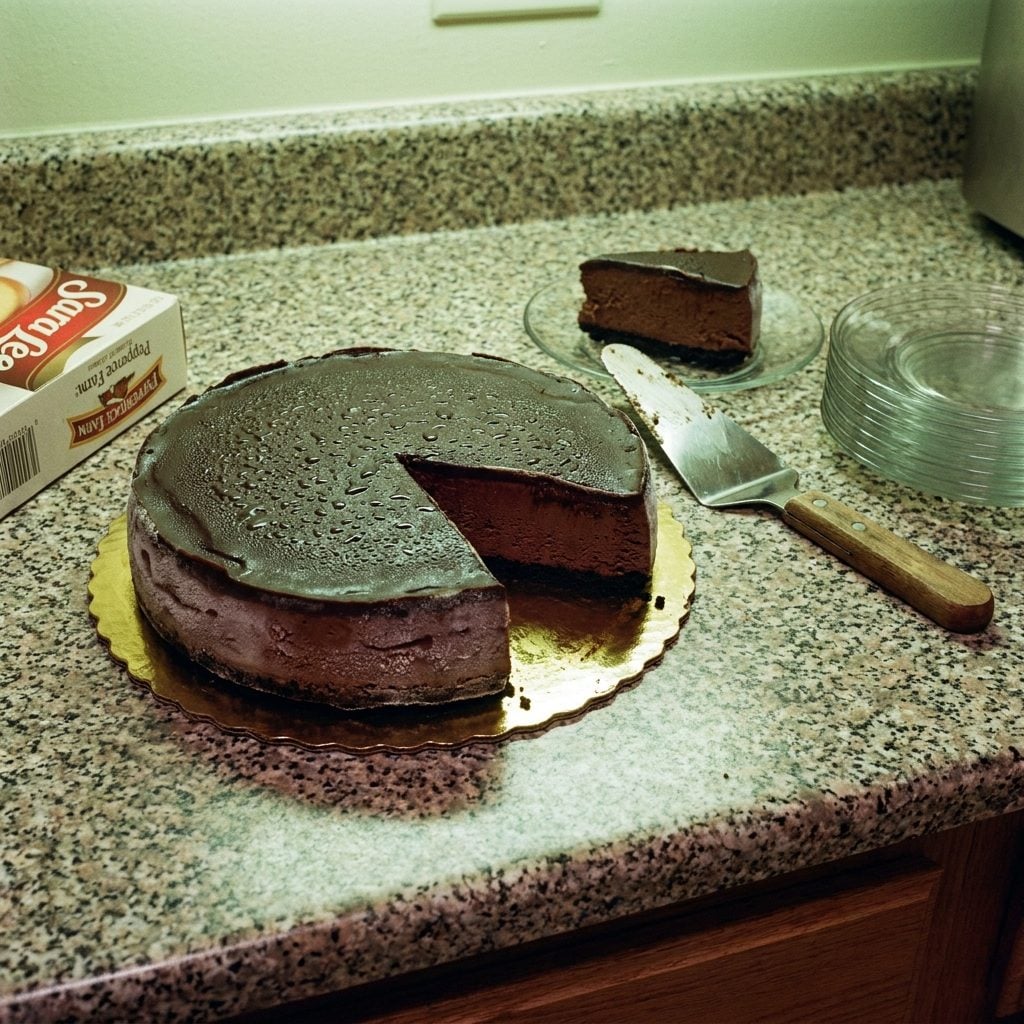
The timing was never right. You pulled it from the freezer when the first guests knocked, and by dessert it was either still frozen solid in the center or sweating through a thin film of condensation that made the chocolate surface look like it had been weeping. No middle ground. Ever.
The box went straight into the recycling before anyone could see it — a quick transfer to a real plate, maybe a dusting of powdered sugar, and suddenly this was “homemade.” Everyone knew. Nobody said a word. The social contract of the nineties dinner party ran on exactly these kinds of silent agreements, and we honored them.
5. Pineapple-and-Ham Skewers That Screamed “I Saw This in a Magazine”
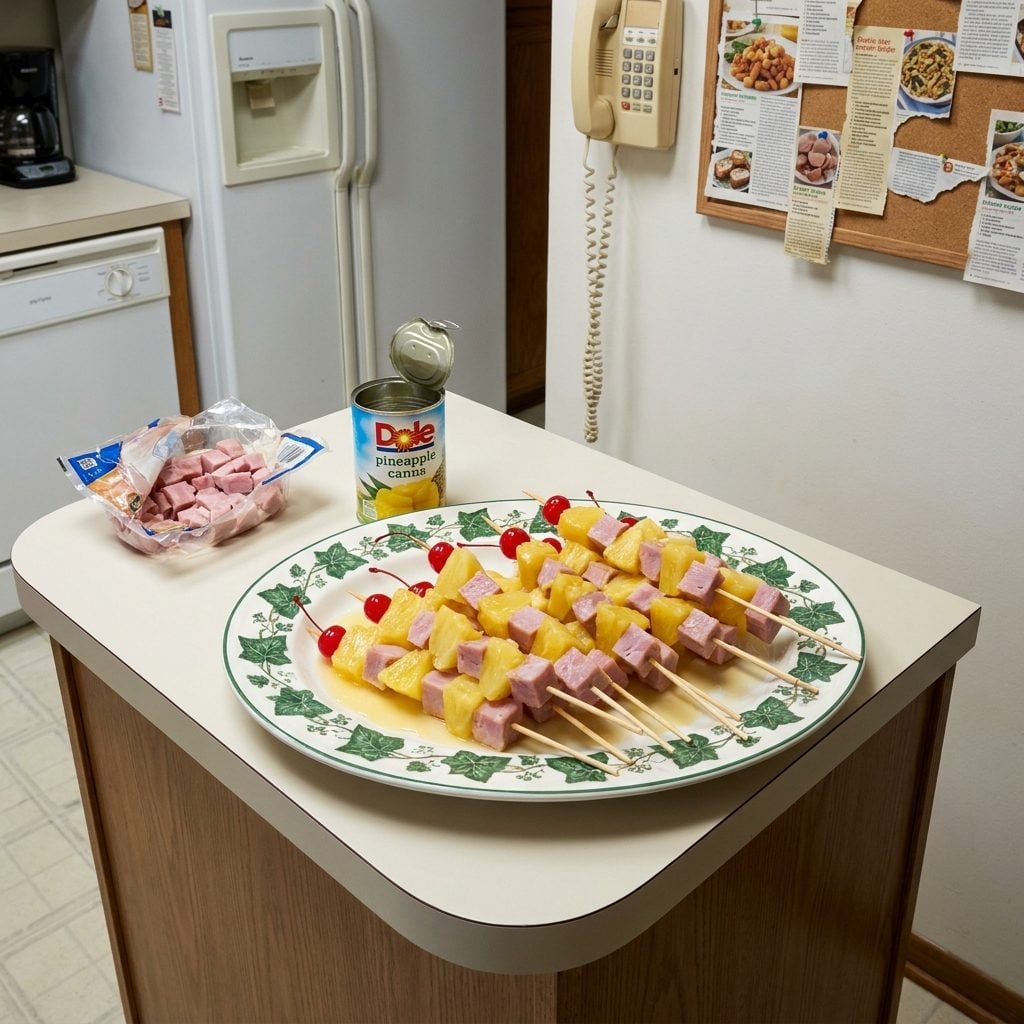
Canned pineapple chunks. Cubed ham from a resealable bag. Wooden skewers from a box that would haunt the junk drawer for the next decade. Assembly took four minutes, and that included opening the can.
These were the appetizer equivalent of a participation trophy — they existed because a magazine called them “elegant” and nobody pushed back. Pineapple juice leaked across the plate until the ham cubes were swimming, and the maraschino cherry on top (if present) contributed absolutely nothing beyond a chemical sweetness that picked a fight with every other flavor. Some of us ate three anyway, mostly out of proximity.
4. Chicken Fettuccine Alfredo Heavy Enough to Stop Conversation Mid-Sentence
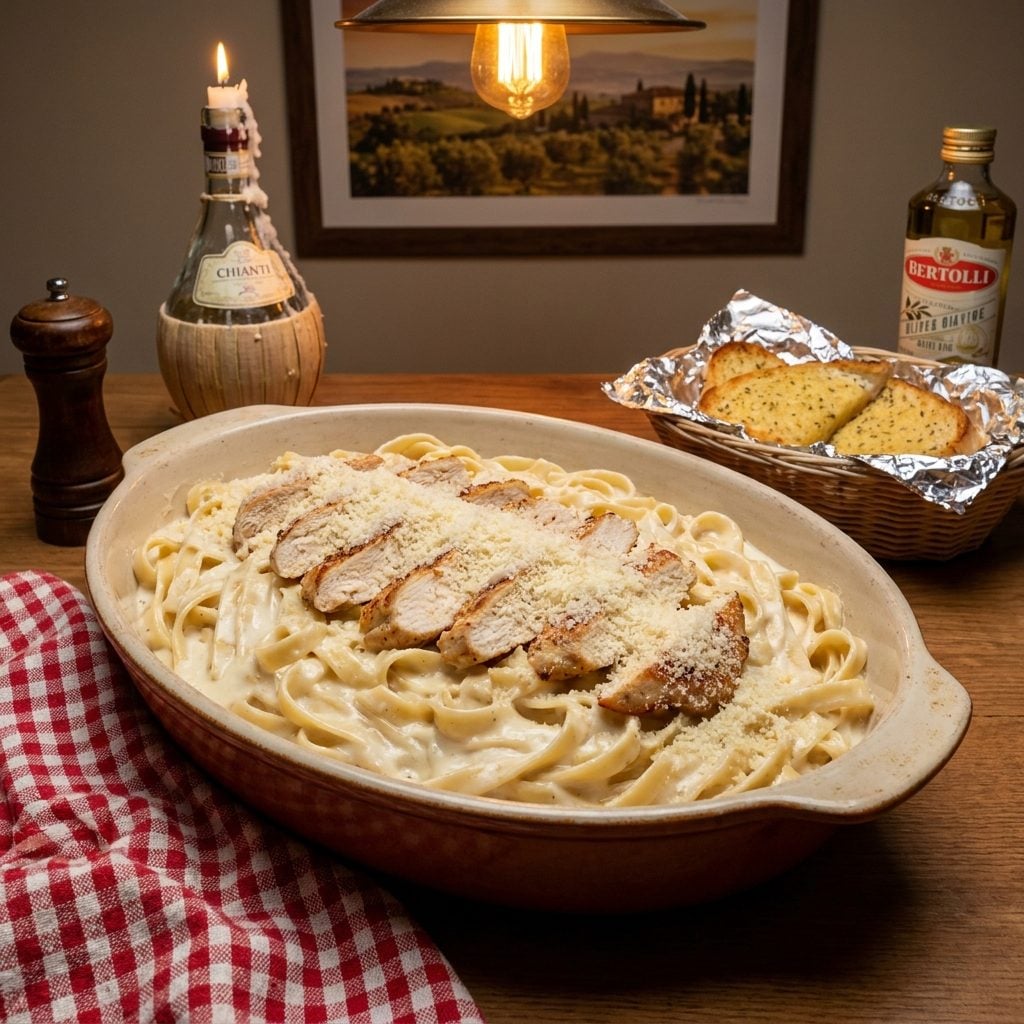
A full stick of butter. A pint of heavy cream. An entire block of Parmesan. Enough fettuccine to feed a rowing team. This entrée turned every dinner party into a collective nap — you could feel your blood pressure climbing between bites, and nobody cared because it was 1995, fat was about to become public enemy number one, but the indictment hadn’t landed yet.
The chicken on top? An afterthought. Pounded thin, seasoned with garlic salt, pan-fried until it curled at the edges. It existed mainly so the host could call this “chicken fettuccine” instead of what it actually was: a bowl of cream and cheese with noodles struggling underneath.
Conversation died about halfway through each plate. Not from boredom. From the sheer physical demands of digestion.
3. Poppy Seed Salad Drowning in a Dressing Sweeter Than the Dessert
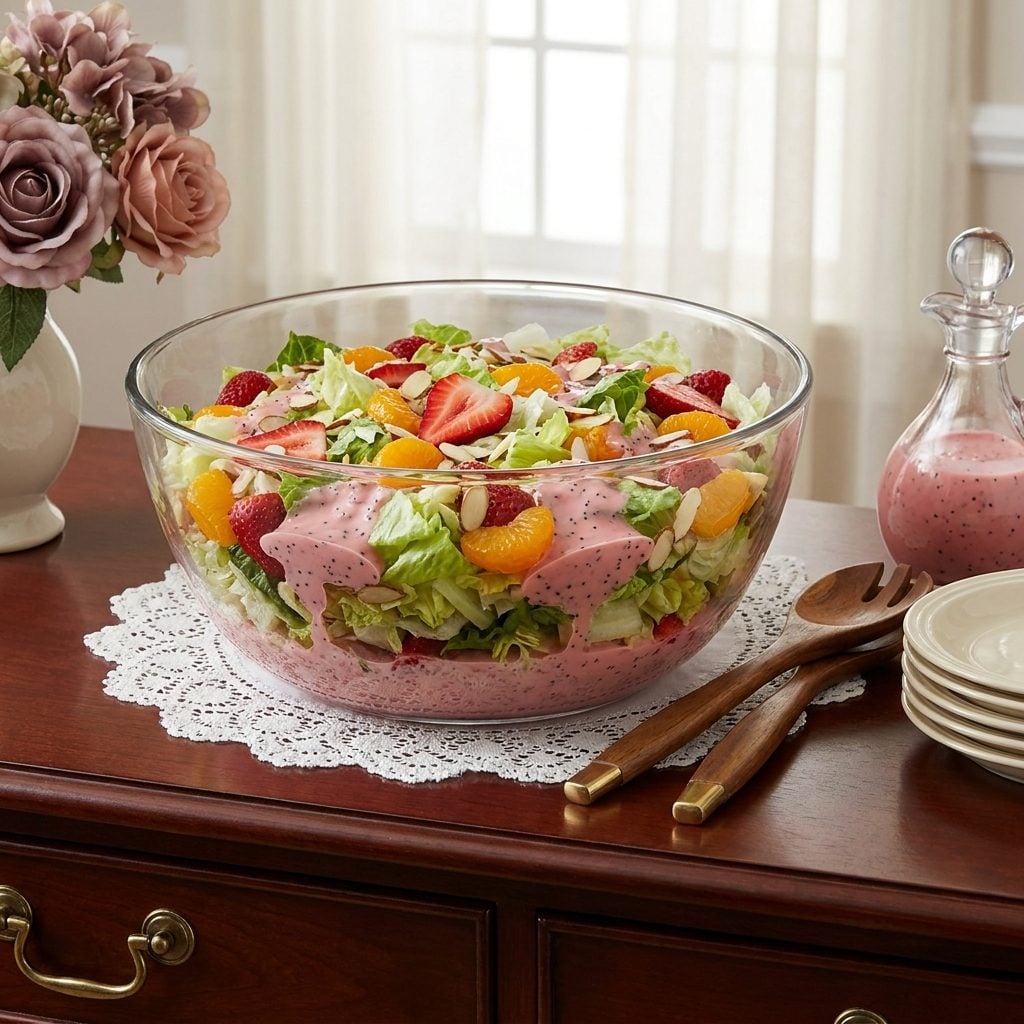
Salad or dessert? Genuinely hard to tell. The dressing was sugar with poppy seeds floating in it, poured over iceberg lettuce and canned mandarin oranges like that pairing made any nutritional sense whatsoever. Strawberry slices appeared if the host was feeling fancy. Sliced almonds if they wanted to invoke the word “gourmet.”
It sat in a glass bowl on the sideboard, slowly wilting, the dressing forming a pink lake at the bottom that nobody wanted to acknowledge but everyone could see. You took a scoop because it was there, because skipping the salad felt rude, and because — fine — the mandarin oranges were kind of good. Every bite was sweet. Aggressively, bewilderingly sweet, in a way that made you question what lettuce had done to deserve this.
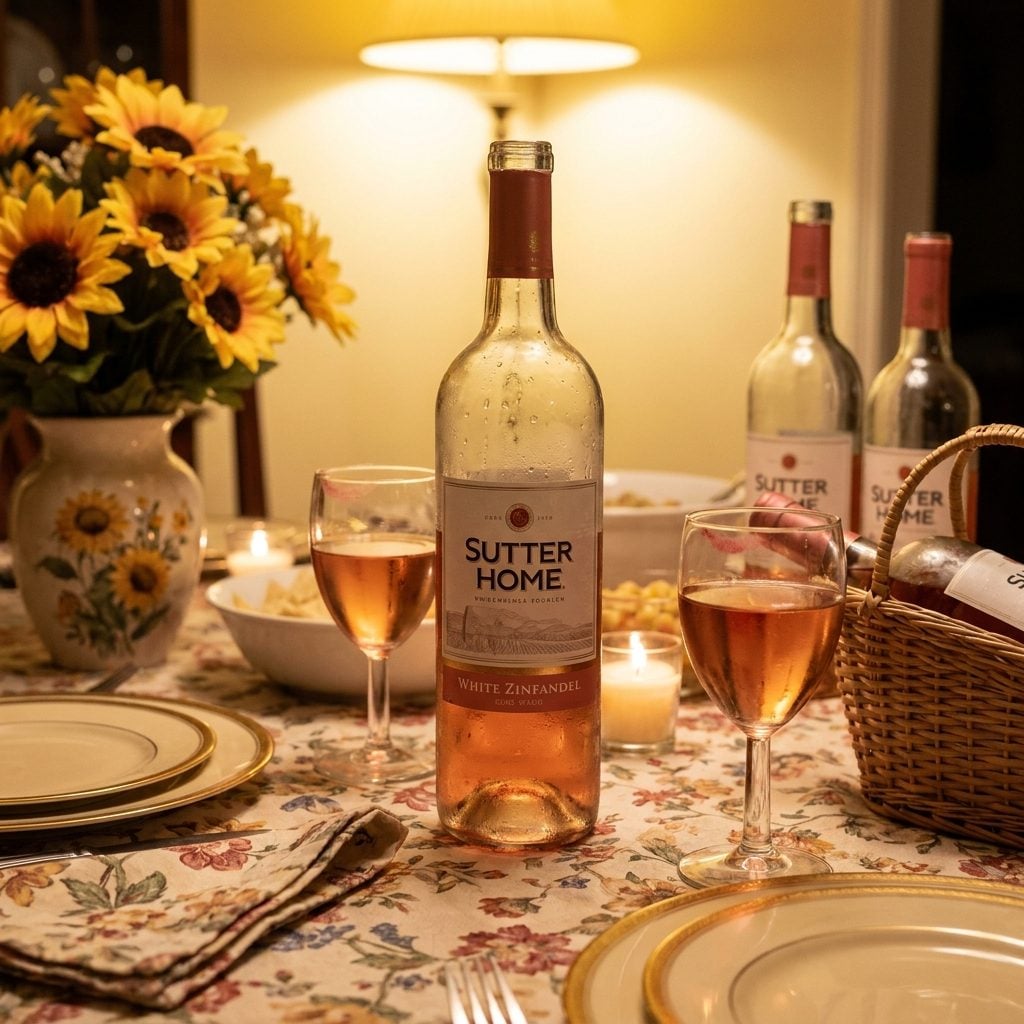
2. White Zinfandel Paired with Absolutely Everything, No Questions Asked
Would you like to save this?
Sutter Home. Beringer. That one with the crane on the label. Didn’t matter which bottle — they all tasted the same: cold, sweet, vaguely grapefruit-adjacent. White zinfandel was the universal solvent of nineties dinner parties. Cajun chicken? Pour it. Alfredo? Pour it. Poppy seed salad? Pour it. Sitting on the back deck talking about Seinfeld? Pour it. The wine committed to nothing, so it clashed with nothing.
Nobody swirled it or sniffed it. Sometimes it went over ice, and if an actual wine person had been present they would have quietly gathered their things and driven home. But wine people weren’t at these parties. These were potluck people. Potluck people drank pink wine from a bottle that cost less than a sandwich.
1. Boxed Tiramisu Mix Presented on a Nice Plate Like We Wouldn’t Know
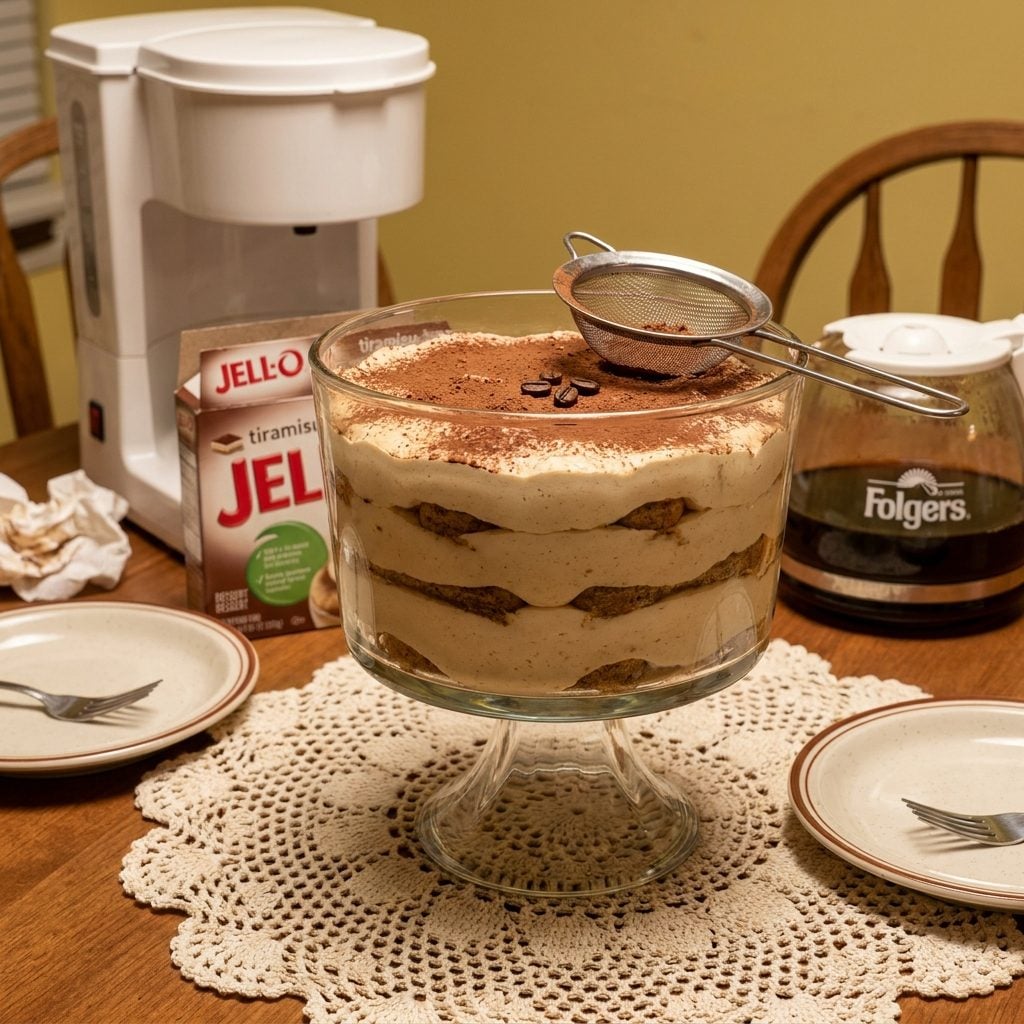
The cocoa powder on top was doing heroic work. Misdirection, camouflage — a thin veil of respectability thrown over the fact that everything underneath came from a box that cost pocket change at Kroger. The “mascarpone” layer had never been within fifty miles of mascarpone. Cool Whip and instant pudding mix doing their best Italian accent, while the ladyfingers had the structural integrity of wet cardboard.
Nobody admits this, but it was fine. Sweet, cold, vaguely coffee-flavored — and after a plate of that fettuccine, nobody’s palate was operating at full capacity anyway. The host dusted the cocoa through a tiny mesh strainer purchased for this single purpose, and that small gesture of effort was enough. We ate it. We said it was great. Meant it about halfway, which — for a Tuesday night in 1997 — counted for plenty.