Would you like to save this?
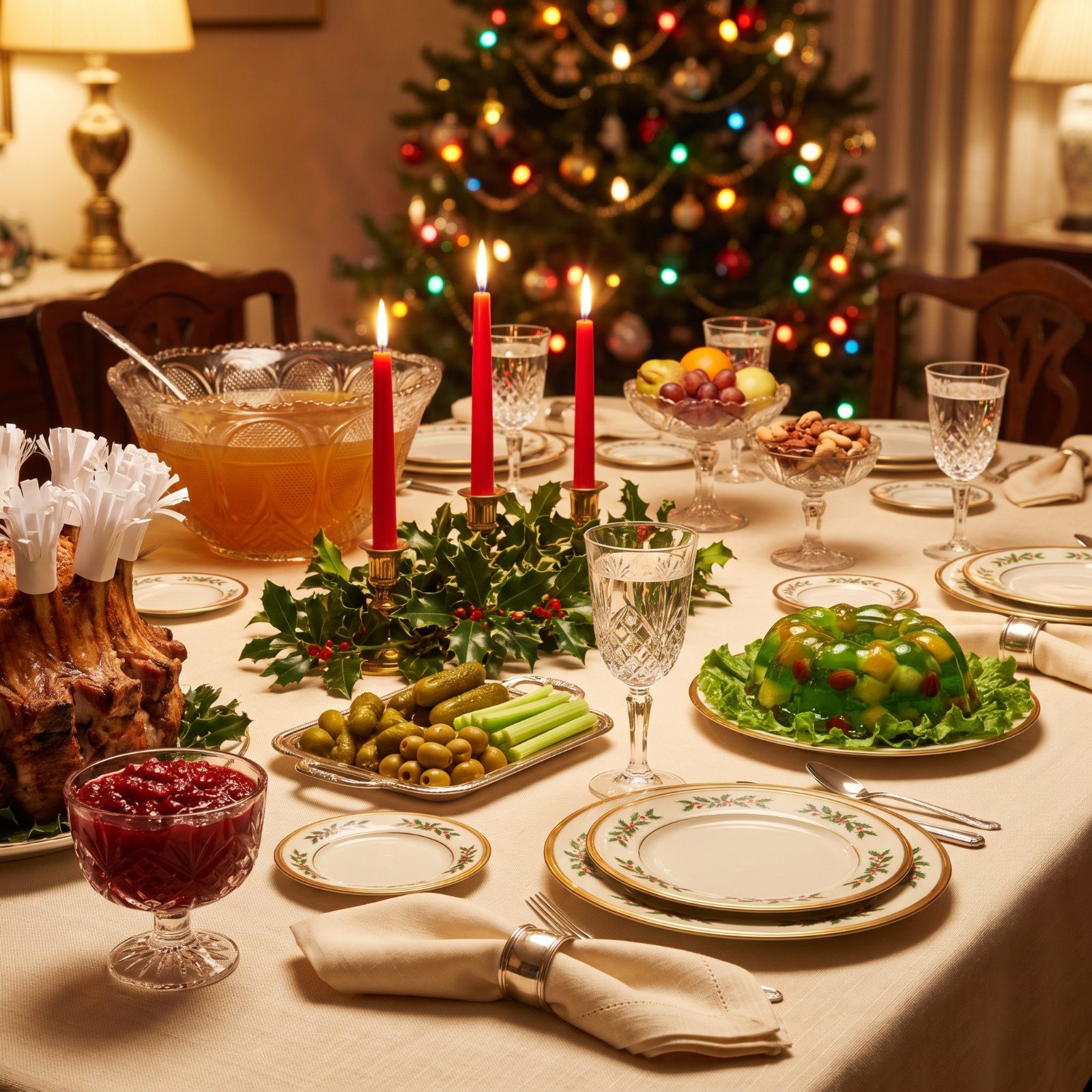
The good china came out once a year, and half of what sat on it has quietly vanished from American tables. A ring of pork bones wearing paper hats. A ham polka-dotted with pineapple and cherries held on by toothpicks. Cottage cheese suspended in lime gelatin, wobbling on a bed of iceberg like it belonged there. These weren’t jokes. They were the centerpieces, the first courses, the things a hostess planned around for weeks. What follows is the Christmas spread as it actually looked around 1970.
32. Crown Roast of Pork With Paper Frills
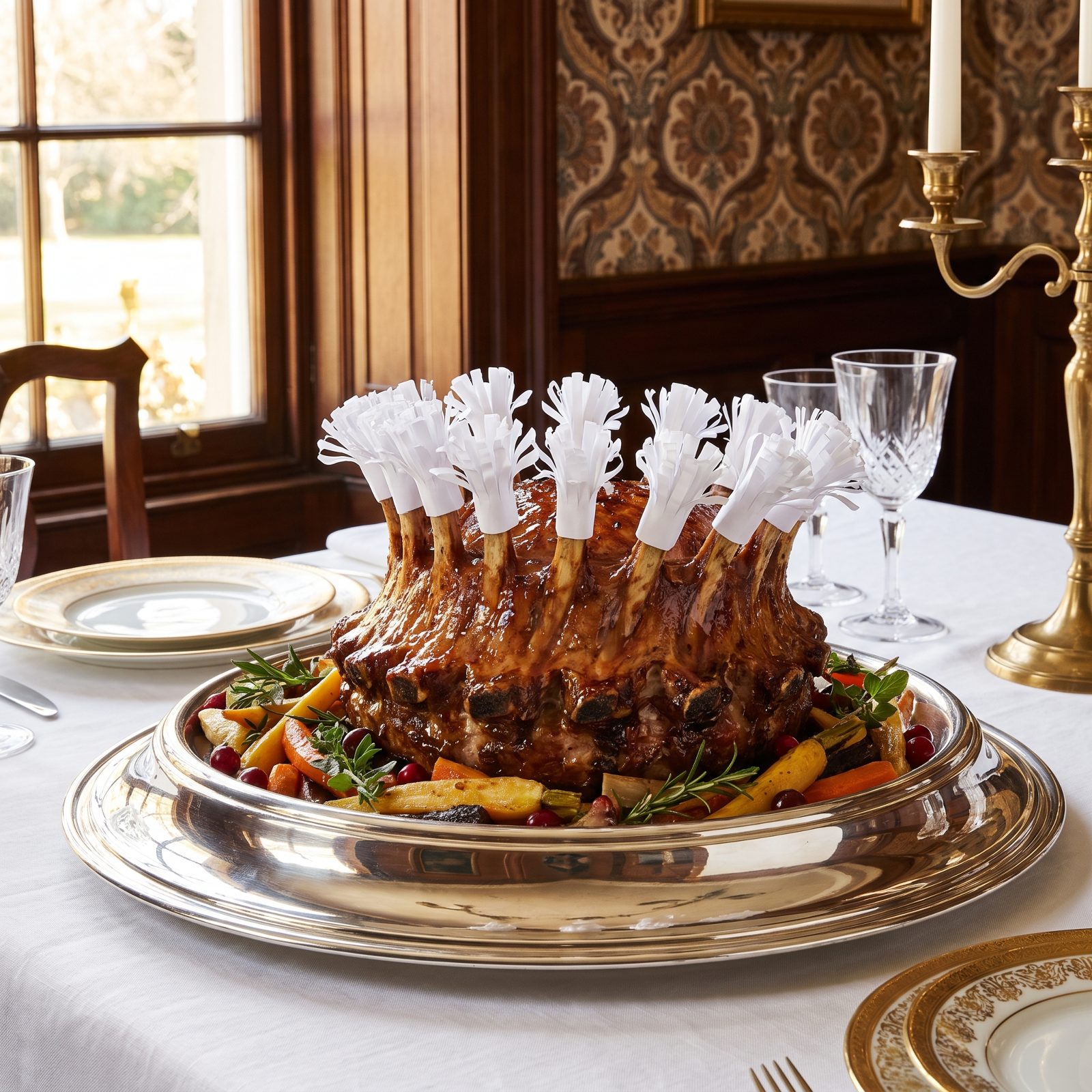
It arrived at the table looking like a small edible castle: a ring of pork chops with the bones curved upward, each tip crowned with a curled white paper frill. The hollow center was packed with sausage-and-bread stuffing, and carving it meant serving one rib per person like a little ceremony.
The butcher made the crown, not the cook. You called ahead, ordered it a week out, and picked it up tied and shaped. The frills came in a bag stapled to the wrapping.
31. Pineapple-Studded Ham With Maraschino Cherries
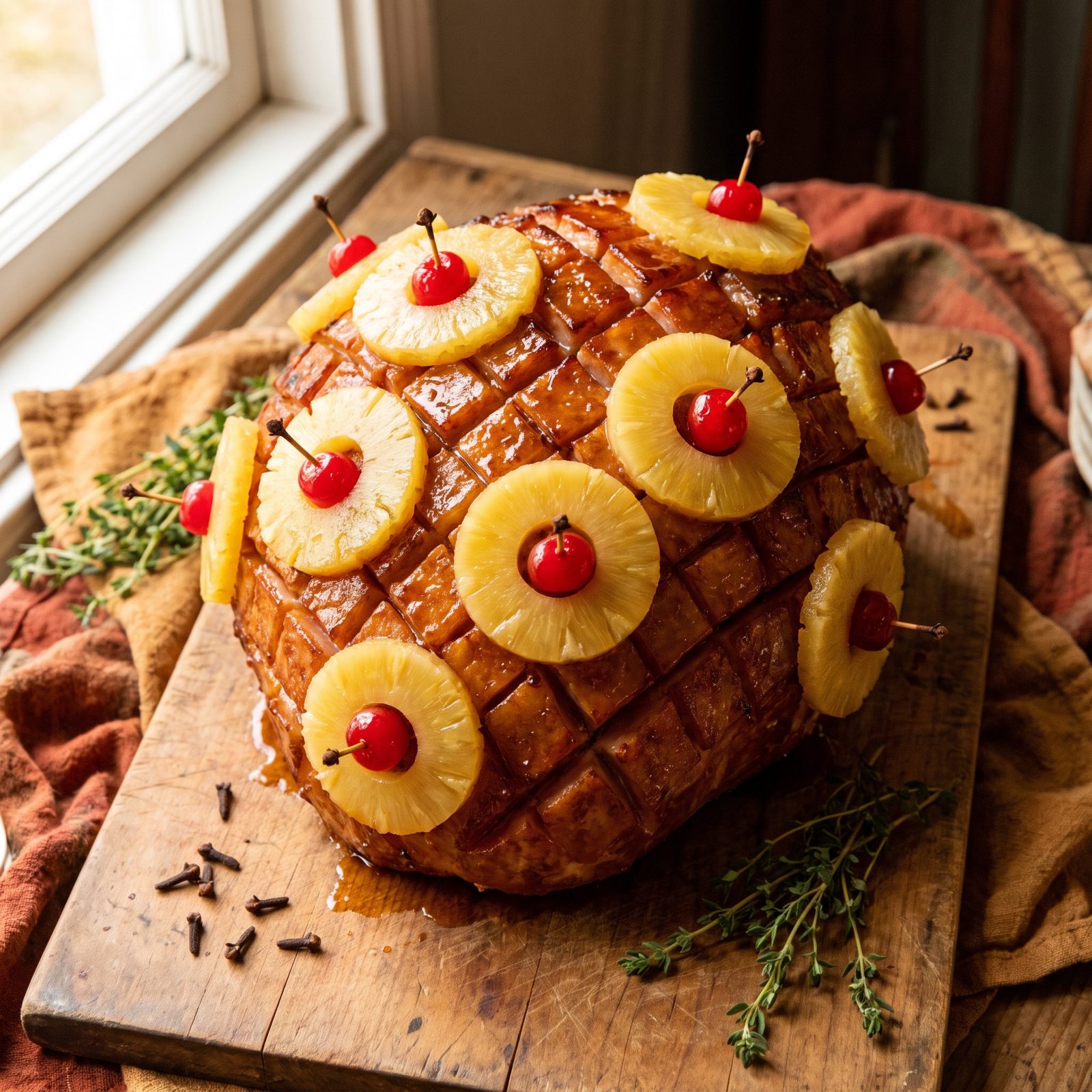
Diamond-scored, clove-studded, and armored in canned pineapple rings, each one holding a maraschino cherry hostage with a toothpick. The glaze was brown sugar and pineapple juice, brushed on until it turned sticky and dark.
Nobody actually ate the pineapple with much conviction — it was decoration first, food a distant second. But that lacquered red-and-gold surface announced the good ham had come out today, not the everyday kind. You still see ham at Christmas. You almost never see it dressed up like this anymore.
30. Roast Goose With Baked Apples
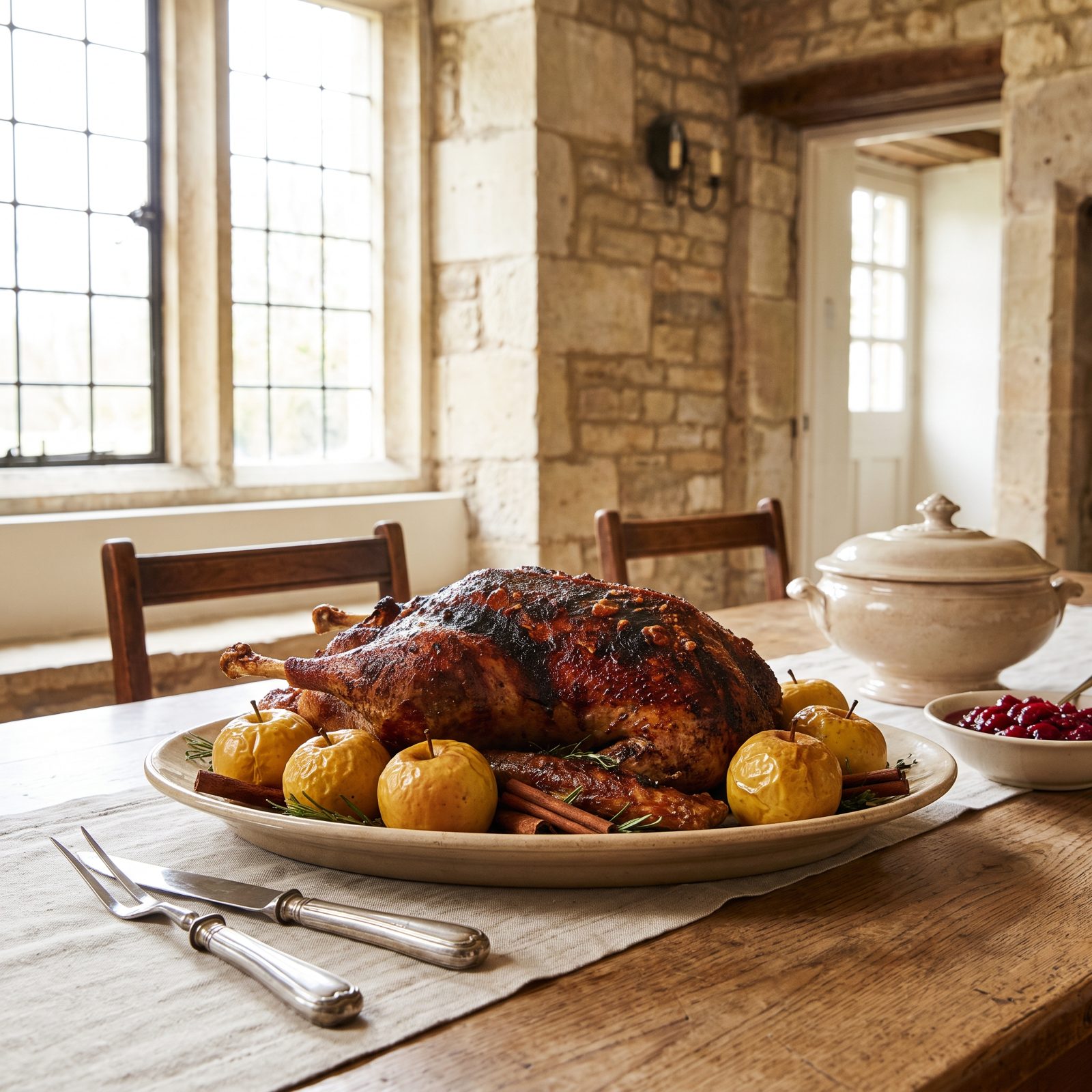
Before turkey took over completely, plenty of American tables leaned on goose for Christmas, especially in homes with German, Scandinavian, or English roots. Darker meat, richer fat, and a smell in the kitchen that turkey never quite matches.
Baked apples went in around the bird, catching the drippings until they collapsed into sweet-savory little bombs. And the goose fat itself got saved in a jar and hoarded for roasting potatoes the rest of the winter.
Turkey won on price and size. Goose retreated to storybooks and the occasional grandmother who refused to let it go.
29. Oyster Stew Served as the First Course
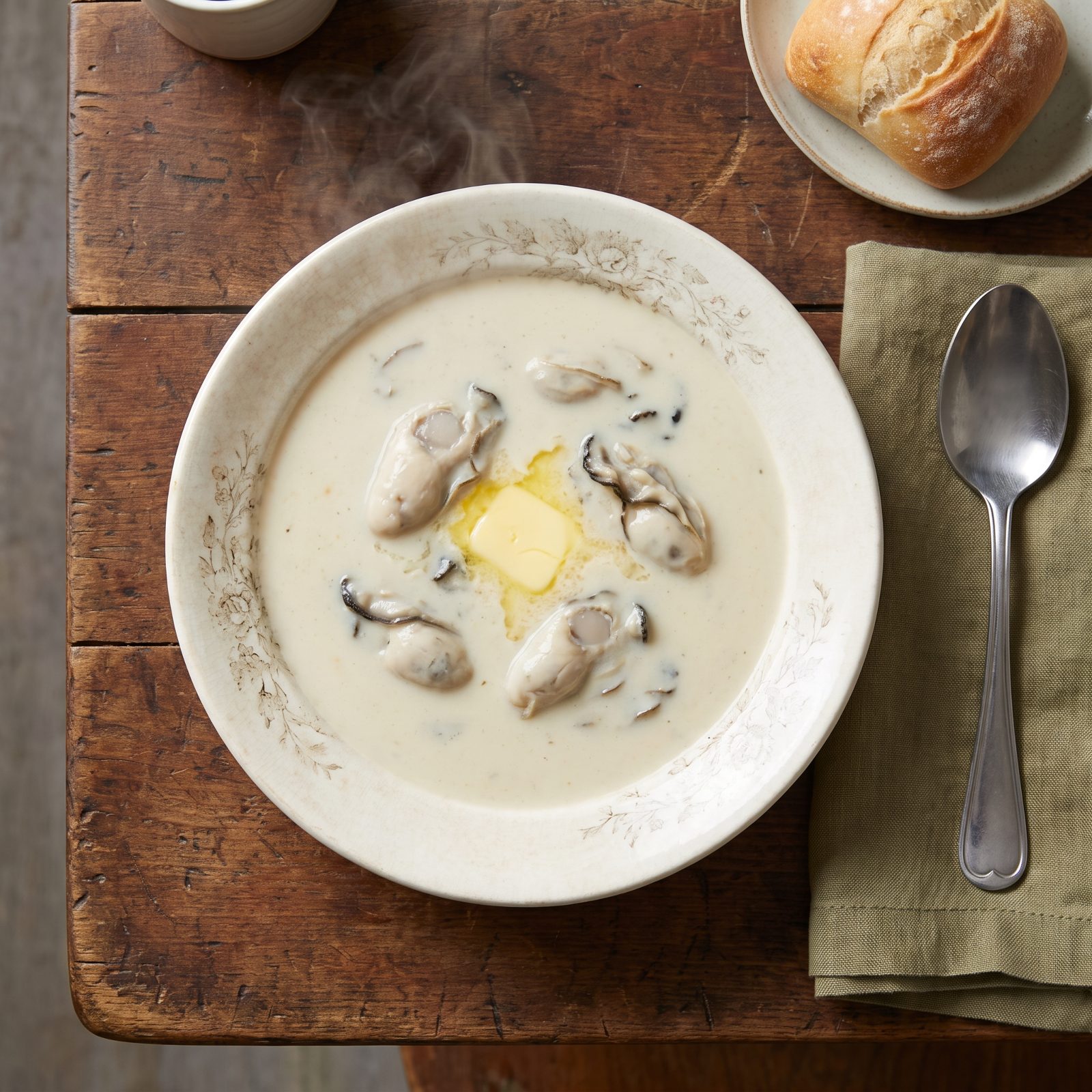
The meal opened with a bowl of pale cream broth, plump oysters bobbing in it, a pat of butter melting into a golden slick and a dusting of paprika for color. Oyster crackers on the side, floated in by the handful.
This was a genuine Christmas Eve tradition in coastal and Catholic households, tied to lighter meat-free eating before the big feast. Quiet, buttery, and a little grand.
28. Shrimp Cocktail in Individual Glasses
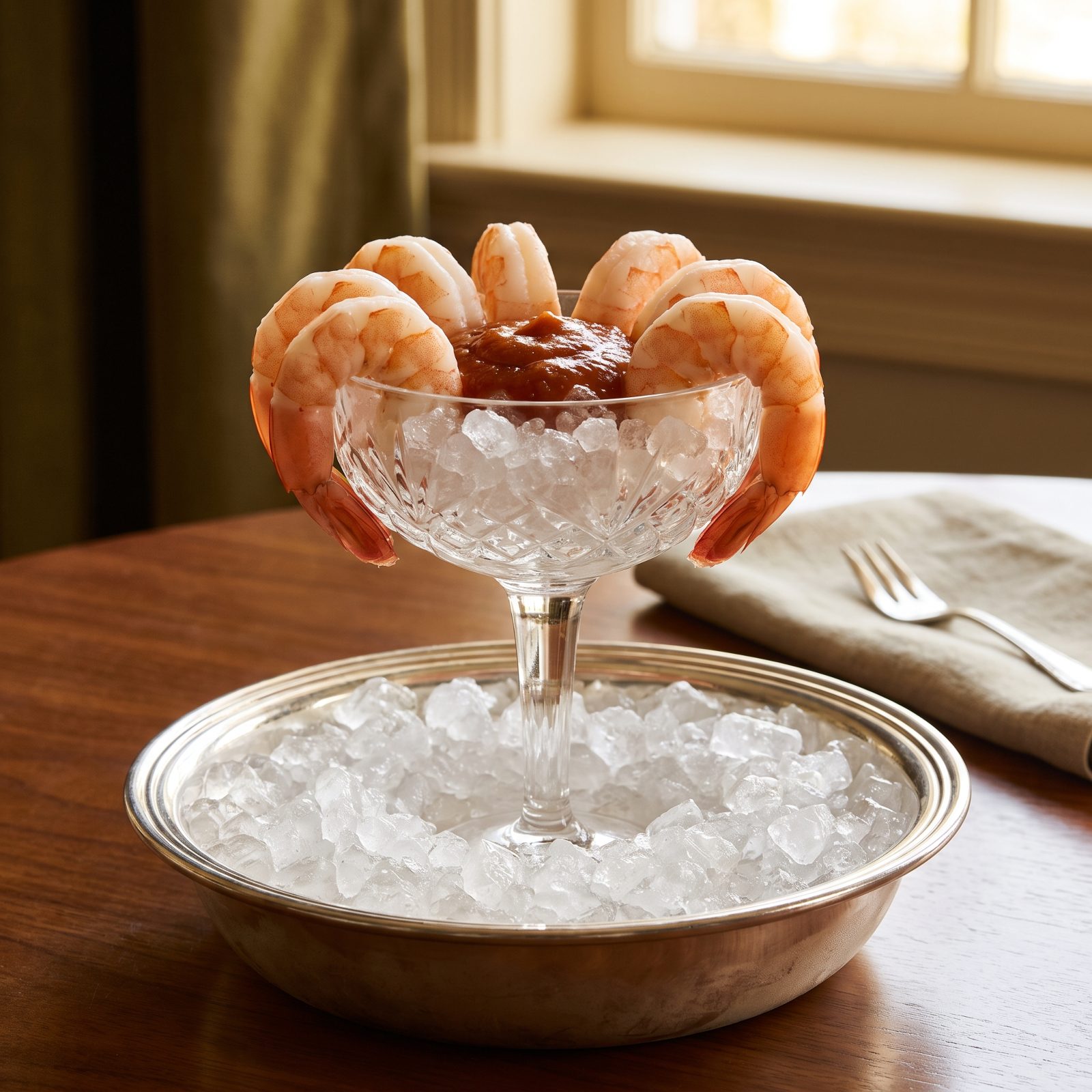
Not on a platter. In a glass. A footed coupe with a nested inner cup, crushed ice packed underneath, four or five fat shrimp hooked over the rim with their tails pointing out, and a splash of horseradish-spiked red sauce down in the middle.
Each person got their own, and that was the draw. It made you feel like you were dining out somewhere with cloth napkins, even if you were really at your aunt’s dining table with the extra leaf in.
27. A Silver Relish Tray of Pickles and Olives
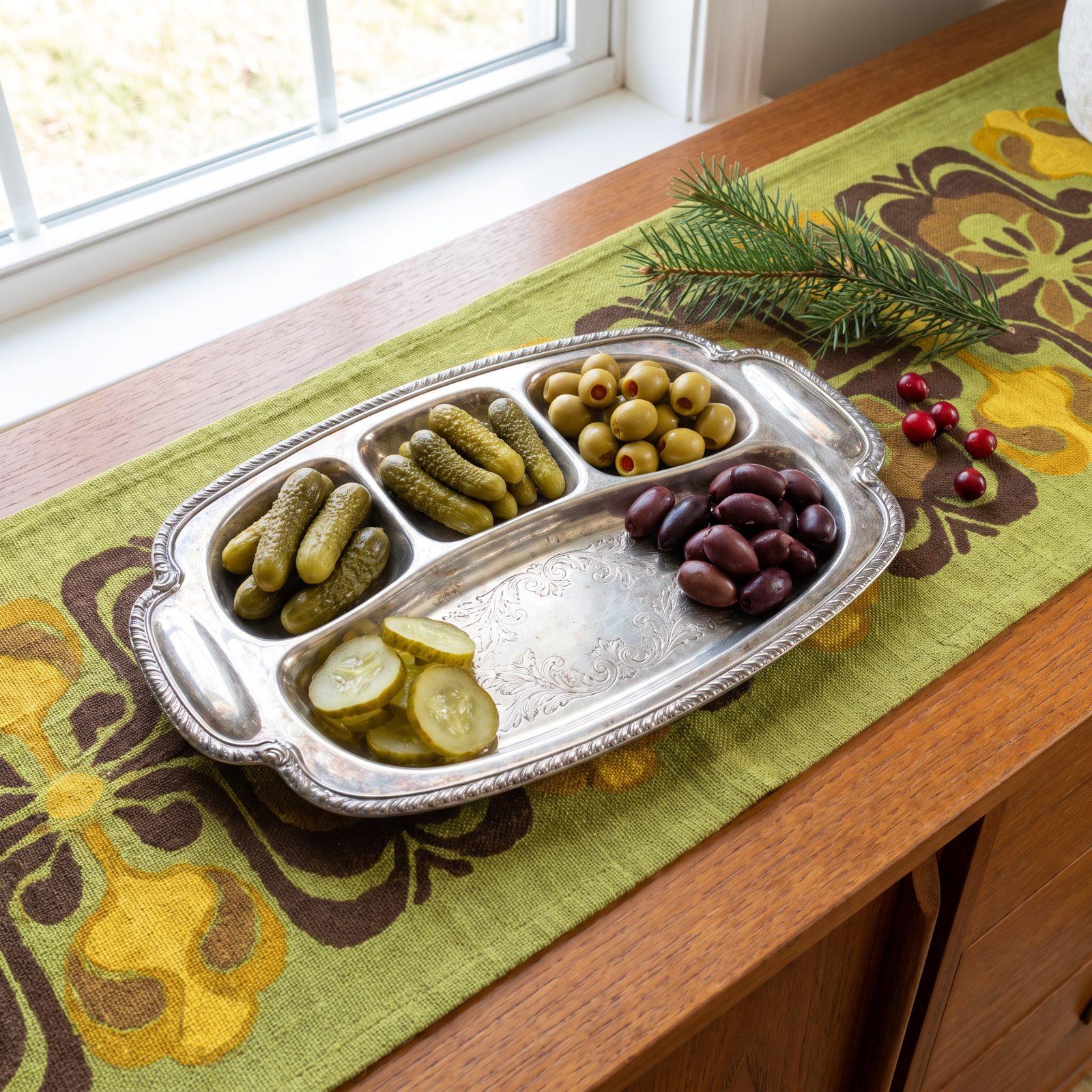
Every table had one, and it never earned a proper name beyond “the relish tray.” A divided silver dish — sometimes pressed glass with little compartments — filled with sweet gherkins, bread-and-butter chips, pimento-stuffed green olives, black olives, and maybe some pickled onions.
Kids raided it before dinner and jammed black olives onto their fingertips. The little pickle fork always went missing.
26. Celery Sticks Stuffed With Pimento Cheese
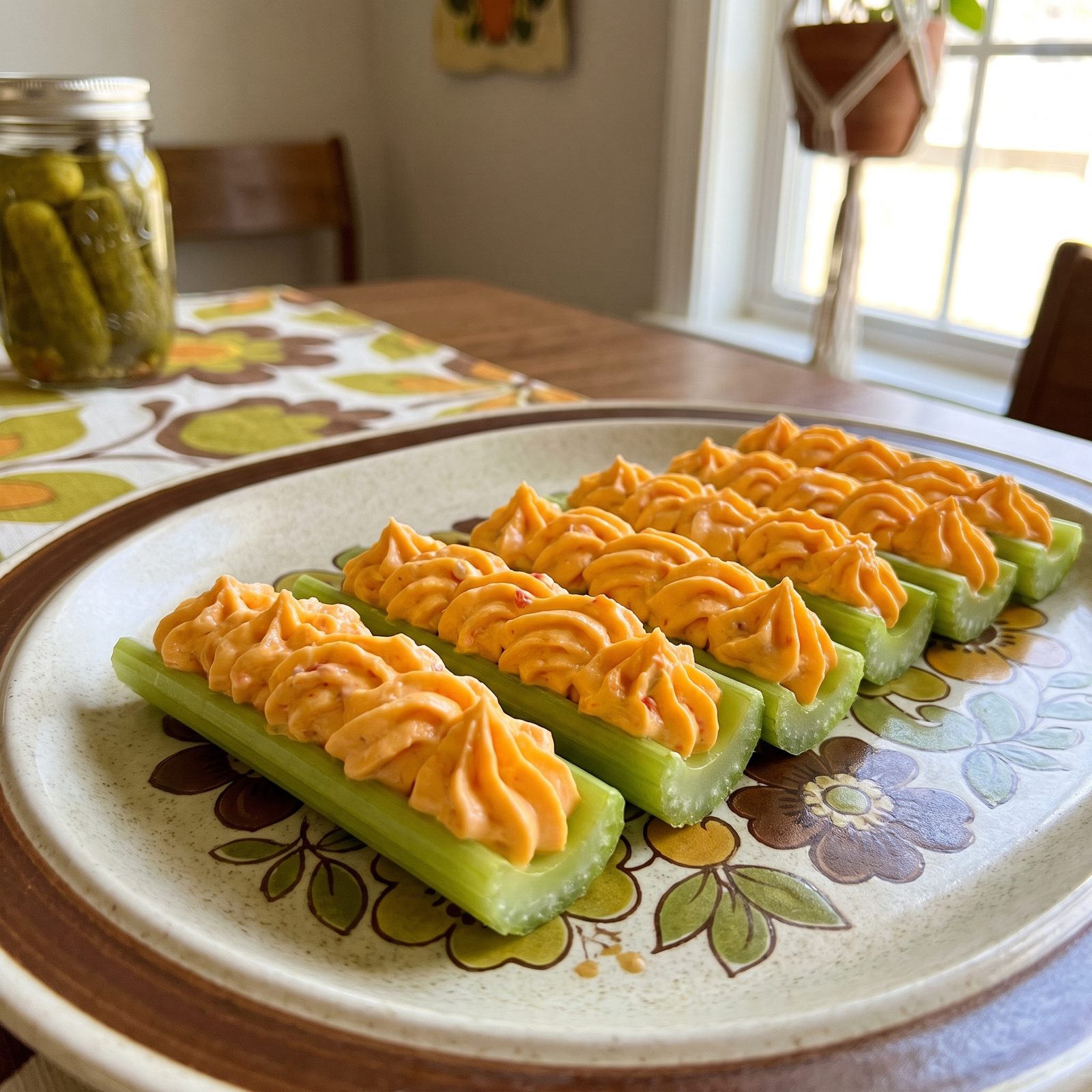
Someone in the family — usually the person handed the job because it was easy and safe — sat piping bright orange pimento cheese into the grooves of celery sticks. Cut short, dusted with paprika, fanned out on a little glass dish.
They vanished fast. Cold, crunchy, salty, and just decadent enough to feel like a treat next to a raw carrot. A quiet workhorse of the appetizer spread that younger diners now mostly meet as ants-on-a-log, peanut butter swapped in for the cheese.
25. Port-Wine Cheese Ball Rolled in Nuts
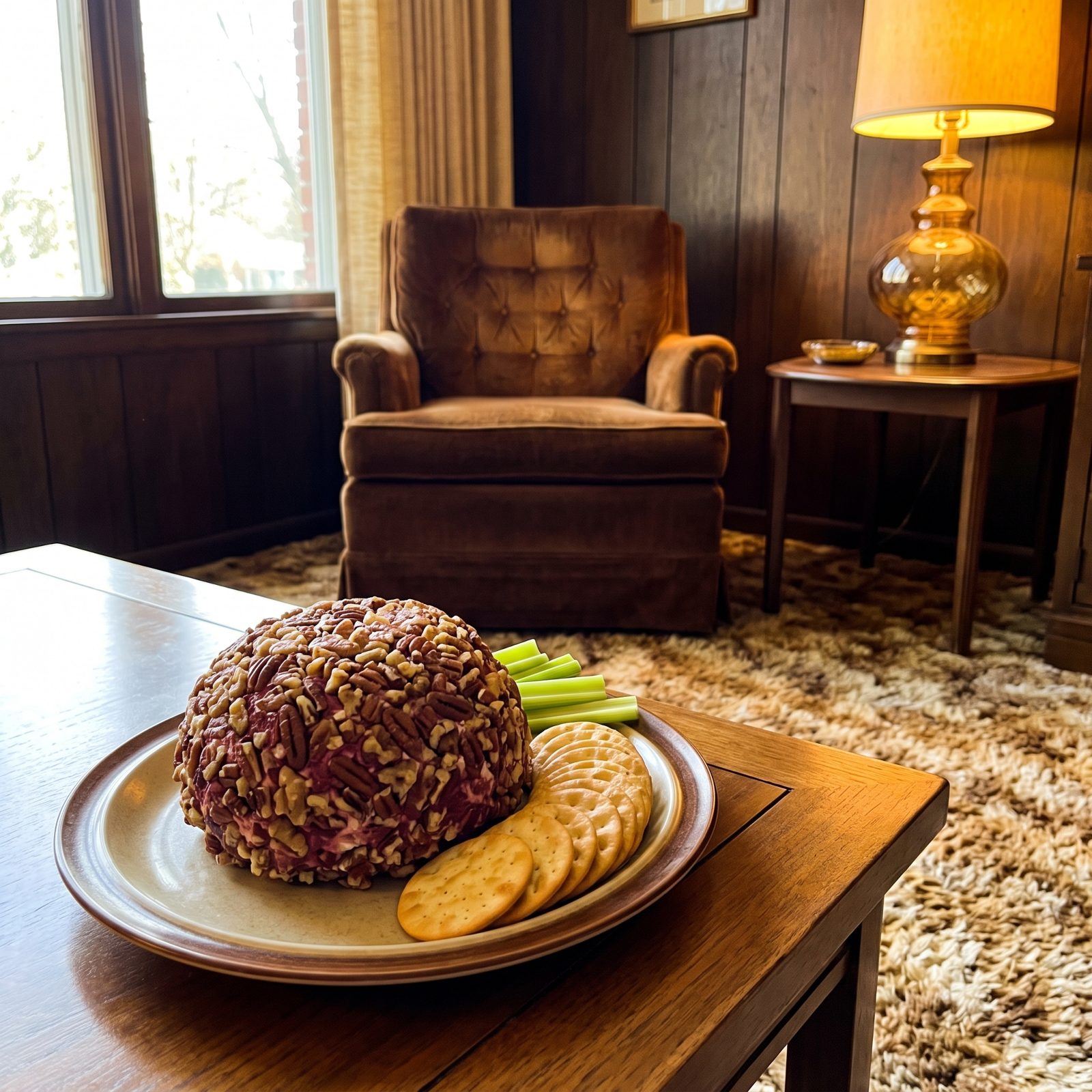
The cheese ball ruled the coffee table before dinner. Cream cheese and sharp cheddar beaten together with a splash of port until the mix turned a faint coral pink, then rolled into a sphere and packed all over with chopped walnuts.
It sat next to a fan of buttery round crackers and slowly lost its shape as the afternoon dragged on. By the time dinner was called, it looked like a small hill somebody had been climbing.
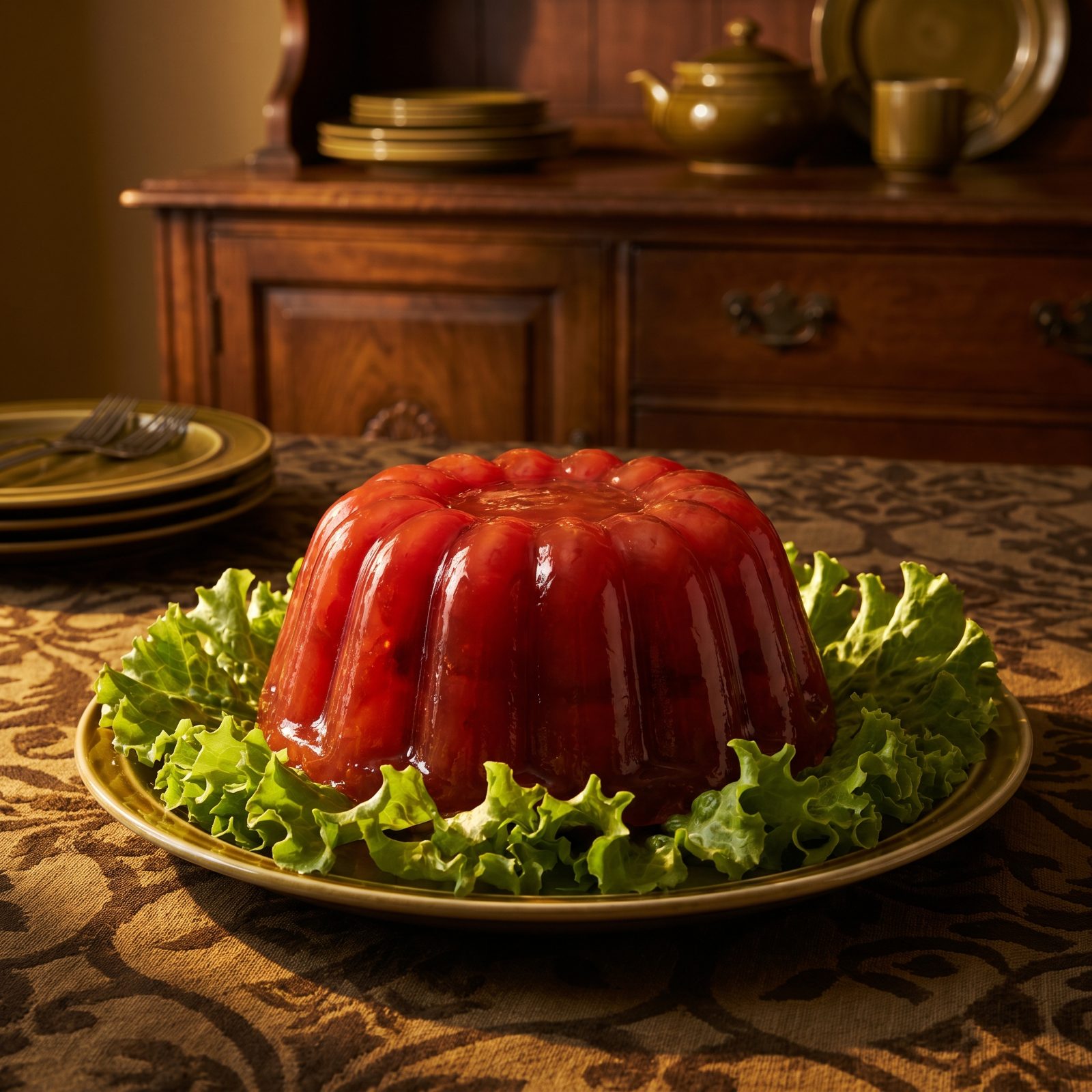
24. Savory Tomato Aspic on Lettuce
Would you like to save this?
Here’s where the modern eyebrow goes up. Tomato juice, gelatin, a little vinegar and celery, set firm in a fluted mold, then flipped onto iceberg lettuce and topped with mayonnaise. Savory. Tangy. Wobbling.
It sounds strange to anyone under fifty, but it made real sense on the day: cool, sharp, and refreshing against a table heavy with pork fat and gravy. The trick was the unmolding — you dipped the mold in warm water for exactly the right count. Too long and your salad slid off the plate in defeat.
23. Lime Gelatin Salad With Cottage Cheese
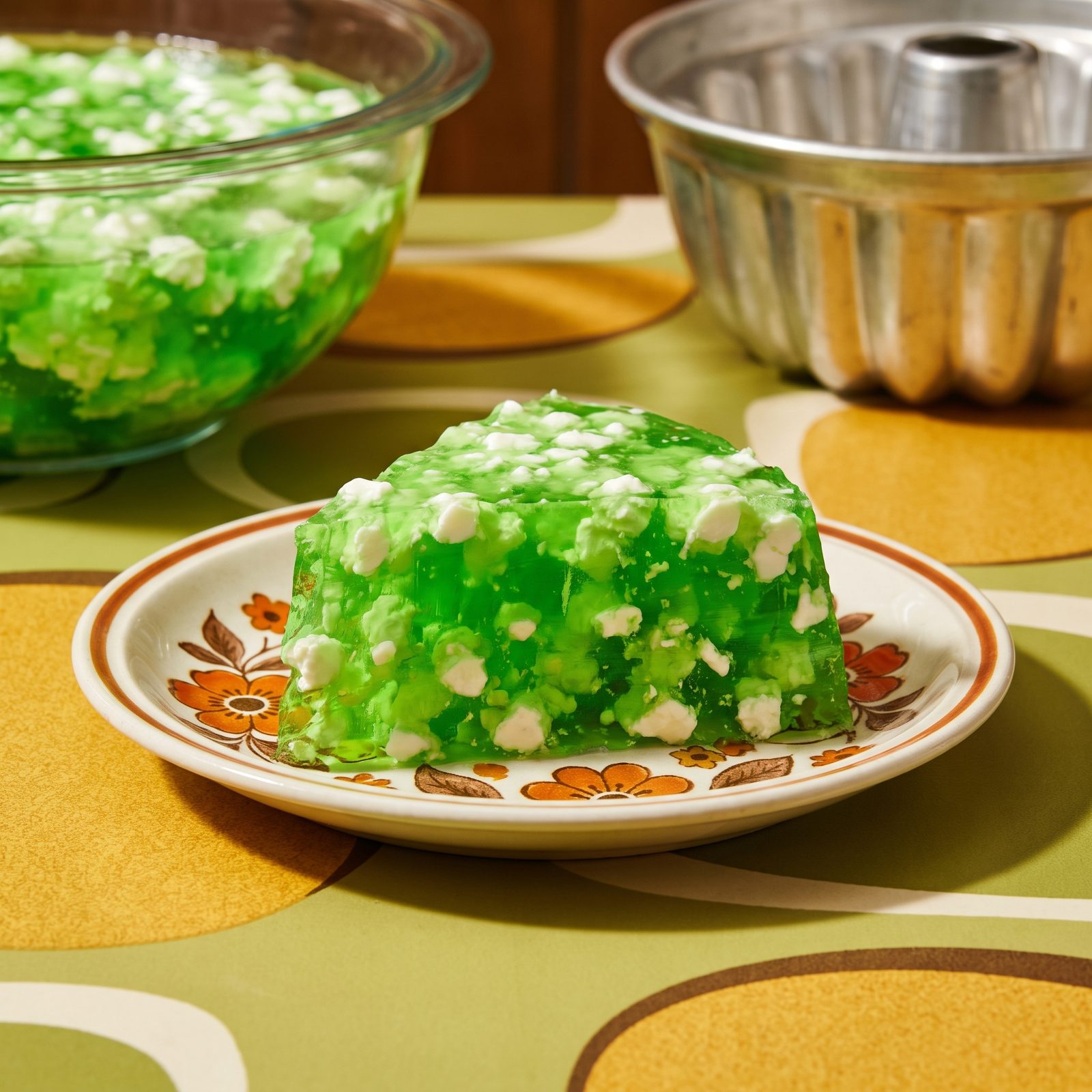
The one everybody remembers and nobody quite believes. Bright green lime gelatin, whipped or set solid, folded through with cottage cheese, canned pineapple, and chopped pecans. Sometimes a mold, sometimes a glass dish, always a little jiggly.
It got filed under “salad” with a completely straight face, and it landed on the table between the ham and the relish tray like it had every right to be there.
This is the dish that vanished hardest. It marks the exact border between the generation that grew up on it and the one that finds it baffling — which, honestly, is its whole charm now.
22. Ambrosia With Coconut and Mandarin Oranges
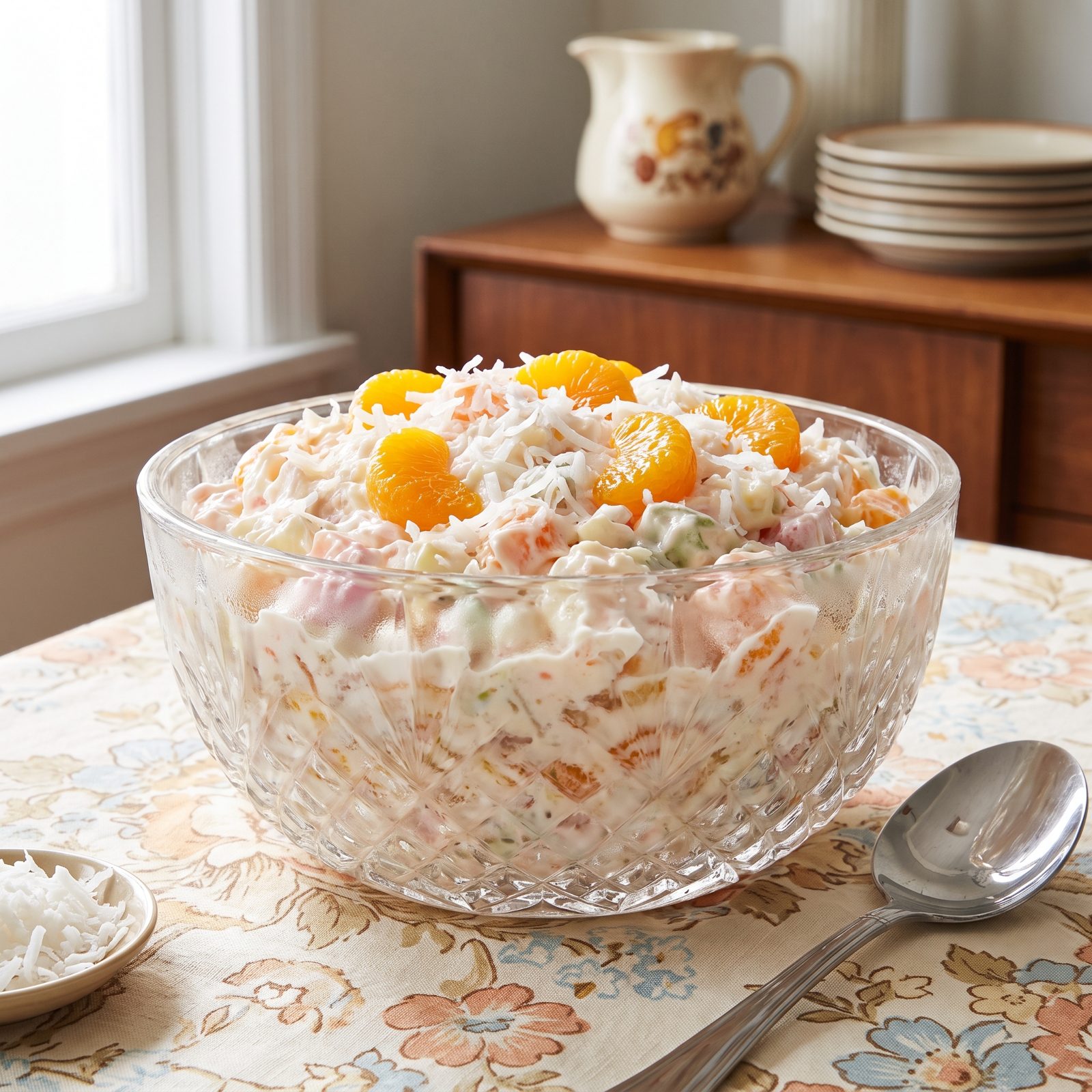
Somebody’s aunt made it. That was the rule. Ambrosia arrived in the same cut-glass bowl every year, cold from the fridge, the marshmallows already going soft into the whipped dressing.
The mandarin oranges came from a can, drained in a colander over the sink, and the coconut was the sweetened kind from the bag, snowy white. Maraschino cherries went on last so they’d stay bright. Kids ate it like dessert. Grandparents ate it like a salad. Nobody argued because the answer was both.
21. Creamed Pearl Onions
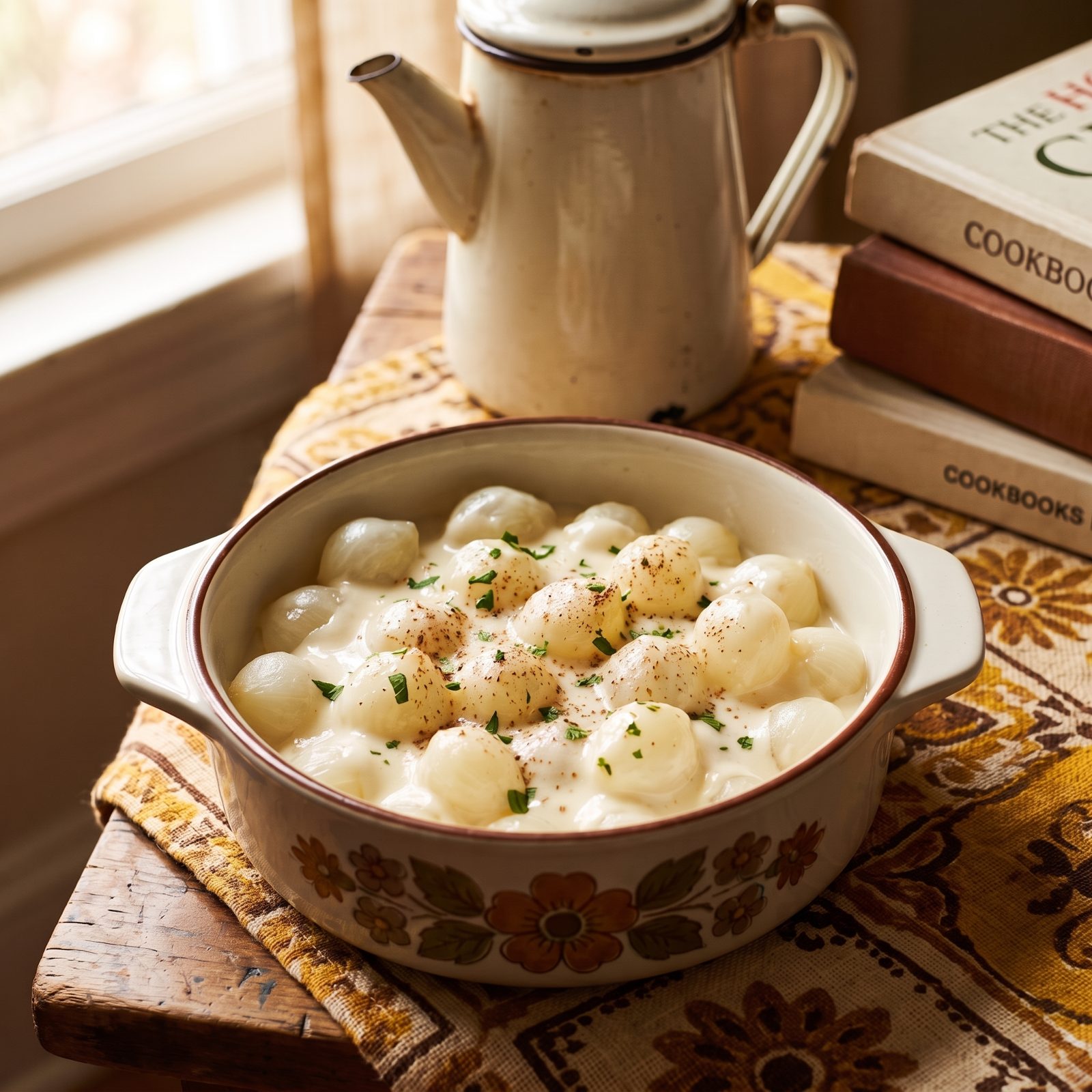
Peeling them was the punishment nobody wanted. Blanch, slip the skins, and by the twentieth onion your fingers ached and your eyes stung.
The reward was a small dish of them swimming in a béchamel gone velvety, dusted with nutmeg, set near the turkey where it belonged. Creamed pearl onions never got a starring role — they were the quiet dish grandparents reached for first and everyone else discovered they liked around age thirty-five. These days a bag of frozen pearl onions sits in the freezer aisle, unbought, waiting for a cook who remembers.
20. Buttered Mashed Rutabaga
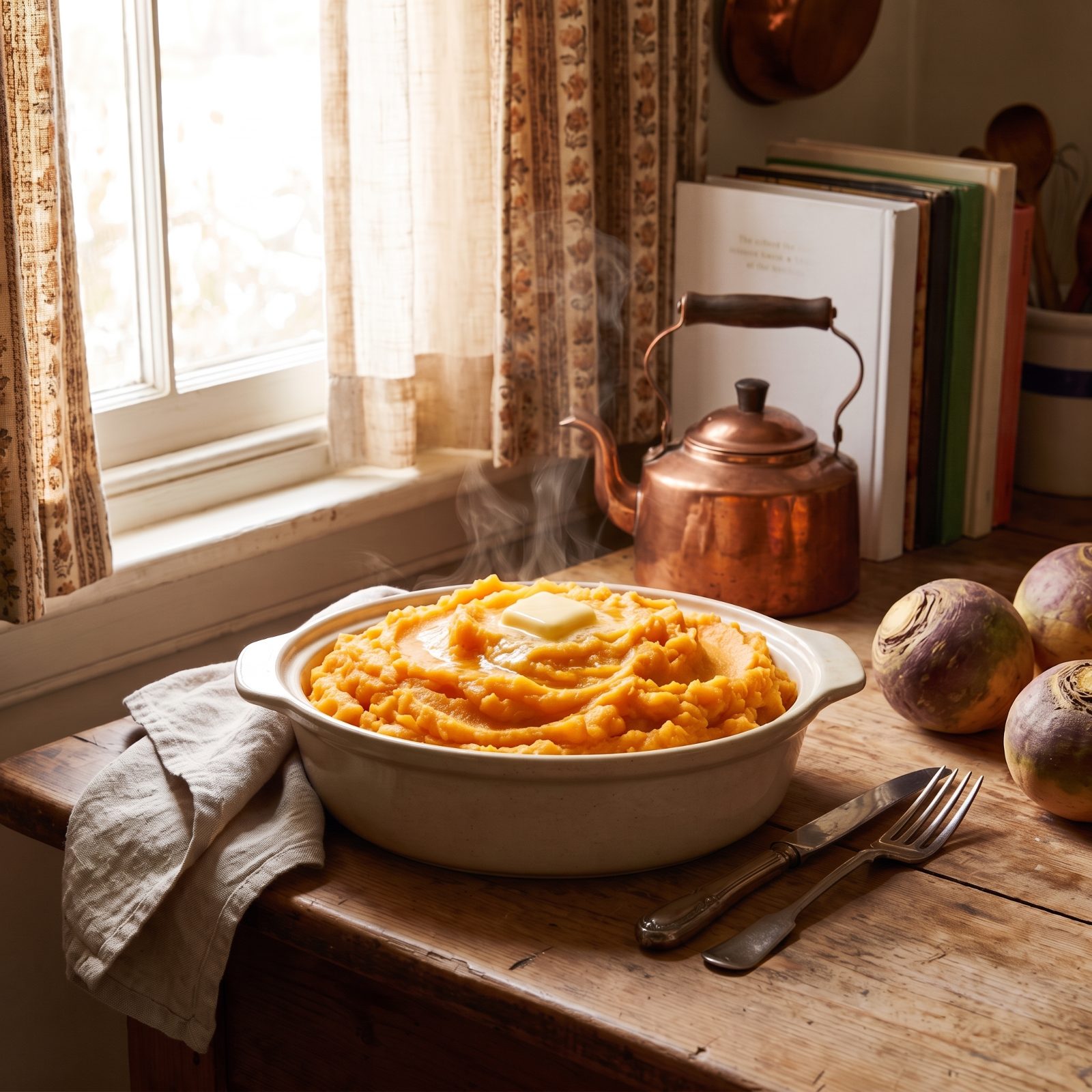
Half the people who ate it called it turnip and half called it rutabaga, and both sides were sure the other was wrong.
Whatever you called it, it came to the table golden orange, mashed rough with a fork, a fat pat of butter melting into the top and pooling in the hollows. That faint bitterness mellowed under all the butter and pepper. Kids made faces. Adults understood. It’s the one root vegetable that never made the leap into modern holiday cooking, and I think that’s a genuine loss.
19. Scalloped Oysters With Cracker Crumbs
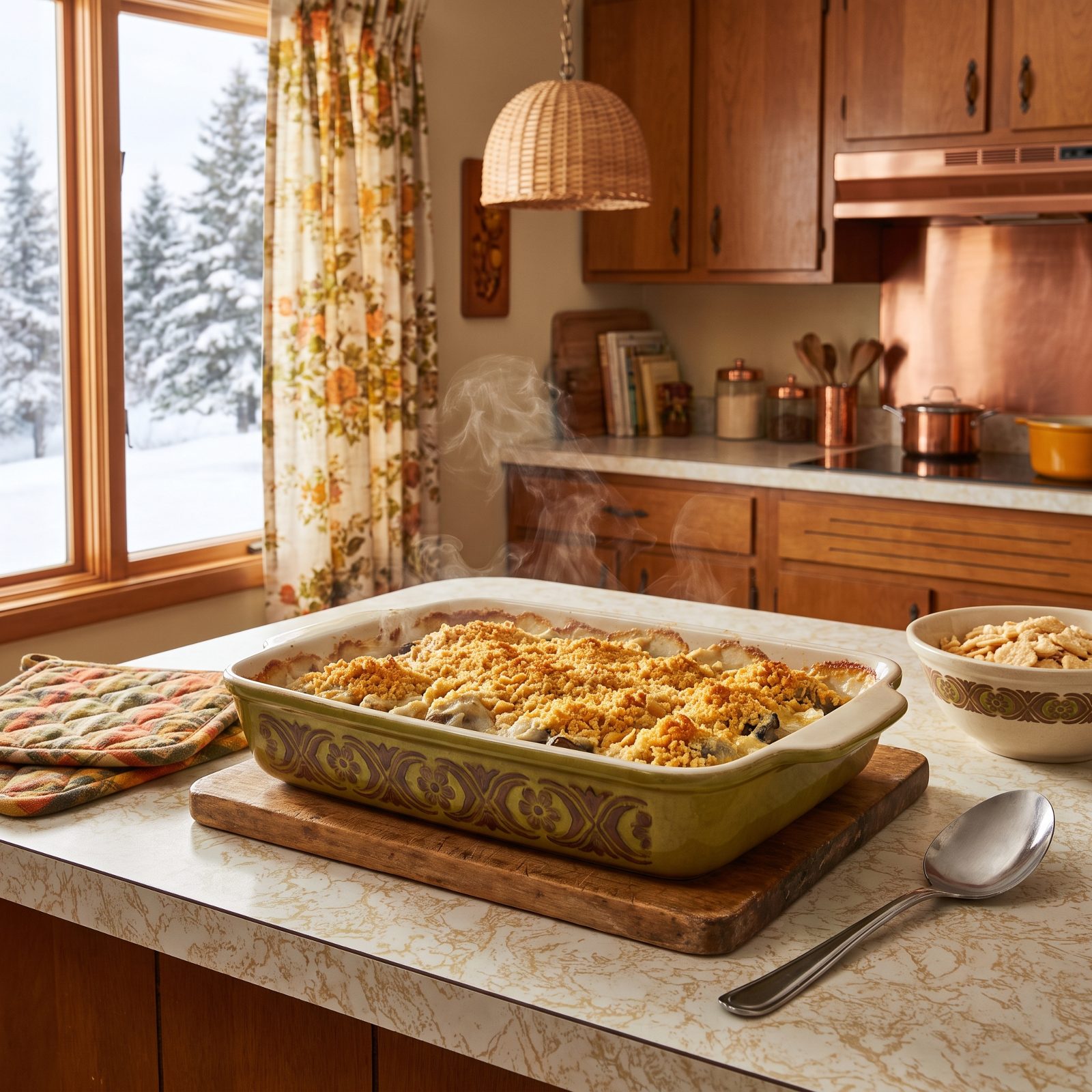
The smell hit you the second the oven opened. Butter, cream, and the ocean, all at once, in the middle of a snowbound December.
Layers of oysters and crushed saltines, drenched in cream and dotted with butter, baked until the top went crisp and gold. A coastal dish that traveled inland and settled onto Christmas tables everywhere canned oysters could be shipped. You either grew up loving it or you eyed it warily across the table your whole life. There was rarely a middle position.
18. Sausage-and-Chestnut Stuffing
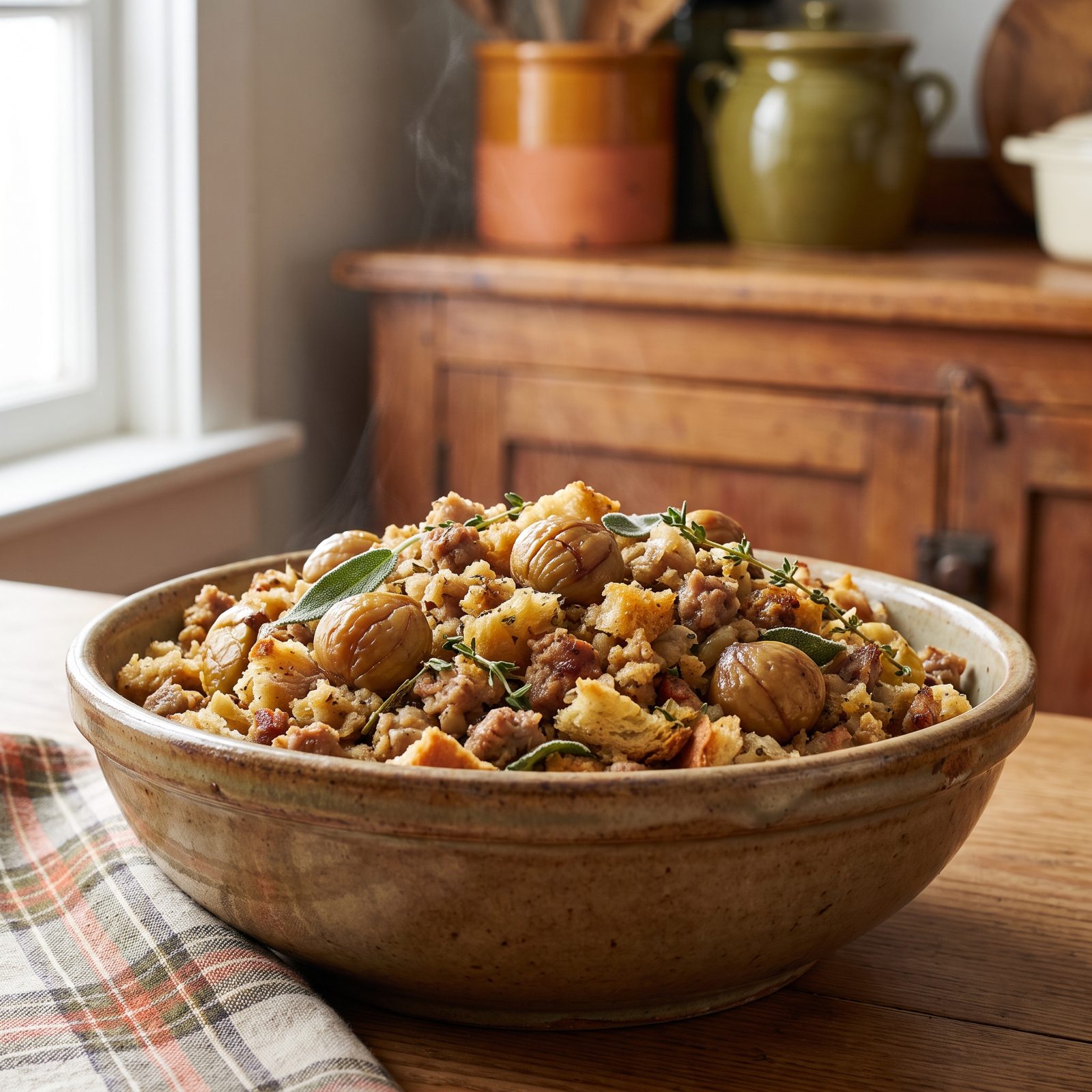
Chestnuts meant you’d committed. You scored them with an X, roasted them, and burned your thumbs peeling the shells while they were still too hot to handle.
What you got for the trouble was a stuffing with real weight — browned sausage, sweet crumbly chestnuts, celery, sage, all folded through torn bread and baked until the edges crisped. Cornbread stuffing and boxed mixes eventually pushed it aside, mostly because nobody wanted to fight the chestnuts. But when it appeared, it made every other stuffing on the table look thin.
17. Old-Fashioned Corn Spoon Bread
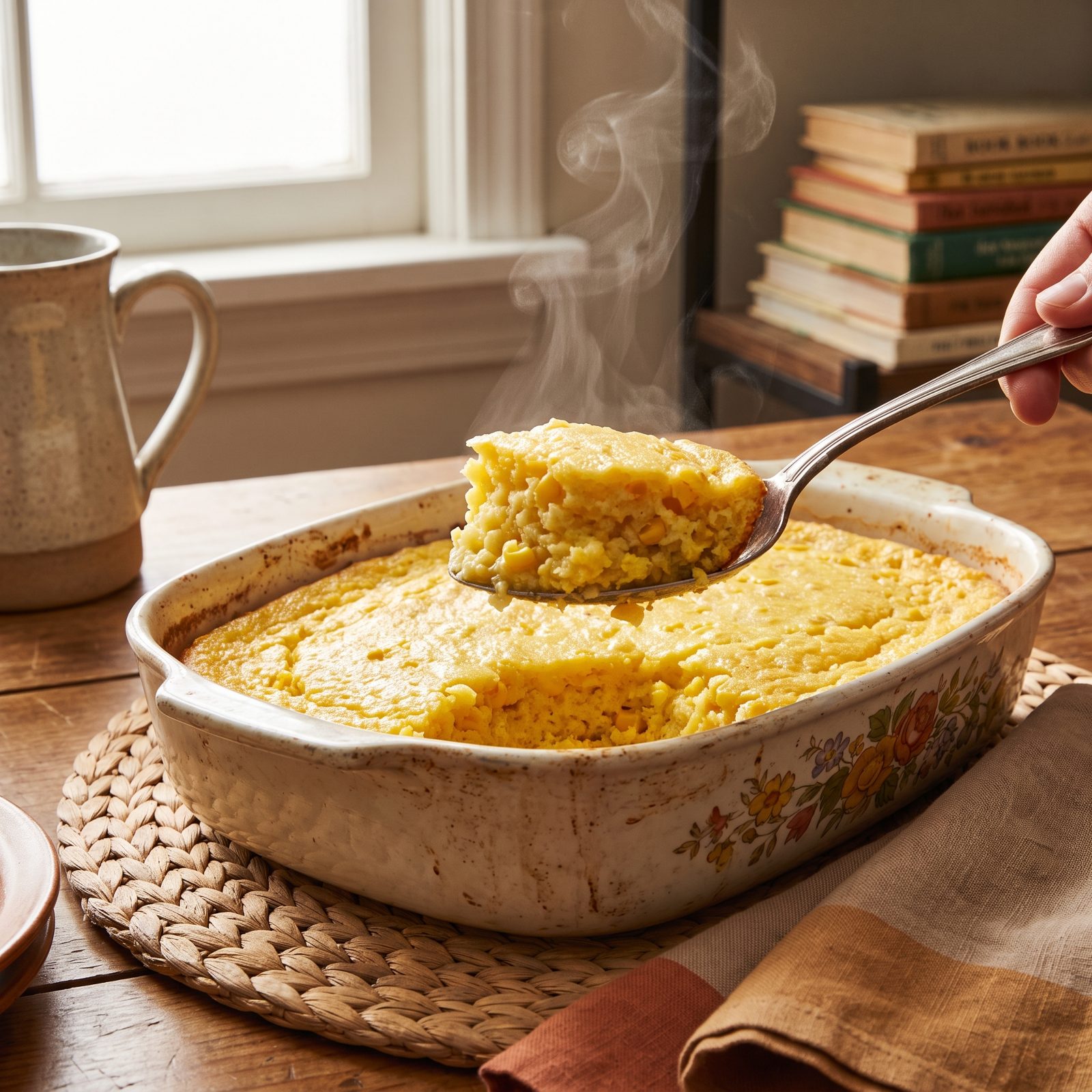
Neither bread nor pudding, and that was exactly the problem people had with naming it.
Corn spoon bread came out of the oven puffed and golden, then sank into itself, soft enough that you served it with a spoon straight from the dish. Cornmeal, eggs, milk, butter, baked into something between a soufflé and a custard, a Southern staple that migrated north for the holidays. The texture is what did it in. Younger cooks want food that holds its shape. Spoon bread never held its shape a day in its life, and that’s what made it good.
16. Yorkshire Pudding With Beef Drippings
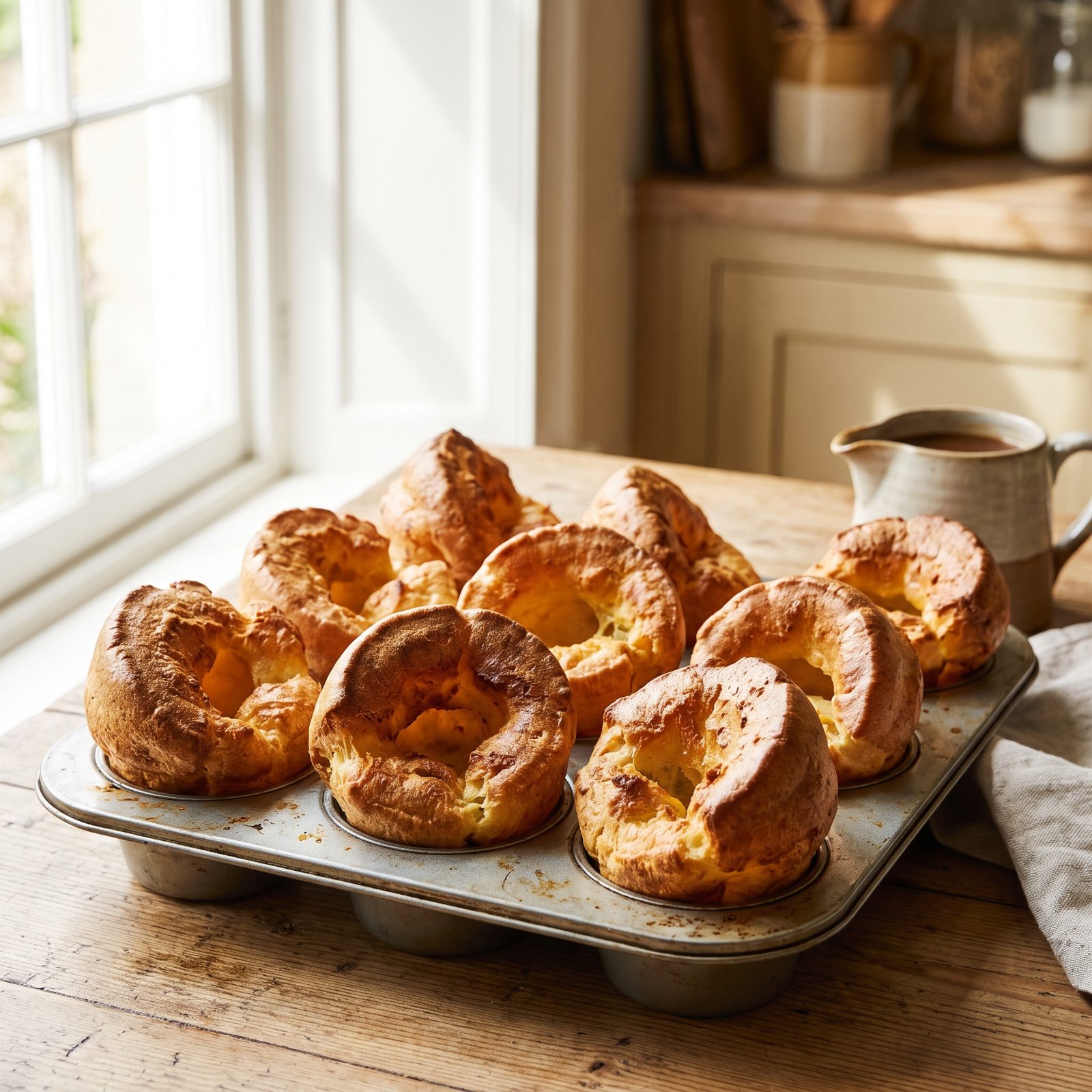
You had to have a beef roast to make it right, which meant plenty of American families never did. Where the standing rib roast reigned instead of turkey, Yorkshire pudding rose up alongside it, baked in the beef drippings themselves.
The batter went into a screaming-hot pan slicked with fat, and if you opened the oven too soon, the whole thing deflated. Done right? Crisp golden shells, hollow inside, ready to catch gravy. An old English tradition that rode over with the roast beef crowd, it survives at fancy restaurants now, rarely at home.
15. Traditional Bread Sauce With Cloves
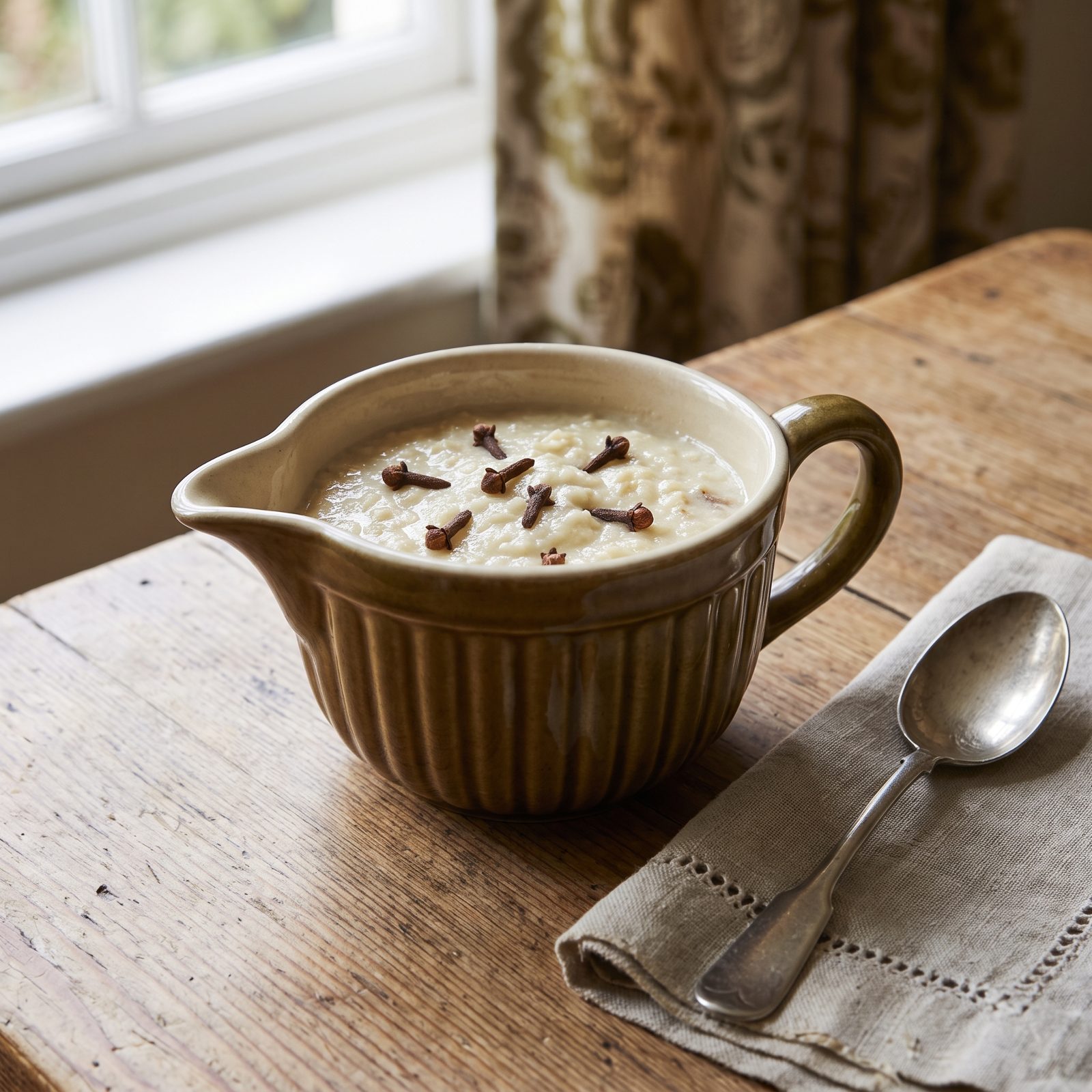
Bread as a sauce. It confuses people now and it confused people then, but the older relatives insisted.
Milk simmered with an onion studded with whole cloves, thickened with fresh breadcrumbs, finished with butter until it went thick and pale and fragrant. It sat next to the turkey doing a job cranberry couldn’t — mild, warm, spiced. This one came straight from the British holiday table and stayed alive in American families with English roots. Almost nobody makes it anymore. Serve it to someone under forty and you’d have to explain the whole thing twice.
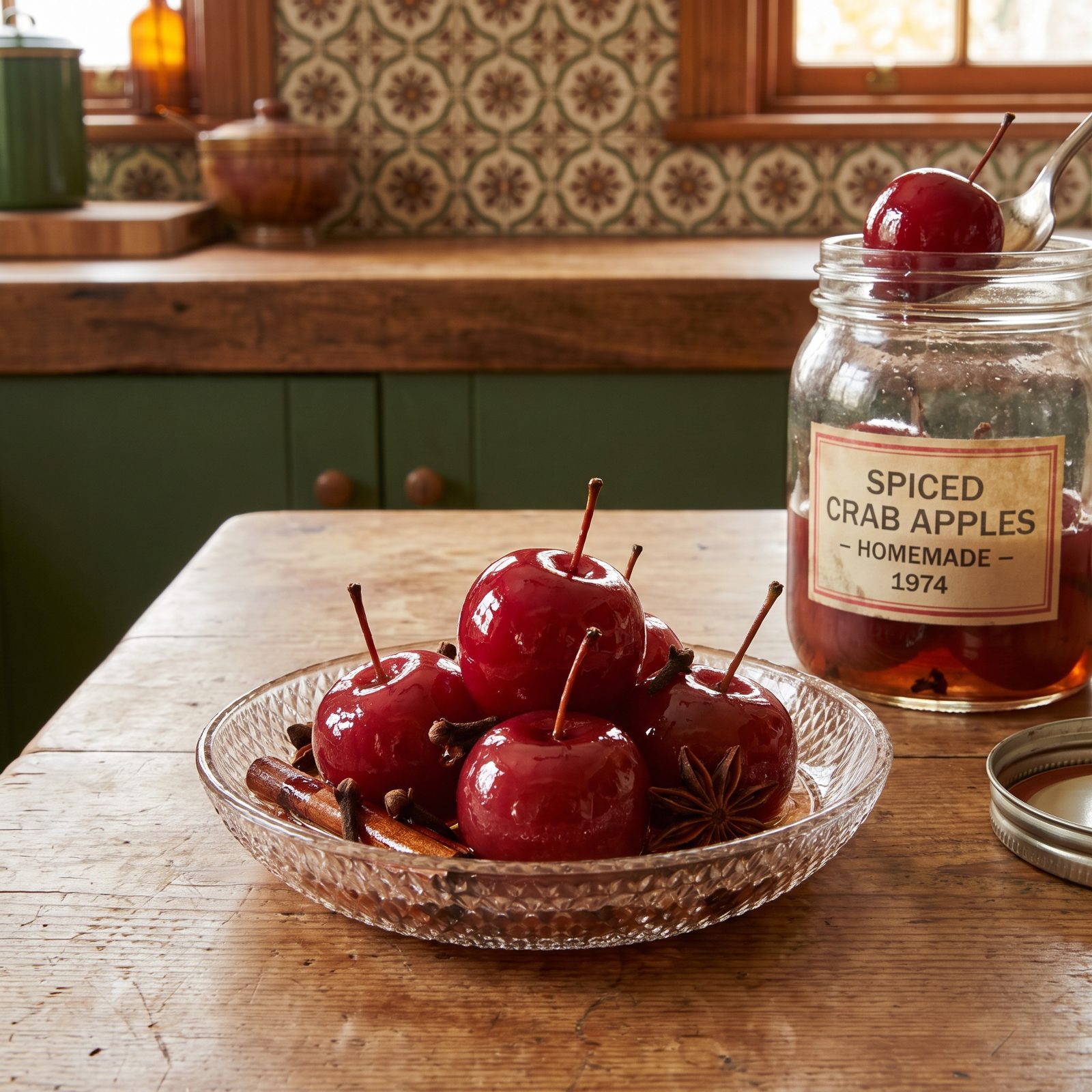
14. Spiced Crab Apples From a Glass Jar
Would you like to save this?
They came out of a jar and nobody pretended otherwise. Whole little crab apples, ruby red and glossy, stems still on, floating in a cinnamon-clove syrup.
You spooned two or three onto the edge of your dinner plate as a garnish and a relish at once, right next to the turkey. Half sweet, half spiced, entirely for looks and a little for eating. They were the color the plate needed. The grocery store carried them all season, then quietly stopped. Try finding a jar today.
13. Pickled Watermelon Rind
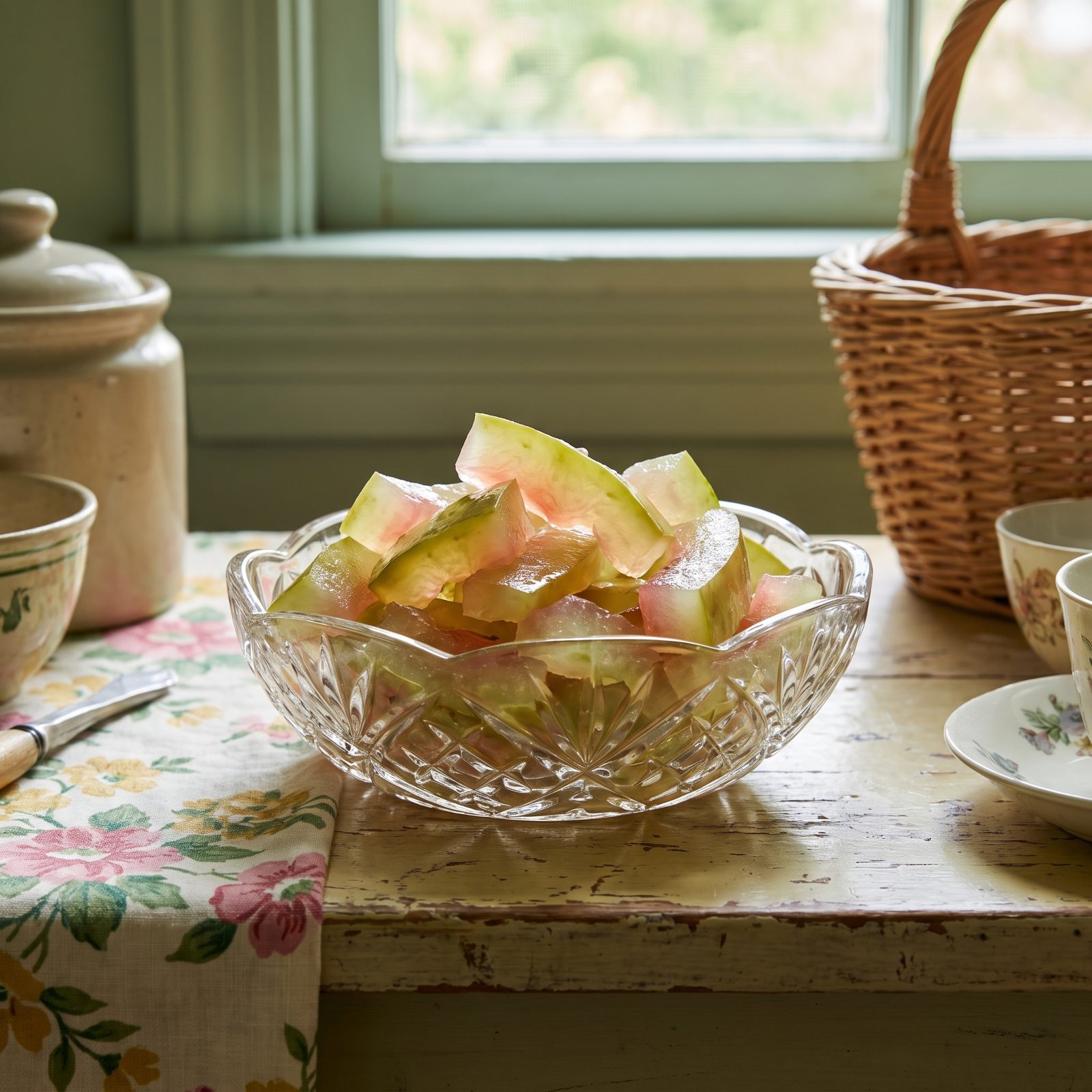
The part you were told to throw away became, in the right kitchen, the prettiest thing on the relish tray.
Grandmothers who canned in August pulled these out at Christmas: watermelon rind cooked down in a sweet-and-sour syrup with cinnamon and cloves until the pieces turned glassy and translucent, half candy and half pickle. It landed on the relish dish next to the olives and the celery, and it was the one thing on that tray a kid would actually try twice. Home canning faded. The rind went back to the compost pile where the rest of the world had always kept it.
12. Homemade Piccalilli Relish in a Pressed-Glass Dish
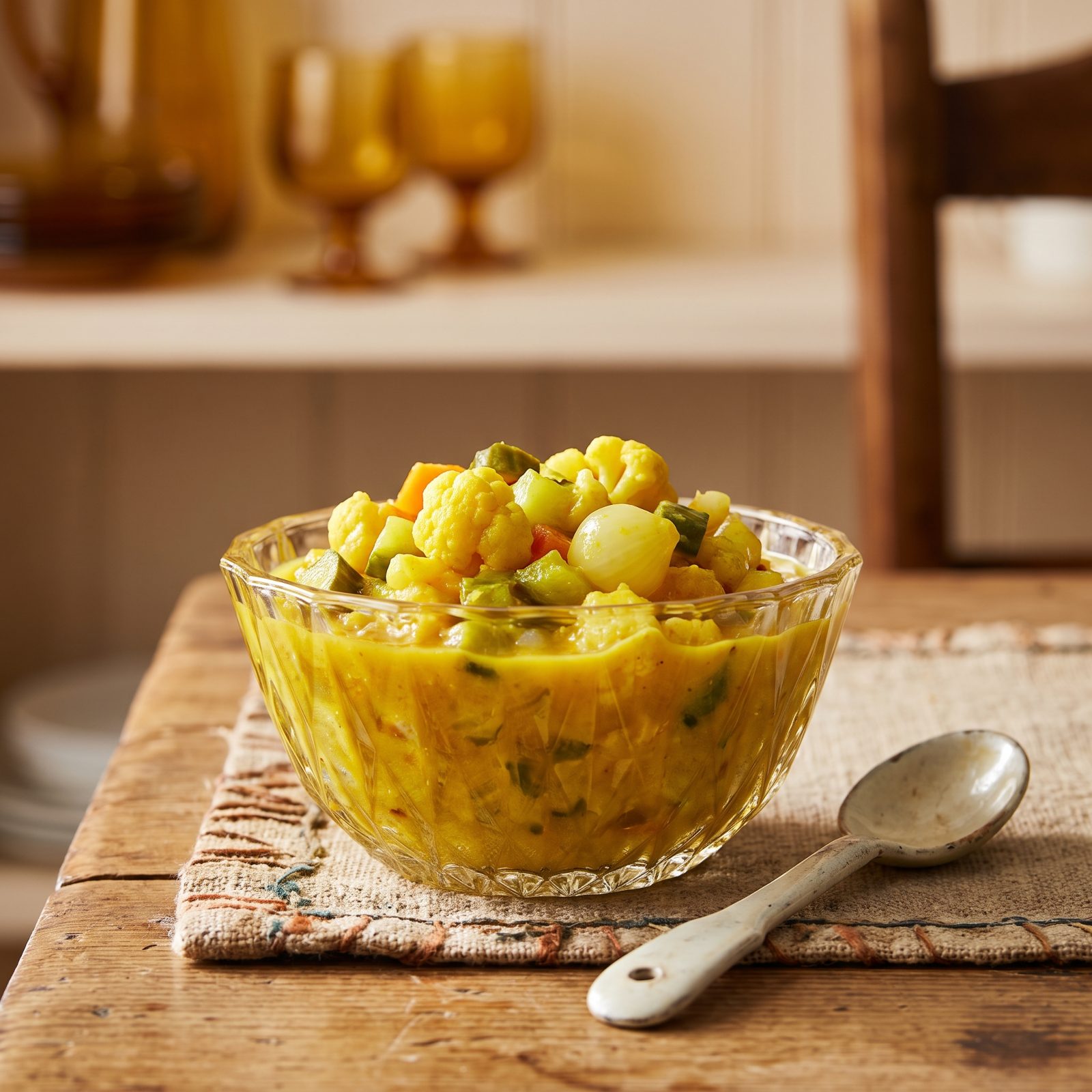
Every grandmother had a jar. Piccalilli was the sharp, mustardy relish that turned up in a little glass dish next to the turkey, made from the last green tomatoes of the garden before the frost took them.
You spooned it onto cold sliced meat the next day and it woke everything up. Half the table ignored it while the other half would have fought you for the last of it. It disappeared because nobody wanted to spend a September afternoon chopping and canning anymore, and the store versions never tasted the same.
11. Frozen Fruit Salad Cut Into Neat Little Squares
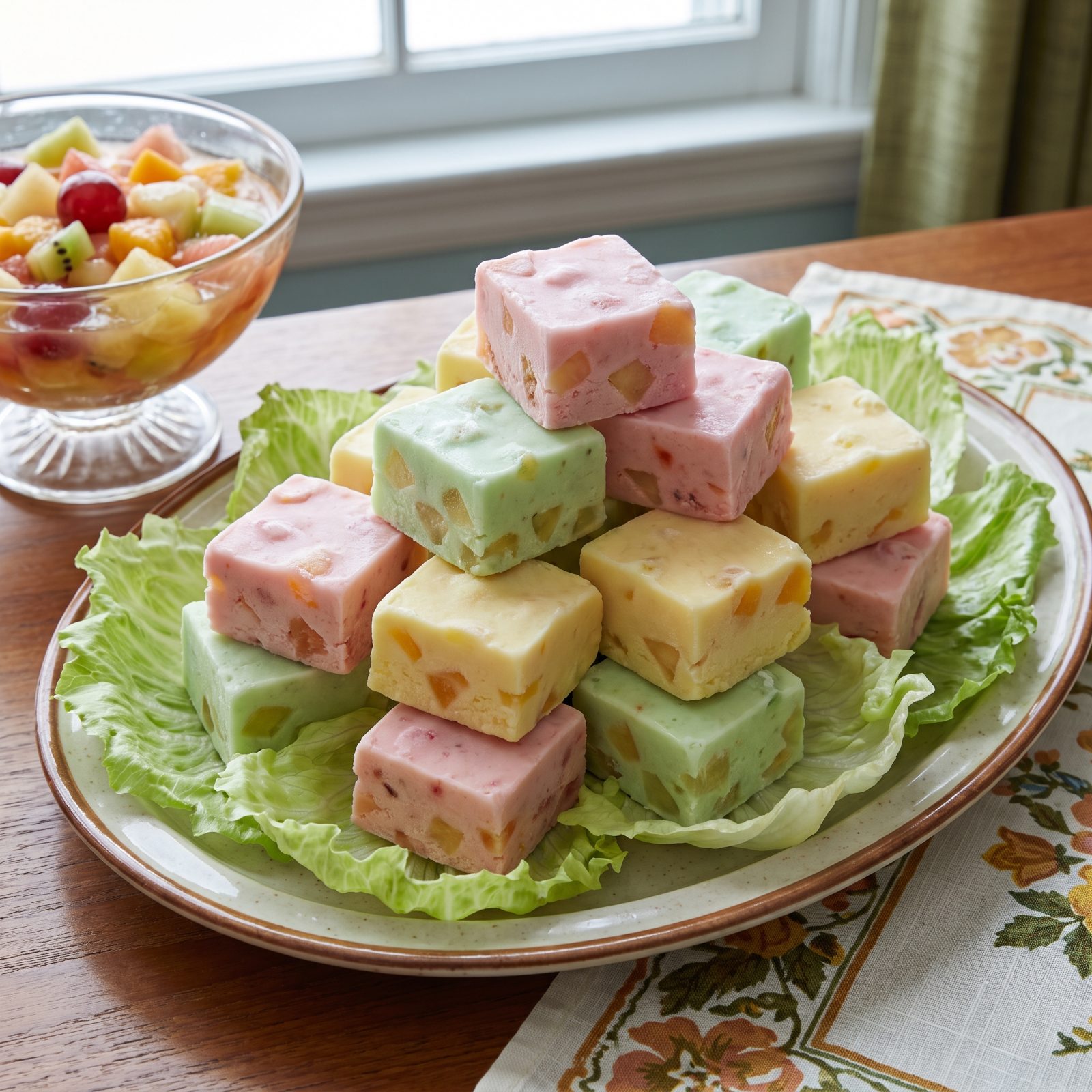
This one confused everybody under thirty. A salad? Frozen? Cut into squares like fudge?
Yes, and it lived on a lettuce leaf on the salad plate, cool and pink and studded with cherries and pecans. Somewhere between dessert and side dish, it never picked a lane, and nobody minded. It went into a loaf pan, into the freezer overnight, and got sliced at the table. The molded, congealed salad ruled American holiday tables for decades and then simply stopped, the way trends do.
10. Mincemeat Pie Under a Latticed Crust
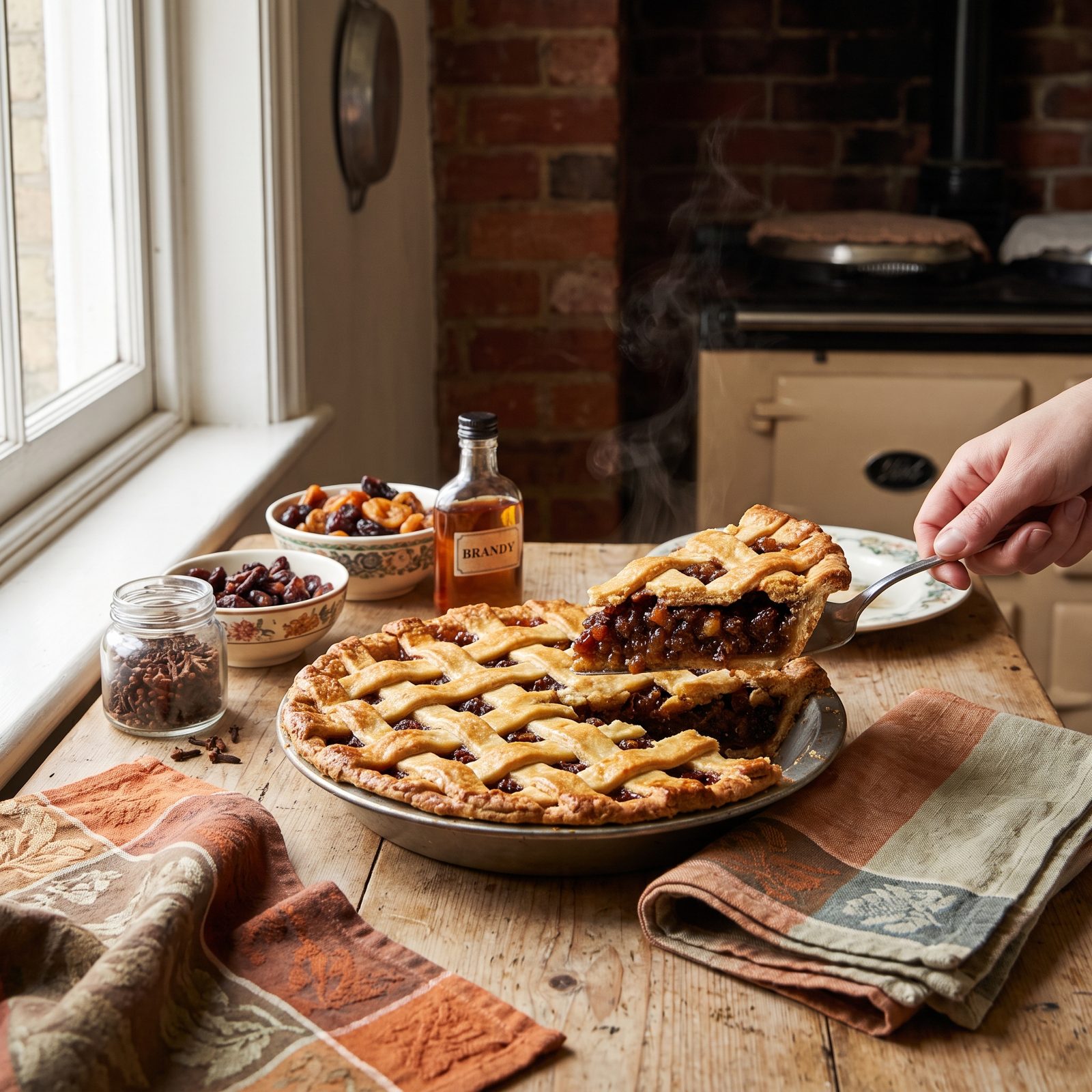
Cut the first slice and the smell hit you before the fork did. Cinnamon, clove, brandy, dark fruit. Mincemeat pie was the grown-up dessert, the one kids poked at suspiciously while the adults reached for seconds.
The older recipes really did contain meat, or at least suet, which is exactly why it fell out of favor. Younger diners today hear “mincemeat” and picture ground beef, and that confusion pretty much killed it off. A shame. Under that lattice was one of the best things on the table.
9. Baked Alaska That Arrived With Toasted Peaks
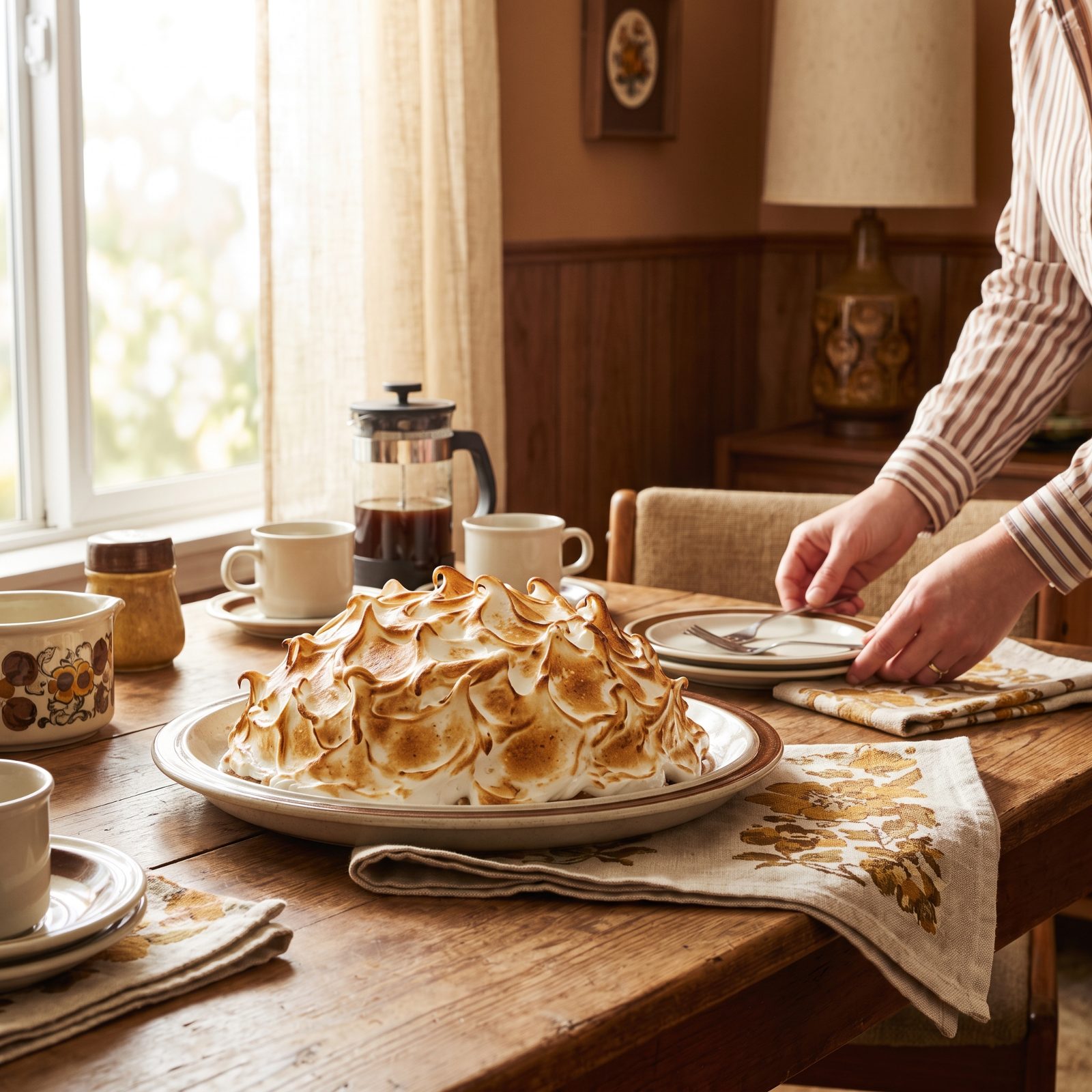
The showstopper. Ice cream, wrapped in cake, sealed under meringue, and shoved into a hot oven long enough to brown the peaks without melting what was underneath. It sounds impossible, and pulling it off in front of the family was half the point.
Baked Alaska belonged to the hostess who liked a little theater with dessert. It took nerve and timing, which is precisely why it vanished. Who wants to gamble the whole meal’s finale on whether the ice cream holds? But when it worked, the table went quiet.
8. Dark Fruitcake, Soaked in Brandy Since Thanksgiving
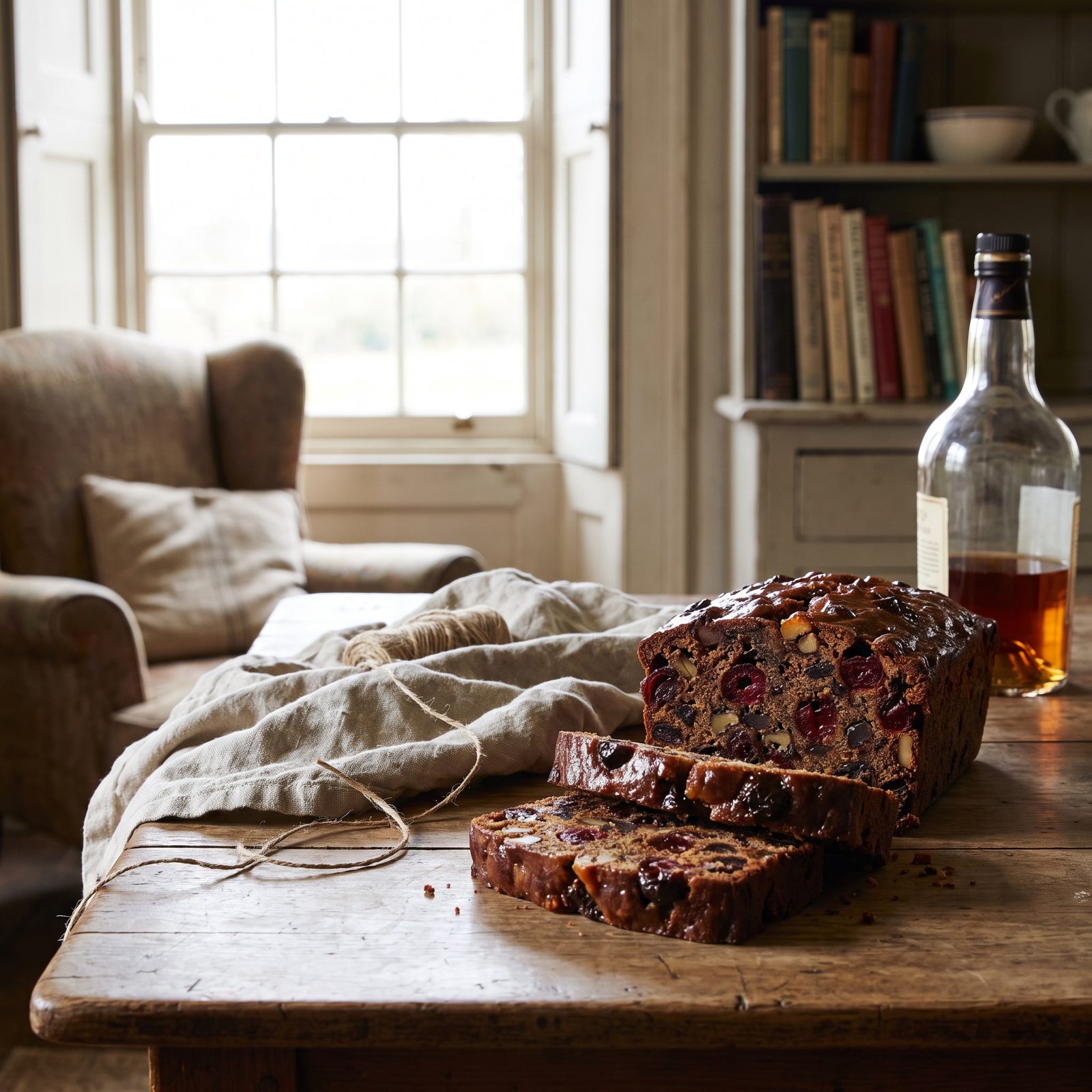
Fruitcake became a punchline, and that’s not fair to the good ones. A proper dark fruitcake was made weeks ahead, wrapped in brandy-soaked cheesecloth, and left in a tin to deepen until Christmas.
The real thing was dense, boozy, jeweled with candied fruit and pecans, sliced thin because it was rich enough to stop you cold. Cheap, dry, doorstop versions ruined its reputation for a whole generation. Meanwhile the homemade one sat quietly on the sideboard, getting better by the day, and the people who knew, knew.
7. Date-Nut Loaf Spread With Cream Cheese
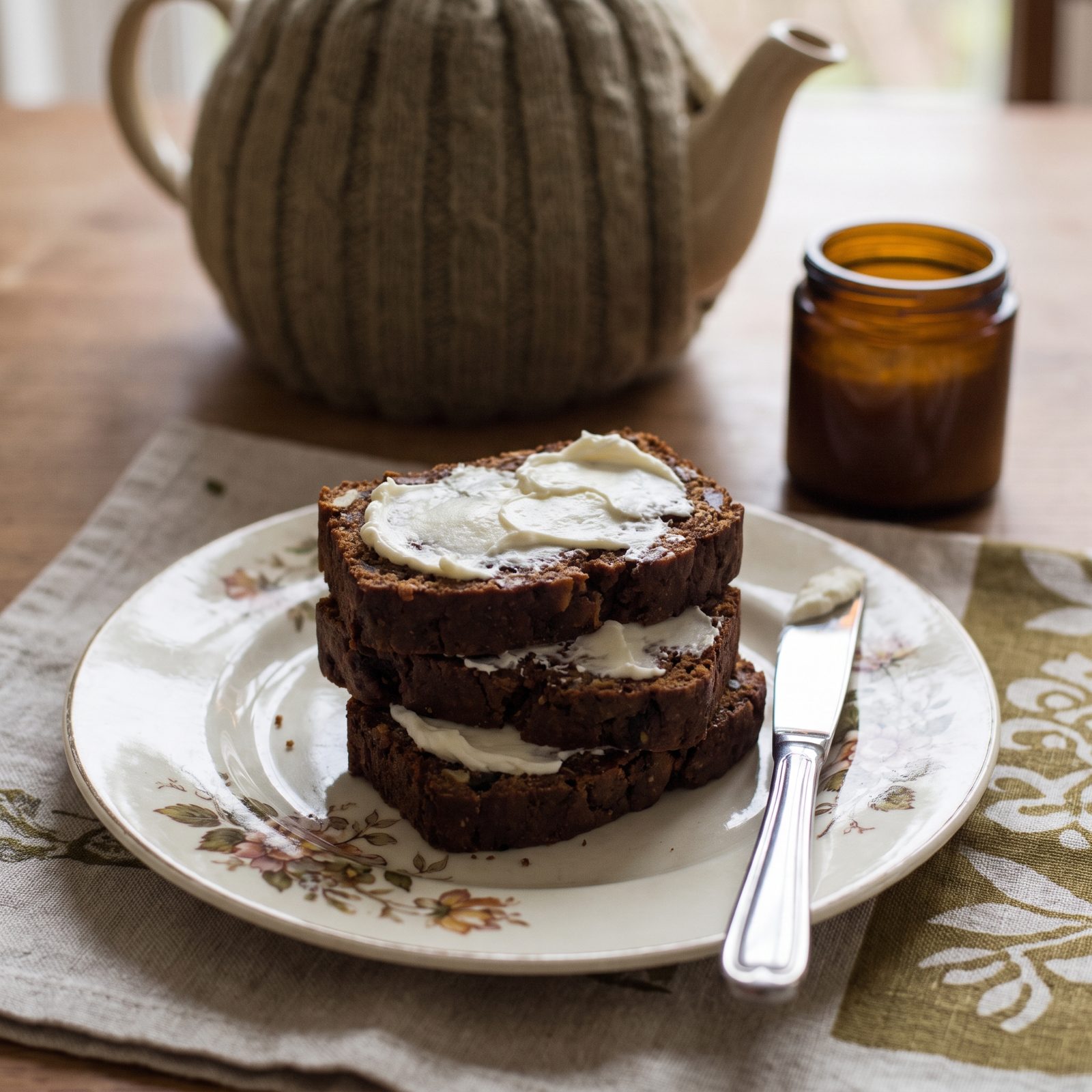
Little rounds of dark, moist bread, each one thick with dates and walnuts, spread with cream cheese and stacked on a glass plate. Date-nut loaf was the tea-and-visitors food, the thing you set out when neighbors dropped by during the holiday week.
The classic version got baked in a coffee can, which gave it perfect little circles. Sweet and dense and just the right size to eat standing up. It has almost completely disappeared from modern kitchens, which is a quiet loss.
6. Snowy Pecan Divinity, Set Out to Cool
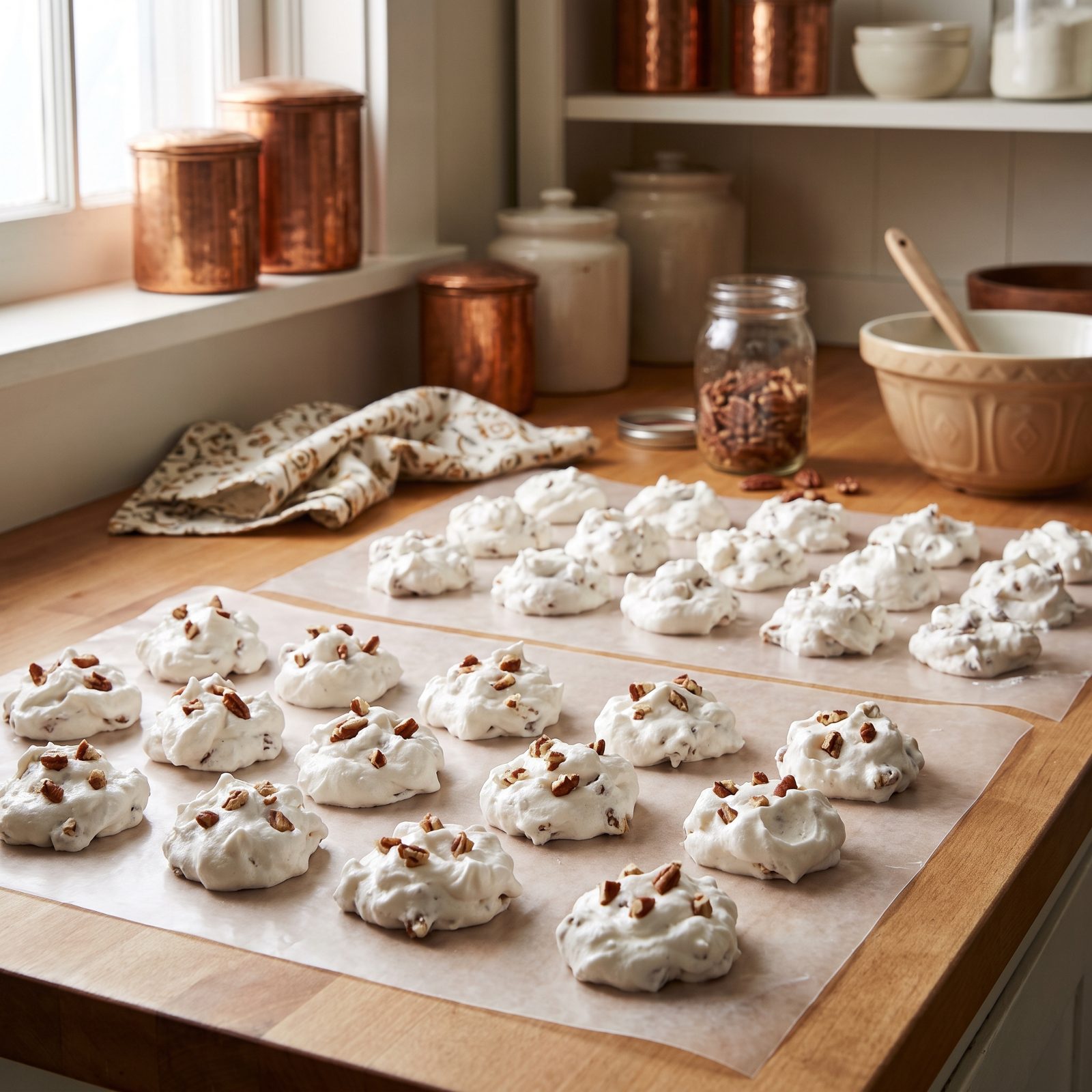
White as snow, soft as a cloud, and impossible to make on a humid day. Divinity separated the confident cooks from the rest, because if the weather was wrong it simply refused to set.
You beat hot syrup into whipped egg whites until your arm gave out, then dropped it in little mounds with a pecan on top and left it to firm up. It melted on the tongue with a faint crunch of nut. Almost nobody makes it now. A candy thermometer and a stand mixer feel like a lot of work for something that might not even cooperate.
5. A Crystal Dish of Ribbon Candy on the Sideboard
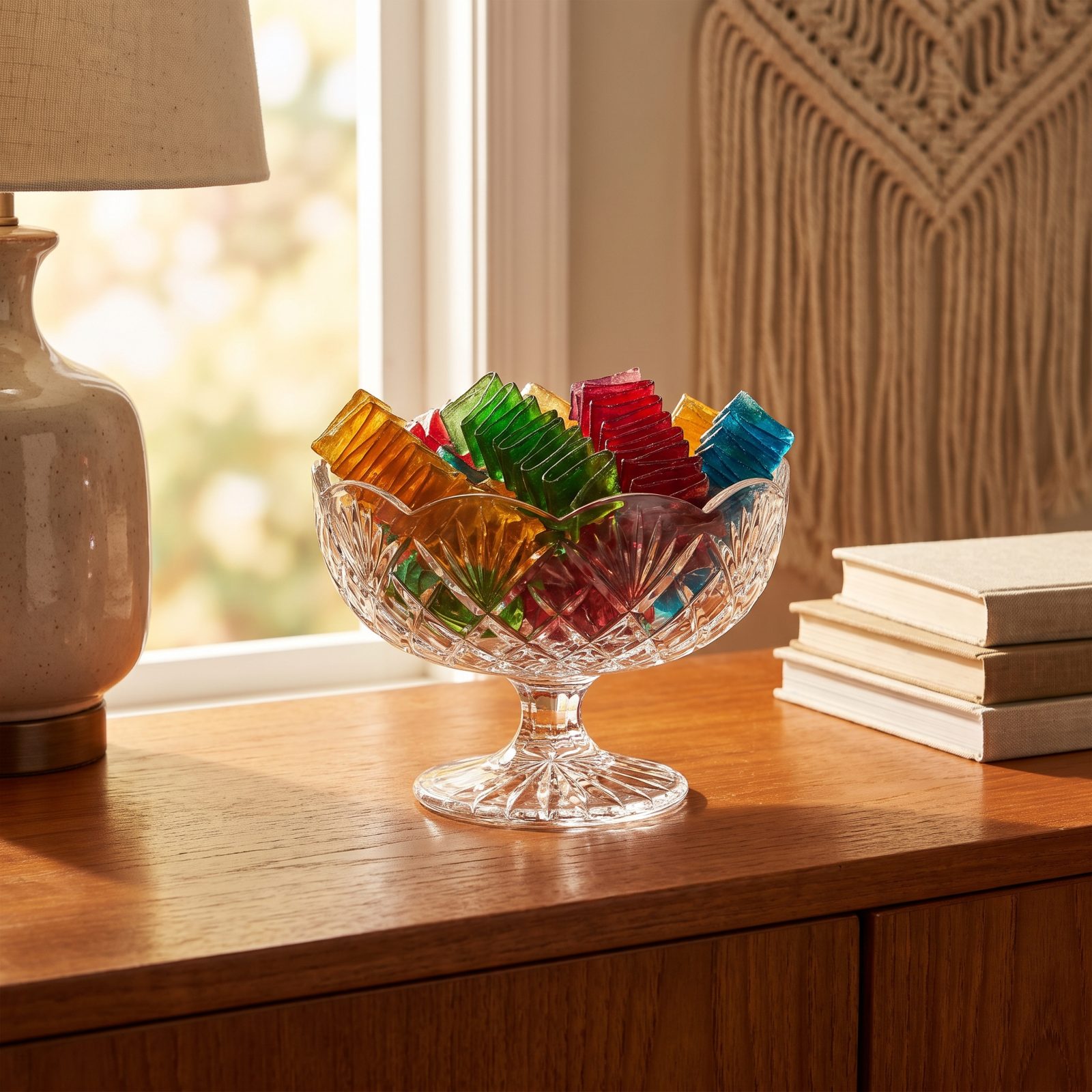
You weren’t supposed to eat much of it. Ribbon candy was mostly for looking at, folded into delicate accordion pleats in red, green, and white, sparkling in a cut-crystal dish where it caught the tree lights.
It was hard as glass and shattered into sharp shards, and there was always one piece stuck to the bottom of the dish from last year. Beautiful, brittle, a little dangerous to the fillings. It belonged to the sideboard, part decoration and part dare.
4. Warm Hard Sauce, Ladled Over the Pudding
Would you like to save this?
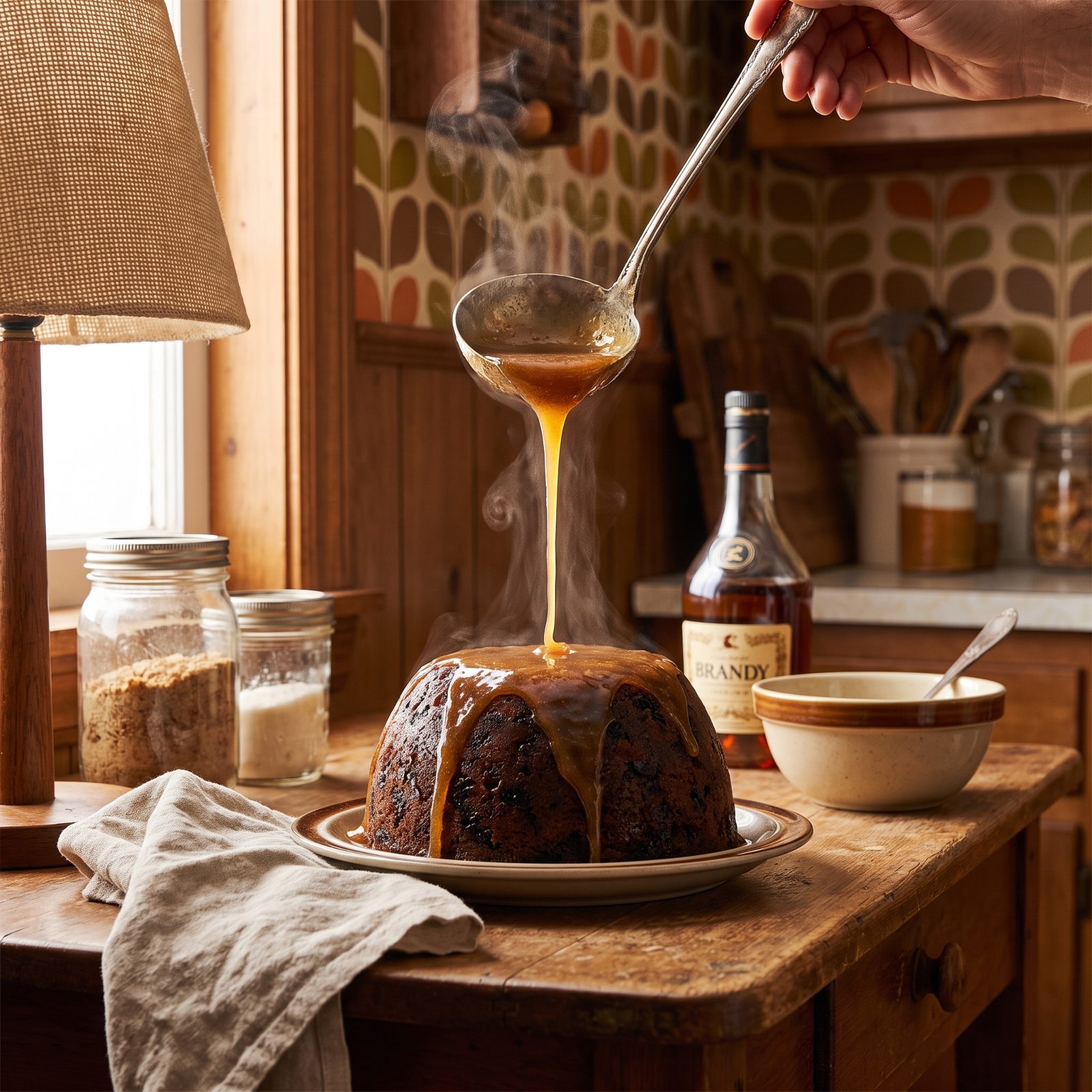
The name never fit. Hard sauce wasn’t hard at all, it was soft and sweet and boozy, made from butter beaten with sugar and a good splash of brandy or rum, then chilled until firm.
You dolloped it onto warm plum pudding or gingerbread and watched it melt into a glossy puddle. The cold sauce hitting hot dessert was the whole trick. Since steamed puddings have all but vanished from American tables, the sauce that crowned them went with them. If you’ve never had it, you’ve missed something.
3. Hot Tom and Jerry Punch, Steaming From the Bowl
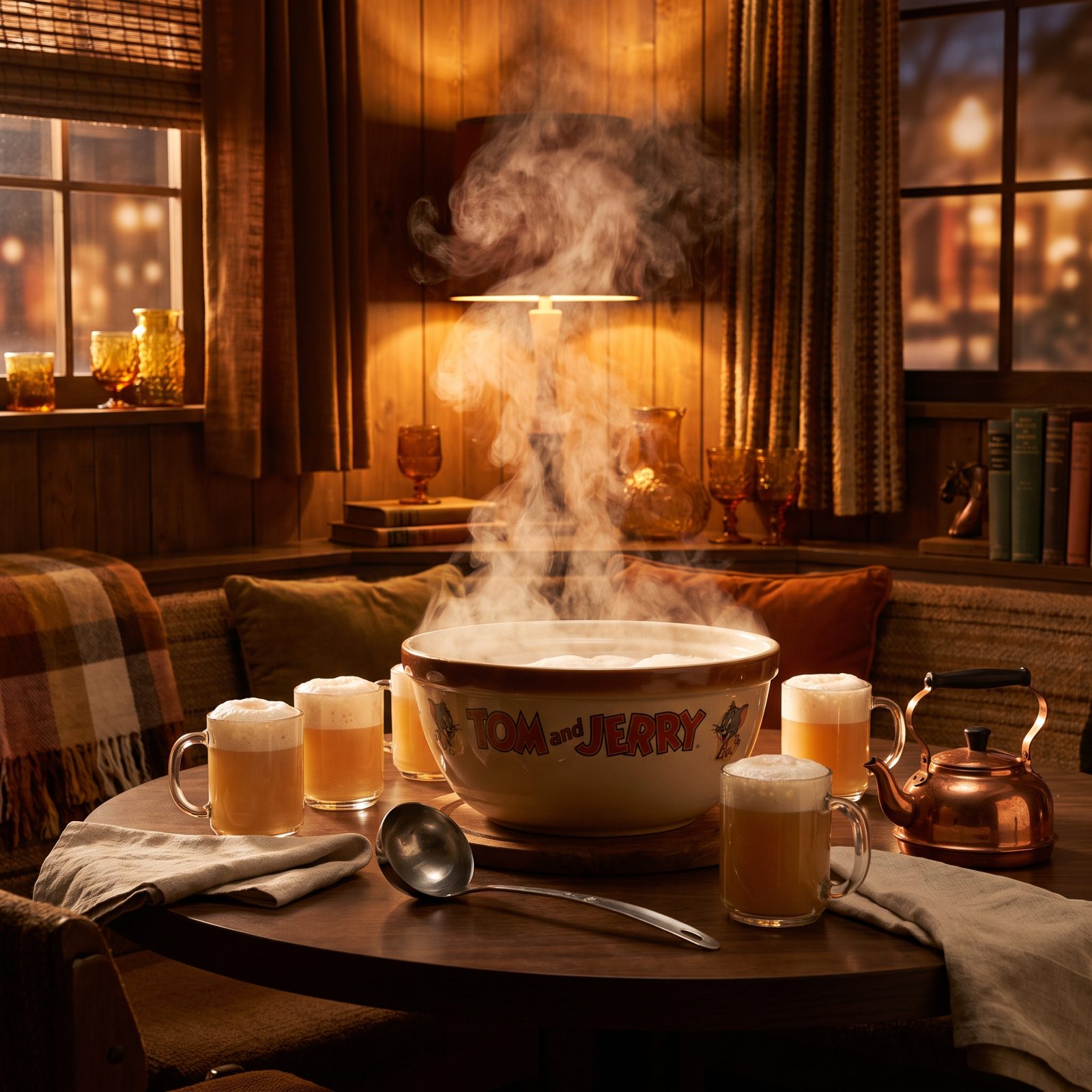
Before eggnog took over completely, the grown-ups drank Tom and Jerry, a warm, frothy batter of beaten eggs and sugar spooned into a mug, topped with hot water or milk and a pour of brandy and rum, then dusted with nutmeg.
Families had special sets for it. A footed bowl and matching handled mugs, often painted with holly, that came out exactly once a year. It was cozy and boozy and a little old-fashioned even back in 1970. The sets now sit in attics, and the drink went with them. Warm and foamy on a cold night, it deserved a longer run.
2. Hand-Painted Marzipan Fruits, the Almond Candy That Fooled the Kids
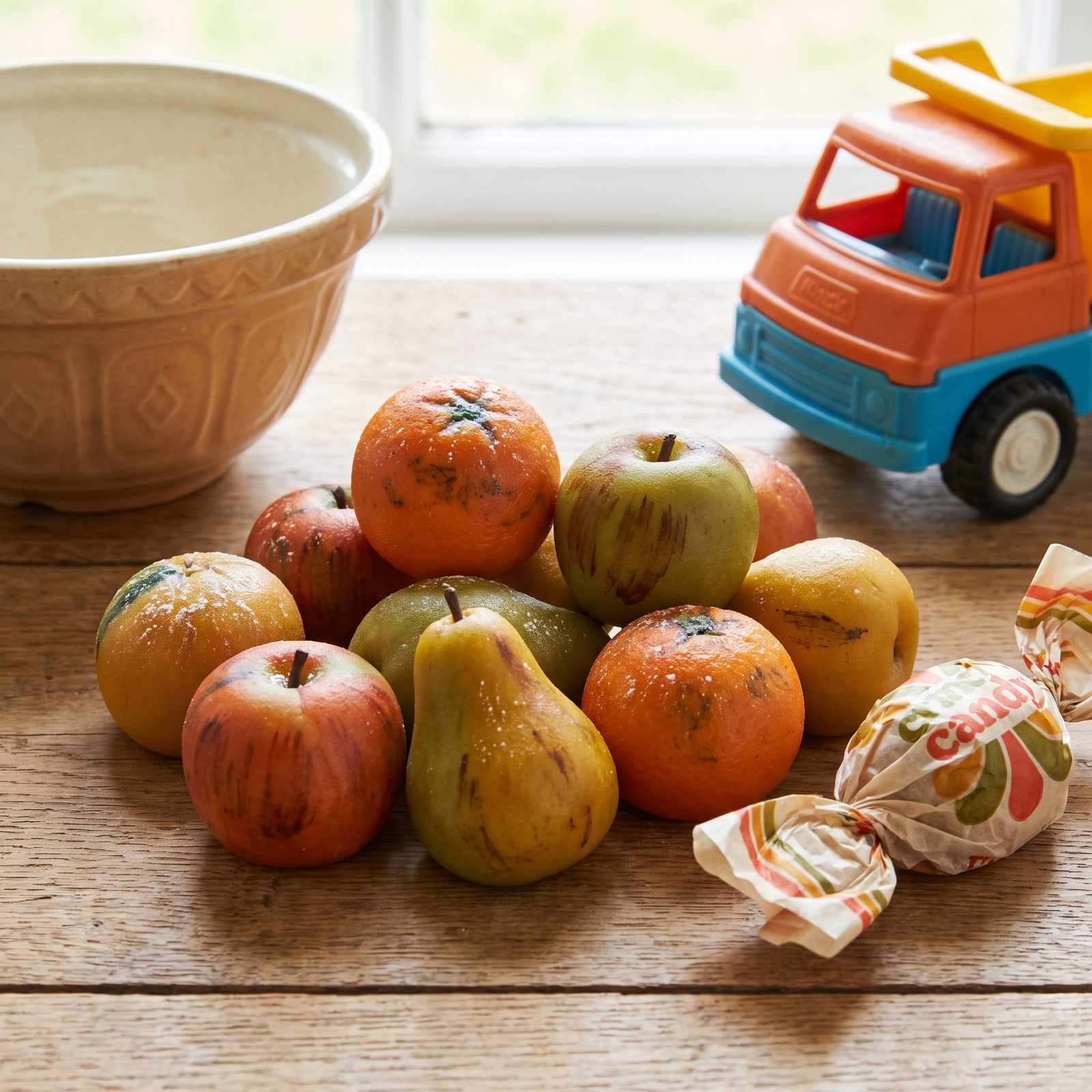
You picked one up thinking it was real fruit and got a mouthful of almond and sugar instead. That was the whole trick. Marzipan fruits sat in the good glass dish on the sideboard, too pretty to eat and somehow always half gone by dessert.
These came out at the affluent end of the block, usually boxed from a bakery or some fancy department store candy counter. Every little orange had a stippled peel and every apple wore a real clove for a stem, all painted by hand — which is the part that stuns you now. Somebody sat there and did that. On purpose.
Kids today meet it maybe once, at an old Italian bakery, and have no idea it was ever the centerpiece of a holiday candy dish.
1. Flaming Steamed Plum Pudding, the Dessert That Arrived On Fire
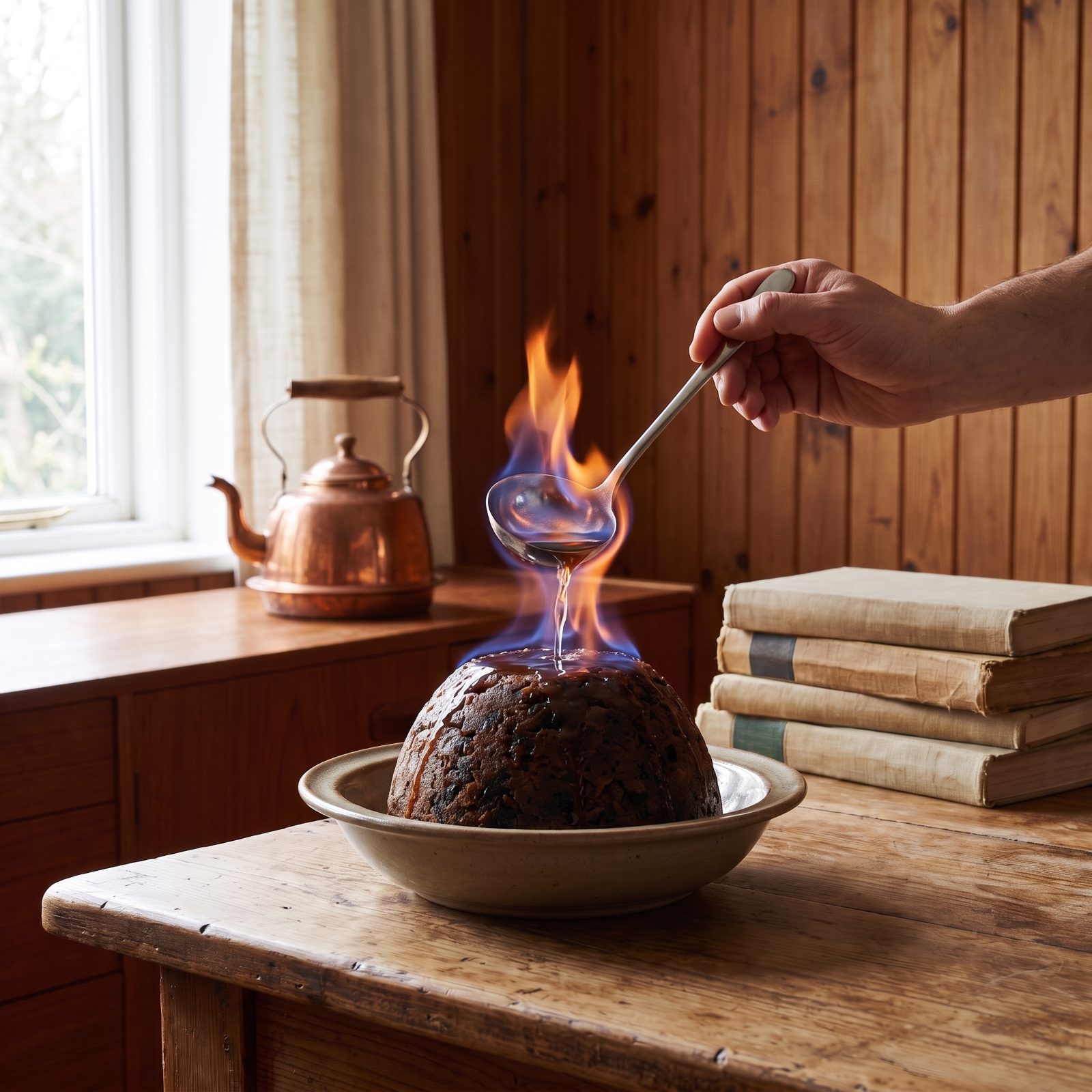
Grandpa dimmed the lights, poured warm brandy over the top, and struck a match. The pudding came to the table on fire, blue flames licking up from the top, and the whole room went quiet for a second before everyone clapped.
The pudding itself? The least exciting part. Dark, dense, packed with raisins and currants and candied peel, steamed for hours in a mold and served with hard sauce that was mostly butter and brandy. You ate it because it was tradition, not because you loved it.
Half the appeal was the fear that Grandpa might set the tablecloth on fire, and half was that he never quite did.
The recipe crossed over from England and lingered in American homes where the older generation still did Christmas the formal way. Somewhere in the 1980s it quietly slipped out, replaced by pie and store-bought cheesecake. I’ll admit the pudding was an acquired taste. The fire never needed acquiring.