Would you like to save this?
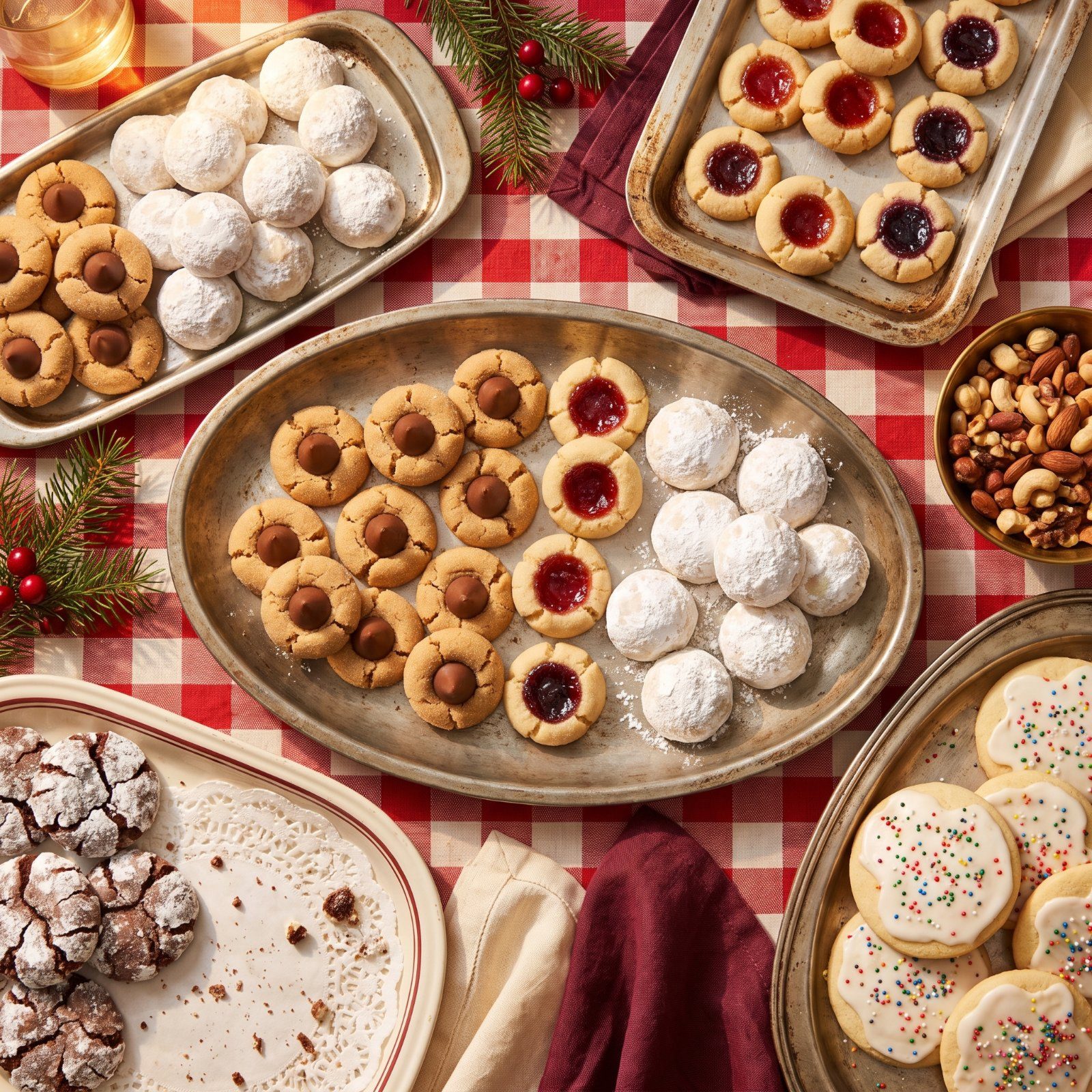
The gingerbread man sits there all night while the thumbprint vanishes before you’ve even hung your coat. Watch any Christmas cookie tray long enough and a pattern shows up. Guests don’t choose the prettiest cookie, or the hardest one to make — they choose the one that promises the least risk and the most reward in a single bite. Small wins over large. Familiar beats fancy. Visible chocolate beats a mystery every time. We lined up tray after tray and watched which rows emptied first, and the cookies that disappear aren’t the ones you’d guess. Here’s what actually drives a hand toward one cookie over its neighbor.
22. The Tray of Two-Bite Cookies That Vanishes Quickly
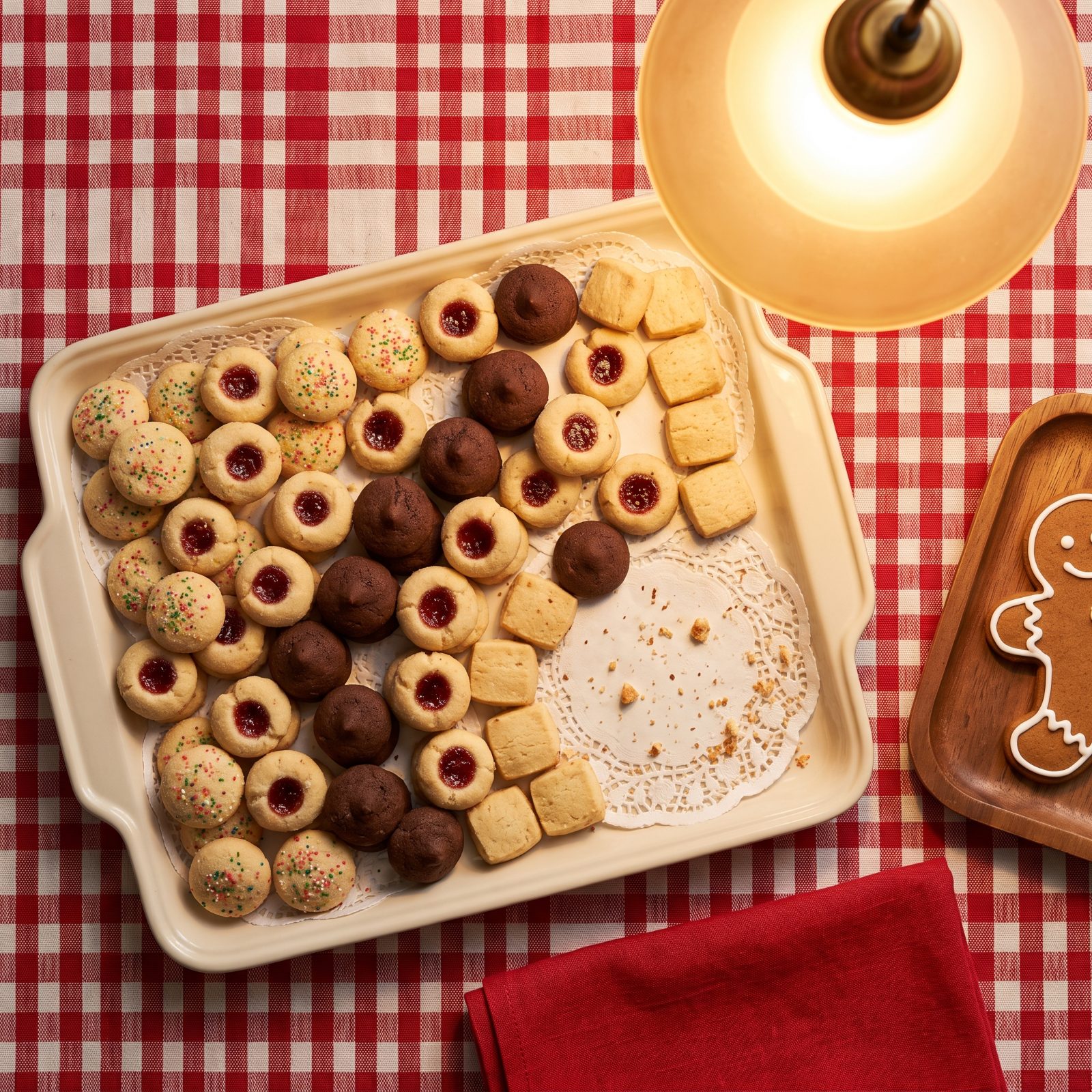
Small cookies feel like a free sample. Nobody commits to a dessert the size of their palm, but a two-bite round? That’s a yes before your brain weighs in. Here’s the sneaky math: three little cookies feel more generous than one big one, so guests take three.
The emptied corner on this tray tells the whole story. Little cookies go first because they carry no guilt and no commitment — you can try one and circle back without anyone noticing you’ve had five.
21. The Tray Featuring a Nostalgic Peanut Butter Blossom
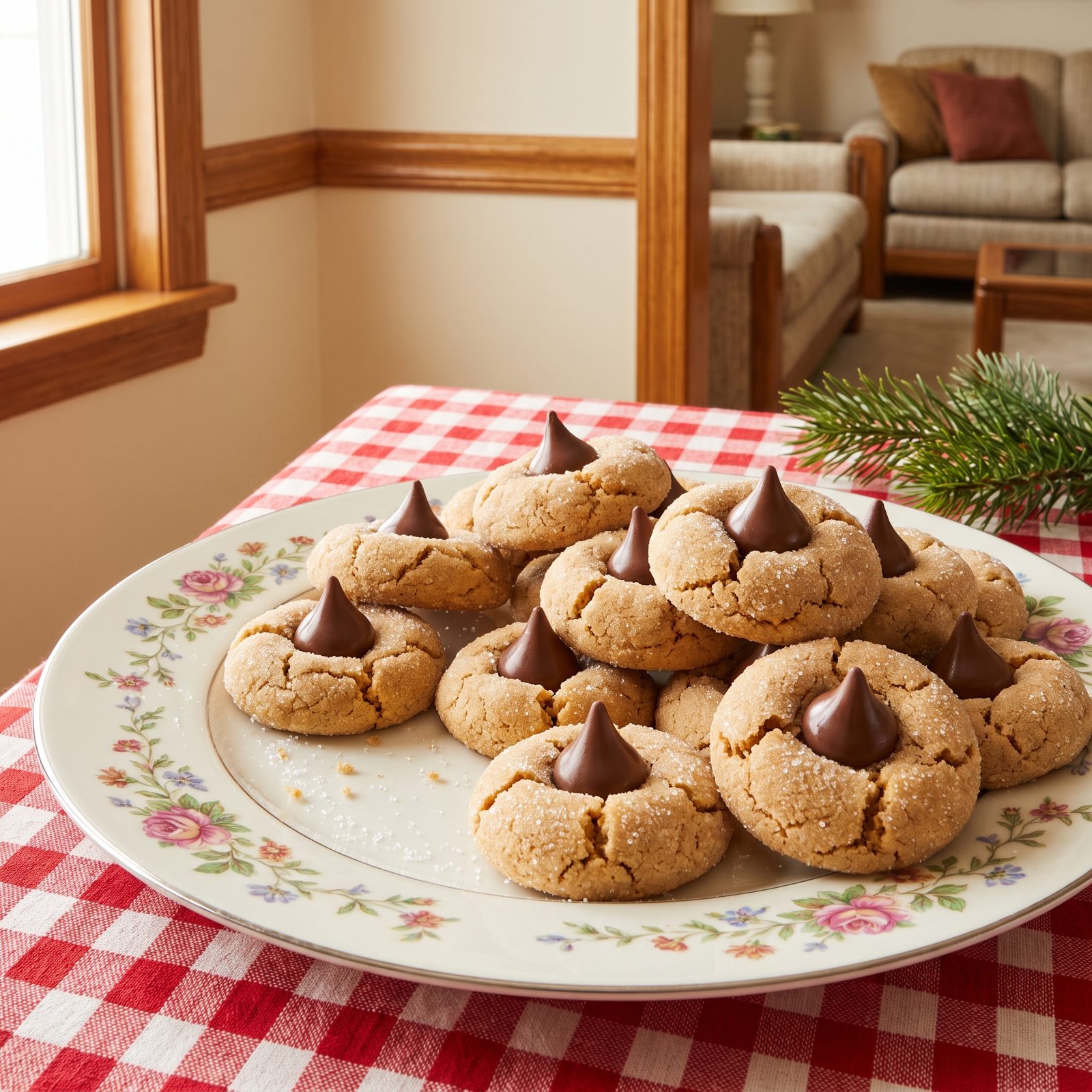
That chocolate kiss in the middle does something no other cookie on the tray can. It’s instantly recognizable from across the room, so people don’t even have to decide. They see the little chocolate promise poking up and their hand just remembers Christmases past.
Familiarity is a shortcut. When a guest scans a crowded tray, the blossom reads as a known quantity — no surprises, no weird flavor, just peanut butter and chocolate doing exactly what they’ve done for generations of holiday baking.
20. The Tray With Visible Chocolate Pools
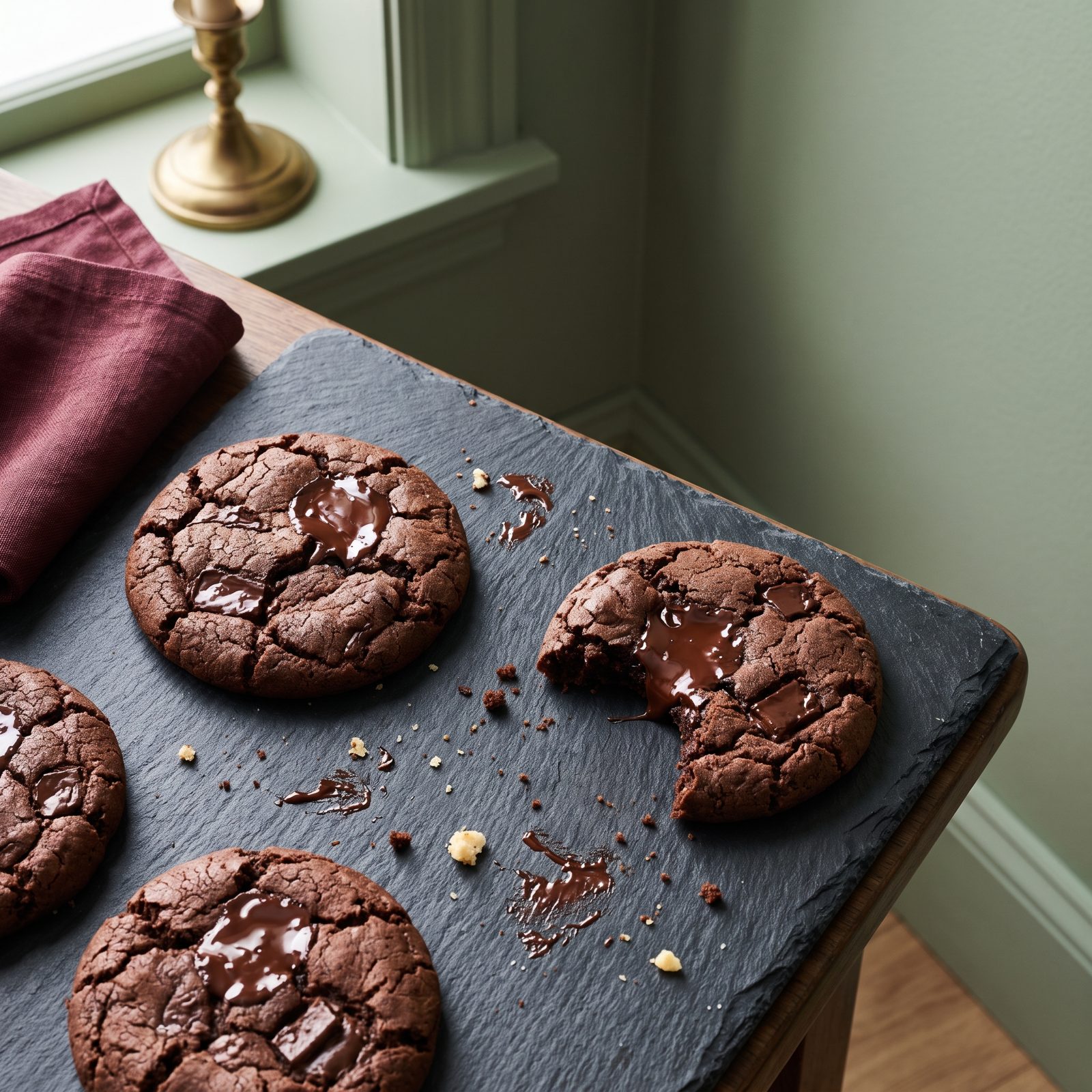
Hidden chocolate is a gamble. Visible chocolate is a guarantee. These cookies win because they show their hand — glossy pools right there on top, no need to hope there’s a chip buried somewhere inside.
Guests choose what they can verify. A cookie that advertises its best feature on its surface removes all doubt, and removing doubt is most of the battle at a dessert table.
19. The Tray With Thumbprints Filled With Jewel-Toned Jam
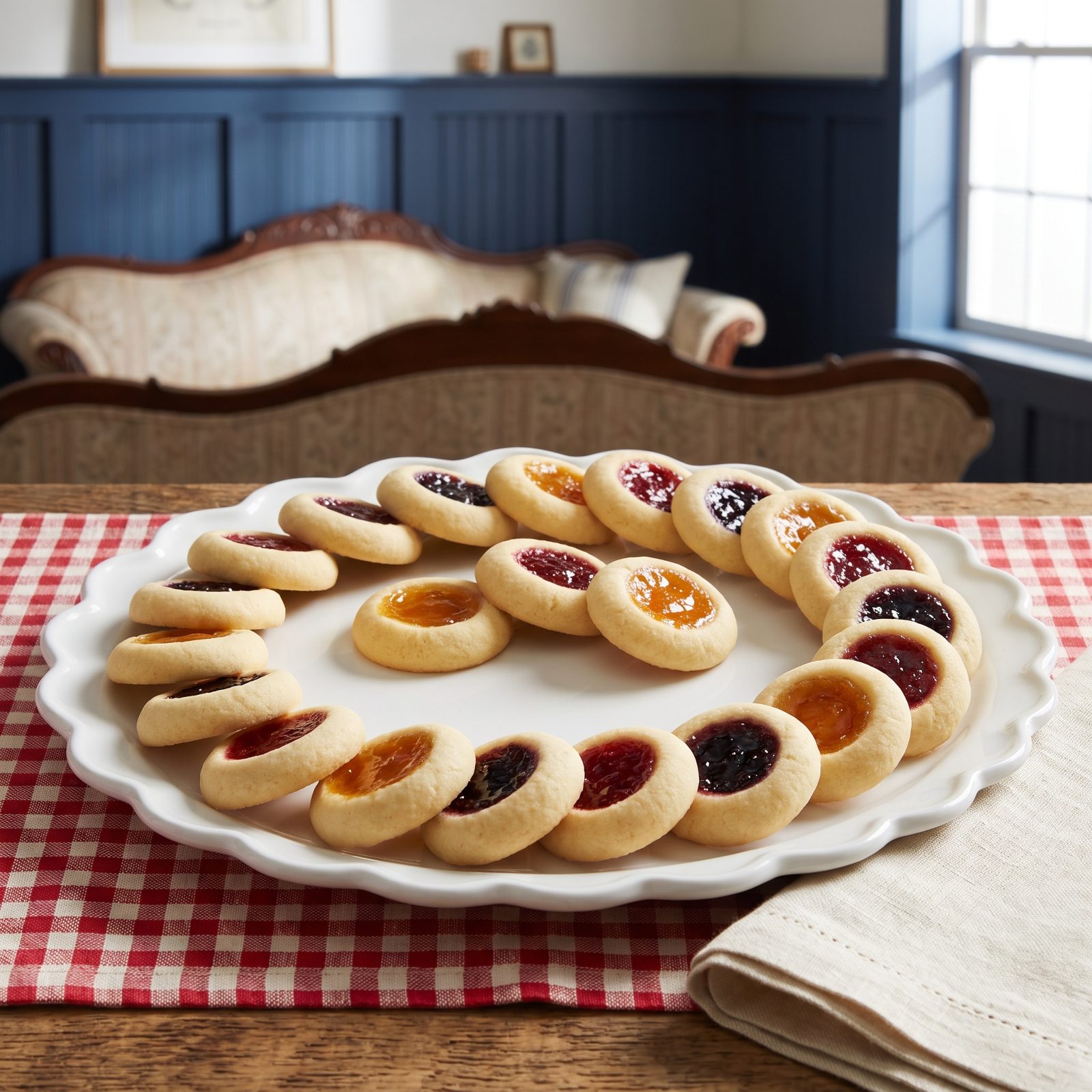
Color is a magnet. On a tray that’s mostly brown and beige, a dab of ruby jam glints like something precious, and the hand goes toward the brightest thing before the guest ever decides to.
These vanish because they pull double duty: they look like candy and taste like a cookie. The jam center also hints at variety, so a raspberry and an apricot feel like two separate desserts even though the dough underneath is identical.
18. The Tray With Soft Centers and Crisp Edges
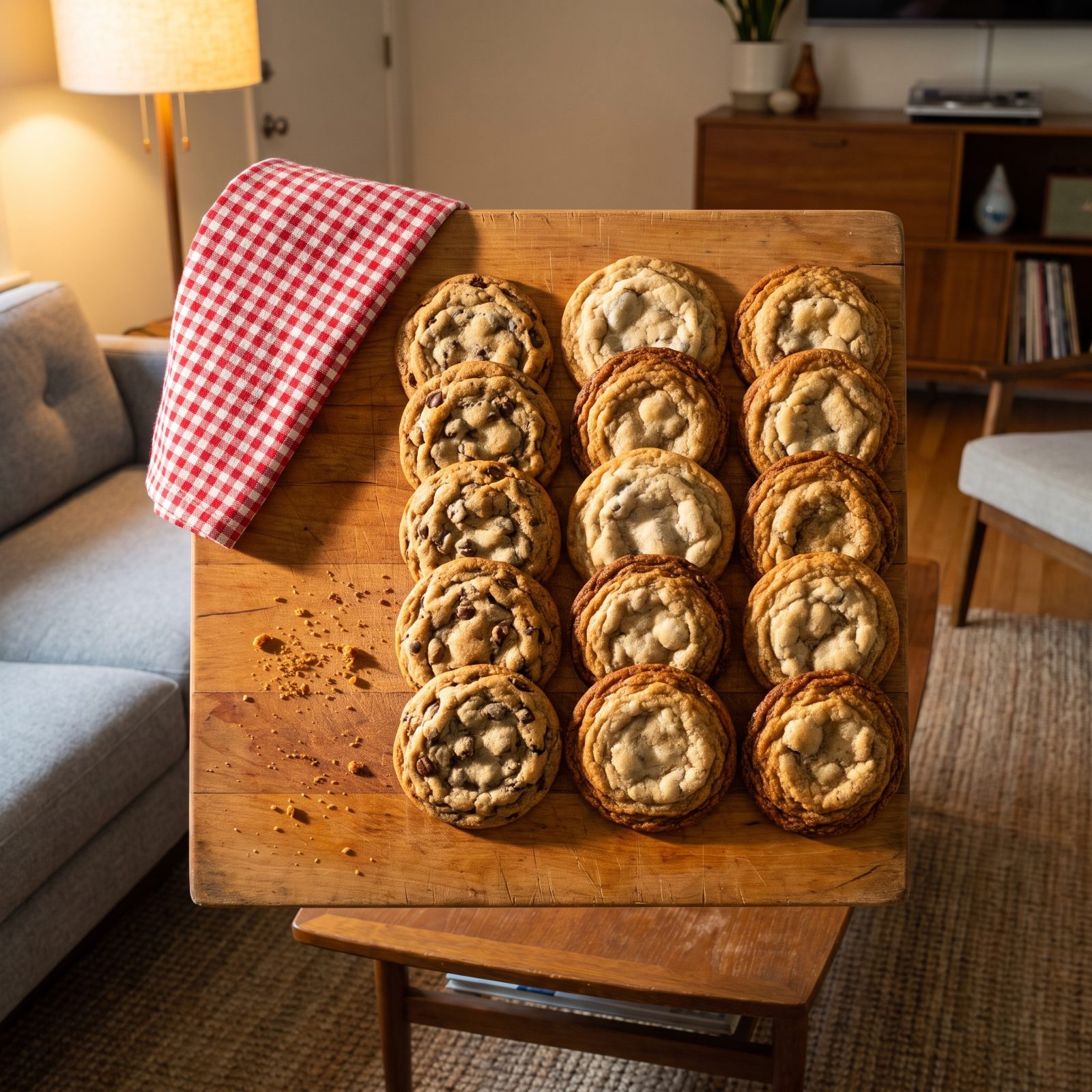
The best cookie texture isn’t one thing. It’s two things fighting pleasantly in the same bite — crisp edge, soft center. Your mouth gets the snap and the give at once, and that little war is exactly why people reach back for a second.
You can see it on these cookies before you taste it: browned rim, pale middle. Guests read that cue and know what’s coming. A cookie that’s one even color promises one even texture, while this one promises a small event.
17. The Tray With Salt Flakes on Dark Chocolate Cookies
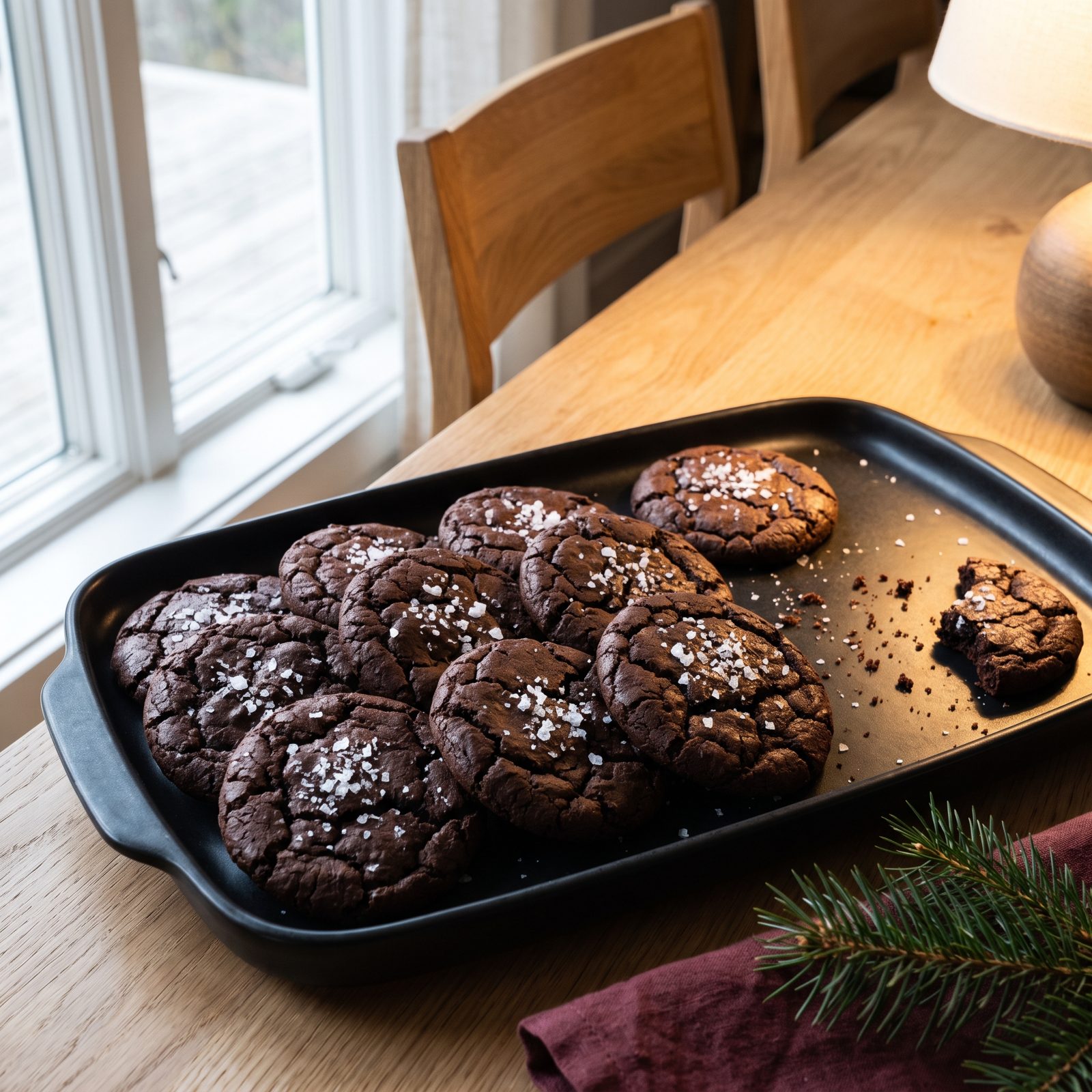
Salt on chocolate is the grown-up move, and grown-ups notice. On a tray otherwise built for the sweet tooth, these flaked cookies quietly announce that somebody in the kitchen knows what they’re doing.
The salt does more than taste good. It makes the chocolate read darker, richer, more serious. Guests who’ve had their fill of sugar drift over here because these promise a different experience — the one cookie on the whole table that isn’t sweet piled on sweet.
16. The Tray With Tart Lemon Cookies Between Rich Favorites
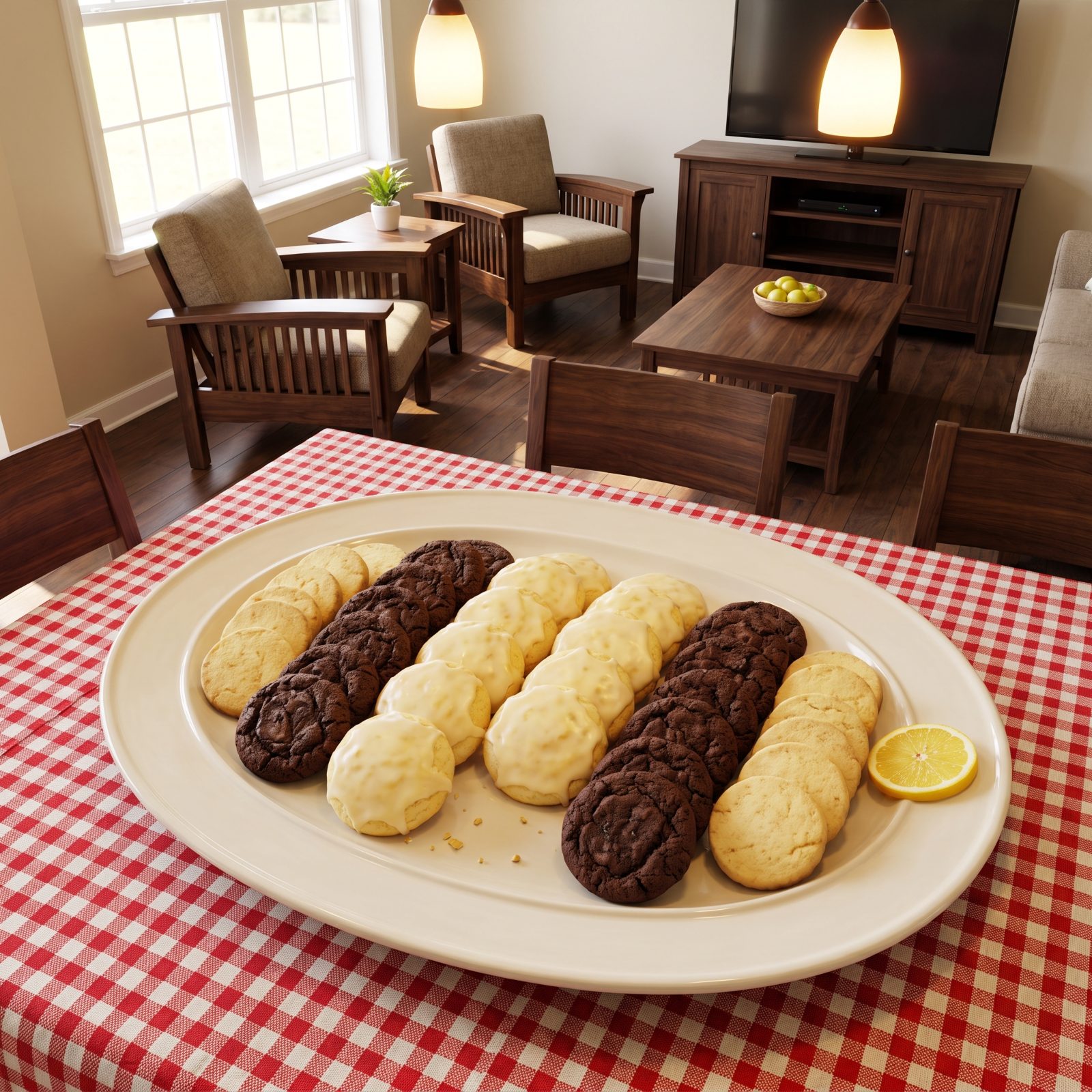
After three rich cookies, the palate wants a reset, and the lemon delivers it. Tart cuts clean through the butter-and-chocolate fatigue that sets in halfway down a dessert plate.
Where you put it matters. Set between heavy favorites, the lemon becomes the pause that makes the next rich cookie taste good all over again. Nobody says any of this out loud. They just notice they keep drifting back to the yellow ones and couldn’t tell you why.
15. The Tray Balancing Chocolate, Spice, Fruit and Butter
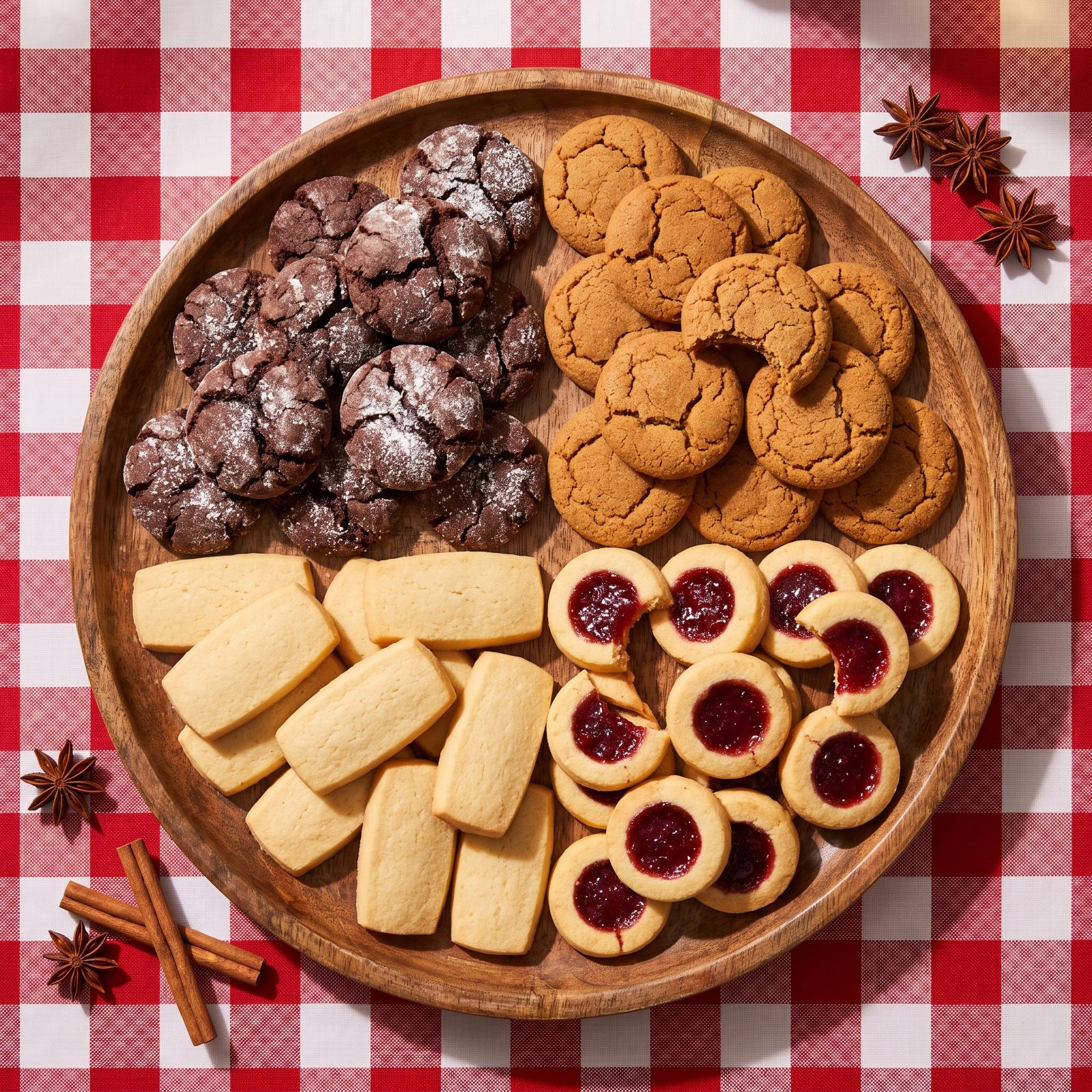
Variety invites grazing, and this tray gets that in a way the single-flavor tray never will. When a guest sees four clearly different cookies, they take four. One of each feels like a complete experience instead of a repeat.
Balance is the quiet engine underneath. Chocolate for the sweet tooth, spice for the traditionalist, fruit for the light eater, butter for the purist who thinks the rest of us are showing off. Nobody walks away empty-handed, because there’s a cookie waiting for every temperament in the room.
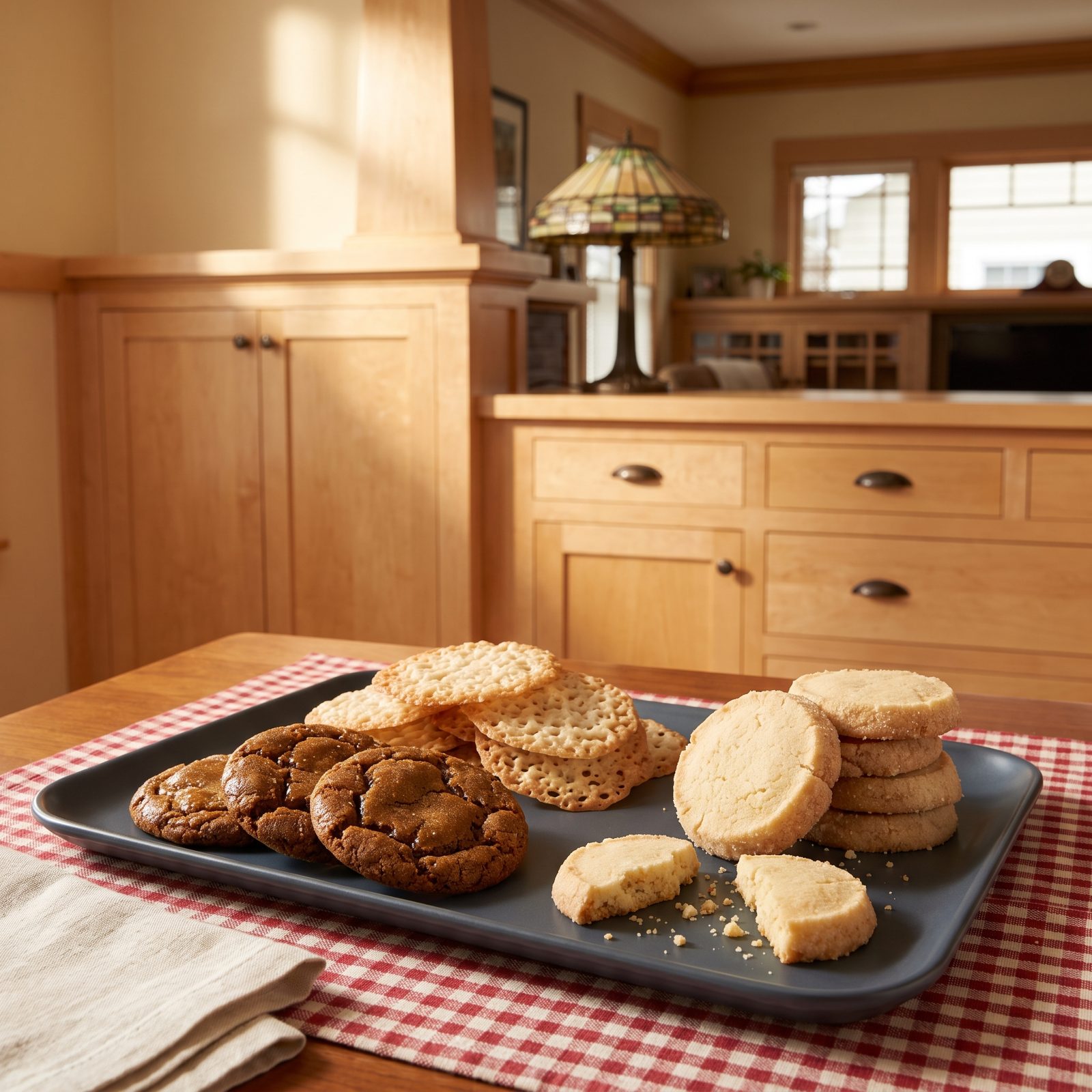
14. The Tray Combining Chewy, Crisp and Crumbly Textures
Would you like to save this?
A mouth gets bored. Three bites of the same chewy cookie and the appeal flattens — but set chewy next to crisp next to crumbly and suddenly each one tastes fresh against the last.
That’s why mixed-texture trays keep guests circling. The variety isn’t in the flavor, it’s in the mouthfeel. You eat a crisp lace cookie, then a chewy molasses, and the contrast resets your interest. A tray of one texture, no matter how good, hits a wall. This one never does.
13. The Tray Dusted Lightly With Powdered Sugar
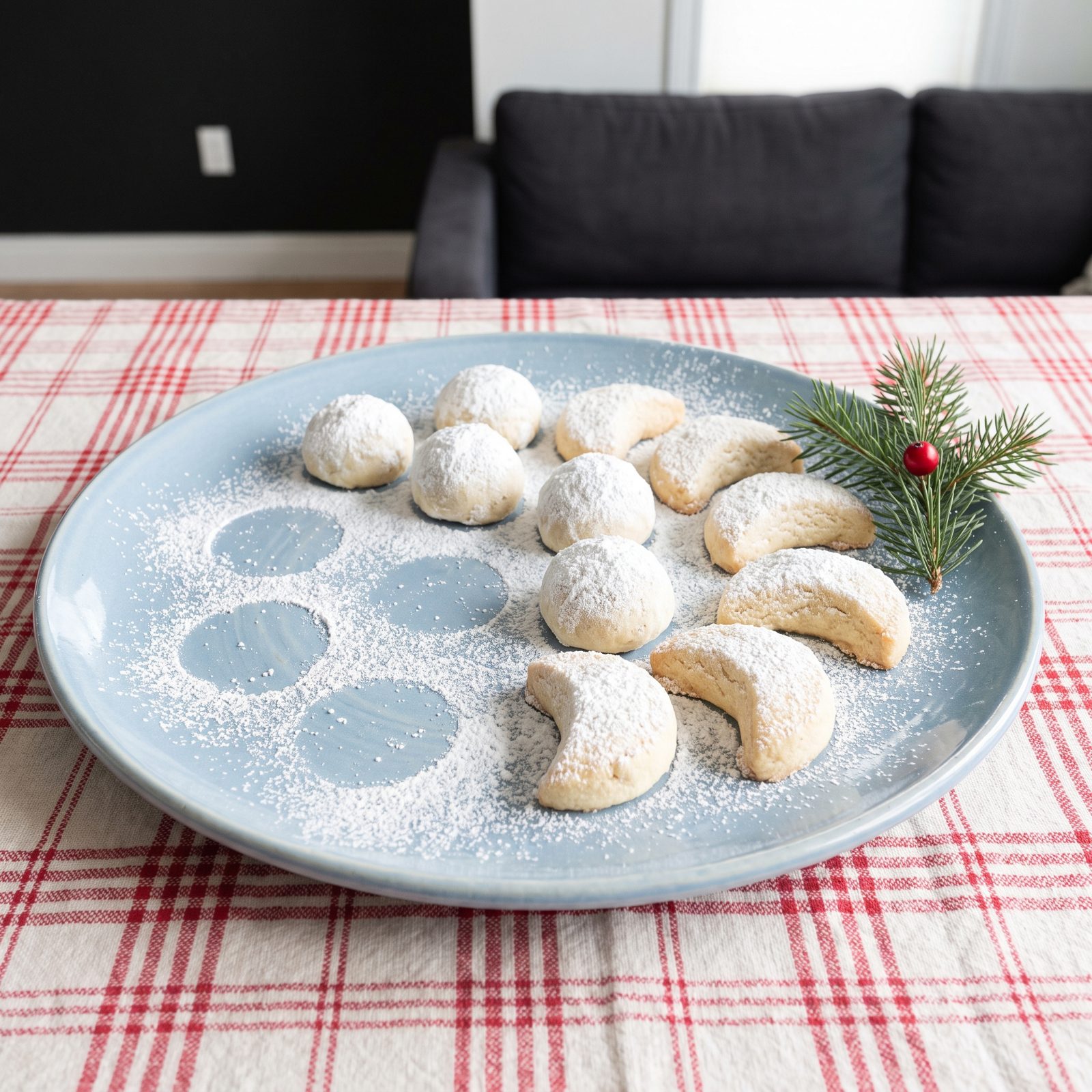
Powdered sugar is a costume. Underneath, these might be plain shortbread, but the snowy dusting makes them look like the most Christmas cookie on the entire table.
Presentation is doing all the heavy lifting. That light coat signals holiday, signals homemade, signals somebody cared. Guests reach for the ones that look like the occasion — and nothing says December quite like a cookie that looks dusted with fresh snow.
12. The Tray Offering One Dairy-Free Favorite
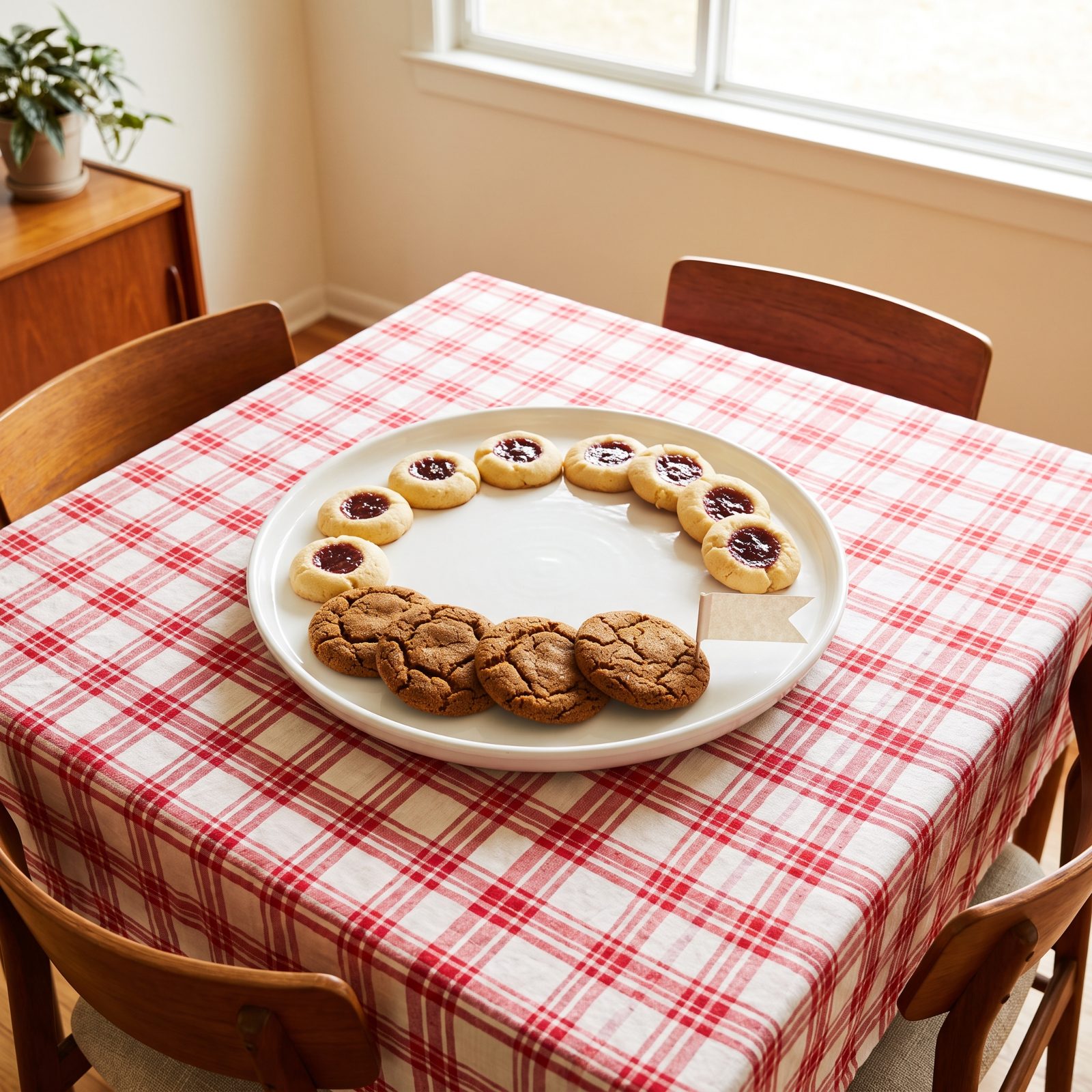
The dairy-free row empties first at every mixed gathering, and not because those cookies taste better. The one guest who can’t eat butter has been scanning the table since they walked in. They spot the molasses crackles, they relax, they take two. Then the omnivores notice the gap and grab them out of pure curiosity.
Scarcity does the work. A single safe option on a crowded tray reads as thoughtful, and thoughtful cookies vanish.
11. The Tray With Small Flavor Cards Beside Each Row
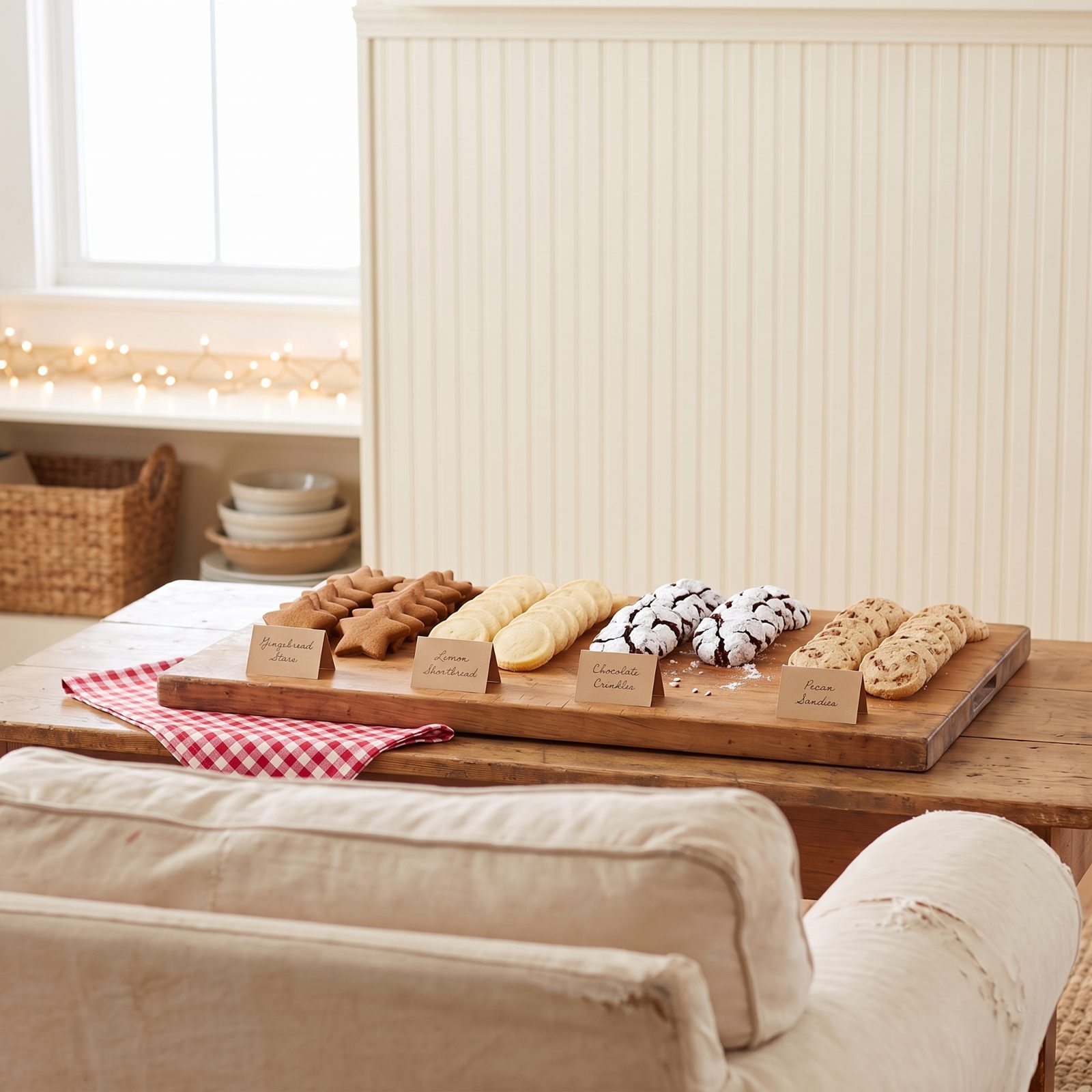
Label a cookie and you kill the one thing that stops people cold: uncertainty. Nobody wants to bite into what they think is chocolate and get a mouthful of espresso. Those little tent cards do quiet work, turning a guessing game into a confident grab.
We’ve watched a plate of unlabeled mystery cookies sit untouched right beside a labeled one that got cleaned out. Same cookies. The only difference was five folded index cards and somebody who cared enough to write on them.
10. The Tray With Clear Space Between Each Cookie
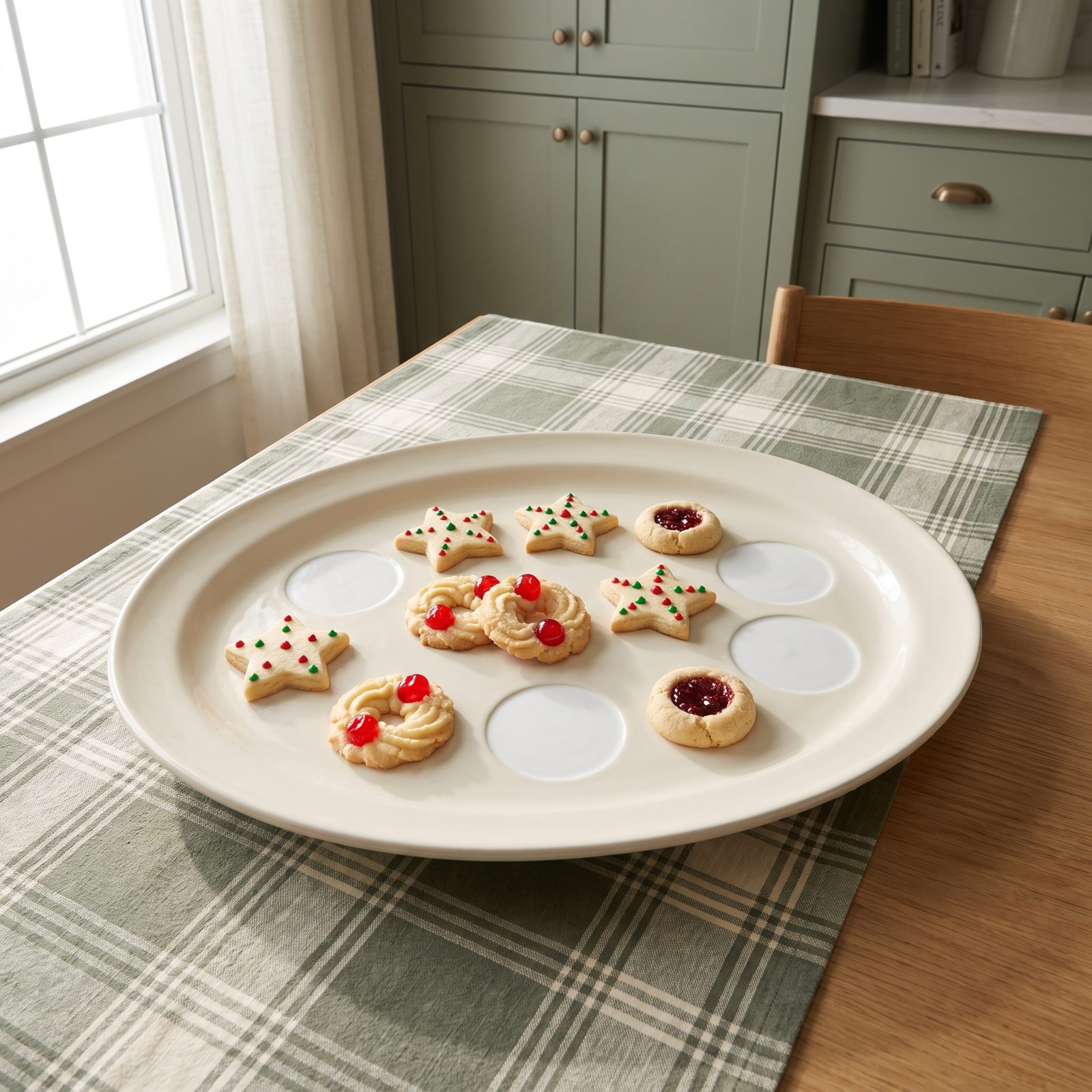
Give a cookie room and it suddenly looks worth taking. Crowd twenty of them edge to edge and the eye just reads a pile. Space them out, though, and each one becomes a choice.
The gaps also solve a practical headache nobody ever mentions: you can lift one cookie without your knuckles grazing three others, which matters more than anyone admits once there’s icing involved.
9. The Tray Arranged in Easy-to-Lift Rows
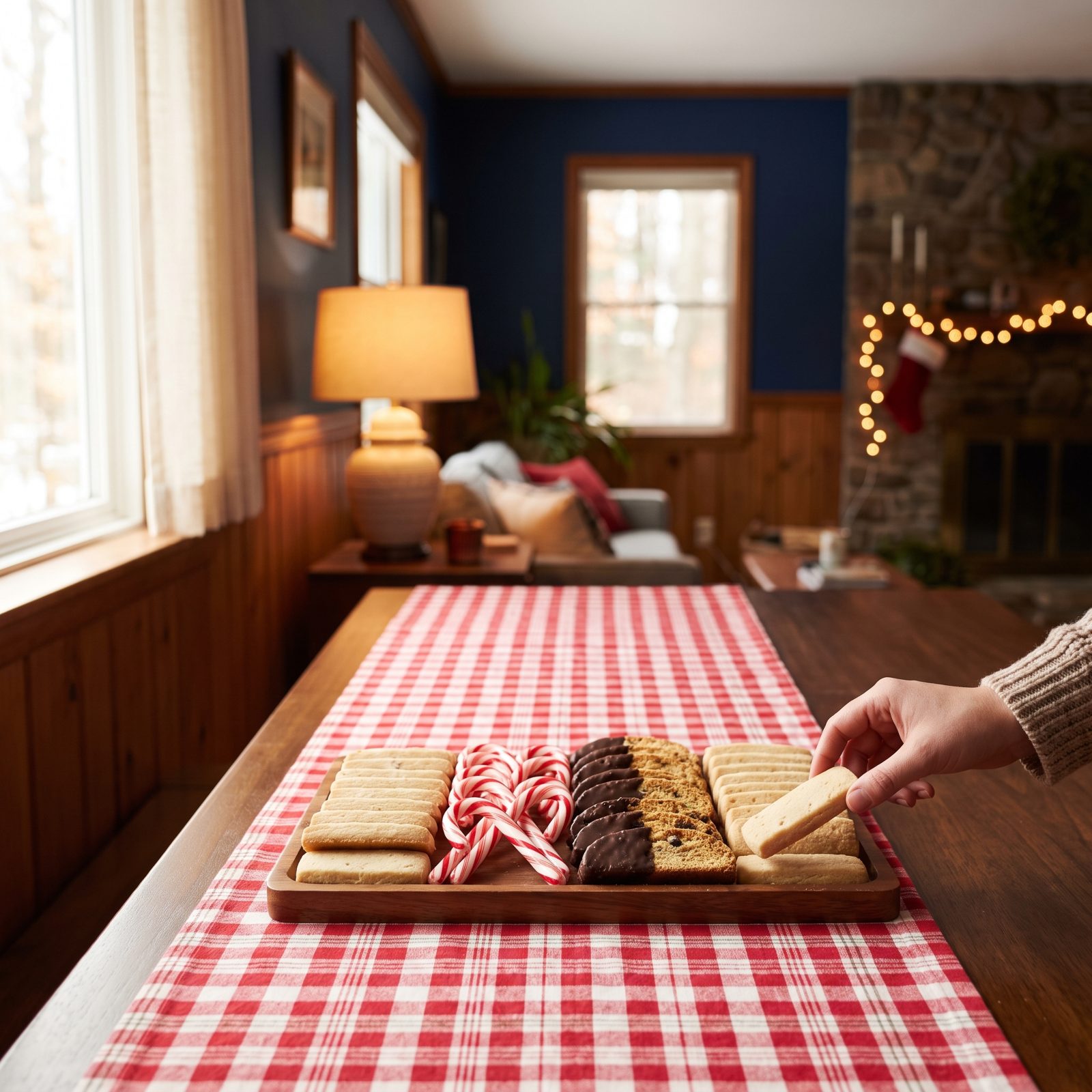
Neat rows with a finger’s width between cookies let a guest pinch one and lift it without a wrestling match. Sounds trivial. It isn’t. The cookie that demands two hands and a napkin gets skipped by anyone holding a drink, which at a party is pretty much everyone.
Make it a one-handed grab and the tray empties faster. Simple as that.
8. The Tray Stacked So High Nobody Wants to Disturb It
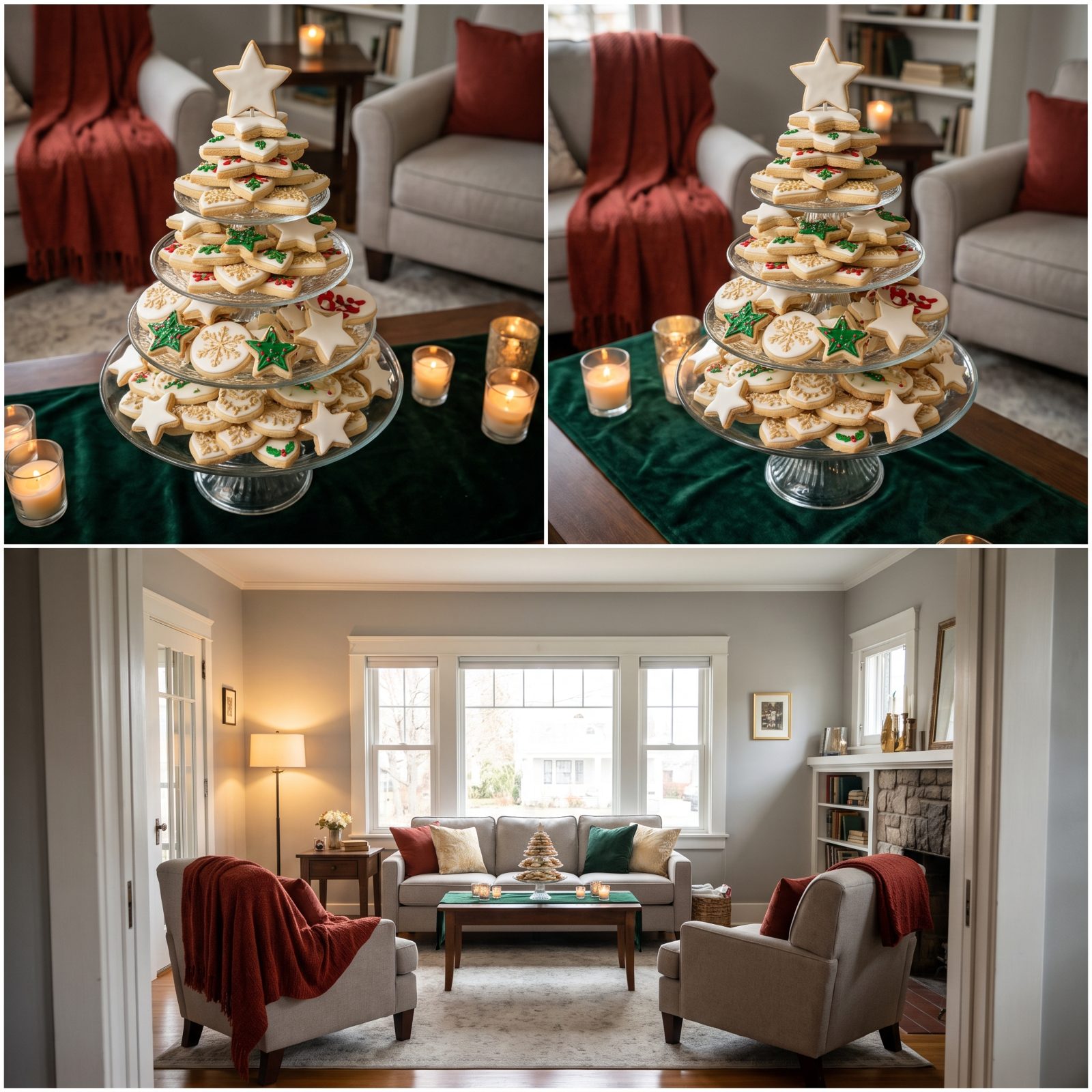
A tower this precise sends one message guests hear loud and clear: do not touch. The more careful the engineering, the more it reads as decoration rather than food. People admire it, photograph it, and then reach for the lazy plate of plain shortbread sitting next to it.
There’s a real cost to perfection. A cookie display that looks like it ate up forty minutes of someone’s evening feels rude to dismantle.
7. The Tray Where Delicate Cookies Are Crushed Under Heavy Ones
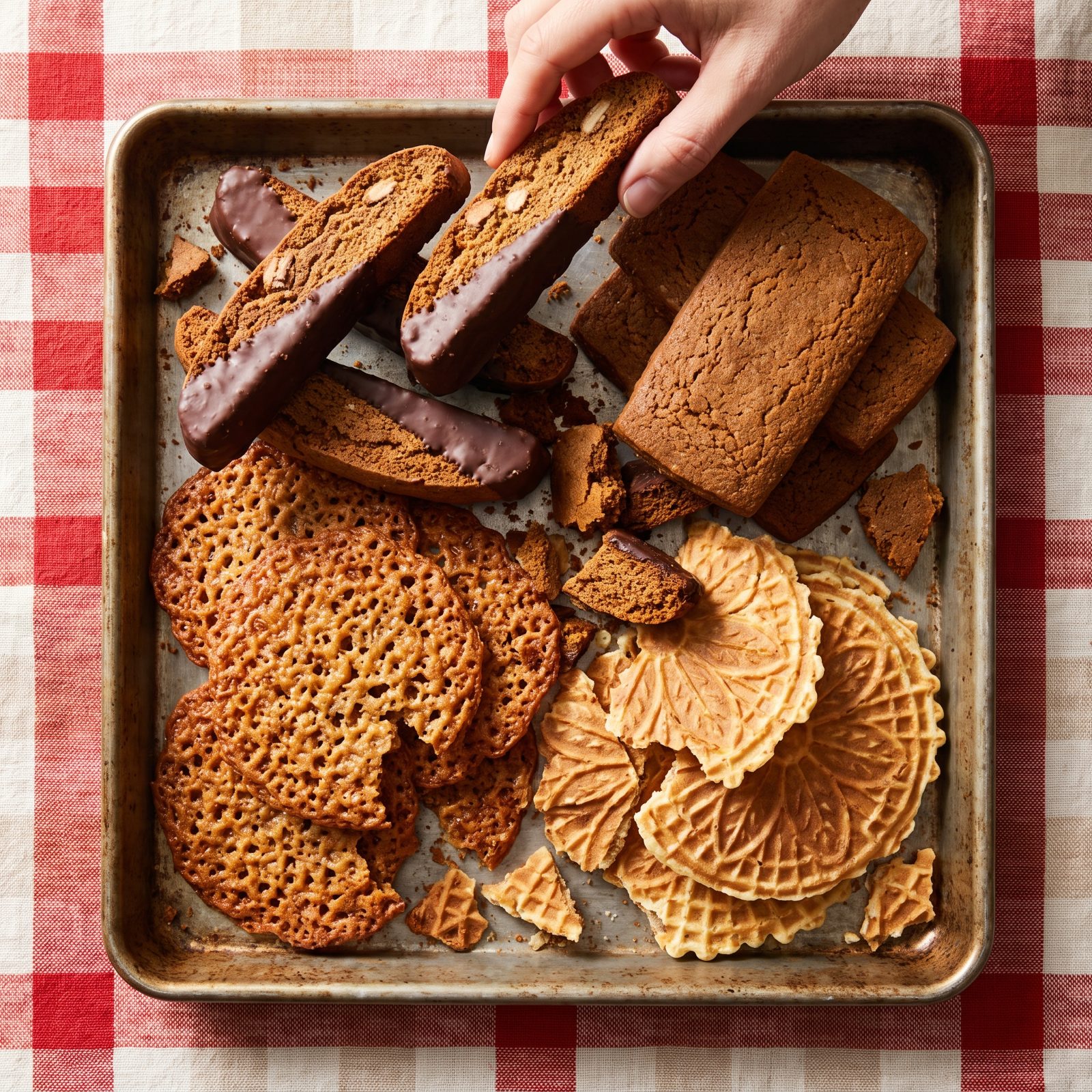
Stack a gingerbread brick on top of a lace cookie and you’ve quietly made the decision for your guests. The delicate ones get buried, they crack under the weight, and nobody chooses a shattered cookie when a whole one sits an inch away.
Weight hierarchy matters here. Sturdy cookies belong on the bottom or in their own zone. The thin, buttery, break-if-you-look-at-them ones need to ride on top or off to the side where nothing presses down. Get it backwards and your prettiest cookies turn into the crumbs at the bottom of the tray.
6. The Tray With Broken Cookies Removed Before Serving
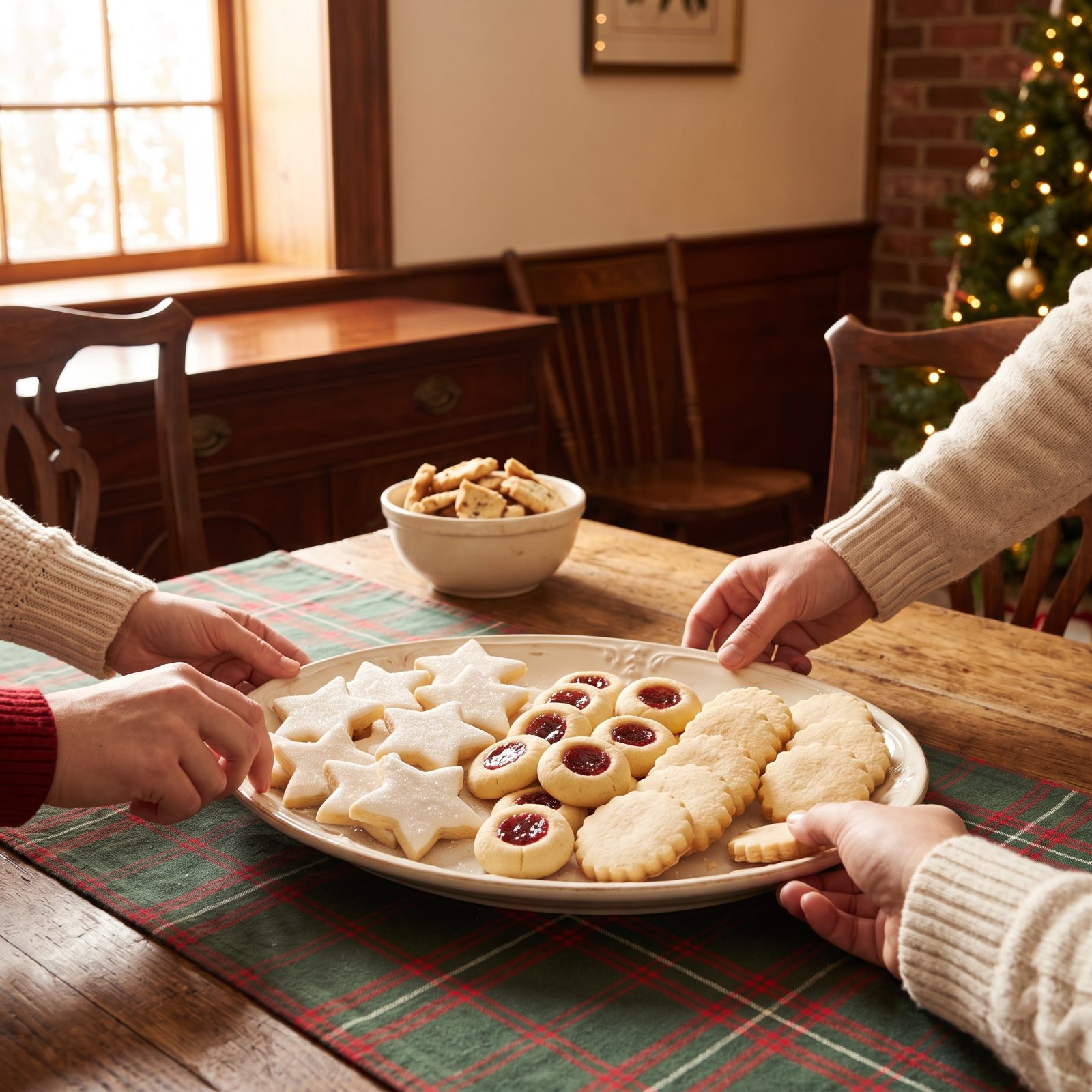
Culling the broken ones before anyone sees them is the single highest-return move on this whole list. A cracked cookie whispers leftovers, and nobody wants to feel like they’re eating the rejects.
Keep the damaged pieces back for yourself in the kitchen. The platter that goes out front should look like a first offer, never a second one.
5. The Tray That Leaves Crumbs and Smears Everywhere
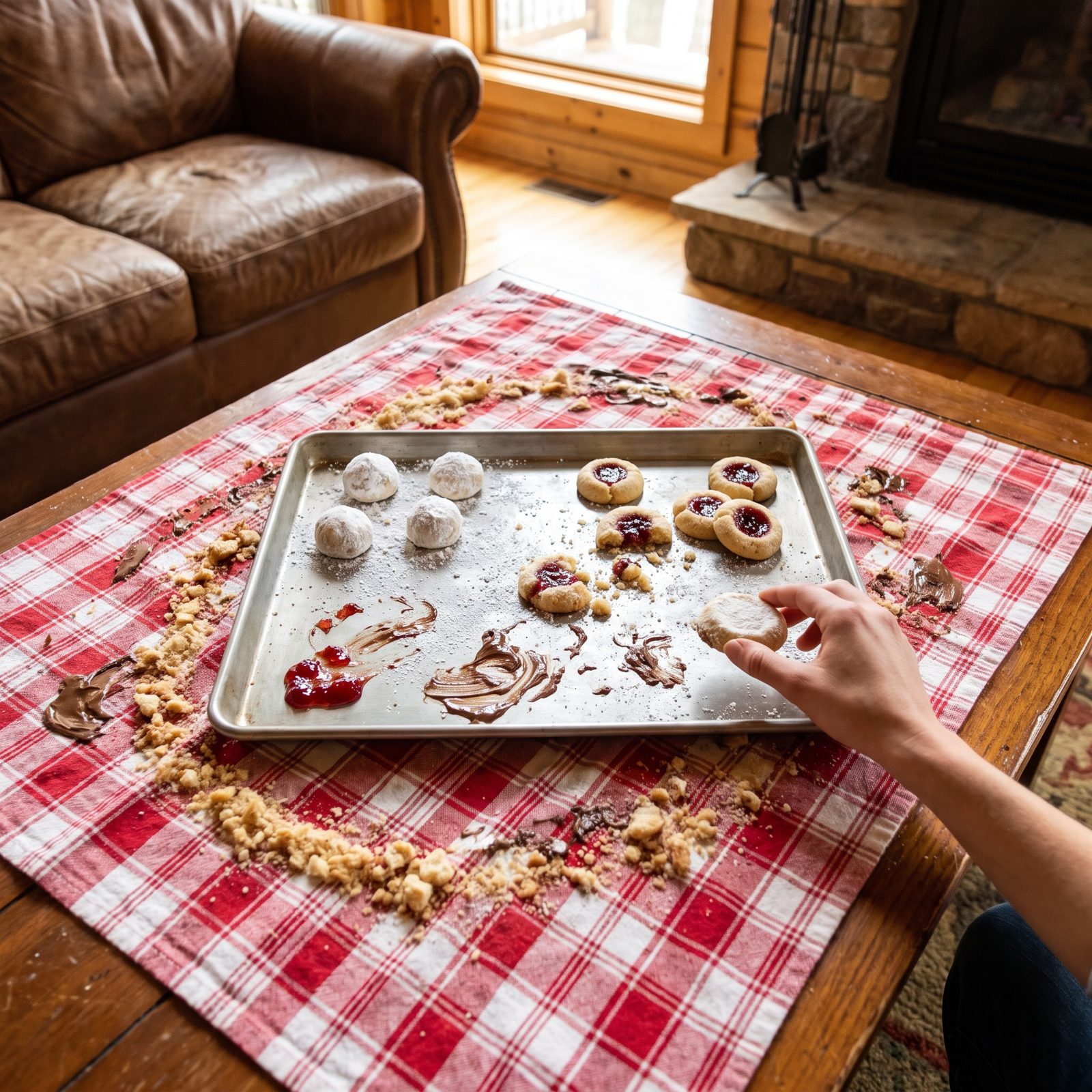
A tray ringed with powdered sugar and smeared chocolate makes people hesitate, and hesitation kills the grab. Nobody wants to reach into a mess and come away with sticky fingers and a dusted sweater sleeve.
The worst offenders are the shedders. Snowballs, powdered crescents, anything rolled in sugar. They taste great, they photograph beautifully, and they leave the whole tray looking like a crime scene by the second guest.
Corral the messy ones onto their own small plate. Contain the chaos and the clean cookies stay approachable.
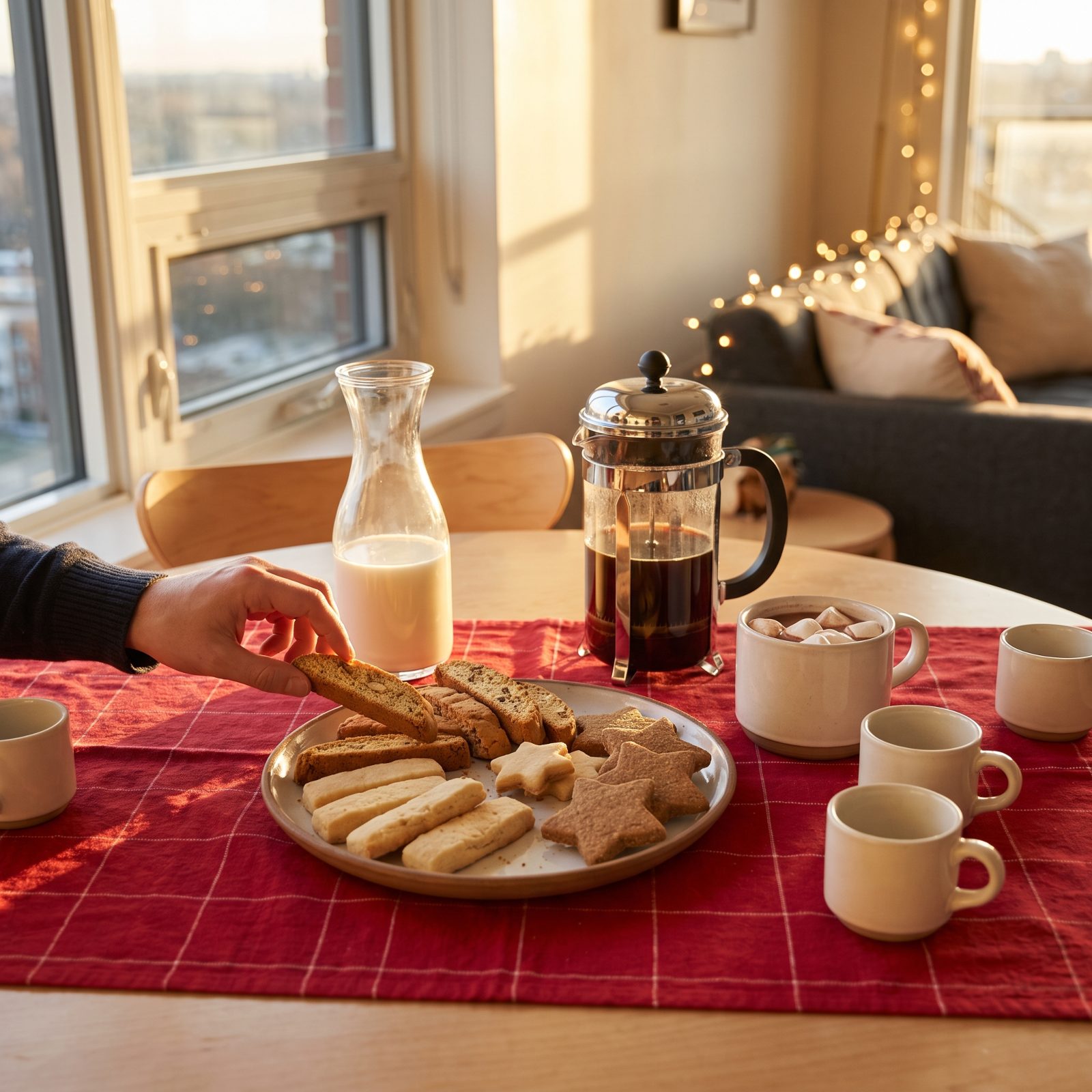
4. The Tray Served Beside Coffee, Milk and Hot Chocolate
Would you like to save this?
Set the cookies next to the drinks and watch the sturdy dunkers disappear first. A biscotti on its own is a weird, hard little thing. Beside a coffee it becomes the obvious choice.
Pairing hands people permission. Someone who wasn’t thinking about cookies at all suddenly wants one the second they pour a hot chocolate.
3. The Tray Displaying Every Cookie at Once
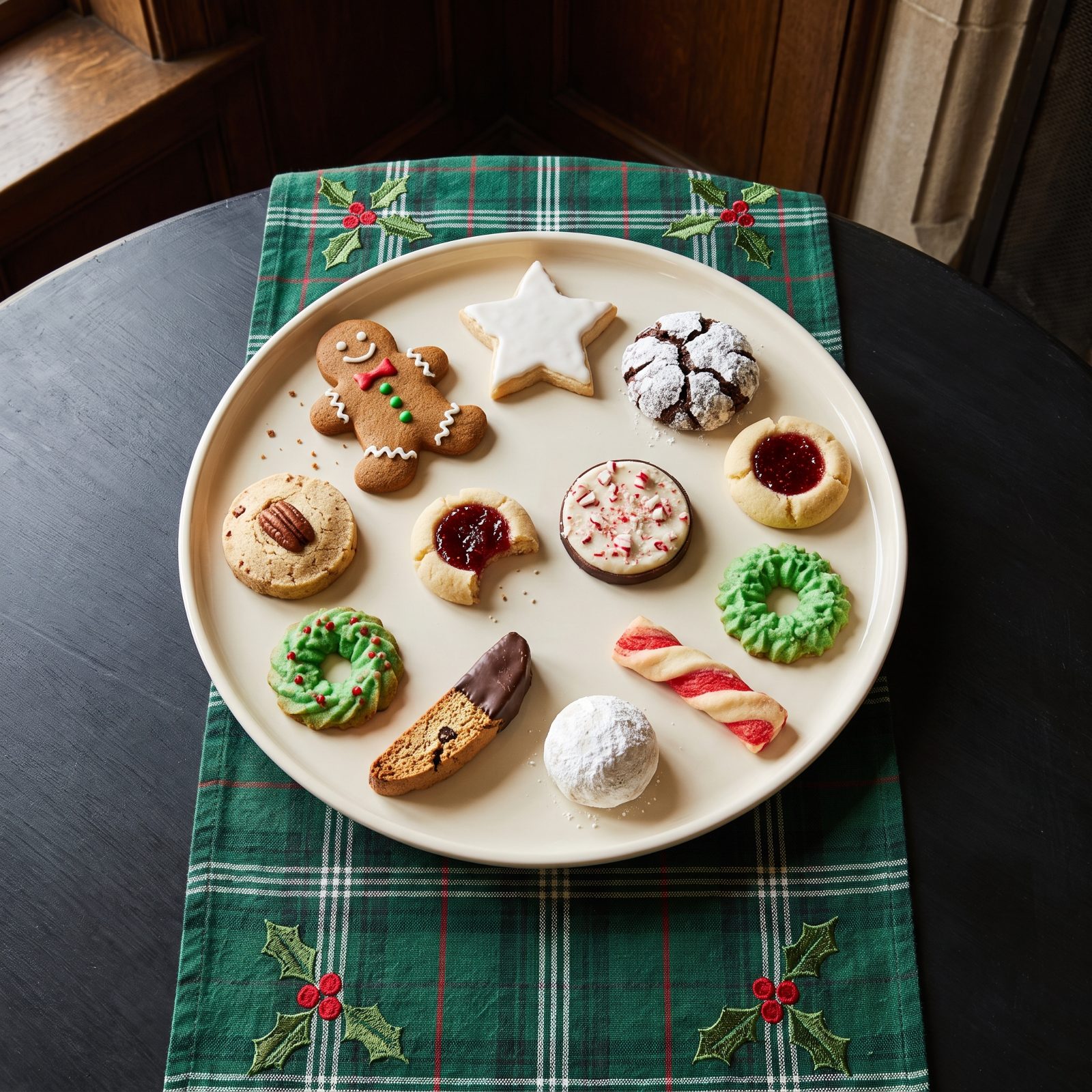
Show everything at once and guests get to choose with their eyes before a single hand moves. A tray that hides half its varieties under a top layer loses every cookie nobody can see. Out of sight really does mean out of reach.
A full, visible spread does something generous, too. It tells a guest the host wanted them to have options, and that read, more than any one flavor, is what lifts the first cookie off the plate. Lay it all out. Let the assortment talk.
2. The Tray Placed Out of Reach Behind the Centerpiece
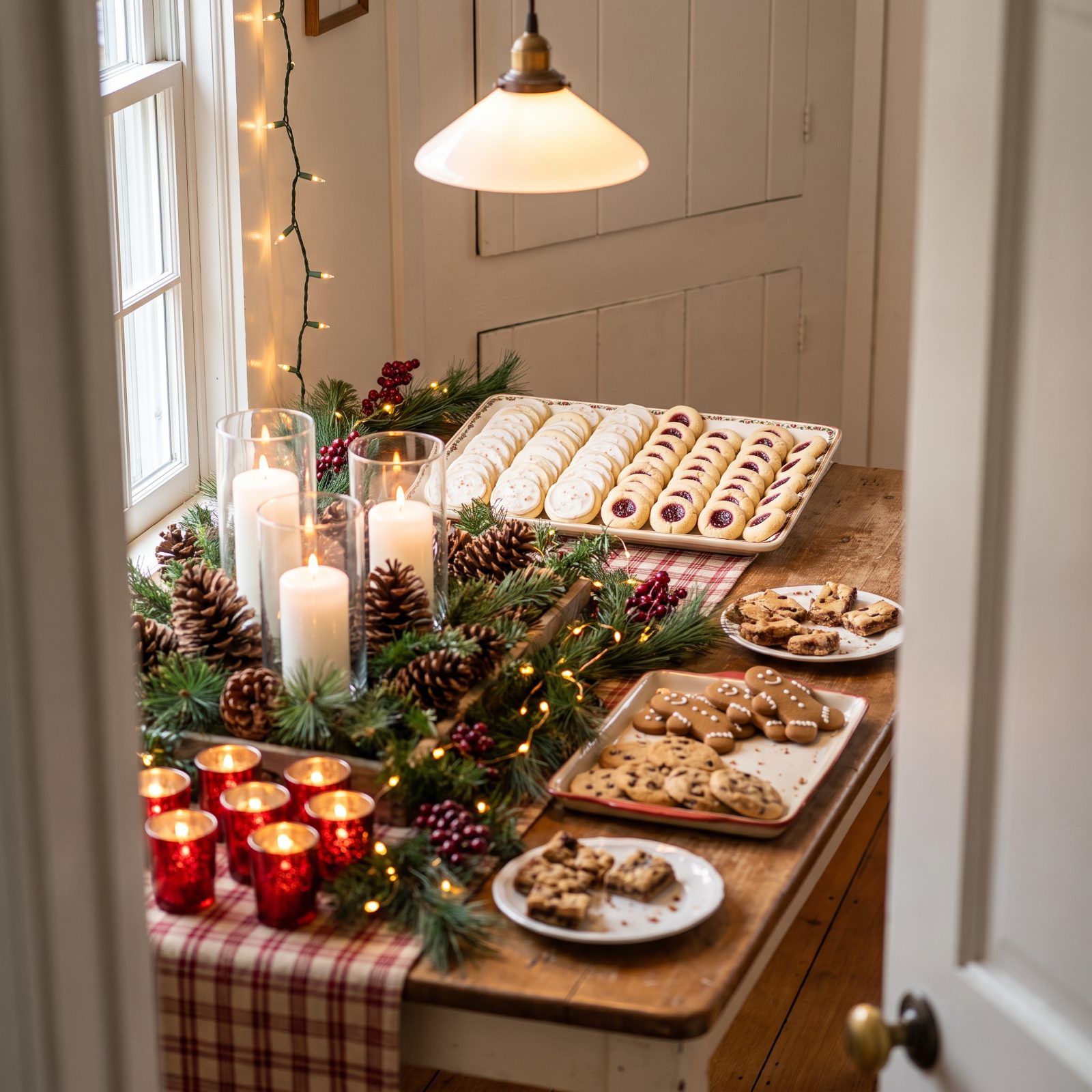
Put the best tray behind the centerpiece and nobody eats from it. Doesn’t matter how good the cookies are. If somebody has to lean over a candle arrangement and reach past the eggnog, forget it — they’ll grab the mediocre one sitting right in front of them.
We’ve all watched it go down at a party. Host spends a whole afternoon on delicate frosted sugar cookies, tucks the tray somewhere safe, and the things go home full. Reach decides everything here. A cookie at the table’s edge disappears three times faster than the exact same cookie parked eighteen inches deeper, and that’s not an exaggeration born of bitterness, we’ve counted.
1. The Tray Refilled in Small, Fresh Batches
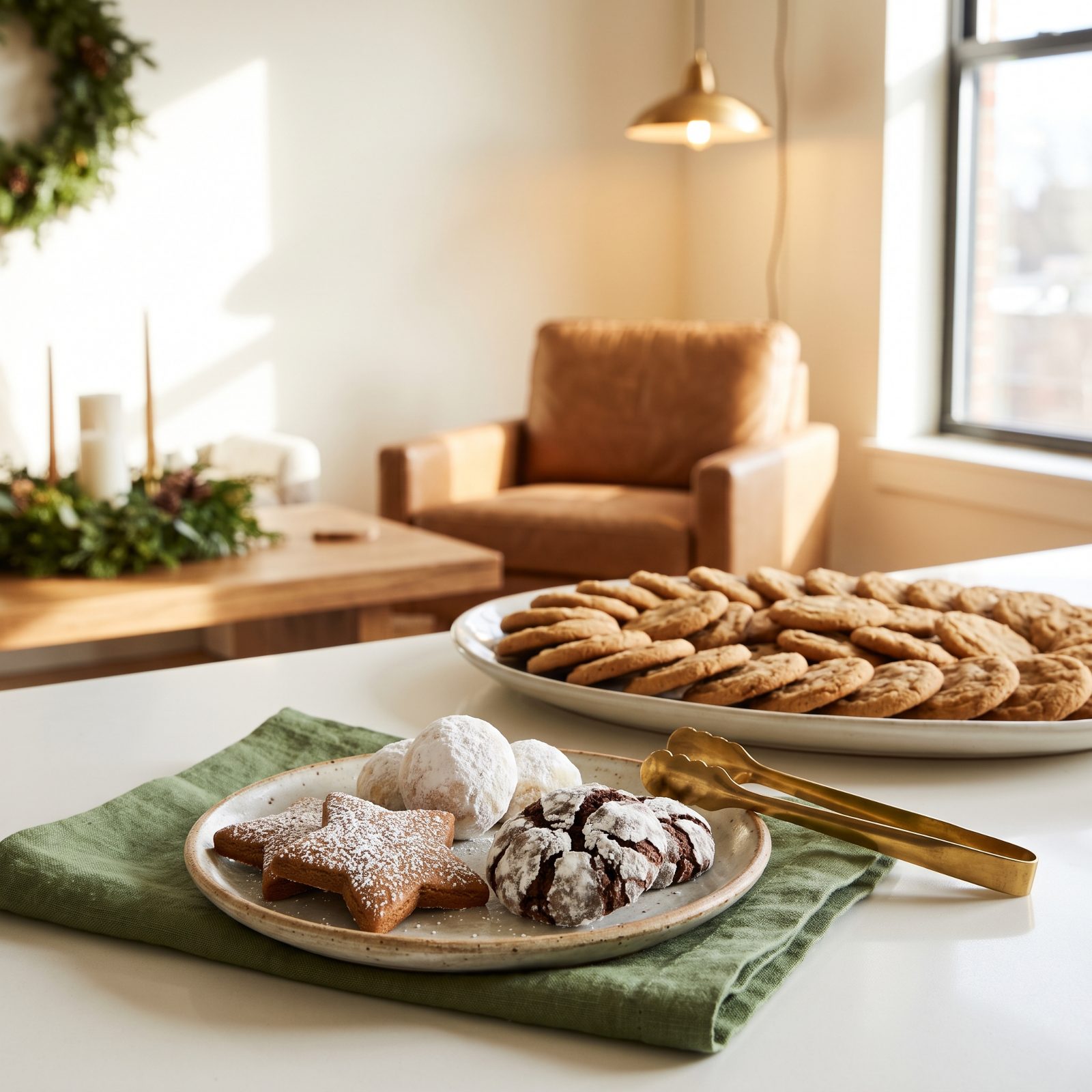
A small plate, kept topped up, beats a mountain of cookies every single time. Scarcity does the selling. When guests see six cookies instead of sixty, each one reads as special, worth grabbing before it vanishes. Pile a hundred on a platter and the brain files them as endless — which, somehow, makes them boring.
Then there’s freshness. Cookies left out for hours pick up that stale-air taste and a dried edge you can spot from across the room. Pull small batches from a hidden stash in the kitchen and they stay soft, looking like they just left the oven. A chocolate crinkle with those bright white cracks sells itself when it’s obviously brand new.
Caterers have run this trick forever and it costs nothing. Keep the bulk back. Refill often. Let a little emptiness do the work.