Would you like to save this?
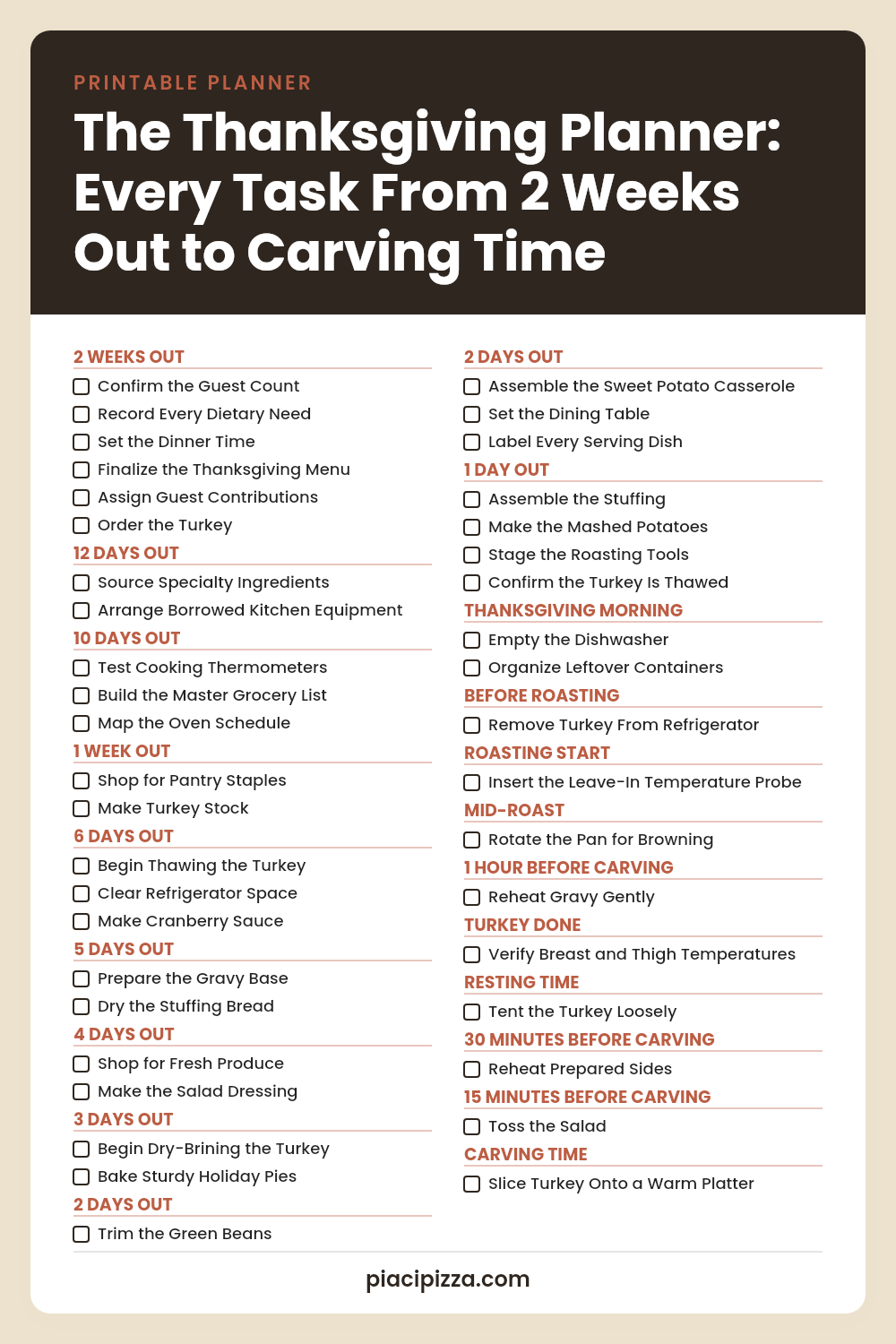
The turkey is never the problem. It’s the gravy you forgot needed a saucepan while three other things wanted the stove, and the cousin who mentions a dairy allergy as she’s hanging up her coat. Thanksgiving falls apart in the planning, not the cooking. This planner walks the front half of the job — the quiet two weeks nobody photographs, the calls and lists and thermometer checks that decide whether dinner feels like a meal or a fire drill. The printable version waits at the bottom. Start ticking.
2 Weeks Out: Confirm the Guest Count

A headcount is not the number of people you invited. It’s the number who are actually coming, confirmed with their own mouths, including the sister-in-law’s new boyfriend nobody mentioned until now. Guess high and you cook a turkey that could feed a firehouse. Guess low and someone’s eating stuffing off a dessert plate.
Text everyone directly and ask for a yes or no, not a maybe. Count kids as half-portions and teenage boys as one and a half. Write the final number somewhere you’ll see it, because you will forget it by Tuesday. I once bought for fourteen and fed nine, and the leftovers lasted into December.
2 Weeks Out: Record Every Dietary Need
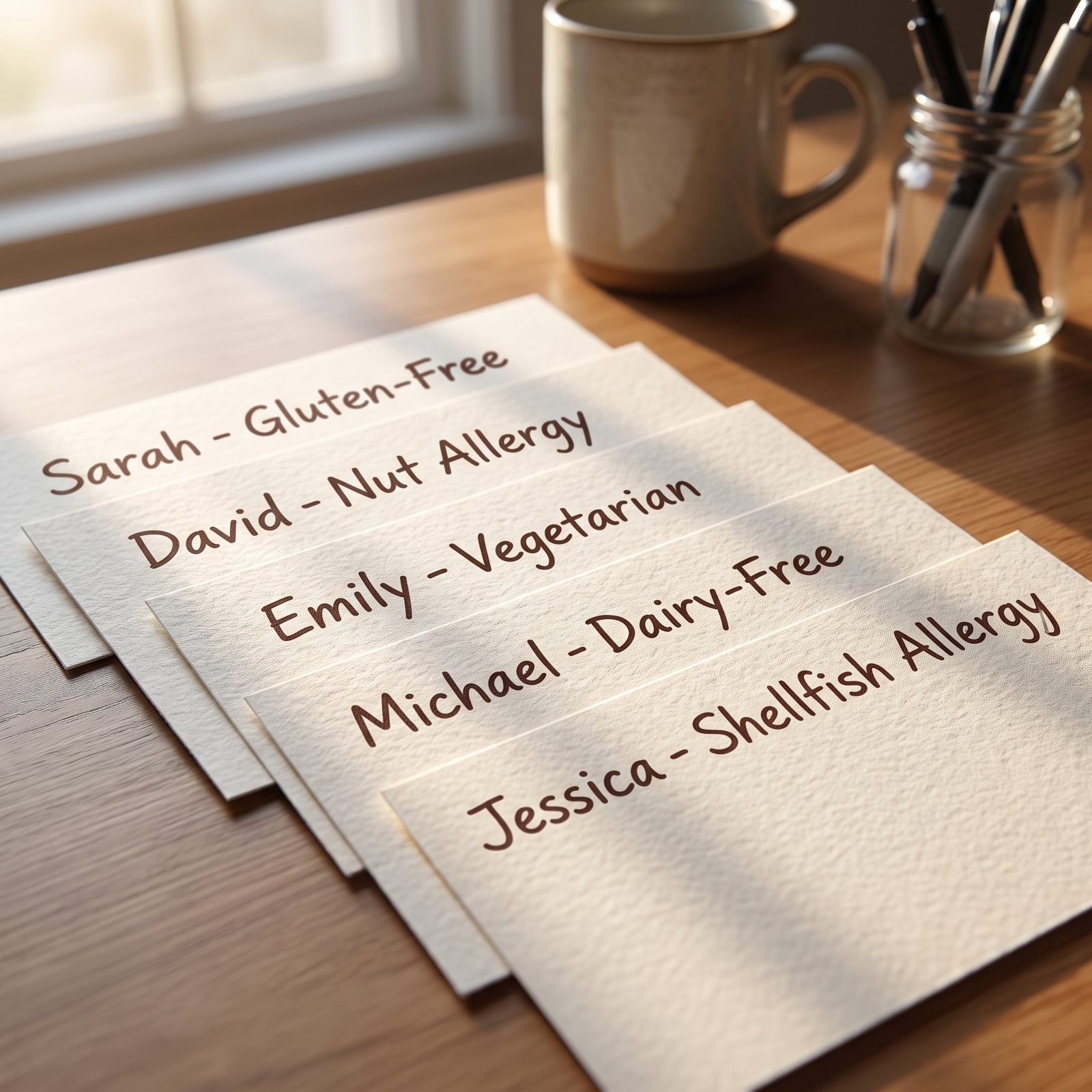
The worst time to learn about an allergy is when a guest is staring at the green bean casserole wondering which ingredient will send her to the hospital. Ask now — and not just the big ones. Nuts, shellfish, gluten, dairy, sure, but the quiet preferences too: the vegetarian nephew, the uncle who swears off onions, the cousin doing low-sugar.
Write each need next to the person’s name so you remember who it belongs to, then mark which dishes already work and which need a swap or a separate pan. One clearly labeled vegetarian side saves a whole evening of apologizing. Honestly? People remember being accommodated longer than they remember the turkey.
2 Weeks Out: Set the Dinner Time
Pick the exact hour you’ll put food on the table and announce it loud. “Afternoon” is not a time. “Around four-ish” is how you end up carving at six while the mashed potatoes form a skin.
Work backward from that hour. A turkey needs to rest for a good half hour or more after it comes out, and you need the oven free for the sides during that window — so set dinner, then set the pull-out time, then the go-in time. Tell guests to arrive about an hour before you eat, not the same minute, or you’ll be basting with a drink in someone’s hand and a toddler on your leg.
2 Weeks Out: Finalize the Thanksgiving Menu
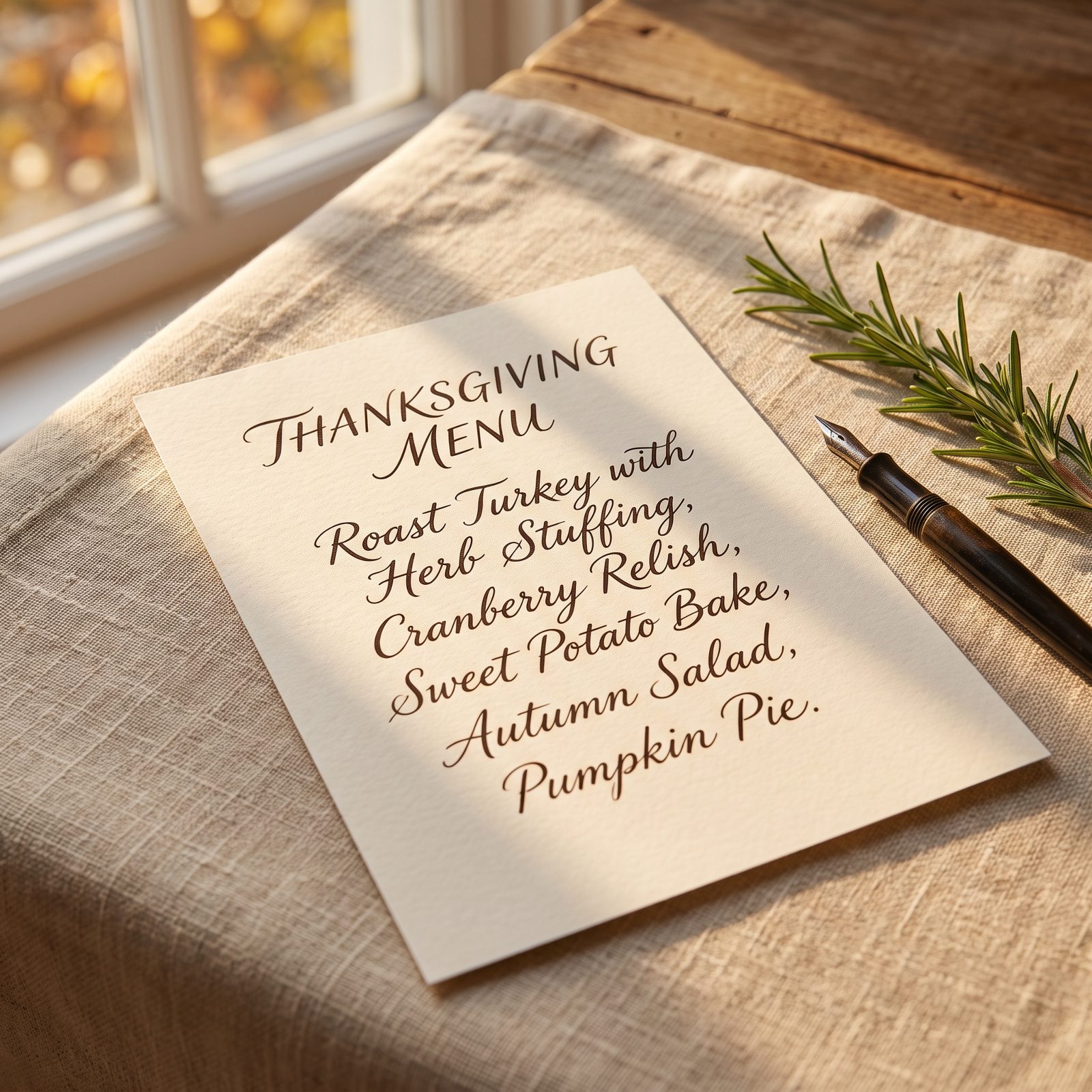
Lock the menu now so you stop adding to it. This is where ambition goes to die. You start with turkey and three sides, and by Tuesday you’ve promised two pies, a soup course, and some dish you saw someone make on television.
Count your oven racks and your stovetop burners, then count your dishes against them. If six things need 350 degrees at the same moment, something isn’t happening. Balance the make-ahead items against the last-minute ones. Cranberry sauce, pie crust, and cornbread for stuffing can all be done days early. Leave the oven, the day of, for the bird and whatever absolutely must be hot.
A menu is a promise to your own two hands. Don’t promise more than they can lift.
2 Weeks Out: Assign Guest Contributions
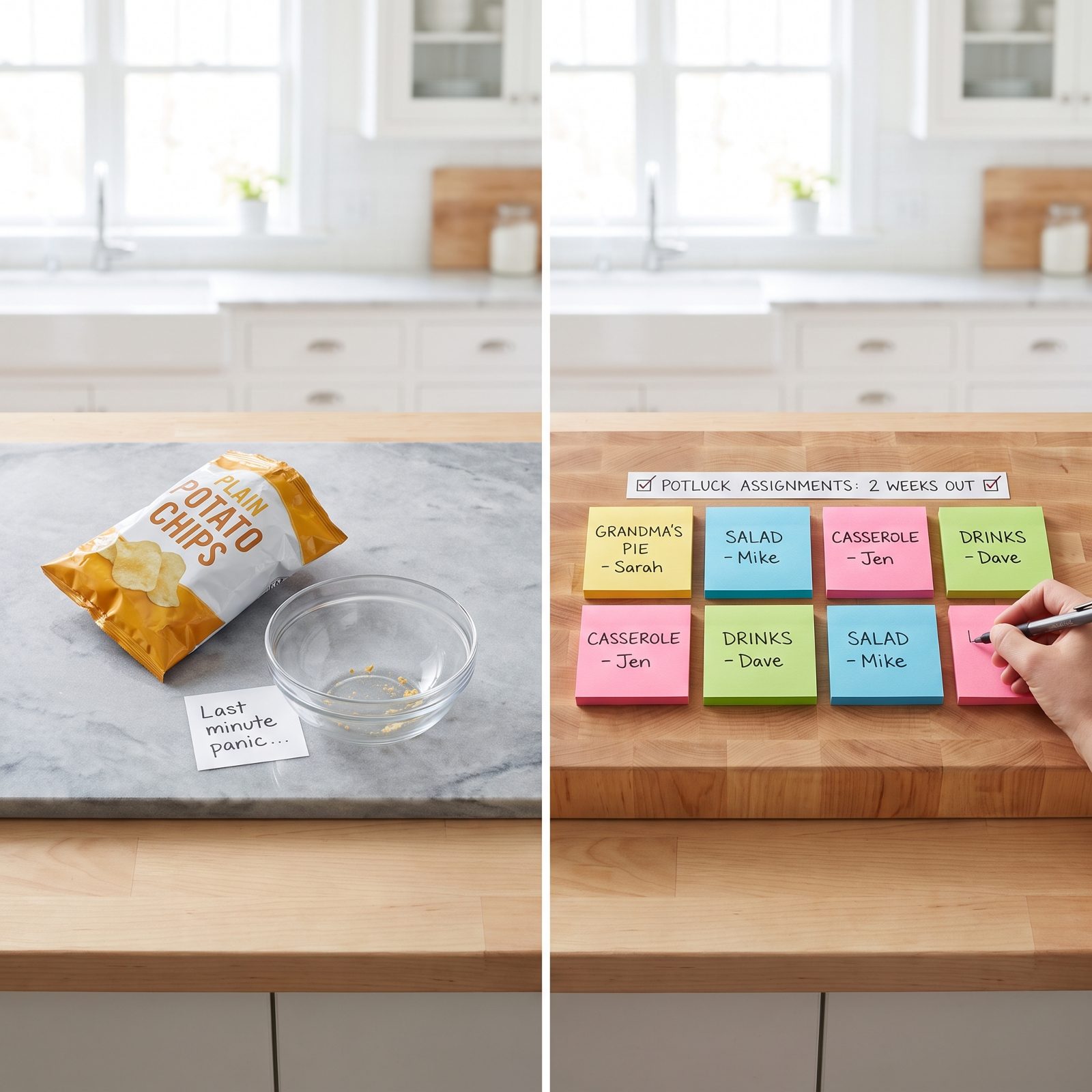
People want to help. What they can’t do is read your mind. “Bring whatever” gets you four bags of chips and no rolls.
Assign specifically. Aunt Carol brings the pies she’s famous for. Your brother handles wine and ice. The friend who can’t cook brings a cheese board — zero cooking, and she still feels useful. Match the dish to the person’s skill and their drive time. Nobody should transport gravy ninety minutes.
Keep the oven-dependent things for yourself and hand out the room-temperature and reheatable ones. And ask them to bring it in its own serving dish with its own spoon. You will not have a spare serving spoon by three o’clock. Nobody ever does.
2 Weeks Out: Order the Turkey
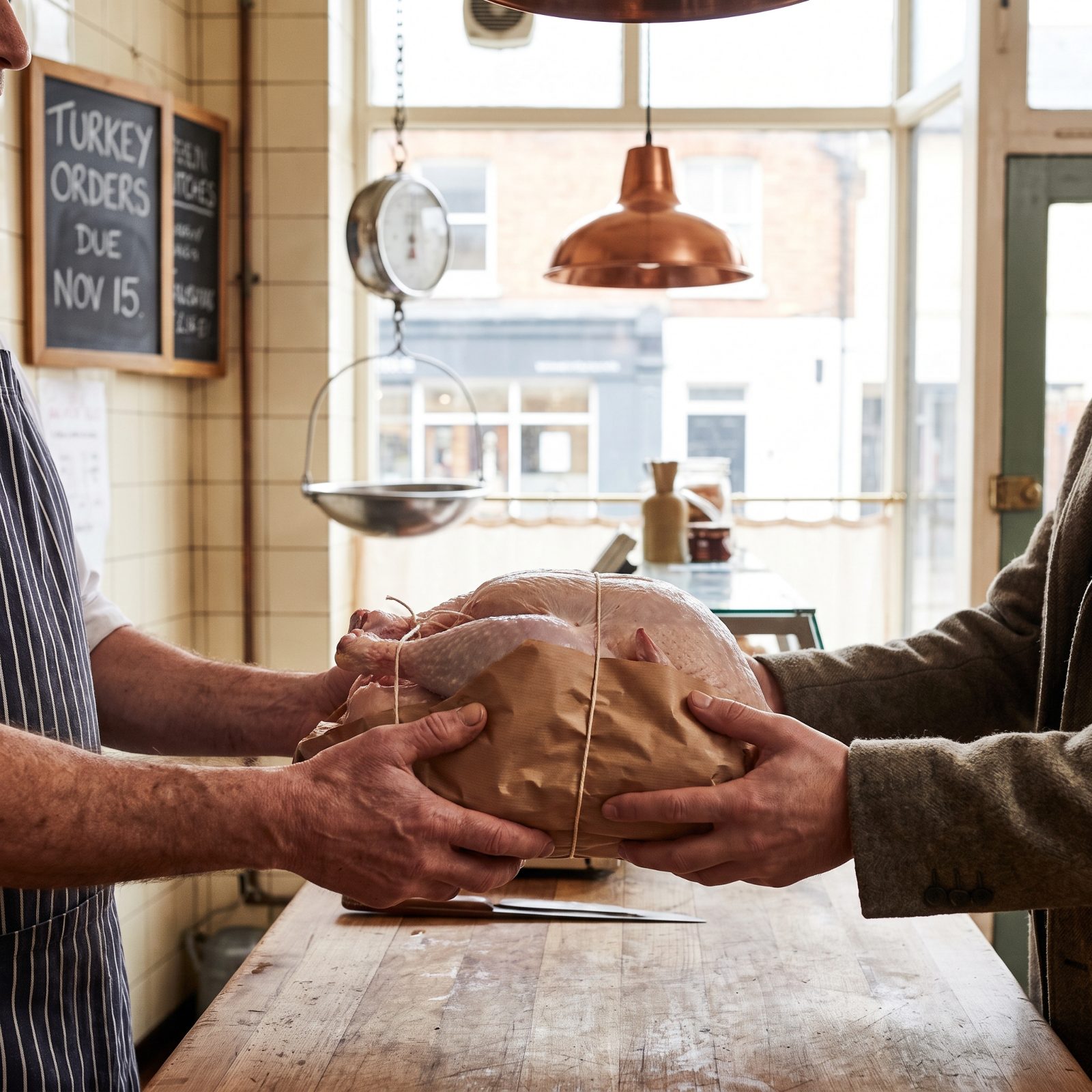
Two weeks out is the window for a fresh bird or a good quality frozen one, before the decent sizes vanish and you’re left with a 24-pounder for a table of six. Order now and you choose the weight, the type, the pickup day.
Size it off your headcount — that pound to a pound and a half per person, rounded up to the nearest real turkey. Going frozen? Remember the thaw. A frozen turkey needs about a day in the refrigerator for every four to five pounds, so a 16-pounder wants roughly four days. People blow this every year and end up thawing a turkey in the bathtub on Thanksgiving morning, which is as grim as it sounds.
12 Days Out: Source Specialty Ingredients
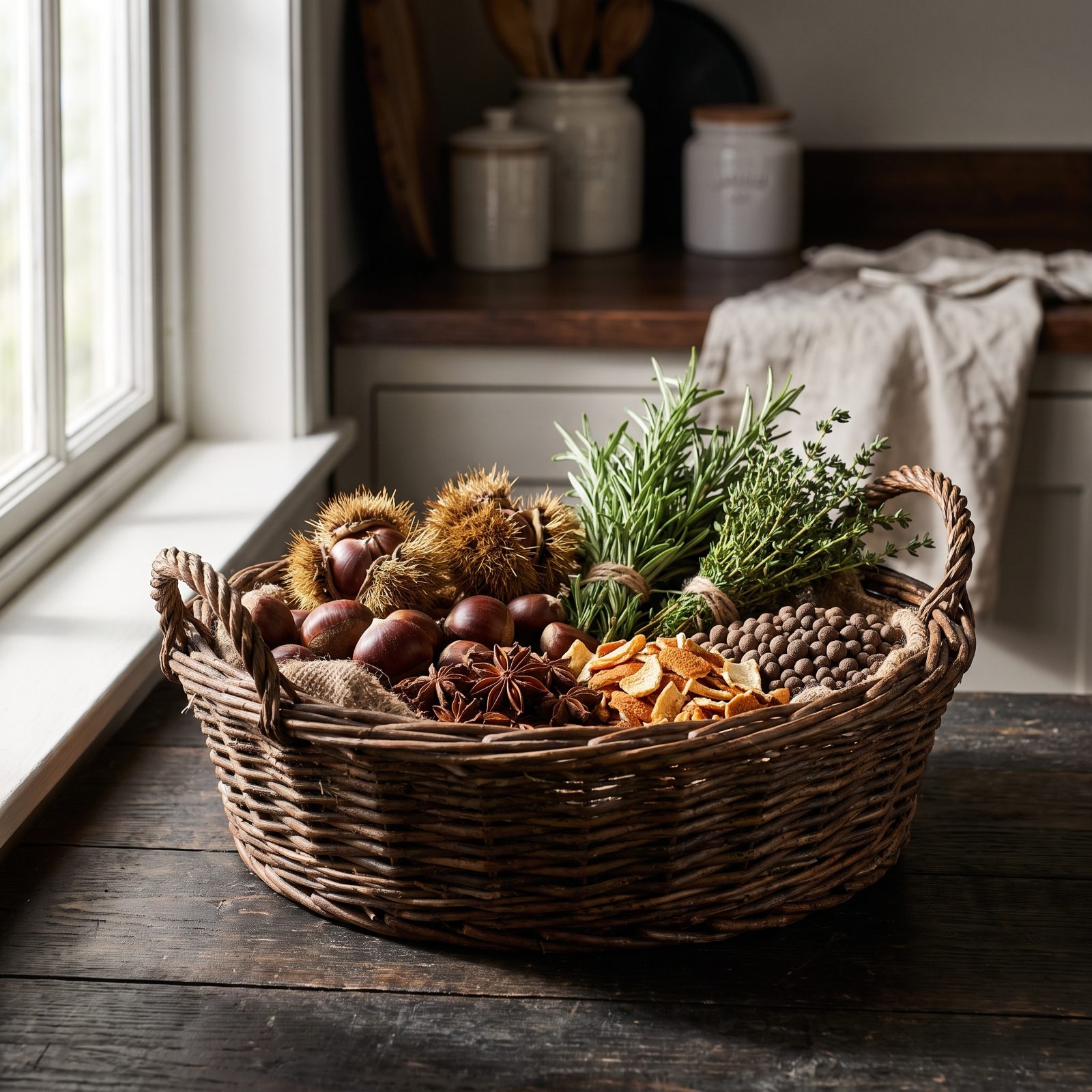
Every Thanksgiving menu hides one or two ingredients the regular grocery run won’t cover. Fresh chestnuts for the stuffing. The good saffron. The specific cheese your potato gratin lives or dies on. These sell out, or were never stocked to begin with.
Go through your finalized menu line by line and flag anything unusual. Order it online now while shipping still arrives in time, or call the specialty shop and ask them to hold it. Twelve days gives you a cushion if the first source falls through. Discovering on Wednesday that nobody within forty miles carries your one key ingredient is a special kind of panic. Skip it by looking today.
12 Days Out: Arrange Borrowed Kitchen Equipment
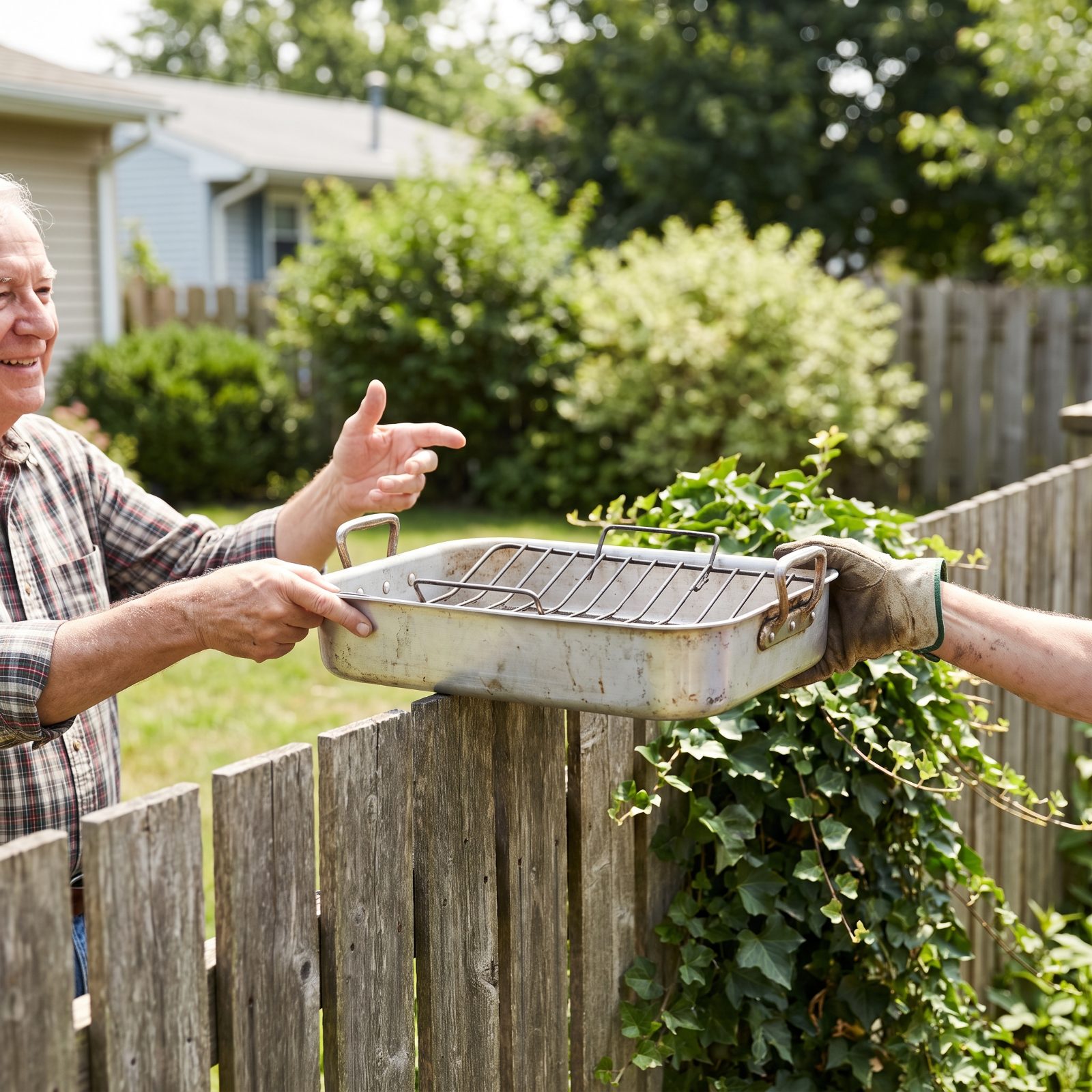
You don’t own a roasting pan big enough. Almost nobody does until the year they host. And the time to find that out is not while a 16-pound turkey sits on the counter.
List the big-ticket gear your menu demands: the roasting pan and rack, a second oven’s worth of casserole dishes, enough serving platters, a hand mixer for the potatoes, maybe a warming tray. Check what you have, then line up borrows from family for the rest, or buy early. Label anything borrowed with masking tape and the owner’s name so it actually goes home. A disposable foil roasting pan works in a pinch, but double it up or it’ll buckle when you lift fifteen pounds of hot bird.
10 Days Out: Test Cooking Thermometers
Would you like to save this?
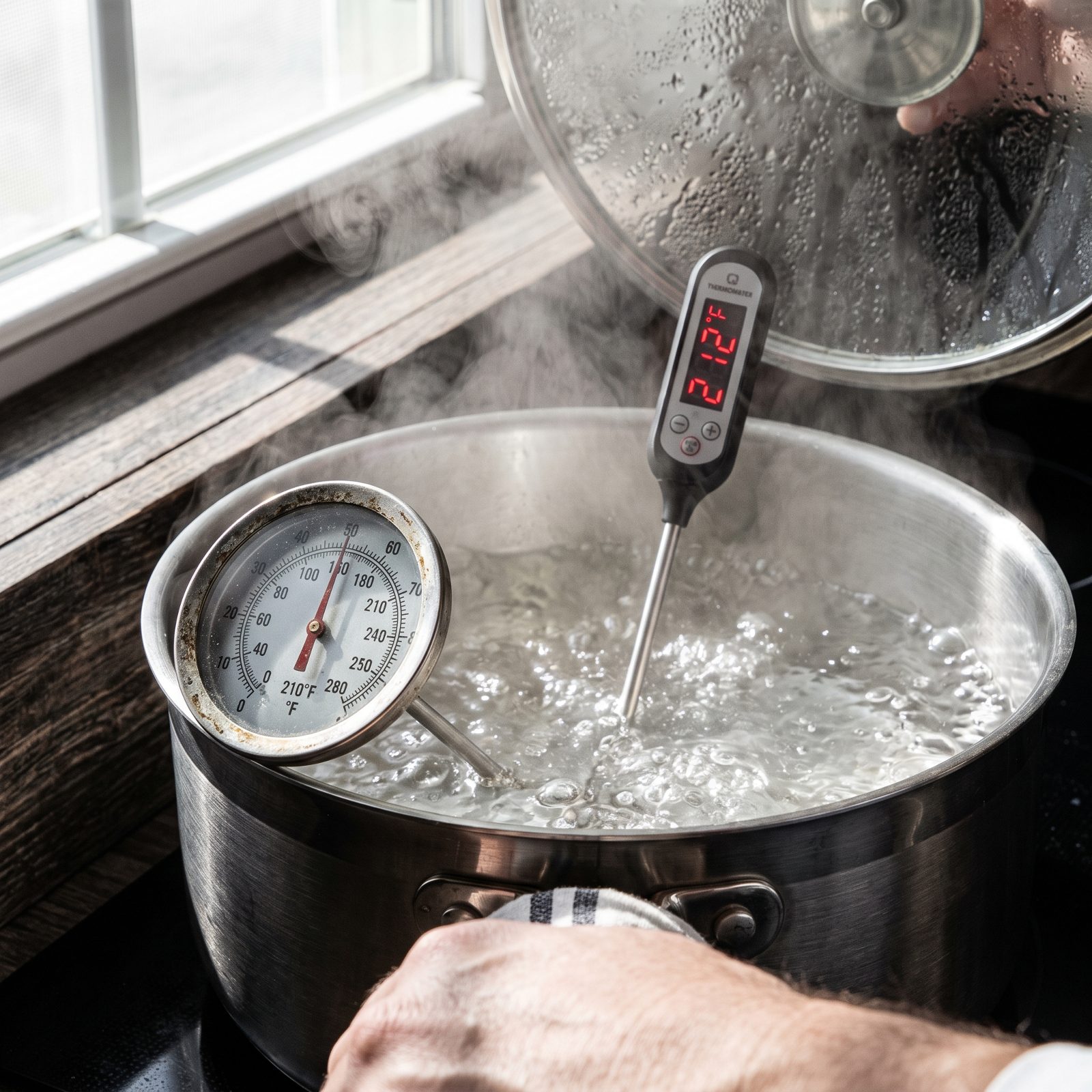
A thermometer that reads ten degrees off will either serve you a raw turkey or a dry one, and you won’t know which until it’s too late. Test it now, not with the bird on the line.
Fill a glass with ice and a little water, stir, and dip the probe. It should read 32 degrees Fahrenheit, give or take a degree. Check the boiling point too: around 212 at sea level, lower if you’re up in the mountains. Off? Many digital models recalibrate with a small reset; with cheap dial ones you just note the offset and do the math.
10 Days Out: Build the Master Grocery List
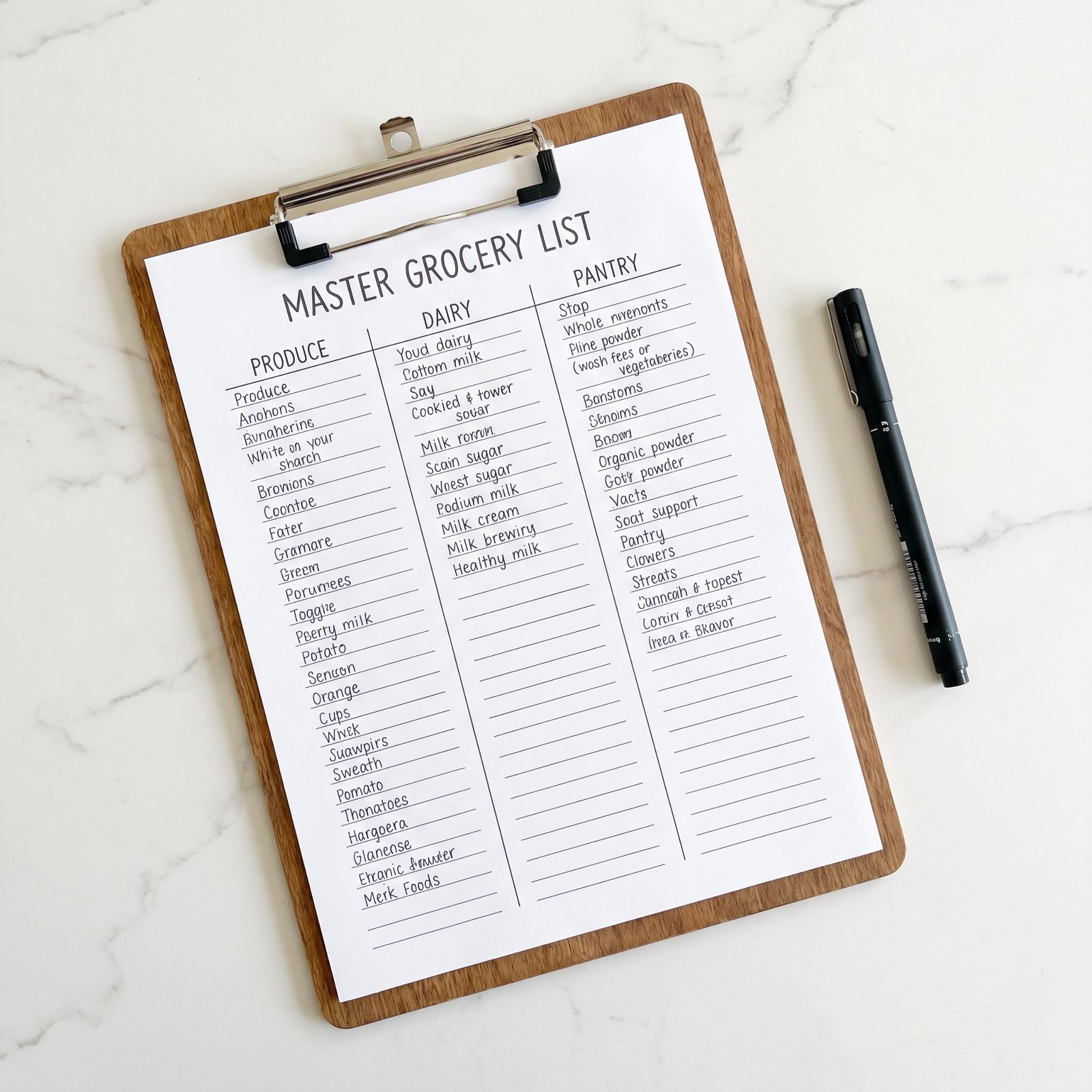
This is the list that saves you the Thanksgiving-Eve second trip, the one where the store is a war zone and they’re out of butter. Build it off the menu, not off memory.
Walk each dish ingredient by ingredient and write down every single thing, down to the butter you’ll burn through faster than you think. Check the pantry first, because you probably have more salt and flour than you realize and not nearly enough stock or heavy cream. Group the list by store section so you shop in one loop. Then split it into two runs: non-perishables and frozen now, fresh produce and the bread a day or two out.
10 Days Out: Map the Oven Schedule
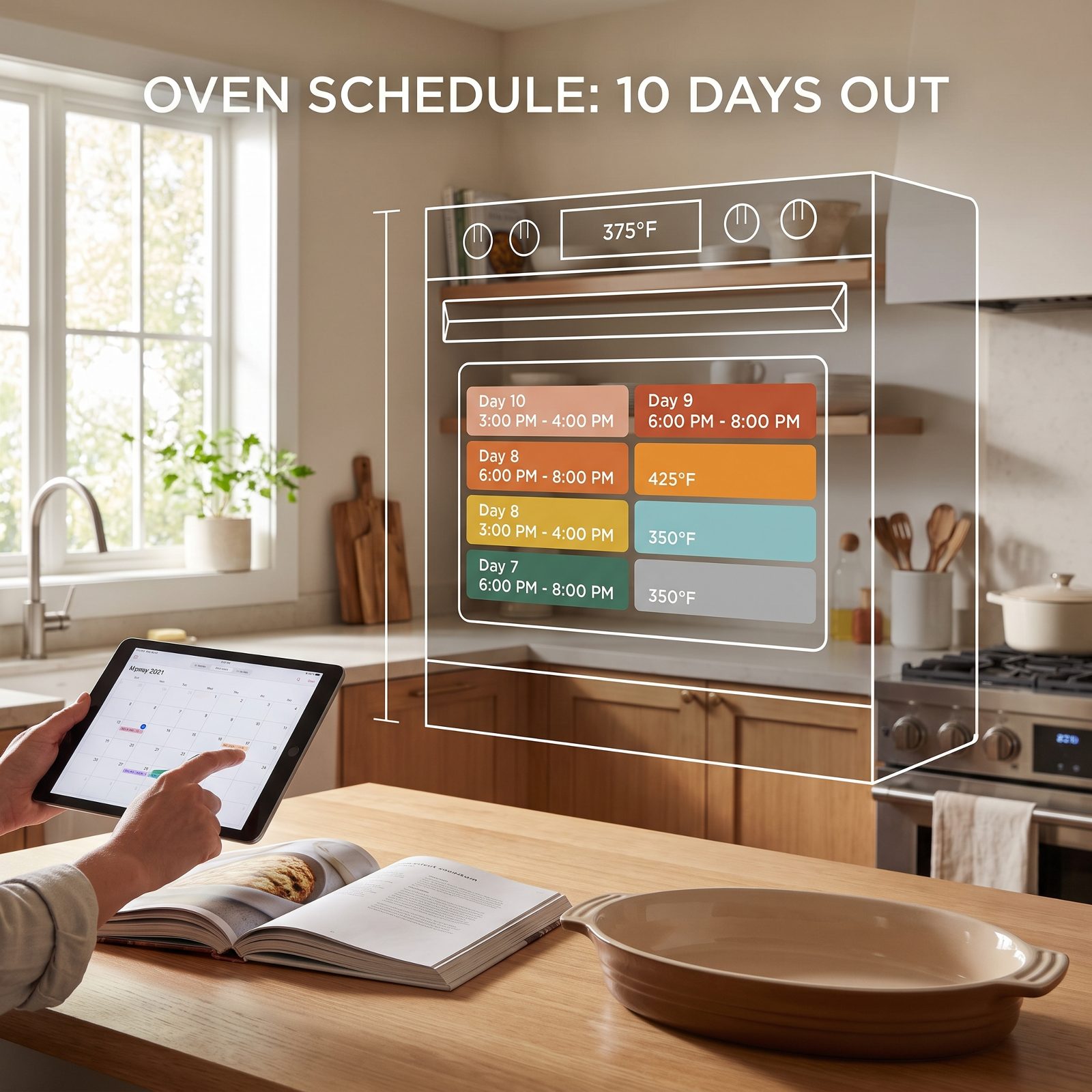
You have one oven. The turkey wants 325°F for hours, the rolls want 375°F, the casseroles want 350°F, and the pie wanted yesterday. Map this out now or you’ll find the conflict at 2pm on the day, raw bird in hand, crowd waiting.
Grab paper. Write every dish, its temperature, its cook time, and whether it can sit at room temp or needs the oven hot. Group the 350°F things together, decide what bakes the night before, and block the turkey’s window first since it anchors everything. Then slot the rest around the resting stretch, when the oven sits empty and still screaming hot.
1 Week Out: Shop for Pantry Staples
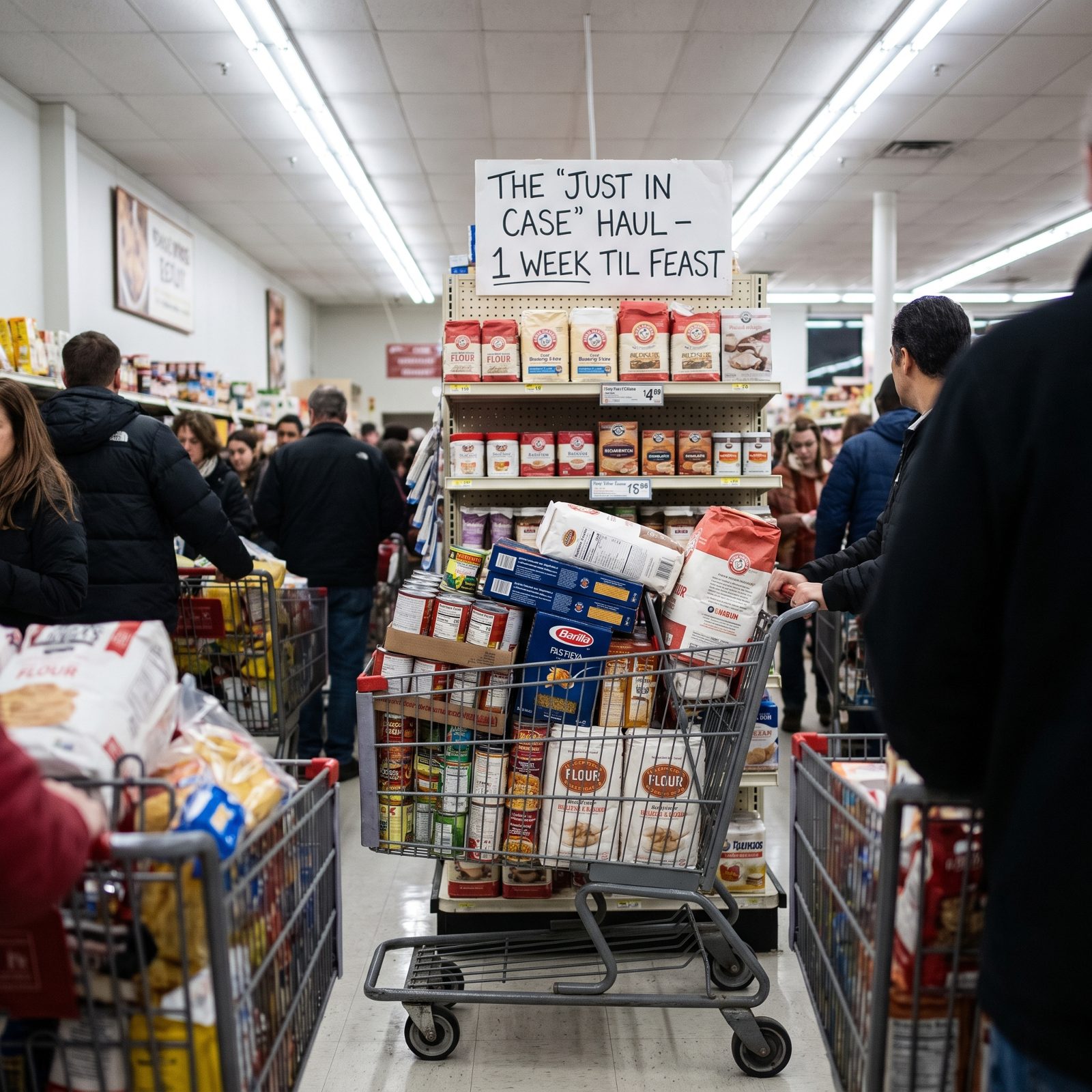
The pantry run is the one everybody puts off. Then it’s the Tuesday before and the store is a war zone with no parking. Do it now, while the shelves are full and calm.
You’re after everything that won’t spoil: flour, cornstarch, broth or stock, canned pumpkin, evaporated milk, oils, vinegars, dried herbs, kosher salt, brown and white sugar, baking soda. Check what you actually have before you leave, because a half-empty bag of flour will betray you mid-pie. And buy more butter than you think you need. Nobody has ever regretted extra butter.
1 Week Out: Make Turkey Stock
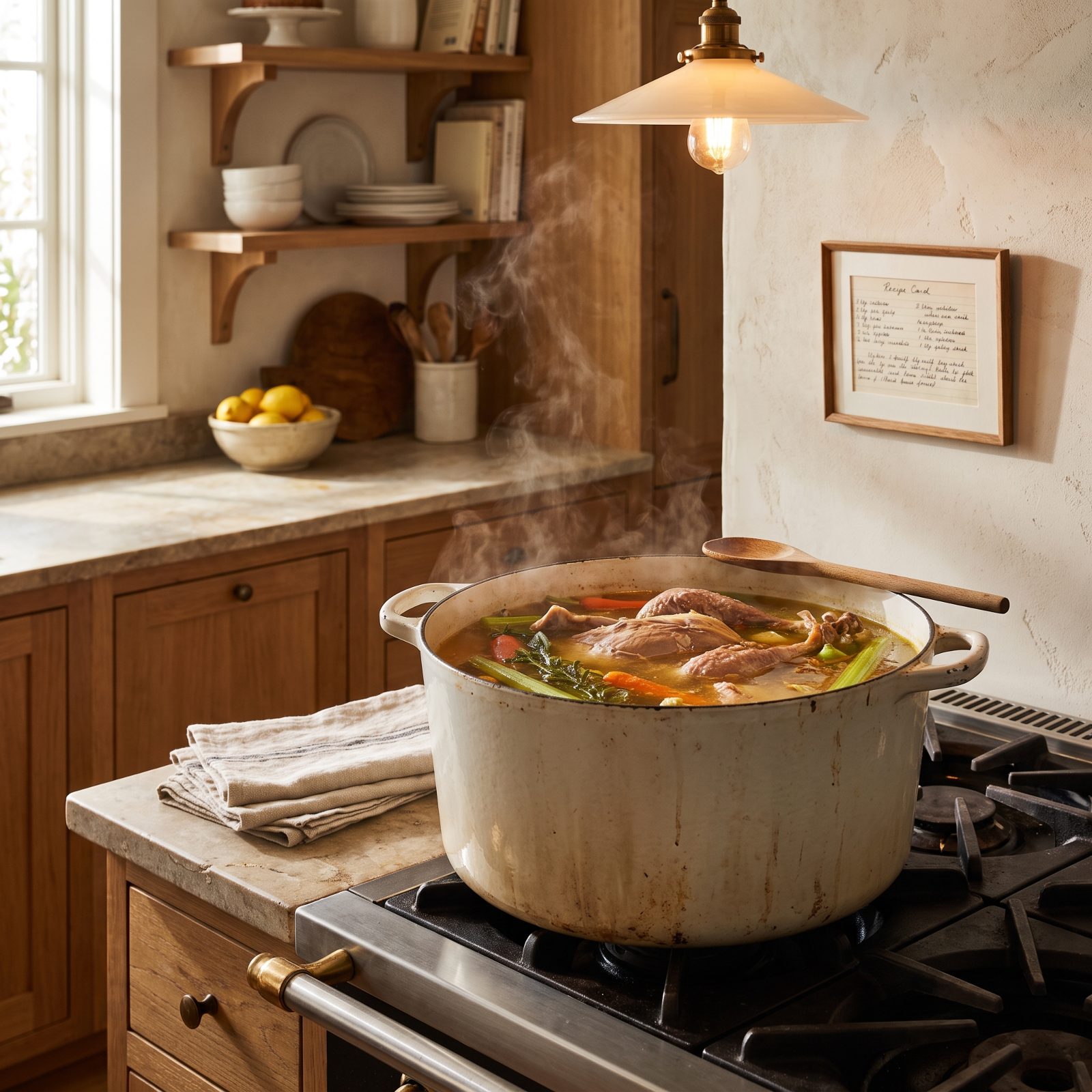
Boxed broth makes serviceable gravy. Homemade stock makes gravy people talk about on the drive home. The difference is a free afternoon this week and a bag of turkey wings or necks from the butcher.
Roast the wings until deep brown, then simmer them slow with onion, carrot, celery, a couple bay leaves, and peppercorns for a few hours. Strain it, cool it fast, refrigerate or freeze. The fat rises and caps the top, which seals it and makes degreasing a two-second job later.
The gravy is built on the stock. Weak stock, weak gravy, no exceptions.
Make more than you think you need. Stuffing wants some, the gravy wants plenty, and you’ll want a splash to loosen leftovers all weekend.
6 Days Out: Begin Thawing the Turkey
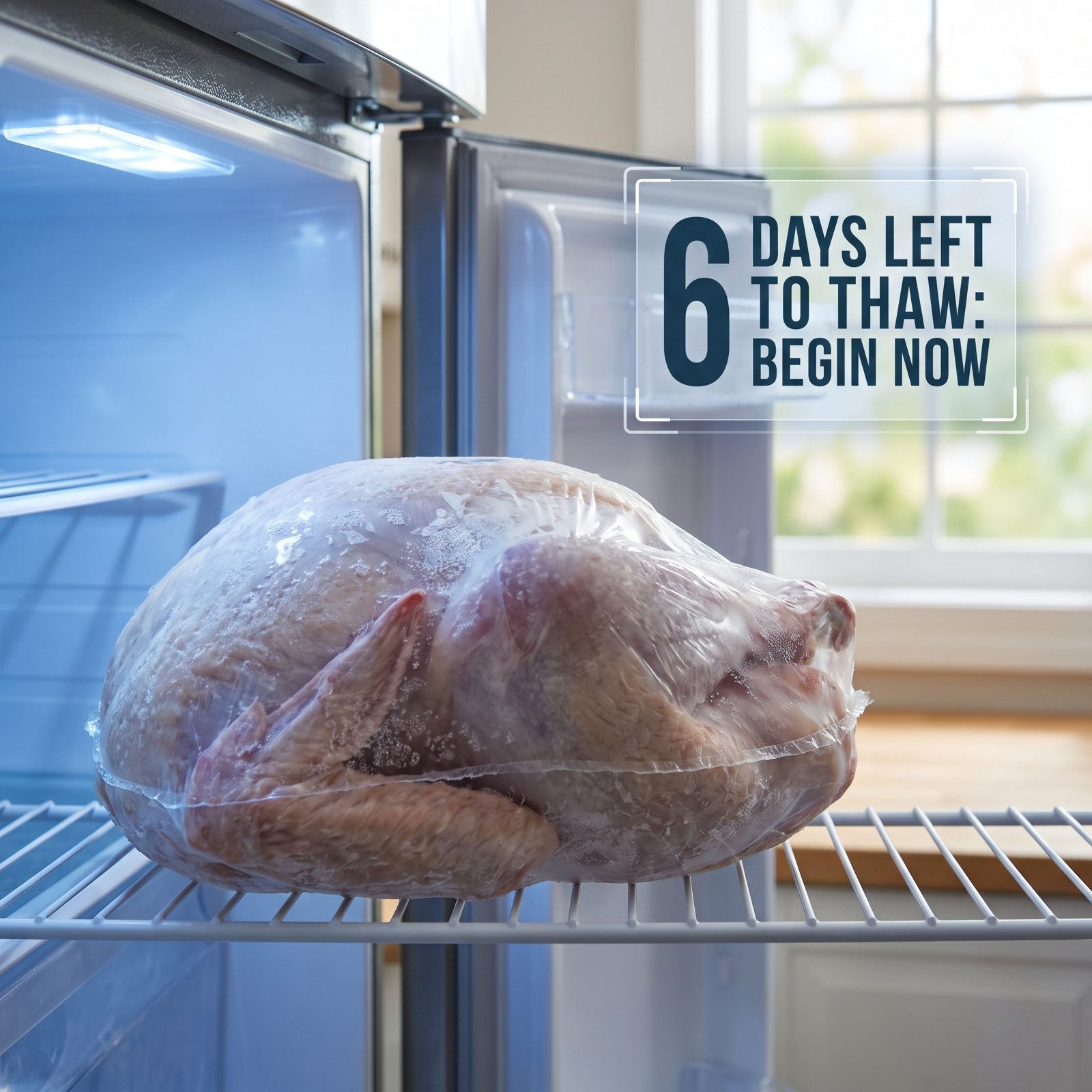
This is the one most people get wrong, and it’s the one that can genuinely ruin the day. A frozen-solid turkey on Thanksgiving morning is a disaster you cannot cook your way out of, and no, the microwave is not a plan.
Fridge thawing is slow and safe: budget a day for every four to five pounds. A mid-sized bird needs the better part of a work week. Starting six days out gives you a cushion for a stubborn core. Set it on a rimmed tray, breast up, still wrapped, on the lowest shelf.
6 Days Out: Clear Refrigerator Space
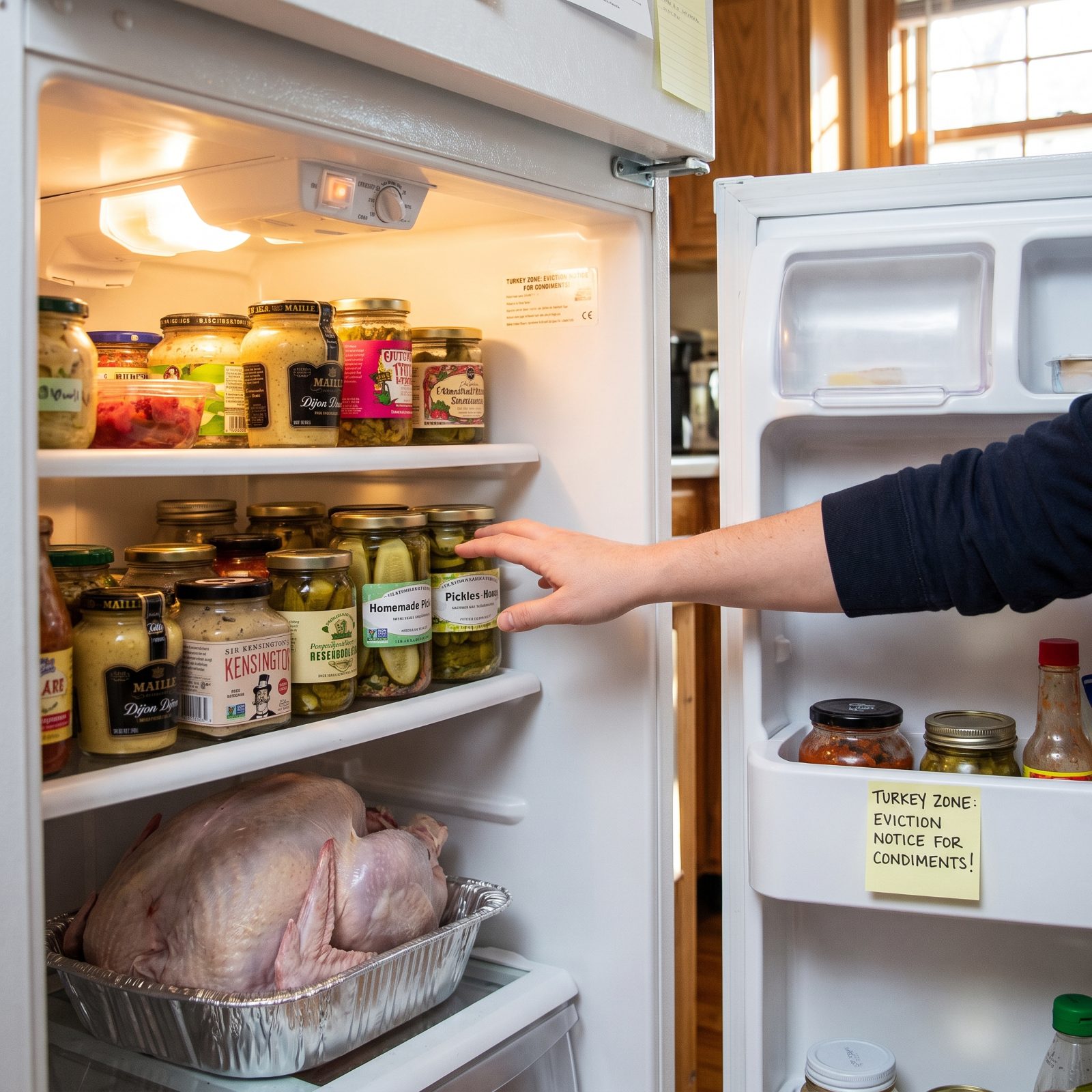
A thawing turkey needs a shelf all to itself, and that shelf is currently occupied by three kinds of mustard, a wilting lettuce, and a casserole nobody’s going to finish. Clear it now, not when the bird is already dripping on the counter.
Toss what’s expired, consolidate the condiments into the door, wipe the shelves while they’re empty. Leave the whole bottom shelf open for the turkey so any drips land there and not on your cheese. And remember you’ll need room later for cranberry sauce, gravy, and a mountain of leftovers.
6 Days Out: Make Cranberry Sauce
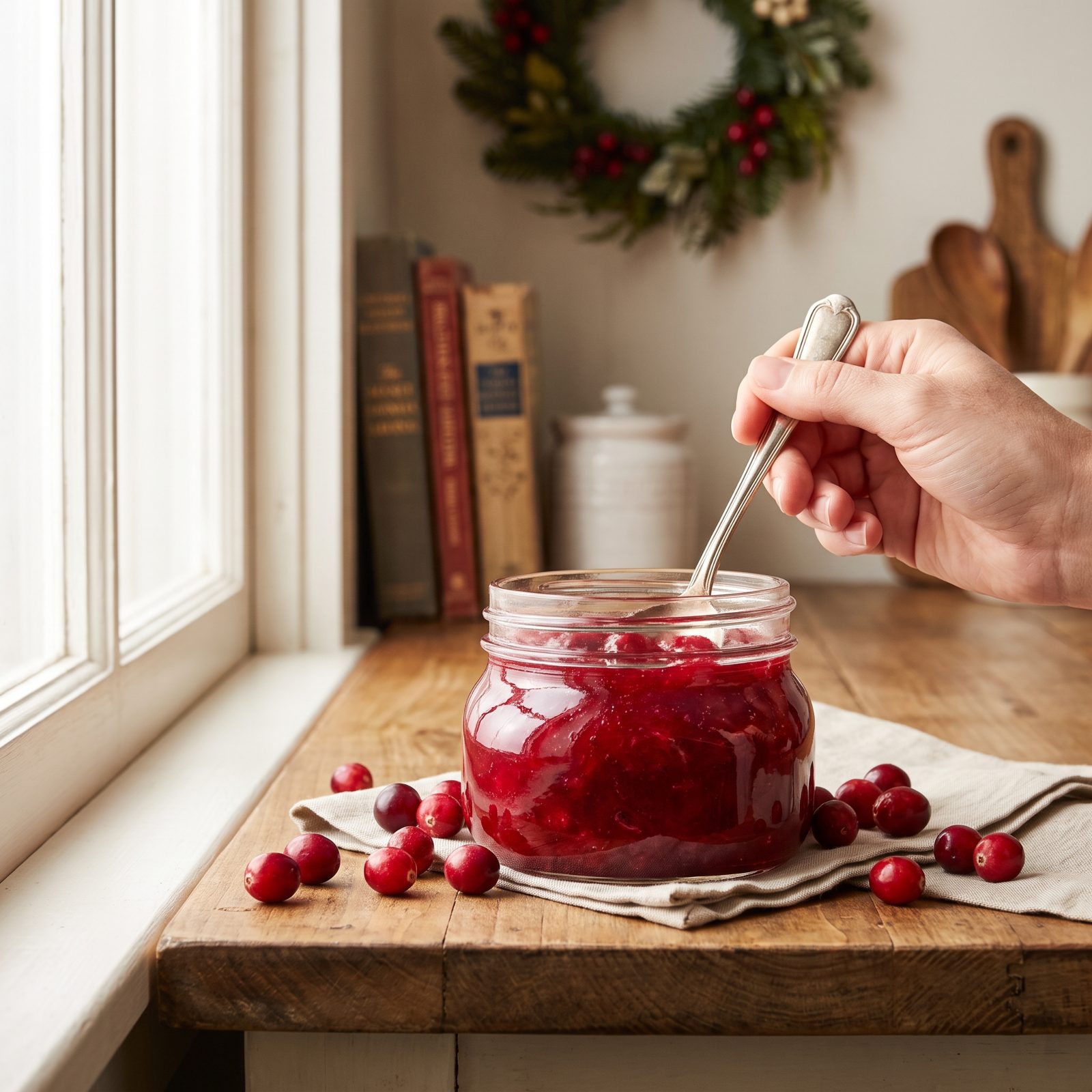
Cranberry sauce is the first dish you can fully finish and forget about, which is exactly why you should do it early. It gets better after a few days in the fridge as the flavors settle.
Cranberries, sugar, water or orange juice, a little zest. Simmer until the berries burst and the whole thing thickens, about ten minutes. It’ll look loose in the pot and set up firm once cold, so don’t overcook it chasing a thickness that’s already on its way.
Store it in a jar with a lid. One thing done, done well, days ahead. That feeling compounds.
5 Days Out: Prepare the Gravy Base
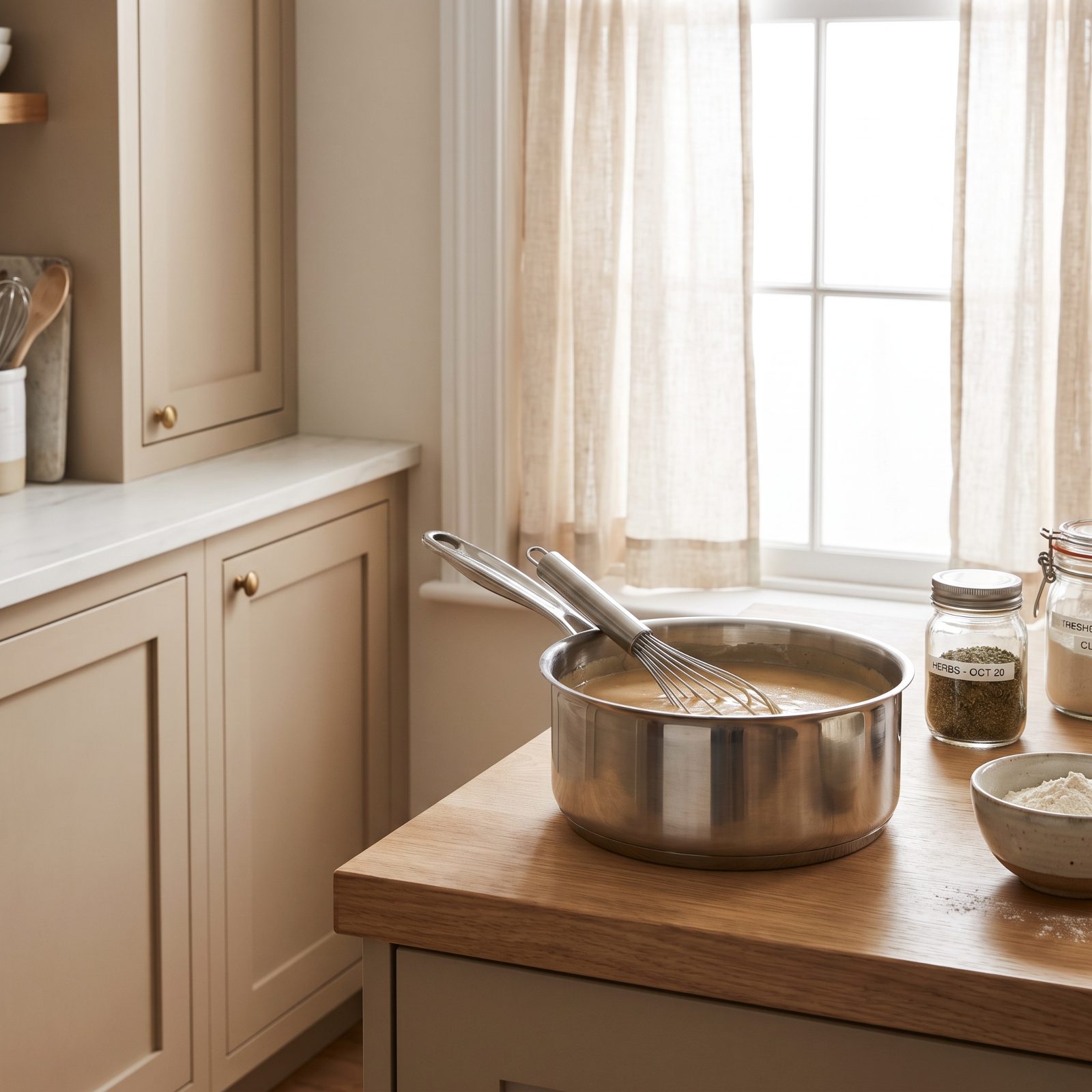
Here’s what separates the calm hosts from the frantic ones: they make the gravy base now, so on the day it’s just a matter of finishing with pan drippings instead of starting from zero.
Cook a roux of equal butter and flour until it smells nutty and turns pale blond, then whisk in your homemade stock to build a smooth, loose gravy. Season it lightly, since the drippings will add salt later. Cool and refrigerate.
It’ll thicken into a paste when cold. That’s normal. A splash of stock and gentle heat brings it right back.
5 Days Out: Dry the Stuffing Bread
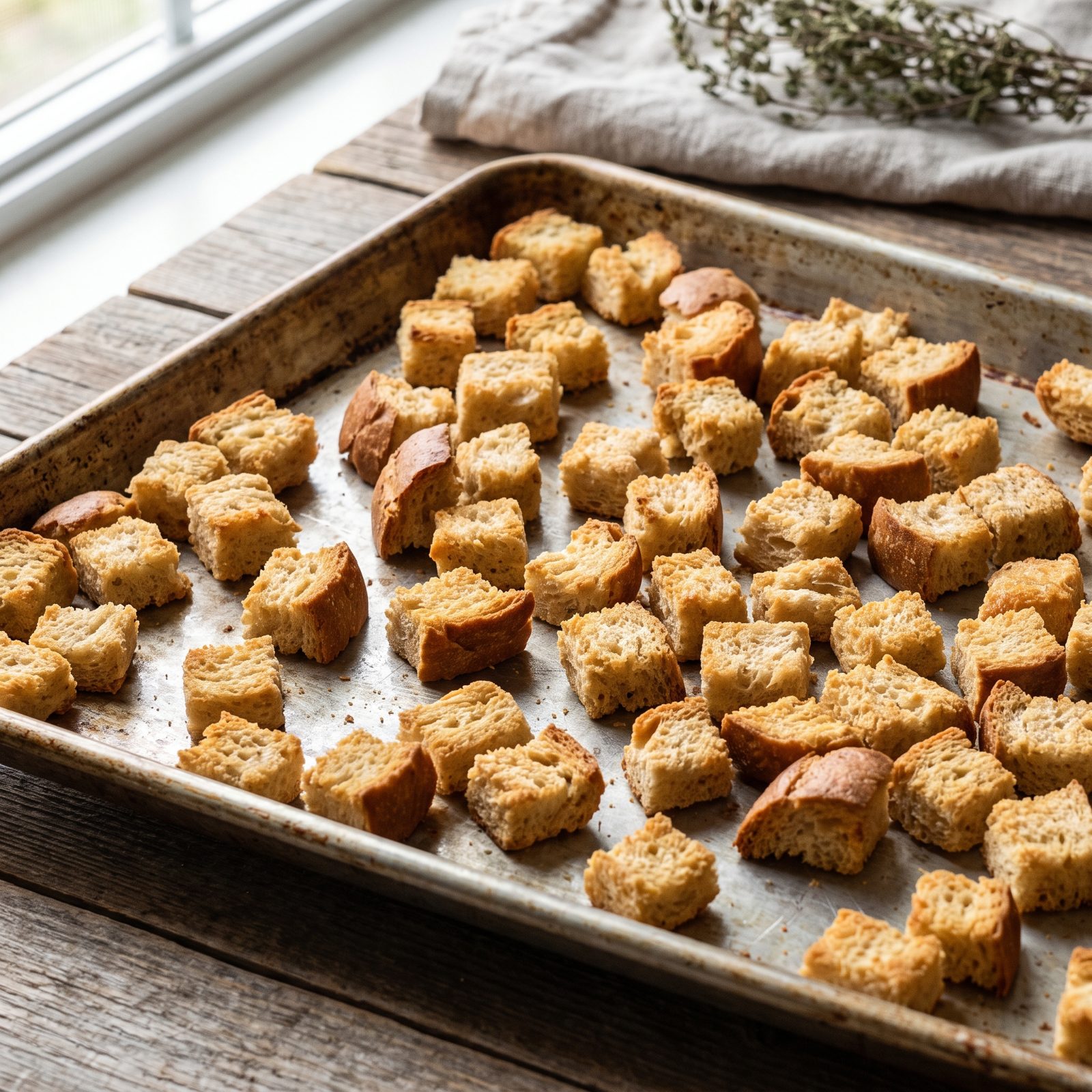
Fresh bread makes gummy stuffing. The cubes need to be dry enough to drink up the stock and hold their shape, and you can’t rush that drying on the day.
Cube your bread, spread it in a single layer on sheet pans, and leave it out to stale for a day or two. Short on time? A low oven around 250°F for half an hour or so does the same job. You want it dry and crisp, not toasted brown.
Store the dried cubes in a paper bag, not plastic. Plastic traps moisture and undoes all your work.
4 Days Out: Shop for Fresh Produce
Would you like to save this?
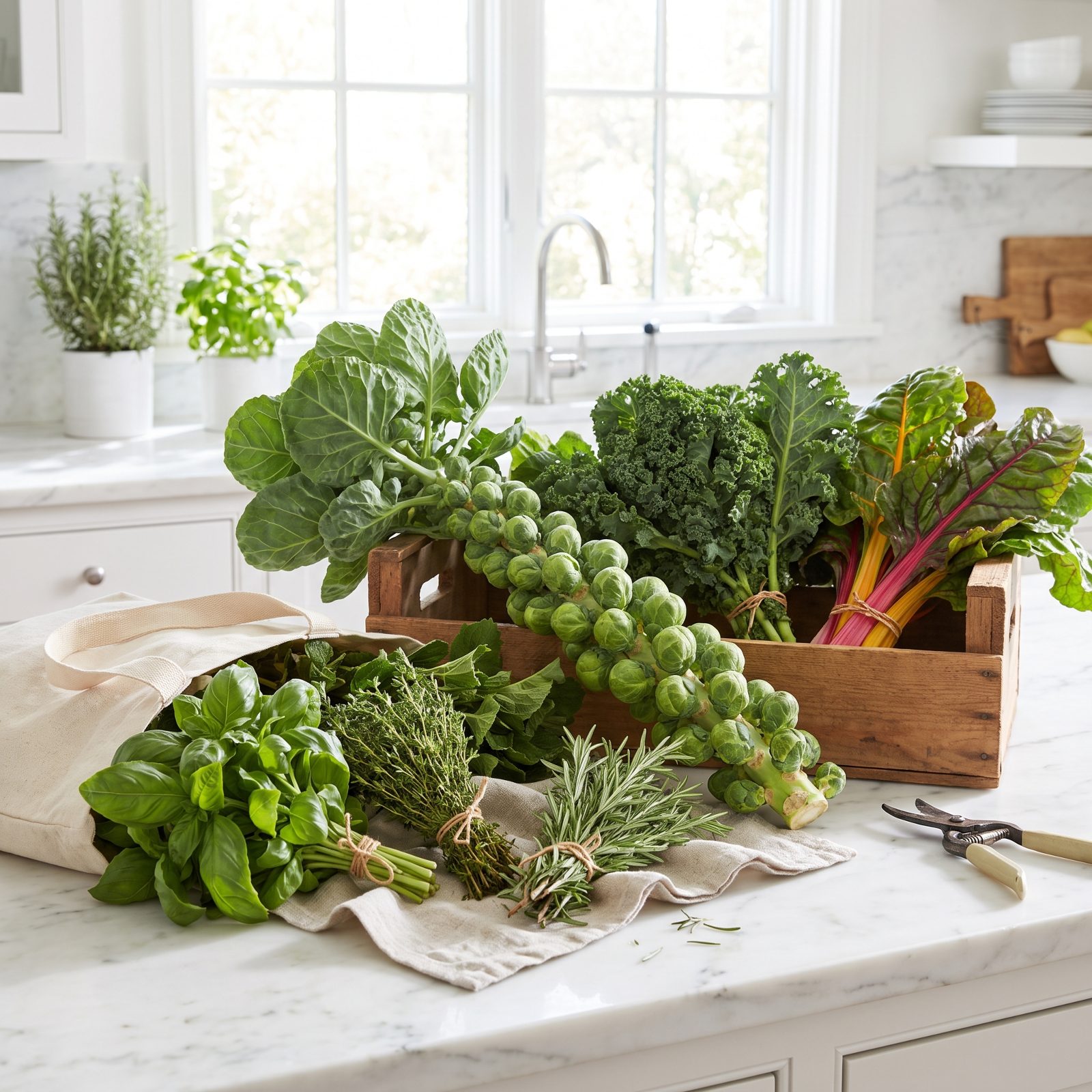
Produce is the last shop on purpose. Buy it too early and your herbs wilt, your lettuce slumps, and your Brussels sprouts go soft before they ever see the oven.
Four days out hits the window: fresh enough to last, early enough to beat the Wednesday stampede. Grab your potatoes, onions, celery, carrots, sprouts, lemons, fresh herbs, and salad greens. Look over the herbs closely. Sage and rosemary carry the whole flavor of the bird and the stuffing, so a tired bunch costs you more than you’d think.
Wrap the herbs in a damp paper towel and bag them loosely. They’ll stay perky right through to the day.
4 Days Out: Make the Salad Dressing
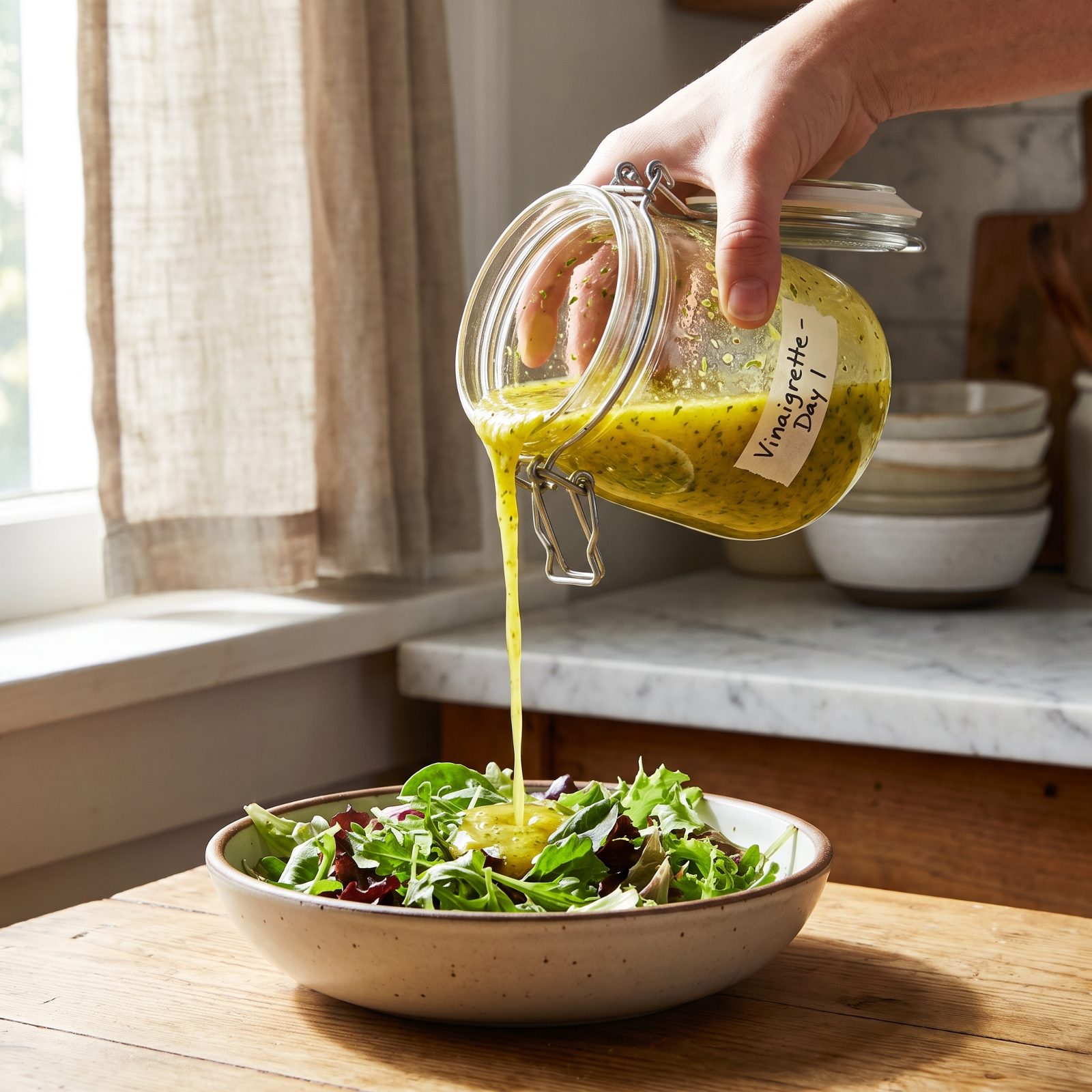
The salad is the quiet hero on a heavy plate, the one bright, acidic thing between all the butter and gravy. And the dressing is the easiest thing on this whole list to make ahead.
Whisk oil, vinegar or lemon, mustard, a little honey, salt, and pepper into a jar. Shake it, taste, adjust the acid. It keeps in the fridge for days and the flavors only deepen.
Leave the greens undressed until the very last minute. Dress them early and they wilt into a sad pile. Toss them right before you set the table and you’re done.
3 Days Out: Begin Dry-Brining the Turkey
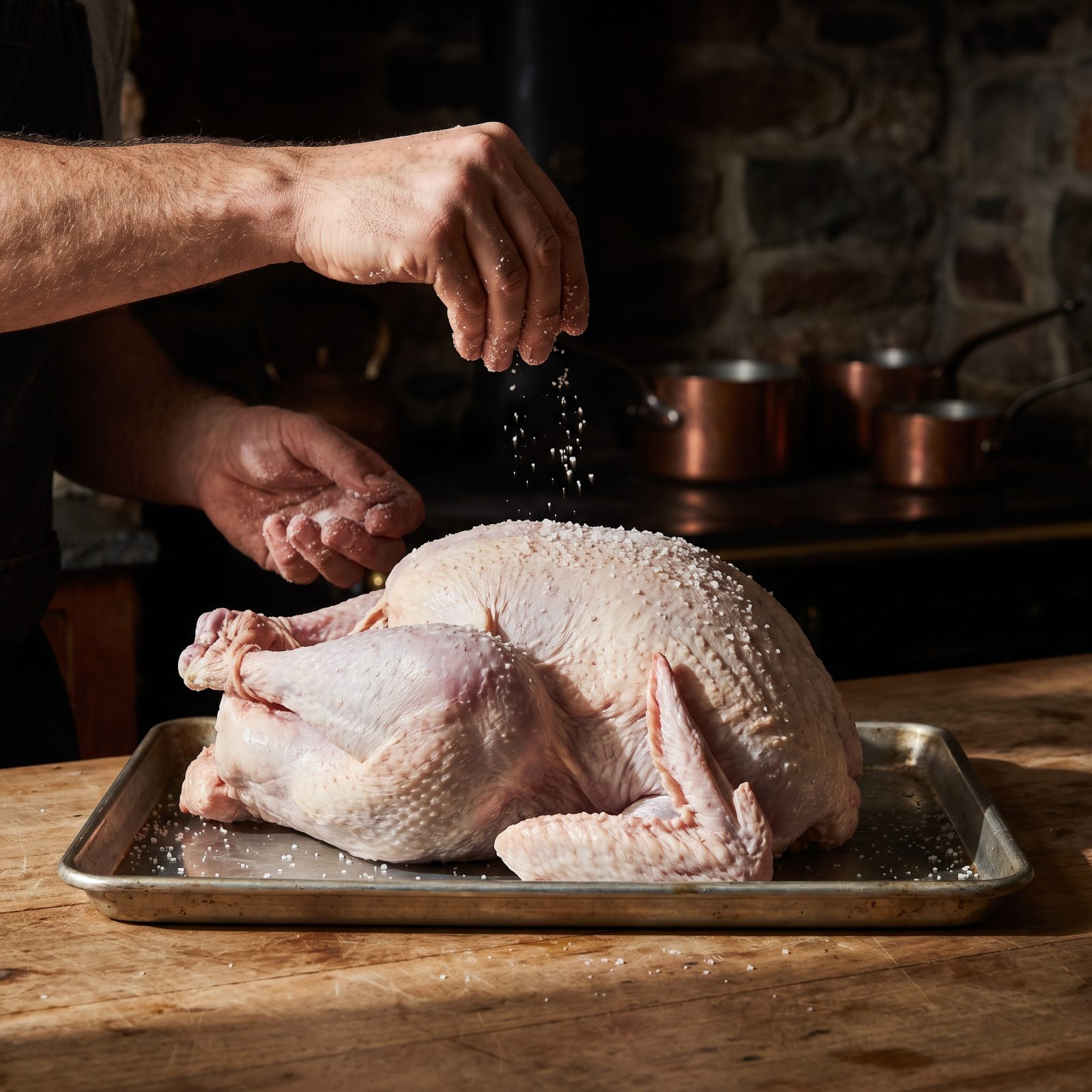
The single best thing you can do for your turkey happens three days before anyone sits down. Salt it now, uncovered, on a rack in the fridge, and let time do the work. Salt pulls moisture out, then the meat soaks it back in seasoned all the way through, and the skin dries out, which is exactly what you want for crackle.
Use about half a teaspoon of kosher salt per pound and get under the skin where you can. Don’t rinse it off later. That rinse washes away the whole point.
3 Days Out: Bake Sturdy Holiday Pies
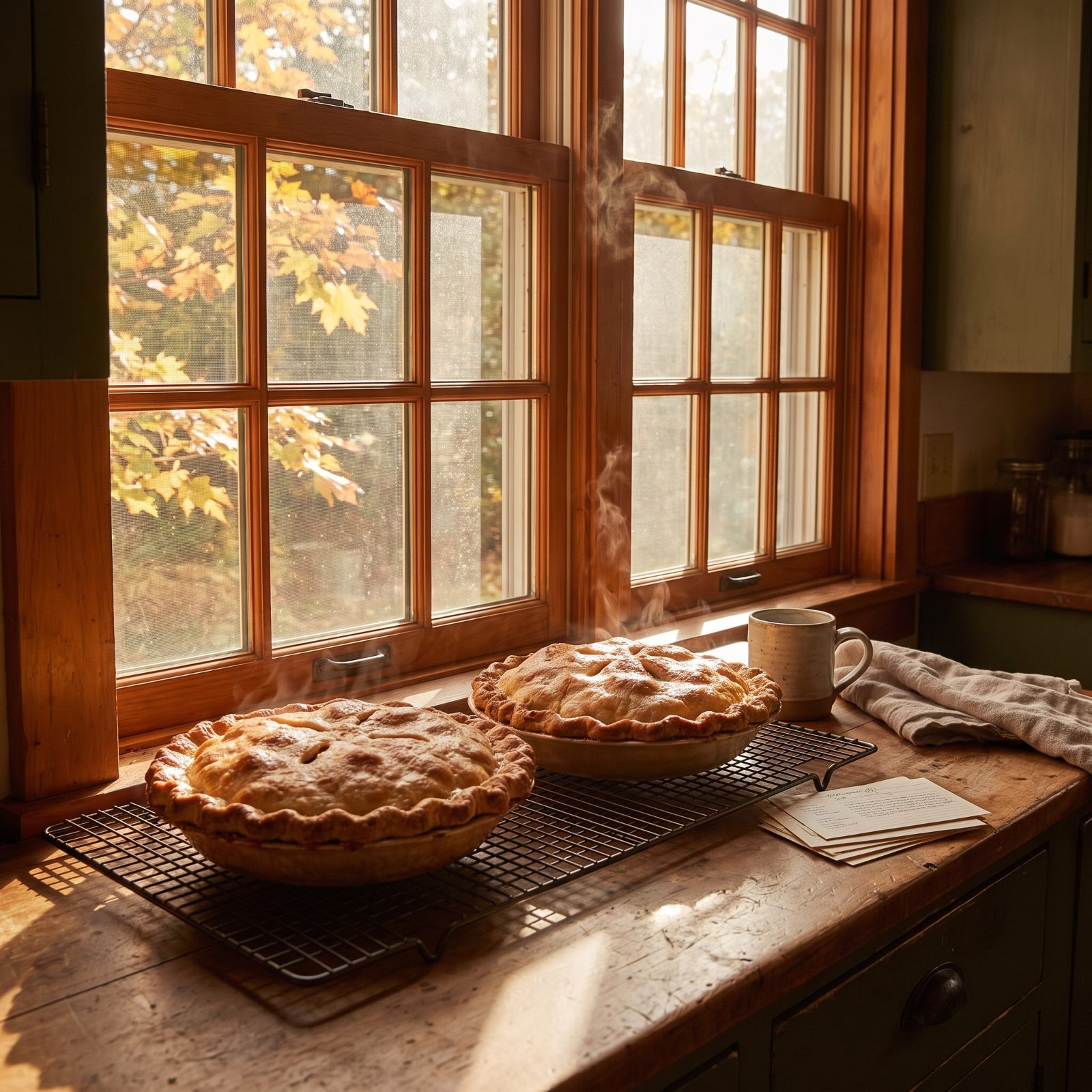
Pies actually taste better made ahead, which makes them the smartest thing to knock out early. Pumpkin and pecan both hold beautifully for three days. The custard sets firmer overnight, and your oven and your sanity are free on the big day for the turkey.
Stick to the sturdy ones now — pumpkin, pecan, sweet potato, anything custard-based. Save fruit pies and anything meringue for the morning of, since those weep and go soggy if they sit.
Once fully cool, cover loosely and keep pumpkin and pecan in the fridge. Pull them out an hour before serving so they aren’t ice cold.
2 Days Out: Trim the Green Beans
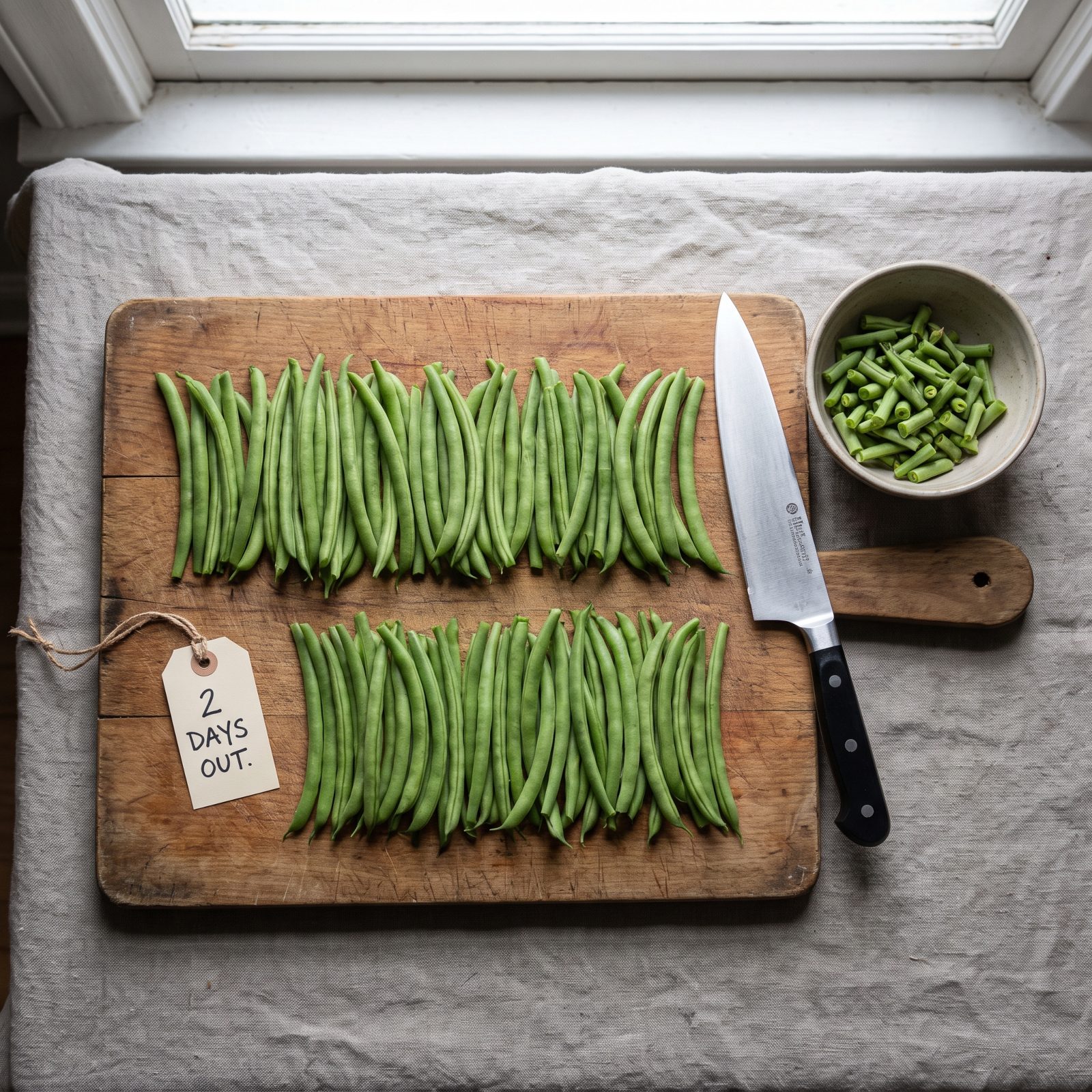
Trimming beans the day of, while four other things need attention, is how green beans end up getting skipped entirely. Do it now and they’ll keep crisp for two days.
Snap or slice off the stem ends, give them a rinse, then roll them in a paper towel and store in a sealed container in the crisper. The towel wicks away moisture that would otherwise turn them slimy.
2 Days Out: Assemble the Sweet Potato Casserole
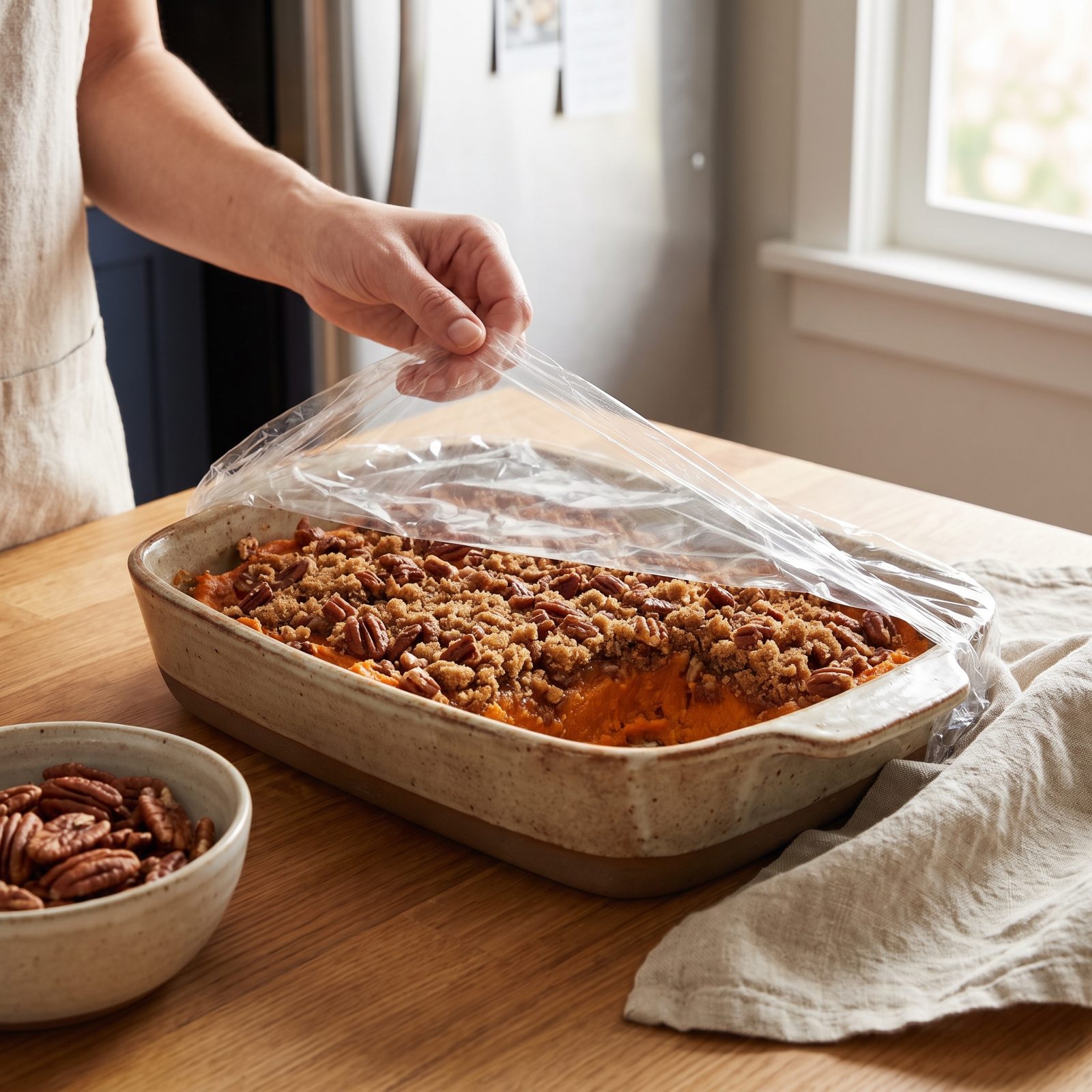
Sweet potato casserole is built for making ahead. The mash holds, the flavors settle, and all you do on the day is bake. Assemble it fully minus the final topping, cover tight, and refrigerate.
Here’s the part people miss: add marshmallows or a crunchy pecan topping only right before baking. Put them on two days early and marshmallows dissolve into the potato while pecans go soft and sad.
Let the dish sit on the counter 30 minutes before it goes in the oven. A cold casserole straight from the fridge takes forever to heat through, and the top scorches before the center is even warm.
2 Days Out: Set the Dining Table
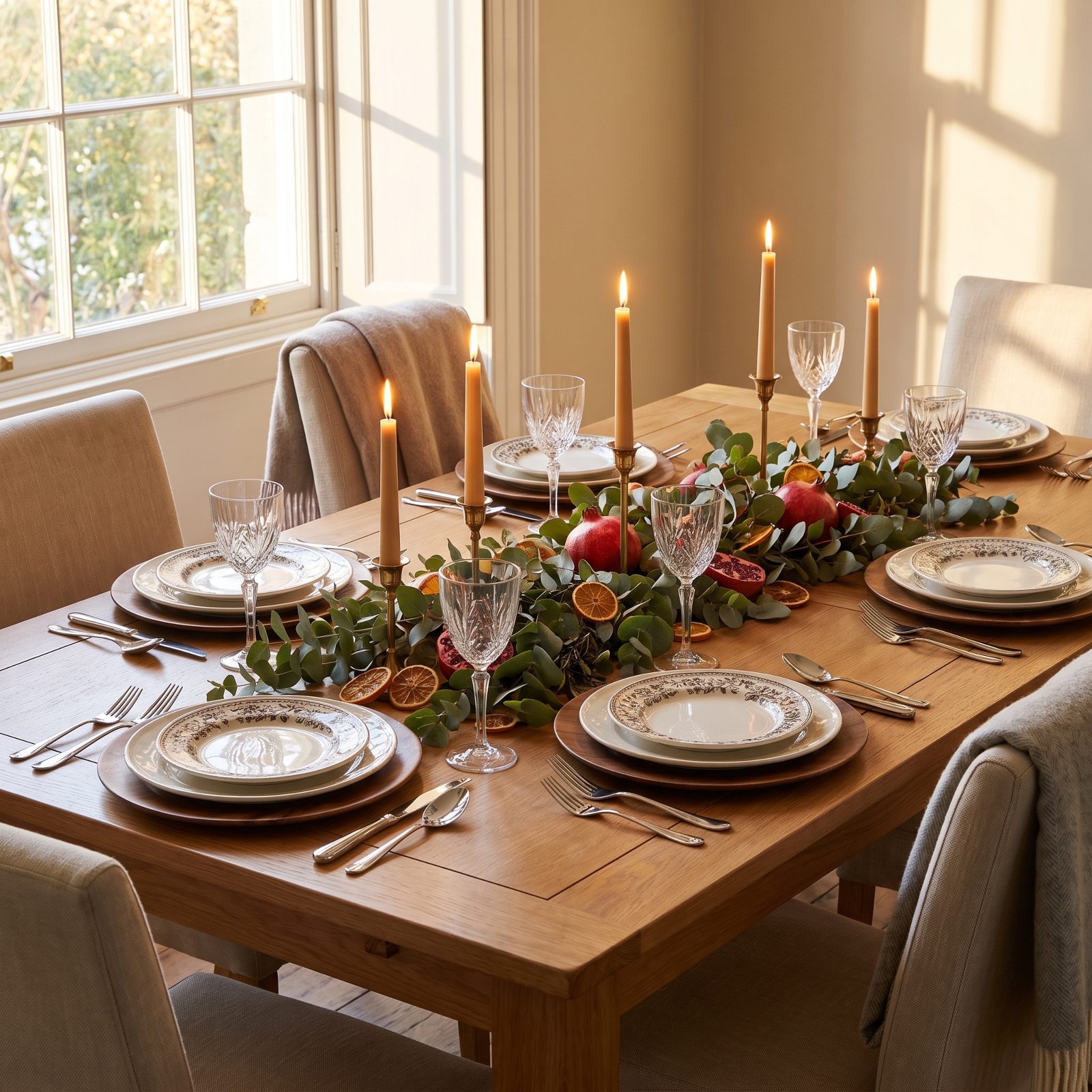
Setting the table two days out sounds fussy until you remember how the morning actually goes. You’ll be elbow-deep in gravy with zero time to fold napkins. Do it now while the house is calm.
Lay everything out — plates, glasses, silverware, napkins, the centerpiece — then drape a clean sheet over the whole thing to keep dust off until guests arrive.
2 Days Out: Label Every Serving Dish
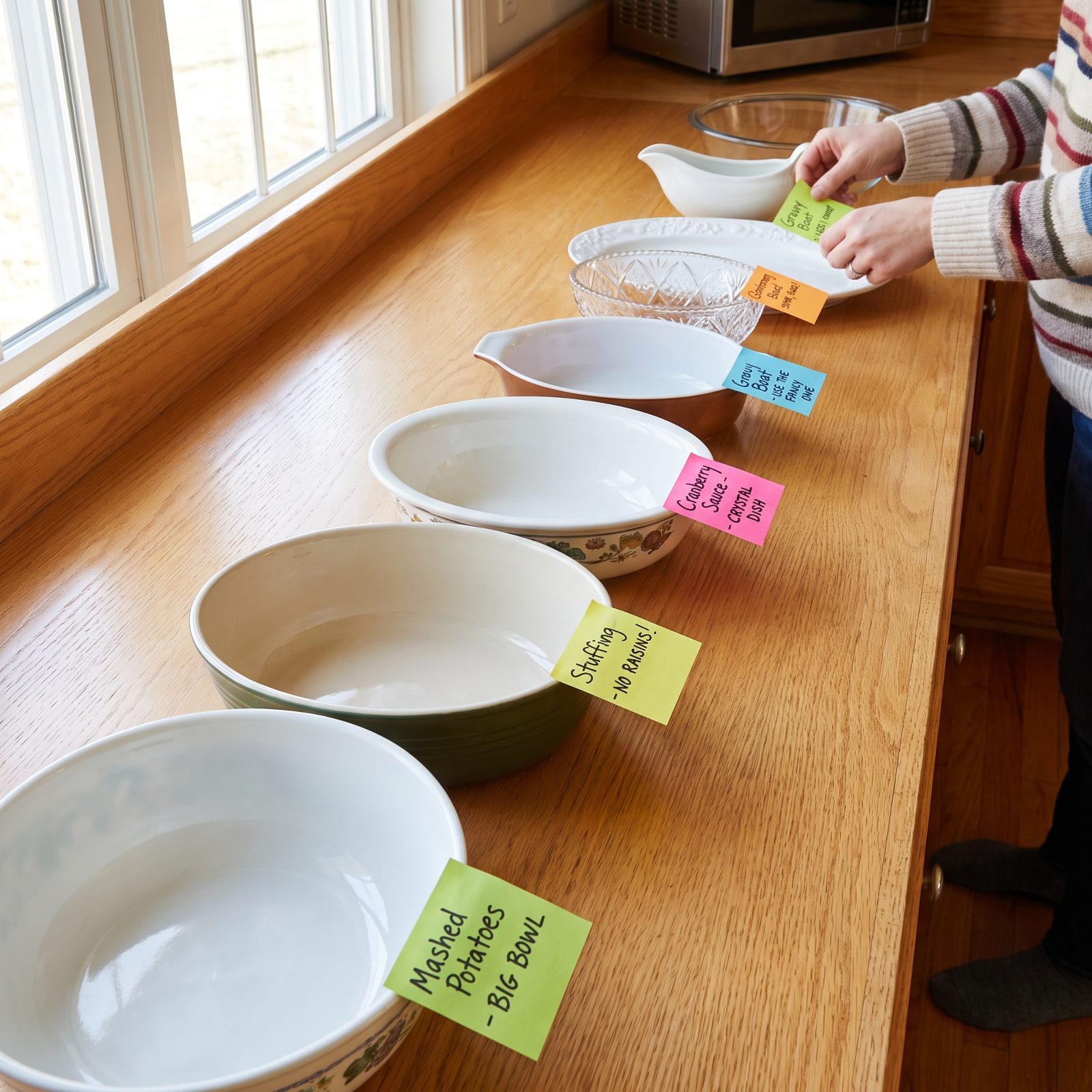
This is the trick that separates calm hosts from frantic ones, and almost nobody does it. Pull out every serving dish you’ll need, match it to something on the menu, and drop a little note inside saying what goes where. Rest the serving spoon in it too.
Why it matters: on Thanksgiving your counter becomes chaos, and you’ll suddenly realize you have no bowl for the cranberry sauce and nothing to serve the gravy in. Catching that two days early means a quick trip to the cabinet instead of a meltdown.
And anyone can follow the notes and help plate without asking you a single question.
1 Day Out: Assemble the Stuffing
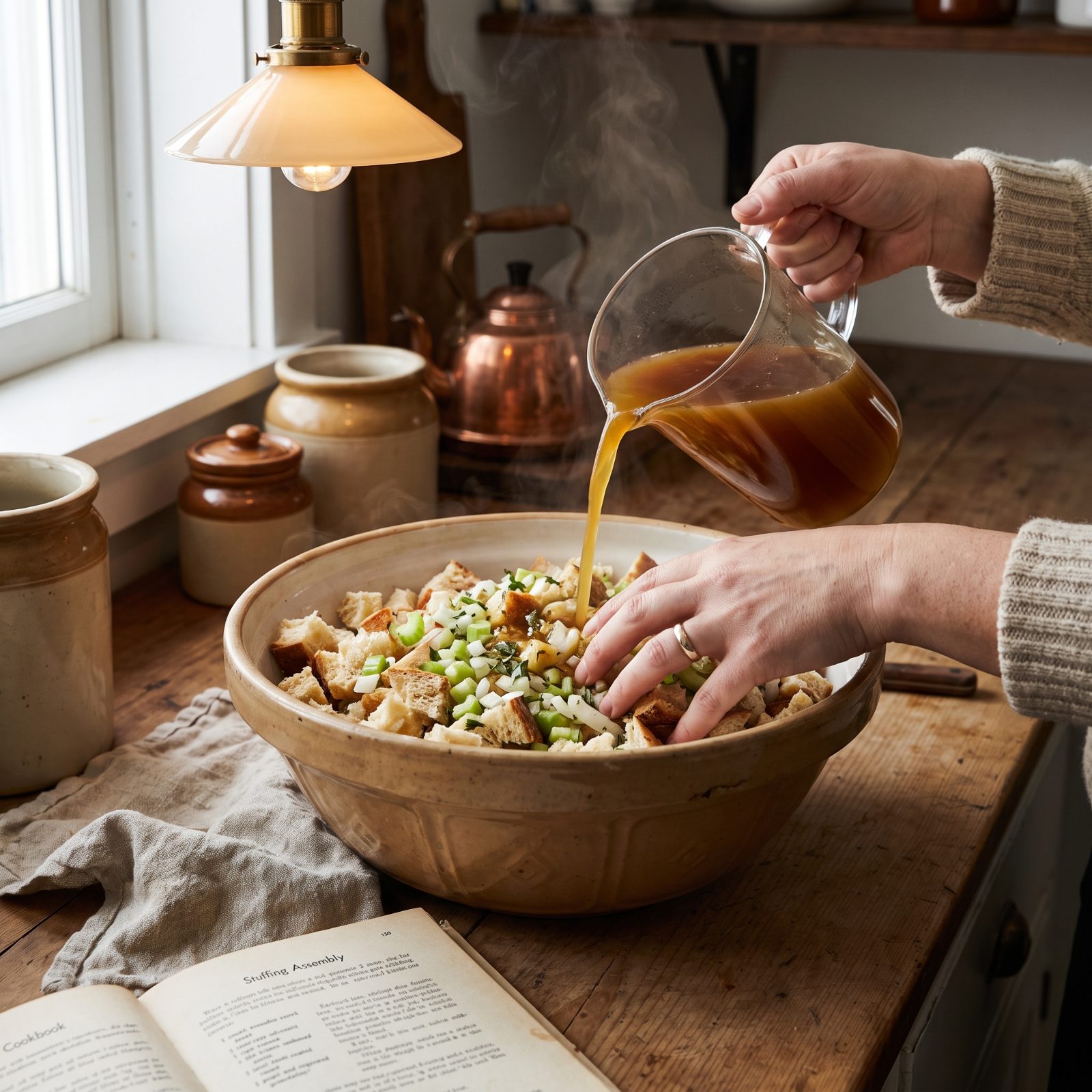
Assemble the stuffing the night before and the bread gets time to drink up the broth and the aromatics. That’s the whole difference between stuffing that tastes like something and stuffing that tastes like wet toast.
Toast or stale your bread cubes, cook the celery and onion, mix everything with herbs and broth, then press it into the baking dish, cover, and refrigerate.
Hold back some of the broth. Add the last splash right before it bakes so the top crisps instead of going gummy. And if you’re one of those people who stuffs the bird — don’t assemble ahead, bake it separately for food safety. I’ll die on that hill.
1 Day Out: Make the Mashed Potatoes
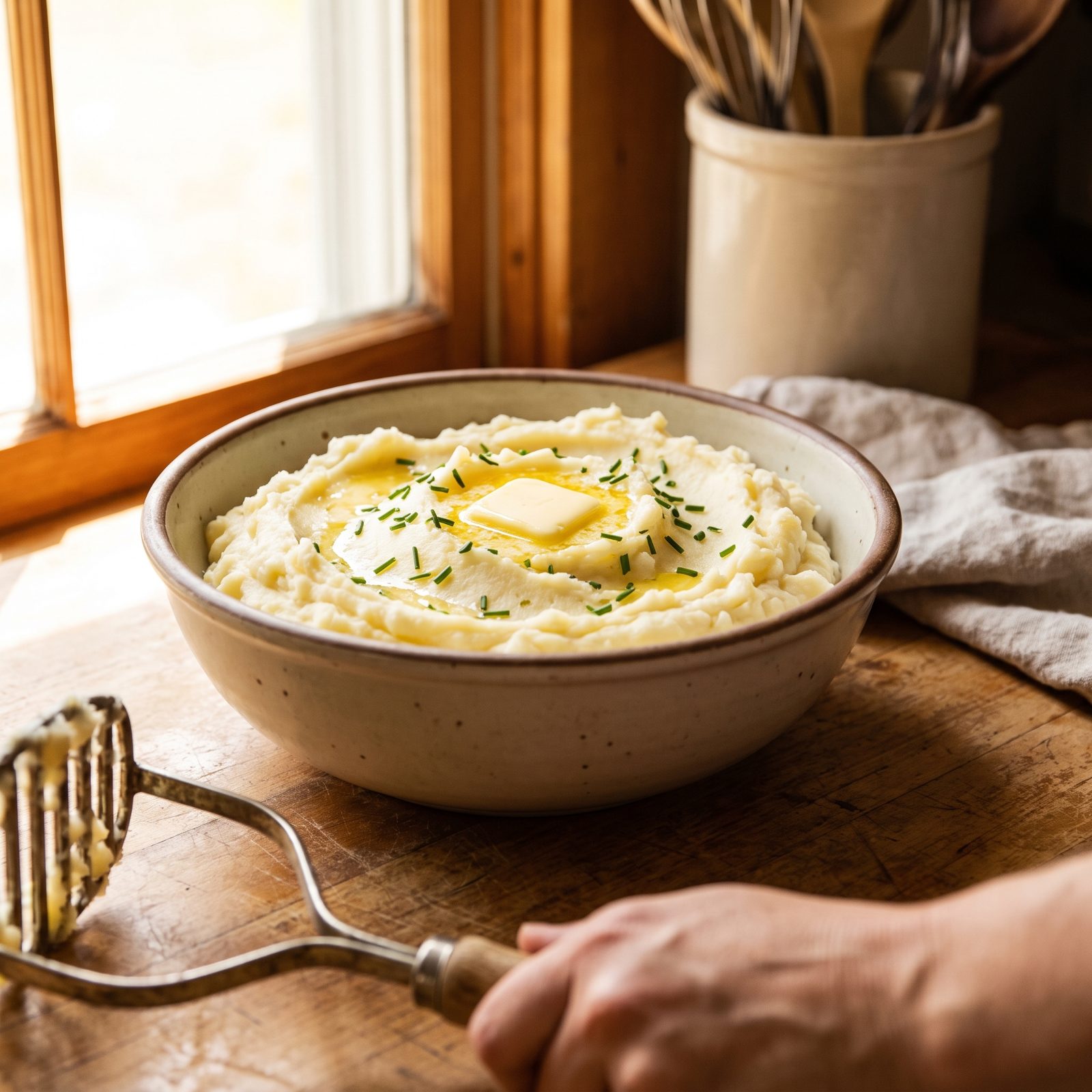
Mashed potatoes reheat better than their reputation suggests, and making them a day early clears a huge bottleneck on the day of. Mash them a little looser than you’d serve. They firm up in the fridge.
Store them in a buttered dish, cover, and chill. To reheat, warm gently with a splash more cream and butter, stirring over low heat or in a covered dish in the oven.
1 Day Out: Stage the Roasting Tools
Would you like to save this?
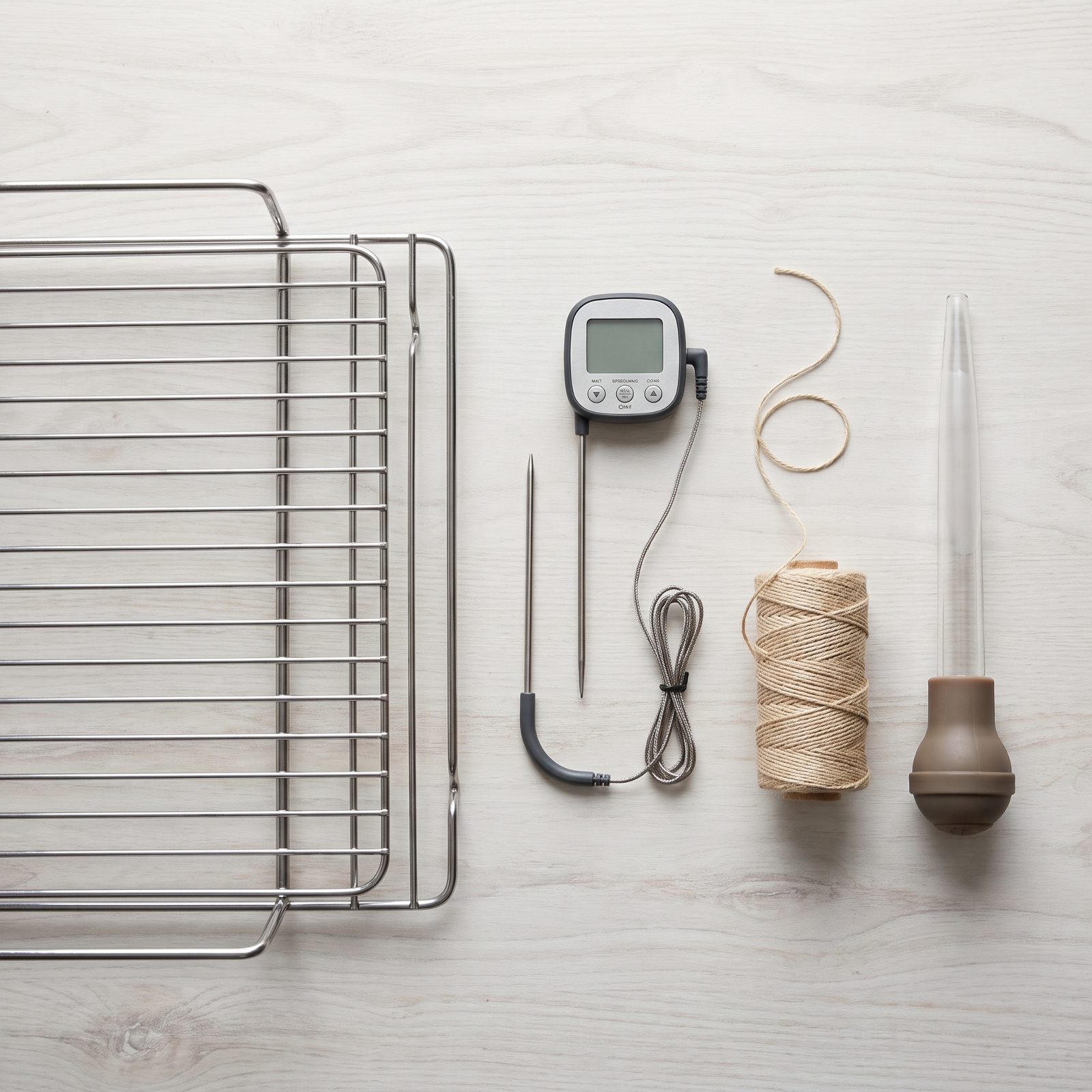
The worst time to discover your meat thermometer has a dead battery is at 9am on Thanksgiving with a sixteen-pound bird waiting. Lay out every roasting tool the night before and test the ones that can fail.
Gather the pan and rack, the thermometer, twine for trussing, a baster or brush, oven mitts, and your carving set. Check the thermometer in boiling water — it should read 212°F at sea level.
Make sure your carving knife is actually sharp, too. A dull blade shreds the breast and makes you look like you’re sawing lumber in front of your in-laws.
1 Day Out: Confirm the Turkey Is Thawed
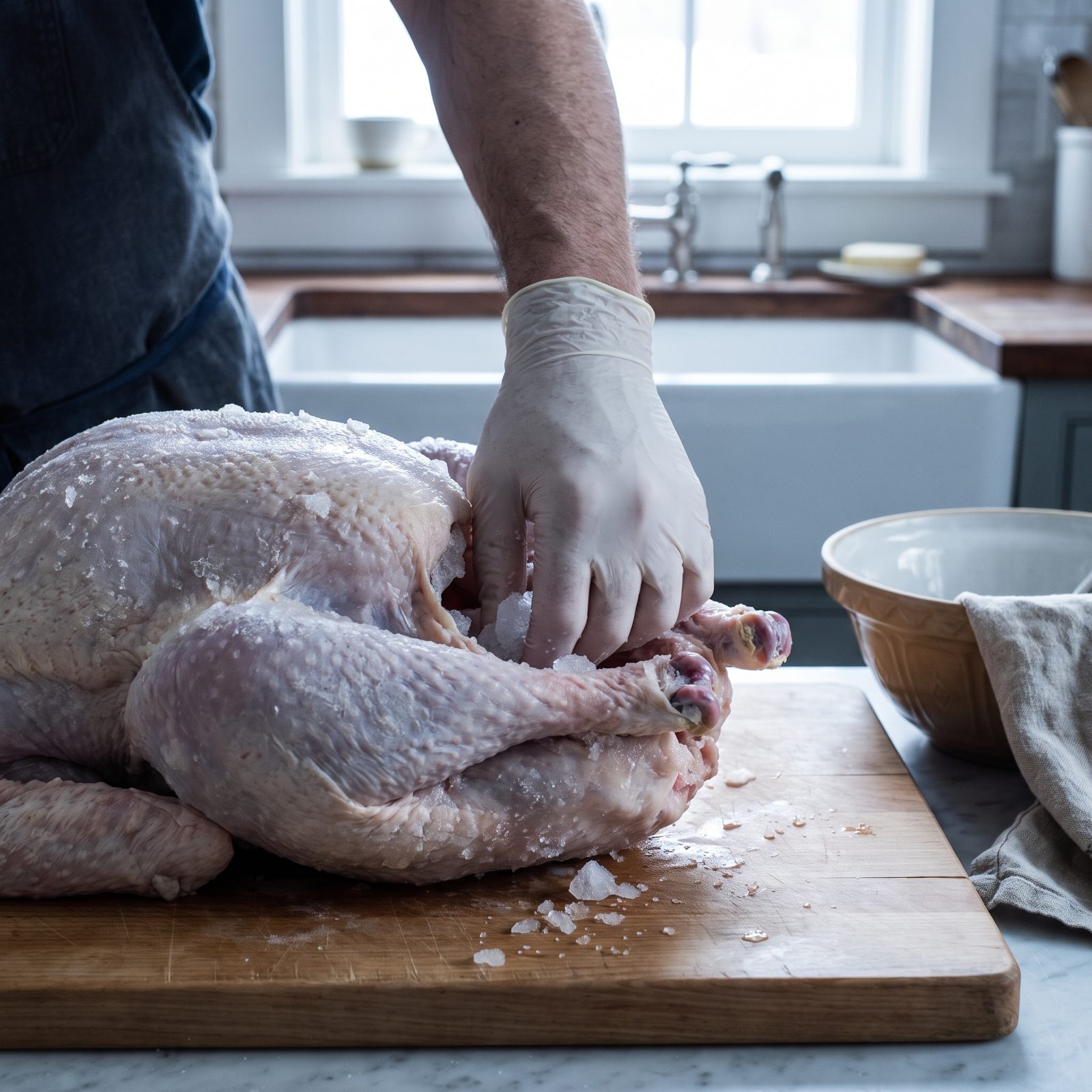
A turkey still frozen inside on Thanksgiving morning is the single most common disaster, and it’s completely avoidable. Count on roughly a day of fridge thawing for every few pounds. A big bird needs several full days, so you should be checking it now.
Press the thickest part of the breast and thigh. If there’s give all the way through and the cavity is open and soft, you’re set. Reach in and feel the inside — people miss the center staying rock hard.
Thanksgiving Morning: Empty the Dishwasher
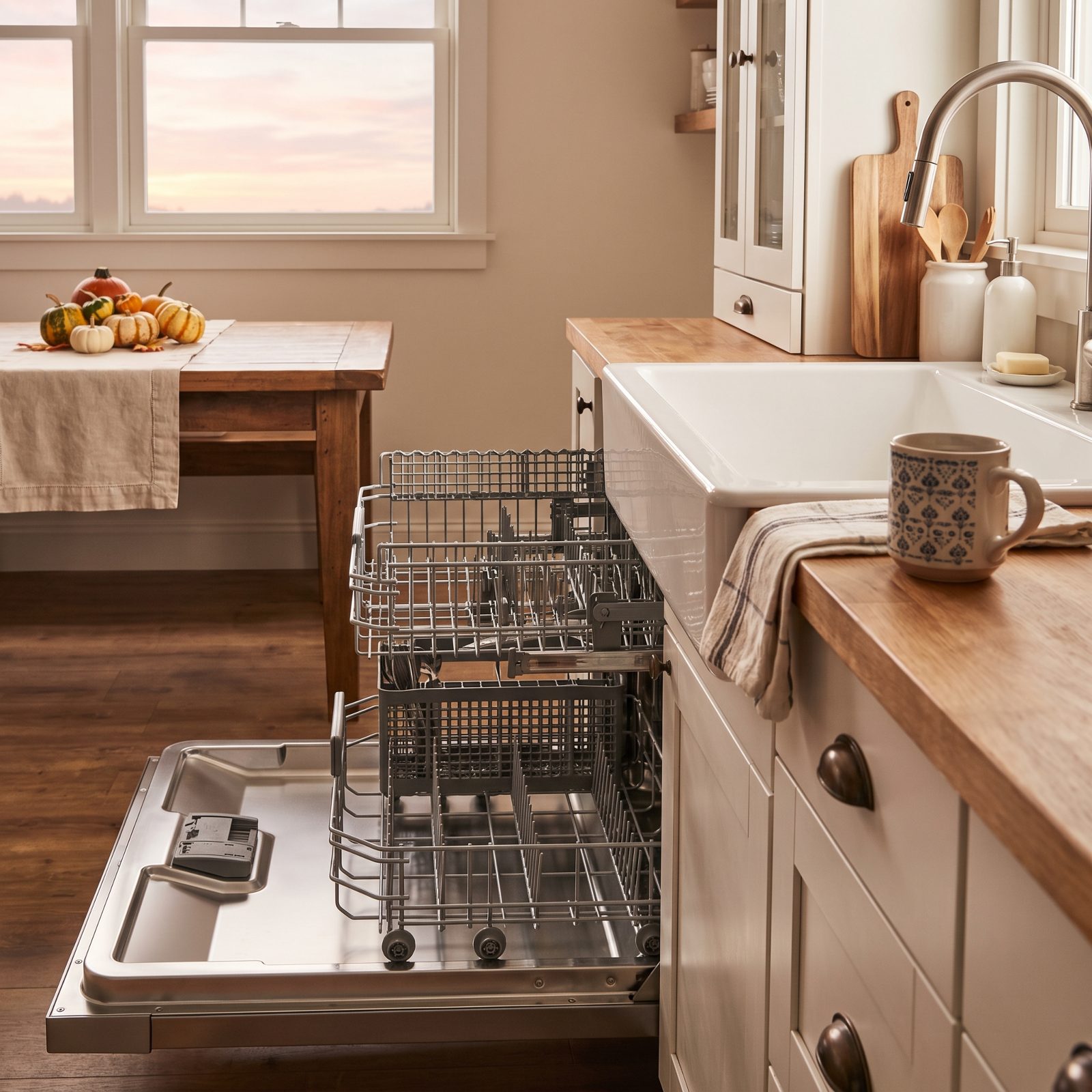
The single most undervalued move of the whole day. An empty dishwasher at 7am means every pot, bowl, and gravy-smeared whisk has somewhere to disappear the second it’s done. Skip it, and by noon your sink is a graveyard of crusted saucepans while the turkey screams for attention and you’re elbow-deep in suds.
So run it the night before and unload it before coffee. Leave the door cracked and the racks empty, and you can load dirty prep dishes as you go instead of stacking them on the exact counter you need for carving.
Thanksgiving Morning: Organize Leftover Containers
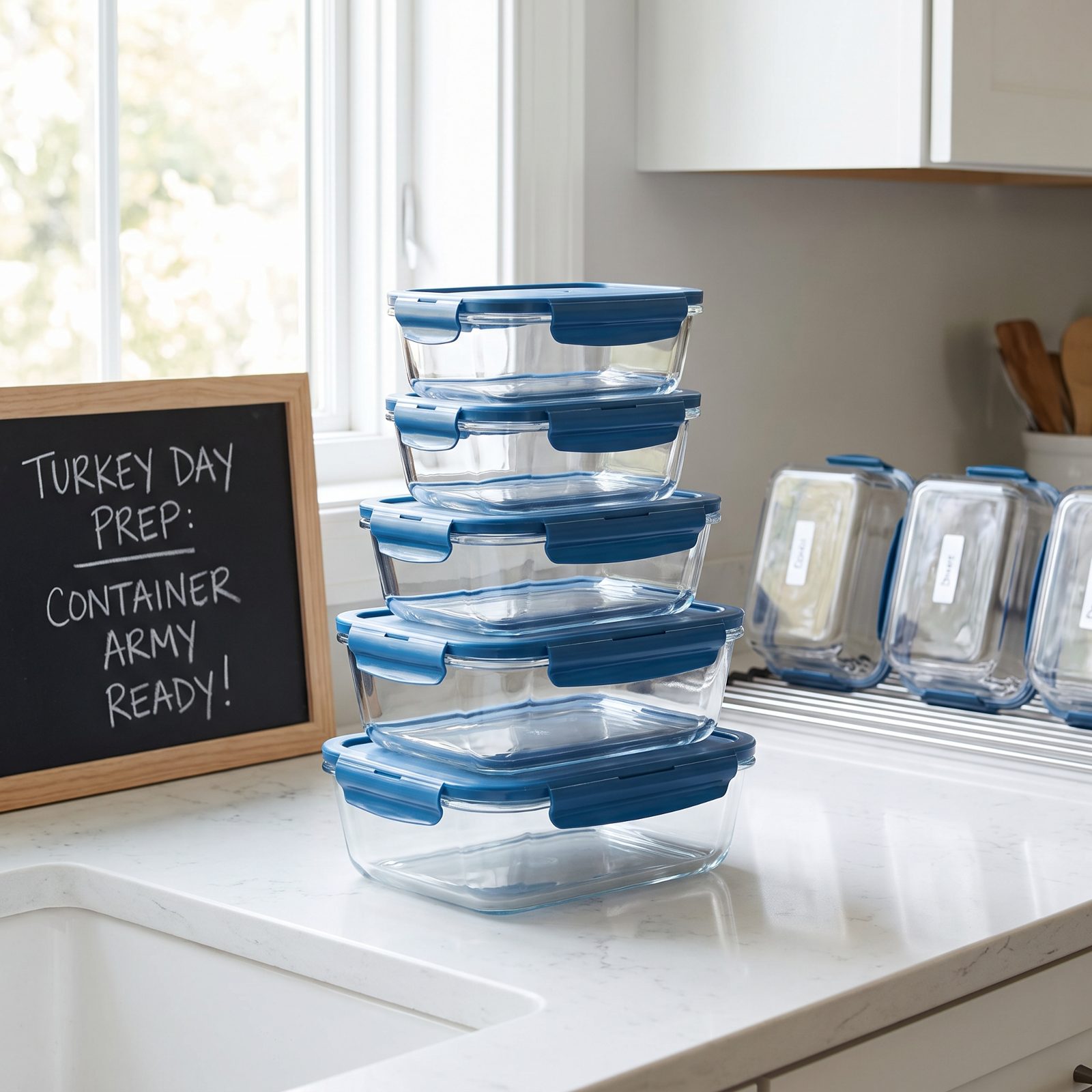
Nobody thinks about leftovers until midnight, squinting into a cabinet full of lids that don’t match any bowl they own. Pull your containers out in the morning instead, while your head is clear and your hands are free.
Match every lid to its base now. Set aside a few quart-size ones for gravy and soup, a couple of wide flat ones for sliced turkey, and the biggest you own for the stuffing nobody finishes. Having them ready means guests leave with plates — and you skip the frantic cabinet dig after the pie.
Before Roasting: Remove Turkey From Refrigerator
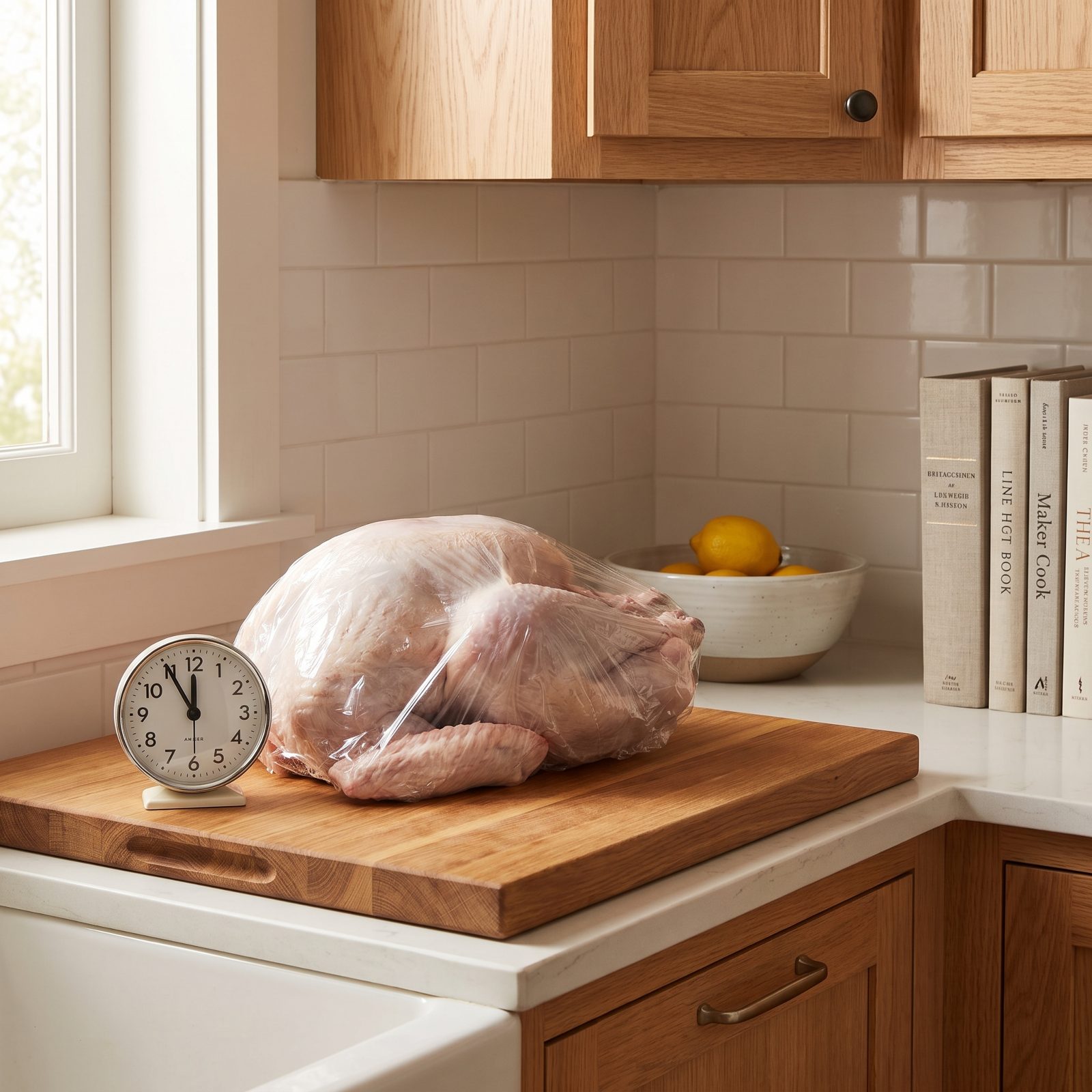
A fridge-cold turkey going into the oven is a mistake you taste three hours later. The center stays stubbornly cold while the outside overcooks, and you end up with dry breast meat and a thigh that’s still pink at the bone.
Pull the bird out 45 minutes to an hour before it goes in. Not longer. Pat the skin bone-dry with paper towels while it sits, because dry skin is crisp skin, and a wet bird steams instead of browns.
Roasting Start: Insert the Leave-In Temperature Probe
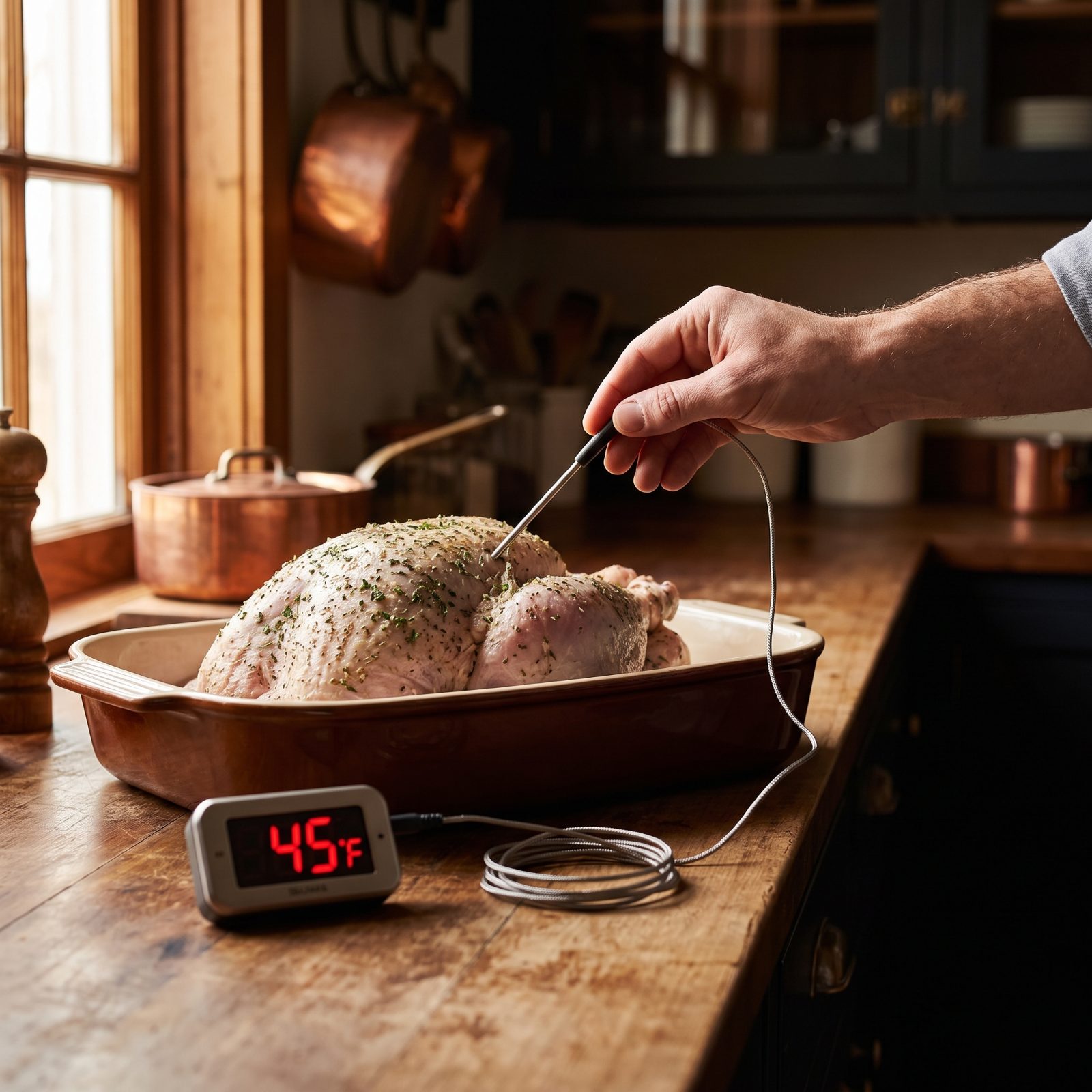
This is where most people lose the whole bird. They guess. They roast by the clock, pull the turkey when the timer buzzes, and serve meat that’s either raw at the joint or dried to jerky. A leave-in probe ends the guessing.
Set it before the turkey ever enters the oven, pushed into the deepest part of the thigh without touching bone — bone reads hotter than the surrounding meat and lies to you. Thread the cable out the oven door to the base unit on your counter, set the alarm for your target, and walk away. No opening the oven every twenty minutes, which drops the temp and adds time. You’ll catch the exact moment it’s ready without lifting a finger.
Mid-Roast: Rotate the Pan for Browning
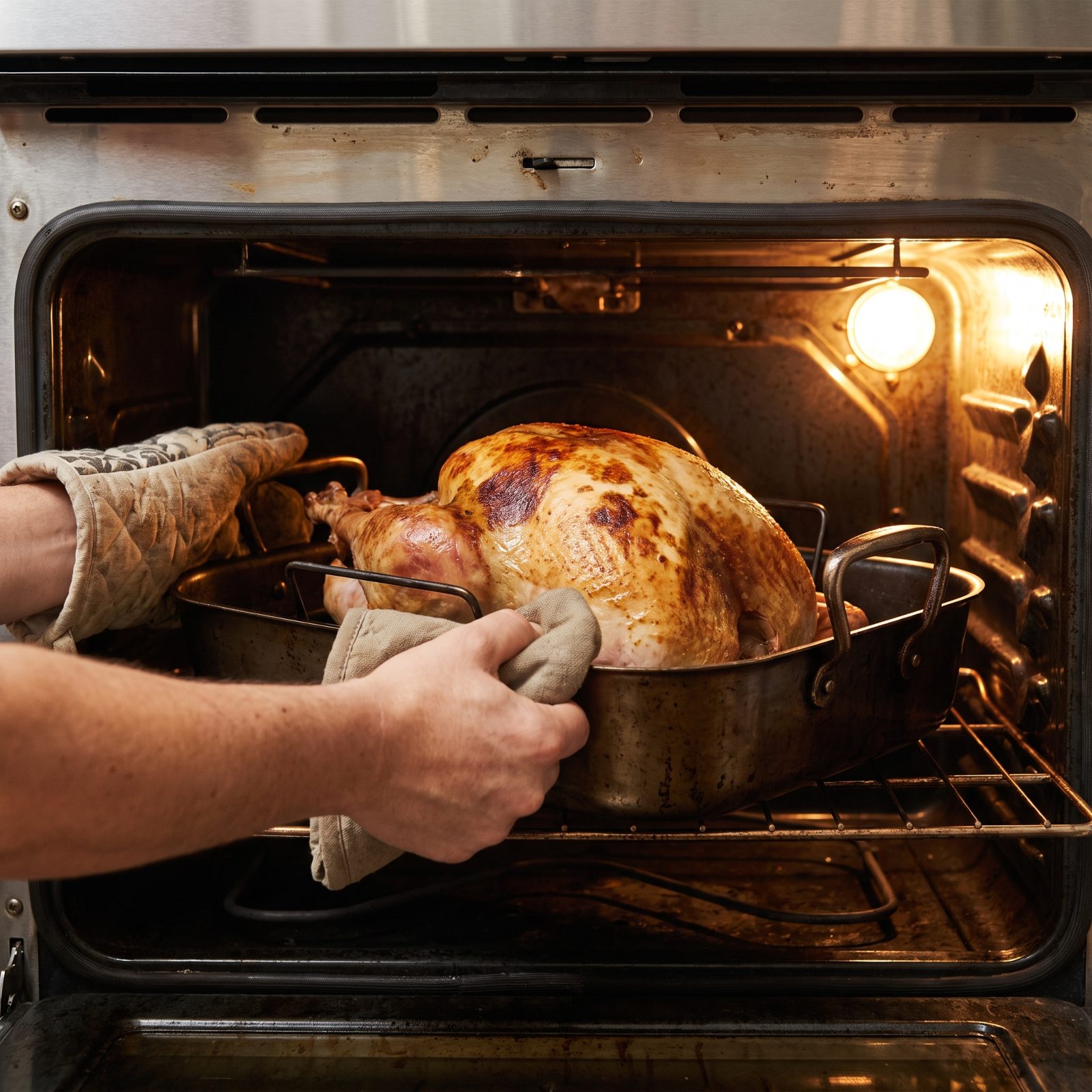
Every oven has a hot spot. Yours does too, even if you’ve never noticed, and it shows up as a turkey that’s deep mahogany on one side and pale and sad on the other.
About halfway through, give the pan a 180-degree turn — quick, in and out, so you don’t bleed off too much heat. Do the same for the sides and rolls later. A turkey that comes out evenly bronzed all the way around got turned. The one with a tan line did not.
1 Hour Before Carving: Reheat Gravy Gently
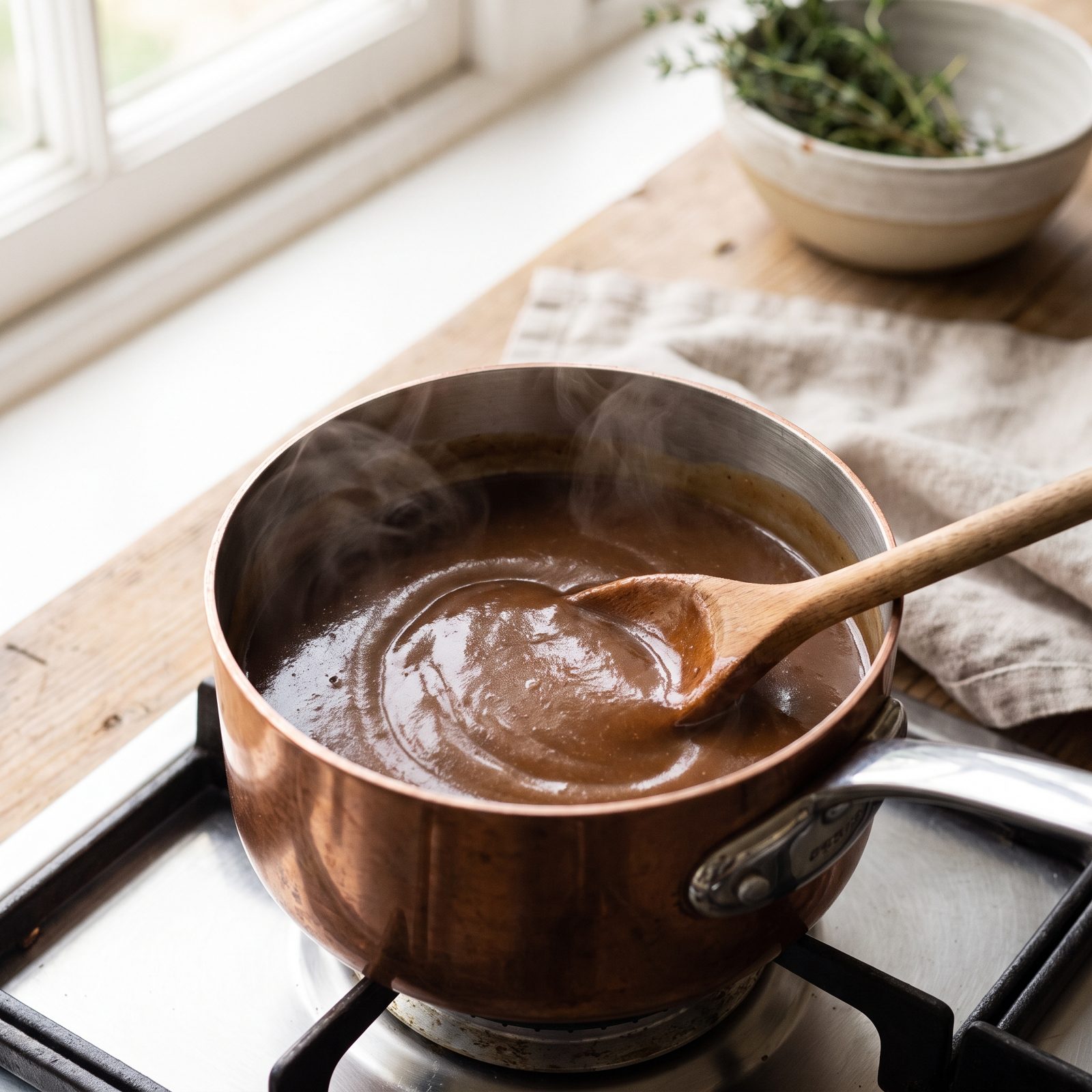
Gravy made ahead is the smartest thing on this list, but it breaks the second you blast it with high heat. The fat separates, a greasy slick floats to the top over a grainy sludge, and suddenly you’re whisking in a panic while everyone’s seated.
Warm it low and slow, stirring often. Thickened too much in the fridge? Loosen it with a splash of stock or the turkey drippings you’re about to have. And taste it hot, because cold gravy and hot gravy need different amounts of salt.
Turkey Done: Verify Breast and Thigh Temperatures
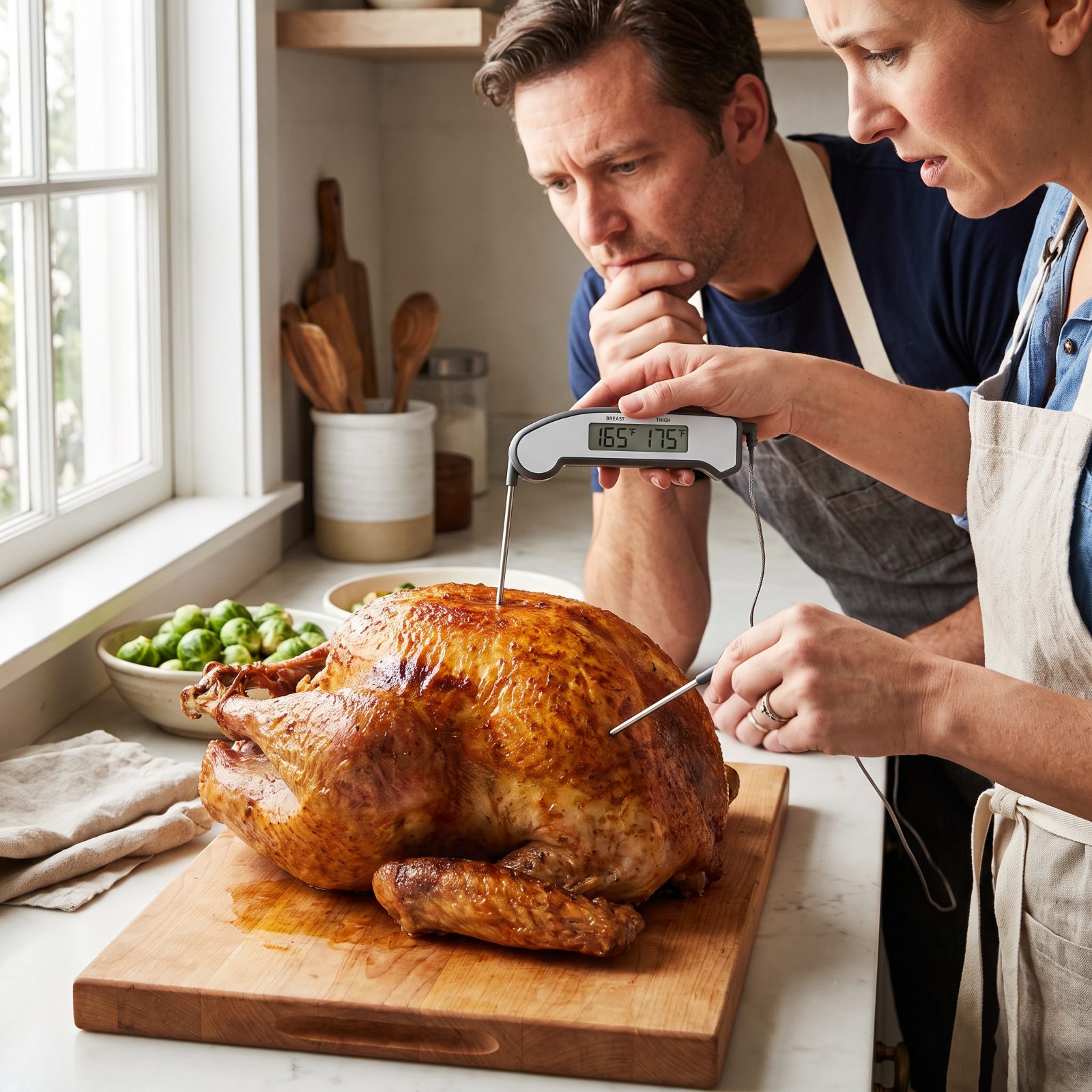
One reading isn’t enough. The breast and the thigh cook at different speeds, and checking only one leaves the other a gamble.
Pull your instant-read out and check both. The breast is done around 157 to 160 degrees — it’ll climb a few more while resting — and the thigh wants 170 to 175 to render out the tough connective tissue. Probe the thickest part of each, away from bone. If the breast is there but the thigh lags, tent the breast with foil and give the legs a few more minutes.
Resting Time: Tent the Turkey Loosely
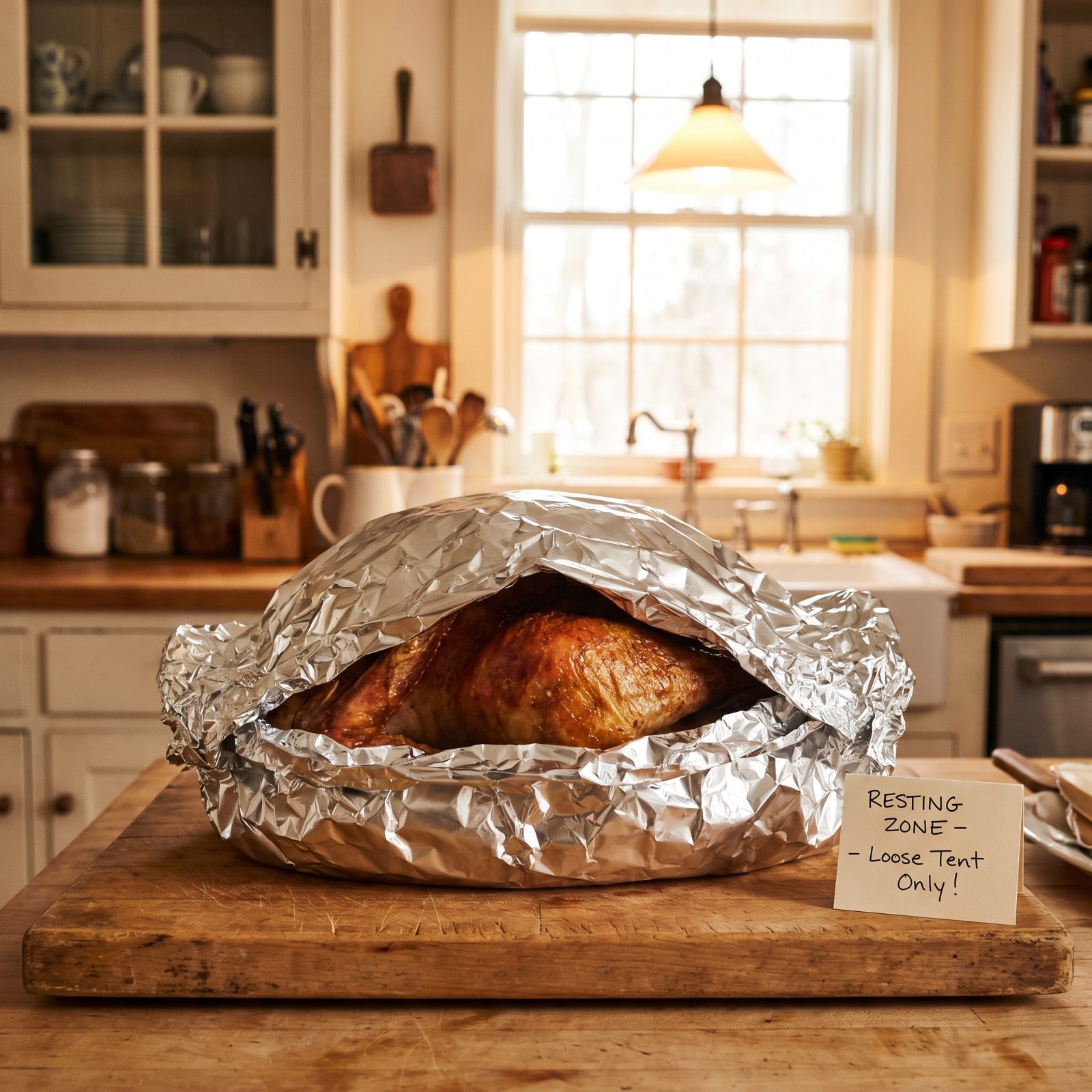
I ruined a good turkey once by wrapping it tight in foil to “keep it warm.” The crisp skin I’d worked an hour for turned to soggy wet paper in ten minutes. Foil traps steam, and steam undoes everything you just built.
Tent it loosely instead — foil peaked like a little roof, edges open. Rest the bird 20 to 40 minutes depending on size. Non-negotiable. Carve too soon and the juices run out onto the board instead of staying in the meat, and you’re left with dry slices and a puddle you’ll mop up with a paper towel.
30 Minutes Before Carving: Reheat Prepared Sides
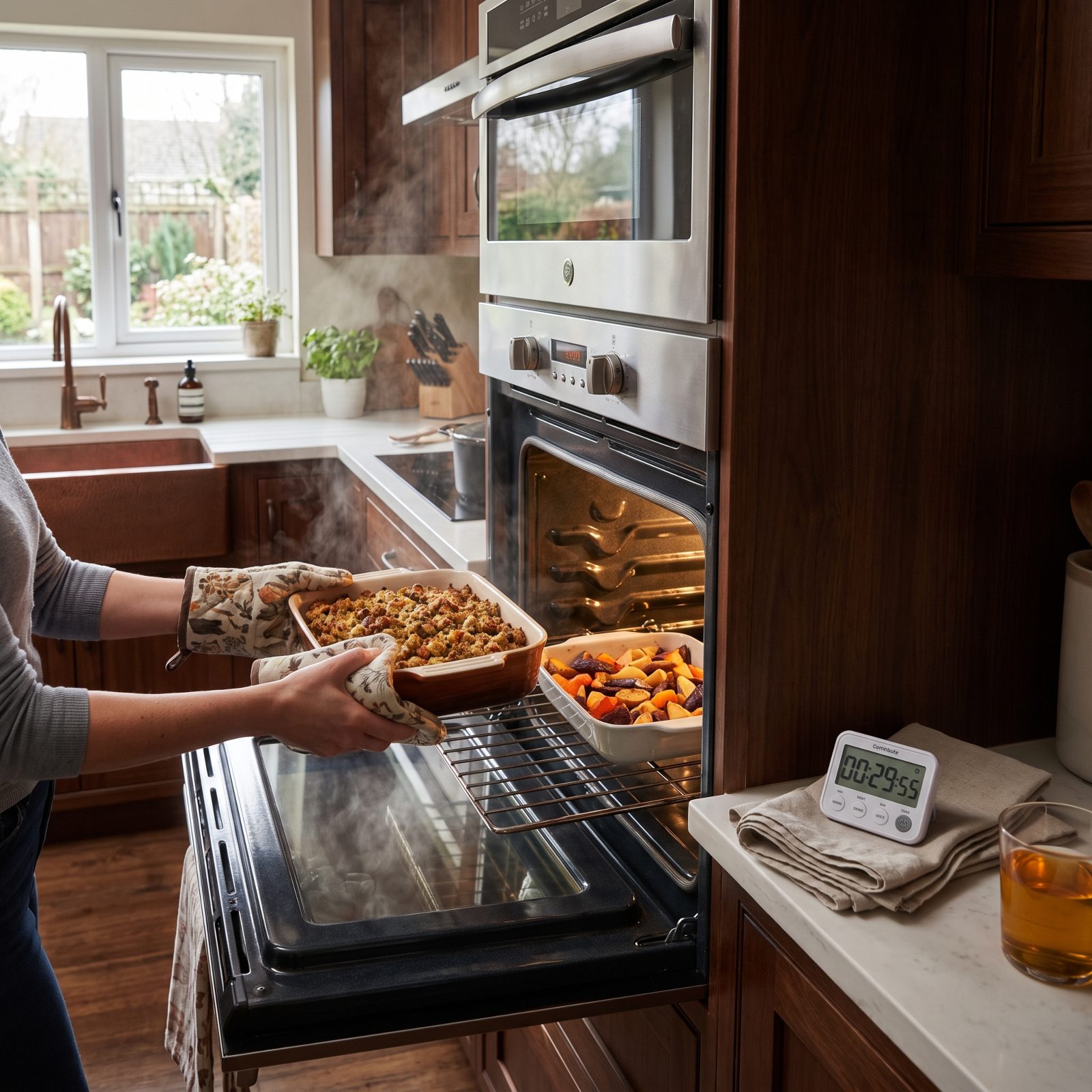
The turkey’s resting, which means the oven is finally free, and that half-hour window is exactly when your make-ahead sides go back in. Time it right and everything hits the table hot at once instead of trickling out lukewarm.
Cover anything that could dry out — stuffing, mashed potatoes — with foil, and leave anything you want crisp uncovered, like the casserole topping and the rolls. A splash of stock or cream stirred into the potatoes before reheating brings them back from the dead. Pull the foil for the last five minutes if you want color on top.
15 Minutes Before Carving: Toss the Salad
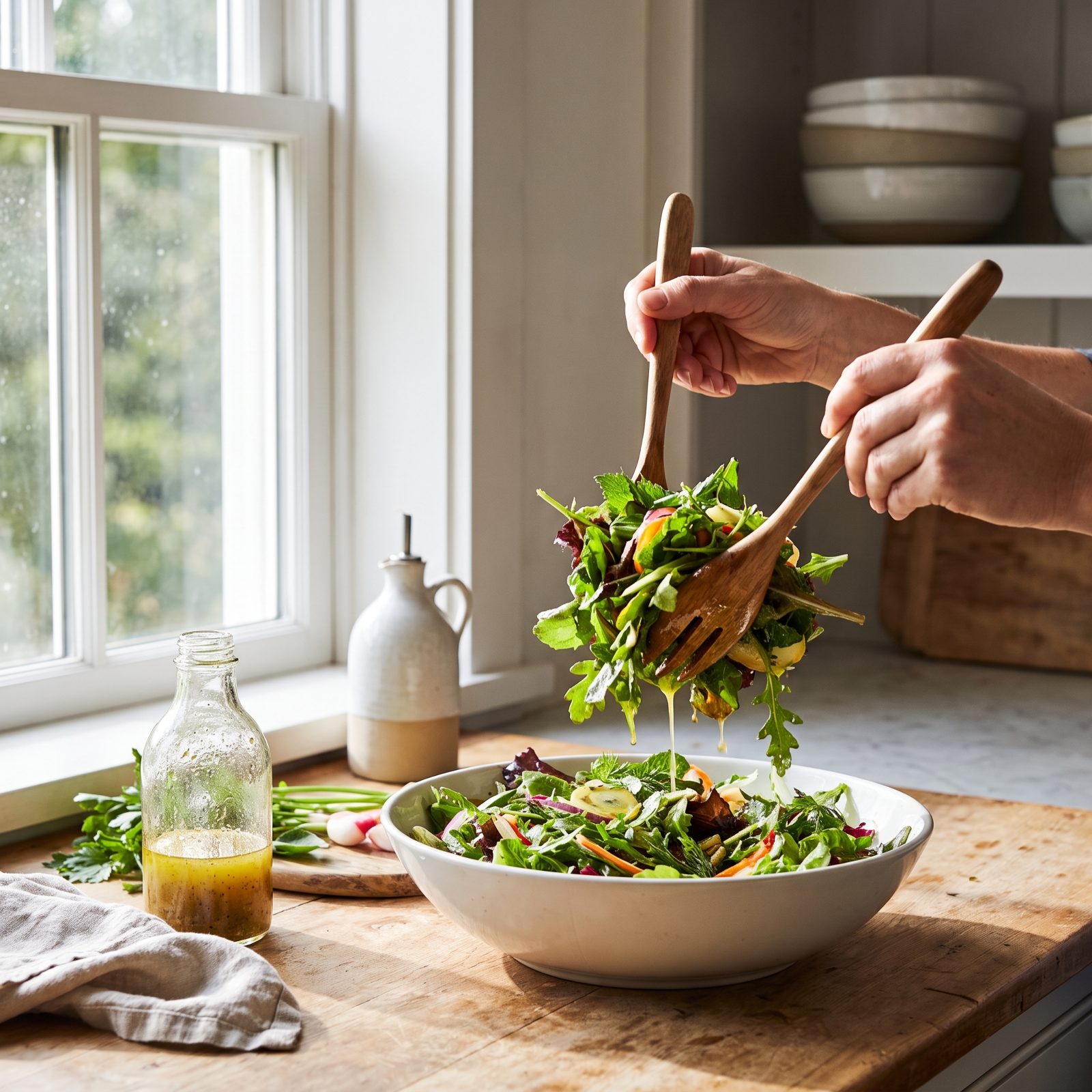
Dress the salad any earlier and you’re serving wilted leaves swimming at the bottom of the bowl. Acid and oil break greens down fast, so this is the very last thing you do before you sit.
Toss it while the turkey finishes resting. Anything that goes soft — avocado, croutons, cheese — gets added right before you dress, not before. A light hand with the vinaigrette beats a heavy one. You can always pass more at the table. You can’t un-drown a salad.
Carving Time: Slice Turkey Onto a Warm Platter
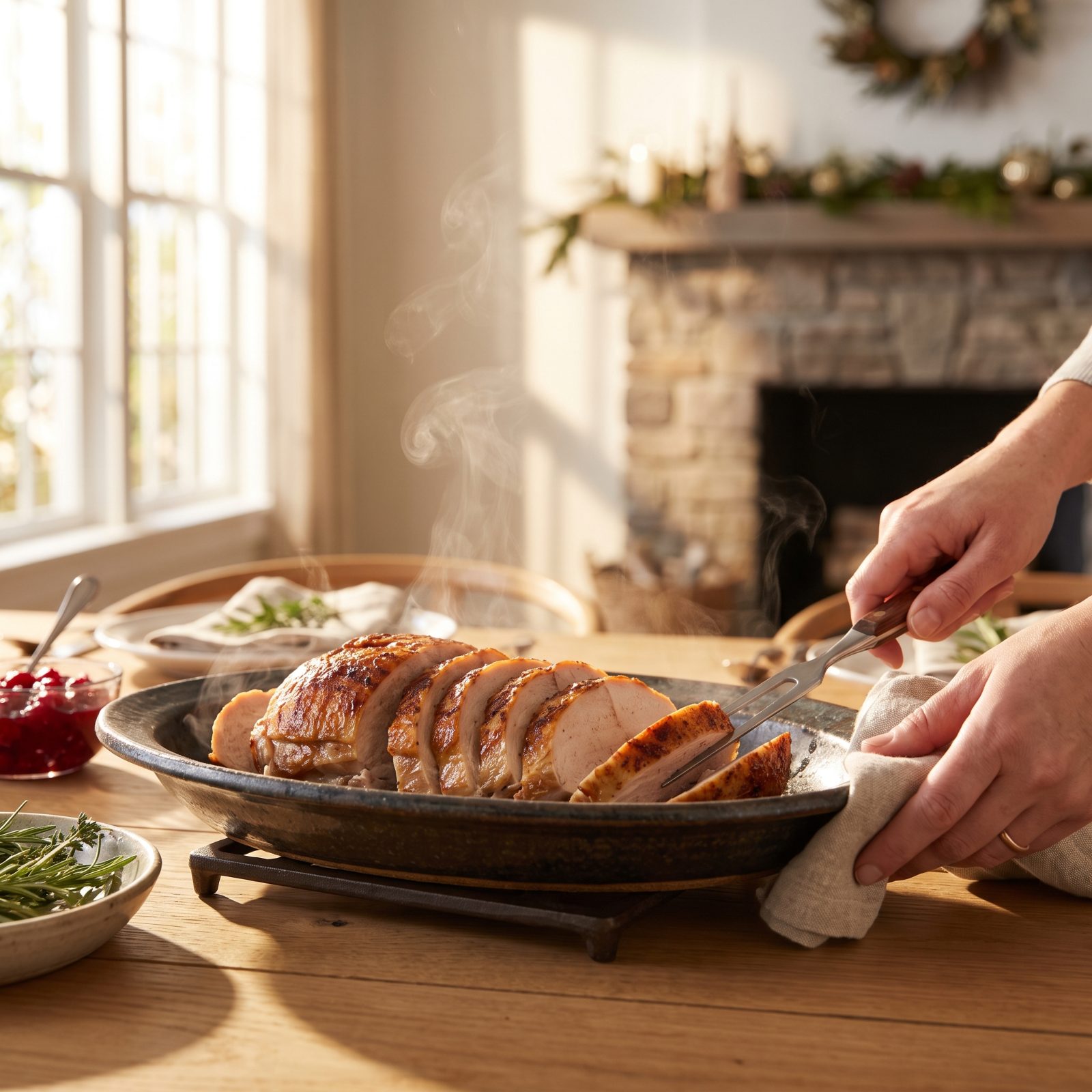
Cold platters are the quiet killer of a good bird. You rested the turkey right, you carved it clean, and then you fanned those slices onto a platter that’s been sitting in a drafty dining room since noon. Ten minutes later the meat’s lukewarm and the gravy’s grown a skin. So warm the platter. Run it under hot tap water and dry it off, or slide it into the oven on the lowest setting while the turkey rests.
Carve against the grain. Take the breast off the bone in one piece, then slice it. Thighs and drumsticks come off at the joint with no sawing, and the second that platter’s full, get foil over it.
Your Printable Planner
Save it to Pinterest or print it — every check from the list above on one page.