Would you like to save this?
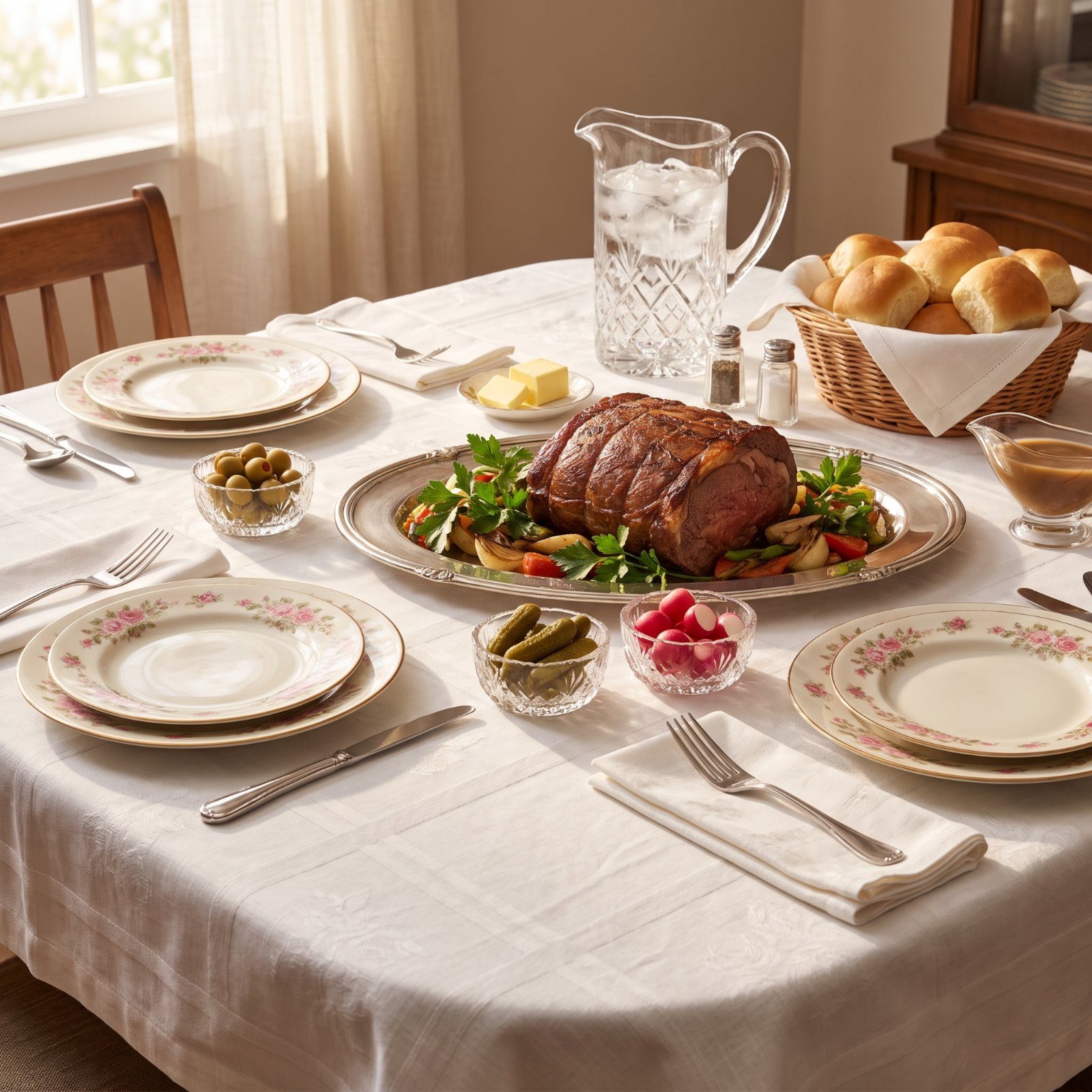
The good tablecloth came out on Sunday — the one that lived in a drawer all week, pressed and a little stiff, with the small iron scorch nobody ever mentioned. Something had been in the oven since before church, and the whole house knew it.
These were the dishes that said this meal mattered. Not fancy. Just serious about feeding people you loved, and most of them have quietly slipped off our tables. Here’s the case for dragging them back.
25. Standing Rib Roast With Pan Gravy
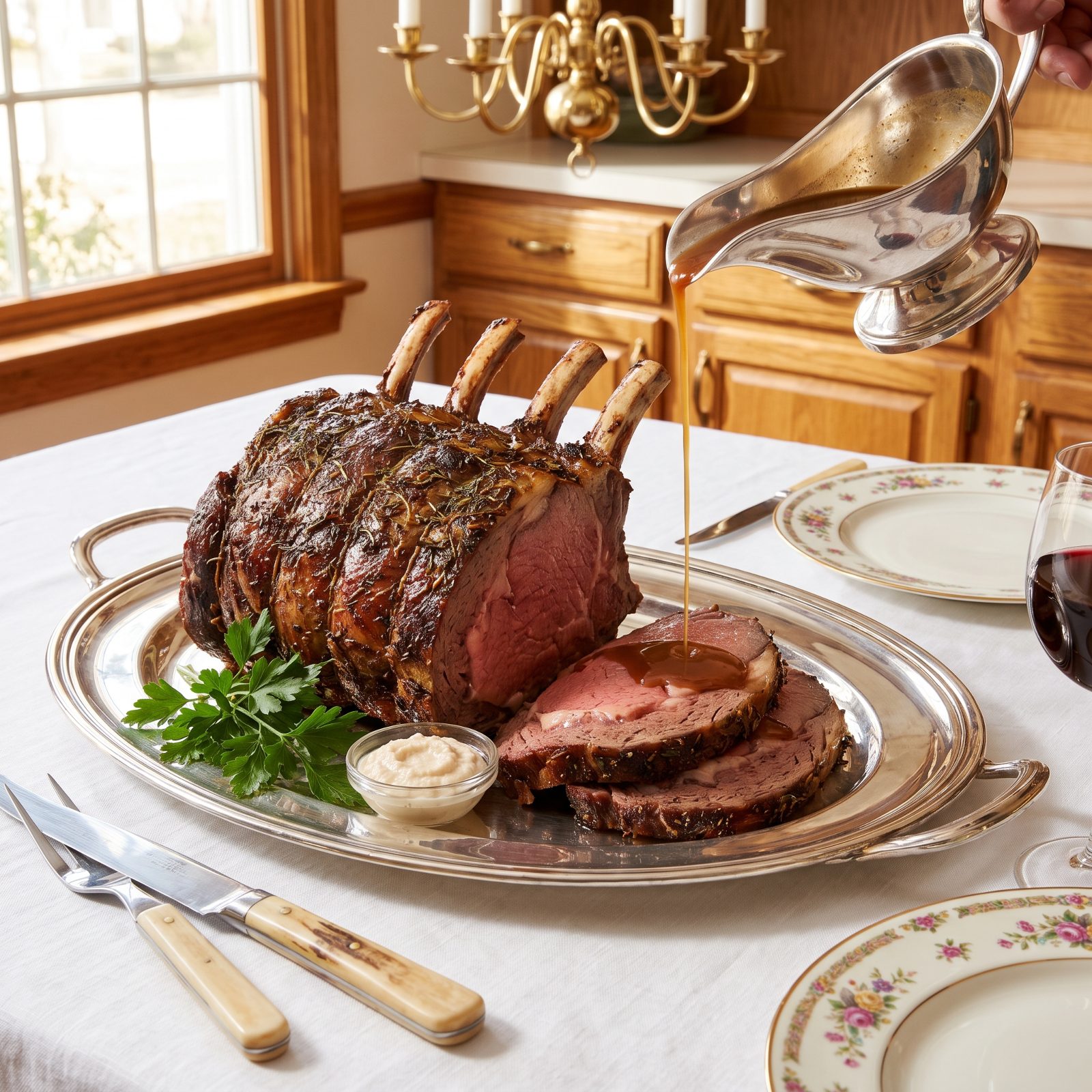
This was the roast you saved for. Not every Sunday — the Sundays that counted, like Grandpa’s birthday, a cousin home from the service, or the first cold snap that made the oven feel like a good idea again.
The magic was never complicated: salt, pepper, a hot oven, and patience. You pulled it out, let it rest on the counter under foil, and whisked the drippings in the roasting pan with a little flour and broth until the gravy went glossy and brown. That gravy ran the whole show. People fought over the end cut and the crusty bits stuck to the bottom of the pan.
Bring it back for one big Sunday a year. Your kitchen will smell like something is about to happen, and it will be.
24. Braised Pot Roast With Carrots
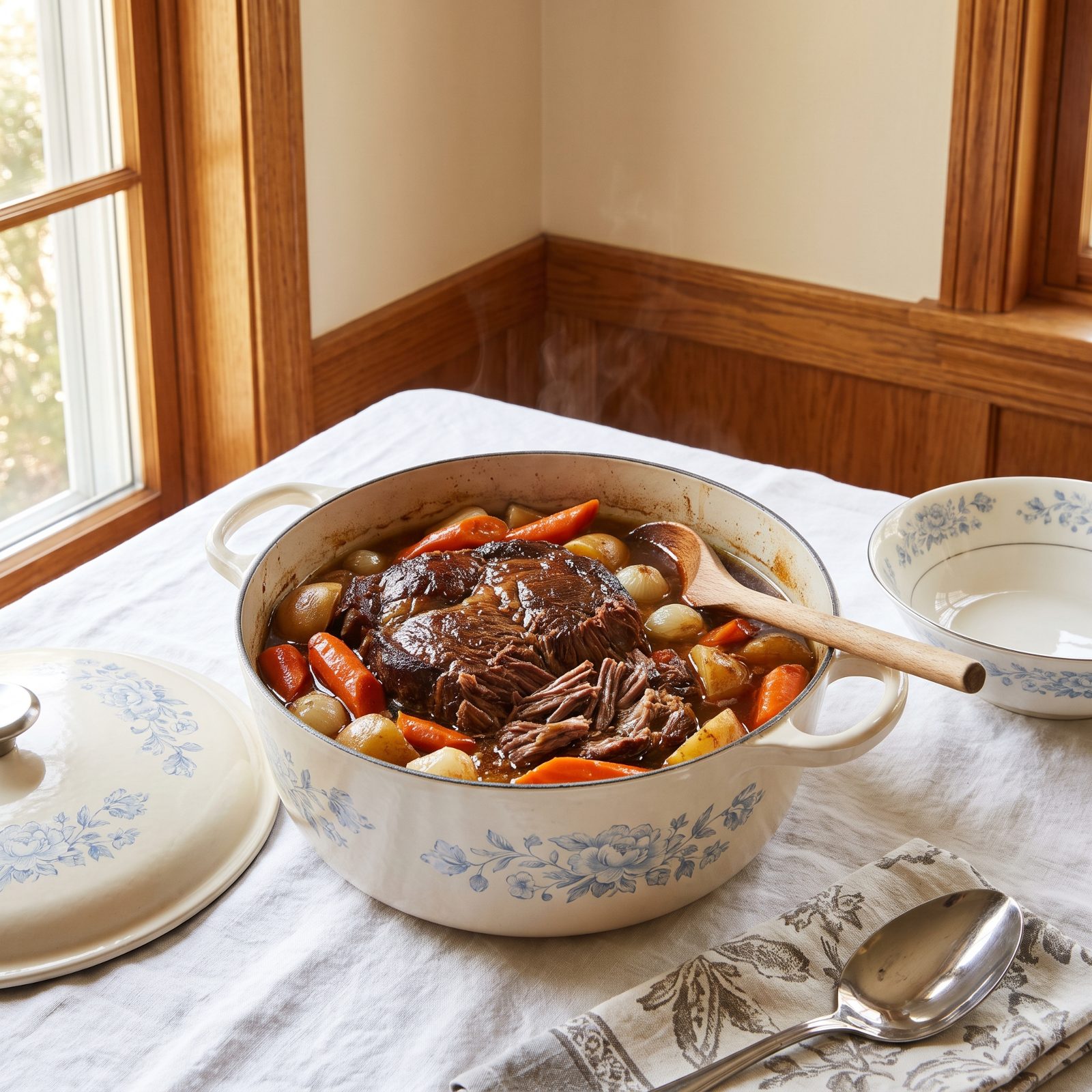
Pot roast was the Sunday dinner you could trust. Tough cheap cut, long slow heat, and by two o’clock the whole thing surrendered. The carrots went soft and sweet, and the gravy made itself.
I love a rib roast, but honestly, pot roast is the one I miss more. It forgave everything. You could run late from church, let it go another half hour, and it only got better. The carrots cooked right in the pot soaked up the drippings and turned into candy nobody admitted was their favorite part.
Chuck roast, browned hard on all sides first. That browning is not optional. Skip it and you get gray boiled beef. Do it right and you get Sunday.
23. Roast Chicken With Sage Stuffing
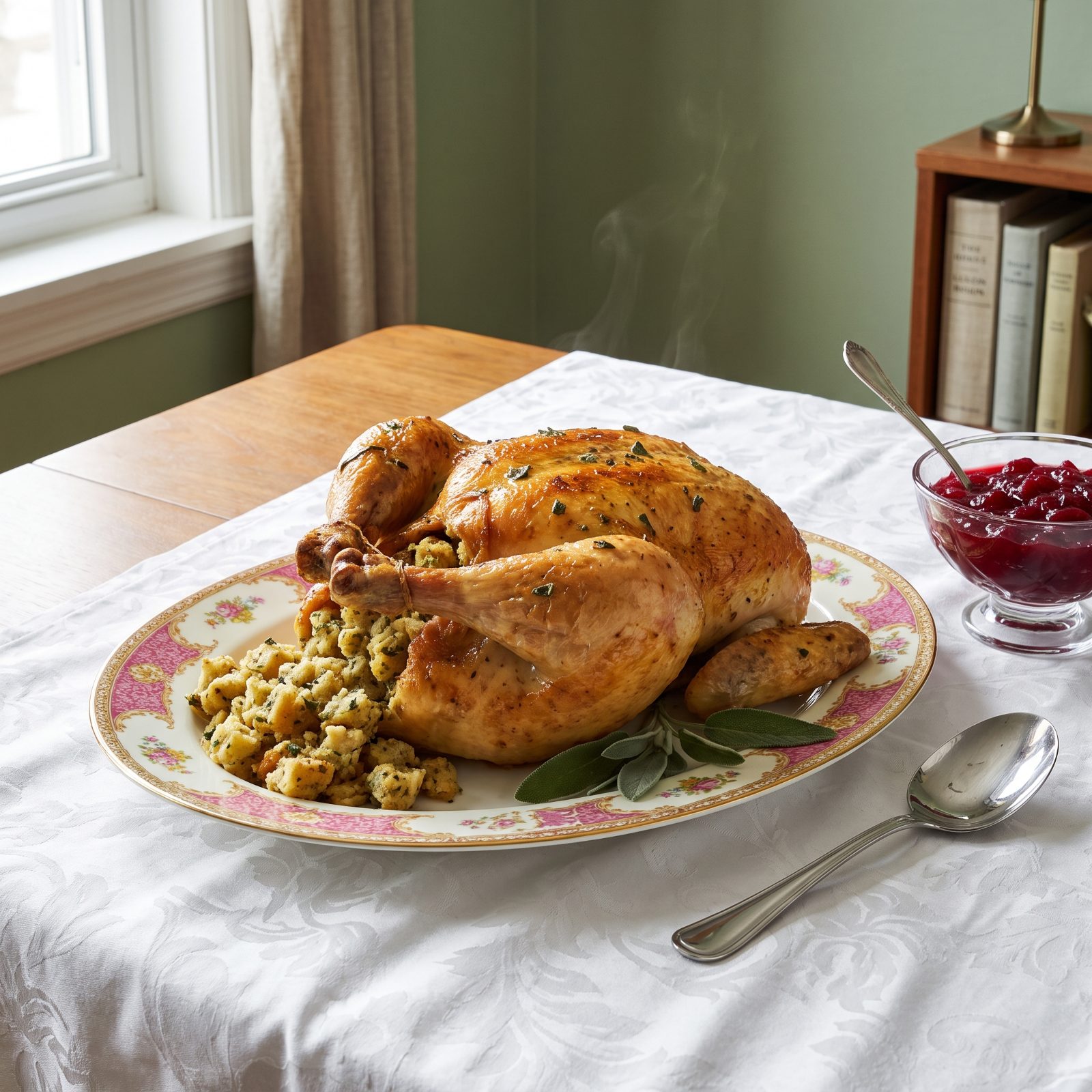
The chicken was the everyday-special version — not the occasion of a rib roast, but still a tablecloth affair. The real event sat inside the bird.
Sage stuffing. Torn bread gone a little stale on purpose, onion and celery cooked soft in butter, poultry seasoning, and enough sage to make the kitchen smell like autumn whether or not it was. Some cooks packed it in the cavity. Some baked it in a dish for the crisp top. Both camps were certain they were right.
A whole roast chicken costs almost nothing and feeds a crowd. Why we stopped making it on Sundays, I’ll never understand.
22. Baked Ham Glazed With Pineapple Rings
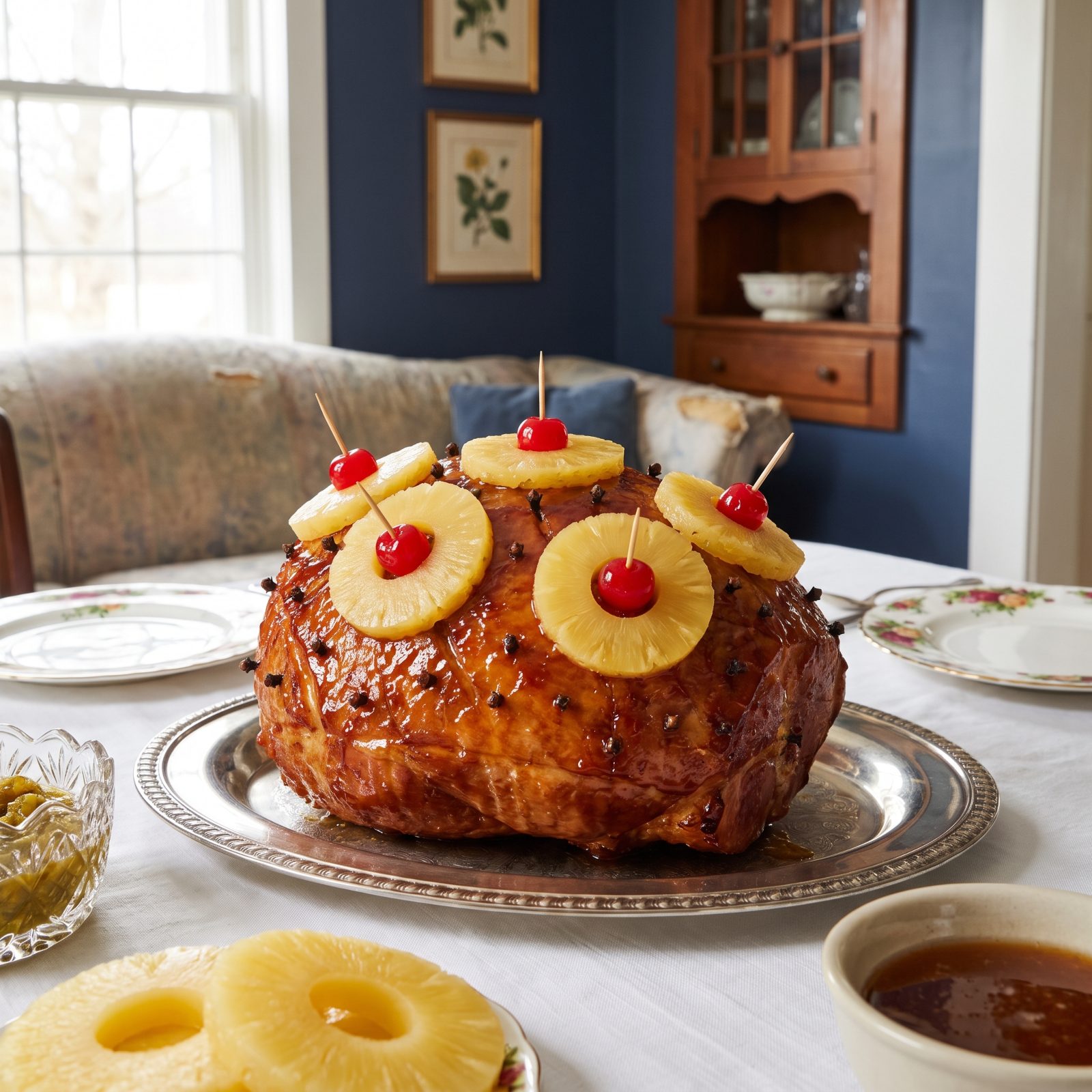
You know this ham before you taste it. The pineapple rings. The maraschino cherries pinned dead center with a toothpick. The clove-studded crosshatch. It looked less like dinner and more like a float in a small-town parade, and that was exactly the appeal.
The glaze did the heavy lifting — brown sugar, the juice from the pineapple can, a little mustard, brushed on and basted until the top went sticky and dark. Sweet and salty, the oldest trick in the book and still undefeated.
21. Swiss Steak in Tomato Gravy
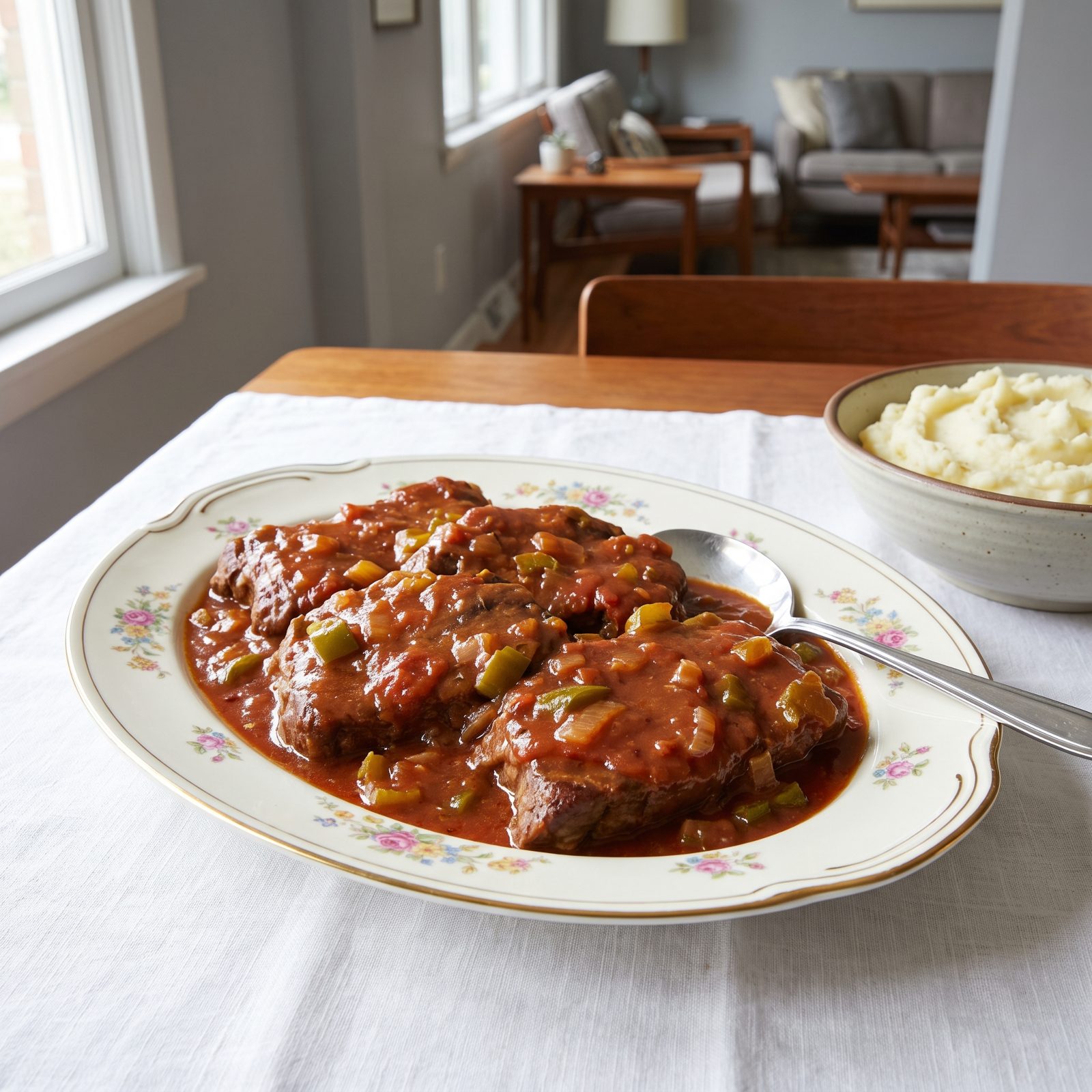
Swiss steak has nothing to do with Switzerland. The name comes from “swissing,” an old word for pounding fabric smooth between rollers. The 1950s cook did the same to a cheap round steak with the edge of a saucer or a studded mallet, beating flour right into the meat.
Then it browned, got smothered in tomatoes, onion, and pepper, and braised low until a fork went through it like butter. Served over mashed potatoes, because that gravy was far too good to waste.
This is a lost dish, and it shouldn’t be. It turns a tough, forgettable cut into something you’d set out for company. Cheap, slow, and deeply satisfying. Make it on a cold Sunday and thank me later.
20. Chicken and Dumplings
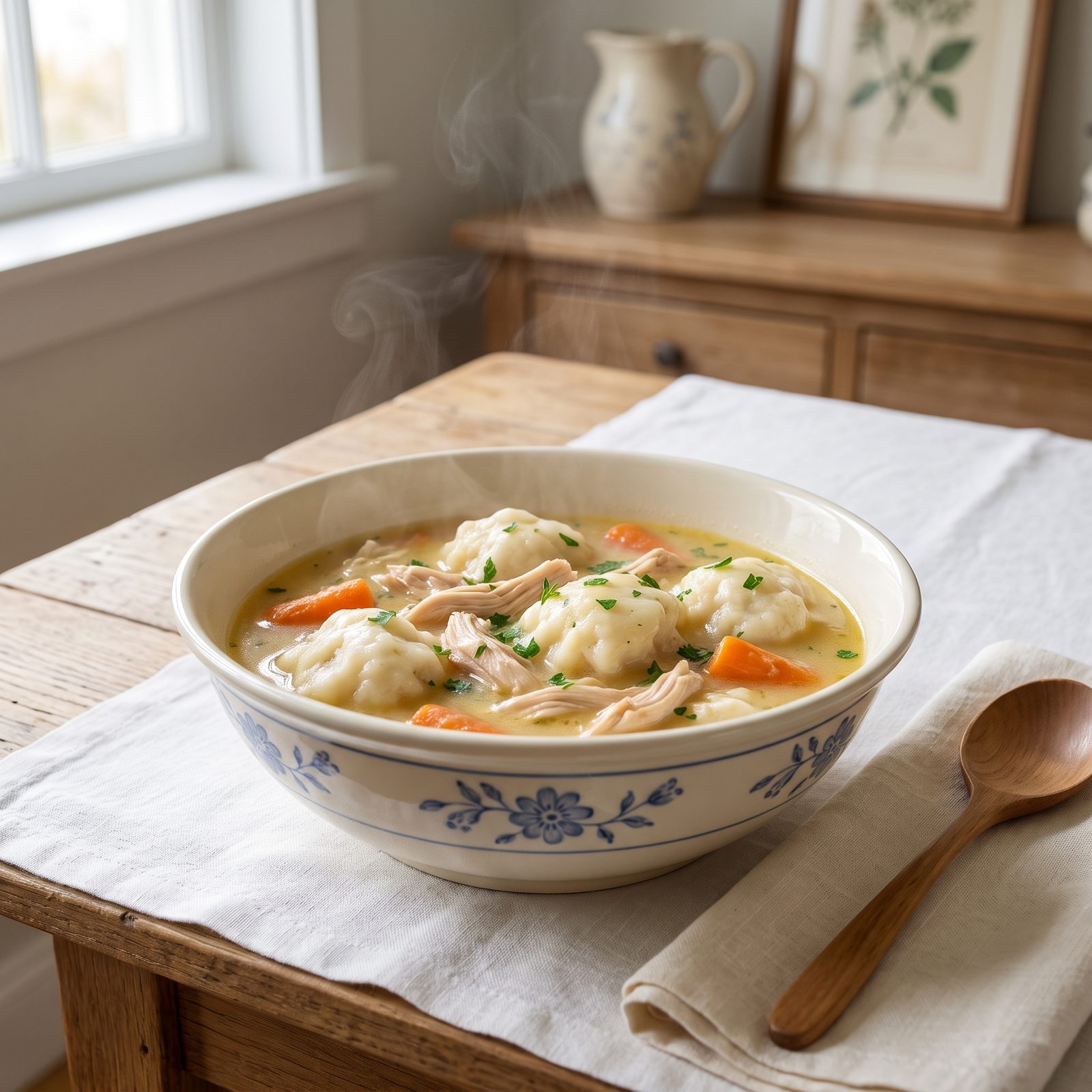
Comfort food has a face, and it looks like a bowl of chicken and dumplings. Soft, pale, steaming, and completely without pretension.
Two camps existed, and they did not get along. On one side, the rolled-and-cut flat-noodle dumplings that went slick and tender in the broth. On the other, the dropped-biscuit kind that came out fluffy and cloudlike. Every family had a side, and every family was certain the other side was doing it wrong.
The broth was the quiet hero. A whole chicken simmered until it fell apart, the meat pulled back in, the liquid thickened just enough to coat a spoon. Nothing about it photographs well. Everything about it tastes like being taken care of when you were sick as a kid.
19. Stuffed Cabbage Rolls
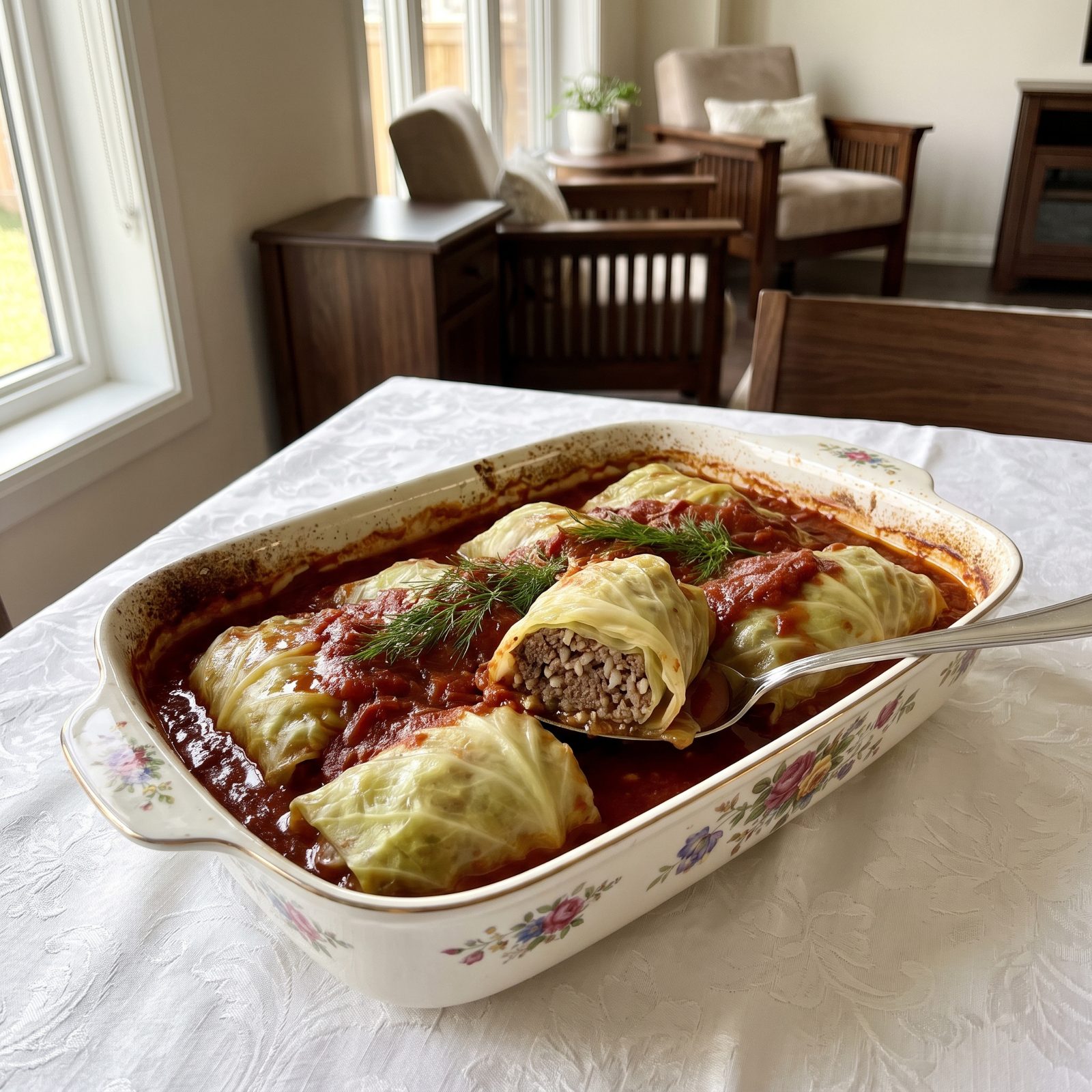
These took time, which was the point. You don’t make stuffed cabbage for a Tuesday. You make it on a Sunday when there’s a pot of coffee on and someone to talk to in the kitchen.
Core the cabbage, blanch the whole head until the outer leaves go limp, peel them off one at a time. Fill each with seasoned beef and rice, roll it tight, tuck the ends. Lay them in a dish of tomato sauce and let the oven do the rest for hours.
Immigrant kitchens kept this one alive, each family nudging the sauce a little sweeter or a little sharper. Worth the trouble every single time.
18. Scalloped Potatoes With Crisp Edges
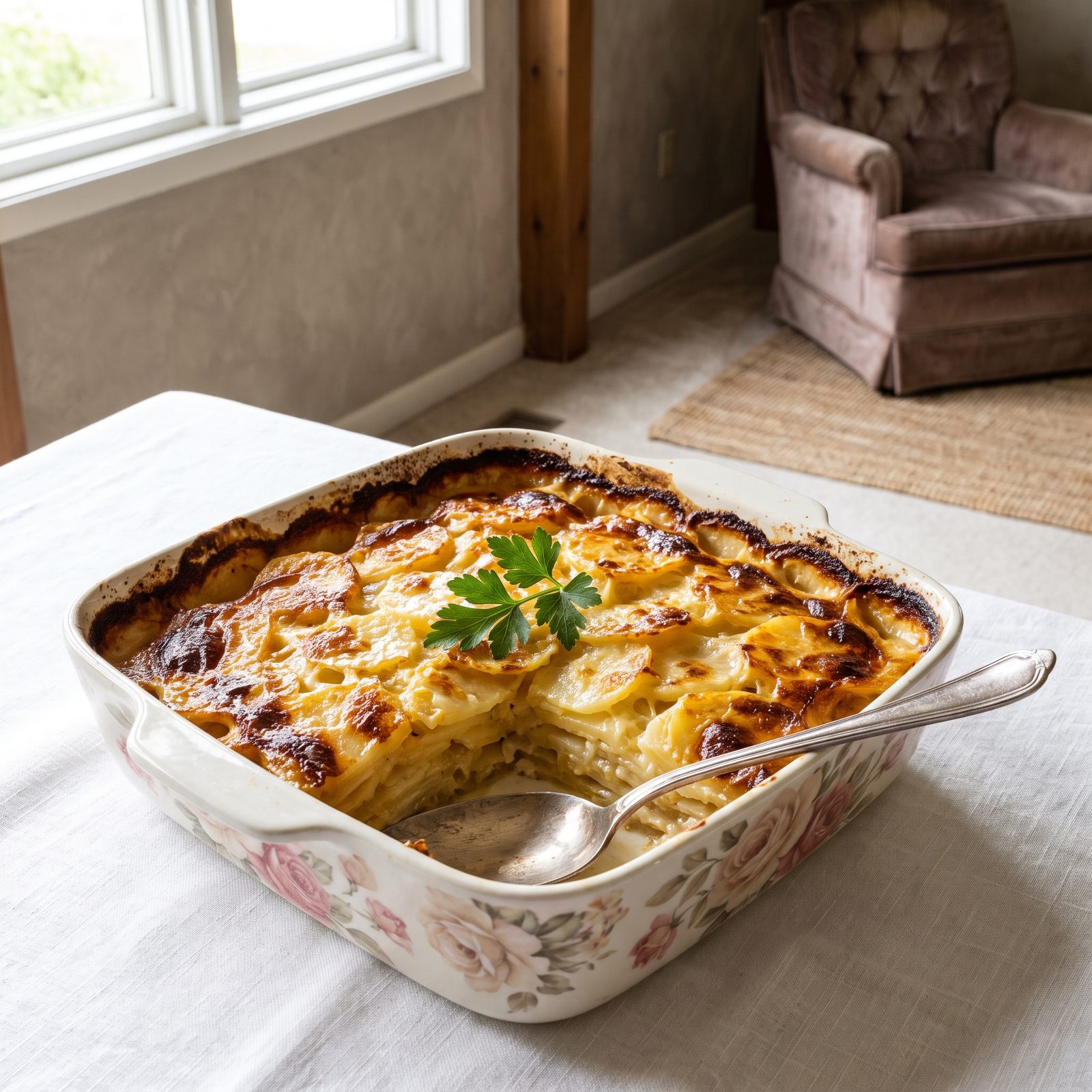
Everyone wanted the corner piece. The spot where the cream cooked down and the potato edges caught on the dish and went dark and chewy and slightly burnt in the best way. There was never enough of it — a design flaw nobody ever fixed.
Thin potato slices, layered with onion, salt, and flour, drowned in milk and butter, baked slow until the top blistered. No cheese in the classic version, though plenty of cooks snuck some in. The sauce thickened itself as it baked.
Patience is the whole recipe. Rush the oven and you get crunchy raw potato in gluey milk. Give it the time and you get the best side dish on the table.
17. Candied Sweet Potatoes
Would you like to save this?
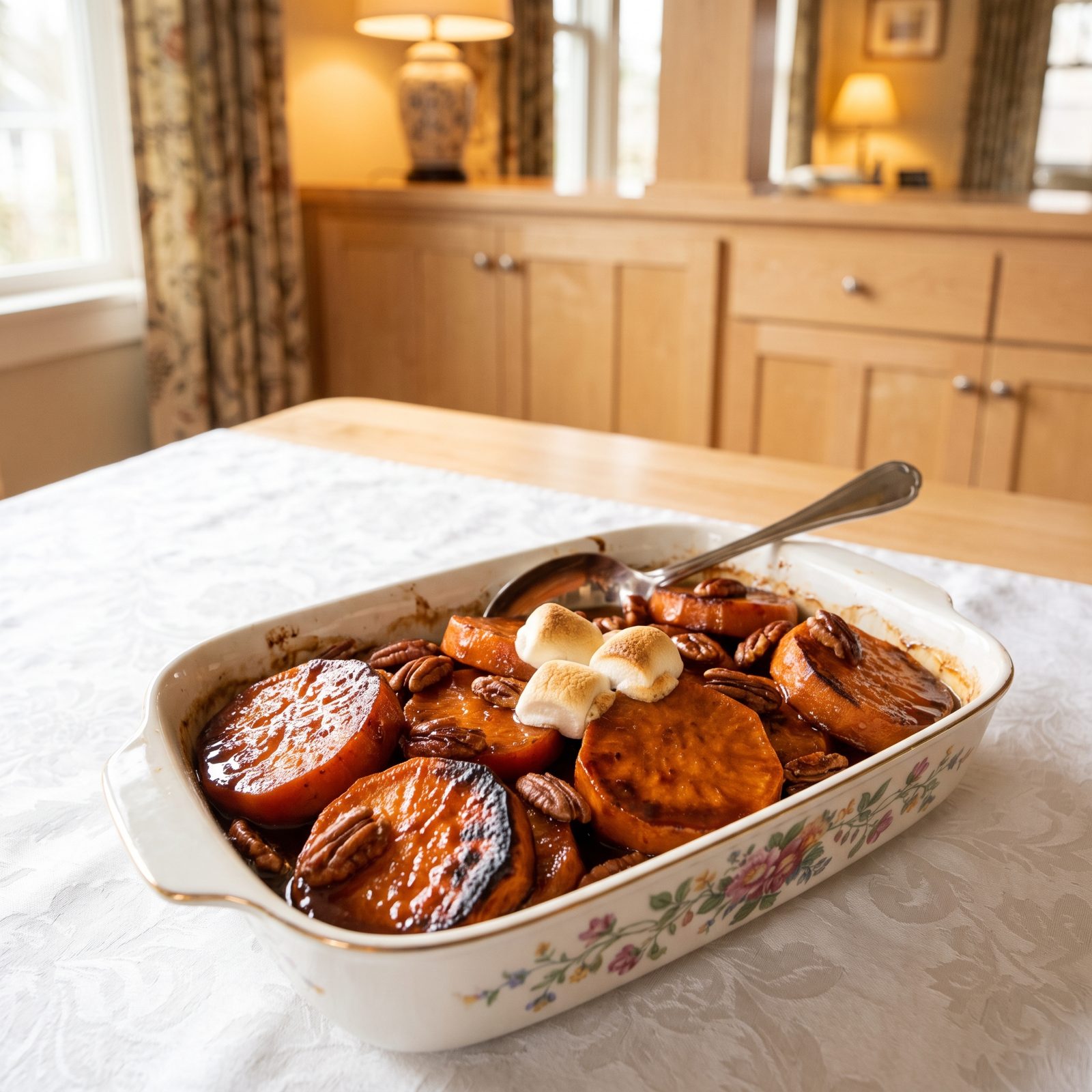
Half a vegetable, half a dessert, and nobody at the table complained about the confusion. Candied sweet potatoes blurred the line on purpose.
Brown sugar, butter, a splash of orange juice or just the syrup from a can, simmered down until the slices turned glossy and sticky. Some families crowned it with marshmallows and slid it back under the broiler until the tops went golden and a little charred. Others considered that a step too far and died on that hill.
16. Creamed Peas and Pearl Onions
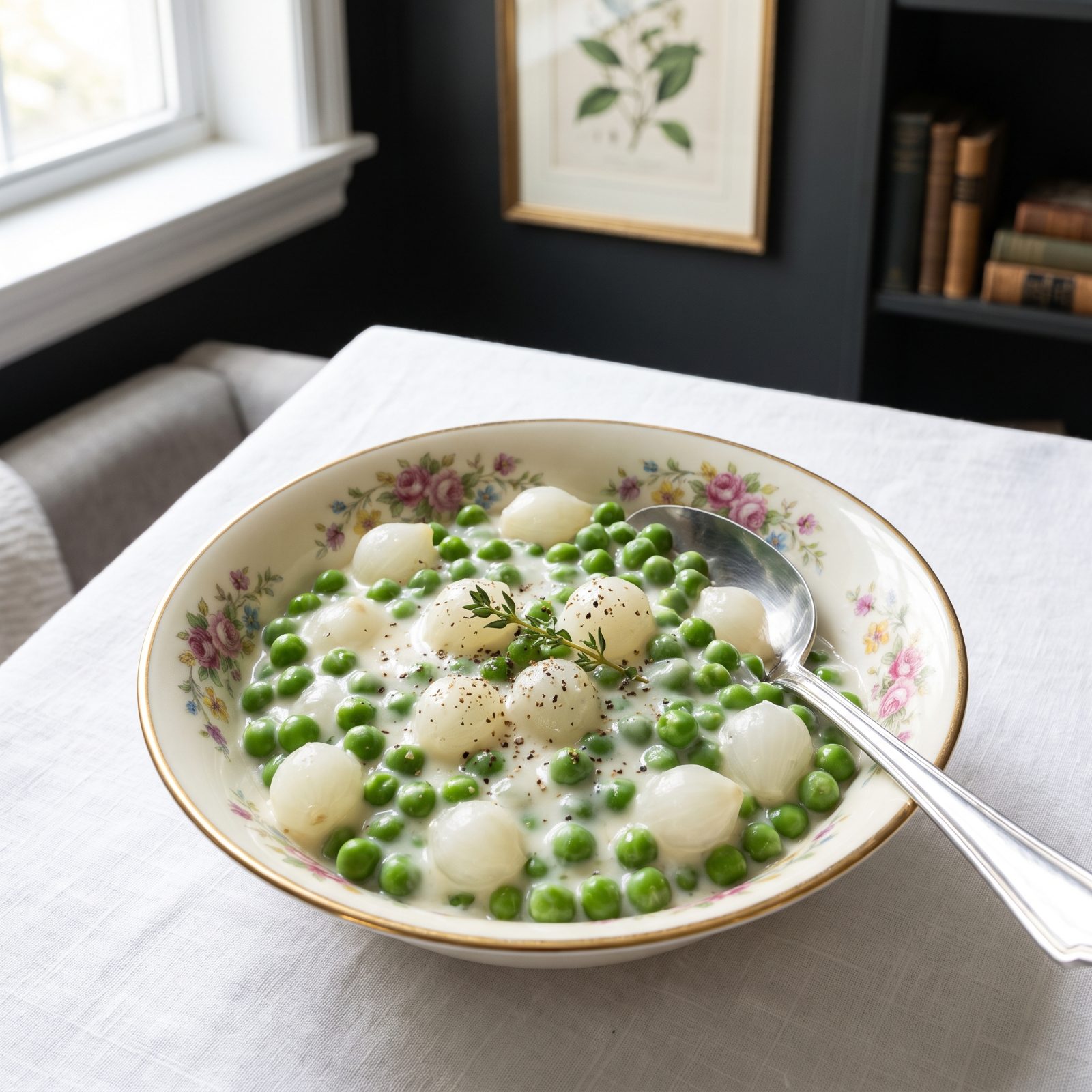
The quiet one. No roast could match it for drama, but a bowl of creamed peas and pearl onions sat on half the Sunday tables in the country, pale green and soft white in a simple white sauce.
It started with a bechamel, which the 1950s cook just called white sauce and made without a second thought. Butter, flour, milk, whisked smooth. Peas and tiny onions folded in. A little pepper, maybe a grate of nutmeg if the cook was feeling fancy.
This one truly vanished, and I think that’s a small loss. It’s gentle, old-fashioned, and it makes the plate feel finished. Bring back one forgotten side from this whole list and let it be this one.
15. Harvard Beets in a Glossy Sweet-Sour Glaze
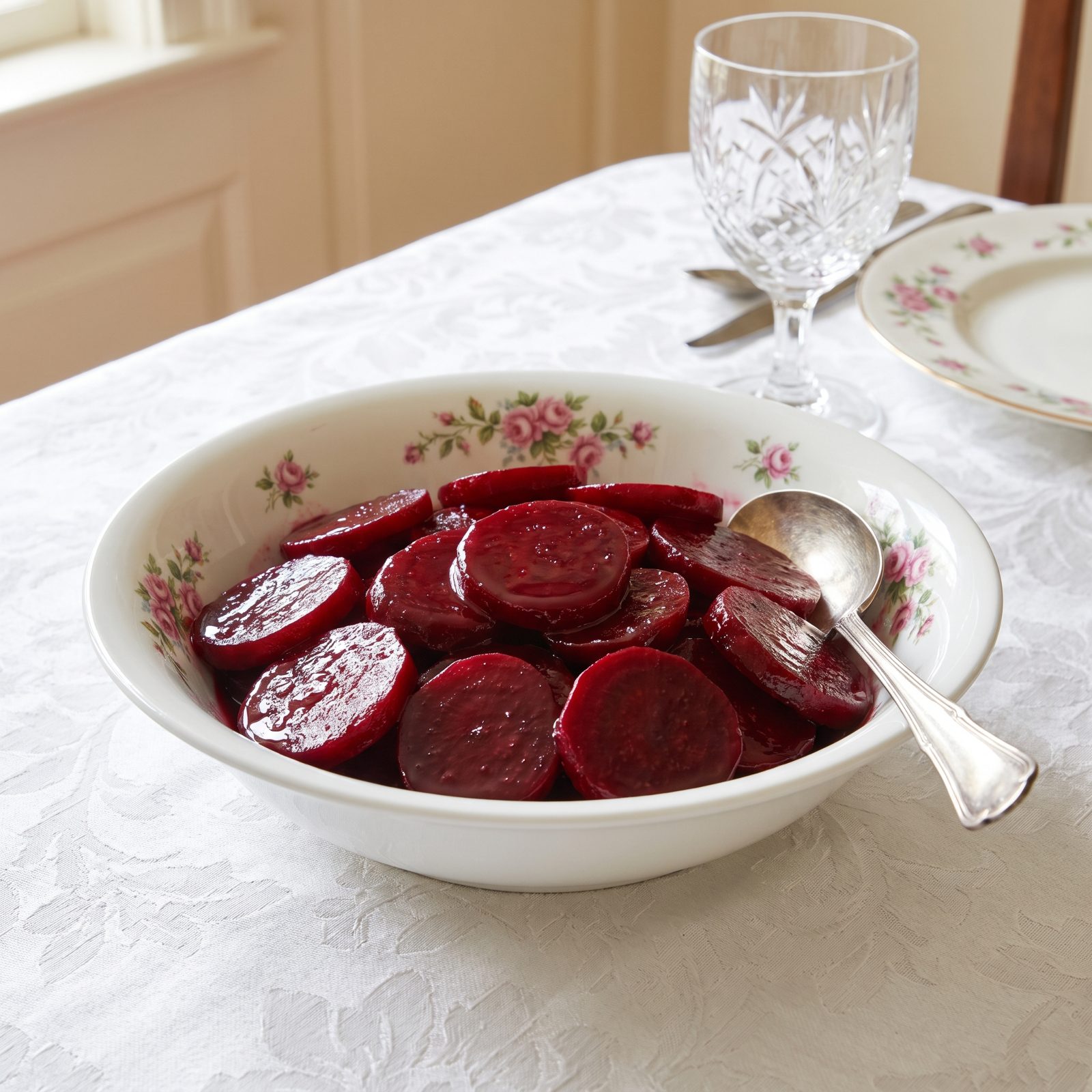
That sweet-tart bite was unmistakable. Harvard beets showed up on the good china because they looked like jewels and tasted like nothing else on the table, that vinegar-and-sugar glaze thick enough to cling to every slice.
The name has nothing to do with the university. Most food historians trace it to the crimson color, the same shade as the school’s crew. What mattered was texture — beets simmered soft, then held in a glaze that turned sticky and clear as it cooked down.
Nobody serves these anymore, which is a shame. They cut the richness of a roast better than almost anything.
14. Cauliflower Smothered in Sharp Cheese Sauce
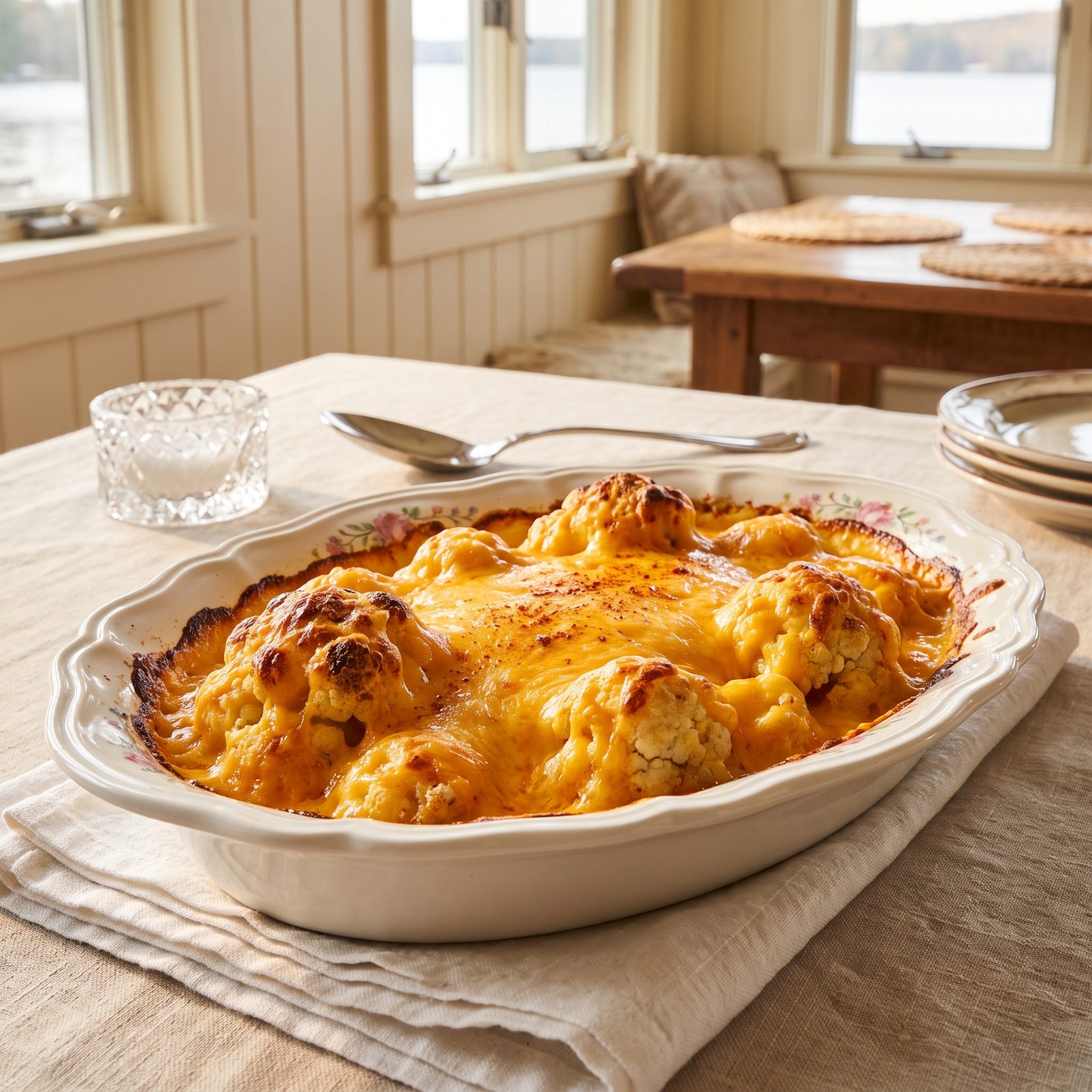
Plain cauliflower never stood a chance against a good cheese sauce. The vegetable went into the pot as an afterthought and came out as the dish everyone fought over, draped in cheddar that had bubbled and browned at the edges of the casserole.
The sauce did the heavy lifting. A roux, milk warmed slow, a fistful of sharp cheese stirred in off the heat so it wouldn’t break, then poured over blanched florets and run under the broiler — and suddenly you had a side that made a kid eat cauliflower without complaint.
Still the best argument for the vegetable ever made, if you ask me.
13. Green Beans Almondine with Toasted Almonds and Butter
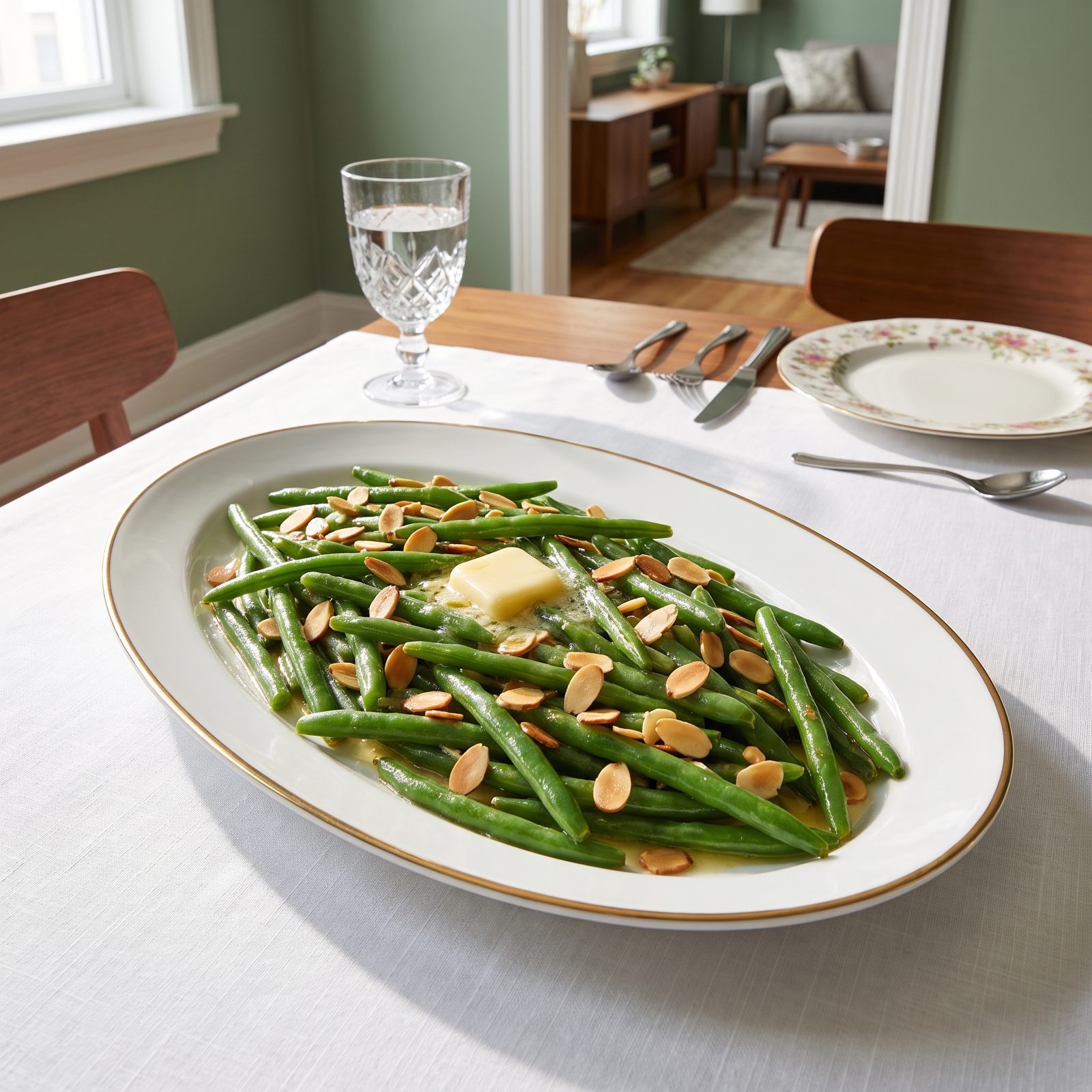
The almonds were the whole point. Toast them slow in butter until they turned the color of caramel, fold them through beans that still had snap, and you had something that felt French without any fuss.
This was the side for when company came, because it looked considered. The slivered almonds caught the light, the butter gave everything a shine, and the beans stayed bright instead of cooking down to gray.
12. Corn Pudding Baked to a Golden, Custardy Top
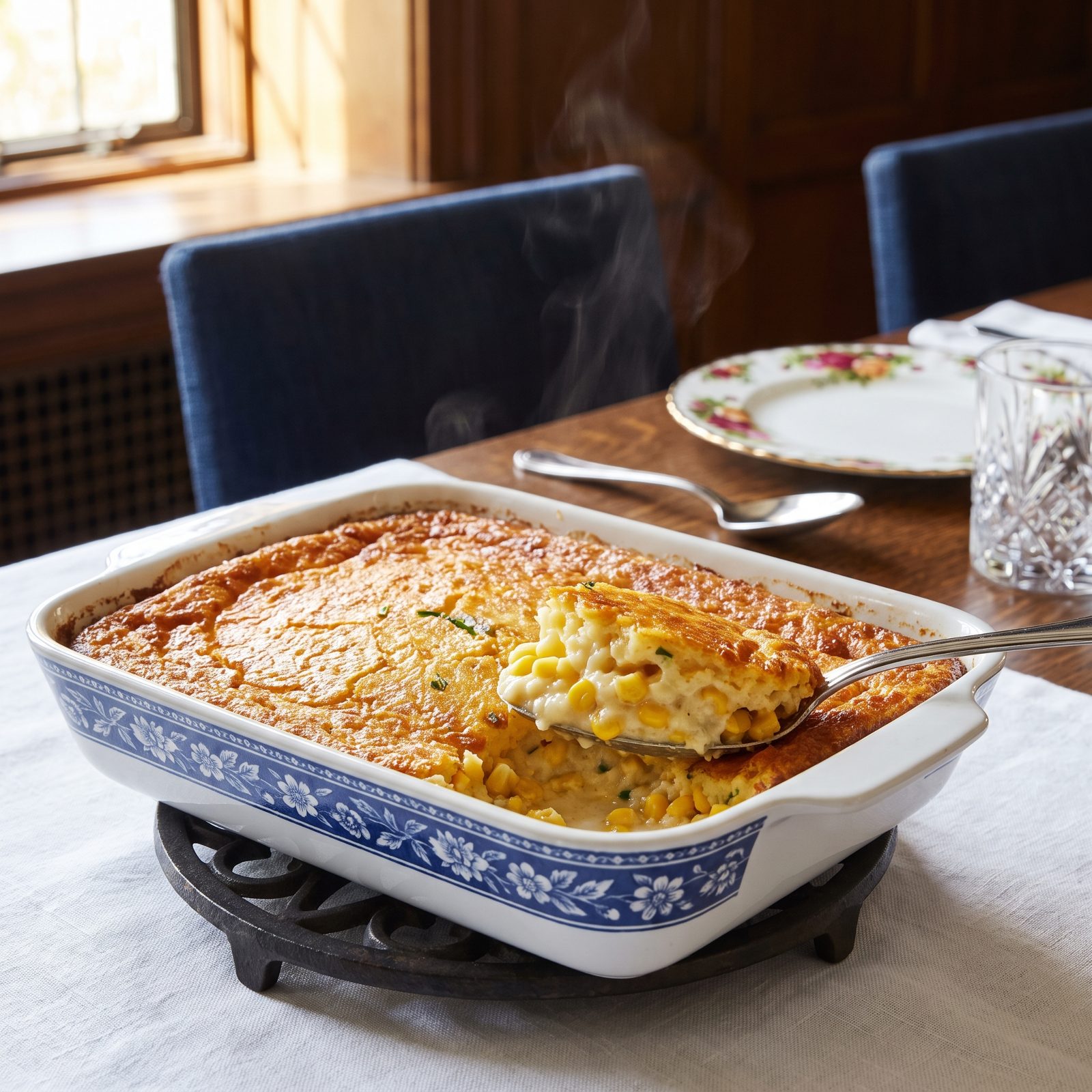
Somewhere between a side and a dessert sat corn pudding, and nobody ever decided which it was. The top baked to a firm golden crust while the inside stayed loose and custardy, sweet from the corn and rich from the eggs and cream.
You knew it was ready when the center barely jiggled and the edges pulled away from the dish. The first spoon broke that crust and let the steam go. That smell alone was worth the wait.
It holds up better than almost anything else here. Make it this Sunday.
11. Yorkshire Pudding Risen Tall in Beef Drippings
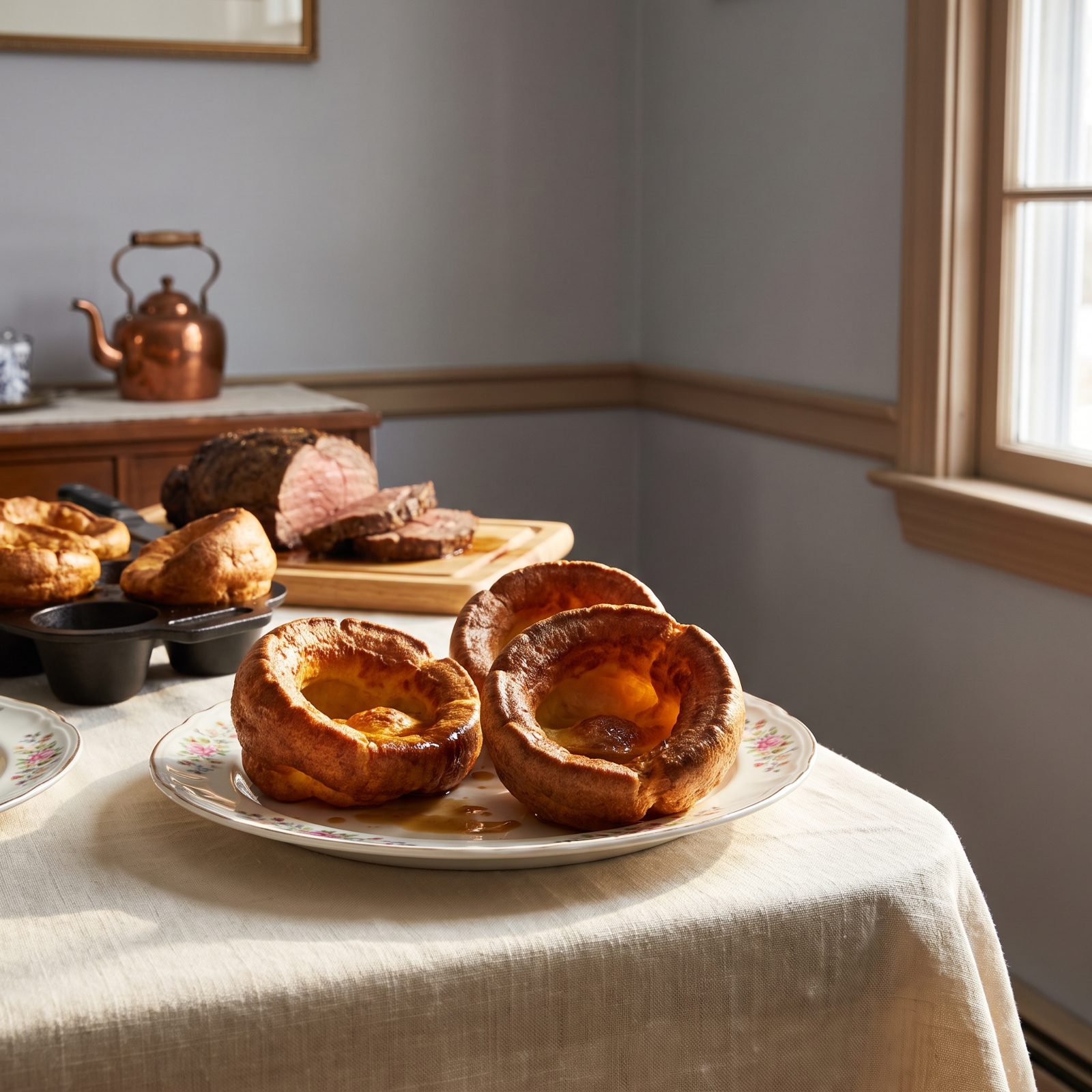
The secret was the fat. Pour the batter into a pan of smoking-hot beef drippings and it exploded upward, climbing the sides, leaving a hollow crisp shell over a soft custardy base.
English in origin, but it crossed over to plenty of American Sunday tables, especially where the roast was beef and nobody wanted to waste a drop of what came out of the pan.
A Yorkshire pudding that didn’t rise was a Sunday quietly ruined, and every cook knew it.
You had to get the oven screaming hot and leave the door shut. One peek and the whole thing collapsed. I’ve lost a few that way.
10. Tomato Aspic Studded with Pink Shrimp
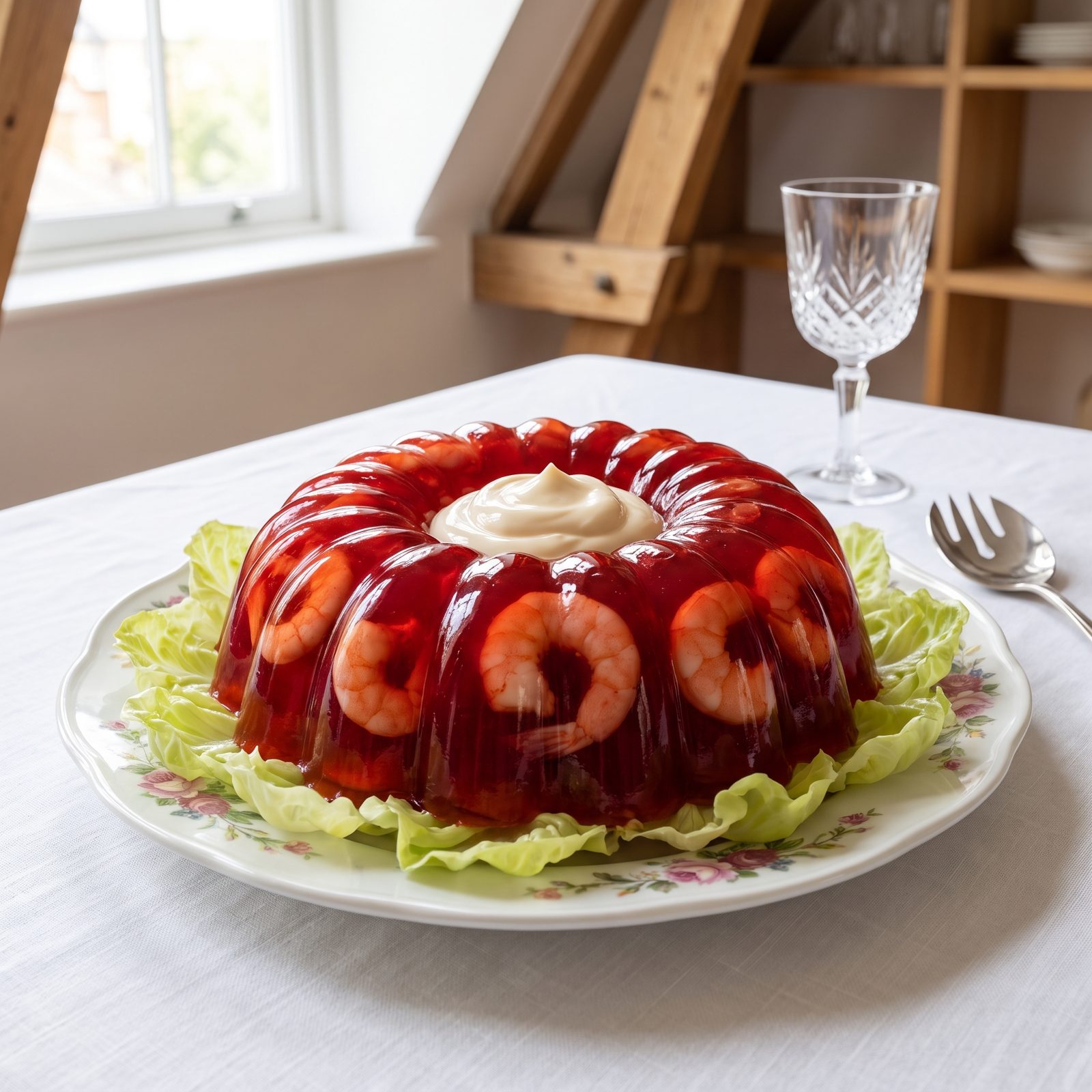
This is the one modern diners stare at. Tomato aspic was a savory jelly — tomato juice set firm with gelatin, often molded into a ring and studded with shrimp that hung suspended like fruit in glass.
Cool, tart, a little wobbly. It came out of the icebox as a counterpoint to all the hot heavy food, served on lettuce with a spoon of mayonnaise, and it carried real tang.
9. Deviled Eggs Dusted with a Snow of Paprika
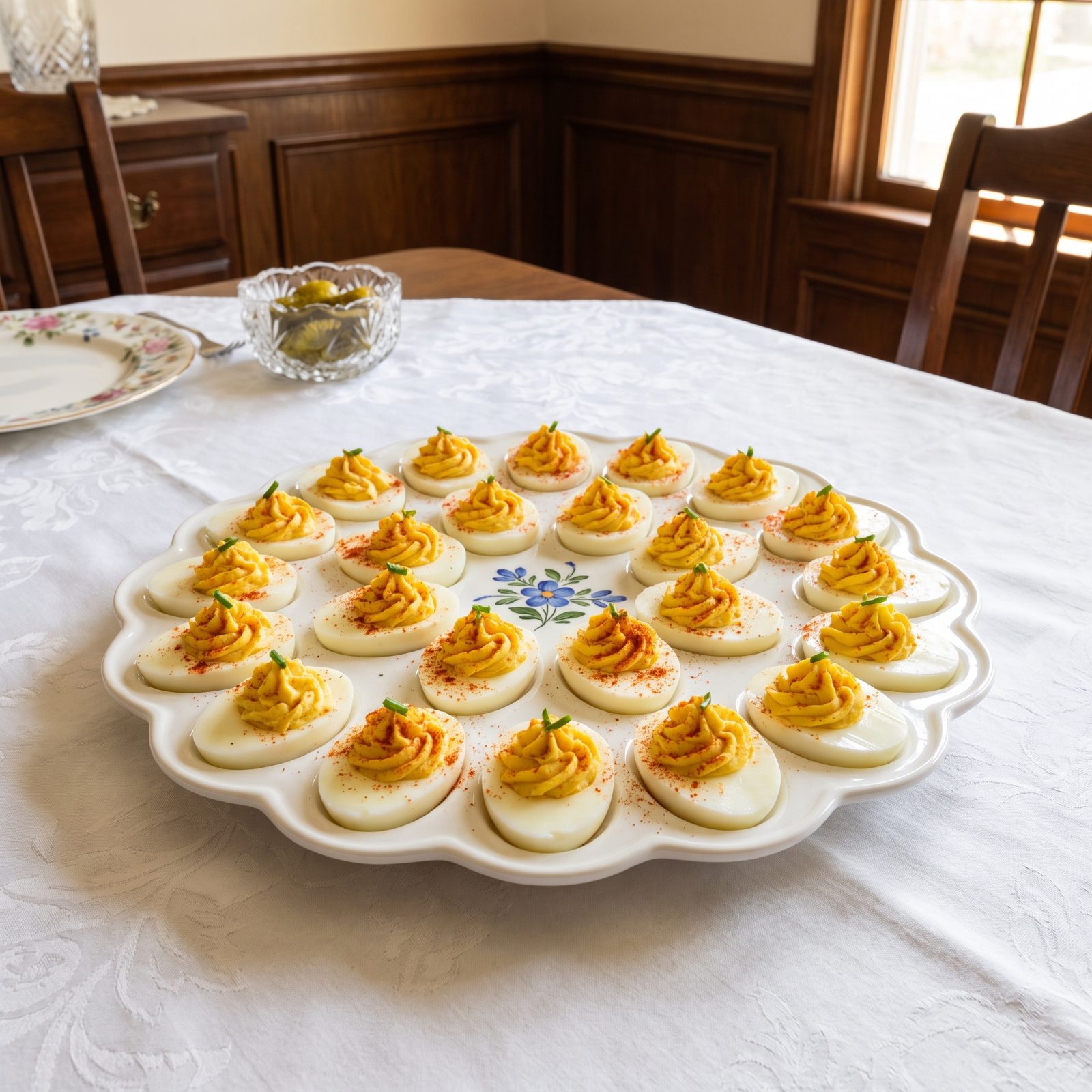
Every family had the special platter. That round, scalloped one with the little egg-shaped wells, pulled out only for occasions, carrying two dozen deviled eggs dusted red with paprika.
The filling was mashed yolk, mayonnaise, a touch of mustard, maybe a drop of vinegar, piped or spooned back into the whites. The paprika on top wasn’t really about flavor. It was about making them look finished.
These never left the lineup, and thank goodness. Bring deviled eggs anywhere and they’re gone before the main course hits the table.
8. Waldorf Salad Crisp with Apples, Celery and Walnuts
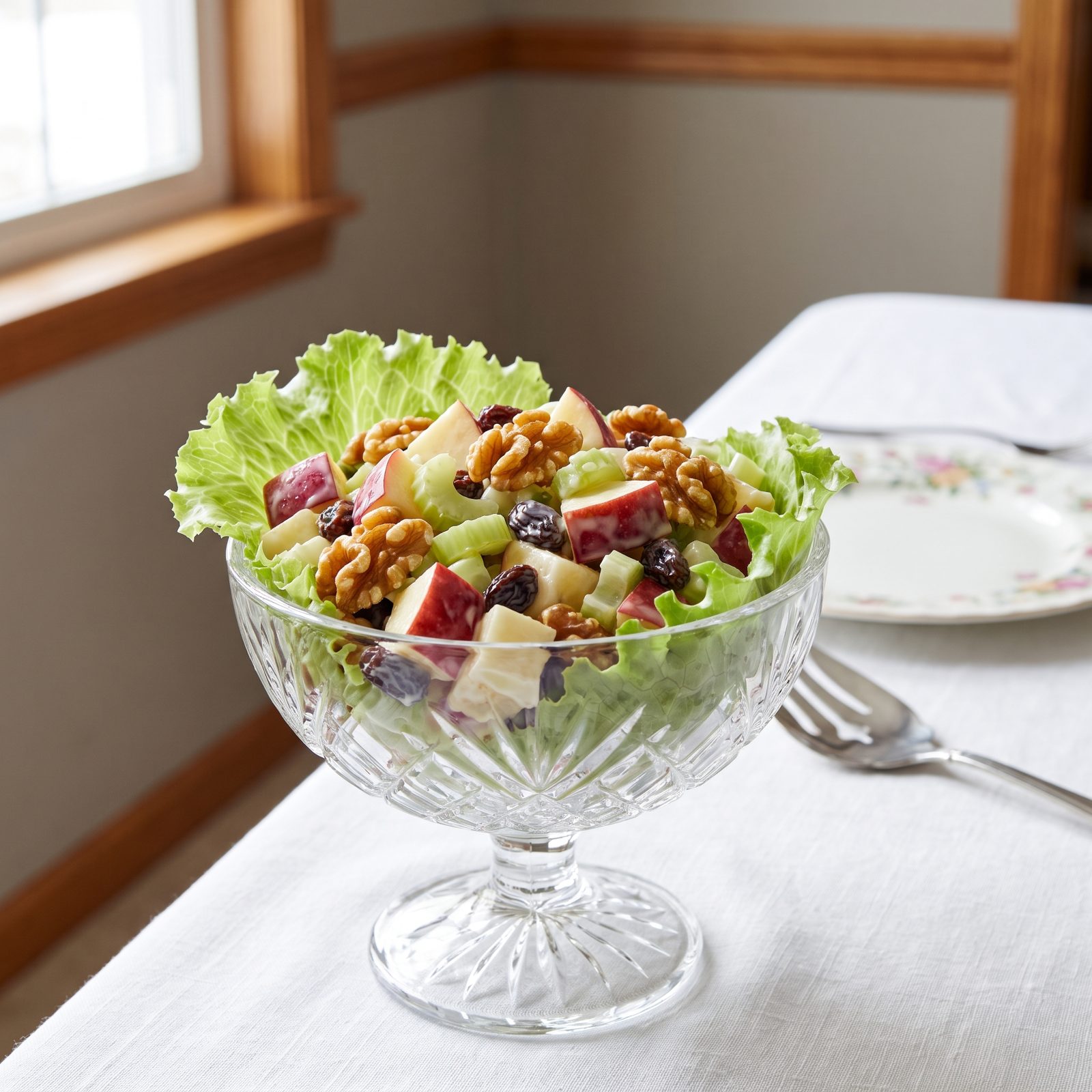
Crunch was the entire appeal. Apples and celery cut small, tossed with walnuts and a light coat of mayonnaise, served cold in a glass bowl so you could see all the color.
The dish came out of the Waldorf Astoria hotel decades before it reached the suburban Sunday table. By midcentury it was a standard — the one salad that felt fancy and was easy to make.
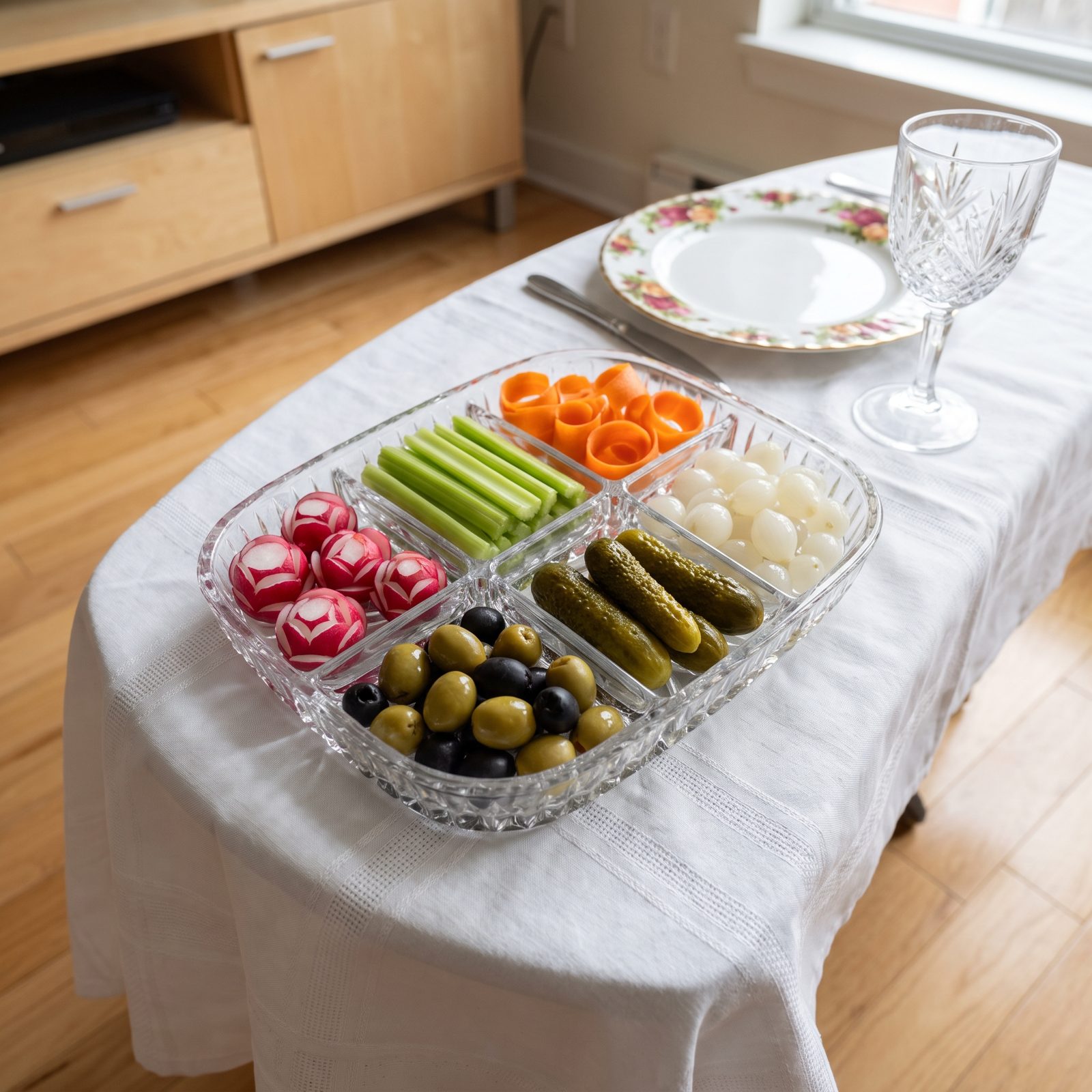
7. The Relish Tray Lined with Radishes, Olives and Sweet Pickles
Would you like to save this?
Before anyone sat down, the relish tray was already out. That divided glass dish of radishes, olives, sweet pickles, celery and carrot curls held the hungry at bay while the roast rested.
It wasn’t really a dish so much as a ritual. Kids picked at the olives, grownups reached for the pickles, and somebody always carved the radishes into little roses just to make them pretty.
Nobody puts out a relish tray anymore, and I miss the grazing. Gave your hands something to do while the real food finished.
6. Parker House Rolls, Folded and Buttered, Warm from the Oven
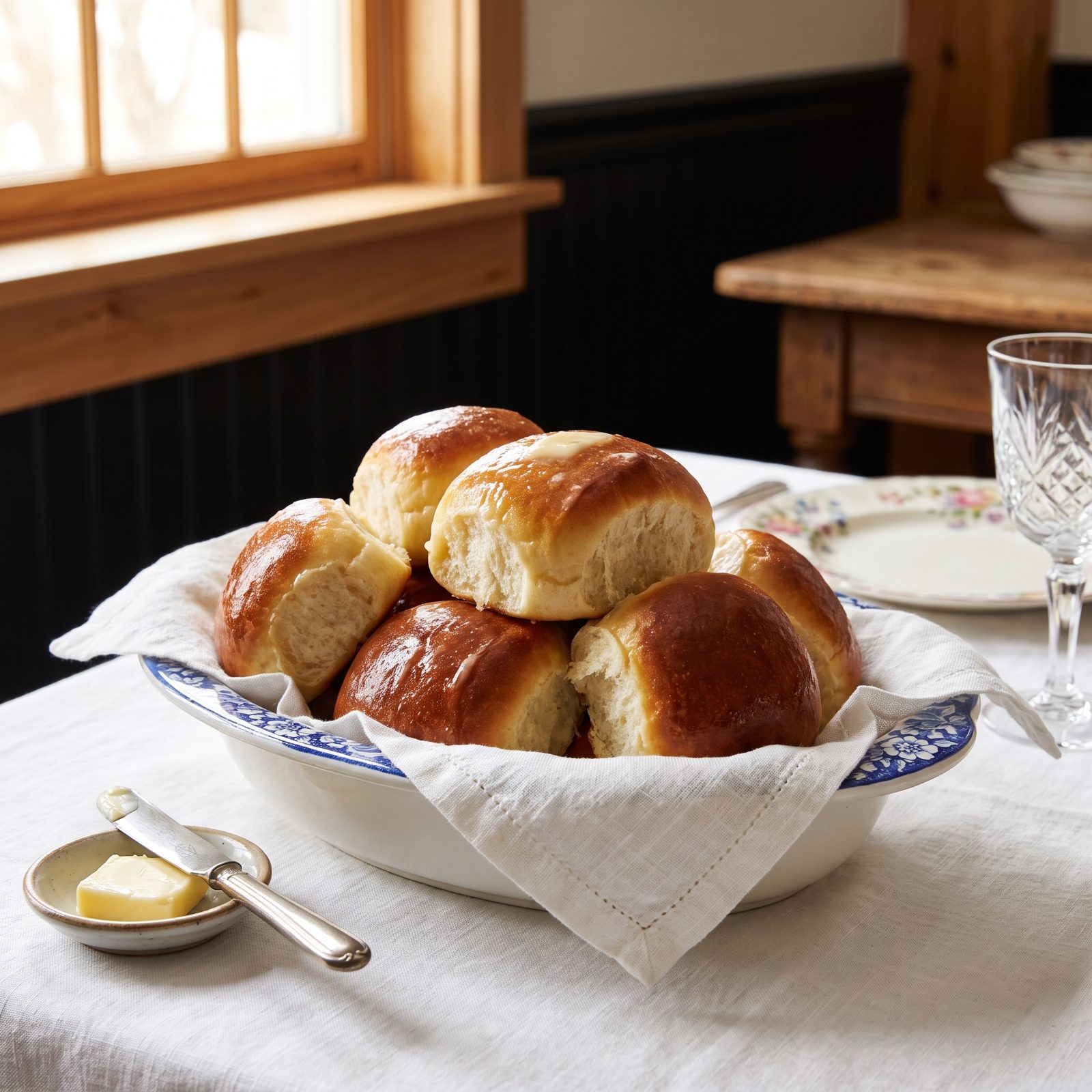
You could smell these before you saw them. Homemade dinner rolls baking filled the whole house, and by the time they came out, risen into soft folded ovals and brushed with butter, half of them were already spoken for.
Pulling them apart was the trademark. Folded ovals of dough baked snug together, so each one tore away with soft, feathery sides. Tender inside, with deep mahogany tops baked to a high gloss.
Recipes like these were handed down for generations, and every good Sunday cook claimed hers as the best. Warm, with a pat of real butter melting on top, there’s nothing better to end this table on.
5. Apple Brown Betty, Straight From the Still-Warm Baking Dish
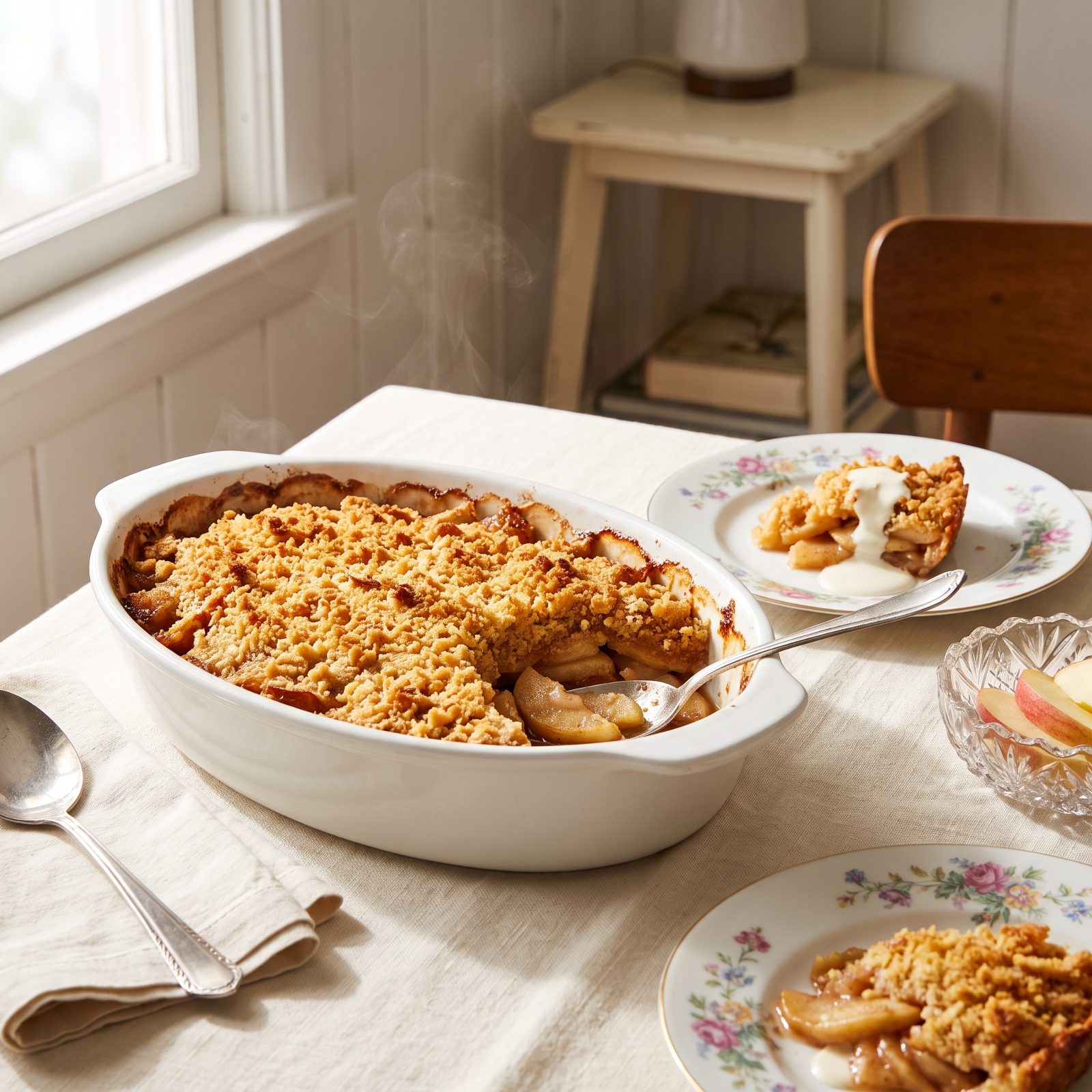
Before cobbler got fancy and crisp got oats, there was Brown Betty. Day-old bread, butter, cinnamon, and whatever apples were softening in the bowl on the counter — that’s the whole thing. A dish born of not wasting a loaf, dressed up for Sunday with a little extra butter and a pour of cream.
The magic is up top, where buttered crumbs bake into something between crust and candy, and you could hear the spoon crack right through it. Underneath, the apples go silky and dark with cinnamon.
4. Floating Island Custard, The Dessert That Looked Like a Trick
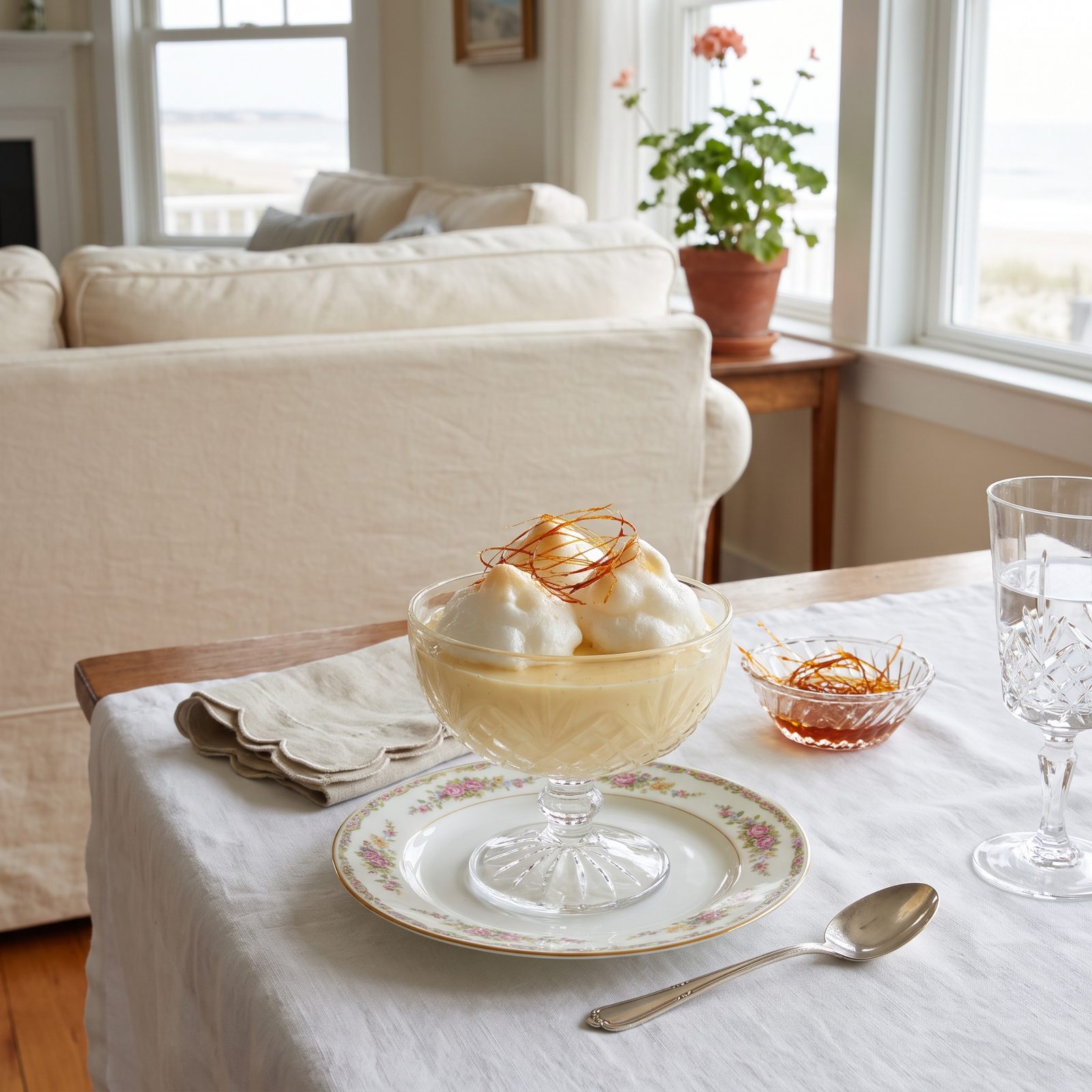
You brought this one out when the minister stayed for dinner. Îles flottantes, if you had the magazine that called it that. Everyone else called it Floating Island, and it looked like the hostess had pulled off something close to sleight of hand.
Soft poached meringue, white and trembling, set adrift on a sea of vanilla custard, caramel pulled into thin amber threads across the top. Light as air and cold from the icebox. A child would eat the cloud first, then spoon up the custard like it was the prize underneath.
It tasted the way a good Sunday afternoon felt: unhurried, a little indulgent, and over too soon.
3. Chocolate Icebox Cake, Assembled With No Oven in Sight
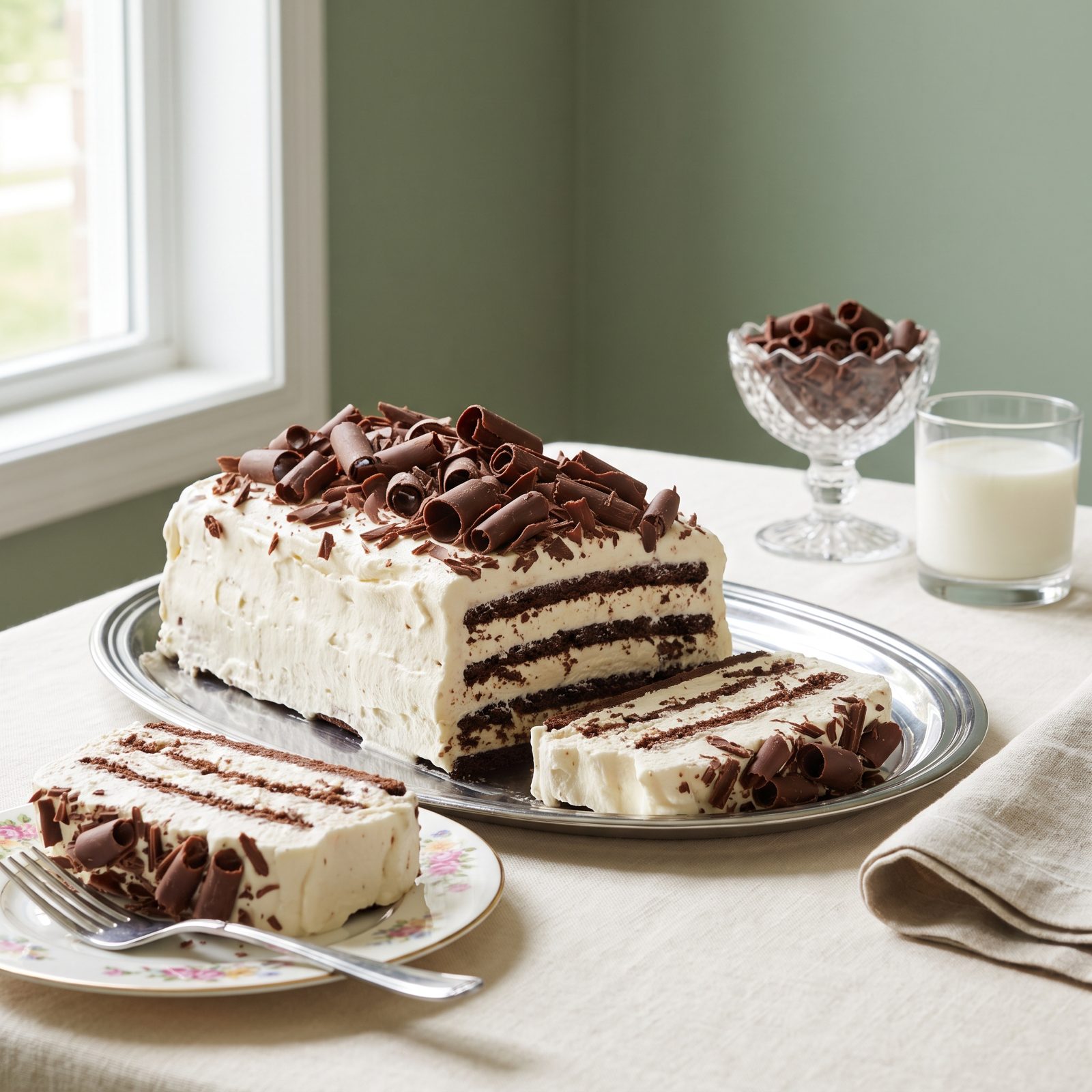
Three ingredients and a refrigerator did all the work. Chocolate wafers, whipped cream, and patience. You stacked the cookies with cream between them, covered the whole thing, and let the icebox finish the job the oven never got.
Overnight, the wafers drank up the cream and went soft as cake. Slice it on the diagonal and you got those tidy striped layers that made it look like you’d fussed for hours. You hadn’t, and that was the quiet joy of it.
2. Lemon Meringue Pie, Tall Peaks and a Tart Surprise
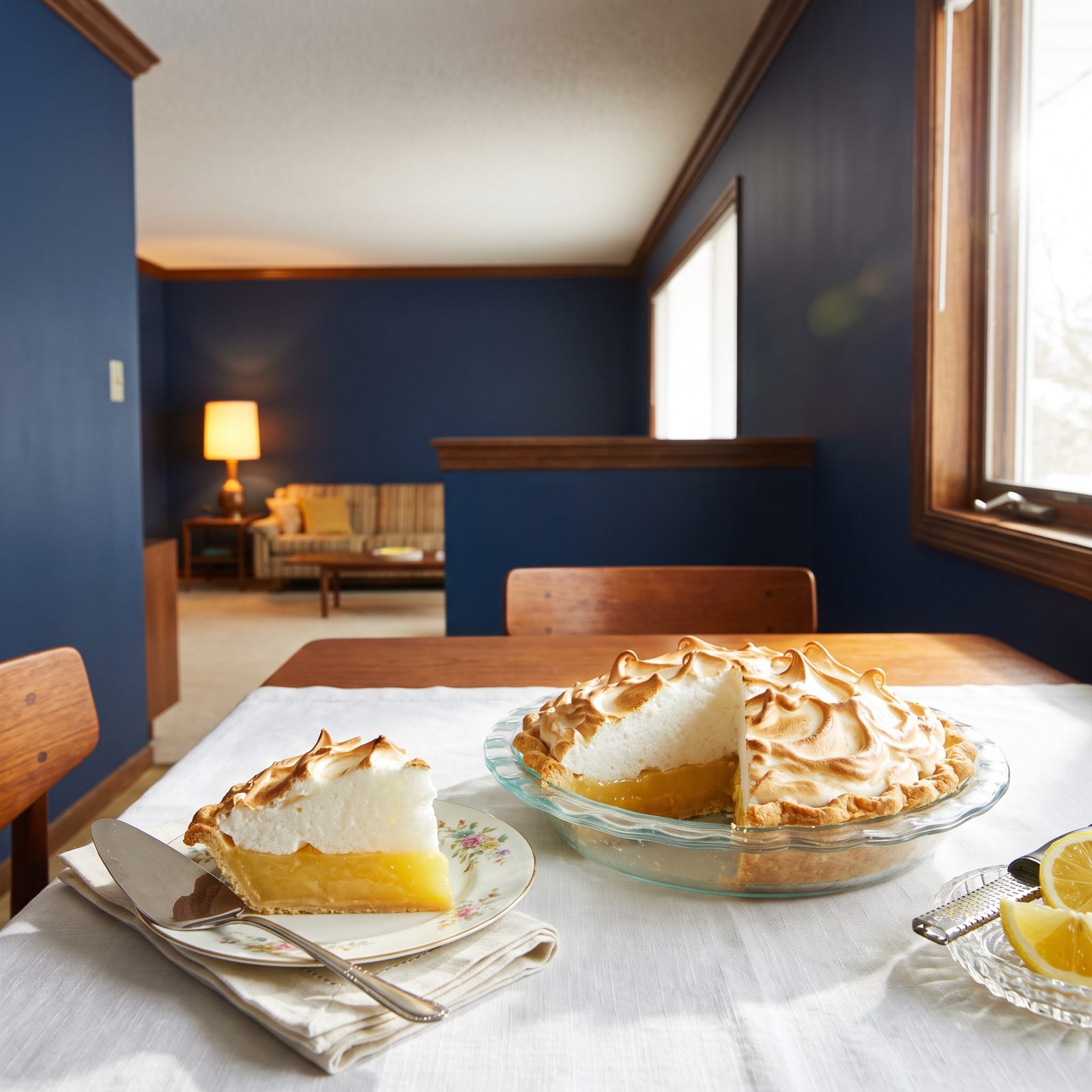
The meringue was the showing-off part — pulled up into peaks with the back of a spoon, then slid under the broiler until the tips went bronze. It stood tall on the counter like it knew people were coming over.
Then the first fork went in, and the filling surprised you every time. Puckery, bright, almost too tart, cut by that sweet cloud on top. The crust had to be flaky or your grandmother would hear about it. No in-between on a lemon meringue.
1. Coconut Layer Cake, The Snowy Centerpiece on the Good Stand
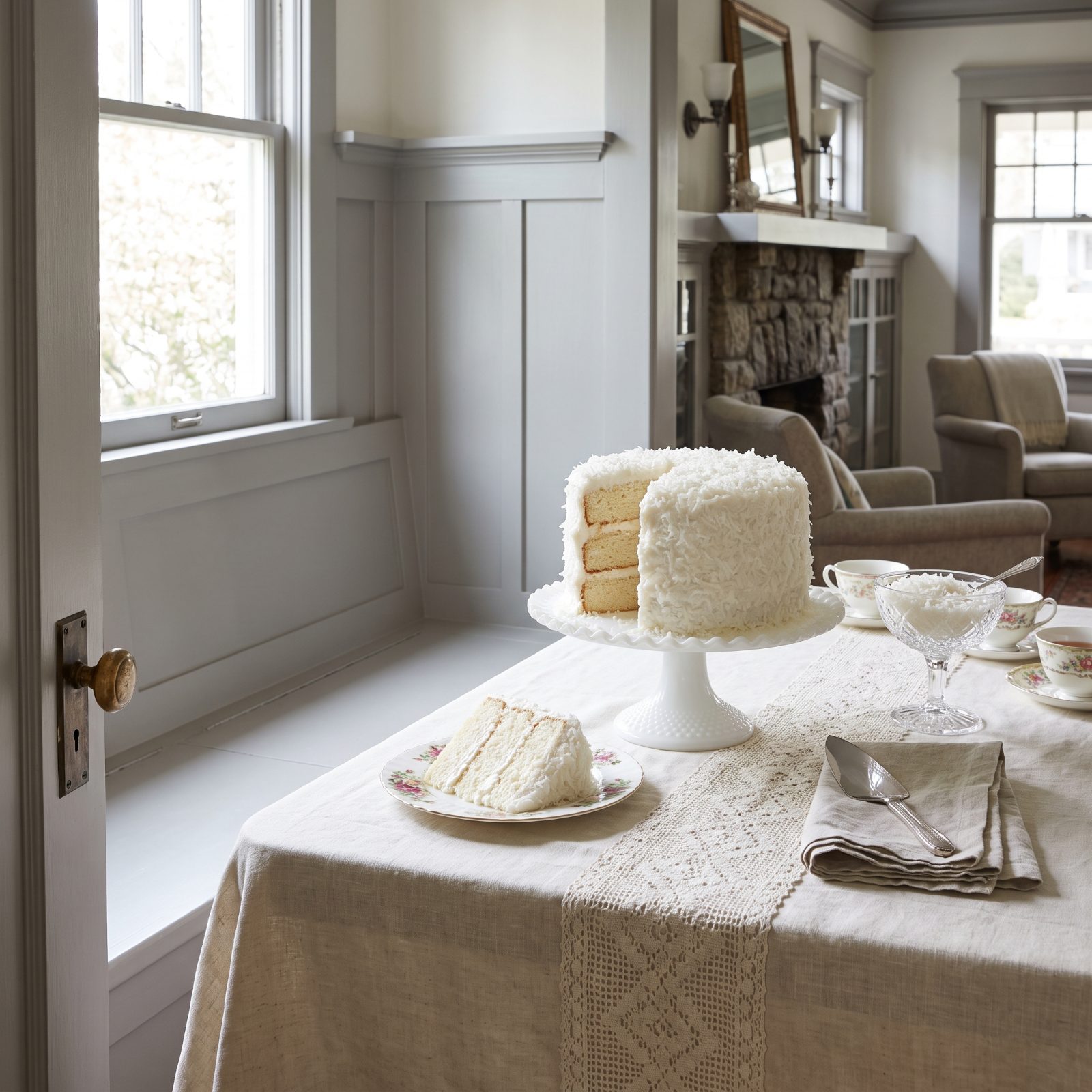
This was the one that got the good cake stand — the tall footed one that lived in the top cabinet and came down for birthdays, Easter, and the Sundays that mattered. A coconut layer cake under that much snowy icing told everyone at the table today was a little bit special.
The boiled frosting was the test. Egg whites and hot sugar syrup beaten until it held a peak, fussy work that could go wrong if you looked away. Get it right and it dried to a soft marshmallow crust under all that coconut.
Cut it and the layers showed white and tender, tall enough that every slice leaned a little. Nobody minded. You were already reaching for a second.