Would you like to save this?
Thirty seconds. That’s roughly how long a good server needs to read a table, and most of the reading happens before anyone orders. The way you come through the door, where your eyes go, how you talk to the kid clearing plates — it all registers. None of it is magic. It’s pattern recognition built from thousands of arrivals, the same way you can tell a good pizza by the way it folds. These are the quiet tells that shape your whole night, whether you know you’re sending them or not.
25. Whether You Acknowledge the Host
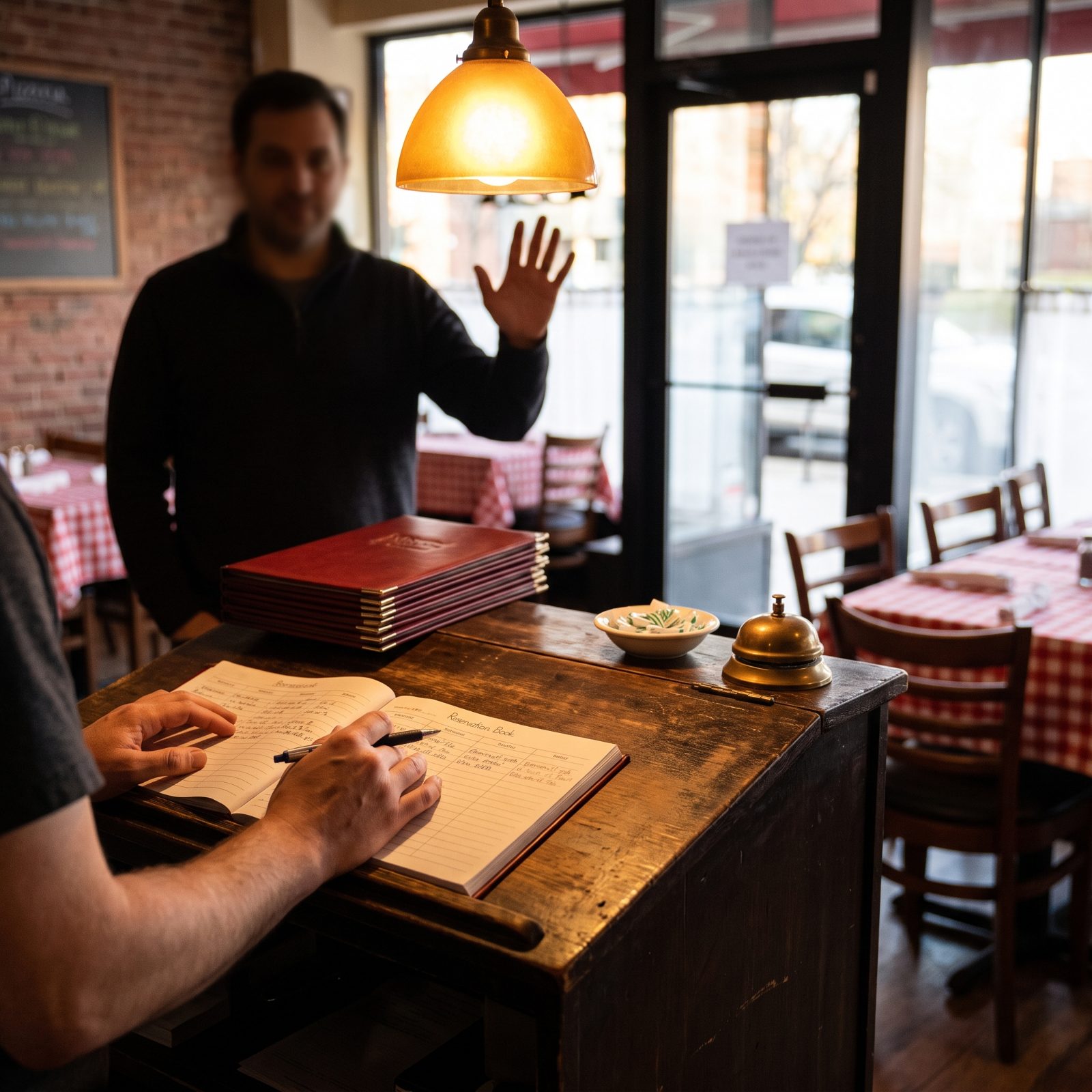
The first second tells a server almost everything. You walk in, catch the host’s eye, and say hello before anything else — that’s the whole test, and you passed it without trying.
Then there’s the guest who stares straight past the host at the dining room, scanning for a table like the person at the podium is a turnstile. Nobody said a word. The message still landed.
Servers have watched a whole room of staff loosen up the second a table offered a warm hello at the door. It costs you nothing and it buys more goodwill than you’d believe.
24. Whether You Interrupt the Opening Greeting
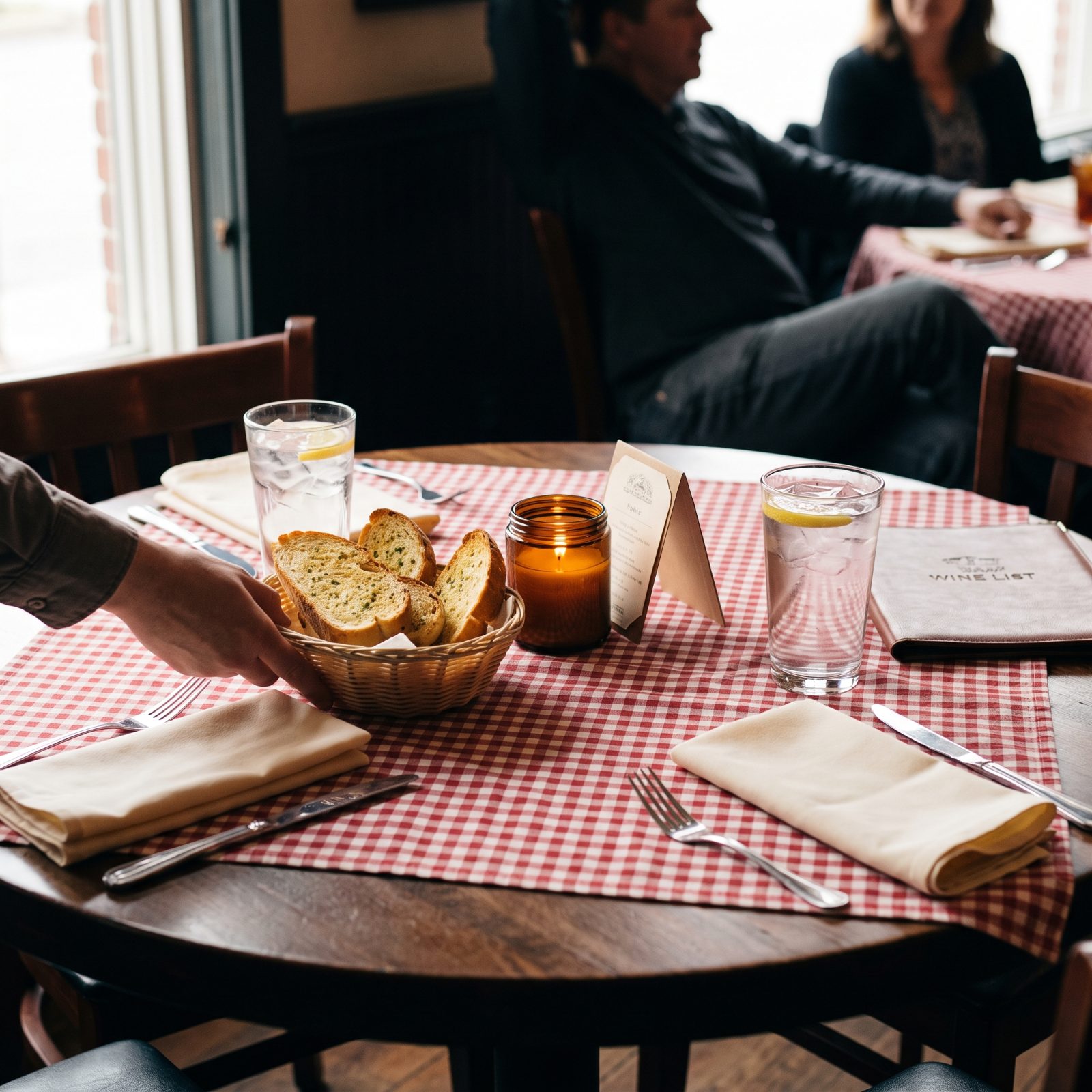
A server has a thirty-second opening speech and the specials memorized. You either let it happen or you cut it off at the knees with “we’re ready” before they finish “good evening.”
Cutting it off isn’t rude, exactly. But it tells the server you’re on the clock and probably won’t savor much, so they’ll quicken the pace to match — which is usually not what you actually wanted, is it?
23. Whether You Treat the Busser as Invisible
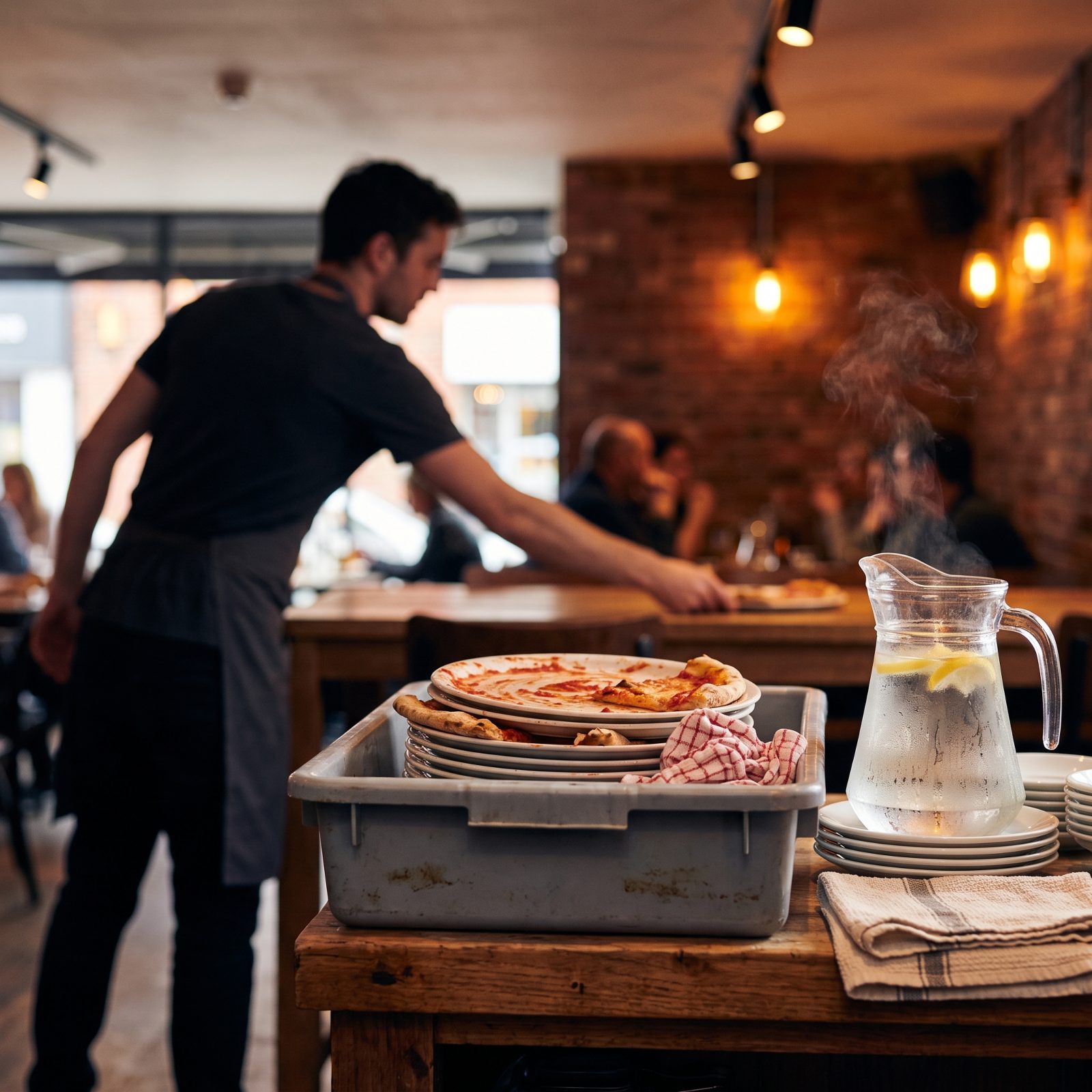
The busser refills your water, clears your plate, sweeps up the crust you dropped. Some tables say thank you. Some don’t even register that a person was there.
And this is the one servers never miss. How you treat the busser predicts how you’ll treat them, because the busser can’t do a thing for you — no bigger service coming, no check to negotiate. Kindness there is kindness with nothing in it for you, which, frankly, is the only kind that counts.
A table that thanks the busser by name gets talked about in the back. In a good way, for once.
22. Whether You Respect Personal Space
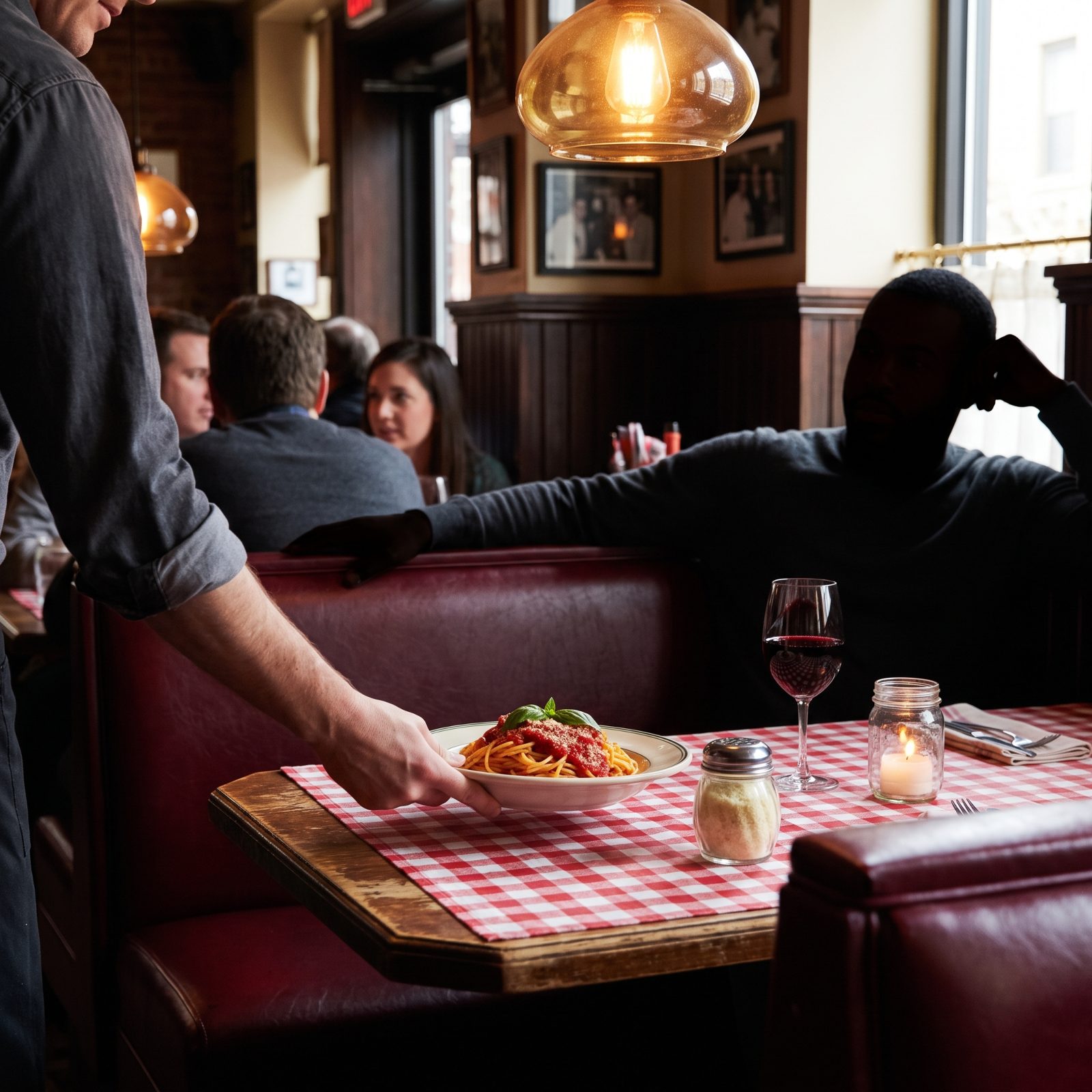
Watch what a guest does when the server leans in to set down a plate. The considerate ones pull back an inch and tuck an elbow. Automatic.
And then there’s the guest who grabs the server’s forearm to make a point, who crowds the podium, who won’t budge a chair when you’re clearly trying to squeeze behind with three hot plates balanced up your arm. None of this comes out of an etiquette book. It comes down to noticing that another body is in the room, doing a job, right next to you.
21. Whether You Make Eye Contact When Speaking
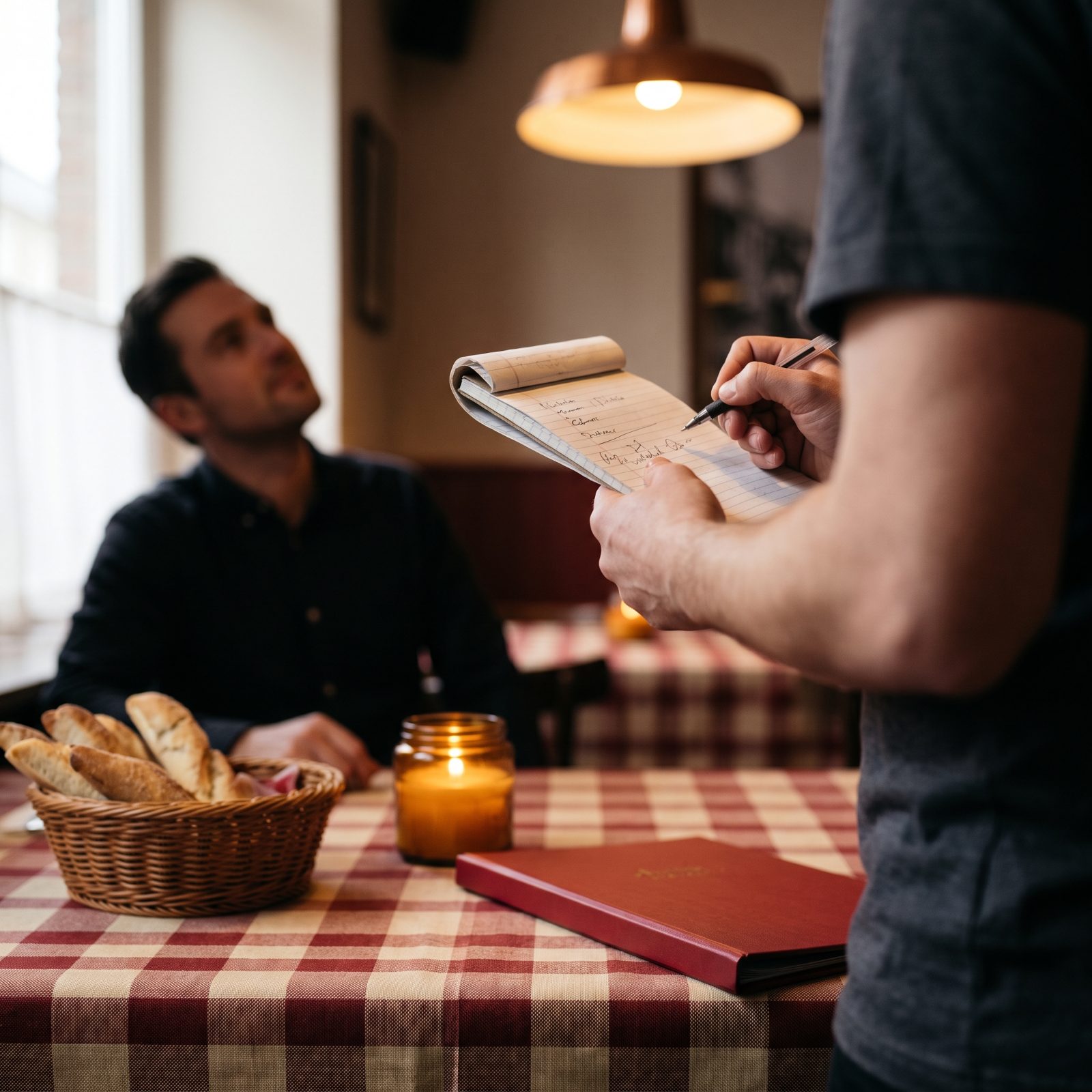
Ordering while reading the menu is fine. Ordering while reading the menu and never once looking up is a different signal entirely.
Eye contact when you speak to a server says you register them as the person taking care of you. None says you’re feeding an order into a machine. Neither is a crime. But one makes the server want to look after you, and the other makes them want to just get through it.
20. Whether You Have Already Had Too Much to Drink
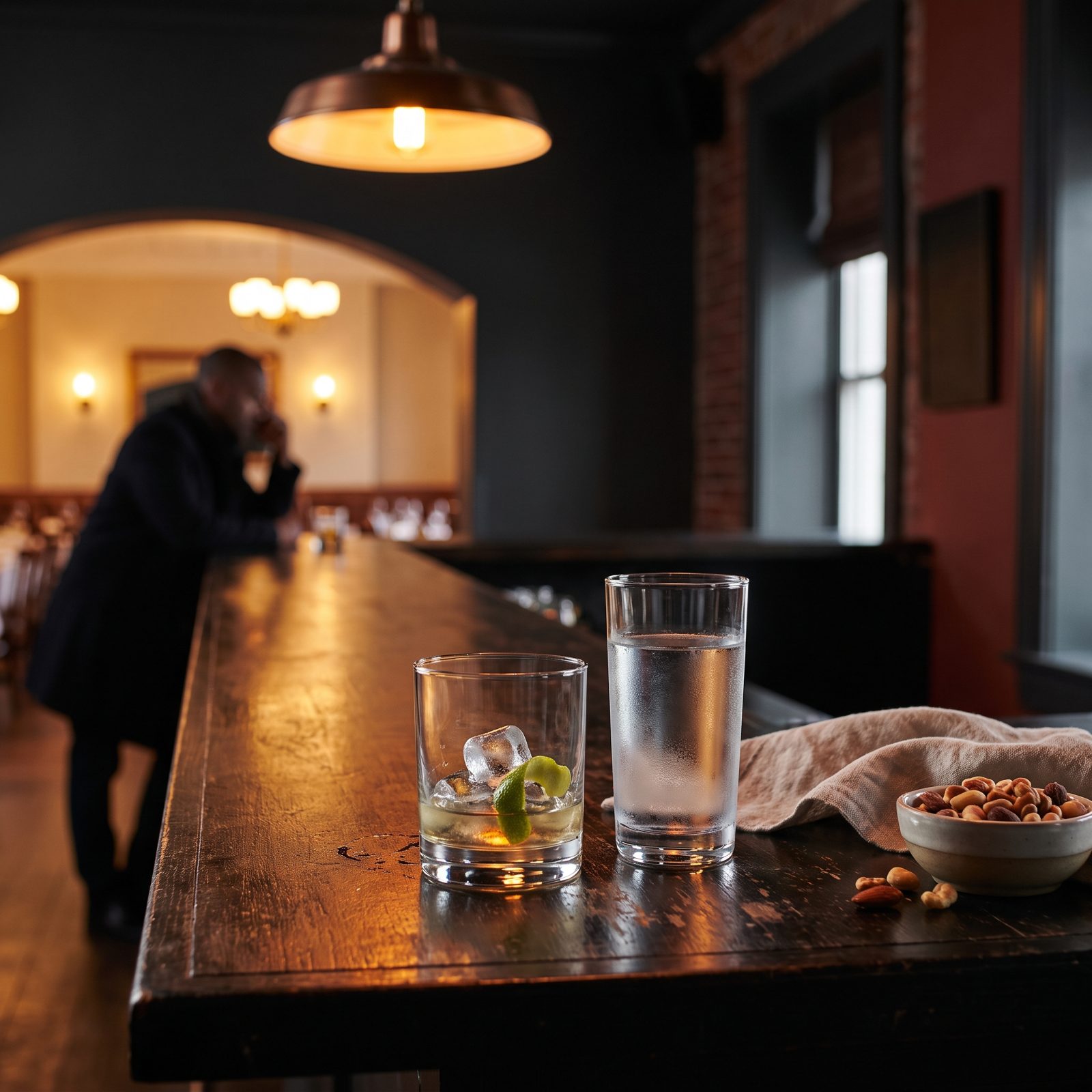
Servers can spot it from across the room. The too-loud laugh, the slightly delayed reach for the chair, the hand that misses the water glass on the first try.
This one isn’t a judgment on having a good time. It’s a working calculation. A server who reads an already-lit table starts planning ahead — watered-down next round, bread sent over fast, a quiet word to the bartender. Nobody’s being prissy here. They’ve seen how the second half of that night tends to go, and they’d rather you got home fine.
19. Whether the Children Have Been Given Any Boundaries
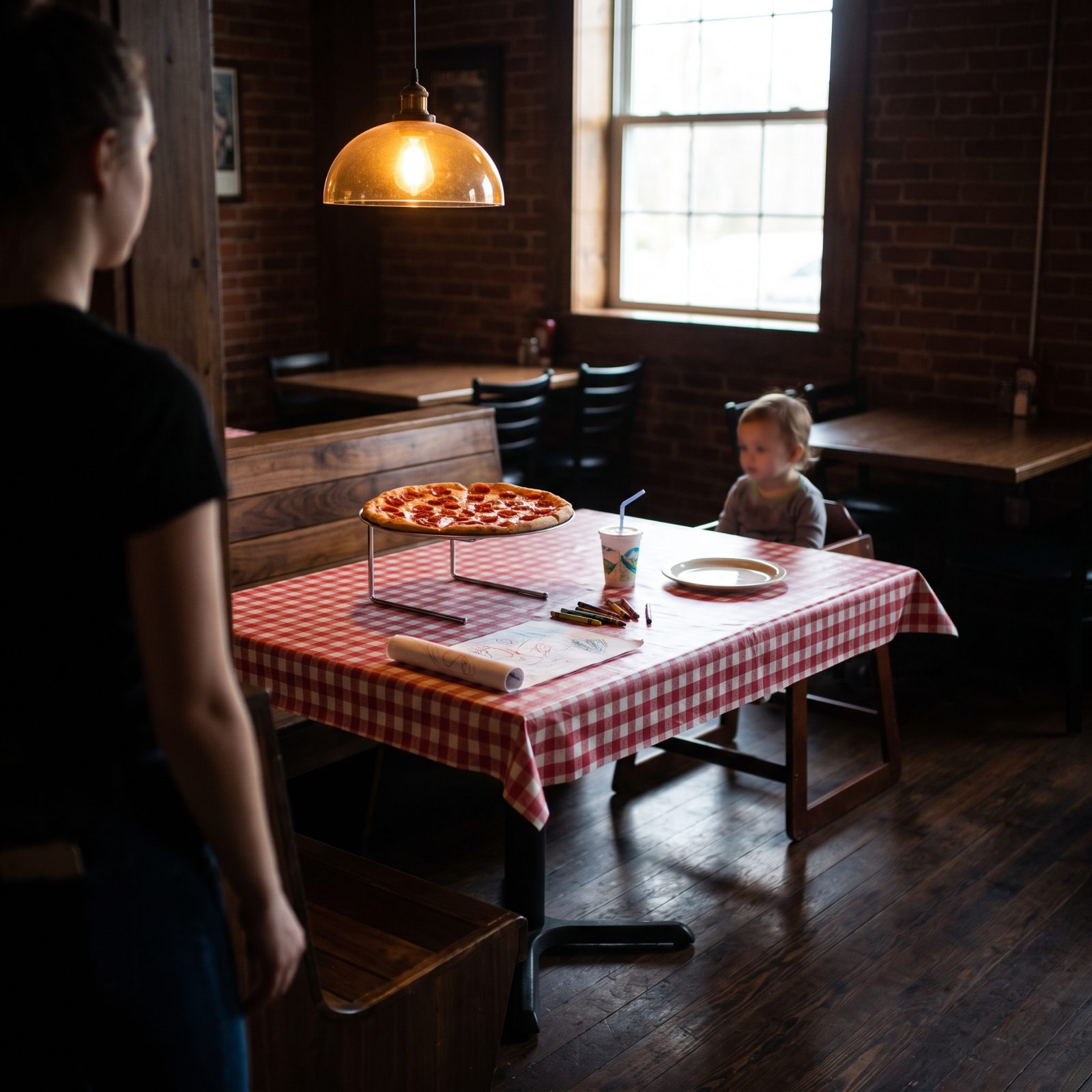
Nobody expects kids to sit like statues. A good server likes a table with kids at it, mostly. What they clock is whether anyone’s even trying.
A child wandering into the server’s path while hot plates ride overhead is a safety problem, not a cuteness problem. The table that keeps half an eye on that, that cleans up the worst of the crayon-and-cracker wreckage, gets remembered warmly. The table that treats the dining room as a playground and the server as the free babysitter gets remembered too — just differently.
Kids spill. That’s expected. Parents checking out entirely is the tell.
18. Whether One Person Intends to Control the Whole Table
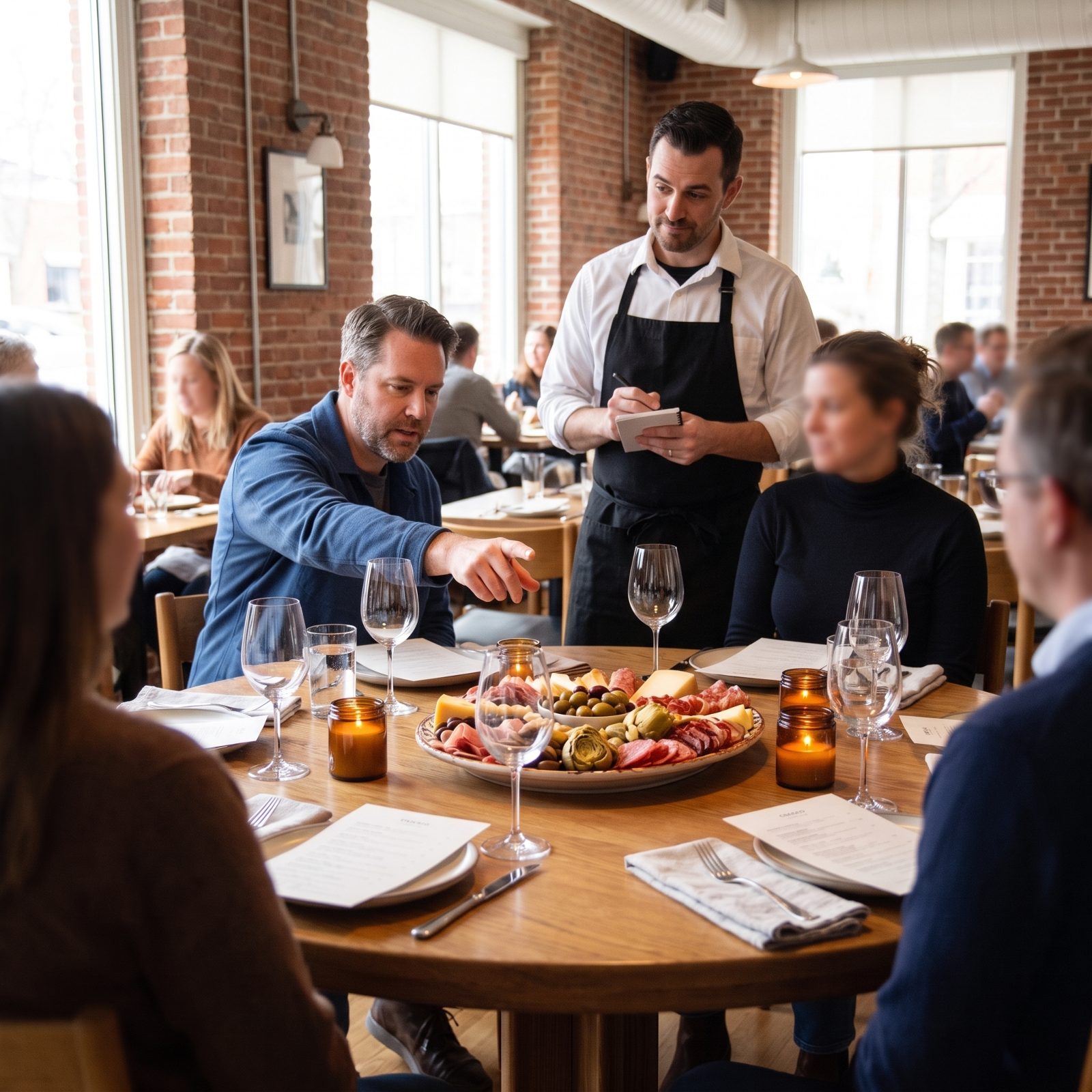
There’s always one. The person who orders for everyone, interrupts your questions to the table, waves you over and sends you away on their own private schedule.
Servers learn fast to read the power lines of a table — who’s actually deciding, who’s paying, who’s being talked over and would quietly love a refill nobody’s bothered to offer. A good server finds a way to take care of the whole table without letting the loud one steamroll the quiet ones.
The table-controller thinks they’re making service easier. They’re usually making it harder, because now the server has to manage a person instead of a meal.
17. Whether Your Party Is Actually Complete
Would you like to save this?
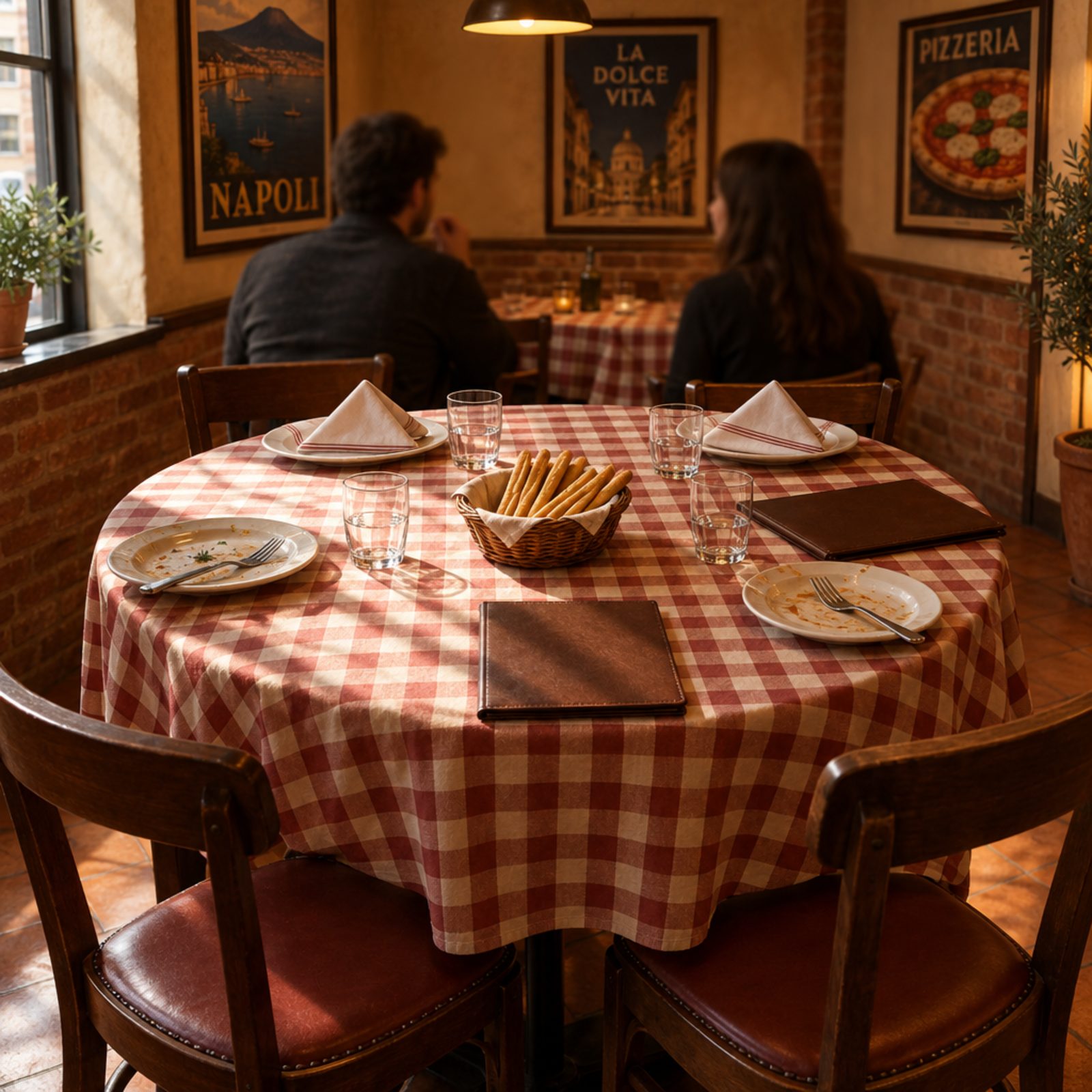
You’re seated for four. Two of you are here, and you’ve already cleaned your plates. The other two are still “on their way,” which can mean five minutes or forty-five.
Servers don’t mind an incomplete party. What they’re reading is whether you’re honest about it. A table that says “two more coming, go ahead and bring waters all around” is easy to work with. A table that swears everyone’s about to arrive, holds the kitchen hostage, then watches the food die under the heat lamp? That’s a headache the server saw coming from the door.
16. Whether You Respect the Reservation Time
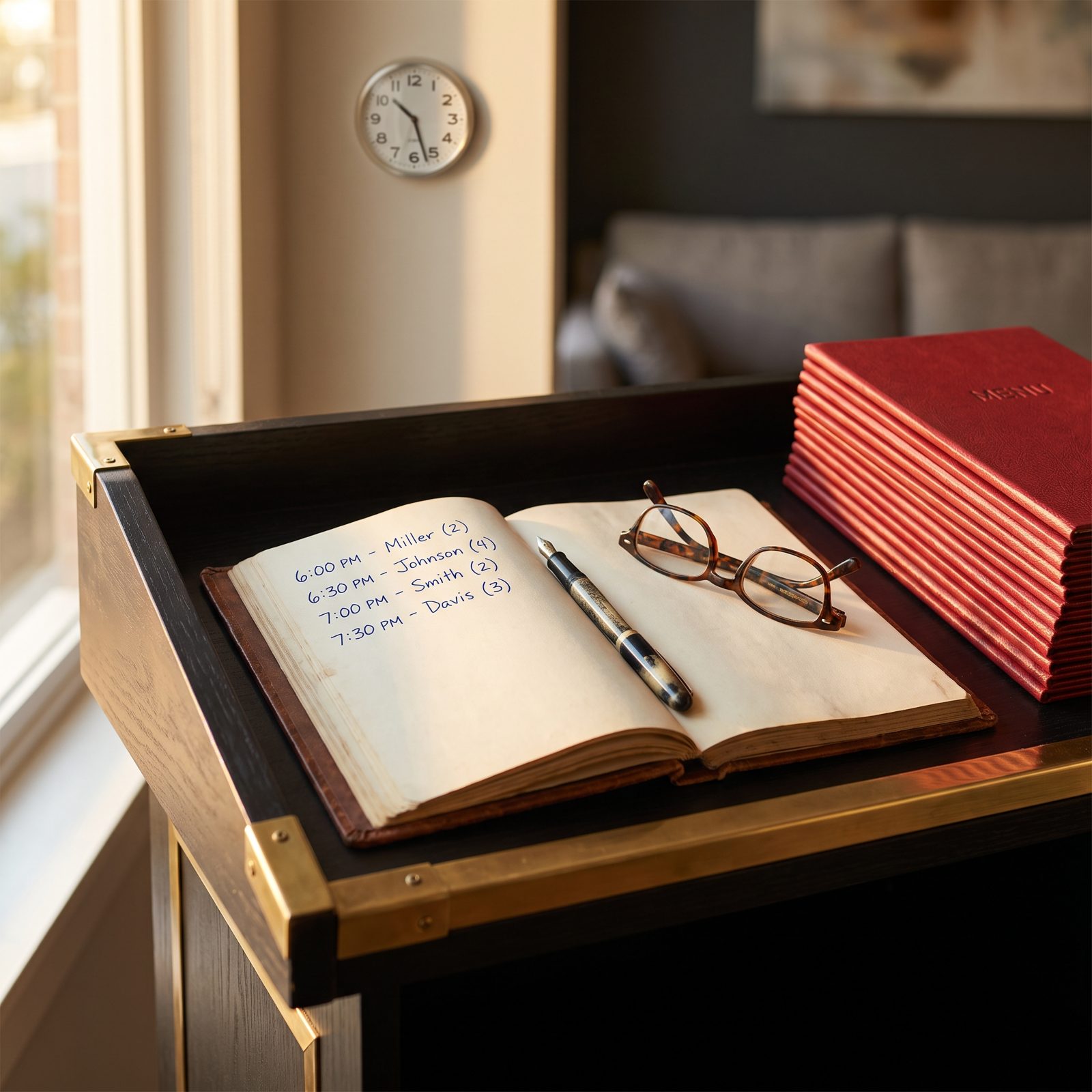
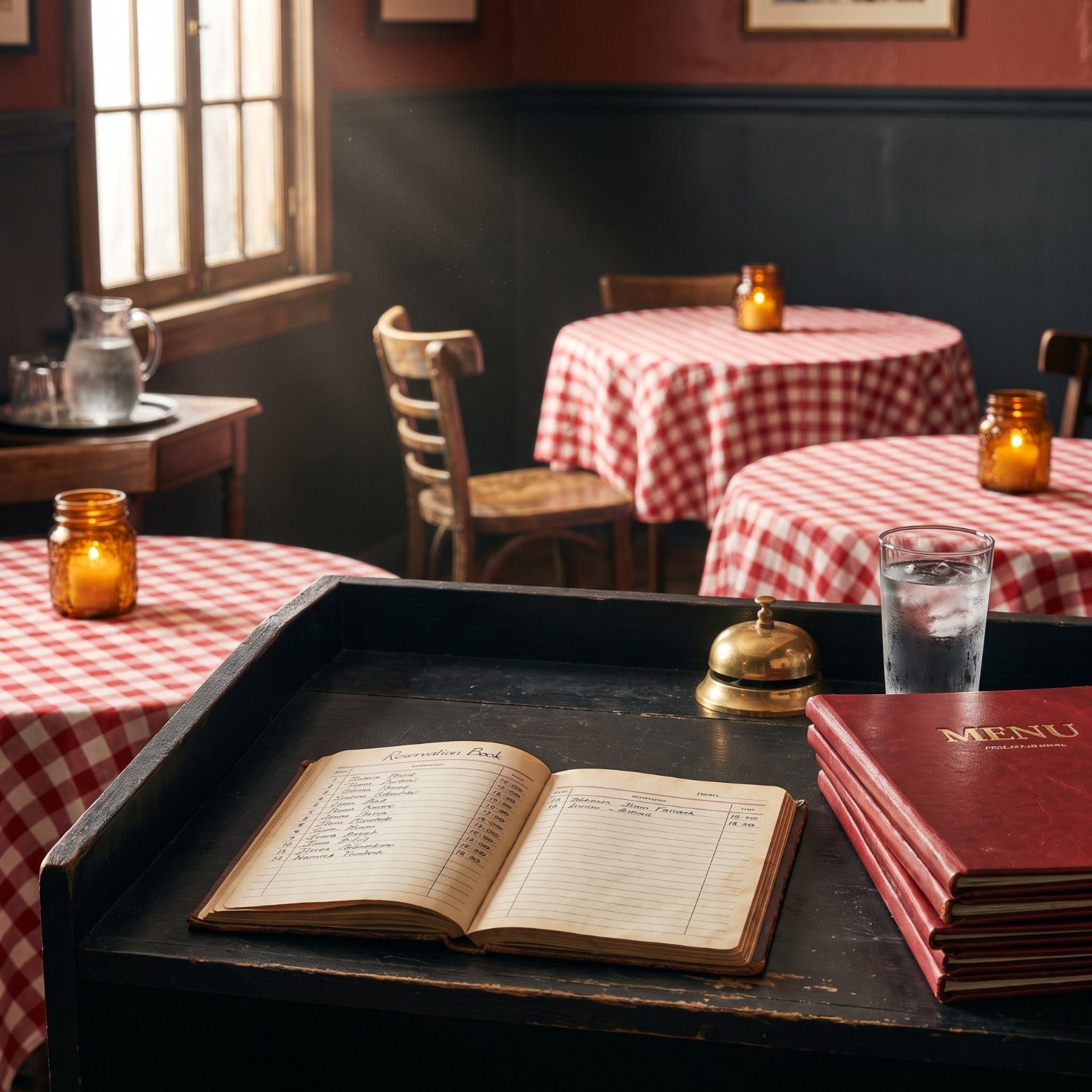
The reservation says 7:00. You roll in at 7:35 like the table’s been sitting there breathing your name the whole time.
What you don’t see: the host held that table through two walk-ins, apologized to a party that begged for it, and watched the entire floor plan buckle around your empty seats. Show up on time — or call when you’re running late — and you land in a category servers quietly cherish. People who get that the night is a machine with a lot of moving parts, and they’re one of them.
Early is fine. On time is gold. A no-call thirty-five minutes late tells the whole house exactly who they’re dealing with before you’ve even unfolded a napkin.
15. Whether You Read the Room Before Choosing a Table
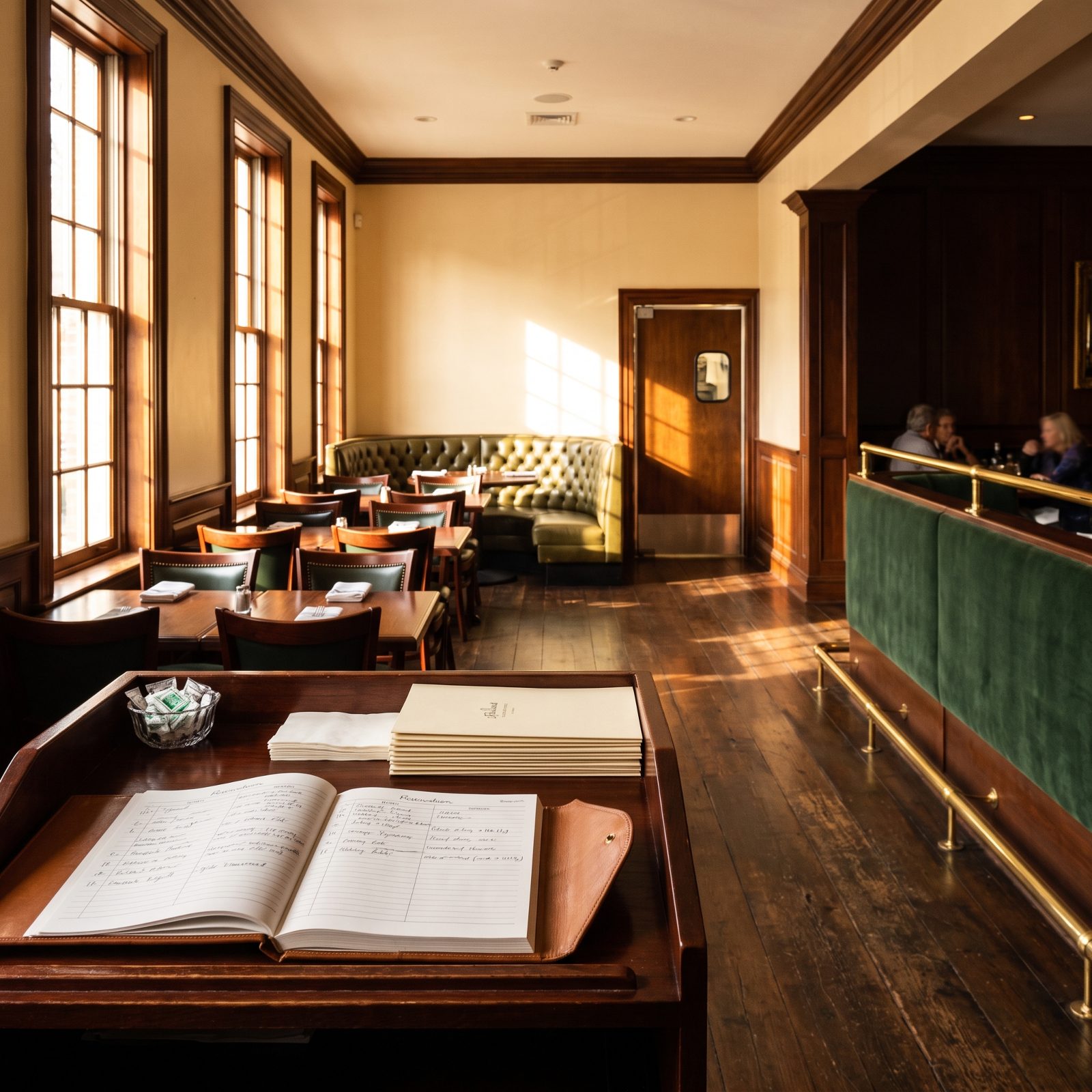
You walk in, you scan, you let the host seat you — and that tells a server something good before you’ve said a word. The guests who ignore the half-empty section and plant themselves at the one table being set for a party of eight? Those are the ones who’ll need managing all night.
Deferring to the host signals you understand you’re a guest in someone’s working space, not an inspector. Servers notice it instantly. It buys you goodwill you didn’t even know you were spending.
14. Whether You Are in a Hurry but Failed to Say So
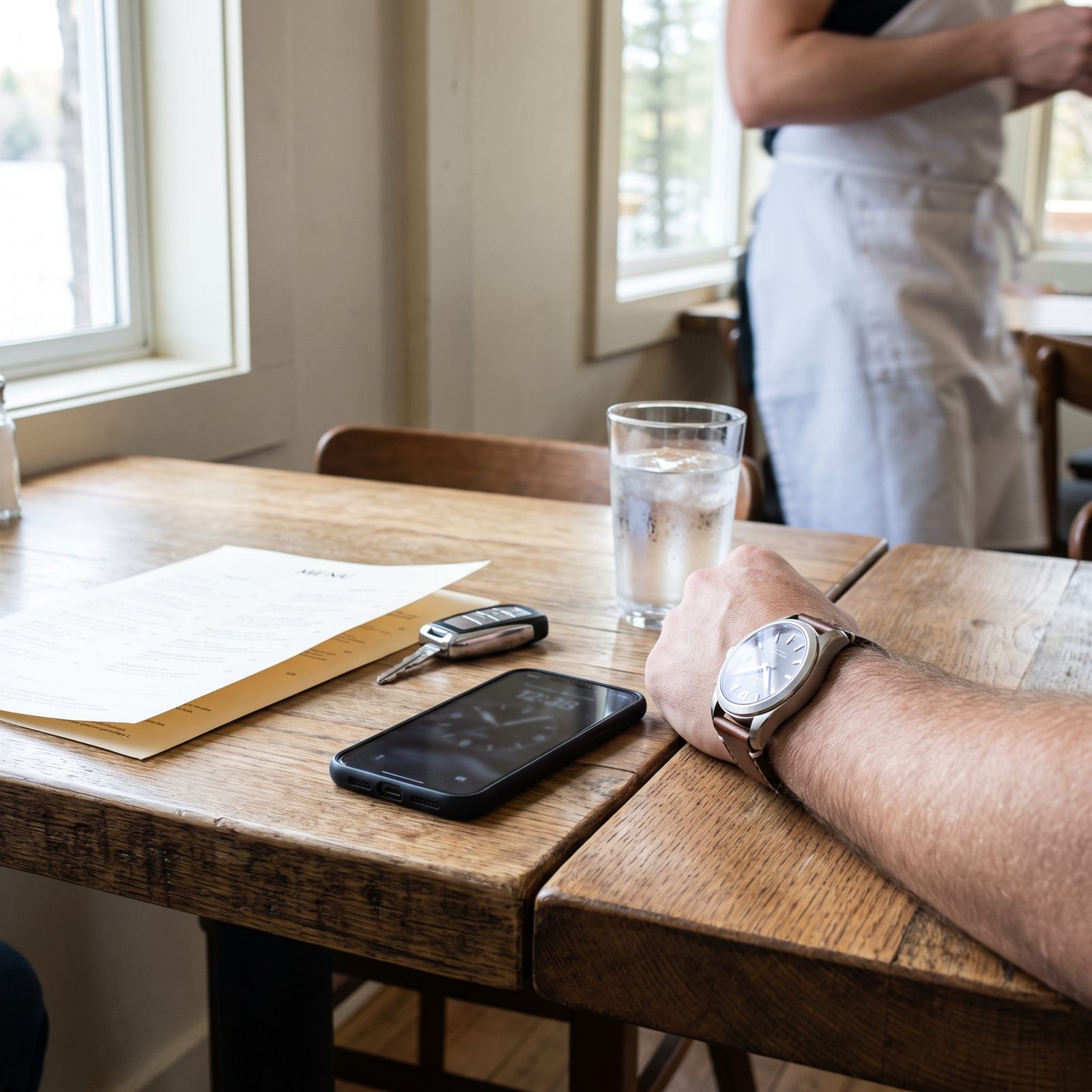
This one trips people up constantly. You’ve got a movie at eight, you need to be out the door, and you communicate exactly none of this — instead you glance at your phone every ninety seconds and tense up when the apps take a while.
The server would have moved heaven and earth if you’d just said, “We’re a little tight on time tonight.” One sentence reorganizes the whole service. Silent urgency reads as general crankiness, and nobody speeds up for a crankiness they can’t explain.
13. Whether You Expect Rules to Be Bent
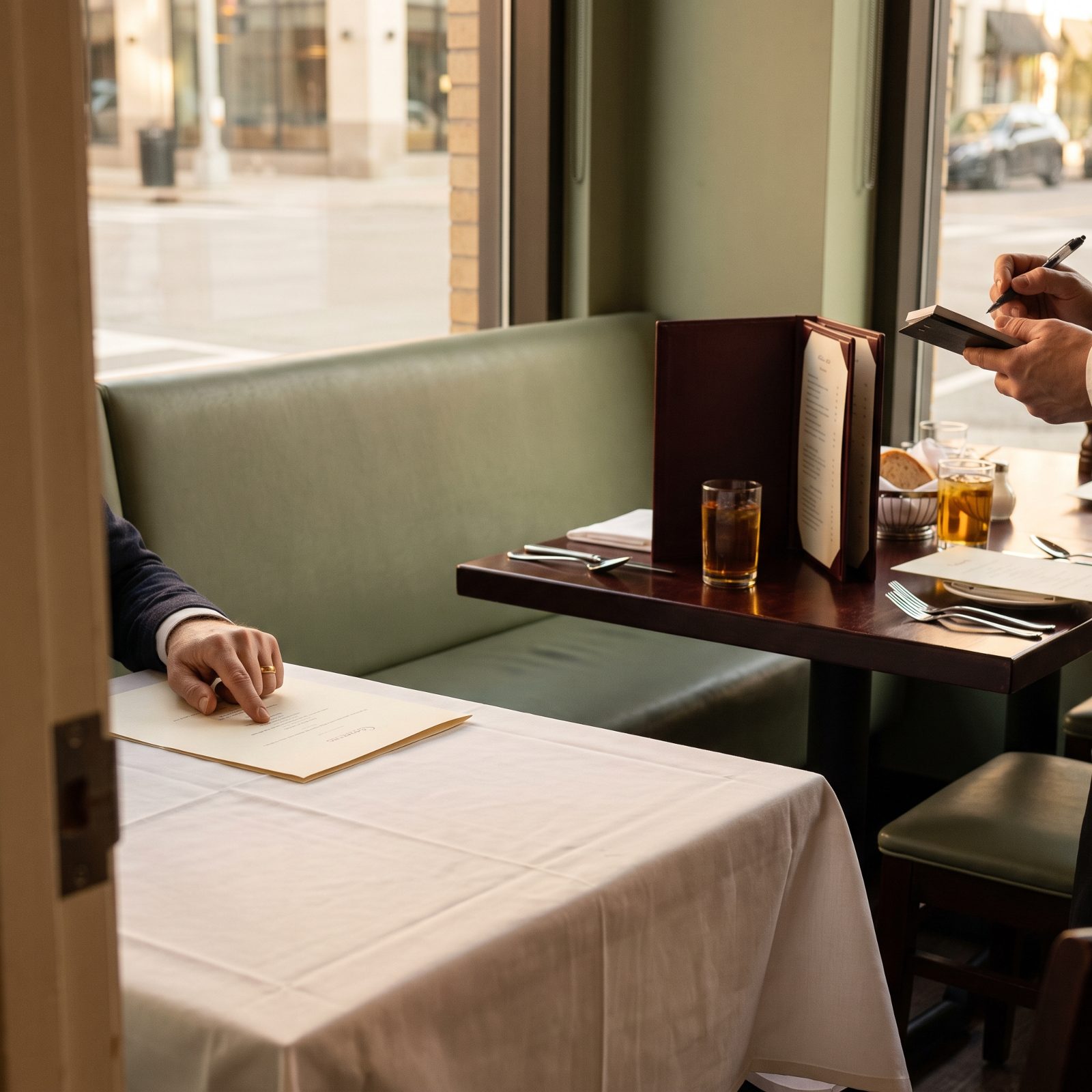
Some guests open with the exception. Can the kitchen do this off-menu thing, can you comp that, can the party of six really not wait for the full table. There’s nothing wrong with asking — it’s the tone that gives it away.
Asked as a favor, a server leans in to help. Asked as an assumption that the rules are for other people, it sets a posture for the whole meal. The kitchen hears about the second kind before your water’s even topped off.
12. Whether You Understand the Restaurant’s Price Level
You open the leather-bound menu, you take it in, you don’t react. That’s a guest who read the signs on the way in and knew roughly what they were walking into. Easy table to serve.
The loud double-take at a price, the pointed comment about the bread not being free, the audible sticker shock at the wine list — none of those are crimes. But they warn a server the evening may come with friction over every line of the check. Nobody’s keeping score on your budget. They’re just bracing.
11. Whether You Came to Eat or Hold a Two-Hour Meeting

The spread gives it away fast — laptop out, papers fanned, one appetizer ordered to justify the real estate. A server reads this in the first visit and recalibrates, because this table isn’t turning in forty-five minutes.
That’s fine during a slow lunch and a genuine problem at seven on a Saturday with a full waitlist. The move that keeps everyone happy is naming it. “We’ll be here a while, we’ll order plenty.” Then the server can plan their section instead of hovering, confused about why you keep waving off the check.
10. Whether You Are Comfortable Reading the Menu
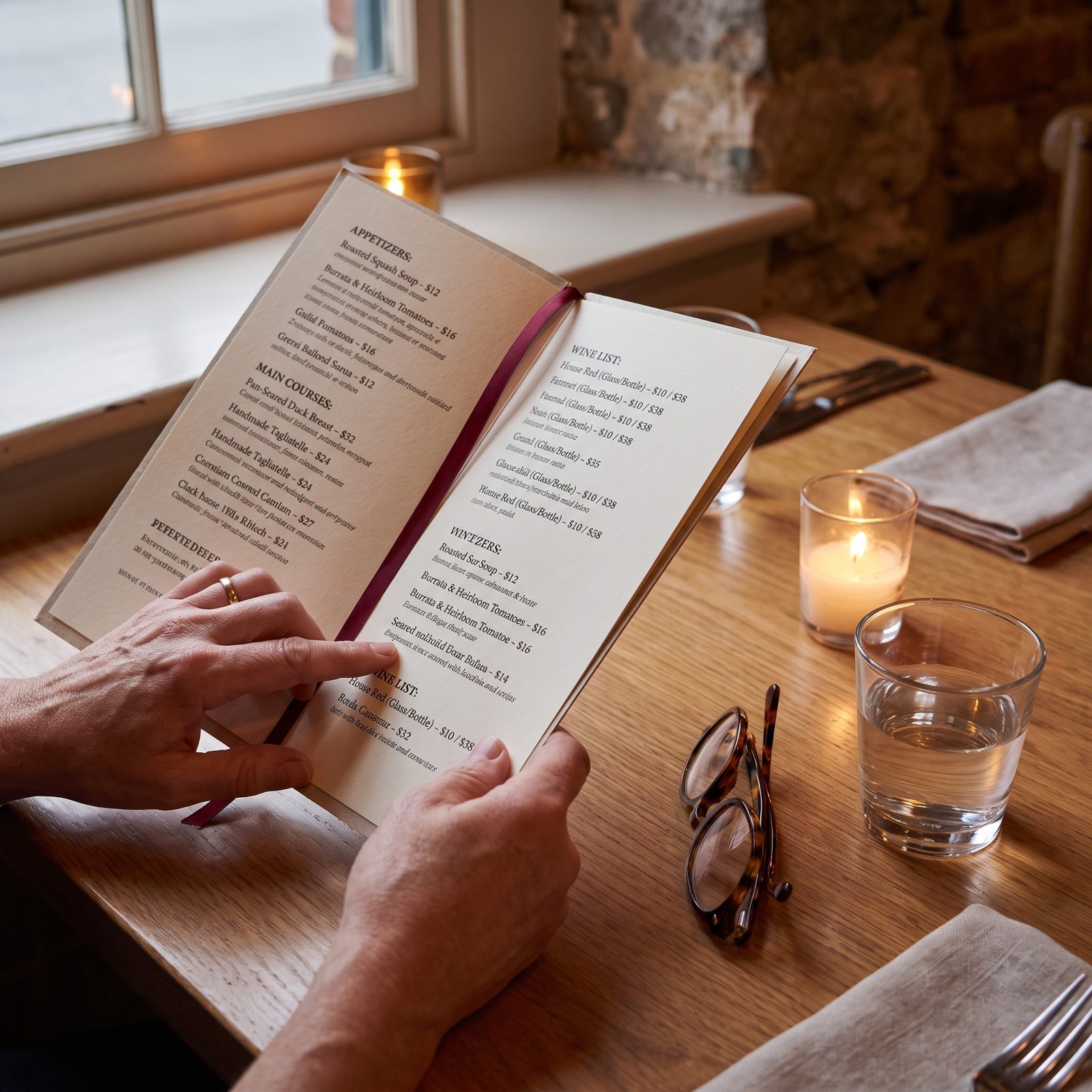
A server watches how long the menu stays open and how the eyes move. Fast and confident, you’ve probably eaten this kind of food before. Slow, flipping back and forth, holding it at arm’s length — maybe you’re in unfamiliar territory, or the print’s just hard to make out.
Neither one is better. A sharp server adjusts. They’ll offer a little more guidance to the hesitant reader and get out of the way of the decisive one. The guests who end up frustrated are usually served by someone who read the signal wrong.
9. Whether Your Allergy Request Is Clear or Vague
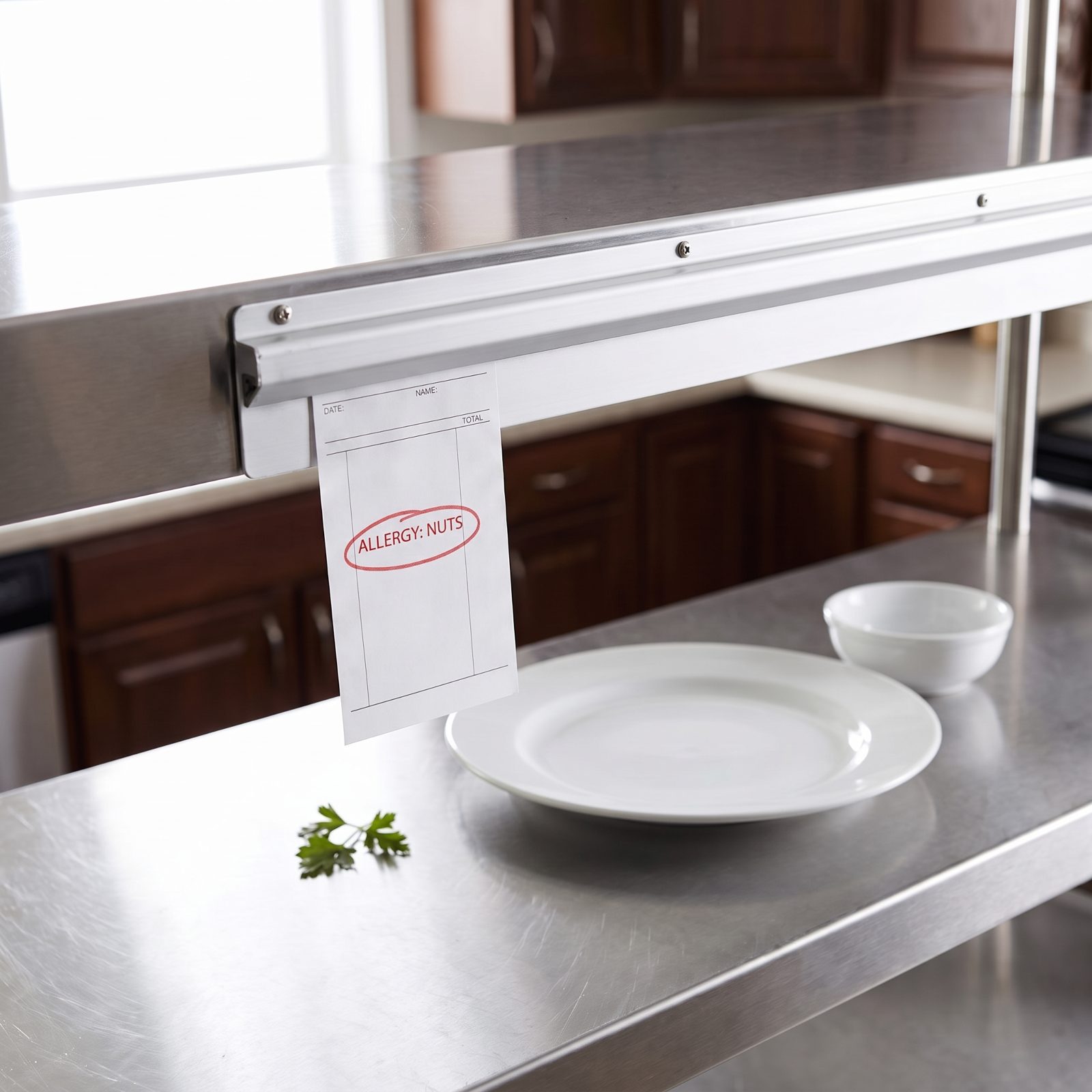
Here’s the one where clarity is not optional. “I have a severe shellfish allergy, it’s medical” sends the whole kitchen into a different protocol. “I try to avoid dairy, but a little butter’s fine” is a preference, and servers need to know which one you’re handing them.
The vague version is dangerous in both directions. Treat a preference like an emergency and the kitchen slows for nothing. Treat an emergency like a preference and someone gets hurt. Say the word allergy only when you mean it, and say exactly how serious. The staff would rather hear too much than guess.
8. Whether You Want Recommendations or Validation
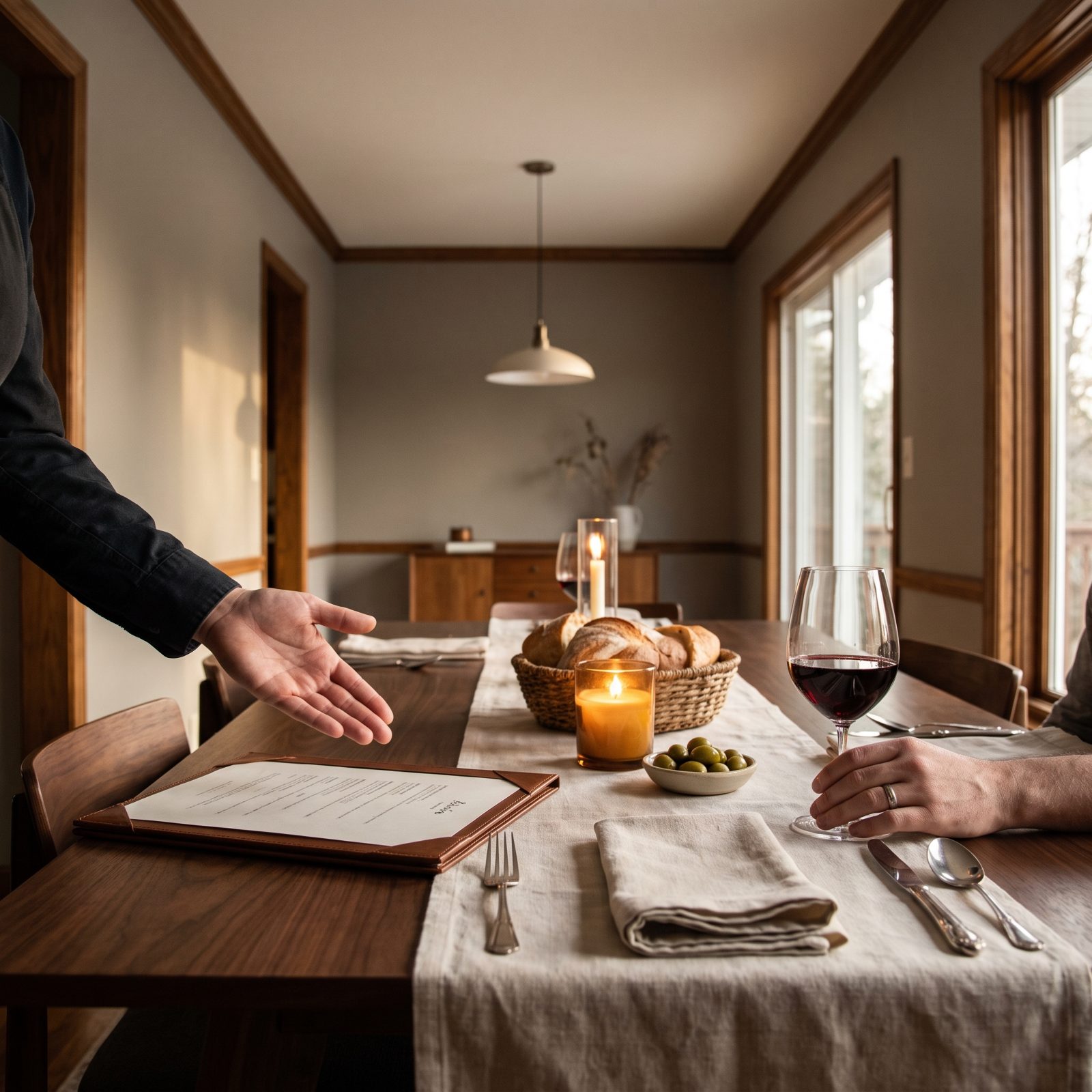
You ask what’s good. A server learns within one follow-up whether you actually want their opinion or you’ve already decided and just want it blessed.
The giveaway is the reaction. Suggest the branzino and if the real answer was always the ribeye, the face tells on it immediately. No harm in wanting validation — totally human thing. But a good server stops recommending and starts agreeing the second they catch it, because the point was never the food. It was feeling sure about the choice you already made.
7. Whether You Are Celebrating Something Important
Would you like to save this?
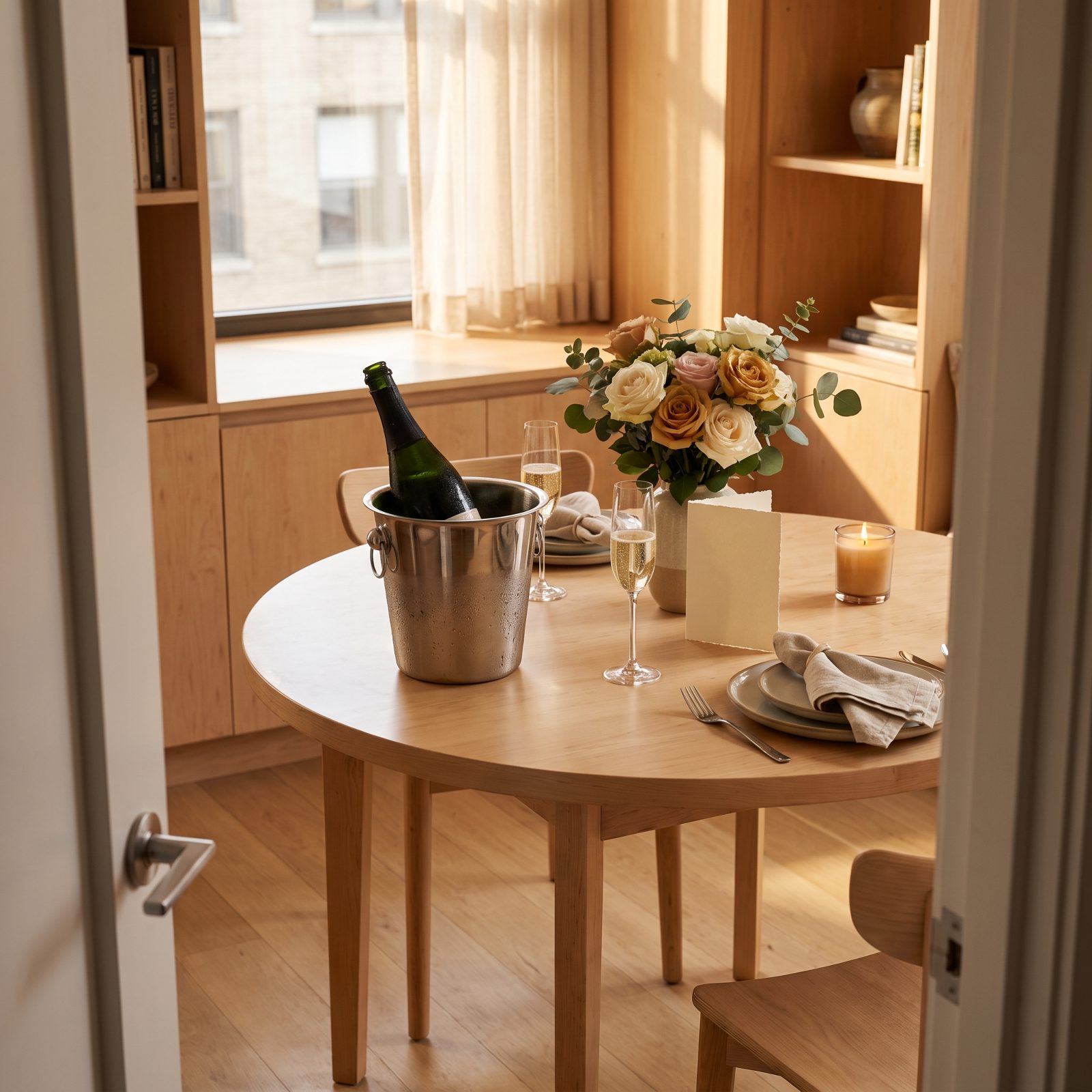
Sometimes you say it outright. More often you don’t, and they figure it out anyway — the table set for two, the card propped beside the roses, the champagne already chilling on ice, the nervous energy of somebody who planned this on purpose.
A quick heads-up when you book can make the night. A candle in the dessert, a card waiting on the table, two flutes poured at exactly the right moment. But the staff can only pull it off if they know. If it matters, mention it before you walk in the door. The best surprises on their end start with a little preparation on yours.
6. Whether a First Date Is Going Well
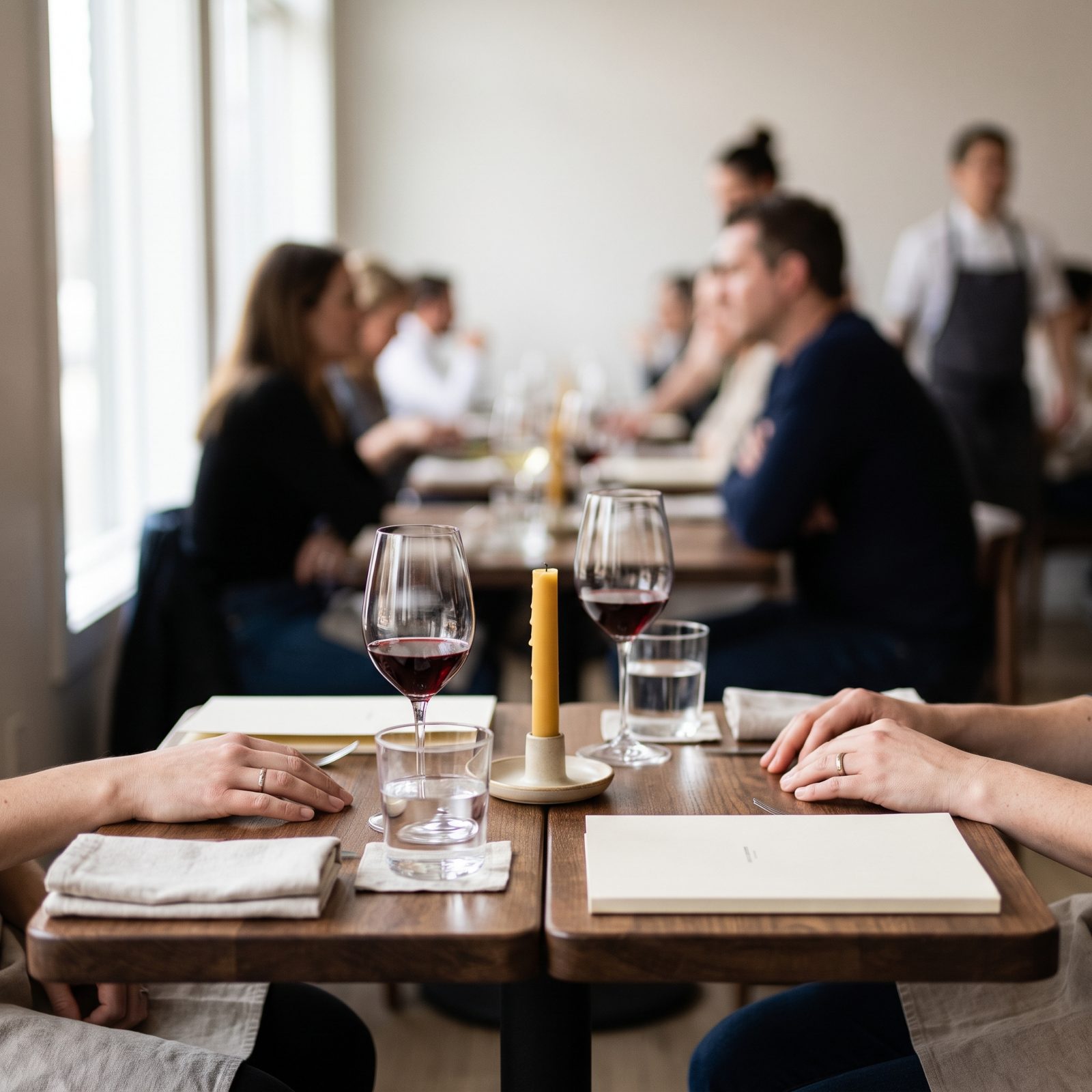
Servers run an unofficial scoreboard on first dates, and they’re rarely wrong. Wine glasses emptying at the same pace, bodies leaning in, a dessert menu that actually gets opened. Good signs.
The bad ones are just as loud. Phones out, long silences, one person ordering fast to shorten the whole thing, a water glass drained like a lifeline. A sharp server shifts the pace to match — slowing for the couple who’ve forgotten the restaurant exists, speeding up for the two who clearly want an exit. They’ll never say a word about it. But they knew by the time the apps hit the table.
5. Whether You Use the Server’s Name Naturally or Performatively
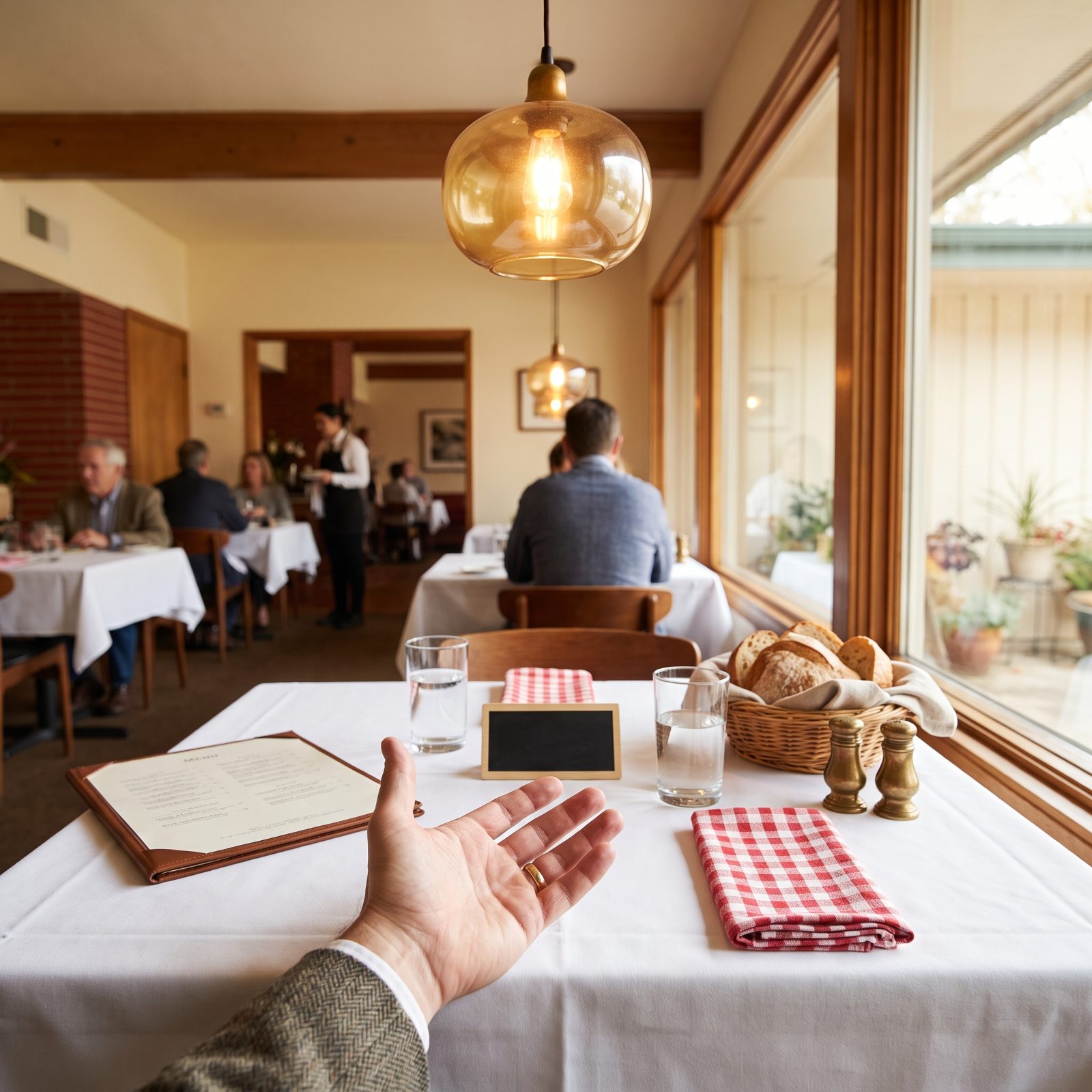
A name used right sounds like nothing. “Thanks, Maria.” Eye contact, a half-beat pause, back to the conversation. That’s a person who reads your tag because they see you as a person.
A name used wrong gets a little spotlight on it. It gets deployed. “Well, MAR-ia, let me tell you what I’d LIKE.” The emphasis is the tell — borrowed intimacy used as a lever, and every server clocks it instantly because the warmth never reaches the eyes.
4. Whether You Stack Unwanted Menus in the Server’s Path
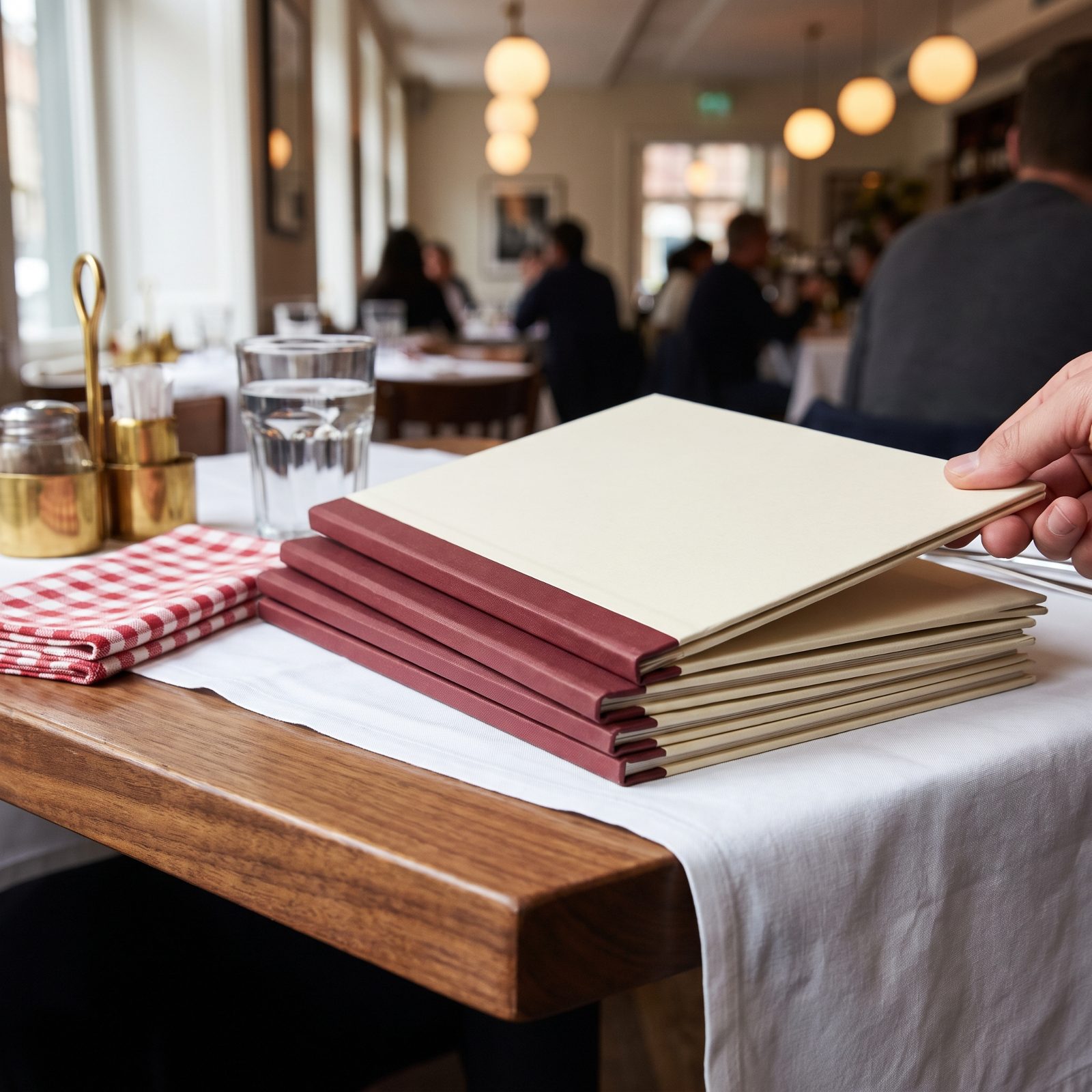
Watch what happens to the menus the moment the order is placed. The considerate table closes them, squares the stack, and nudges it toward the aisle. No words. Just a small gesture that says I know you have twelve other things to carry.
The server registers it the way you’d notice someone holding a door, and it predicts the whole meal. A table that thinks about the person working it before being asked tends to flag down less, snap never, and tip like they remember what the job actually is. One stacked menu, and the shift just got a little lighter.
3. Whether You Are Looking for a Complaint
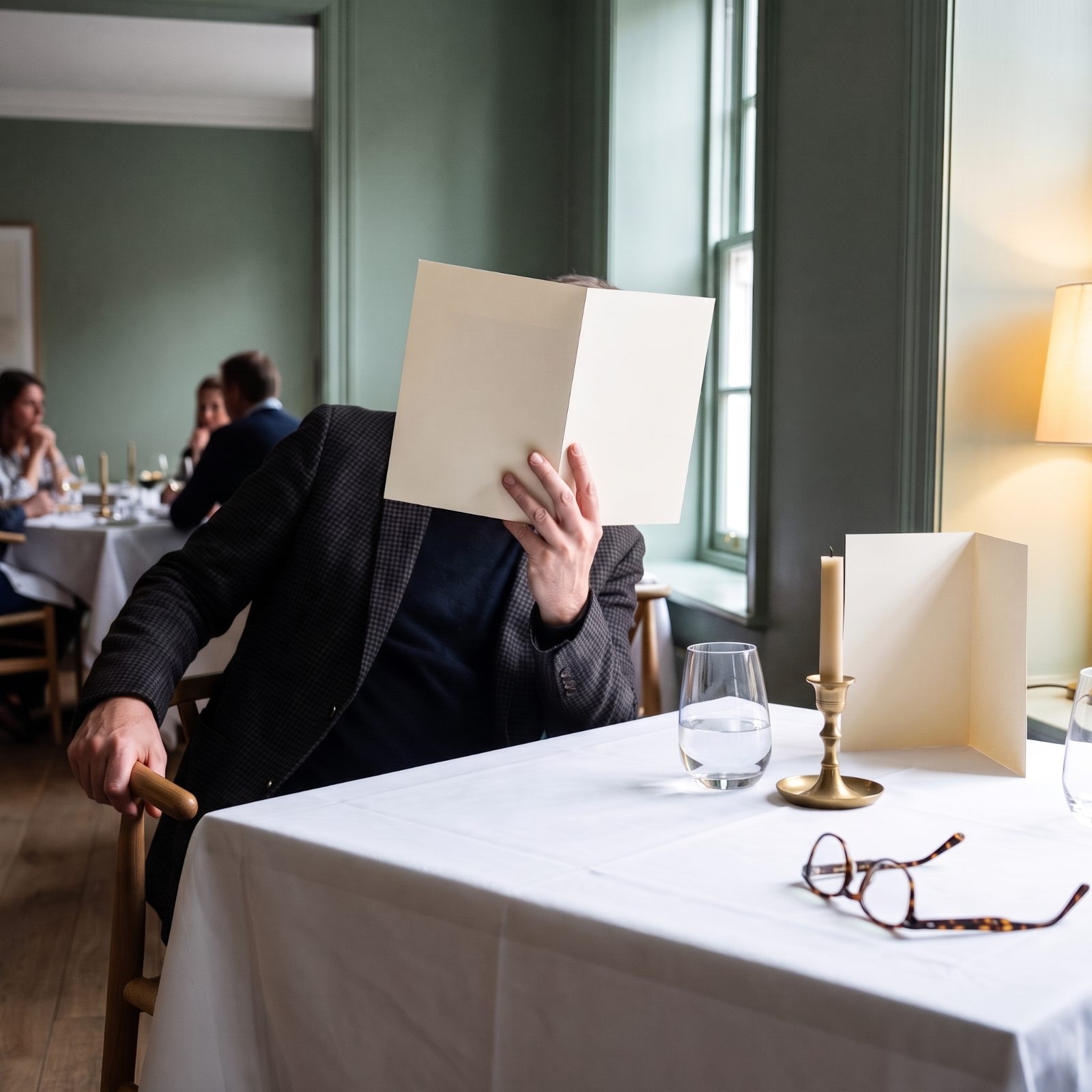
Some guests arrive already drafting the Yelp review. The cues come fast: the water glass held up to the light, the seat changed twice, the menu read like a legal contract, the clipped “we’ll see” when asked how everything is.
A server spots the complaint-shopper before the appetizers land, because the body’s already talking. Shoulders hunched, leaning in, face hidden behind the menu instead of meeting the room. And it isn’t about standards — people with real standards are usually warm about it. This is the posture of someone who decided to be dissatisfied out in the parking lot.
The guests who are hardest to please are rarely the ones who care most about the food. They care most about being right.
2. Whether You Might Become a Favorite Regular
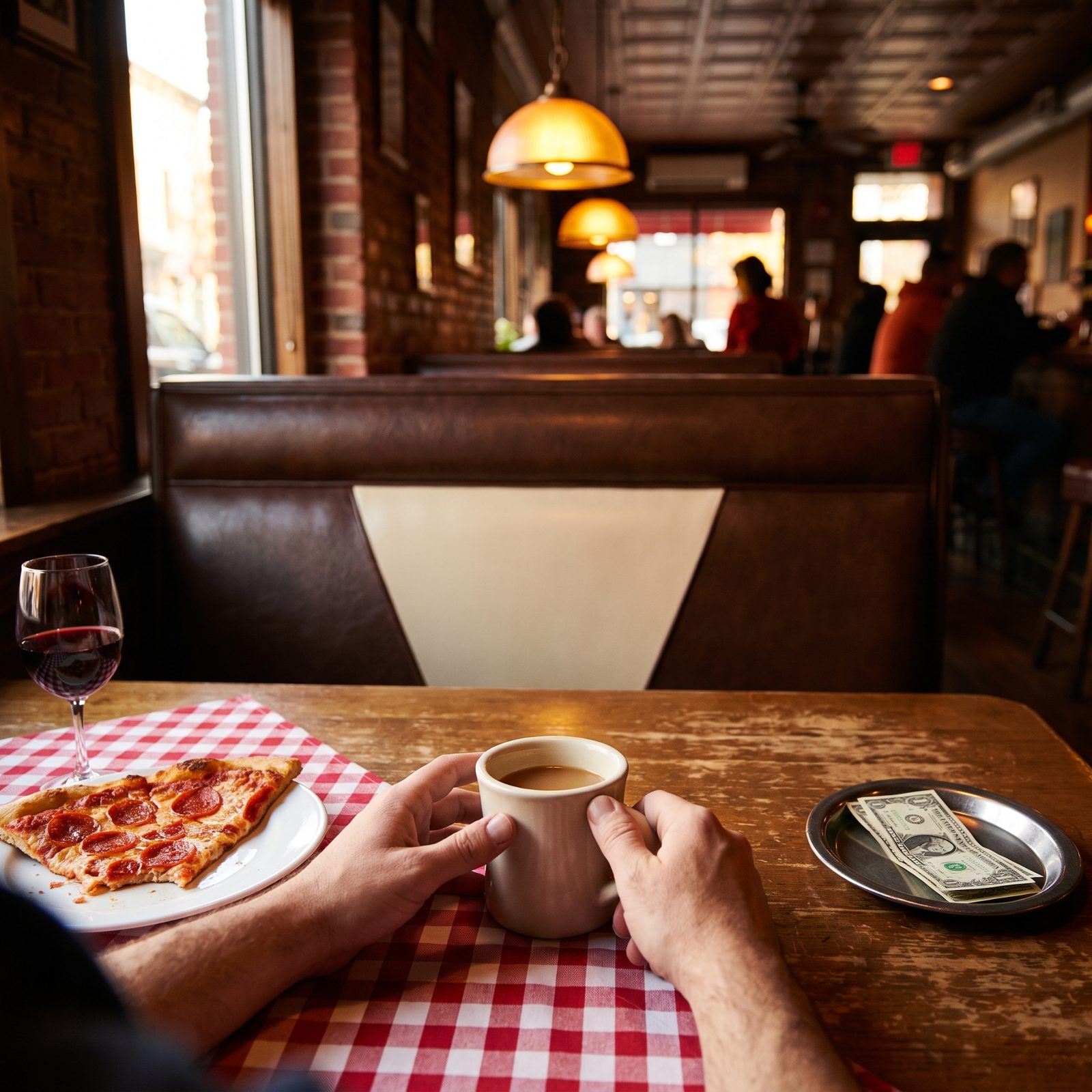
The future regular announces themselves quietly. They ask the server’s opinion and actually take it, settle into the booth like they’ve already decided they’ll be back, and treat the busser with the same ease they give the manager.
Here’s the part nobody admits: servers compete, silently, over who gets the good regulars. That pleasant Tuesday-night couple who tips fair and never makes a scene? Pure currency. Become that table once, and you’ll be remembered for a year.
1. Whether the Evening Is Likely to Be Easy or Exhausting
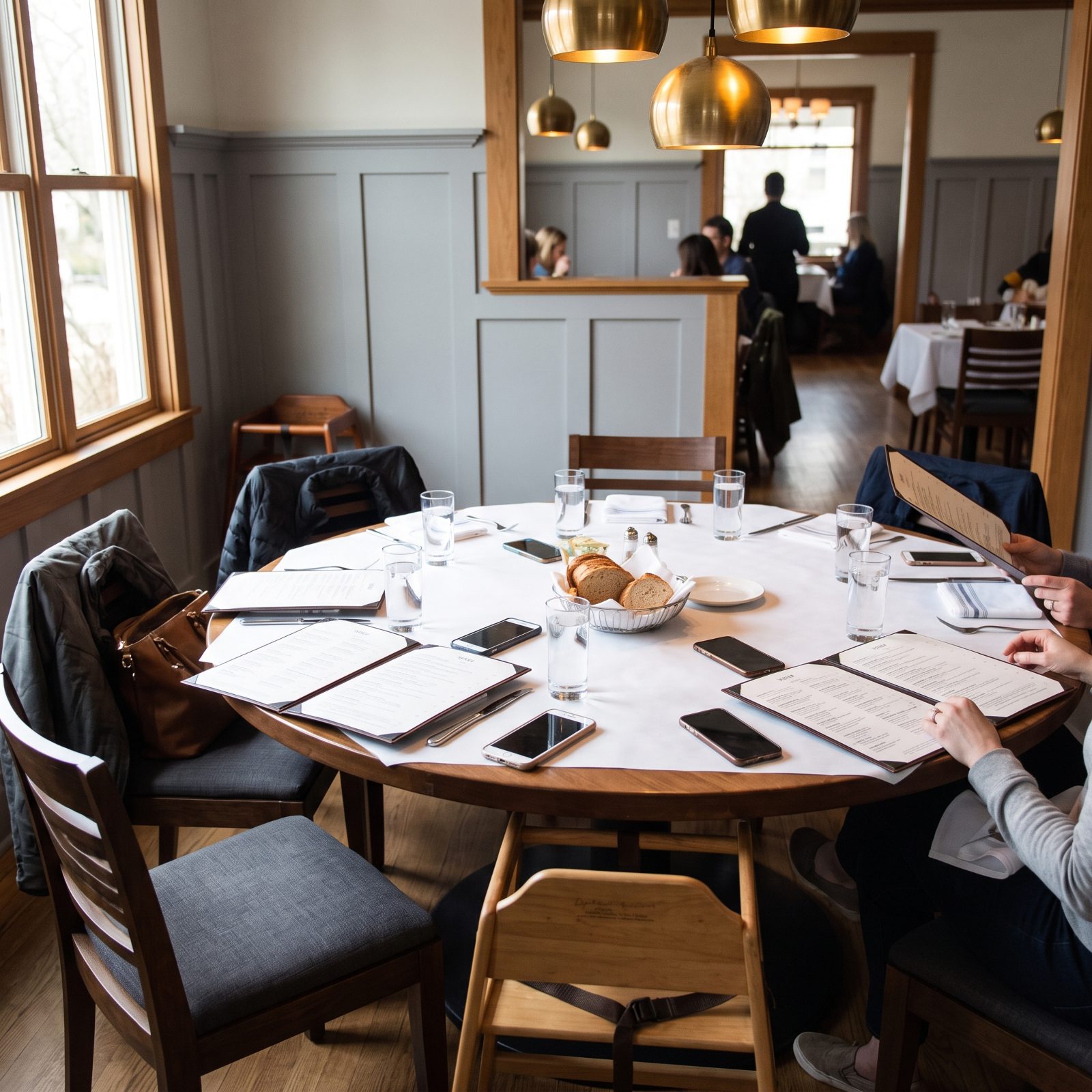
By the time everyone’s seated, the server knows the shape of the next two hours, and it’s always in the small stuff. Phones face-up and already buzzing. Three people still talking when the server arrives, nobody ready, nobody aware. And then there’s the one who orders for the whole table without checking with a single person at it.
None of it is cruelty. It’s load. A table that moves together, looks up when someone approaches, and answers a question the first time is an easy table. The one that makes the server stand there, invisible, waiting to be noticed — that’s a long night in miniature.
Look up when they come to the table. That one thing changes everything.