
Would you like to save this?
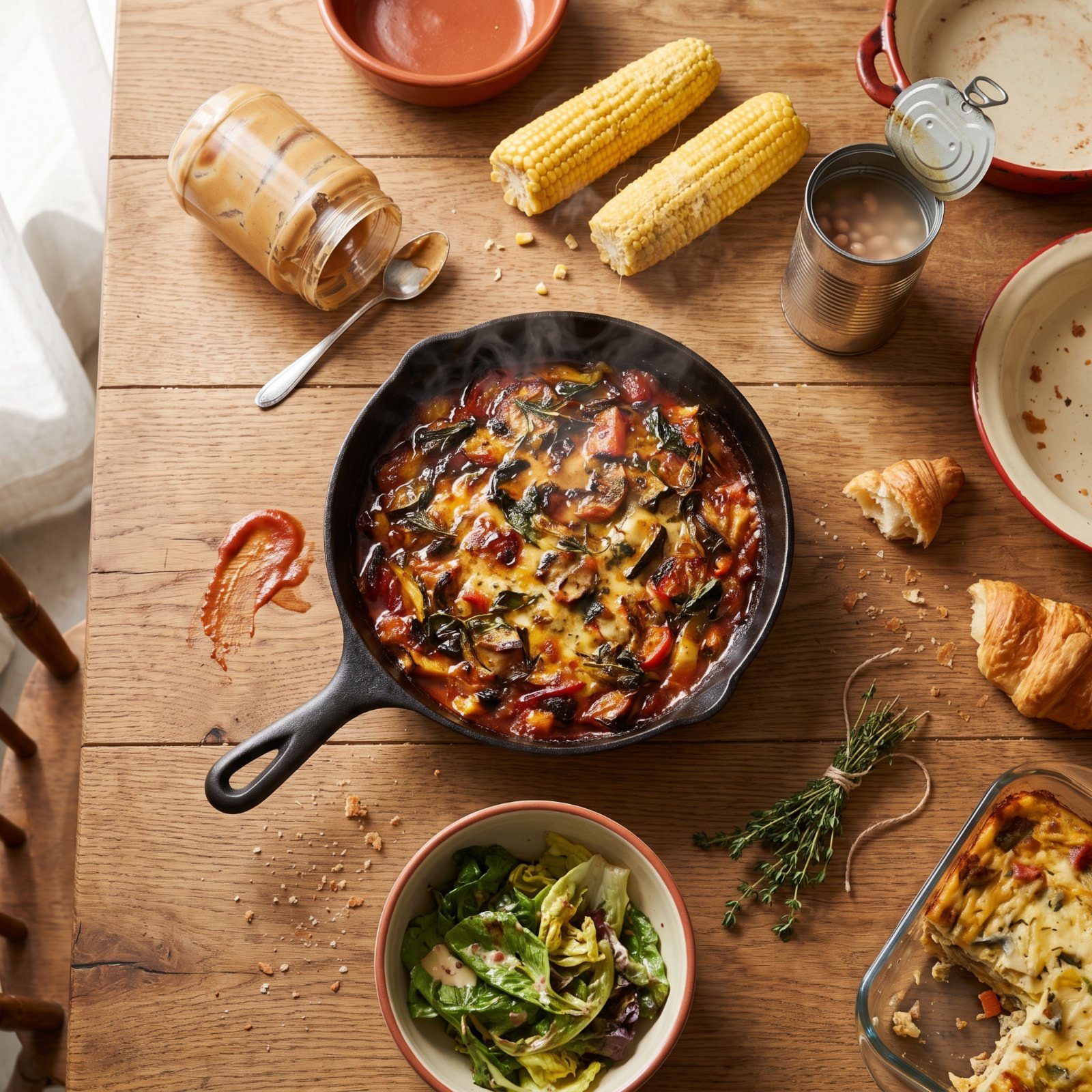
The best cooks waste almost nothing, and they don’t lecture anyone about it either. They just notice things. That cloudy liquid in a can of beans isn’t trash, it’s a thickener, and the salad that wilted overnight isn’t a loss so much as a sauce waiting to be blended. What follows are the tricks experienced home cooks lean on when the fridge is half empty and dinner still has to happen somehow. Some of them sound ridiculous on paper. They all work, and most make something better than the sad leftover ever was.
Please note that some of the images in this article were created with the assistance of AI.
49. Whisk Leftover Bean Liquid Into a Glossy Pasta Sauce
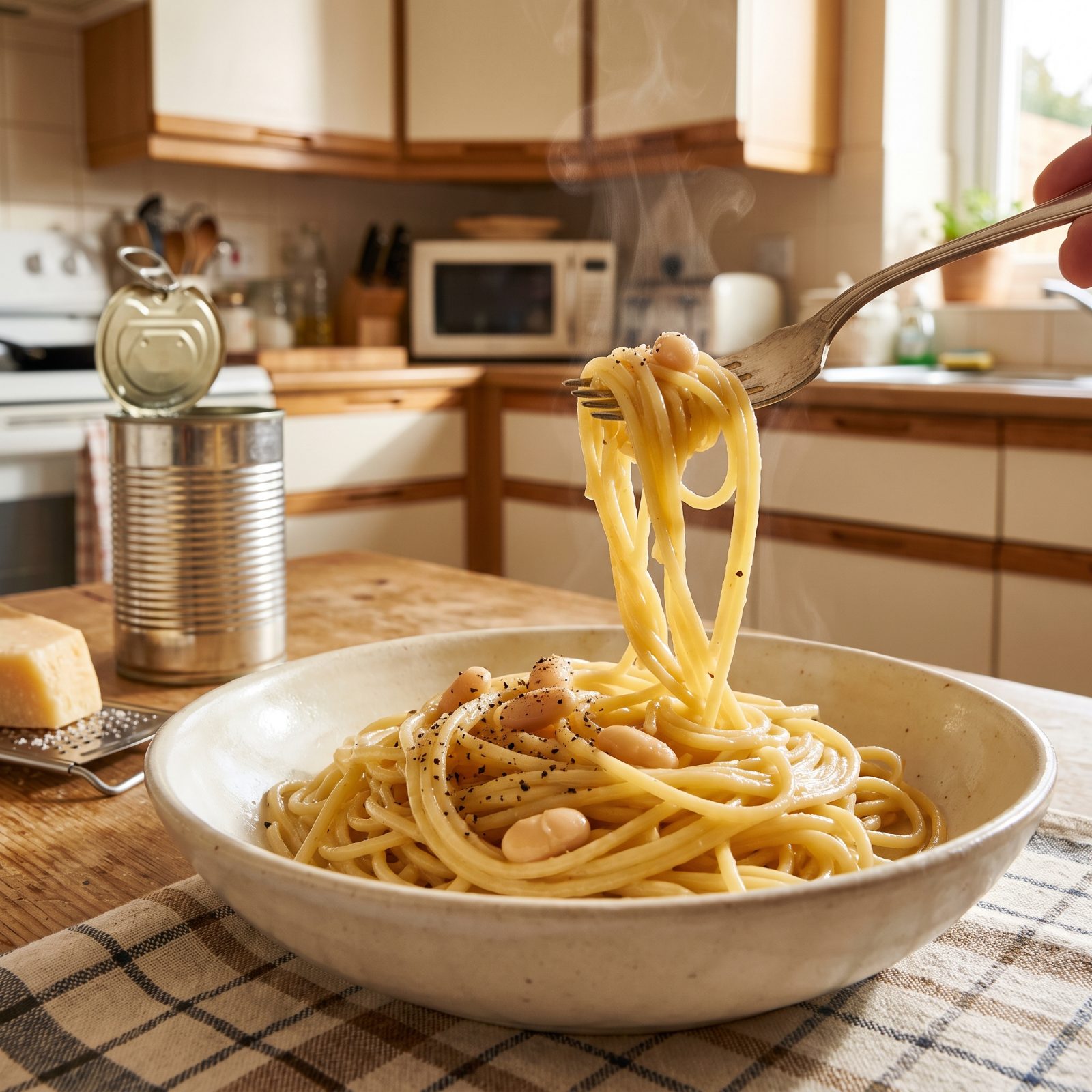
That murky liquid everyone pours down the drain has a name, aquafaba, and it’s loaded with starch and dissolved protein. Whisk a few spoonfuls into hot pasta with some of its cooking water and a little cheese, and it emulsifies into a sauce that clings like you worked for it.
Chickpea liquid works too, though it’s beanier. White-bean liquid runs cleaner and lets garlic and lemon do the talking.
48. Blend Dressed Salad Into a Vibrant Green Sauce
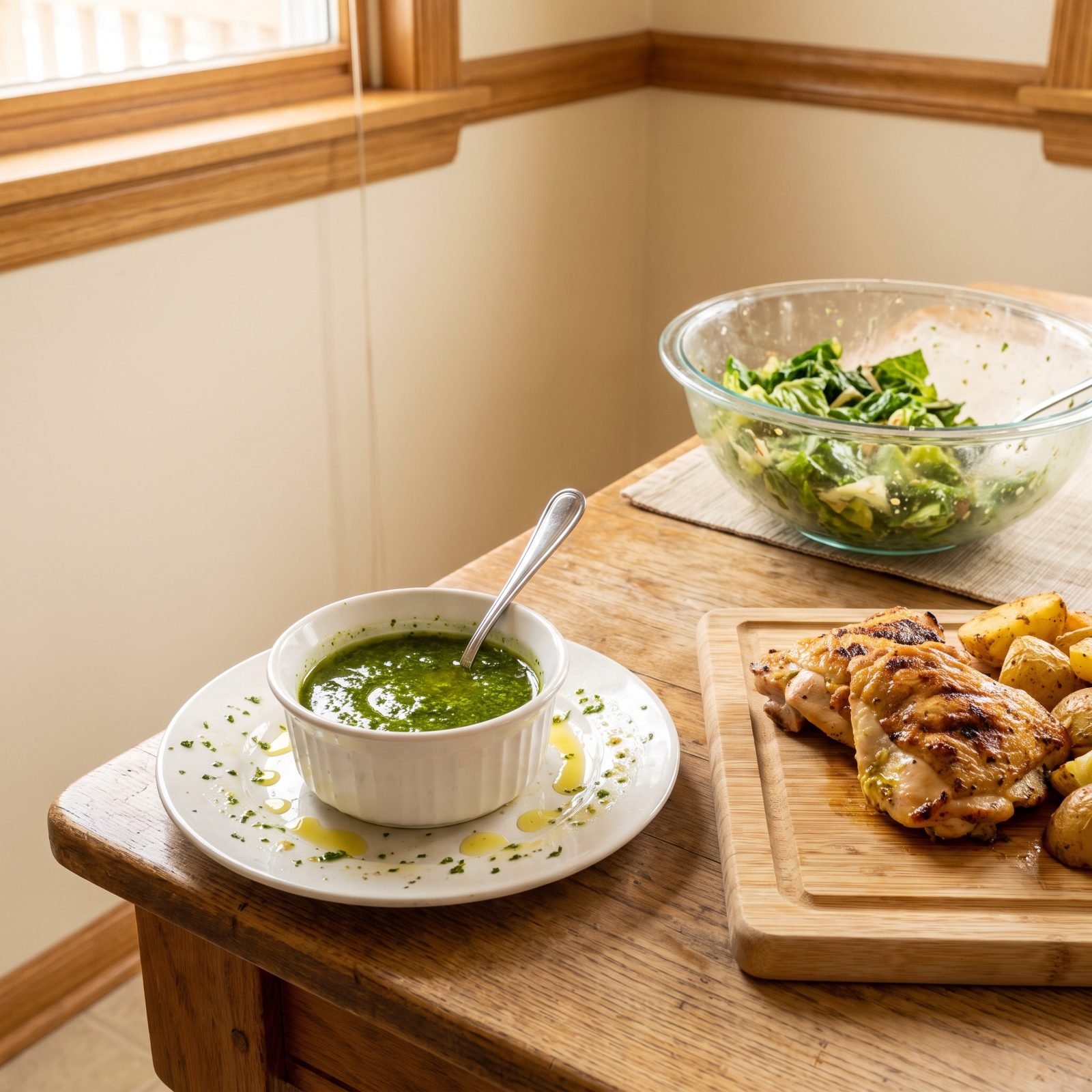
Wilted salad looks sad, sure, but the dressing already did half the work for you. The oil, acid, and salt are all sitting right there. Blend the whole tired bowl with a handful of fresh herbs and maybe a clove of garlic, and you’ve got a loose green sauce for grilled chicken, eggs, or roasted potatoes.
One catch: this only works if the dressing was decent to begin with. Gloopy bottled ranch blends into something grim. A plain vinaigrette turns into something you’ll want to spoon over everything in the house.
47. Shake Noodle Sauce Inside a Nearly Empty Peanut Butter Jar
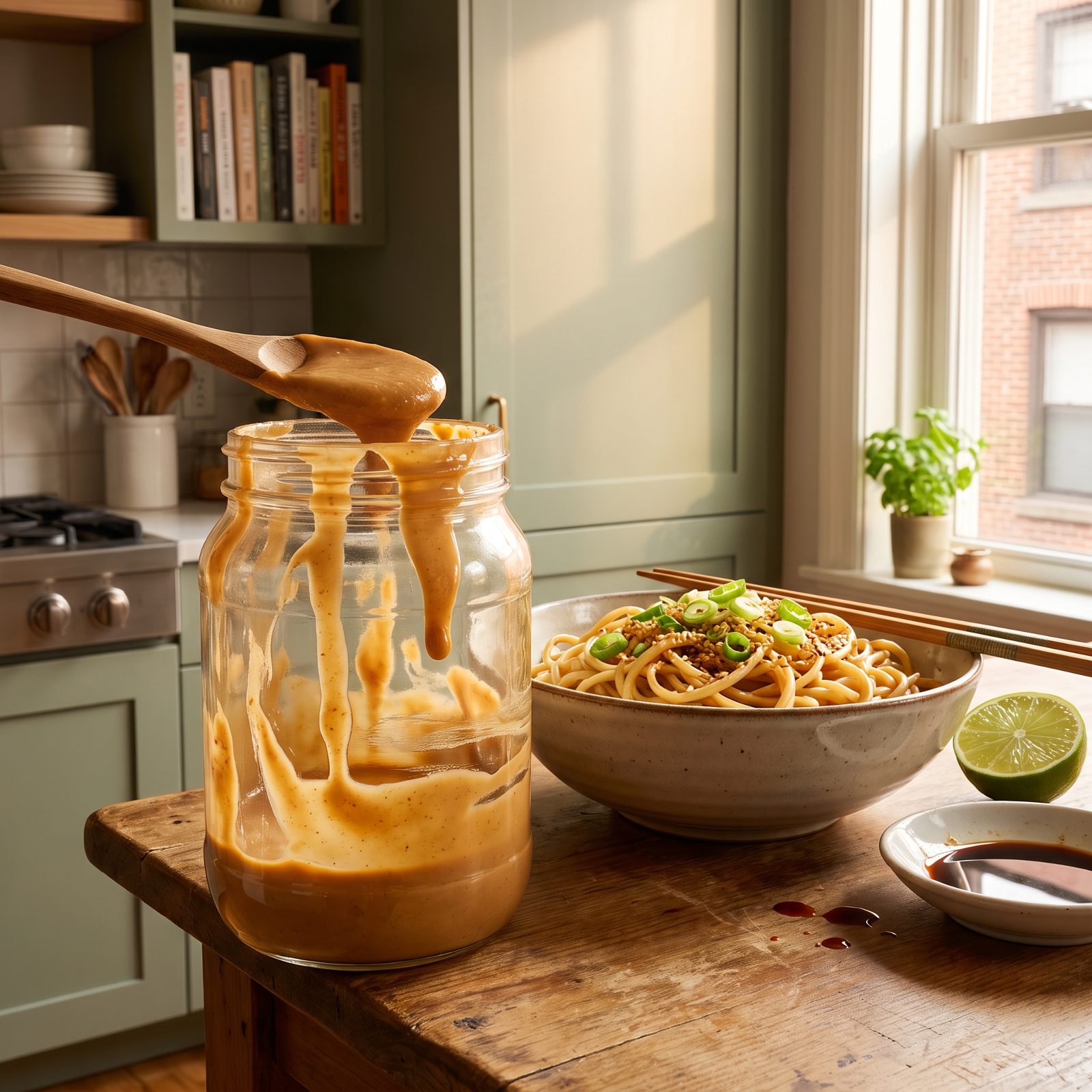
You know the jar. There’s enough peanut butter welded to the sides to taste it, nowhere near enough to scoop. Pour in soy sauce, a squeeze of lime, a drizzle of honey, and a splash of hot water, screw the lid on, and shake like you mean it. The sauce drags every clinging gram off the glass until the jar holds a few inches of creamy sauce.
Toss it with warm noodles straight from the jar. Feels like cheating the first time it works.
46. Float Stale Croissant Dumplings on a Hearty Stew
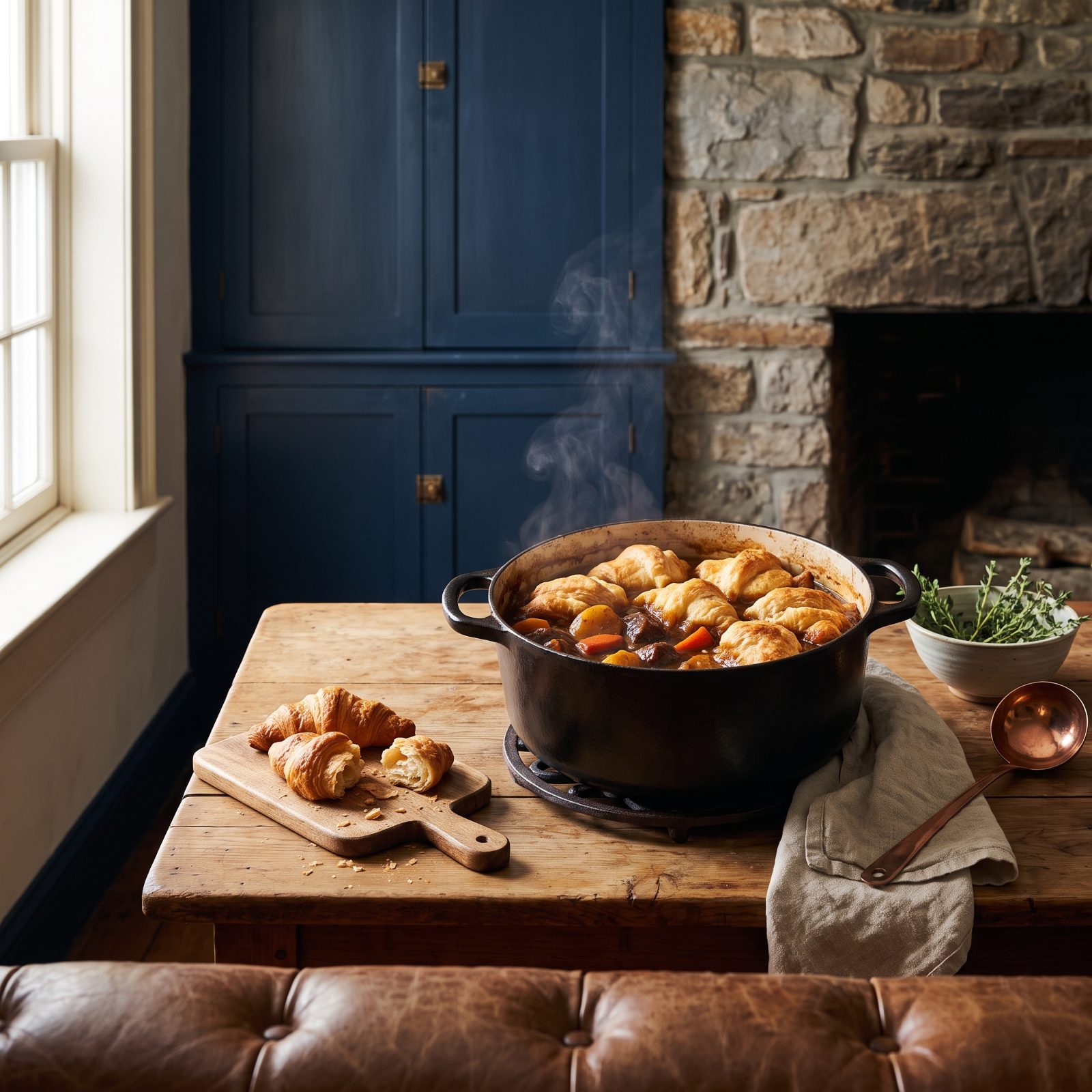
Stale croissants are too far gone for breakfast but perfect for this. Tear them up, bind the pieces with a beaten egg and a little flour, and drop spoonfuls onto a simmering stew. They drink up the broth and puff into buttery, slightly flaky dumplings that plain dough just can’t touch, because the croissant comes pre-loaded with all that laminated butter.
Day-old brioche or dinner rolls follow the same logic. It’s the butter that makes them tender.
45. Stir-Fry Leftover Coleslaw Until Caramelized

Creamy coleslaw the day after a cookout is nobody’s favorite thing. But the cabbage and carrot in there are still perfectly good, and the sugar and fat in that dressing will caramelize into something wonderful. Get a pan screaming hot, dump the slaw in, and leave it alone until the edges brown before you toss it.
The mayo breaks down and crisps the vegetables instead of staying gloopy. Hit it with soy sauce or a squeeze of lime, pile it into a tortilla or over rice, and don’t look back. Cabbage wants to be charred far more than it ever wanted to be cold.
44. Turn Onion Dip Into a Stroganoff Sauce
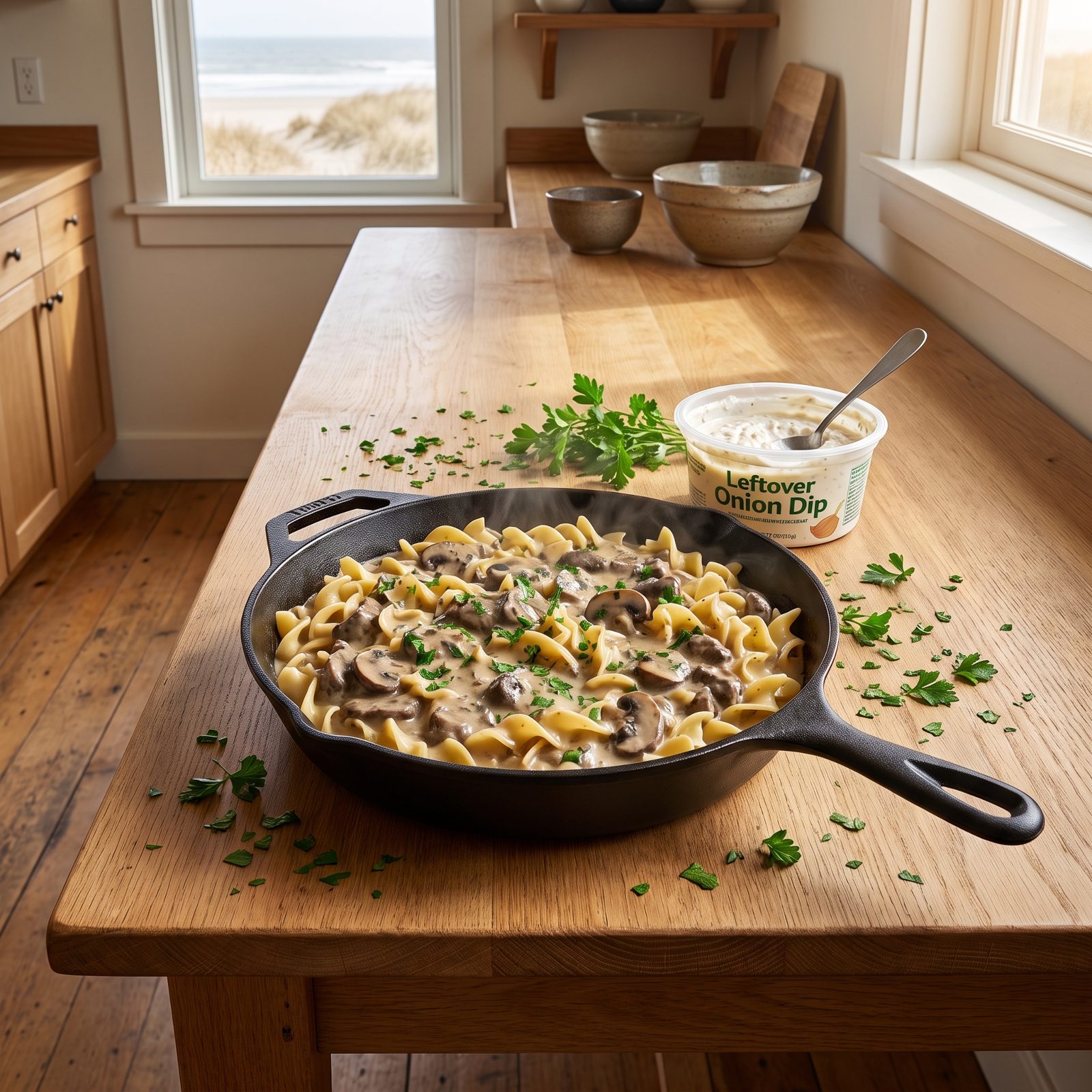
French onion dip is pre-seasoned sour cream with caramelized onion already folded through it. Which is to say, three-quarters of a stroganoff sauce hiding in the party-leftovers corner of your fridge.
Brown some beef and mushrooms, stir in beef broth, then melt the dip in at the very end off the heat so it won’t curdle. Onion and tang come built in, so you skip the fussy middle steps and land straight on comfort. Spoon it over egg noodles and call it dinner.
43. Scrape Corn Cobs for Chowder-Thickening Corn Milk
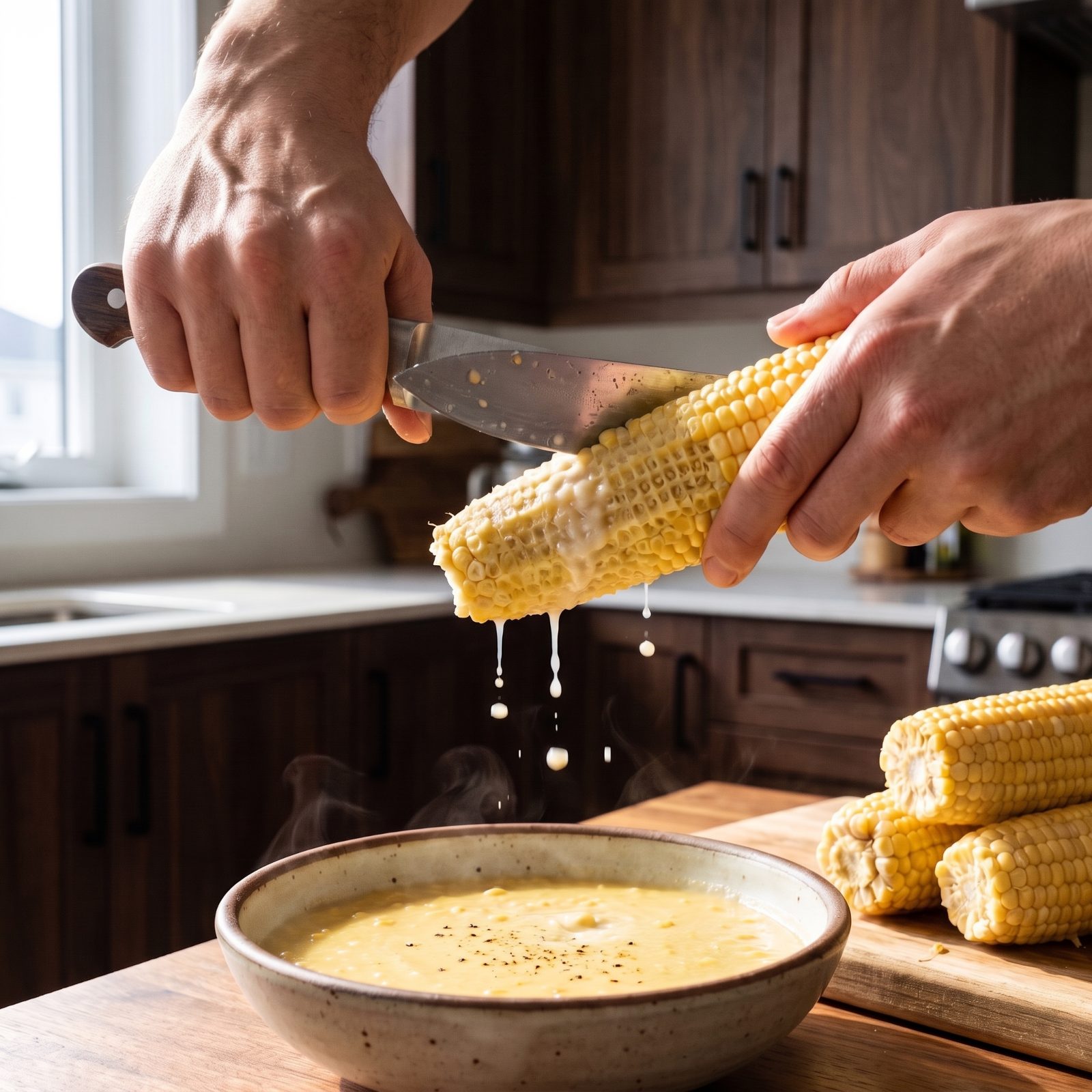
You don’t even need to cut the kernels off first; a whole ear has plenty to give. Run the edge of a knife firmly down the kernels of each whole ear and you’ll release a thin, milky liquid cooks call corn milk. Pure sweet corn flavor, and it thickens almost comically well.
Stir it into chowder in the last few minutes for body and sweetness without a drop of cream.
42. Use Cold Gravy as a Pot-Pie Binder
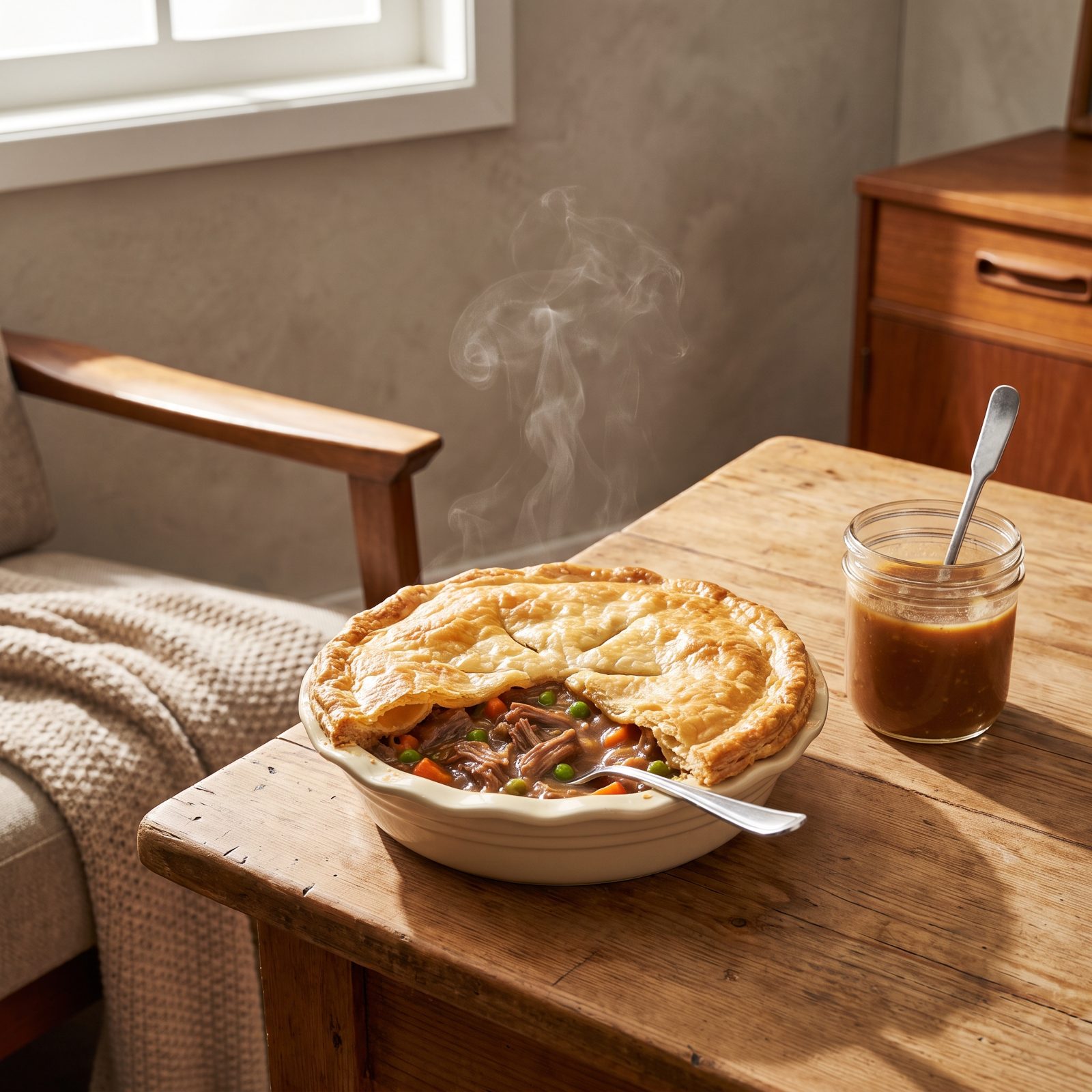
Cold gravy from a roast dinner congeals into a jiggly brown block nobody wants to reheat. Reborn as a pot-pie binder, though, it’s exactly right.
Toss your leftover vegetables and shredded meat with that cold gravy, spoon it into a dish, and lay pastry over the top. The gravy already carries the fat, the flour, and all that roasting-pan flavor, so the filling sets up thick and savory instead of watery. You skip the whole business of building a sauce from scratch, which is honestly the most tedious part of any pot pie.
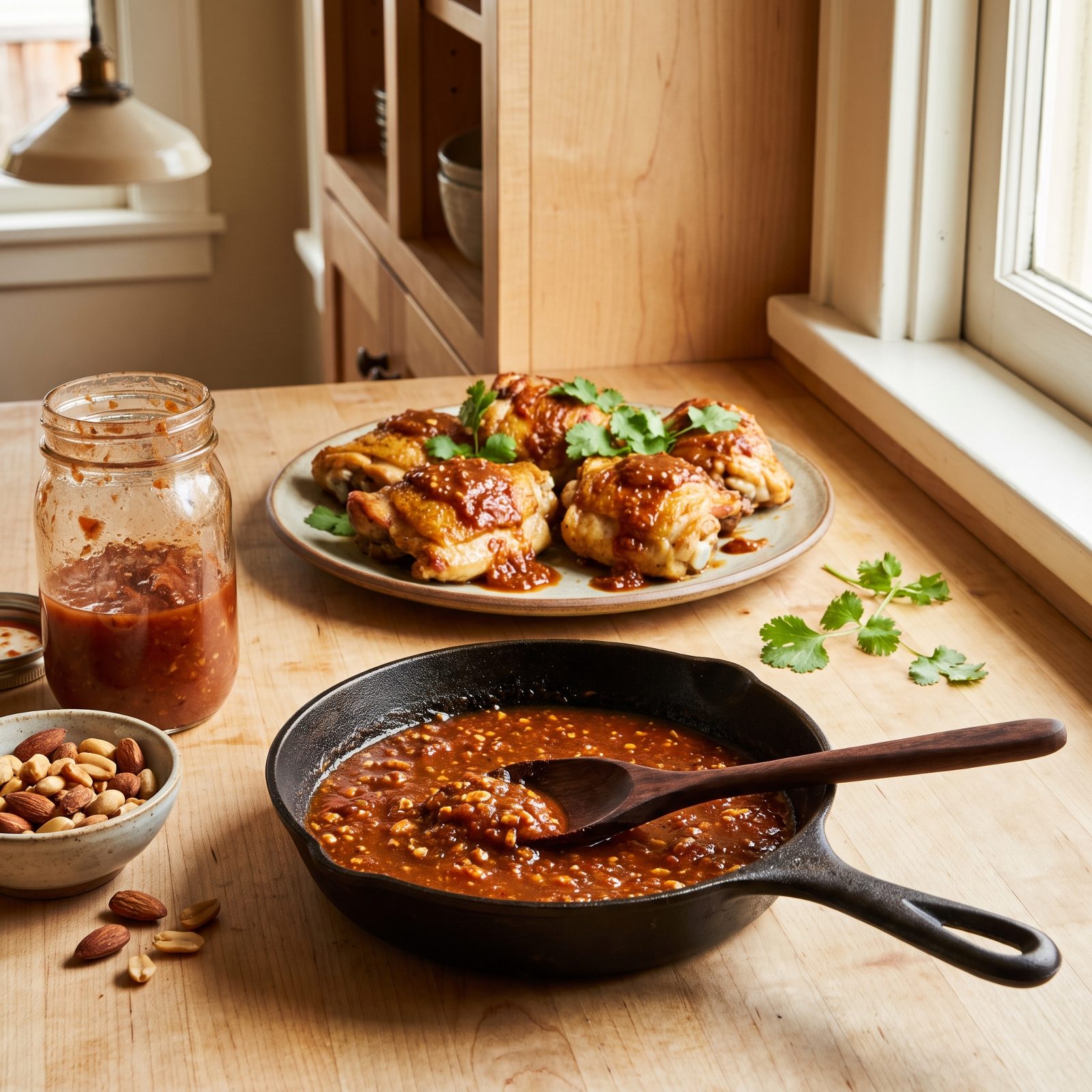
41. Combine Leftover Salsa and Nuts for a Skillet Sauce
Would you like to save this?
Half a jar of leftover salsa and a handful of pantry nuts become something close to a Mexican pipian, those ground-seed sauces that pull their richness from toasted nuts. Toast the nuts first, blend them with the salsa and a splash of broth, then warm the whole thing in a skillet until it tightens up.
Almonds, peanuts, pumpkin seeds, whatever you’ve got. The result has real depth and body, lovely over chicken, eggs, or roasted squash.
40. Crisp Cooked Quinoa Into a Savory Taco Crumble

Plain leftover quinoa is a chore to eat cold. Spread it across a hot, oiled pan, leave it alone until the bottom browns, then break it up with cumin, chili, and smoked paprika. It crisps into a crumble that behaves a lot like taco meat, with a nutty crunch ground beef never gives you.
Pile it into tortillas with lime, avocado, and cilantro. The whole thing hinges on patience. Keep stirring and it steams into mush. Let it sit, and listen for the sizzle to change pitch.
39. Turn Takeout Naan Into Lasagna Sheets
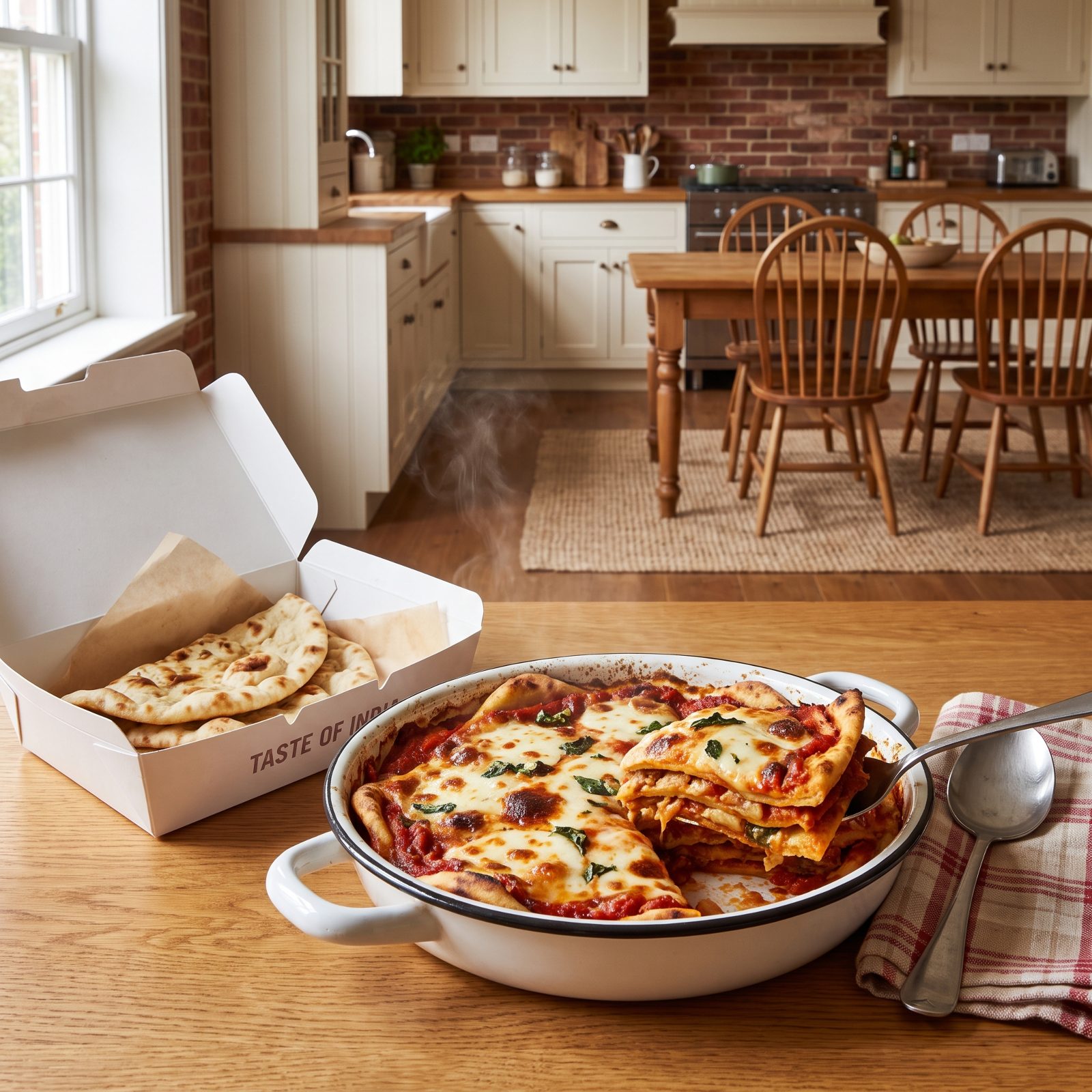
Naan is already soft, already a little chewy, already built to soak up sauce. Layer it exactly where you’d put pasta sheets and it holds together beautifully — no boiling pot, no stuck-together noodles, none of that fishing limp strips out of a colander.
It bakes faster than dried pasta too, so a small dish becomes a weeknight thing instead of a Sunday project. The slight tang of the bread plays well against the sweetness of tomato sauce, and garlic naan is better still. Don’t overthink the cheese.
38. Use Leftover Tzatziki as a Chicken Marinade
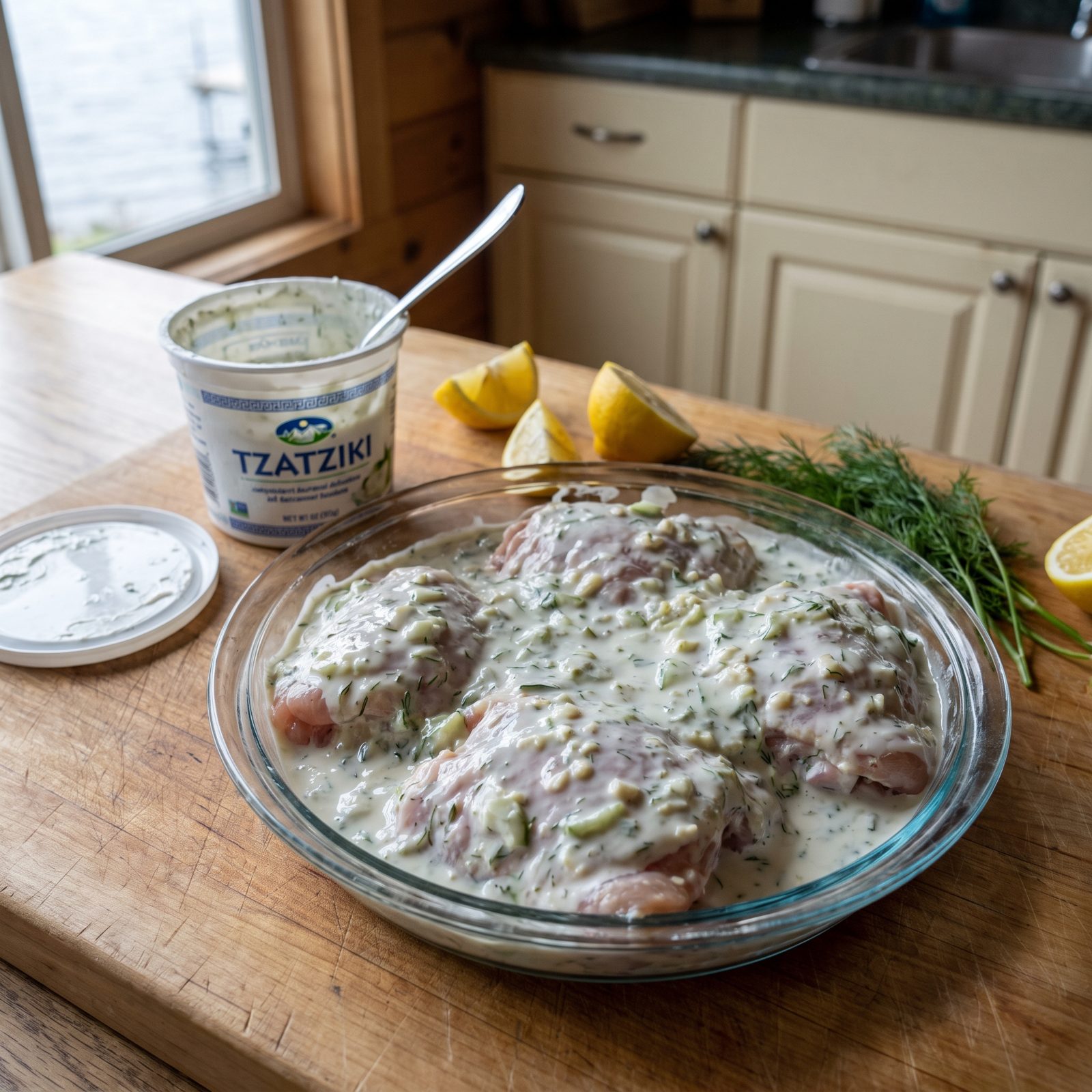
Yogurt is one of the best meat tenderizers in your fridge, and tzatziki is yogurt that already did the hard work. The acid breaks down the surface of the chicken while the garlic, cucumber, and dill season it from the outside in.
Slather it on thighs, give it a few hours, then grill or pan-sear. The cucumber bits caramelize a little and the whole thing smells like a gyro cart in the best possible way. A dip that would’ve gone sour by Thursday becomes the reason Thursday’s dinner tastes like something.
37. Build a Sharp Pan Sauce With Olive Brine
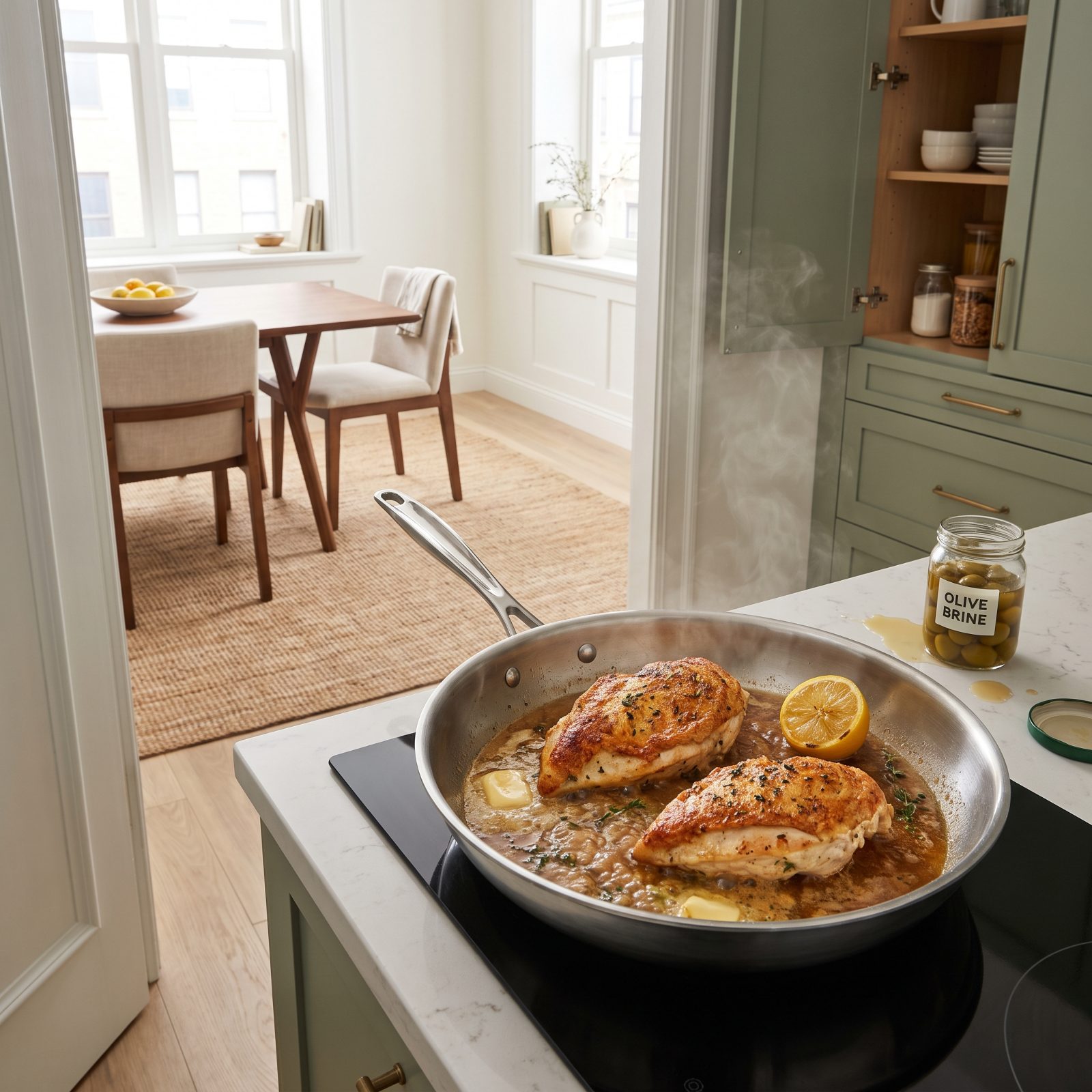
That cloudy liquid in the olive jar is basically free seasoning with built-in salt, acid, and funk. Most people toss the olives and dump the brine. Keep the brine.
After you sear something, deglaze the pan with a splash of it instead of plain water or wine. Scrape up the browned bits, swirl in a knob of butter, and under two minutes later you’ve got a pan sauce with real backbone. It cuts through rich meat the way lemon does, but with more depth to it. A little goes a long way, so taste before you add more.
36. Roast Cheese-Board Grapes With Sausages
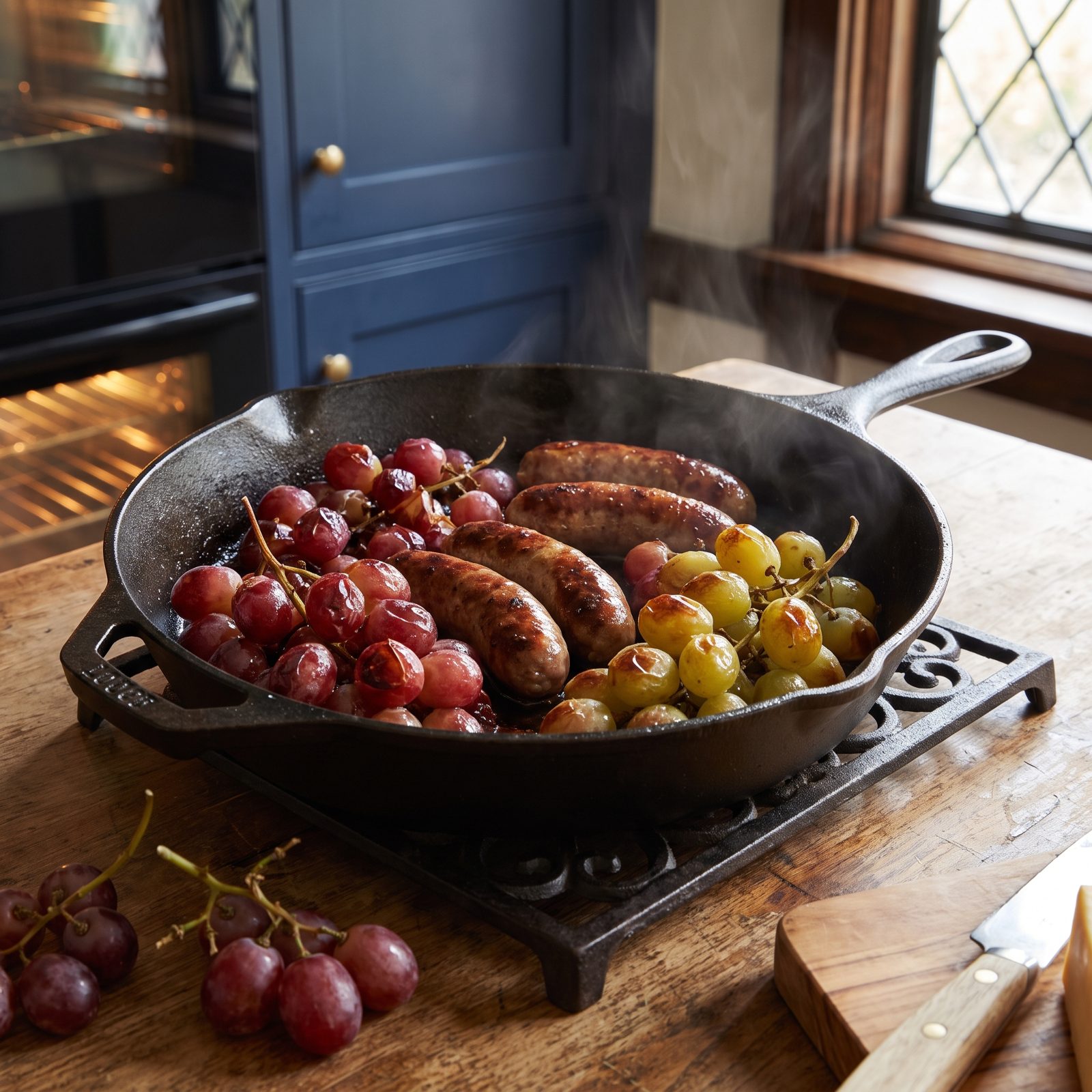
The grapes nobody touched on the cheese board are too soft to snack on by day three, but they roast like a dream. Toss them in a hot pan with sausages and they collapse into sweet, jammy little bombs that burst against the salty meat.
A splash of balsamic at the end ties it together, and the whole thing cooks on one sheet or in one skillet — which is really the draw. Sausage and grapes is an old Italian move anyway, so you’re not even improvising. You’re just finishing what the cheese board started.
35. Pan-Fry Cold Oatmeal as Savory Griddle Cakes

Cold oatmeal sets up into a sliceable block overnight, which looks like a problem and is actually the solution. That firmness is exactly what lets you pan-fry it.
Shape it into patties, hit a hot buttered pan, and let the outside crisp into a golden crust while the inside stays creamy. Skip the brown sugar and cinnamon. Go savory: a little cheese stirred in, some scallions, salt, and a fried egg on top. It eats like a hash brown that decided to be more interesting.
34. Press Leftover Sushi Into Crispy Rice Cakes
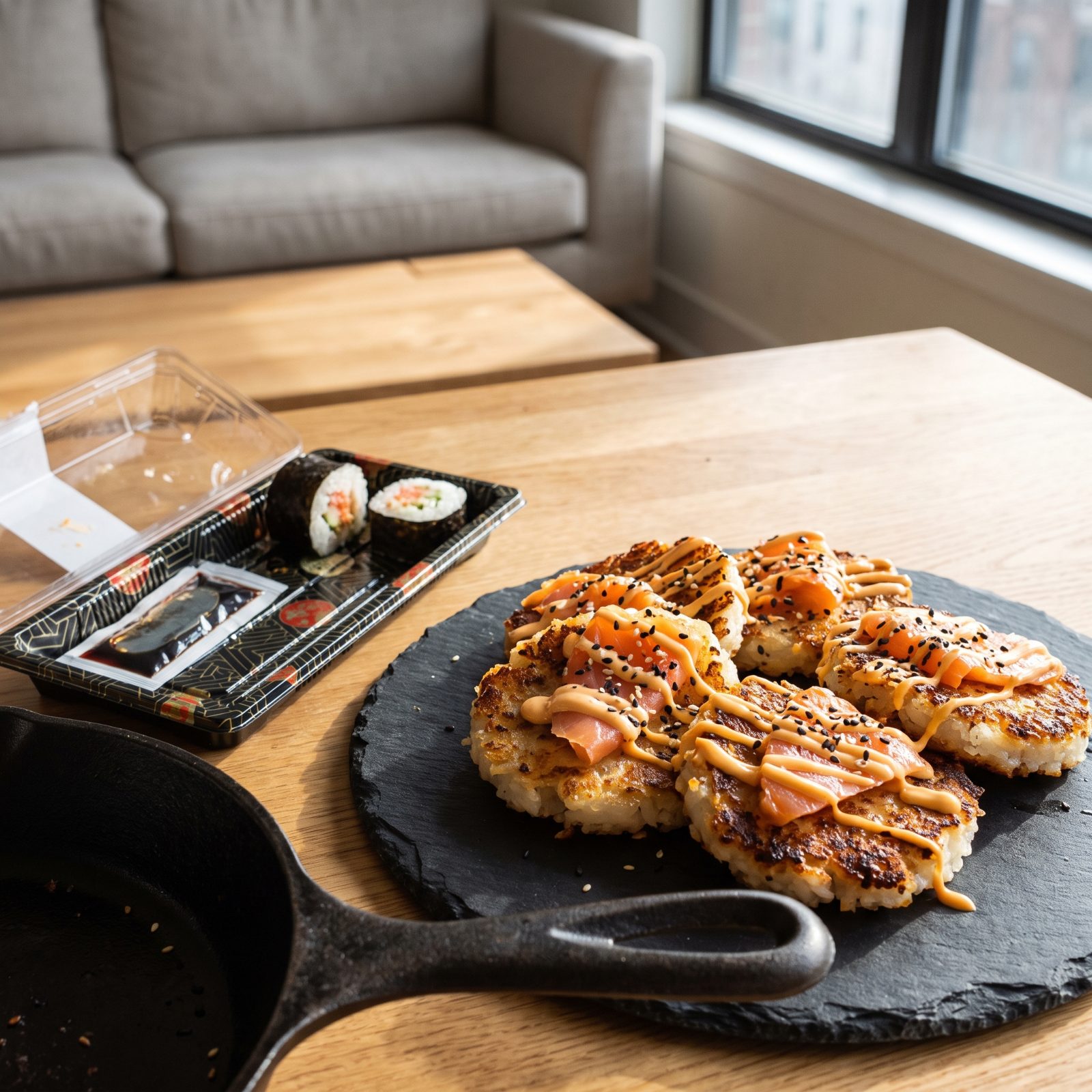
Day-old sushi rice turns stiff and the fish loses its edge, which makes raw sushi a sad leftover but a great cooked one. Press the rice into little patties and fry them hard in oil until the bottoms go glassy and crunchy.
This is the crispy rice dish every trendy restaurant charges a fortune for. Top the cakes with the fish warmed through, plus a smear of spicy mayo or a splash of soy. Cold, firm rice holds its shape in the pan far better than fresh rice ever would. Here the leftover state is the whole advantage.
33. Use Cauliflower Mash to Thicken Chowder
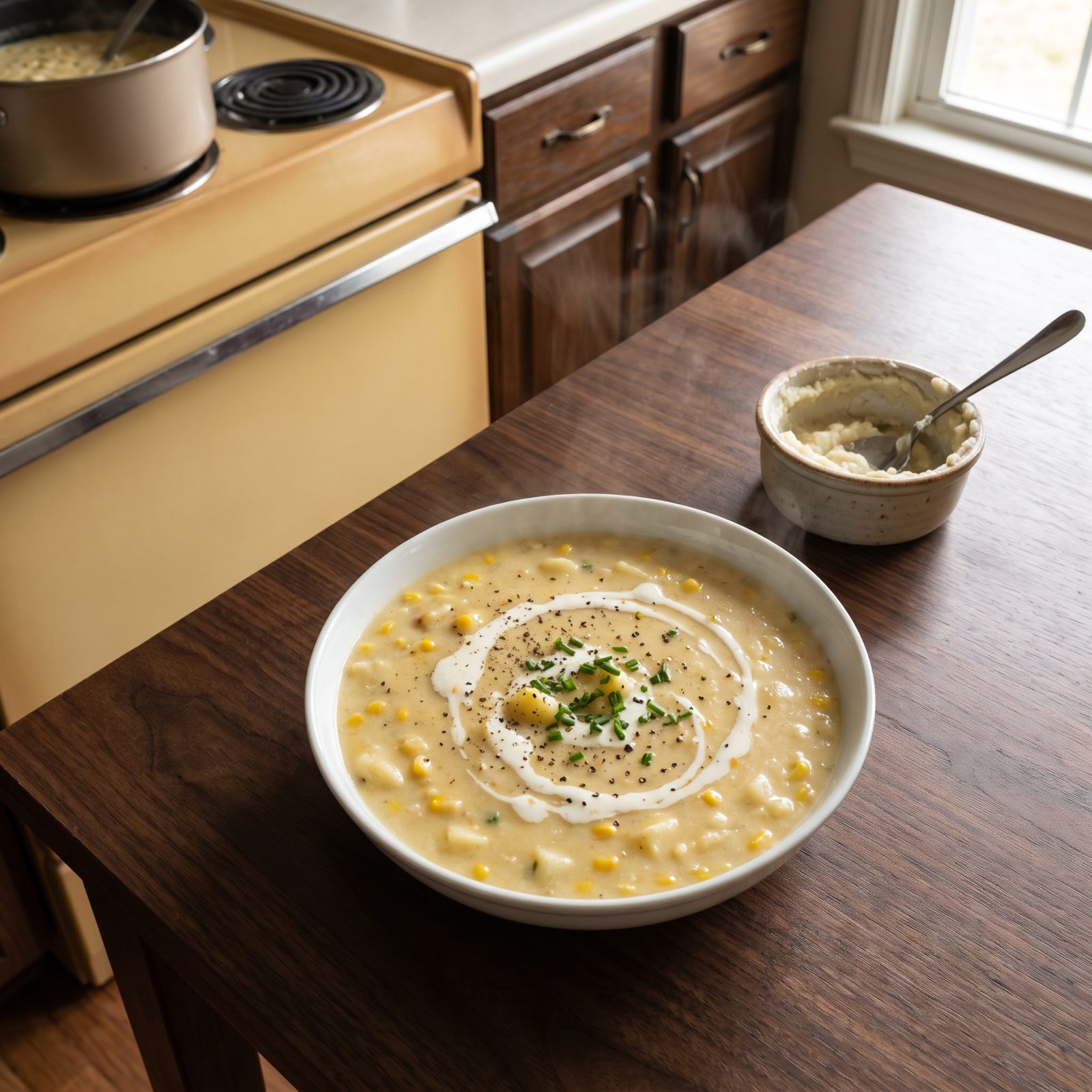
Leftover cauliflower mash is a thickener in disguise. Whisk a few spoonfuls into a thin, watery chowder and it bodies up the whole pot — no roux, no cornstarch, none of the floury aftertaste either of those can leave behind.
It melts in and vanishes, lending creaminess and a faint sweetness that reads as butter. Fewer calories than a cream-heavy base, if that matters to you. More flavor than a plain starch slurry, which should matter to everyone.
32. Whisk Leftover Hummus Into a Creamy Soup
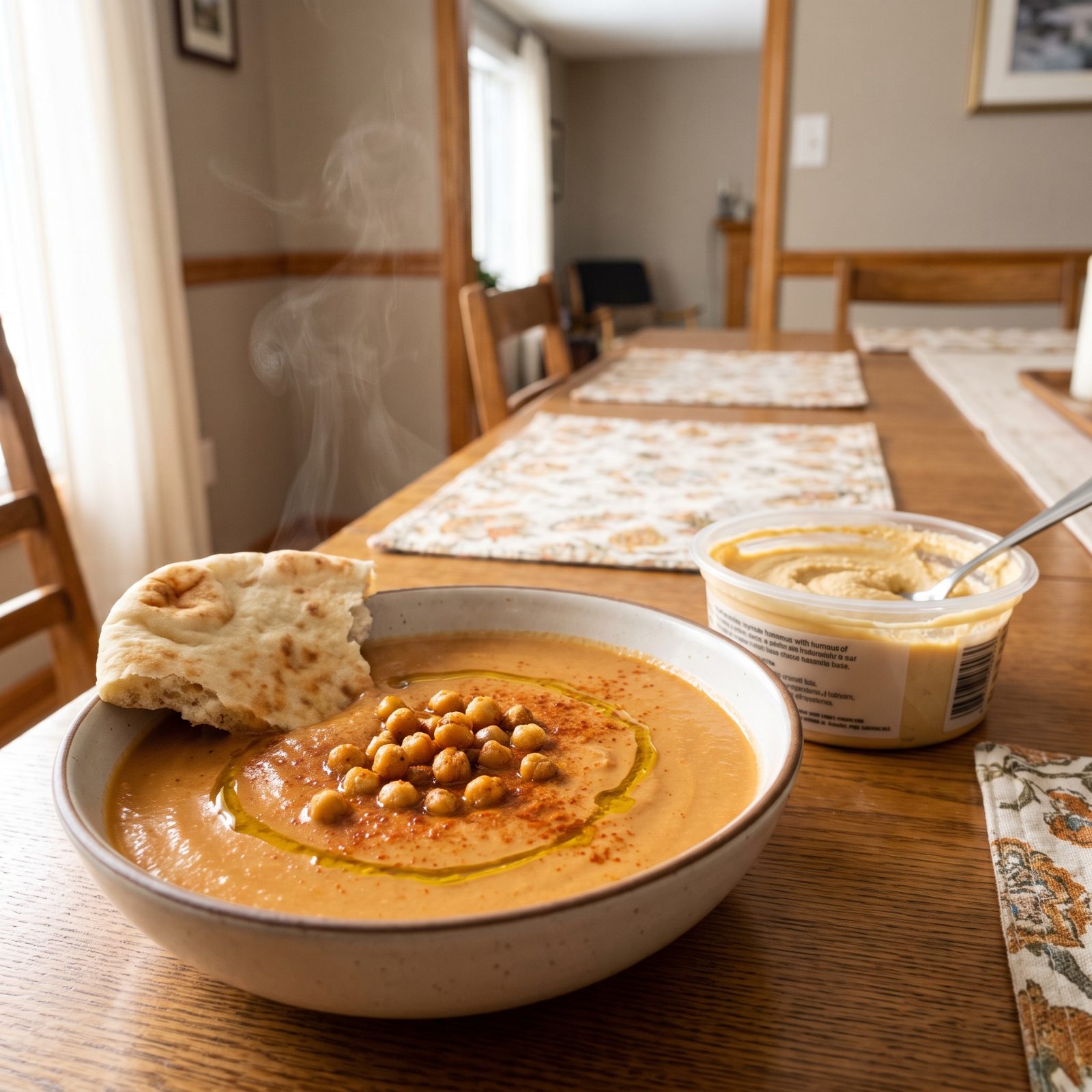
Hummus is already blended chickpeas, tahini, garlic, and lemon — three-quarters of a soup somebody made for you. Thin it with hot broth, whisk until smooth, warm it through, and you’ve got a bowl in the time it takes to toast the bread.
Add the broth a splash at a time so it doesn’t break. A drizzle of good olive oil and some paprika on top makes it look deliberate.
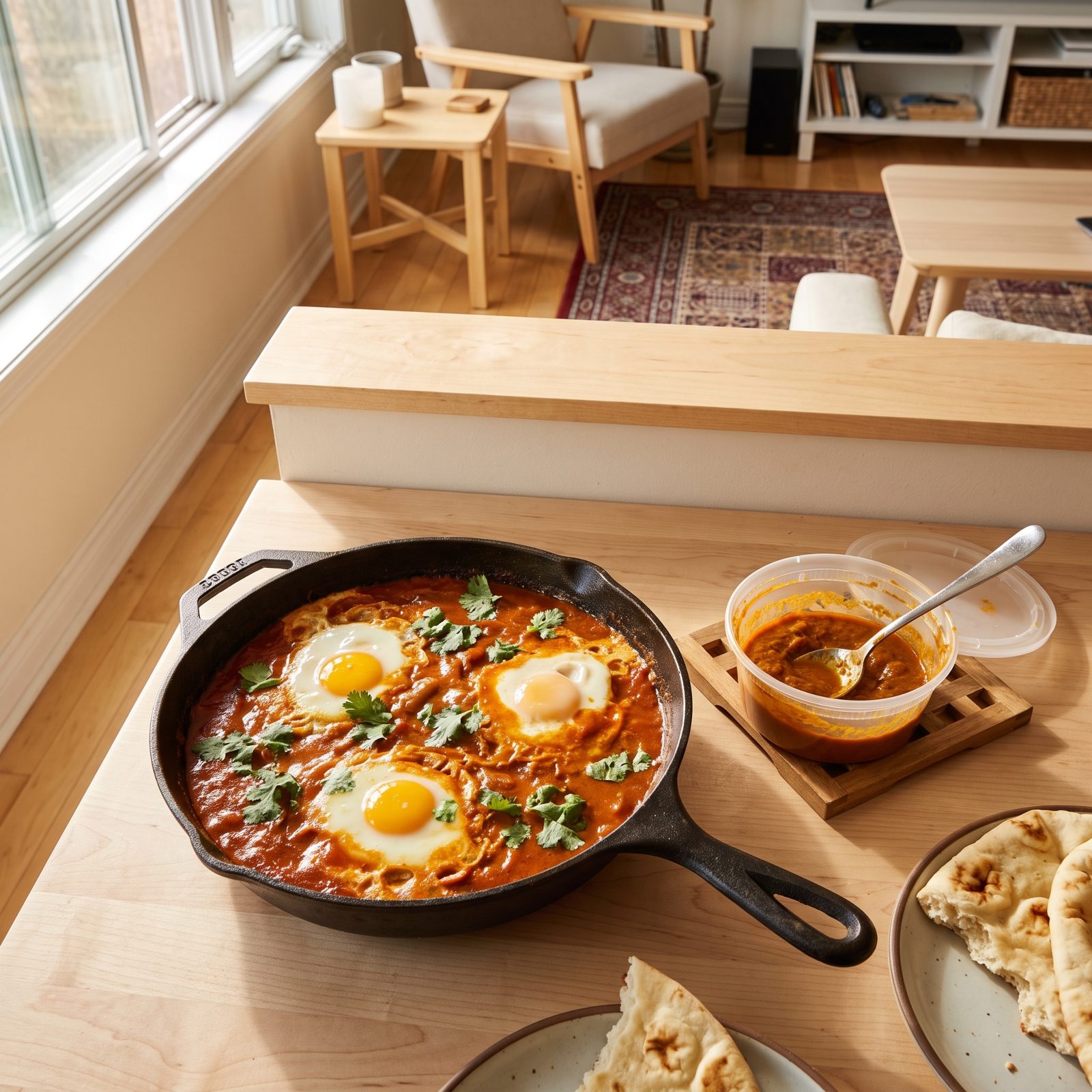
31. Spoon Leftover Curry Into a Shakshuka Skillet
Would you like to save this?
An inch of curry at the bottom of the container won’t feed anyone as-is. As a sauce base, it’s plenty. Spread it thin in a skillet, add a splash of water to loosen it, bring it to a simmer, then crack eggs right in.
Cover the pan and let the whites set while the yolks stay soft. You’ve just made shakshuka better seasoned than the original recipe asks for, because curry does the spice work for free. Tear some bread and drag it through the yolk. That leftover inch now feeds two.
30. Use Brewed Tea as a Bean-Braising Liquid
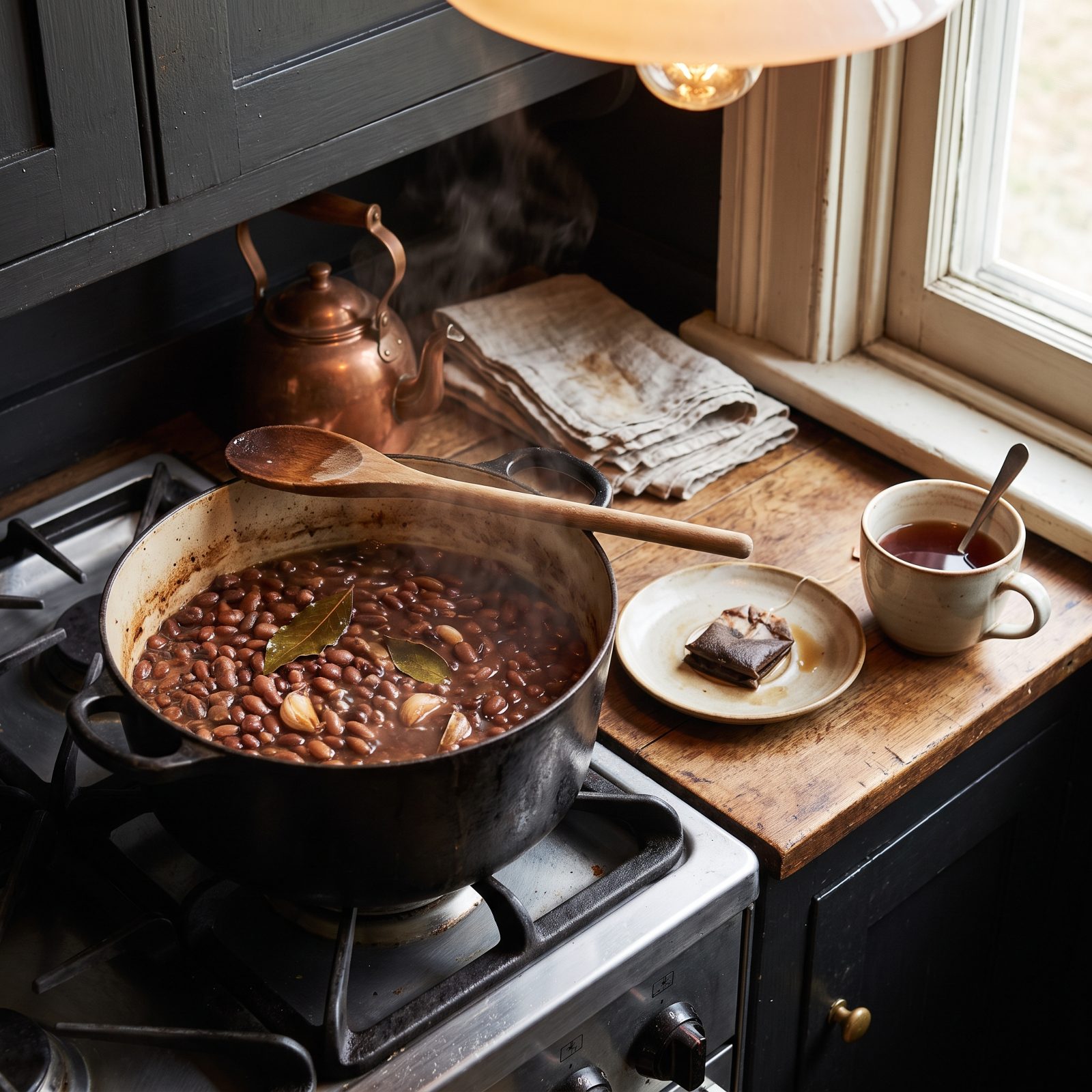
The pot of tea that went cold and bitter on the counter has one more job in it. Use it as the braising liquid for dried or canned beans and it lends a tannic, earthy depth that plain water never manages.
Black tea works best, the tannins handing beans a backbone that almost reads as smoke. A few cuisines have leaned on this trick for exactly that reason. Nobody tastes tea in the finished pot — they taste beans that somehow got more interesting on the stove. And that’s really why you save scraps in the first place. The food doesn’t advertise where it came from. It just tastes like you tried.
29. Cook Savory Grains in Leftover Yogurt Whey
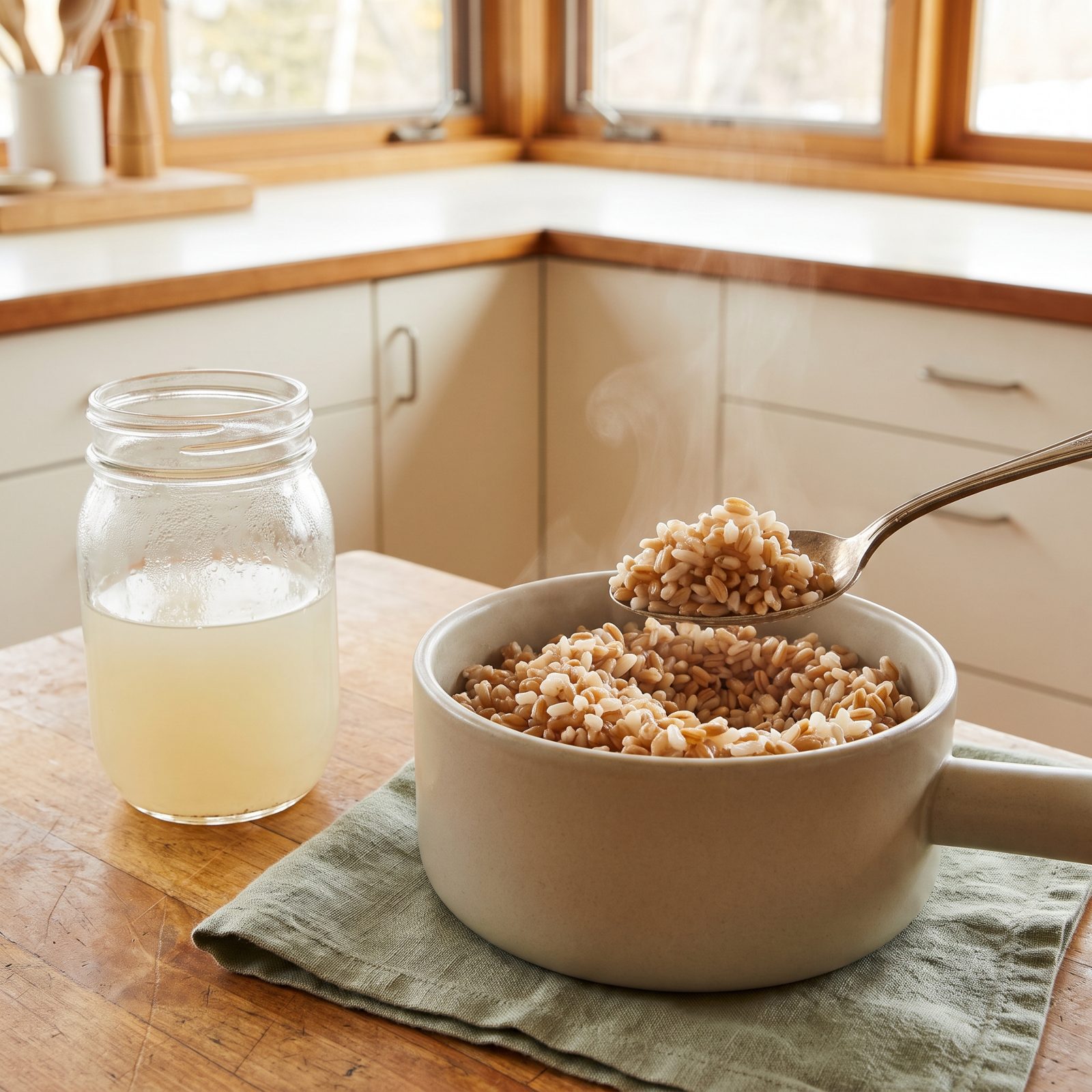
Strain thick yogurt and you get whey, that thin tangy liquid most people pour down the drain without a second thought. It’s protein, it’s acid, it’s quietly loaded with flavor. Swap it in where you’d use water or stock, and grains cook up with a buttermilk tang that makes plain rice taste seasoned before you add a single thing.
Farro, barley, and bulgur take to it best. The acidity keeps the grains distinct instead of gummy, and that leftover savor reads like you simmered them in broth for an hour. One cook’s trash liquid becomes one weeknight pilaf that tastes like you tried.
28. Mash an Overripe Banana Into Coconut Curry
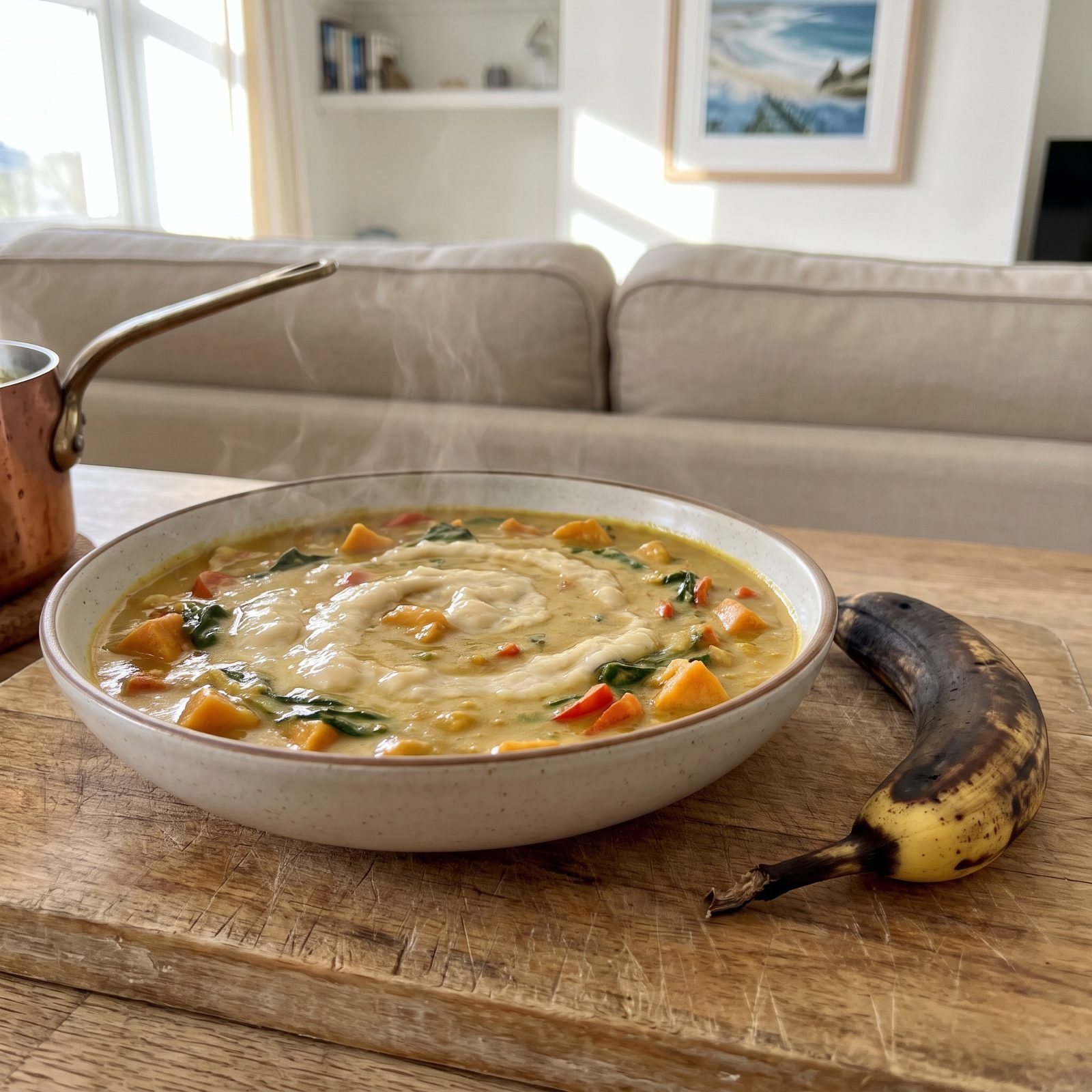
That banana gone soft and spotted on the counter is headed for the bin or a loaf of bread nobody asked for. There’s a third option. Mash it into a simmering coconut curry and it dissolves into the sauce, lending body and a faint sweetness that balances chili heat and salt.
Thai cooks have leaned on fruit sweetness in savory dishes forever, so this is less odd than it sounds. The banana vanishes. What’s left is a rounder, richer curry — and one fewer brown banana haunting your fruit bowl.
27. Mix Applesauce Into Meatballs to Keep Them Tender
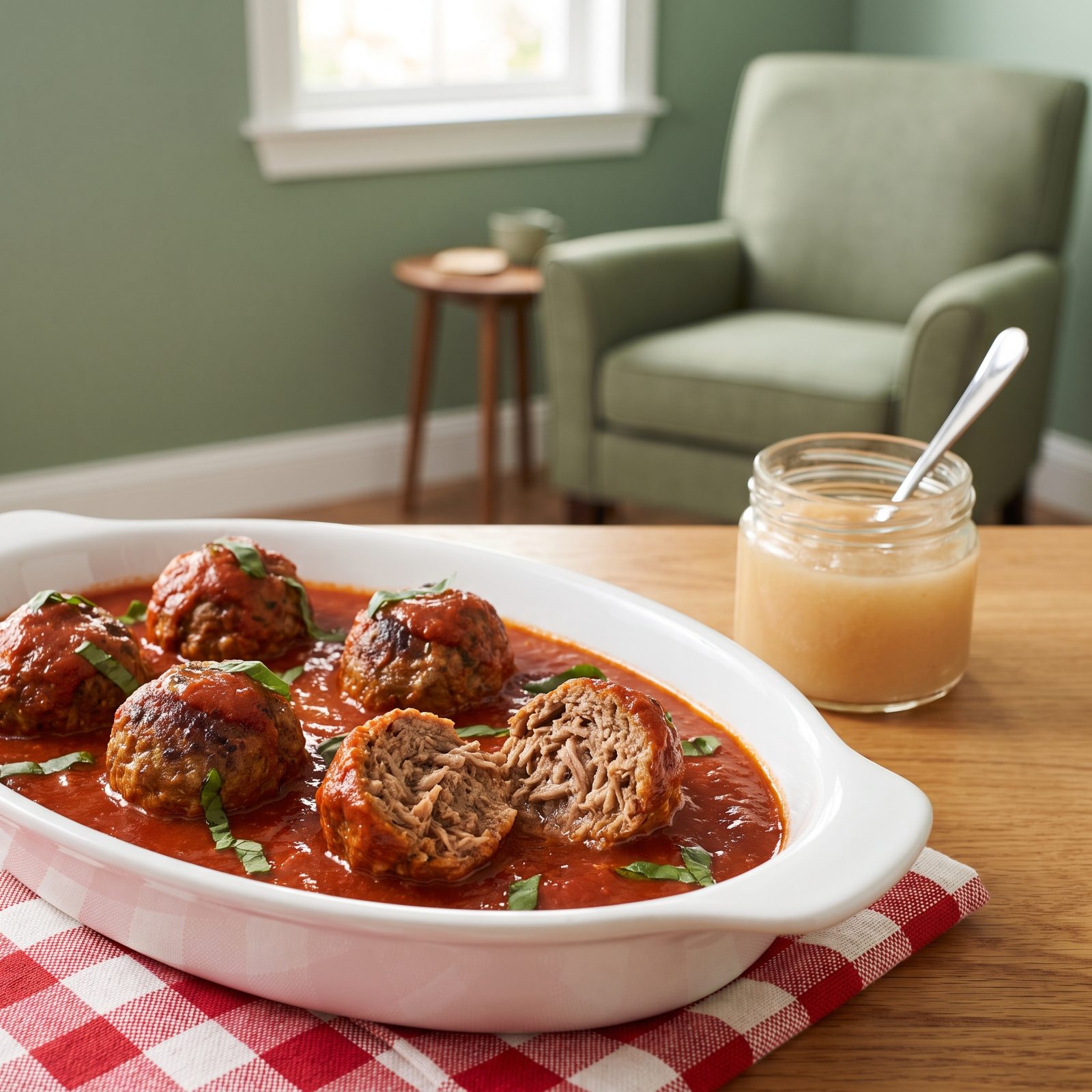
Dry meatballs are a tragedy, and breadcrumbs alone won’t save them. A spoonful of leftover applesauce — the stuff at the bottom of the jar your kid abandoned — works like a magic trick. The pectin holds moisture through cooking, so the centers pull apart in soft, tender shreds instead of seizing into little gray rocks.
You won’t taste apple. You’ll taste a meatball that’s actually tender, which is more than most diner versions manage. It also stretches a smaller amount of shredded meat further, which was the whole reason meatballs existed back when they were a way to make a little go a long way.
26. Toast Shrimp Shells Into Compound Butter
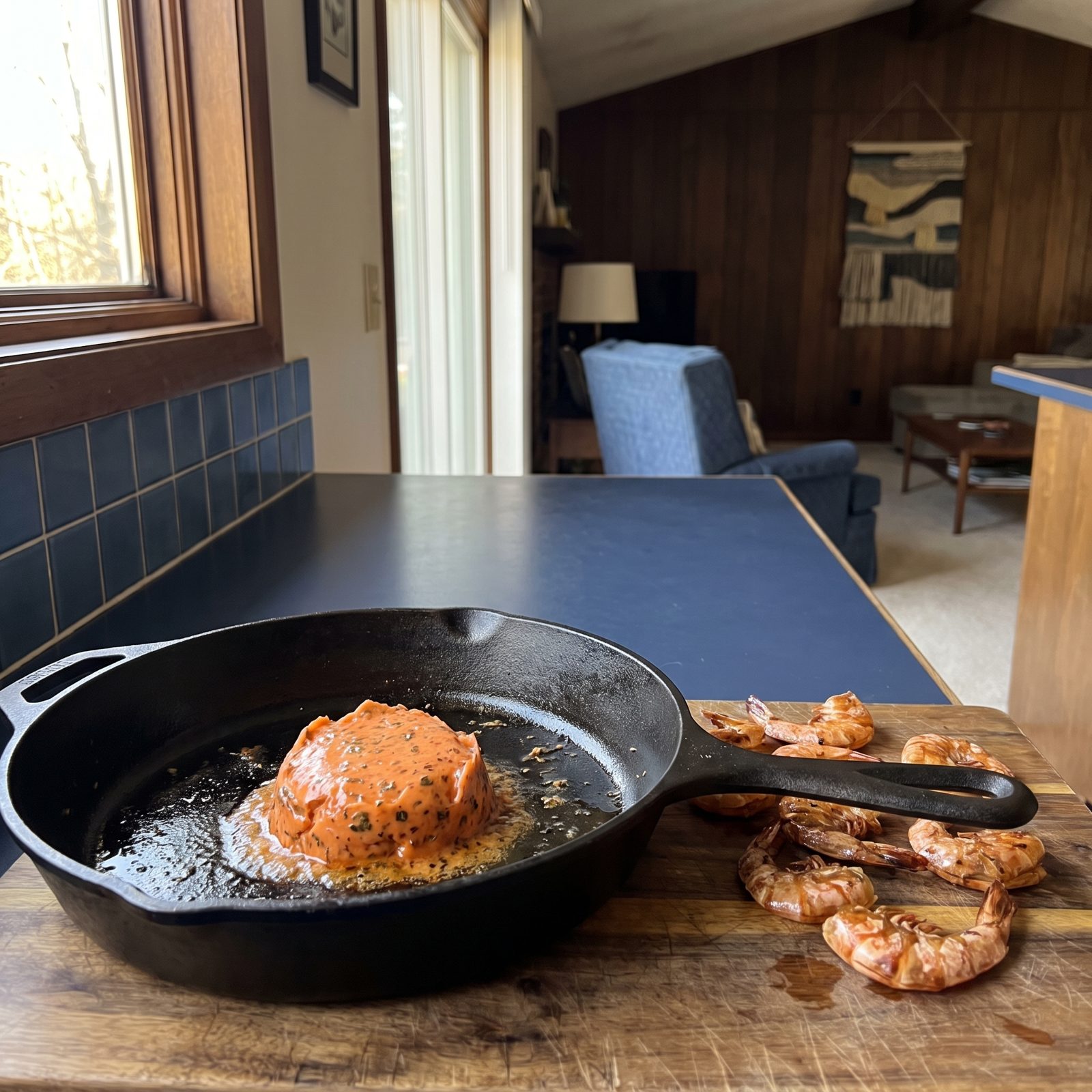
Peel shrimp and most people toss the shells like they’re worthless. They’re the best part. Toast them hard in butter until they turn deep coral and smell like the whole ocean concentrated into a pan, then strain and chill. What you get is a shrimp butter that tastes like the back kitchen of a seafood joint.
Spread it on toast. Melt it over fish, swirl a knob into pasta. Nobody will believe it came from the pile you almost threw away.
25. Blend Cheese Ends Into Fromage Fort
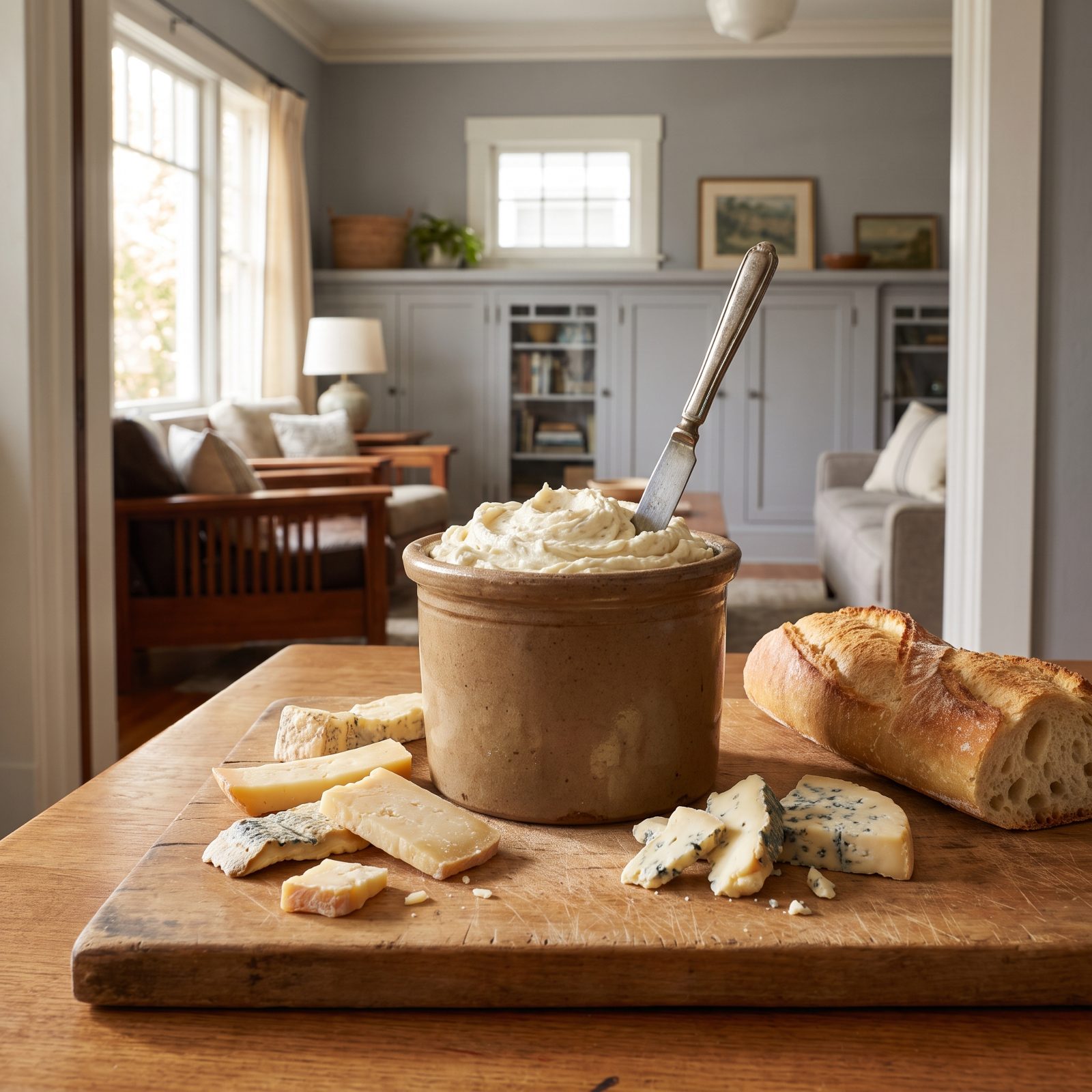
French home cooks have a name for the odds and ends of cheese that pile up in the drawer: fromage fort, strong cheese. You blitz the whole lot — the cheddar nub, the crumbled blue, the sad triangle of brie — with a splash of white wine and a clove of garlic. Out comes a spread that’s greater than its sorry parts.
It’s thrift dressed up as sophistication. Nothing matches, and that mismatch is the point, each cheese bringing one note to a chord.
24. Freeze Pan Drippings Into Instant Flavor Coins
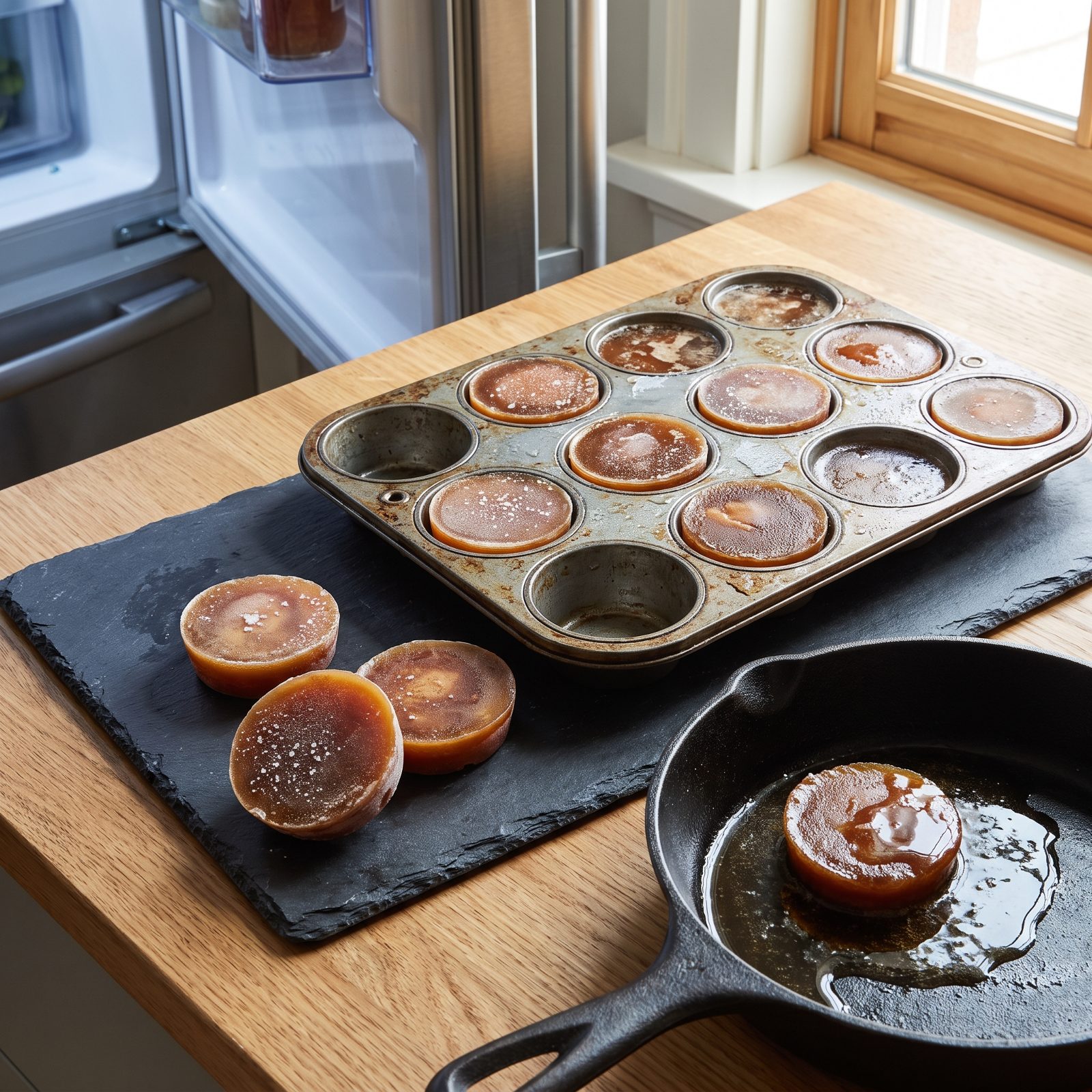
The fond stuck to a roasting pan is pure concentrated flavor, and it usually ends up soaking in dish soap. Deglaze it, pour the drippings into a muffin tin, and freeze. Now you’ve got hefty pucks of beef or chicken essence to drop into gravies, soups, and pan sauces on a random Tuesday.
One puck turns a weak broth into something with backbone. Free seasoning you’d otherwise scrub off and rinse away without a thought.
23. Fry Leftover Tomato Paste Into Savory Butter
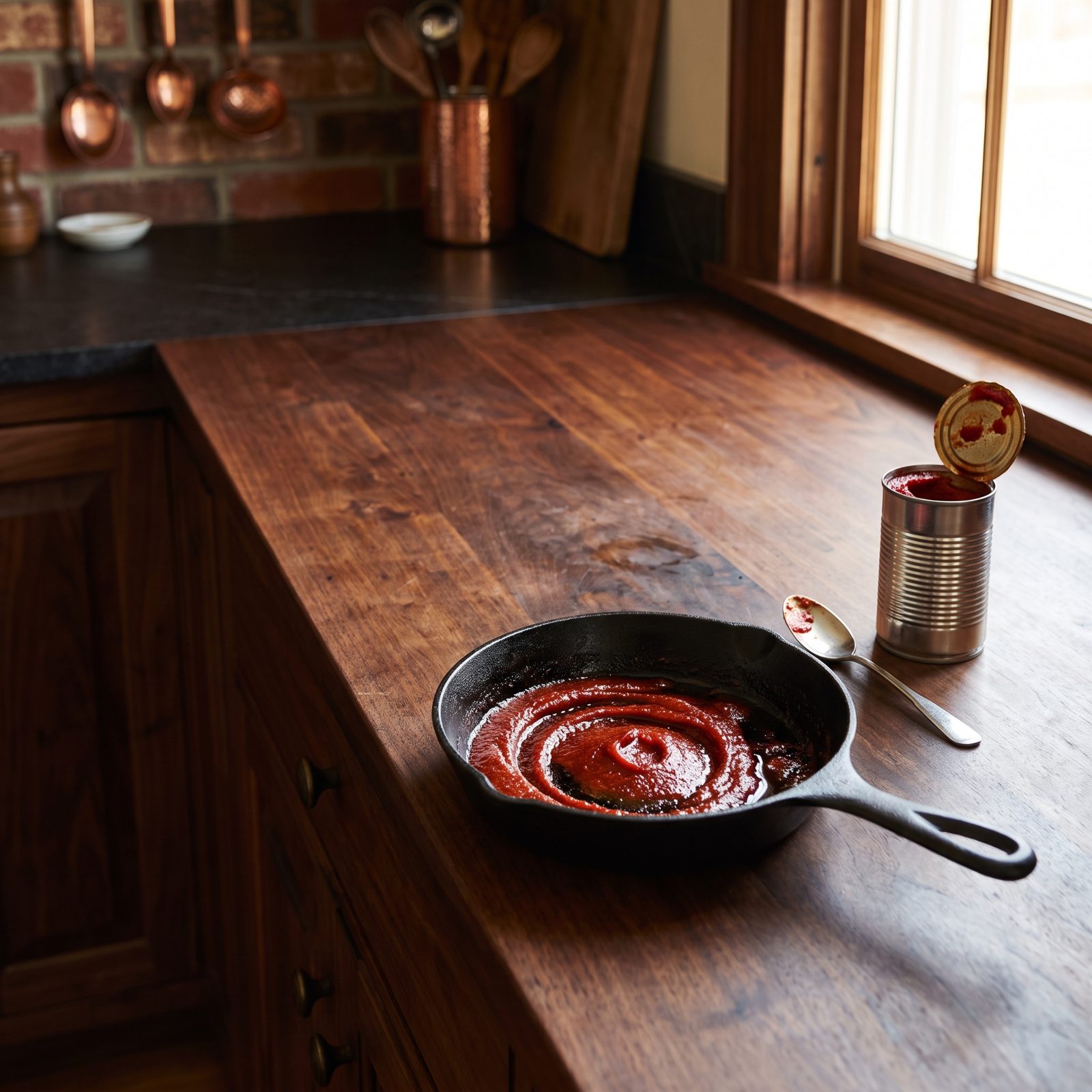
A recipe calls for a tablespoon of tomato paste and leaves you with most of a can. The usual fate? A crusty forgotten lump in the back of the fridge. Instead, fry the leftover in butter until it goes dark brick-red and loses that raw tinny edge.
Cooking it down develops a deep, almost meaty sweetness. Spread it on grilled bread, stir it into rice, toss it with roasted vegetables. It’s the difference between tomato paste that tastes like a can and tomato paste that tastes like Sunday.
22. Crisp Roasted Chicken Skin Into Salad Cracklings
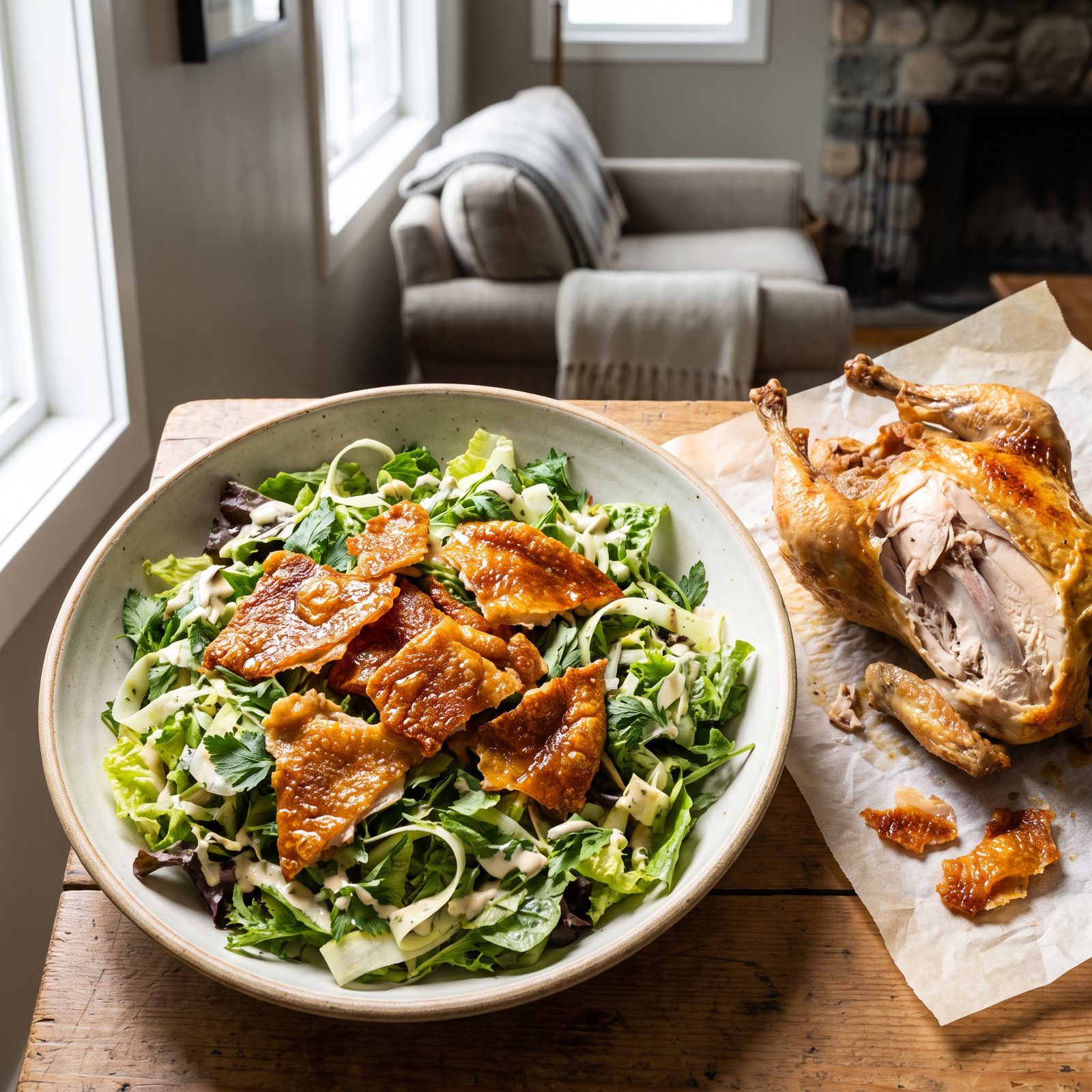
Leftover roast chicken gets picked clean, and the skin usually gets left behind as the part nobody fights over. Lay it flat on a tray, crisp it in a hot oven until it shatters like glass, then break it over a salad. You’ve just replaced croutons with something far better.
These cracklings bring salt, fat, and crunch all at once, and they cost nothing because you were going to eat the chicken anyway.
21. Crisp Deli-Meat Scraps Into Salty Salad Shards
Would you like to save this?
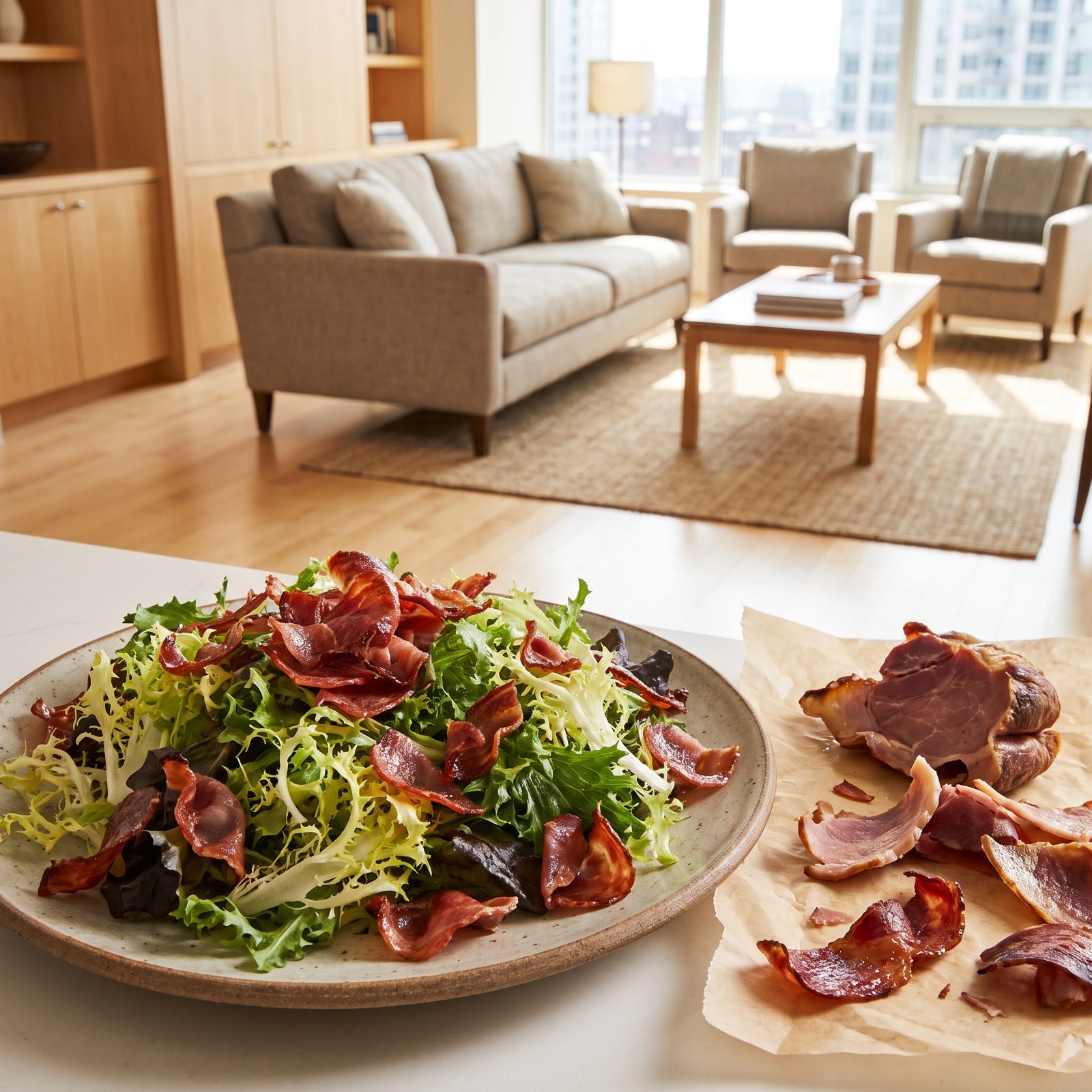
The dried-out ends of the deli ham and the last curling slices of salami nobody wants in a sandwich? Prime salad topping. Tear them up and crisp them in a dry pan until they frizzle and brown at the edges.
What was headed for the trash turns into salty, crunchy shards that do the job bacon bits only pretend to do. Anyone who ever ran a lunch counter already knew this one.
20. Roast Cabbage Cores Into Caramelized Wedges
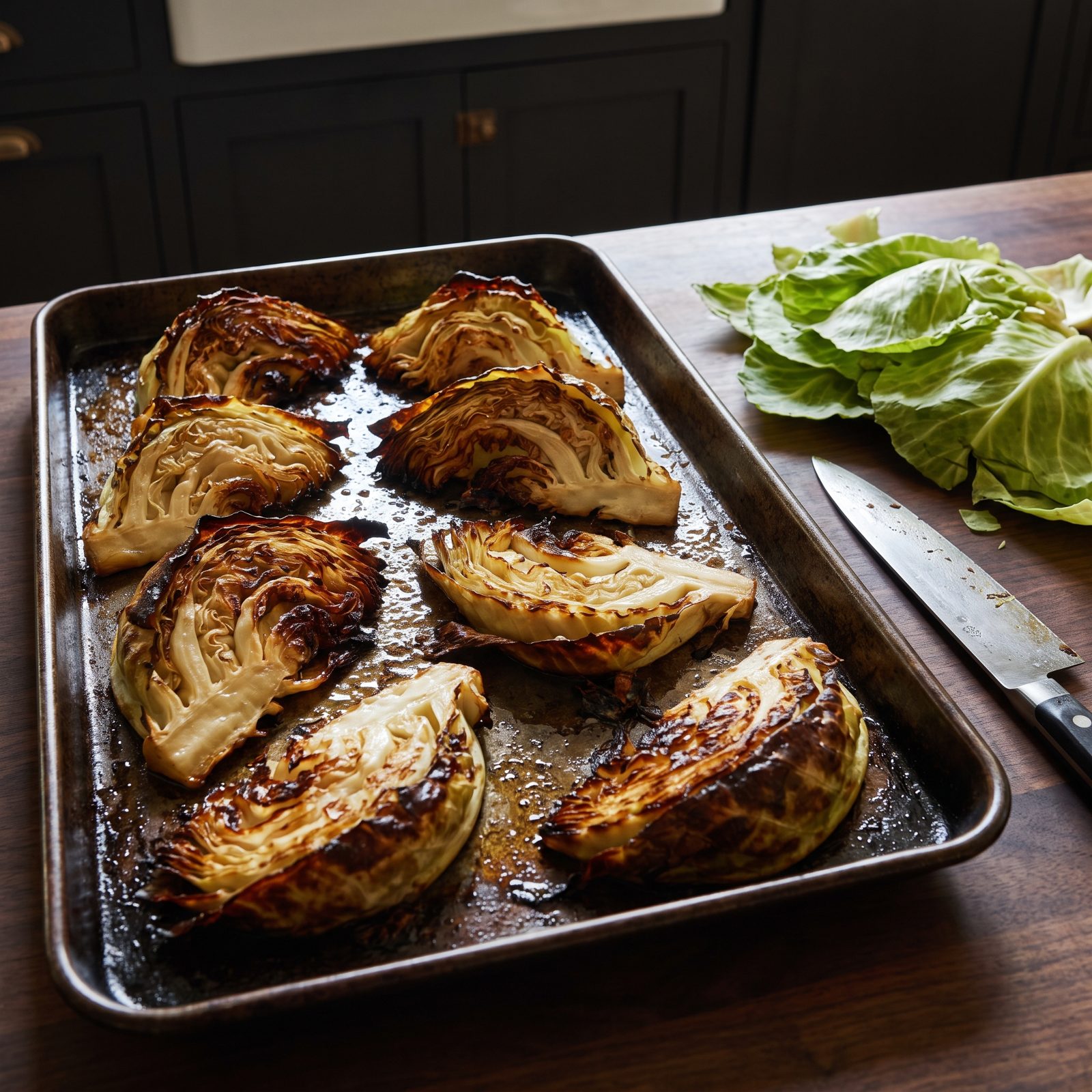
The cabbage core is the part everyone throws out — that dense pale wedge in the center, written off as tough and bitter. Roast it and you find out everyone was wrong. Cut it into thick wedges, oil and salt them, and let a hot oven do the work.
The edges caramelize to a deep brown while the inside goes sweet and tender, nothing like the raw version. Served with a squeeze of lemon, it’s the kind of side dish that makes people ask what it is. The honest answer is the thing you used to compost.
19. Simmer Watermelon Rind in a Savory Curry
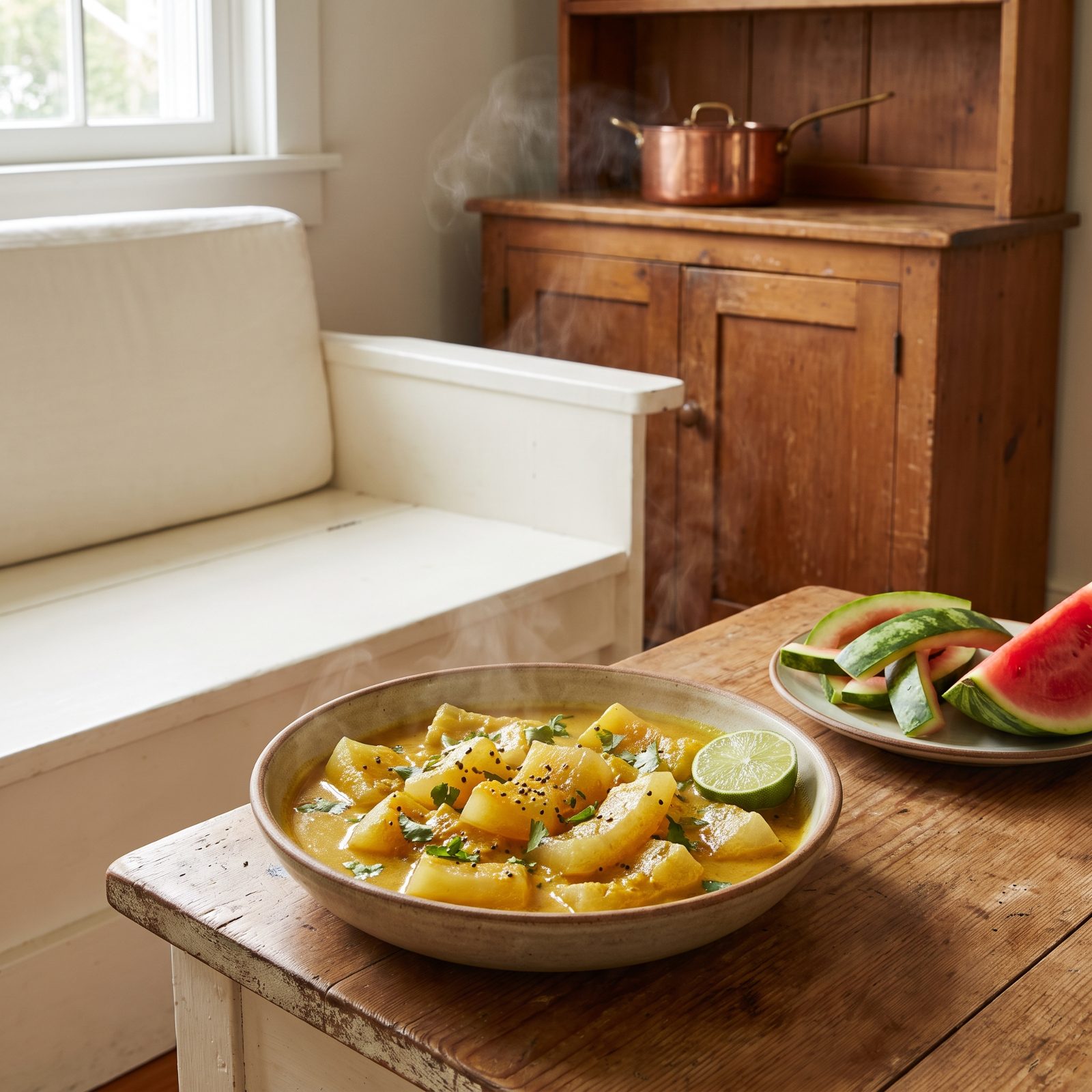
The white part between the green skin and the red flesh is the vegetable most people have been throwing out their whole lives. Peel off the tough outer rind, cube the pale middle, and it behaves almost exactly like winter melon or firm squash. It drinks up spice, turns tender in a simmer, and holds its shape in a coconut-based curry.
Cooks across South Asia have done this for generations, and there’s nothing precious about it. Costs you nothing. Makes the curry go further.
18. Stir Chopped Radish Tops Into Dal
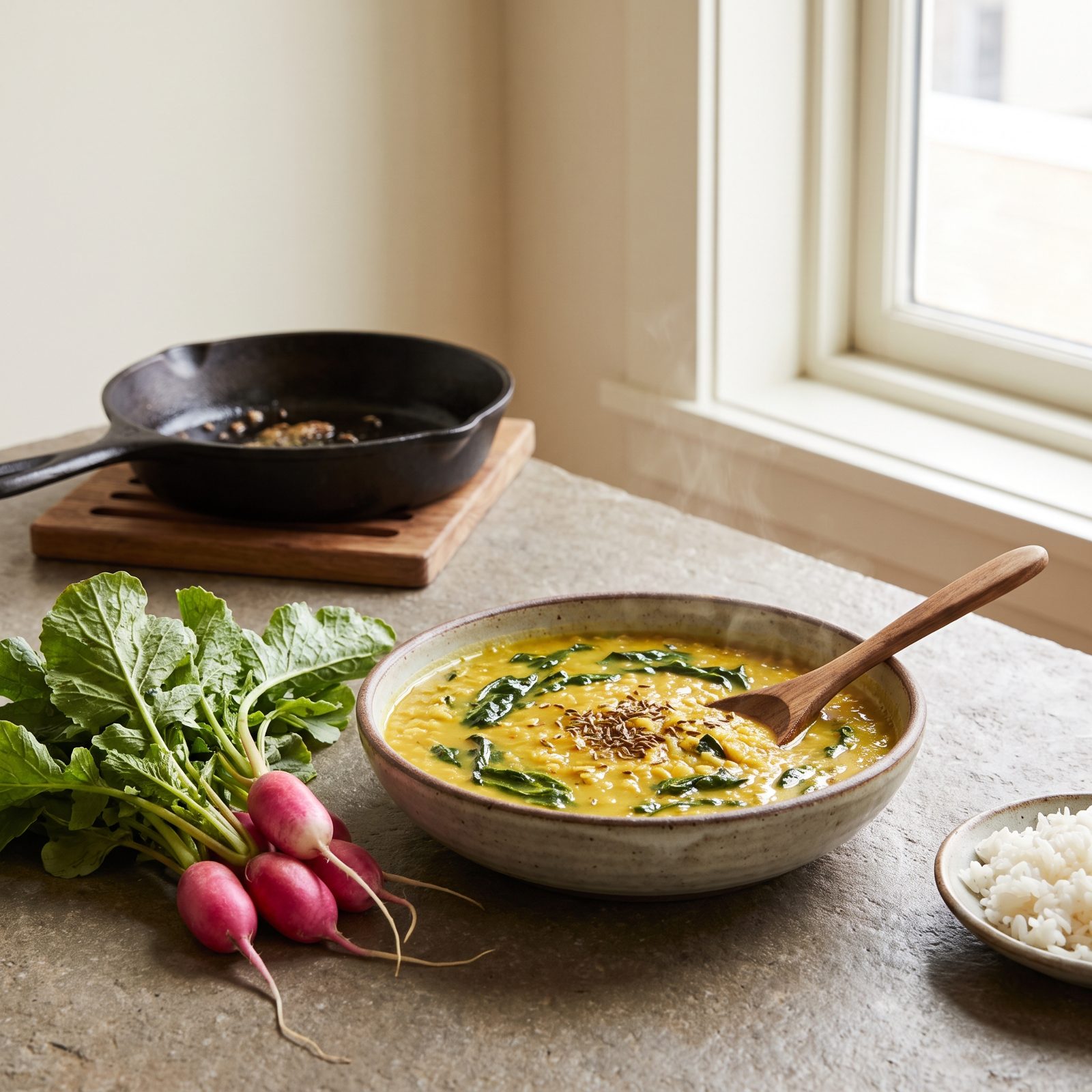
Radish tops get yanked off and binned at the grocery store before you even get them home. A shame, really, because they taste like a cross between arugula and mustard greens, with a peppery bite that cooks down into something gentle.
Wash them well — they hold grit — chop them rough, and stir them into a pot of dal in the last few minutes. They wilt fast and lend a green, slightly bitter edge that keeps the lentils from tasting flat. The same trick works in soups, frittatas, or a quick sauté with garlic.
17. Mince Mushroom Stems Into Burger Patties
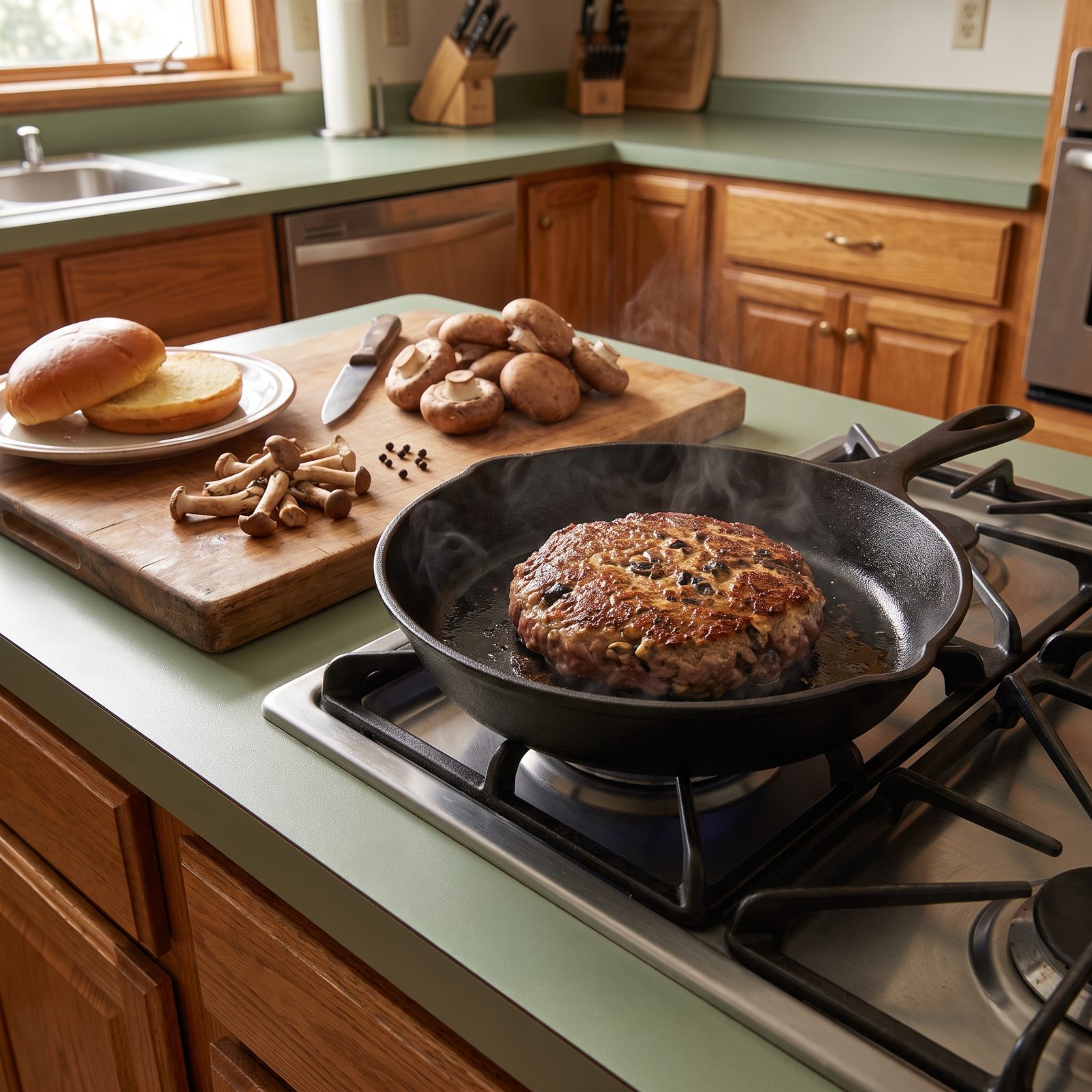
Finely minced mushroom stems folded into ground beef is a steakhouse move that pulls double duty. The stems are too woody to sear whole, but they’re loaded with umami, and once you chop them small they melt right into the meat.
You get a juicier patty, a deeper savory note, and a pound of beef stretched across more burgers. Restaurants have done this for years and called it a signature blend. It’s really just using the part nobody wanted.
16. Shave Broccoli Stems Into Stir-Fry Noodles
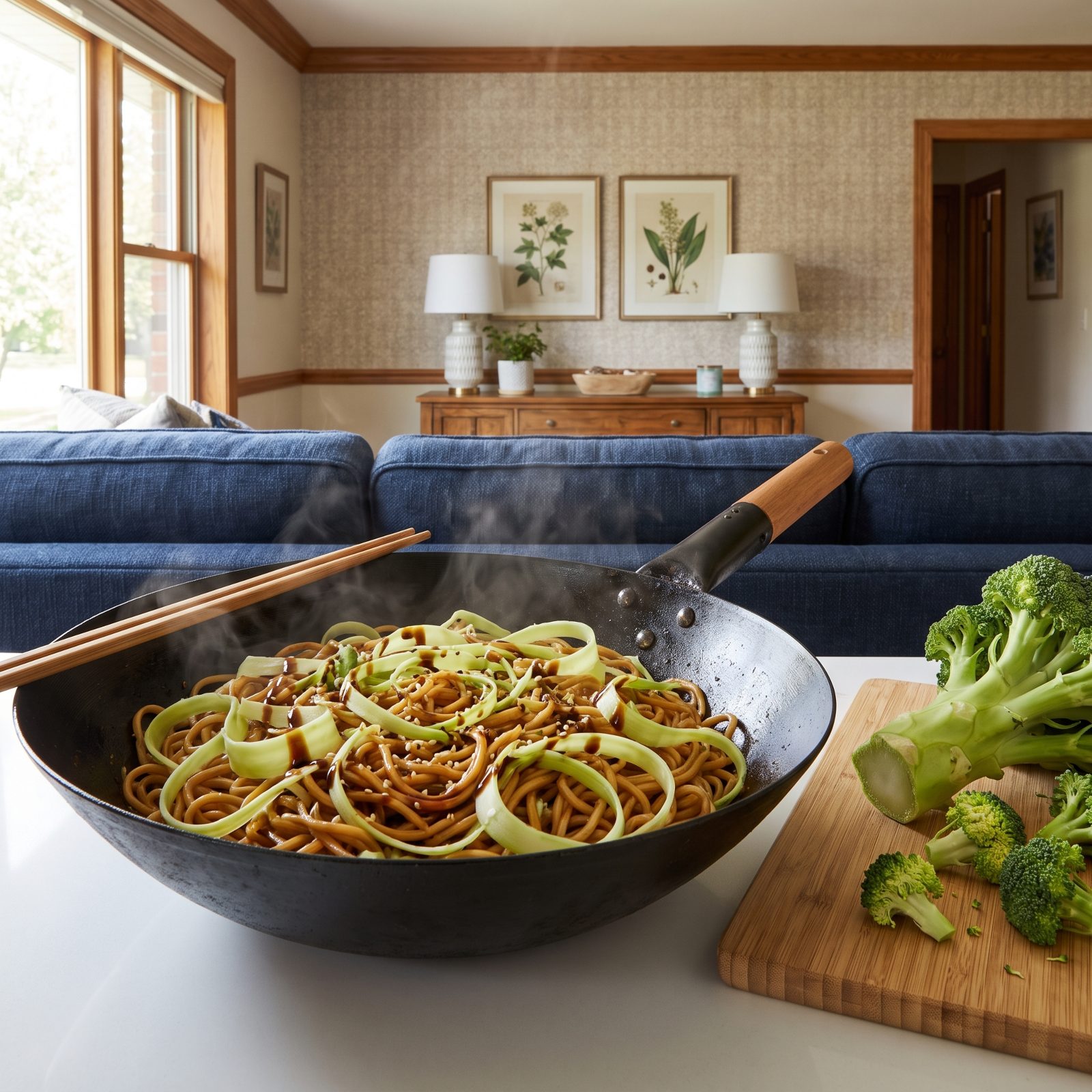
You buy broccoli for the florets and the stalk sits in the drawer until it goes rubbery. But that stalk is the best part for a stir-fry — crunchy, able to take high heat, and a touch sweeter than the tops.
Peel off the fibrous outer layer, then shave the pale core into thin coins or matchsticks with a knife or a Y-peeler. Toss it in with your noodles near the start so it keeps a little bite. Snappy texture, no waste, and you’ll stop eyeing that stalk with guilt.
15. Chop Herb Stems Into Chimichurri
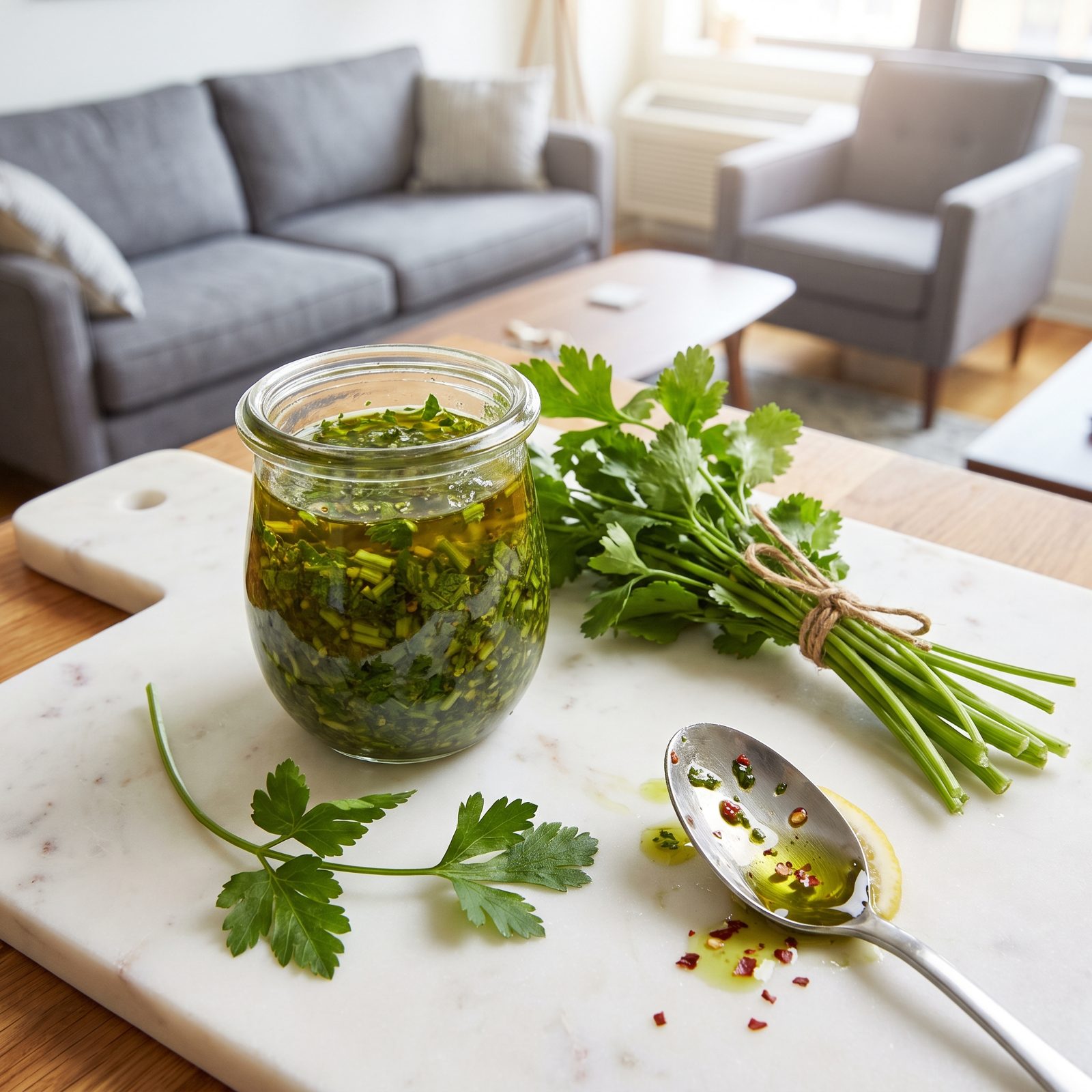
Recipes tell you to use parsley and cilantro leaves and discard the stems. Ignore that. The stems carry more concentrated flavor than the leaves, and chimichurri is chunky enough to swallow the texture once they’re minced fine.
Run a sharp knife through the tender stems until they’re nearly a paste, then whisk them into oil, vinegar, garlic, and red pepper flakes. The sauce comes out greener and punchier. Good on steak, grilled vegetables, a fried egg, or spooned over rice when the fridge is looking bare.
14. Stream Leftover Egg Whites Into Egg-Drop Soup
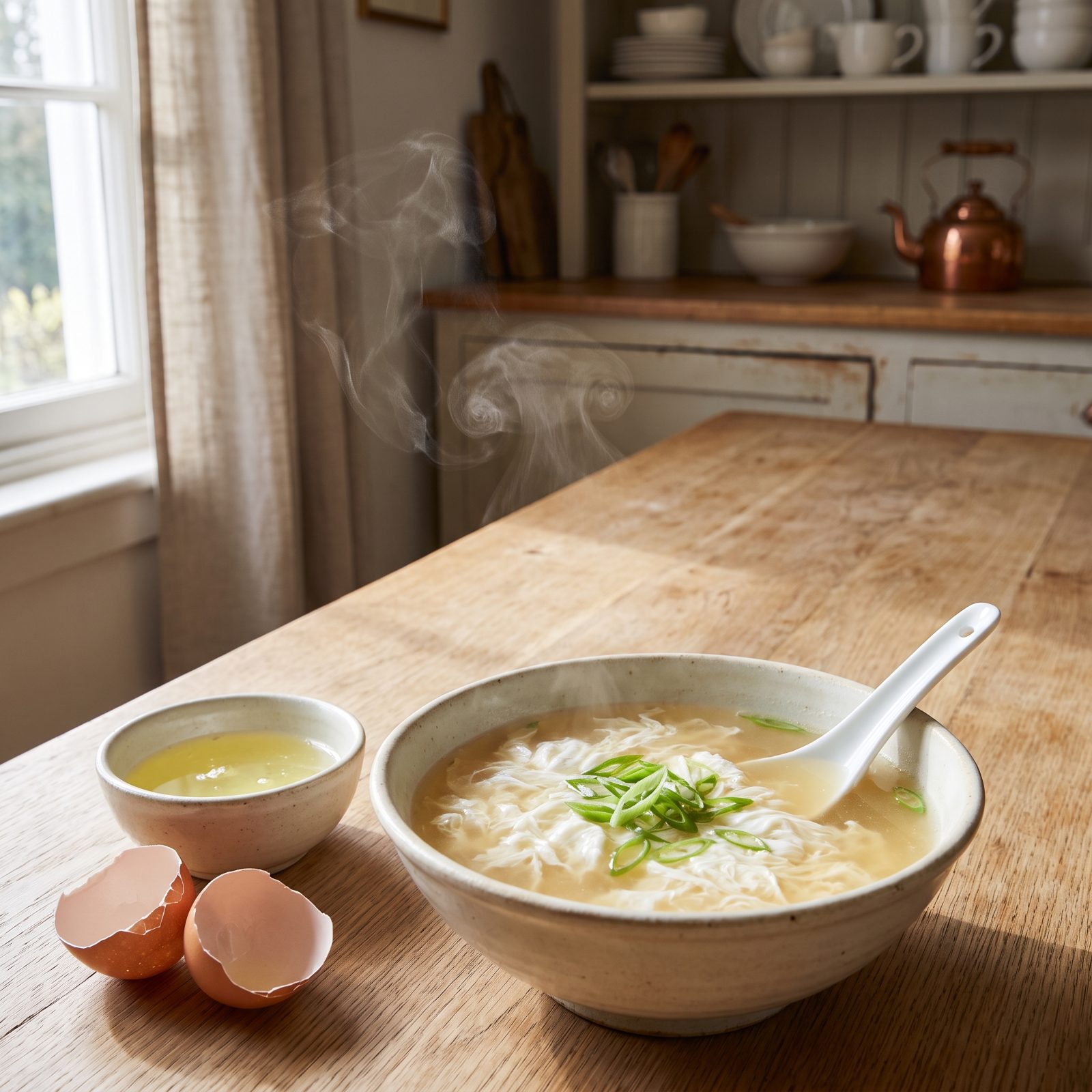
Baking leaves you with a cup of egg whites and no plan for them. They freeze fine, but the easier move is egg-drop soup.
Bring a seasoned broth to a bare simmer and stream the whites in slowly while stirring in one direction. They set into those silky feathery ribbons in seconds. Whites alone make a lighter, cleaner soup than whole eggs — add green onion and a splash of sesame oil and you’ve got dinner out of what was basically waste.
13. Add Leftover Coffee to Chili for Deeper Flavor
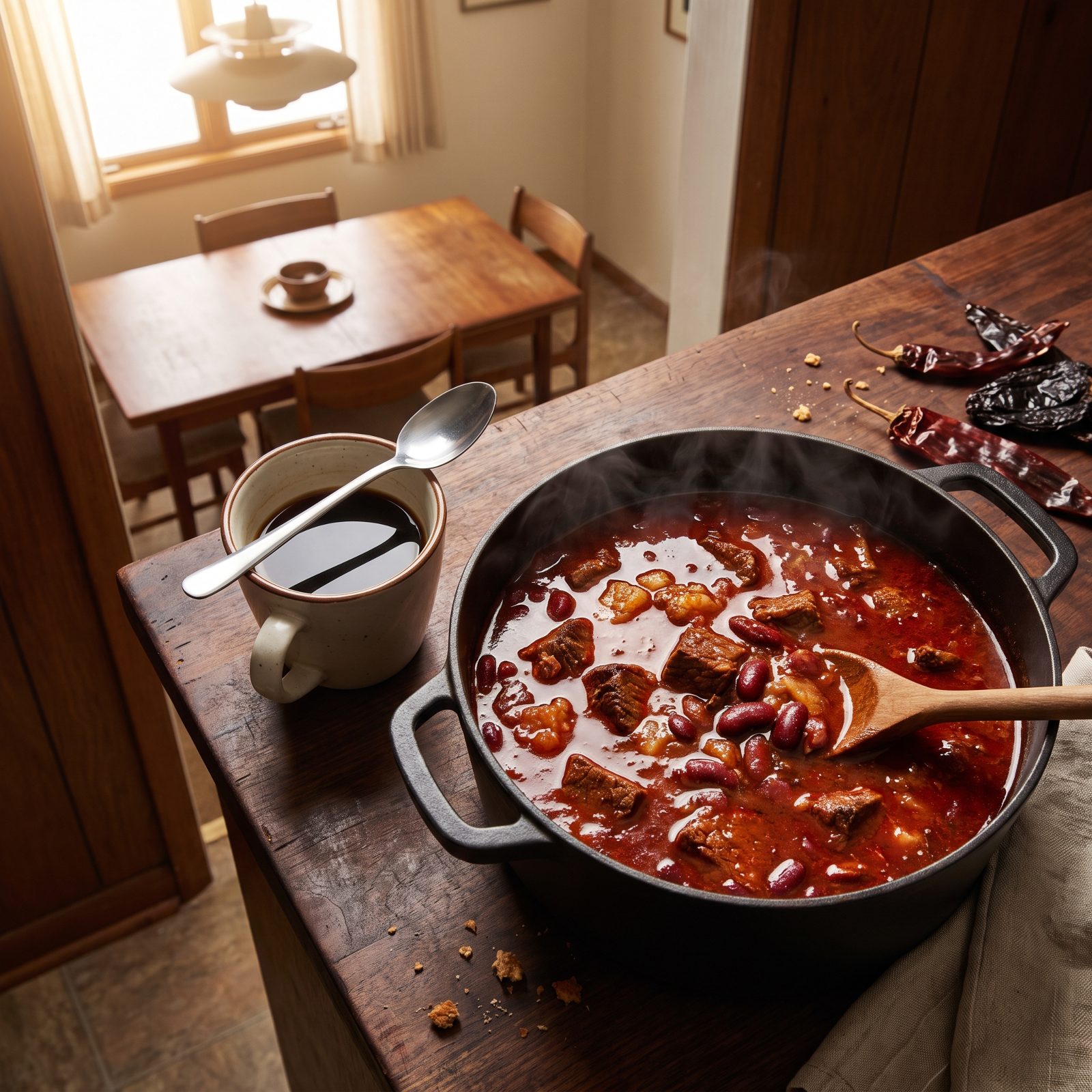
That last inch of cold coffee in the pot has a job. Splashed into a simmering chili, it adds a dark, roasty bitterness that plays off the sweetness of tomato and the heat of chili powder.
You won’t taste coffee. You’ll taste depth, the kind that makes people ask what your secret ingredient is. A strong brewed cup or two of leftovers is enough for a big pot. The same idea carries over to beef stew and barbecue sauce.
12. Turn Flat Beer Into a Crisp Fish Batter

Flat beer feels like a loss. For batter, though, flat is fine. You lose a little of the lift the bubbles give, but the malt and the quick-evaporating alcohol still give fried fish a light, crackly crust.
Whisk leftover beer into flour until it reaches the texture of thin pancake batter, dip the fish, and fry. The alcohol cooks off and leaves behind a faint malty flavor and a shatter-crisp coating. Those half-pints from a party that nobody finished finally earn their keep.
11. Melt Leftover Jam Into a Pork Glaze
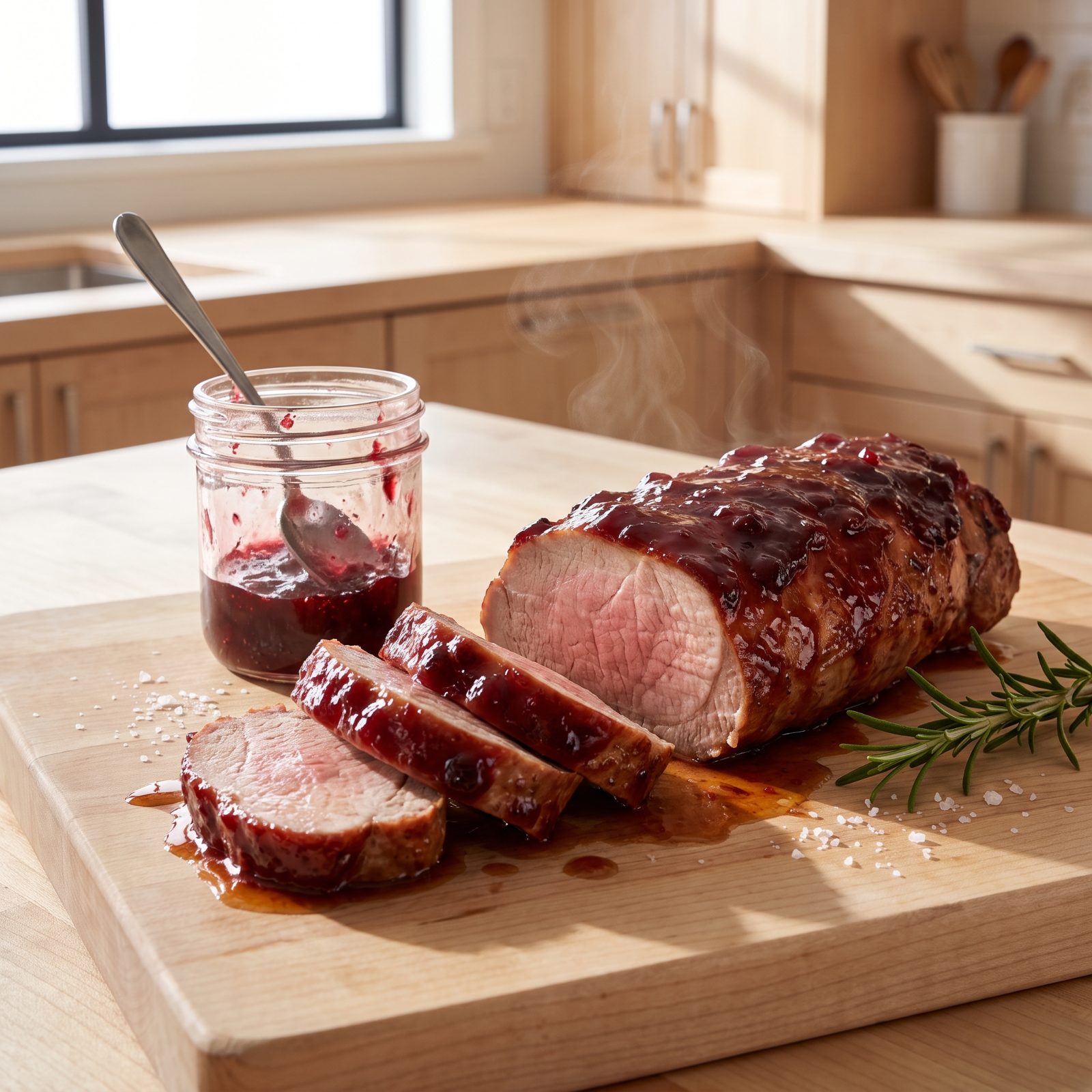
The jar of apricot or fig jam shoved to the back of the fridge, crystallized and forgotten, is a glaze waiting to happen. Warm it in a pan with a little vinegar and a splash of soy or Dijon, and it loosens into a glossy, sticky coat.
Brush it over pork tenderloin, chicken thighs, or a ham in the last stretch of roasting, and the sugar caramelizes into a lacquered crust. Any fruit jam works. The nearly empty jars are exactly what you want here.
10. Transform Cranberry Sauce Into Tangy Barbecue Sauce
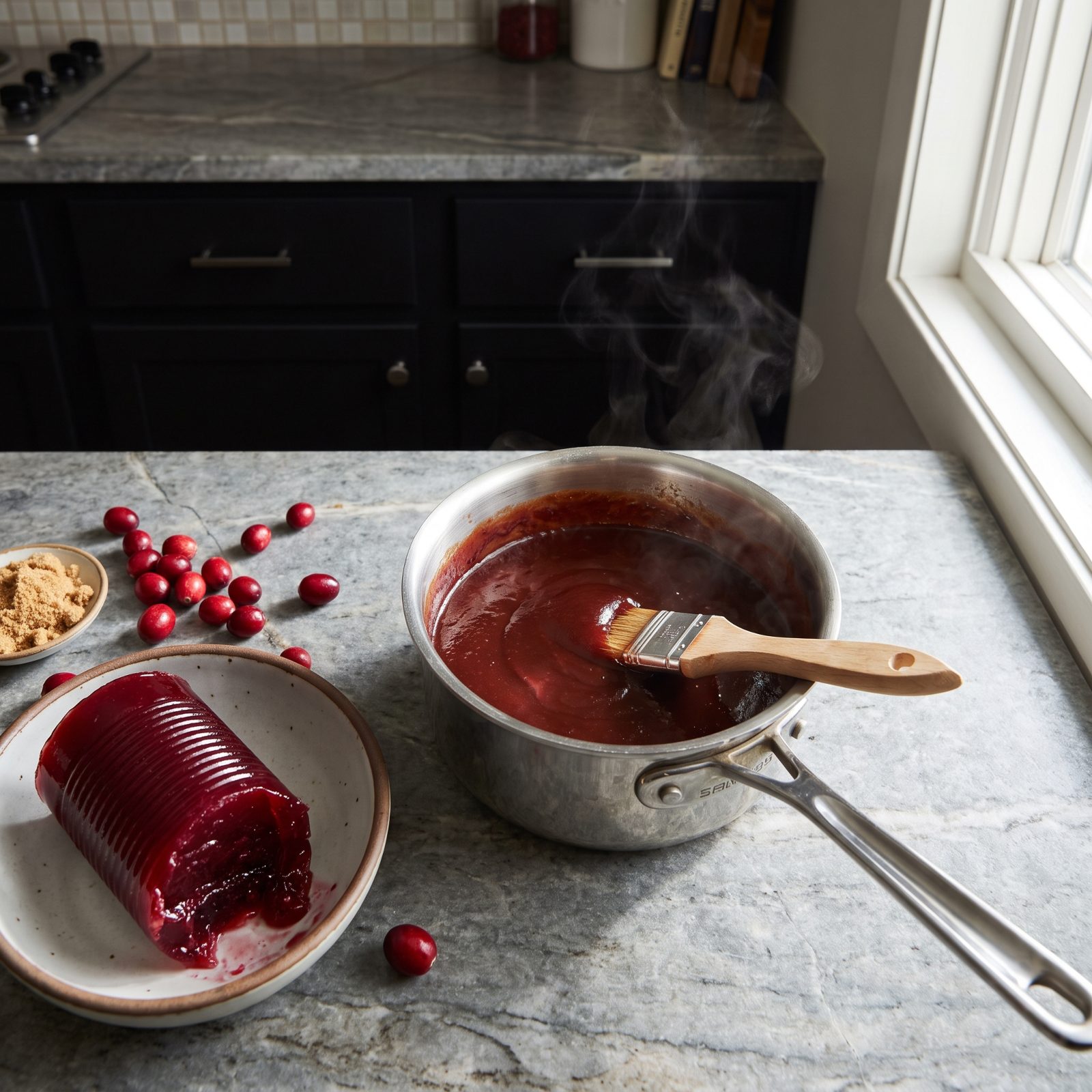
After the holidays, there’s always a container of cranberry sauce nobody’s touching. It was practically built to become barbecue sauce — the tartness and fruit sweetness are already in there, and all you’re doing is steering the whole thing savory.
Simmer it down with a little ketchup or tomato paste, brown sugar, vinegar, Worcestershire, and smoked paprika until it thickens and darkens. Bright, tangy, and honestly better on ribs and pulled pork than most things from a bottle. One leftover becomes a sauce you’ll miss when it runs out.
9. Roast Vegetables in the Last of the Sun-Dried Tomato Oil
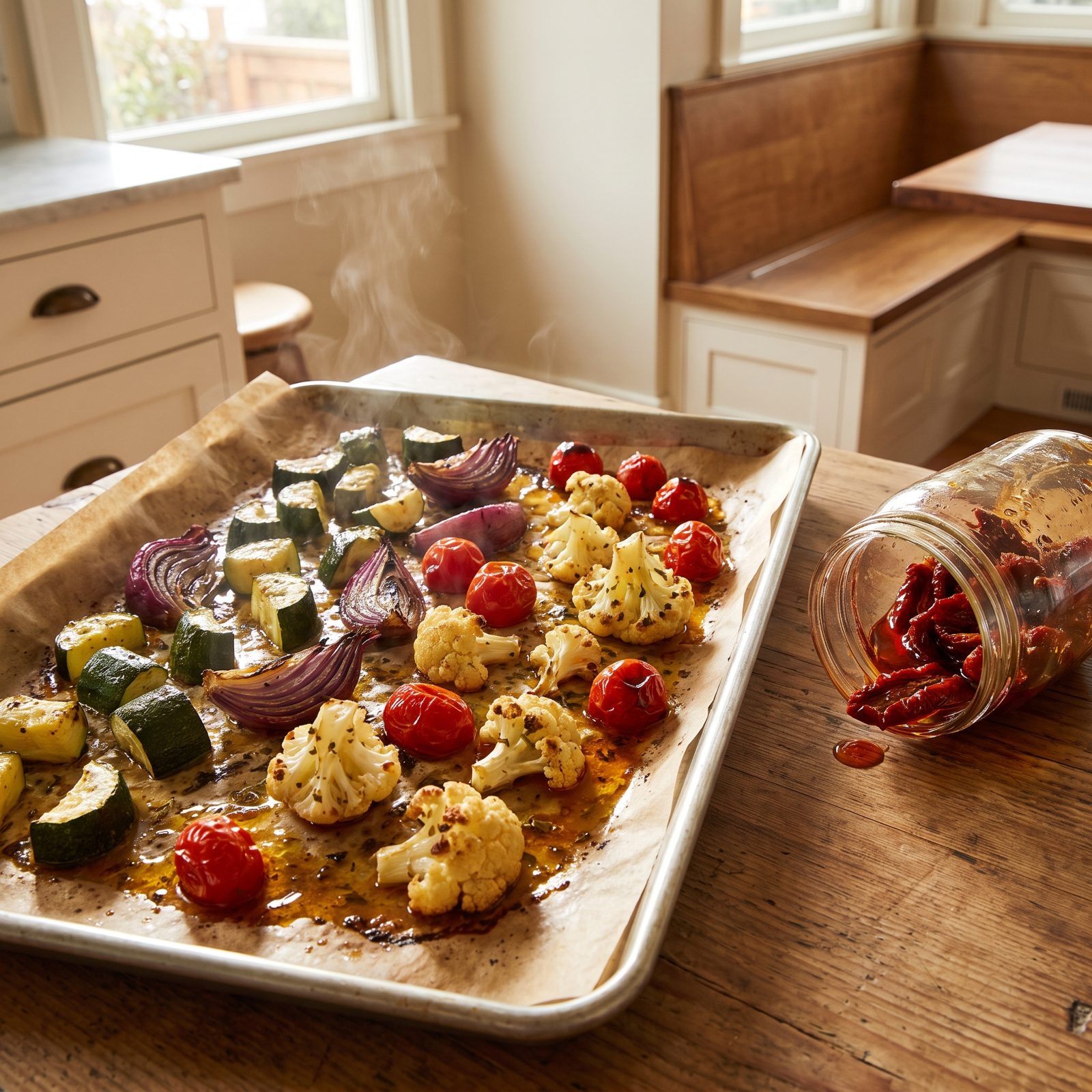
That oil at the bottom of the sun-dried tomato jar is already seasoned. Garlic, herbs, salt, the concentrated flavor of the tomatoes themselves — all of it steeping in there for weeks. Pouring it out is like dumping homemade stock down the sink.
Toss any sad vegetables in it before they roast. Wilting zucchini, a half onion, cauliflower that’s seen better days. The oil coats everything, the high heat does the rest, and what comes out tastes like you planned a side dish instead of rescuing one.
8. Bake Overcooked Pasta Into a Crisp-Edged Frittata
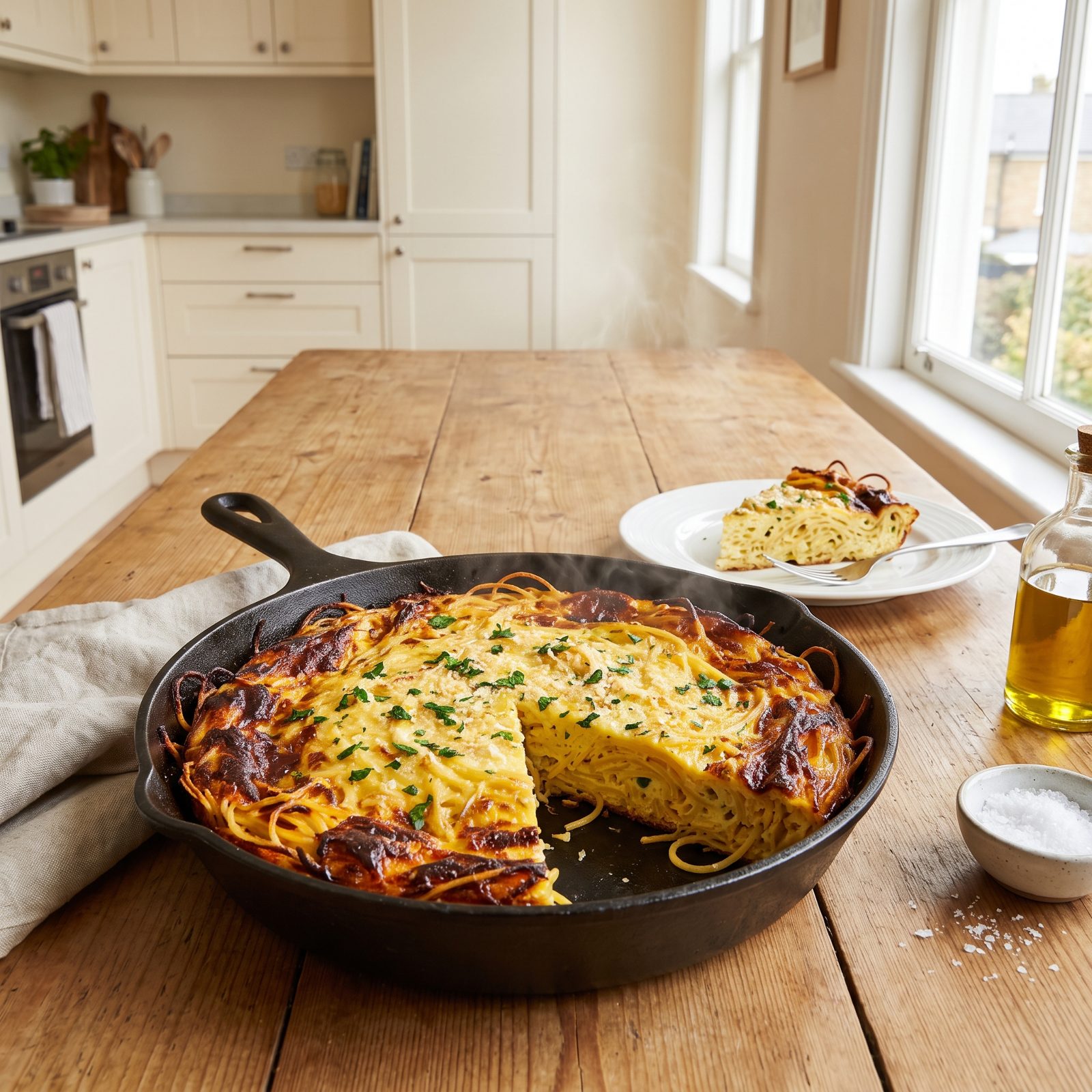
Mushy pasta is a dead end on its own, and reheating only makes it mushier. Bound in beaten egg and pressed into a hot skillet, though, that softness stops mattering.
The eggs set around every strand and the bottom crisps into a lacy brown crust. Italians have done this with leftover spaghetti for generations, usually with whatever cheese is hardening in the back of the fridge. Slice it into wedges. Eat it warm, eat it cold, pack it cold the next day for lunch — it holds together better than fresh pasta ever could.
7. Press Leftover Stuffing in a Waffle Iron
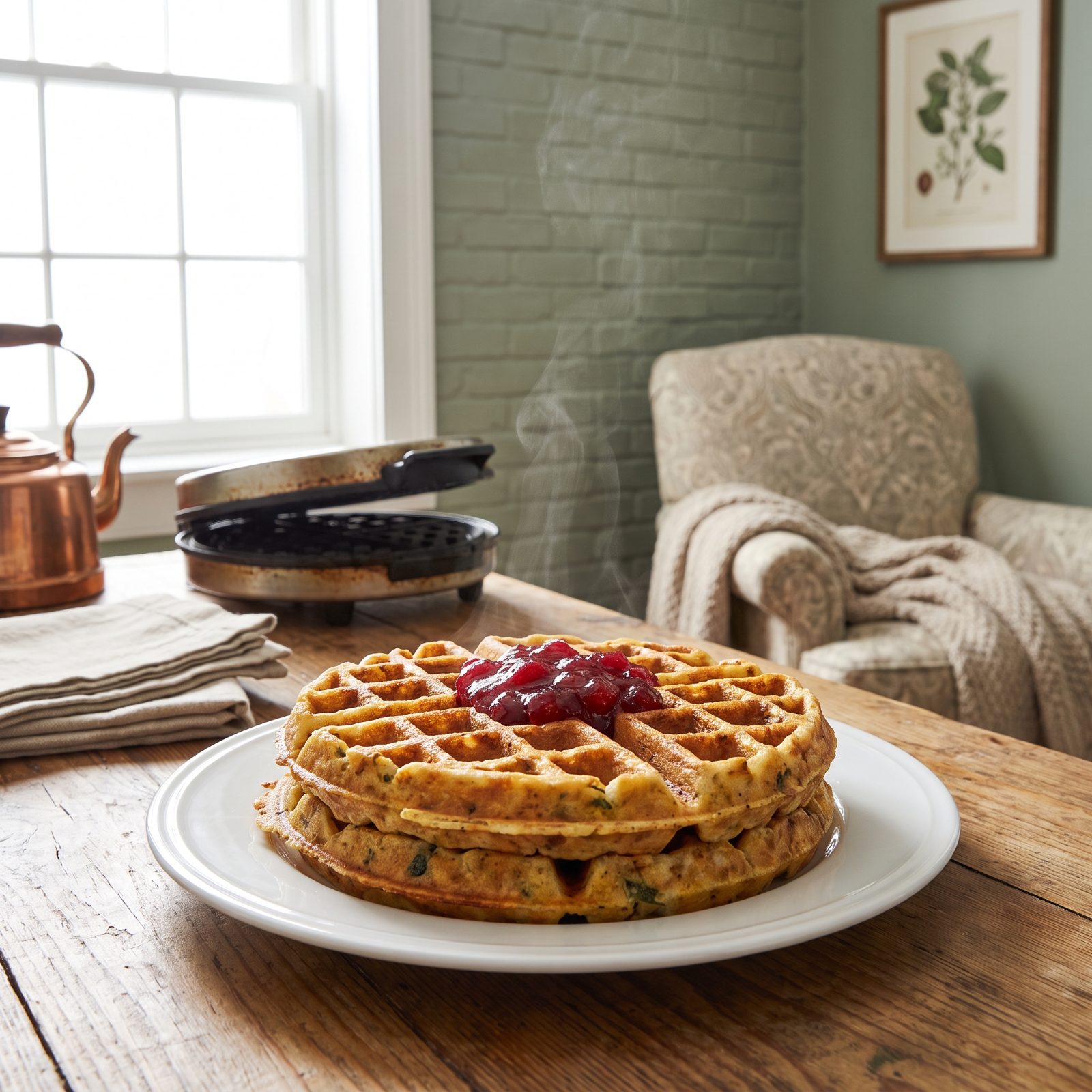
A waffle iron does two jobs to leftover stuffing at once: heats it through and crisps every surface that meets those ridges. No soggy middle. No cold center.
The pockets fill with crunch while the inside stays soft. Top it with a fried egg and that’s breakfast; top it with leftover gravy and that’s dinner. Sounds like a stunt, we know. But it’s the best stuffing of the whole holiday, better than the day it came out of the oven.
6. Bind Leftover Couscous Into Skillet Fritters

A cup of cold couscous is too little for a side and too sad for a salad. Beaten with an egg and a handful of whatever’s in the fridge, it turns into batter.
The egg binds the grains, a spoon flattens them in hot oil, and the edges fry into something with real crunch. Leftover herbs, crumbled feta, a grated carrot — all fair game. Serve them with yogurt and you’ve stretched almost nothing into a plate that looks like you meant it.
5. Cube Cold Polenta Into Crisp Croutons
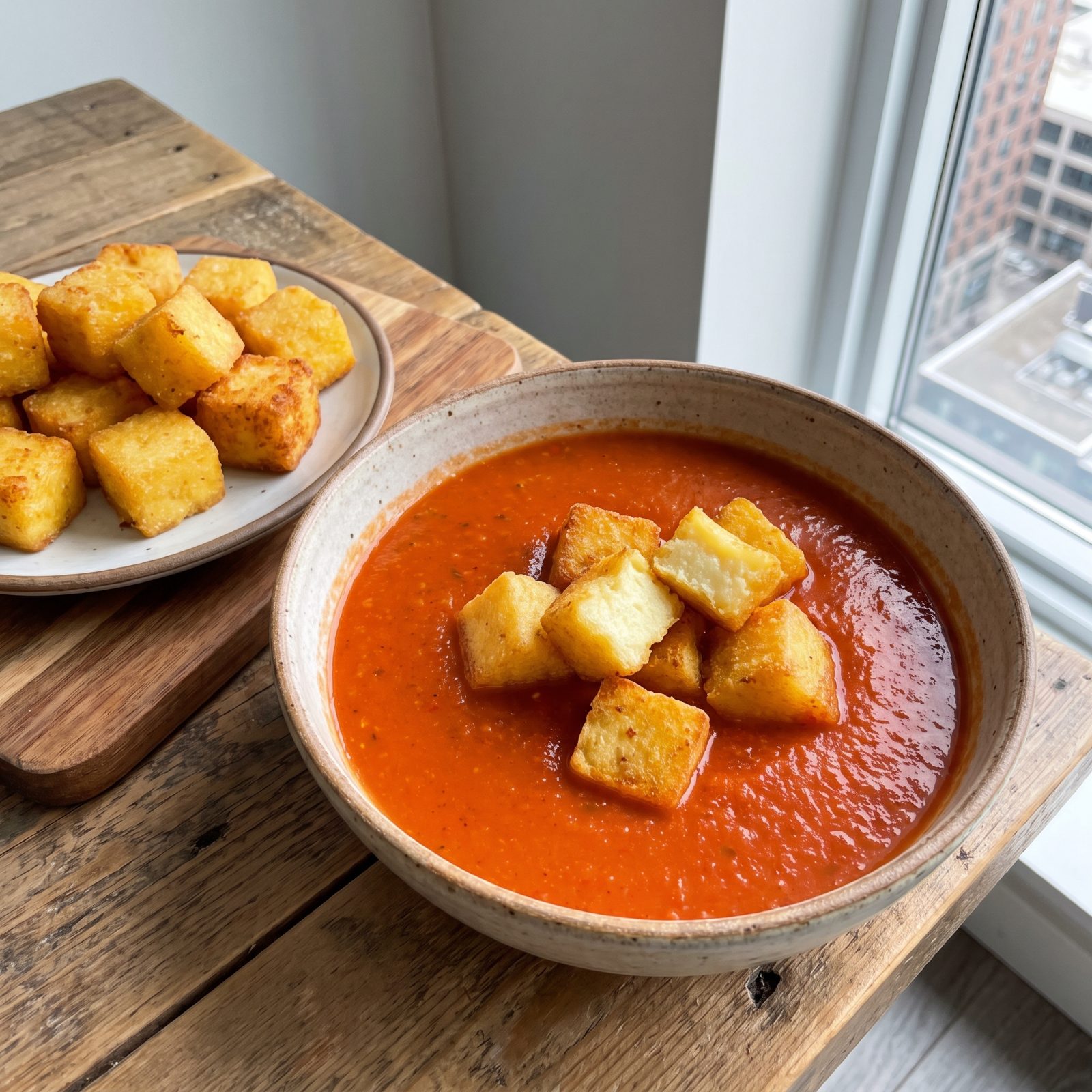
Leftover polenta sets up firm in the fridge overnight, which feels like a failure and is actually a gift, because firm polenta cubes cleanly.
Fry those cubes in a little oil and they crackle on the outside while staying creamy inside. Drop them into soup instead of bread croutons, scatter them over a salad, or just eat them straight from the pan with salt before they ever reach a bowl. That crisp shell against the soft center is why you bother.
4. Turn Broken Tortilla Chips Into Chilaquiles
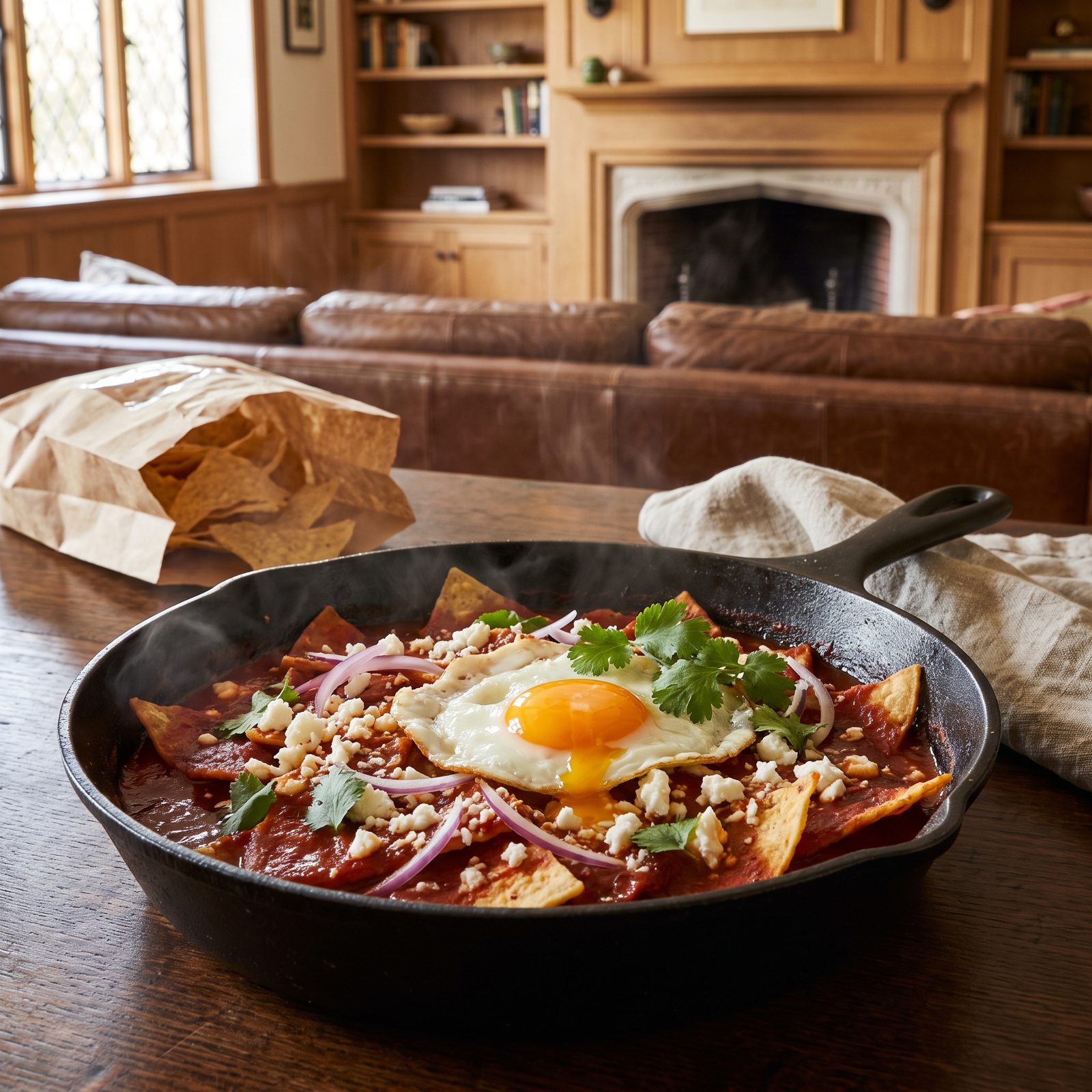
The dust and shards at the bottom of the chip bag aren’t trash. In Mexico, they’re dinner.
Simmer broken chips briefly in salsa and they drink it up, going soft at the edges while keeping just enough bite. Crack an egg on top, scatter cheese and onion, and the whole thing eats like a proper meal built on what you were about to throw out. It’s the Sunday-morning answer to Saturday-night excess, and has been for a very long time.
3. Turn Cold Mashed Potatoes Into Quick Gnocchi
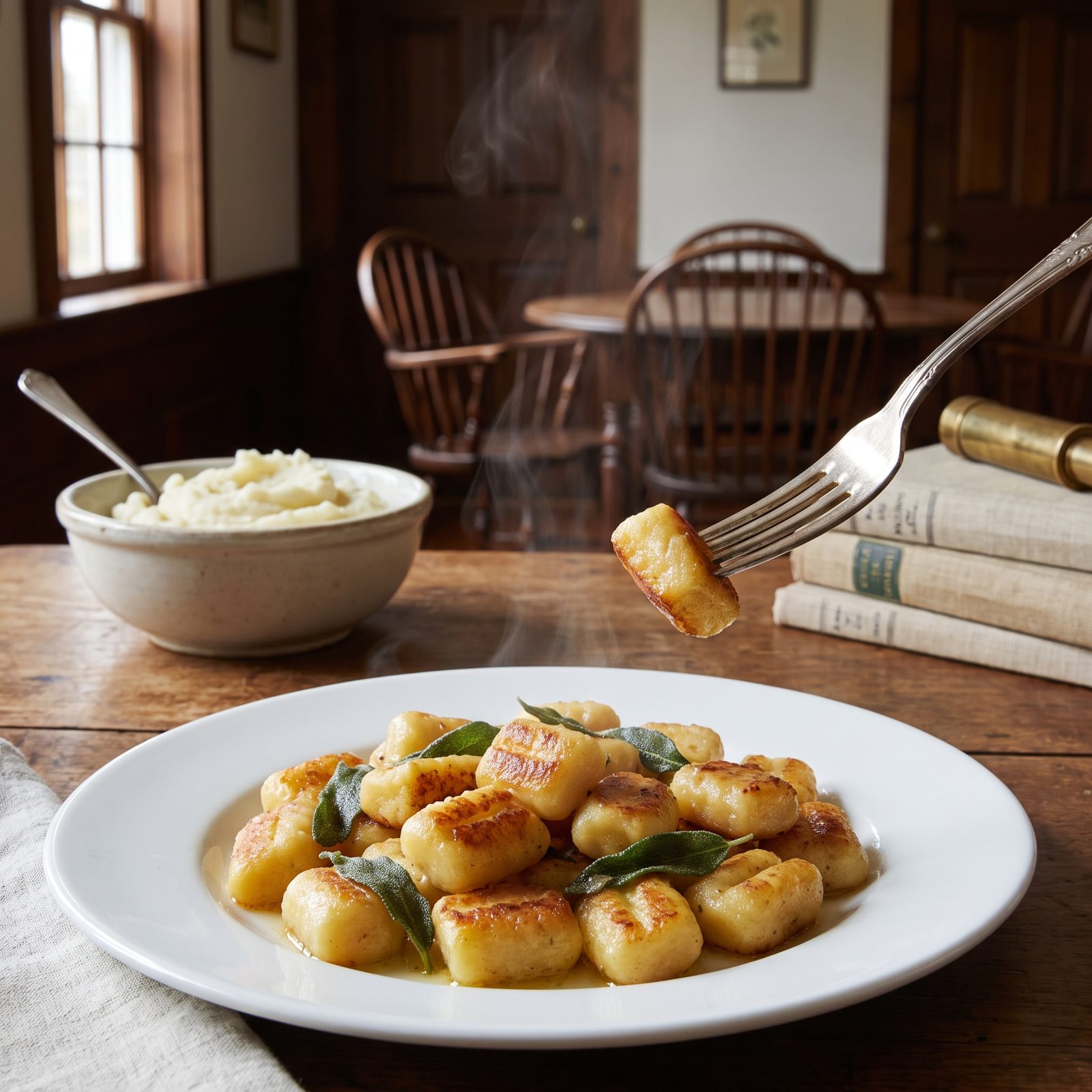
Cold mashed potatoes already handled the hardest part of gnocchi for you — cooked and mashed, done. All that’s missing is flour and an egg to pull them into a dough.
Roll it, cut it, drop the pieces in boiling water until they float. A quick sear in butter afterward gives them a crisp edge. It’s not the featherweight gnocchi of some Roman grandmother, sure, but it’s close enough, and it beats microwaving a lump of potato by a country mile.
2. Reheat Pizza With a Spoonful of Water and a Lid
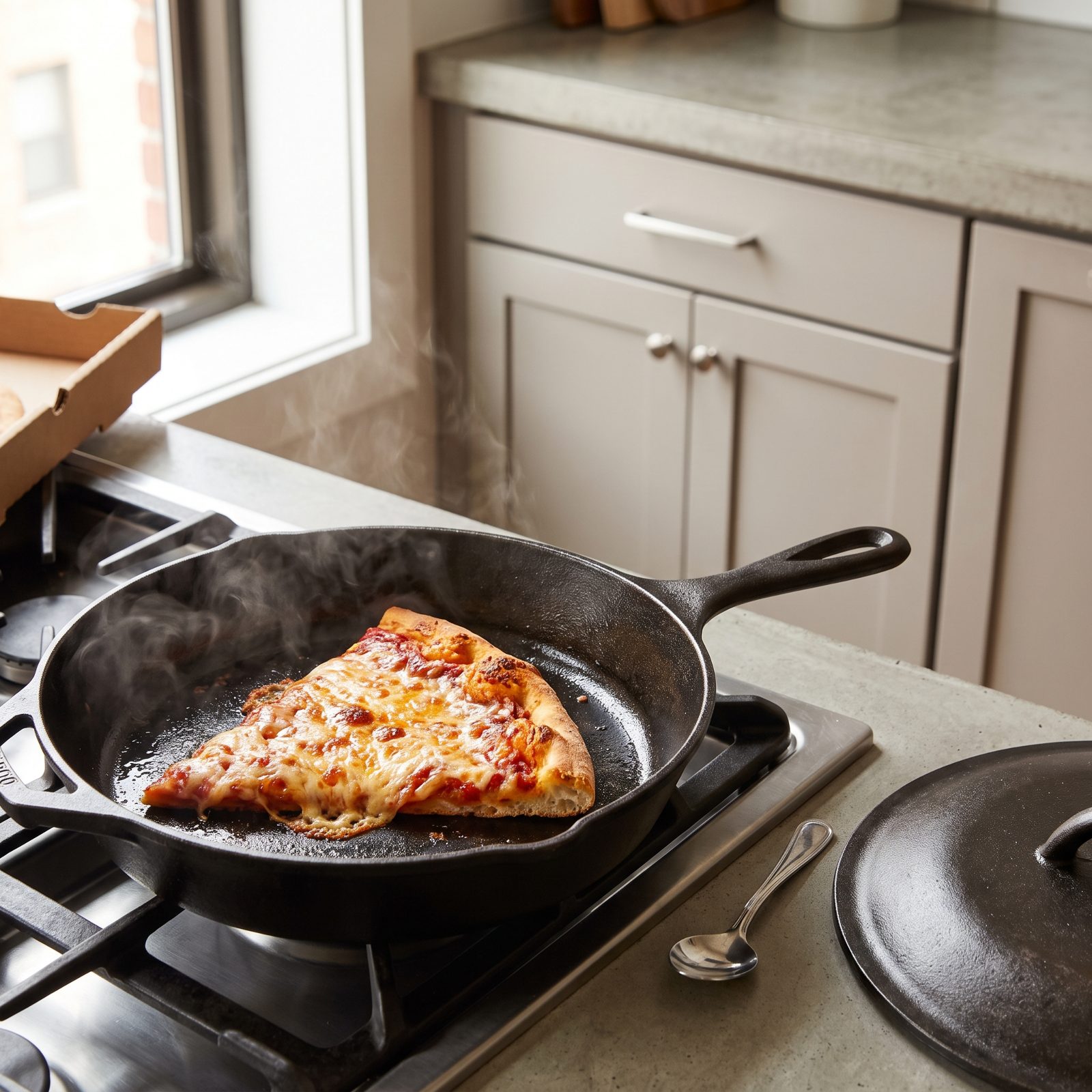
The microwave ruins cold pizza, turning the crust to rubber and the cheese to grease. Everyone knows this. Everyone does it anyway.
Put the slice in a dry skillet over medium heat. Once the bottom starts to crisp, flick a few drops of water into the pan away from the slice and clap a lid on. The steam melts the cheese through while the crust crisps underneath. Two minutes, start to finish. Reheated right, cold pizza beats the fresh delivery slice — and this is right.
1. Steam a Dry Casserole Beneath Damp Parchment
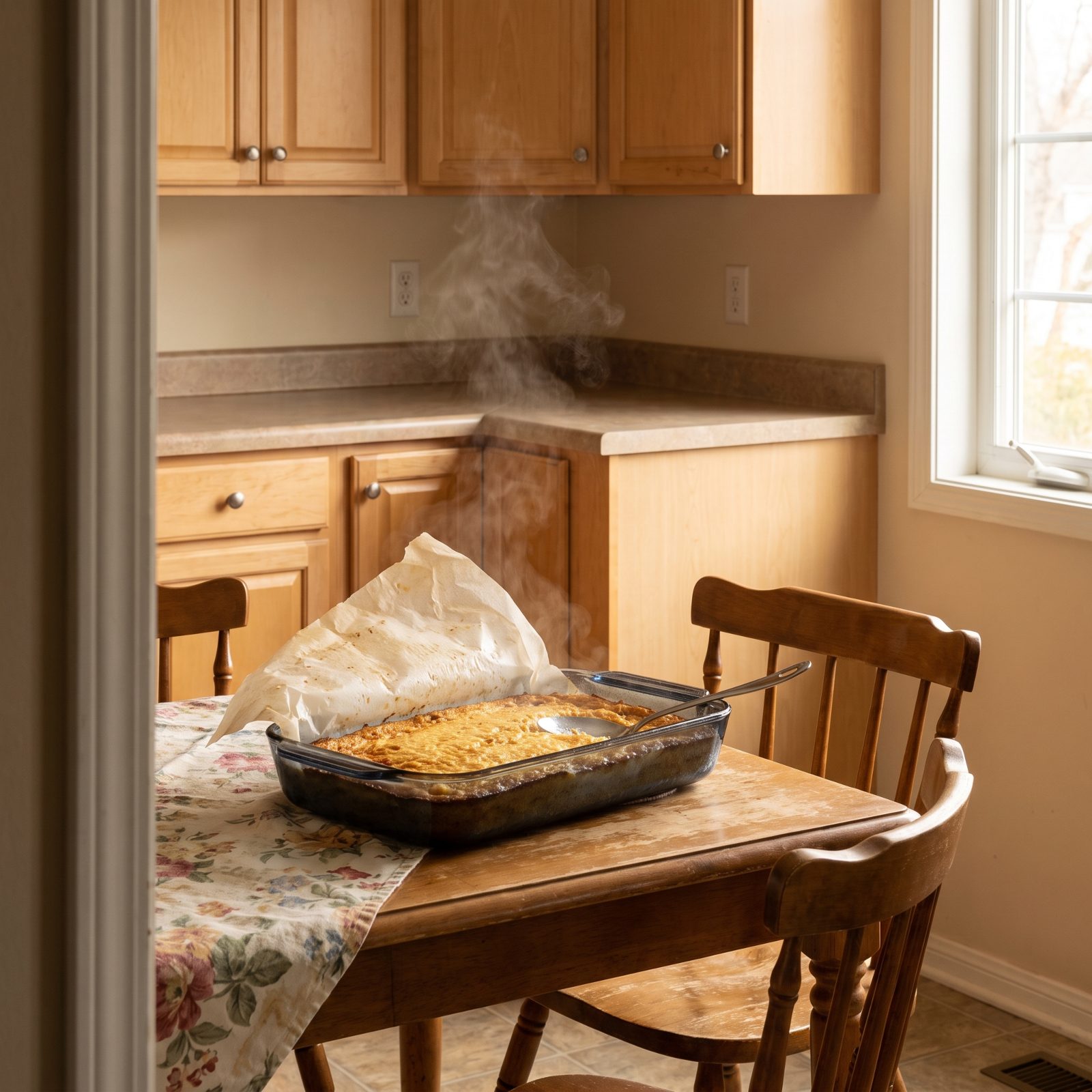
A casserole reheated uncovered dries into something closer to a brick, and foiled tight it steams itself into mush. There’s a middle path most people walk right past.
Lay a sheet of damp parchment directly on the surface before it goes back in the oven. The moisture from the paper keeps the top from drying while still letting it warm through evenly. First-night texture, not second-day leather.