Would you like to save this?
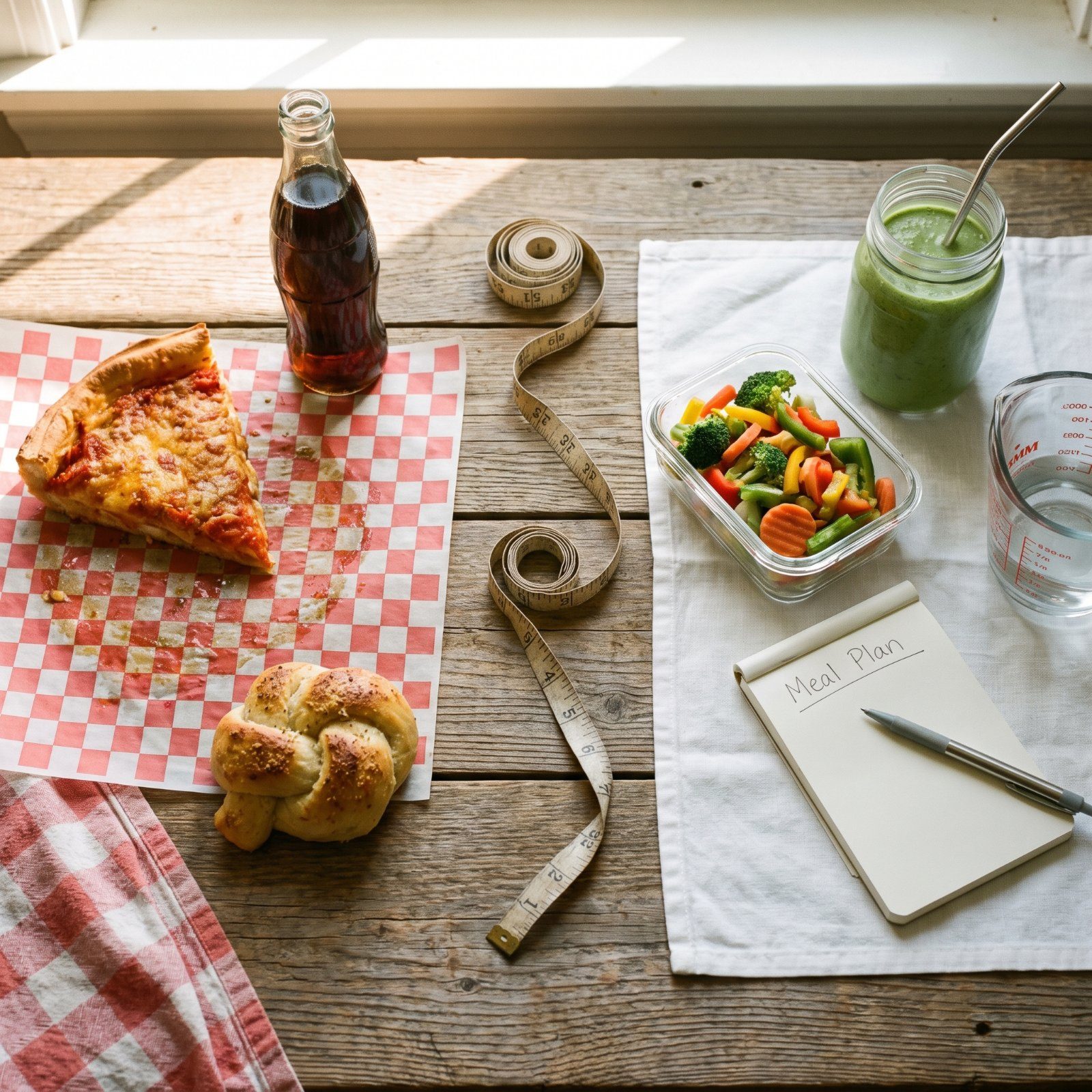
There’s a specific moment when a grown adult stands in front of an open refrigerator at 11 p.m. and makes a solemn vow to a jar of mayonnaise. Something has to change. The vow usually arrives the same week somebody buys a convertible or signs up for a marathon they’ll never run. Deciding to eat differently doesn’t feel like a tweak — it feels like a reinvention, complete with the identity crisis, the impulse purchases, the friends who don’t recognize you, and the Tuesday you fall face-first back into the thing you swore off. Same wiring that drives every big life pivot. Below: the familiar scenes, their stranger mirrors, and why the same stubborn human brain is behind both.
Please note that some of the images in this article were created with the assistance of AI.
16. One Blood Test Turns Bacon Into an Existential Threat
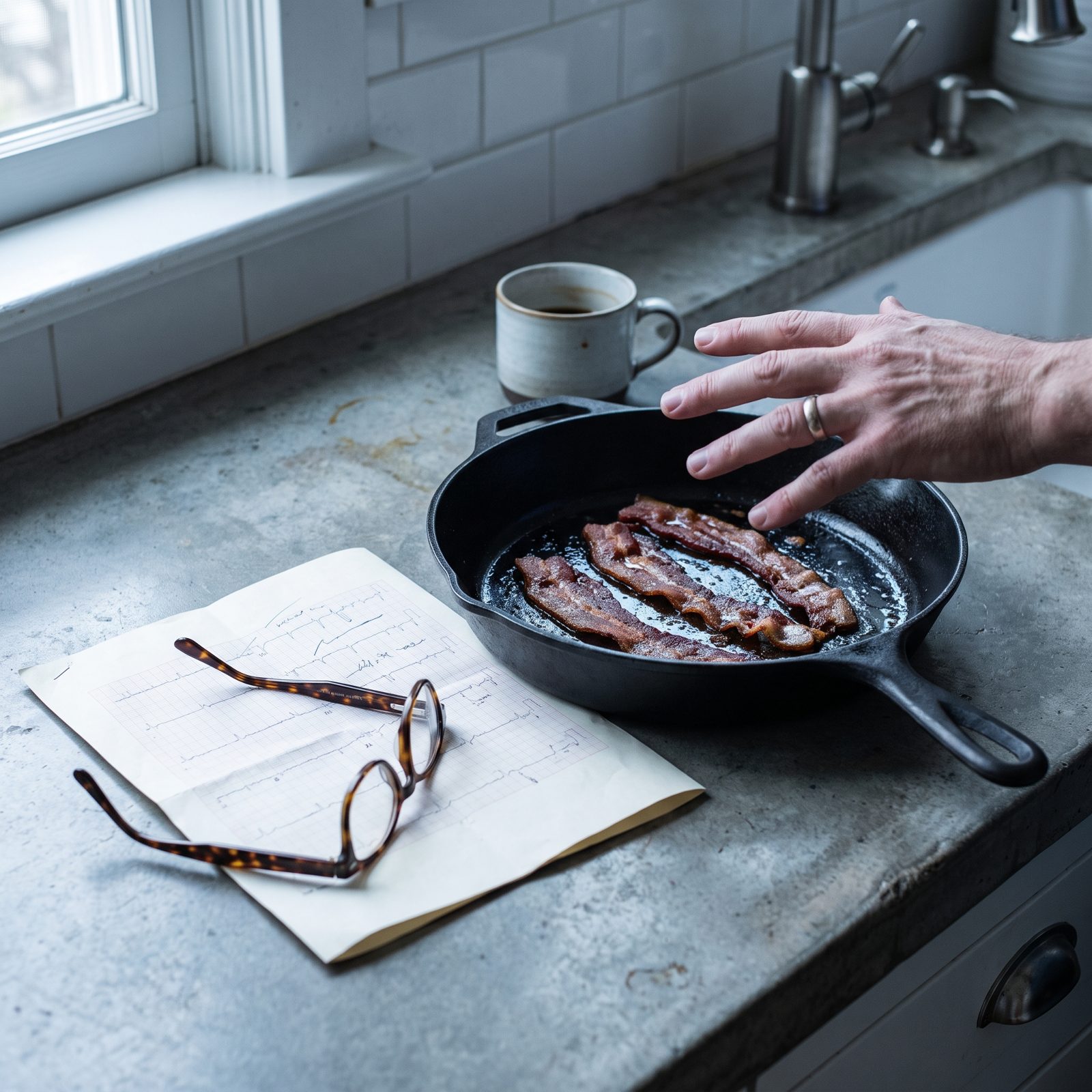
A number on a lab printout you can barely read, and suddenly the bacon in your skillet looks like it’s been plotting against you for years. One cholesterol reading and the breakfast you ate happily for four decades becomes a moral failing. Nobody eased into this. The slip of paper did it in an afternoon.
It mirrors the birthday that lands wrong — the one where a number on a cake flips a switch, and a life that felt fine yesterday needs a full audit by Friday. Same trigger, different arena. An abstract figure forcing a sudden rewrite of the story you tell about yourself.
Psychologists call it a ‘mortality cue,’ and it does strange, useful work. A reminder that you are not permanent makes you grab the wheel hard. The problem? Panic makes a lousy nutritionist. One test result and the whole kitchen goes on trial, bacon first.
15. You Empty the Pantry Like It Personally Betrayed You
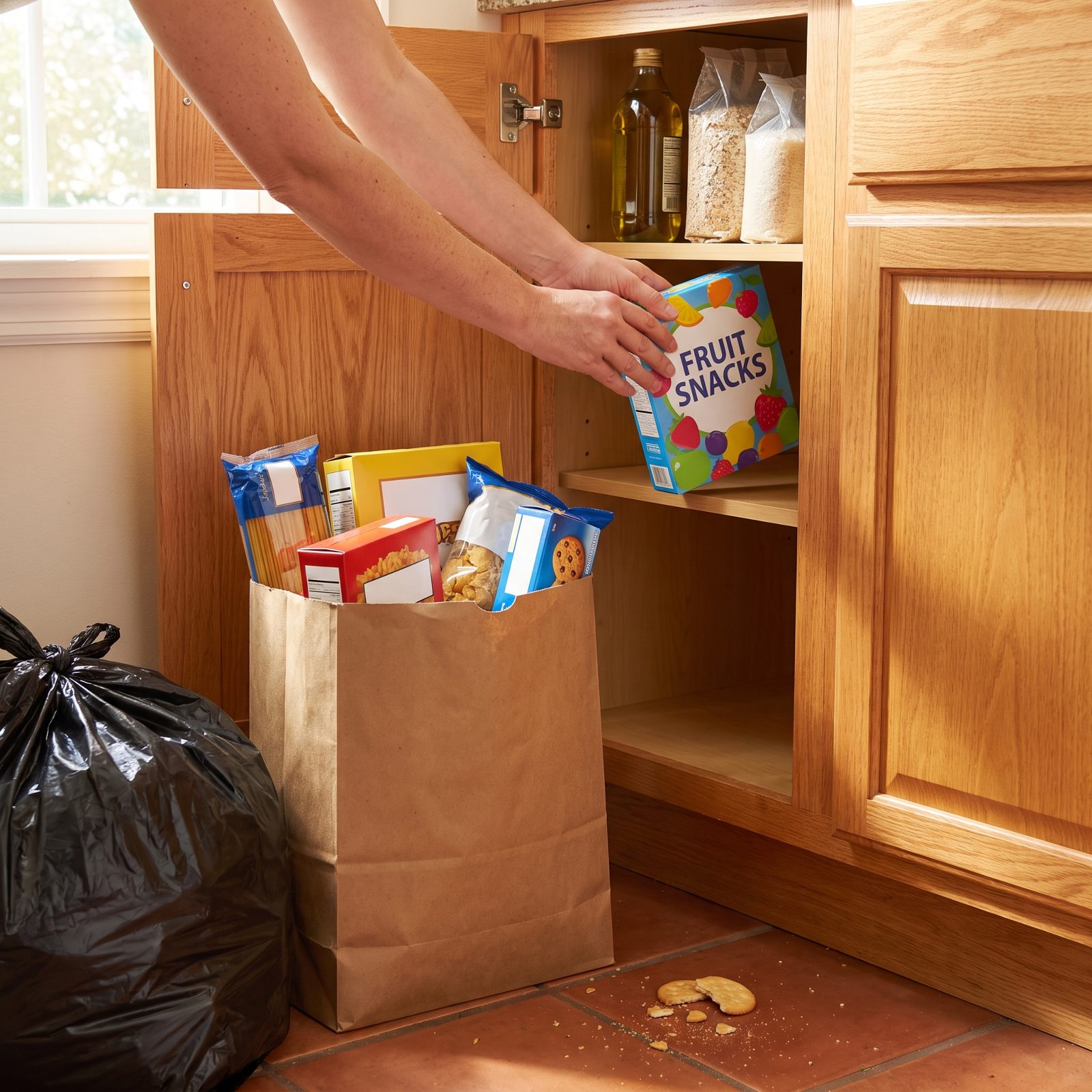
The purge is never gentle. You don’t quietly set the snacks aside — you rip through the shelves on a bright Sunday morning, sweeping chips and cookies and pasta boxes into a paper grocery bag like they wronged you, scattering crackers across the floor. Unopened boxes go too — banished from the house even if they’re spared the trash. The pantry did nothing, but it’s taking the fall.
This is the garage you suddenly need to clean out after a big decision, the closet you empty onto the bed because clearing physical space feels like clearing the person you used to be. Throwing things away gives you the feeling of progress before you’ve actually done anything hard.
There’s a real pull here, and it’s not dumb. Getting rid of the temptation beats white-knuckling past it every day. But the dramatic version — the full dumpster event — is more about the ritual than the groceries. You’re not just tossing cookies. You’re staging a funeral for a former self.
14. You Schedule One Last Pizza Before Starting Monday
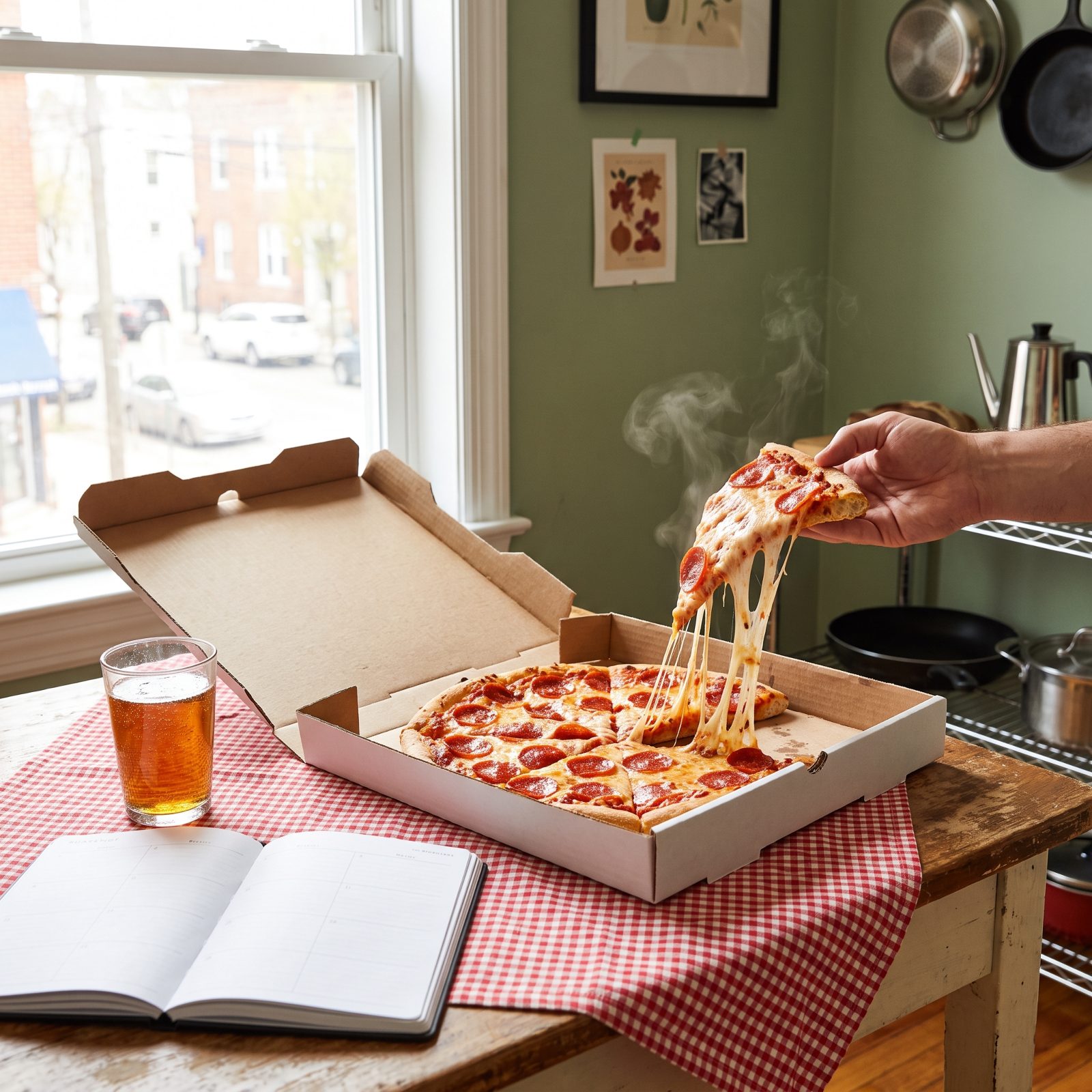
The diet starts Monday, which means Sunday night demands a proper send-off. One last pizza, ordered with ceremony, eaten slower than usual because you’re savoring the end of an era. You might even spring for the good toppings this time. It’s a goodbye, not a dinner.
Same energy as the person who books a wild weekend before a big change — the bachelor trip, the splurge before the belt tightens. One final blowout to bookend the old way of living, as if the body keeps a calendar and respects start dates.
The last supper is never really the last. It’s the first of several lasts.
The brain loves a clean line in the sand. ‘Starting Monday’ lets you keep today’s pleasure and still feel virtuous about tomorrow. The catch? That fresh-start feeling is so satisfying on its own that a lot of people just keep rescheduling it, one glorious last pizza at a time.
13. You Pick a Diet Label Before Picking Lunch
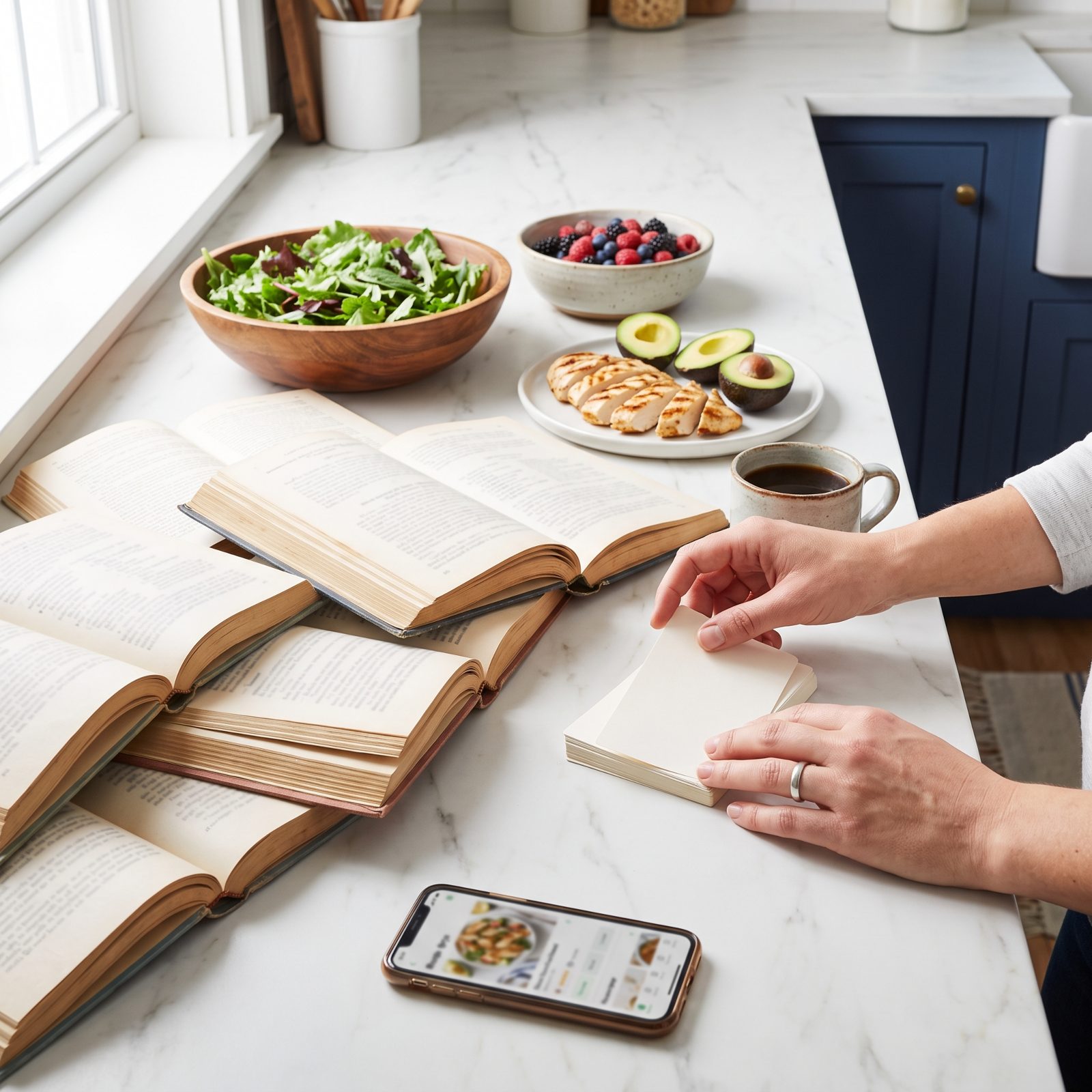
Before deciding what to eat for lunch, you decide who you are now. Keto. Paleo. Plant-based. Mediterranean. The label comes first, the actual meal second, and announcing the label feels like half the work is done. You’ve joined a team before you’ve cooked a single thing.
It’s the same reflex as naming the new chapter before living it — calling yourself a ‘runner’ after buying the shoes, a ‘minimalist’ after reading one book. The identity is cheaper than the practice, and it feels great to try on.
Psychologists call this identity-based motivation, and it genuinely helps. Decisions get easier when you ask what a person like me would do instead of debating every meal. But the label does nothing on its own. Plenty of people collect eating identities the way others collect gym memberships — fully committed in theory, still ordering the same takeout in practice.
12. The New Blender Costs More Than Your First Car
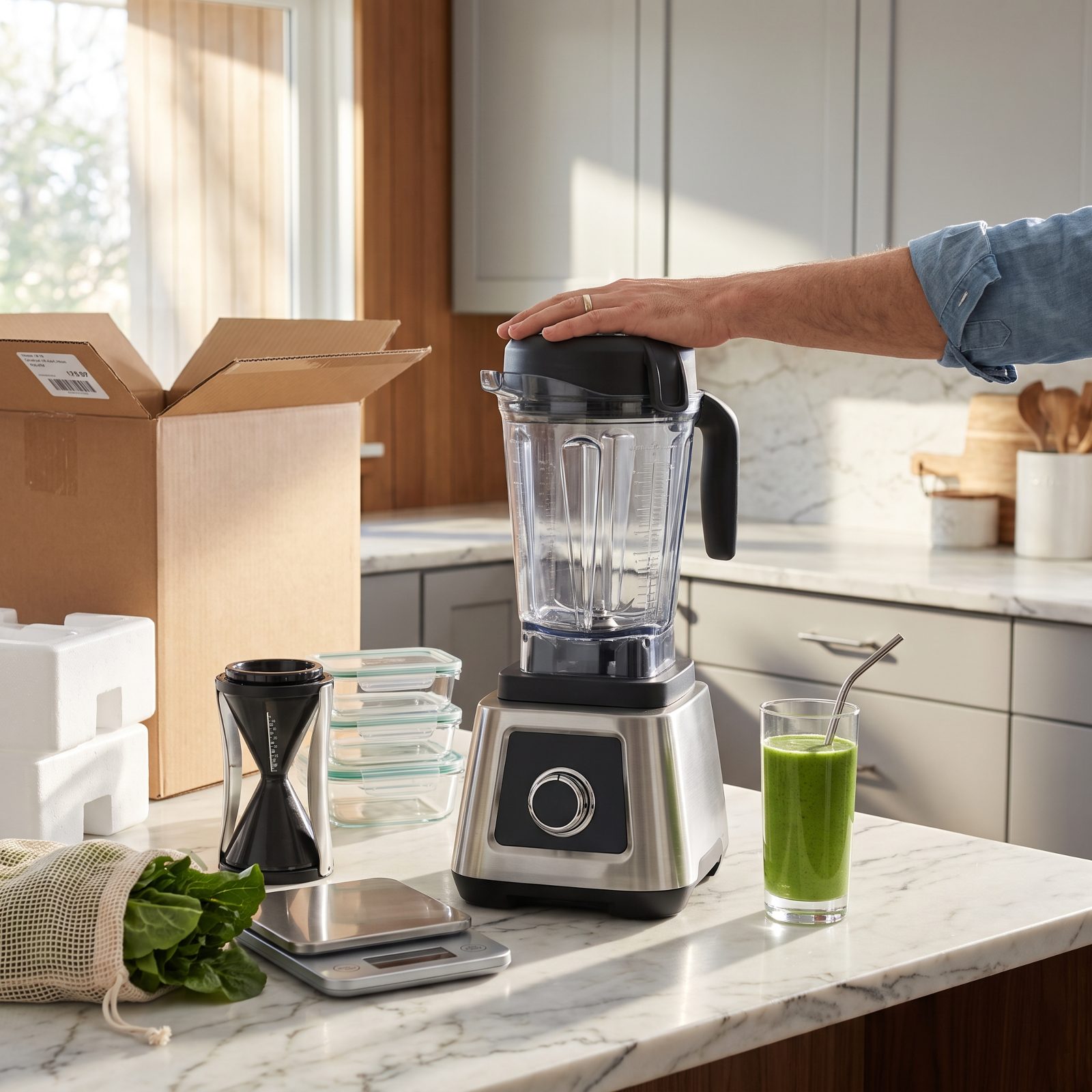
Somewhere in the first week, the credit card comes out. A blender with the horsepower of a lawnmower. A scale that measures grief in grams. A set of glass containers that cost what a used sedan once did. The gear feels like commitment, proof you’re serious this time.
Everyone knows this move — the convertible, the road bike, the full set of golf clubs bought before a single lesson. The expensive object stands in for the discipline you haven’t built yet, and buying it delivers a hit of the feeling you’re actually after.
There’s a thing called the IKEA effect, where we overvalue what we invest in. Spend enough on the kitchen and you feel more committed to using it. Sometimes it works. Often the blender ends up a monument on the counter — gleaming, judging, used twice.
11. Your Old Jeans Become the Official Finish Line

There’s a pair of jeans in the back of the closet you cannot throw away. They haven’t buttoned in years. They’ve become a trophy you haven’t won yet, hung where you can see them, a goal measured in denim instead of a number.
People do this with everything. The old photo on the fridge. The wedding dress saved for a reunion. A version of the past promoted to a target, as if getting back there would hand you the whole life that went with it.
The jeans are a classic case of anchoring — you’ve fixed on a specific past point and decided it’s the correct destination, even though your body and your life have moved on. It’s motivating, sure. It can also be a trap. Those jeans belonged to someone with a different schedule, a different decade, maybe different hips entirely. Chasing the old pair is sometimes just chasing the old you.
10. You Follow Twenty-Something Food Influencers for Life Advice
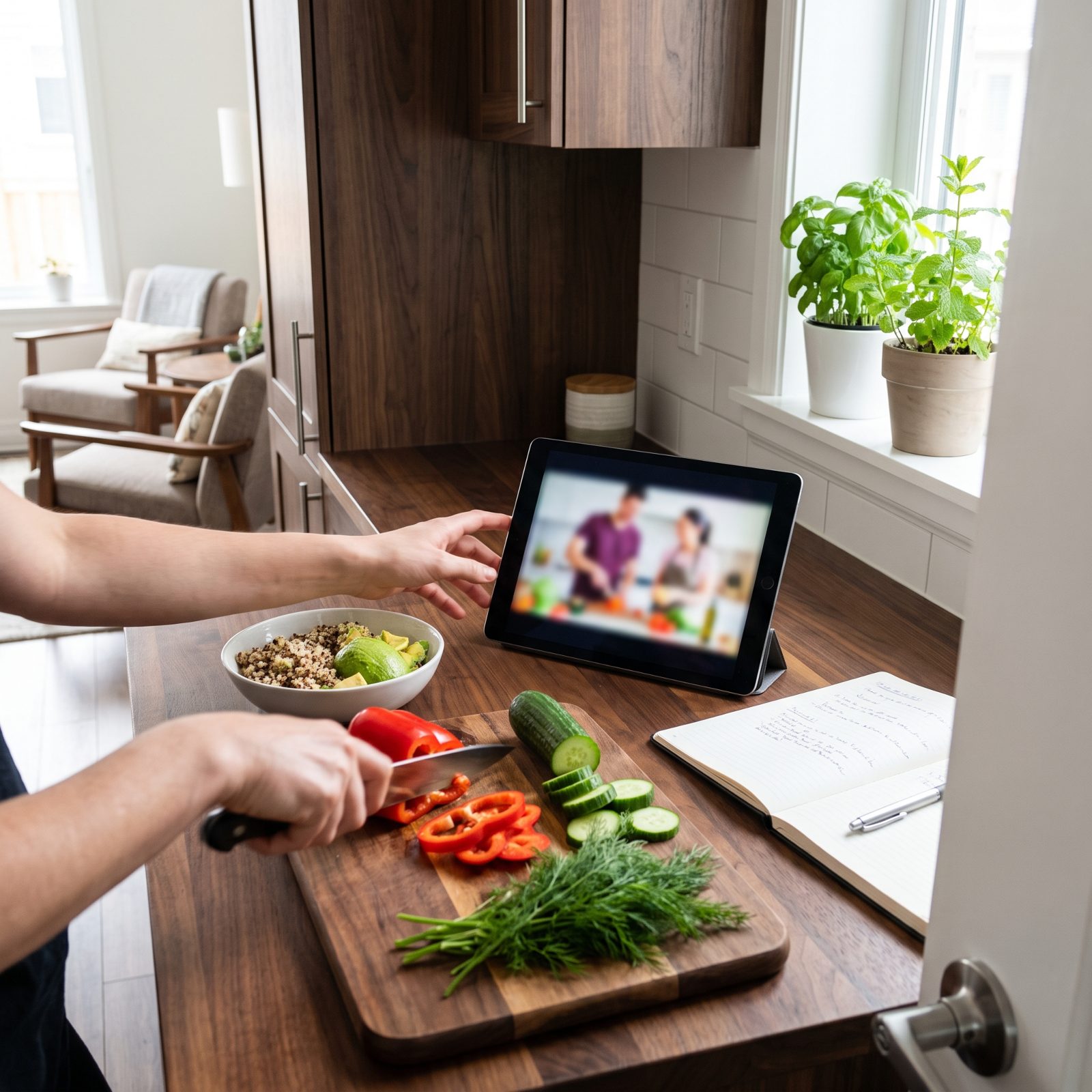
You’re taking nutrition gospel from someone born the year you got married. Their kitchen glows, their smoothie is the color of a tropical sunset, and you’re genuinely considering whether you too should be soaking chia seeds overnight. At some point you started trusting a stranger half your age to tell you how to feed yourself.
This is the midlife mentor swap — the sudden interest in what the young ones are doing, the belief that reinvention lives over there, in a generation that seems to have the energy you’re trying to recapture. Their confidence reads as wisdom.
Social proof is doing the heavy lifting. When a crowd seems to be thriving on a certain way of eating, the brain treats their glow as evidence, even when it’s lighting and genetics and being twenty-six. Borrowing their habits feels like borrowing their youth. Spoiler: the habits don’t come with the metabolism.
9. You Photograph Every Plate Like Evidence of Reinvention

Every clean meal now gets a photo. The salmon, the arranged vegetables, the water with cucumber floating in it like proof of a new era. You angle for the light. You crop out the mess. The plate isn’t just dinner — it’s documentation of a person who has their act together.
Same impulse as broadcasting every step of a big pivot: the new haircut, the fresh start, the look-how-different-I-am-now announcement. The audience makes the change feel real, and a little binding.
Two things are at work. There’s public commitment, the way telling people makes it harder to quietly quit. And there’s impression management, the quiet performance of a self you’re not quite living yet. Photographing the healthy plate helps — as long as you remember the camera never visits on the days the dinner is regret and a fork over the sink.
8. Sunday Meal Prep Becomes Your New Control Center

Would you like to save this?
Sunday afternoon and the containers come out, a dozen of them, lined up like soldiers. You roast, you portion, you label, and for three hours the entire week submits to your will. There is deep calm in a fridge full of identical lunches. You know exactly what Wednesday will taste like, and that soothes something.
When life feels out of control, people reach for the lever they can actually pull. The person going through a hard stretch reorganizes the garage, color-codes the closet, builds a spreadsheet for something that didn’t need one. Order in one corner is a stand-in for order everywhere.
Meal prep works for exactly this reason. It removes a hundred small daily decisions, which is real relief for a tired brain. The shadow side? When the prep itself becomes the point, the ritual of control standing in for the harder, messier work of actually living differently. Still, a fridge full of ready lunches beats a drive-through at six. Prep away.
7. Bread Takes the Blame for the Last Decade
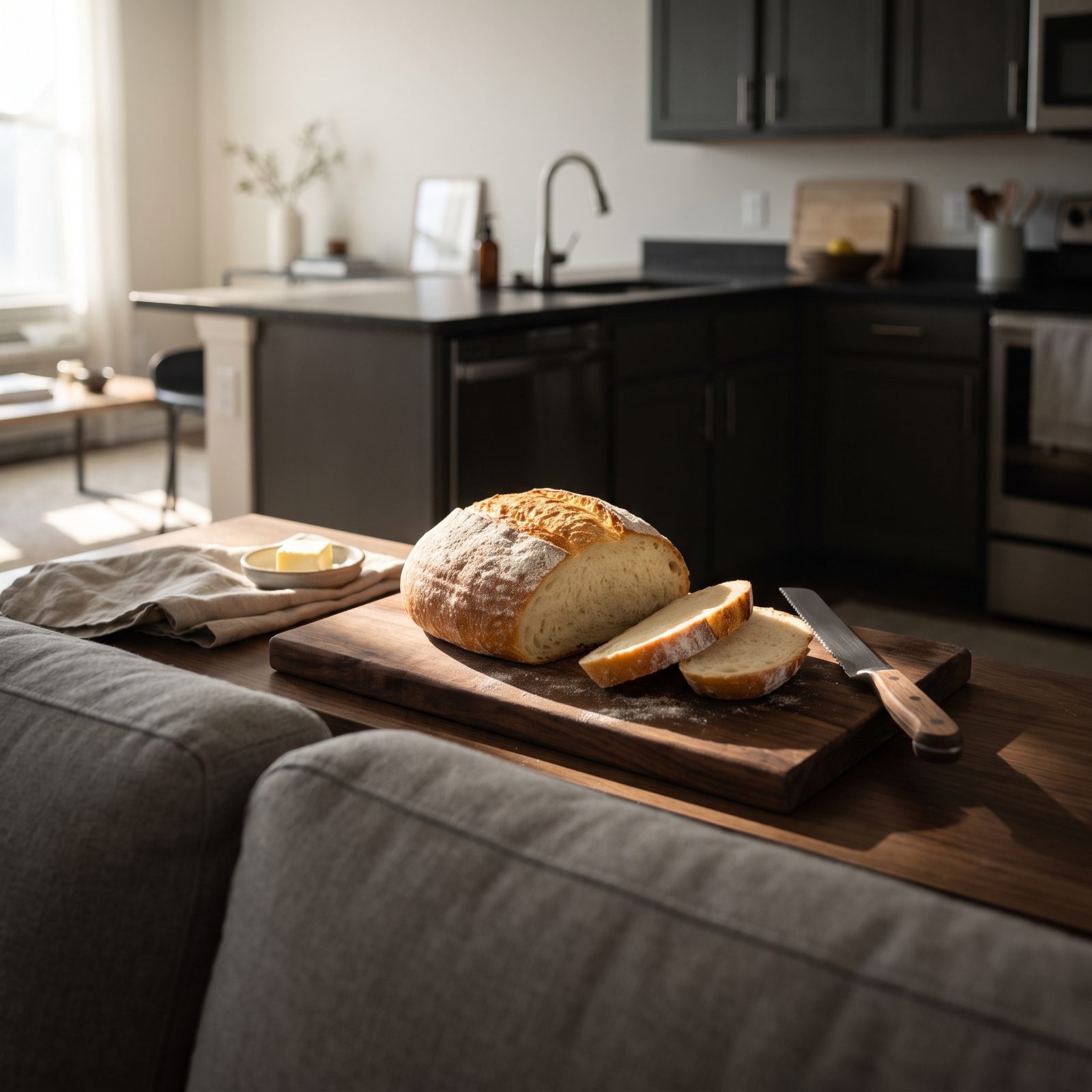
Somewhere along the way, bread became the villain of the whole story. Not the portions, not the decade of stress, not the sitting. Bread. The loaf that fed every civilization on earth now stands accused of everything that happened to your waistline over the last ten years.
It’s the clean, single-cause story we reach for when a life feels off — the one habit, the one person, the one choice we can point at and say that’s what went wrong. A single culprit is comforting because it’s fixable. Cut the one thing and the rest sorts itself out.
We don’t want the truth. We want the one thing to blame.
Fundamental attribution gone domestic. The brain craves a tidy cause for a messy outcome, and bread is an easy defendant: carbs sound scientific, the word sounds modern, and swearing it off feels decisive. The real story is almost always duller and more diffuse. But you can’t dramatically renounce ‘a slow accumulation of ordinary choices.’ You can renounce toast.
6. Your Partner Gets Drafted Into the New Menu
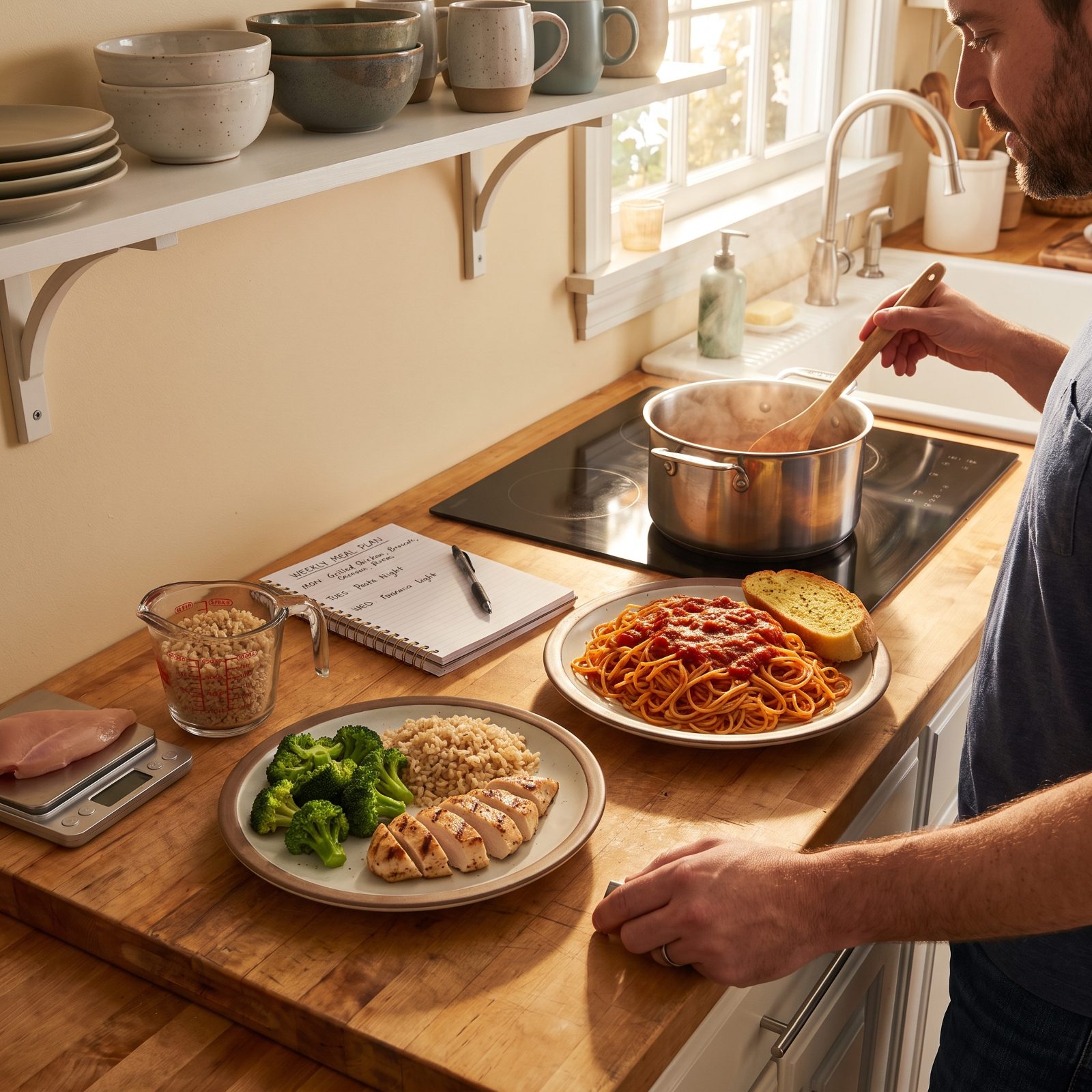
The moment you decide to overhaul how you eat, your partner becomes an unwitting conscript. Suddenly the fridge has two zones and the pantry grows a quarantine shelf. You announce, with the conviction of a man who just read one article, that the whole household is switching to whole grains — and the person across the table who was perfectly happy with Thursday spaghetti is now being asked to re-enlist in a mission they never signed up for.
It mirrors what happens when one person in a long marriage decides to reinvent themselves and expects the other to reinvent right alongside. New gym, new philosophy, new version of us. It’s identity enforcement. When we change how we see ourselves, we need the people closest to us to validate the new story, so we recruit them. A solo change feels fragile. A shared change feels real.
Nobody likes being drafted into someone else’s reinvention, though. The pasta pot becomes a tiny rebellion, and the kindest thing you can do is cook your brown rice without demanding applause.
5. Dinner With Friends Suddenly Requires Advance Negotiations
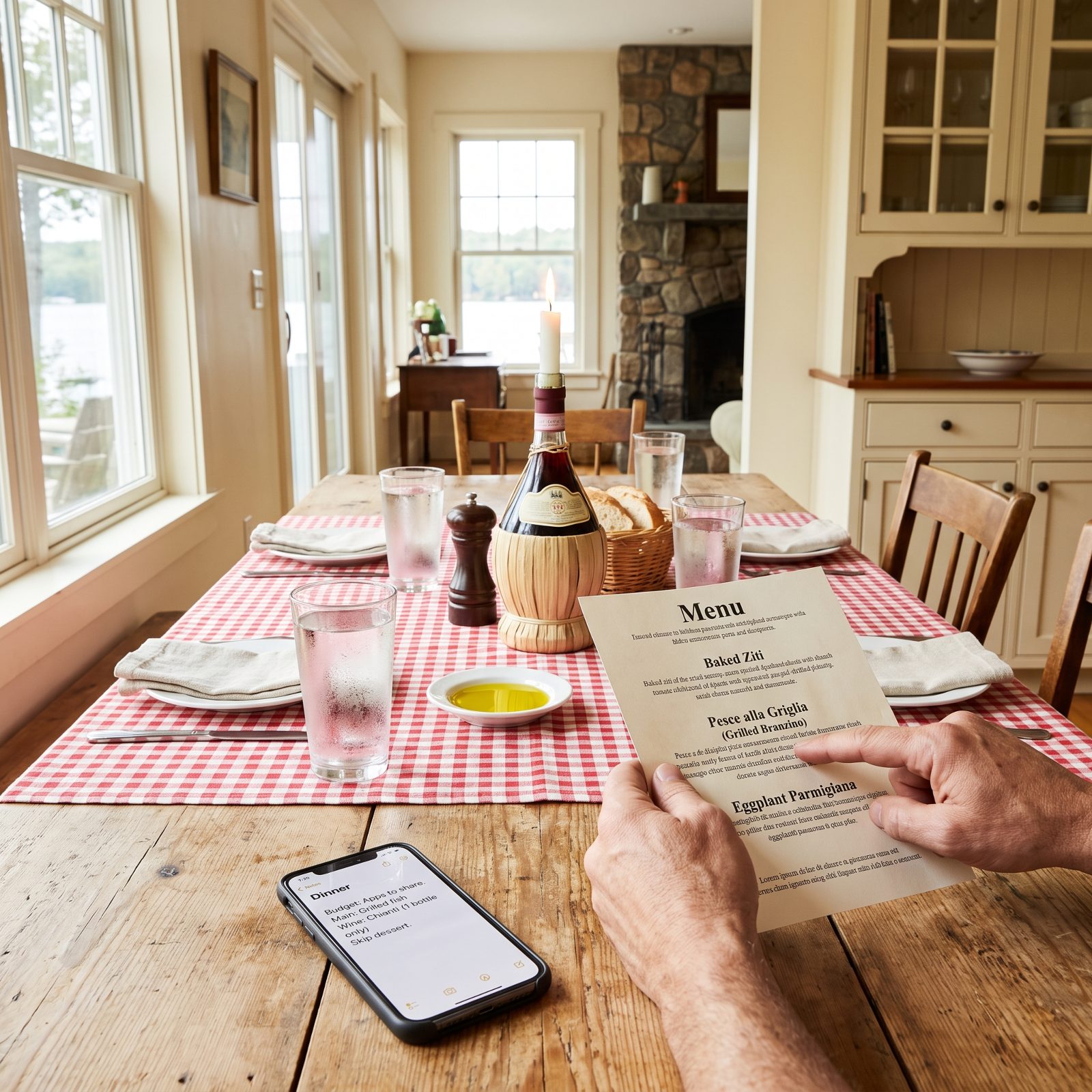
There was a time you’d meet friends at their lake house and eat whatever landed on the table. Now there’s a pre-game. You ask your hosts for the menu before you leave home, you text ahead to ask if anything will be grilled, and you arrive already knowing you’ll have the fish, no bread basket, dressing on the side — all delivered with the slightly apologetic smile of someone announcing a dietary restriction they invented last week.
It’s the same friction a person hits when they change in midlife and the old friend group suddenly feels like a shirt that no longer buttons. The rituals that bonded you (the shared appetizer, the nobody’s-counting Friday) now poke at the new self.
Psychologists call this normative pressure. Groups run on shared behavior, and eating together is the oldest bonding ritual we have. Opt out of the breadbasket and you’re opting out of a small tribal rite, and everyone feels the tug even if nobody says it.
The advance negotiation is you trying to stay in the tribe without betraying the new you. It mostly works. The bread still smells incredible.
4. The Forbidden Cookies Become More Interesting After Midnight

Nobody wanted those cookies at two in the afternoon. They sat in the jar for a week. Then you declared them off-limits, part of the new regime, and by eleven p.m. that jar became the most fascinating object in the house. You weren’t even hungry — you padded into the dark kitchen like a burglar casing your own cabinets.
This is the oldest trick your brain plays, and it has a name: the forbidden-fruit effect, or reactance. The second something becomes prohibited, it gains value it never had. A rule builds a wall, and the wall makes you want to see what’s behind it. Researchers have watched this play out again and again. Tell someone they can’t, and they want it more.
You’ve seen the same pattern in the person who, after decades of playing it safe, suddenly finds the one road they were told never to take irresistibly appealing. Restriction doesn’t kill desire. It concentrates it.
The midnight cookie isn’t weakness. It’s a very normal nervous system doing exactly what nervous systems do when you draw a line and dare it not to cross.
3. The Scale Starts Setting the Mood for Breakfast

You step on the scale before water, before coffee, before you’re even fully awake — and whatever the number says decides whether breakfast tastes like a reward or a sentence. Up two pounds and the toast feels like surrender. Down one and suddenly you deserve the good jam. One glance at a digital readout and your whole morning has a soundtrack.
Call it control-seeking, and it runs identical to the midlife urge to grab the one lever you think you can still pull. When life feels big and uncertain, we fixate on something small and measurable. The scale promises order — a single number, every morning, tidy and definitive.
Except it lies. Daily weight swings on water, salt, sleep, and hormones, none of which care about your effort. So you end up handing your mood to a reading that’s mostly noise.
The scale doesn’t measure how you ate. It measures how much salt was in last night’s sauce.
The craving for control is human. Just know what you’re actually controlling, which on most mornings is a very dramatic water-retention report.
2. You Change Diets Whenever the Newness Wears Off
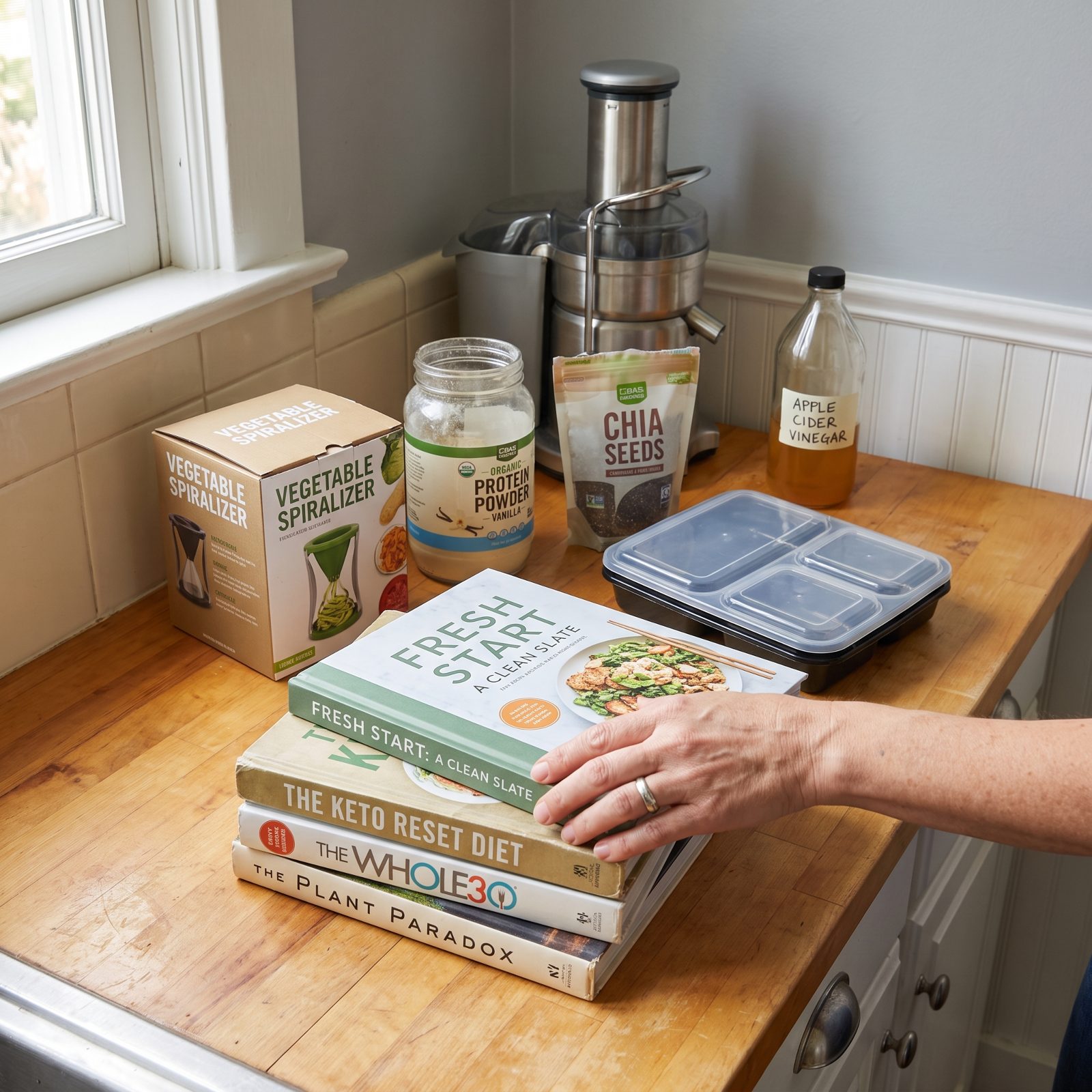
Keto in January. Intermittent fasting by March. Then the Mediterranean thing, then the one where you only eat before sunset, then whatever the podcast you binged last month was selling. Each one lands with the same electric certainty: this is it, this is the one. Six weeks later the spark dies and you’re already eyeing the next.
The culprit is hedonic adaptation. Novelty gives us a dopamine hit, and dopamine fades fast. The diet that thrilled you in week one bores you by week six — not because it failed, but because you got used to it. So you chase the next fresh start to get the feeling back.
It’s the same engine behind the restless midlife reinvention, the new hobby every season, the fresh identity that never quite sticks. We mistake the buzz of beginning for the thing itself.
Honestly? We’ve bought the spiralizer. It’s in a cabinet. The real work was never in the new system. It was in staying put long enough for the novelty to wear off and the habit to take its place.
1. A Vacation Buffet Brings Back Your Former Self

Eleven months of discipline, and then you walk into a resort buffet and the person you used to be strolls right back in like they never left. The grilled-fish-no-bread self dissolves somewhere between the carving station and the cannoli. You tell yourself it’s vacation. Rules don’t travel. And for one glorious week the old appetite drives.
This is a relapse, and it behaves exactly like the midlife slip back into an old pattern you swore you’d outgrown. Change your behavior all you want — the old identity is still in there, dormant, waiting for the right context to wake it up.
Psychologists talk about context-dependent behavior. Habits are glued to settings. Strip away your normal kitchen, your normal routine, your normal triggers, and the new habits lose their anchor while the old ones, learned over decades, come flooding back on muscle memory alone.
The buffet doesn’t prove you failed. It proves the old self never fully leaves, which is worth knowing so you’re not shocked when it shows up at the dessert table. Eat the cannoli. Come home. The new habits are waiting for you in your own kitchen, right where you left them.