Would you like to save this?
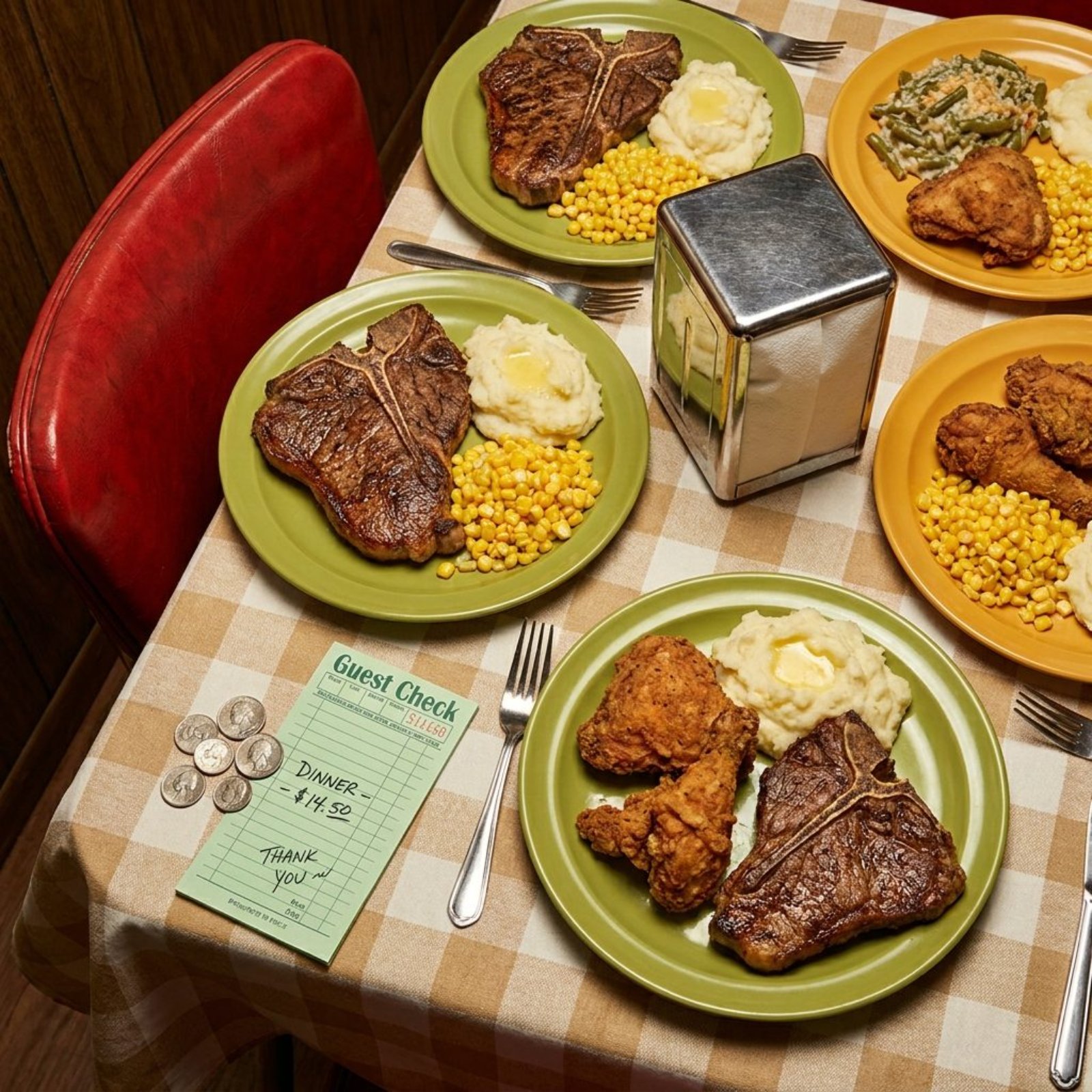
A family of four could walk into a supper club in 1972, order the works, and still have a fair shot at leaving with change from a twenty. Paychecks were smaller too, of course. Depending on the job, a week’s wages might land somewhere around the low hundreds before taxes, while the federal minimum wage was $1.60 an hour. Nothing about dinner out felt free.
That’s what makes the old numbers so strange to look at now. A steak dinner under three dollars. Coffee for fifteen cents. Pie for less than half a dollar. These 29 prices and rituals put the menu back beside the paycheck, where Friday night dinner was both an ordinary American habit and a genuine little splurge.
29. Shrimp Cocktail Appetizer: About 95 Cents in 1972
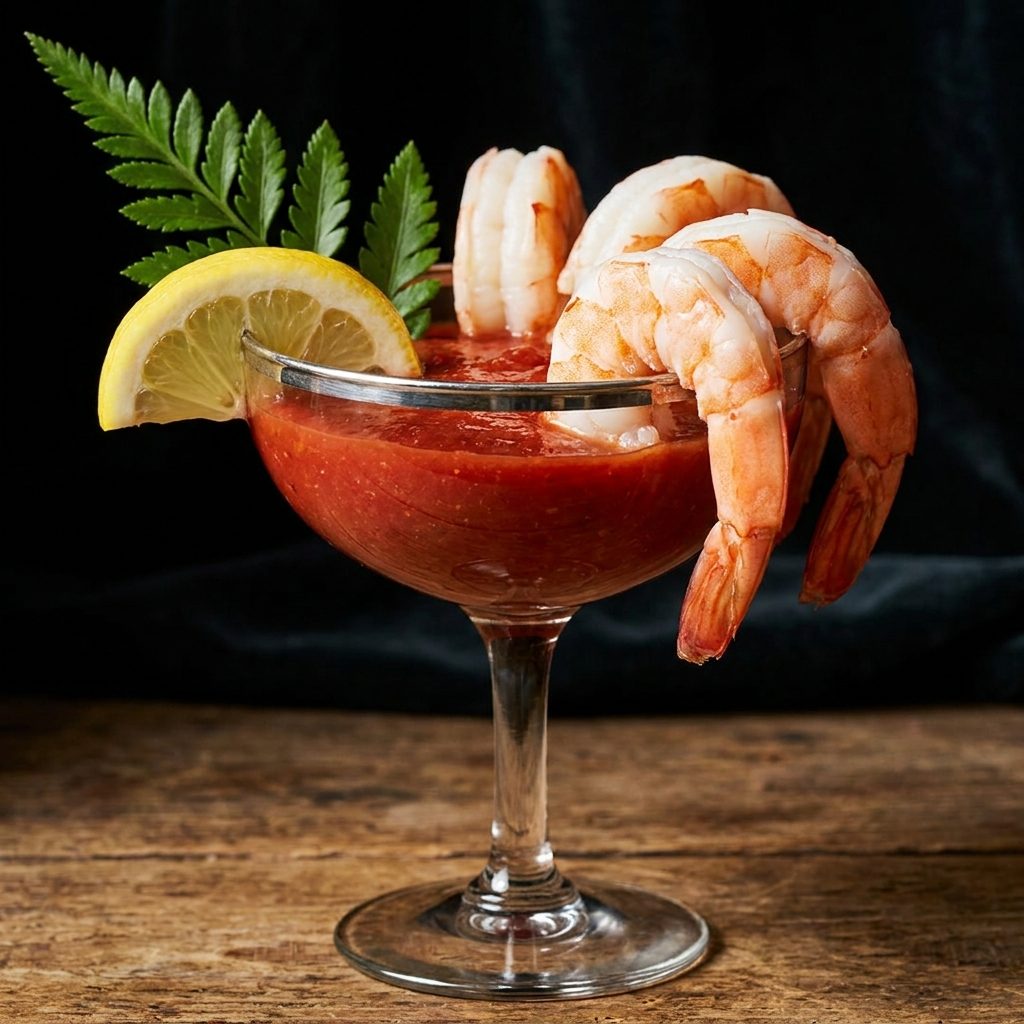
Shrimp cocktail was the fancy opener, and it ran under a dollar. Around ninety-five cents got you several cold shrimp arranged over a glass with red cocktail sauce and a lemon wedge.
Ordering an appetizer at all signaled you were treating yourself, so plenty of families skipped it and went straight to the entrée. But when the anniversary, promotion, or birthday came around, that stemmed glass of shrimp showed up first and nobody complained about the extra buck.
28. Soup of the Day: Roughly 35 Cents a Bowl in 1972
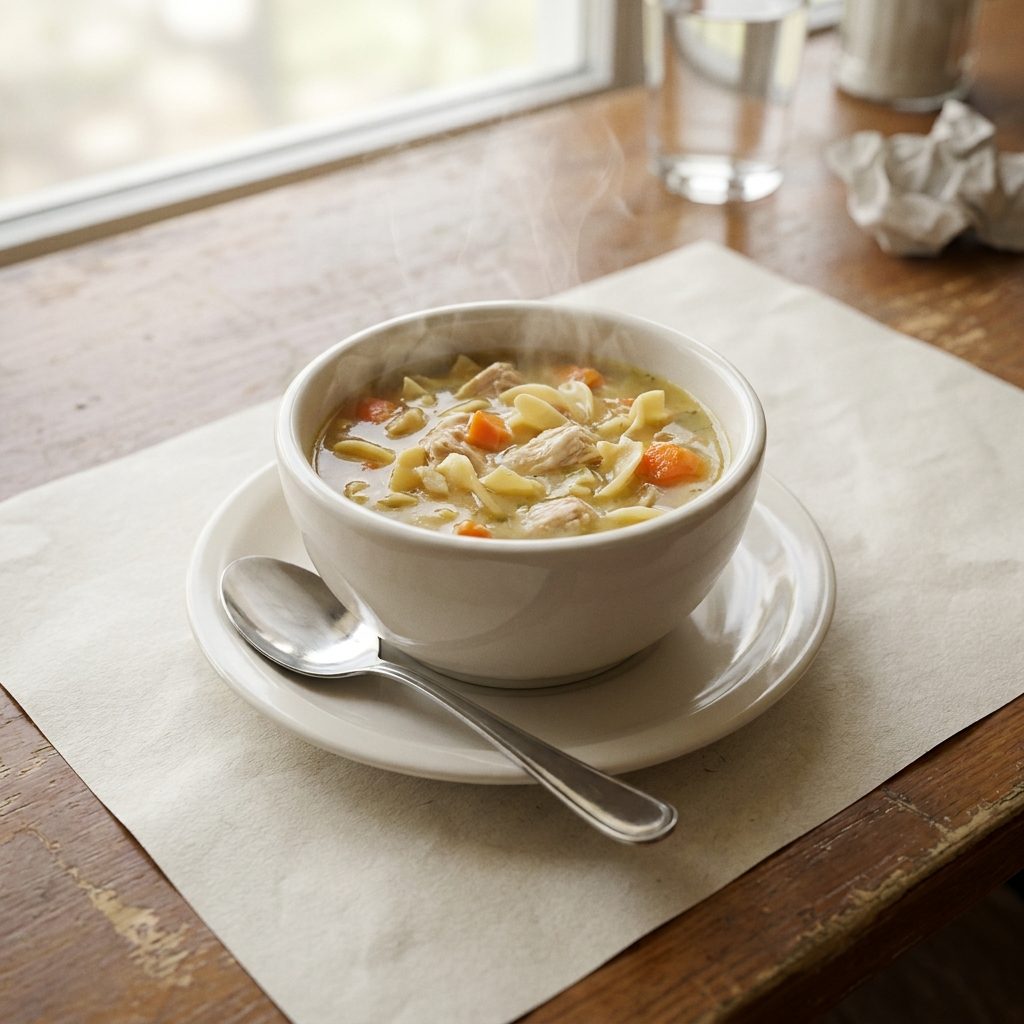
Soup of the day came in around thirty-five cents, and sometimes it was bundled with the dinner anyway. Chicken noodle, split pea, maybe clam chowder at a place with coastal ambitions.
Two paper-wrapped saltines on the saucer, a metal spoon, and steam you could see. For roughly a third of a dollar it was less a course than a warm-up. Nobody arrived for the soup, but nobody minded when it came first.
27. Side Salad: Around 40 Cents in 1972
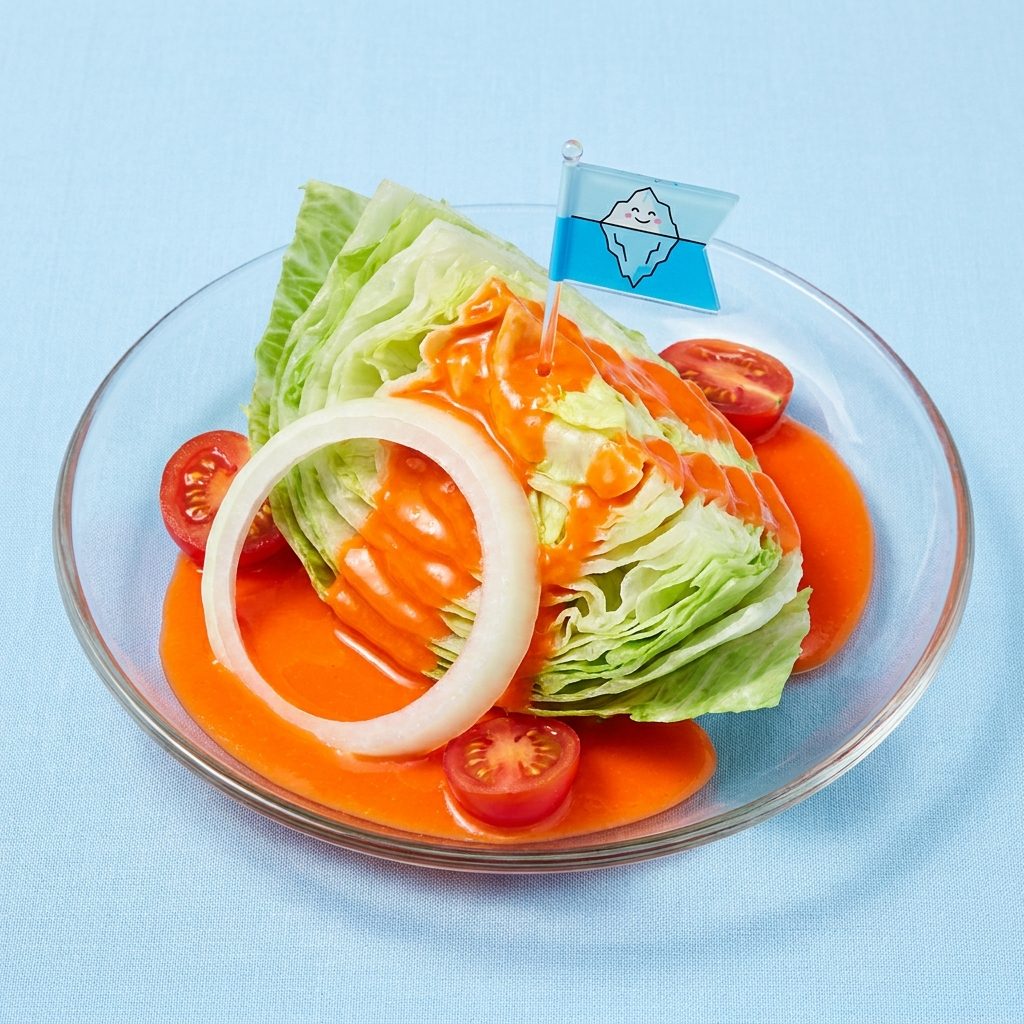
Iceberg, tomato, a ring of raw onion, and a ladle of French dressing the color of a traffic cone. That was the side salad, about forty cents when it wasn’t already bundled with the meal.
No spring mix, arugula, or crumbled goat cheese on the average family-restaurant salad. The greens gave your fork something to do before the real food arrived, and forty cents bought exactly enough ceremony to make it feel like a course.
26. Steak Dinner: About $2.75 in 1972
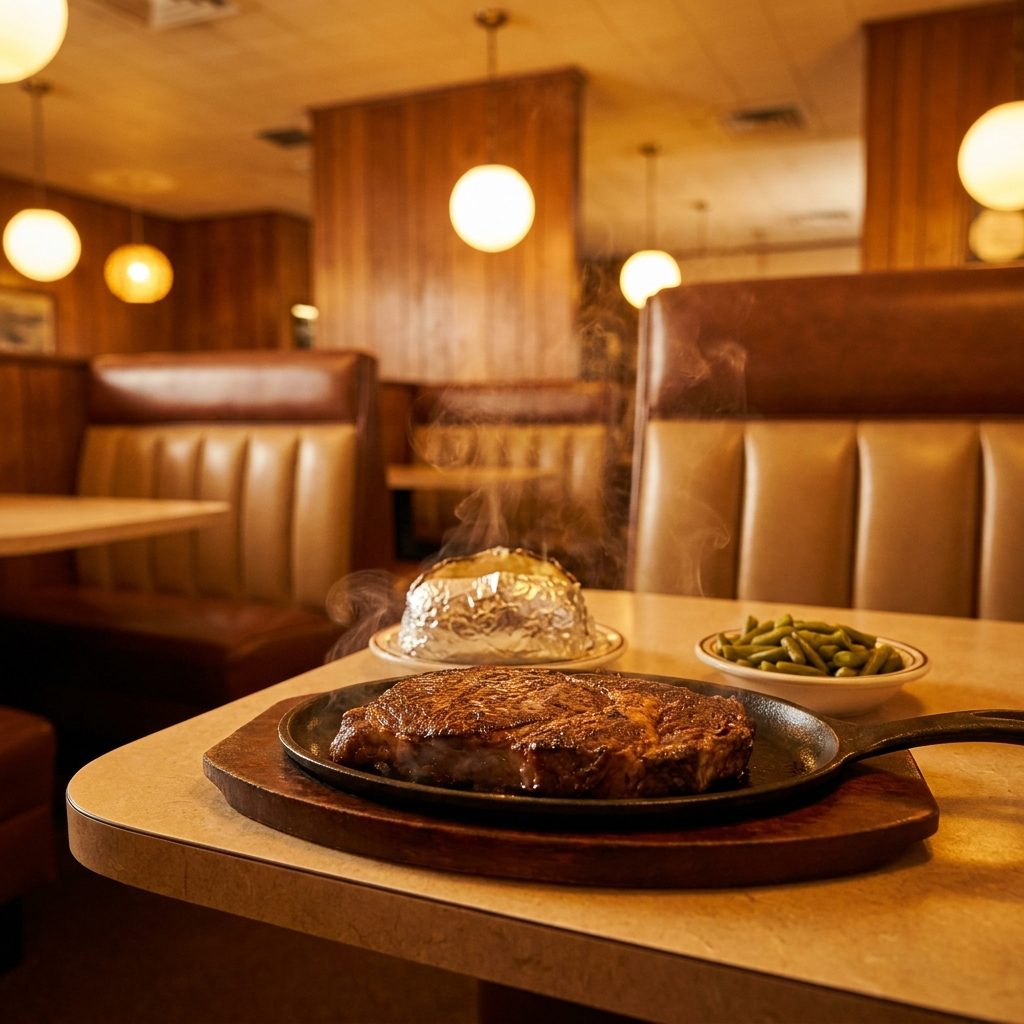
The steak dinner sat near the top of plenty of family-restaurant menus and might run around $2.75. Sirloin, a baked potato in foil, green beans, roll and butter, with a sizzling platter if the place wanted to make an entrance.
At two dollars an hour, $2.75 represented roughly eighty-three minutes of gross pay. That’s the useful part of looking at the old menu beside the old paycheck: the number was tiny, but the decision to order steak could still feel substantial.
25. Fried Chicken Dinner: Roughly $1.85 in 1972
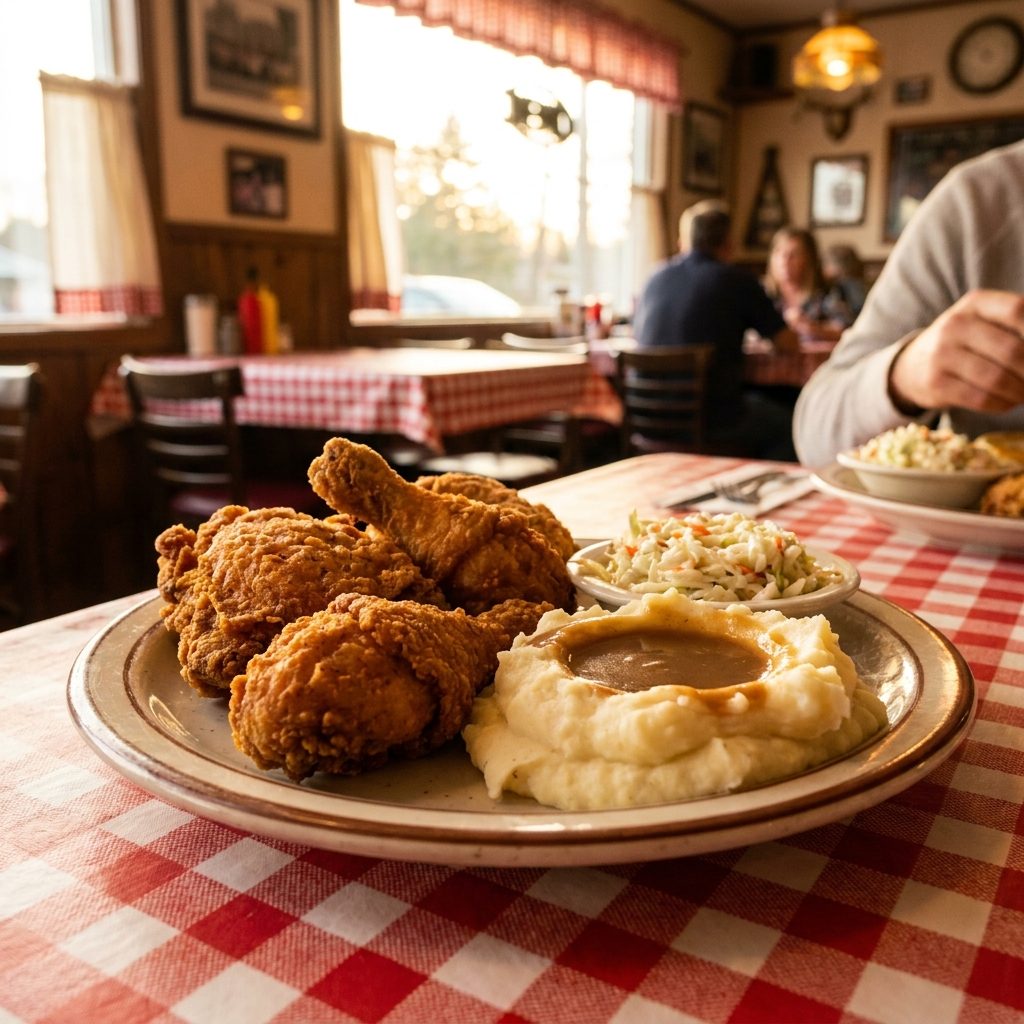
Fried chicken dinner landed near $1.85 and fed you like you’d done something to deserve it. Three pieces, mashed potatoes and gravy, corn, a roll.
Cheaper than steak and built like Sunday dinner, it gave families a way to order a full plate without pushing every entrée toward the top of the menu. Any piece that survived had a decent chance of going home wrapped for later.
Under two dollars, and it came out looking like Sunday supper at somebody’s grandmother’s house.
24. Roast Beef Dinner: About $2.25 in 1972
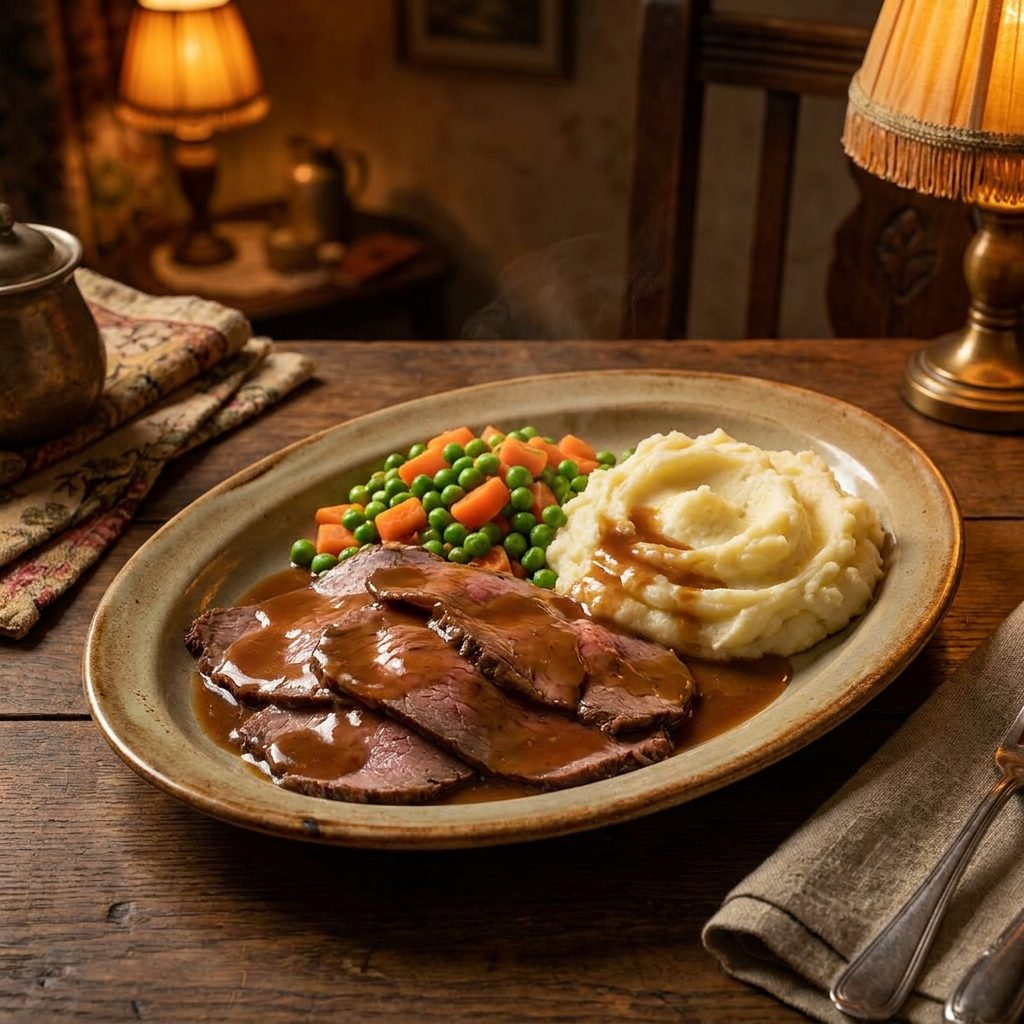
Roast beef sat comfortably between chicken and steak, around $2.25. Thin slices under brown gravy, mashed potatoes, peas and carrots, and a roll to mop up whatever the fork left behind.
This was the middle-of-the-menu answer for someone who wanted a proper dinner without springing for the steak. Reliable, filling, gravy-forward. There are worse strategies for ordering from a 1972 menu.
23. Friday Fish Fry Dinner: Around $1.65 in 1972
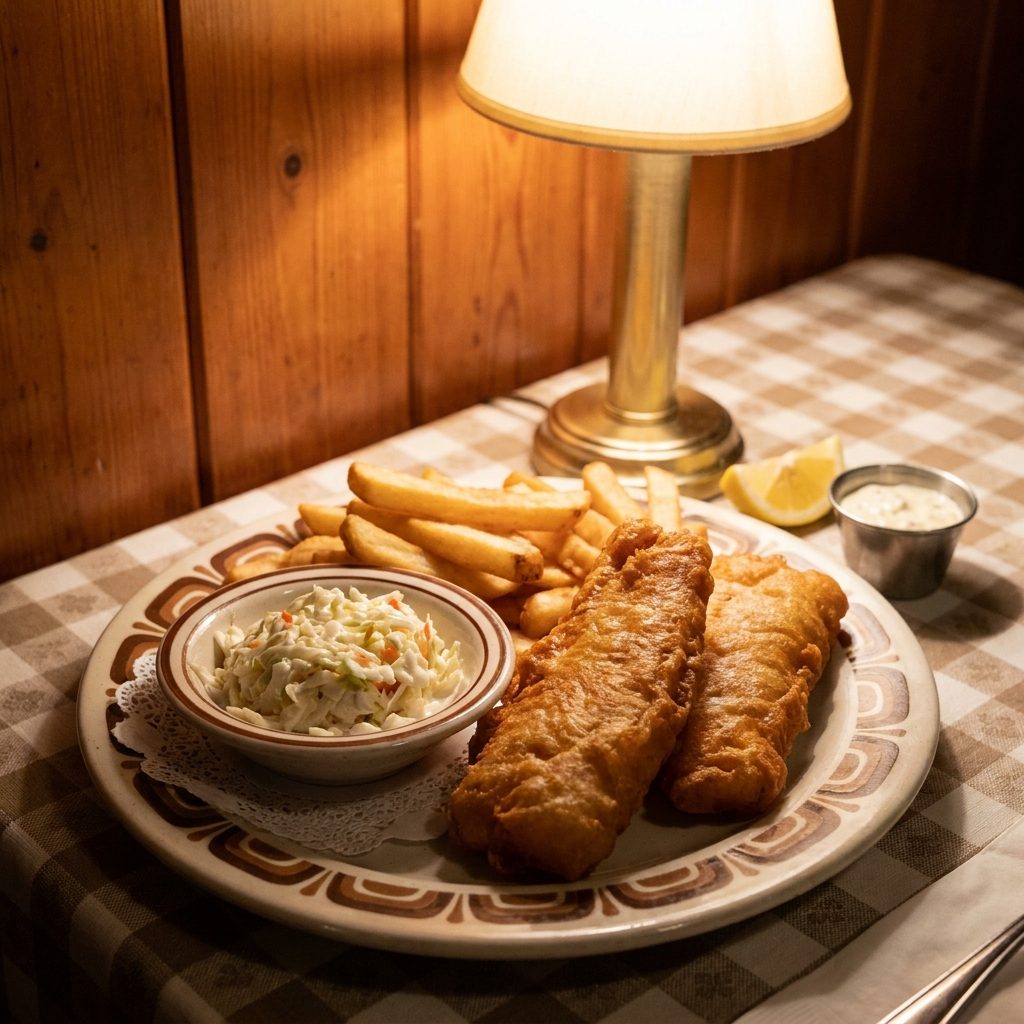
Friday fish fry was already deeply rooted across much of the Midwest, particularly in communities shaped by Catholic Friday traditions. Around $1.65 might bring battered cod or perch, crinkle fries, coleslaw, a lemon wedge, and perhaps rye bread on the side.
The price helped turn eating out into a weekly ritual rather than an occasional production. Corner taverns filled up, fryers ran without much rest, and Friday developed its own menu.
22. Hamburger and Fries: About 85 Cents in 1972
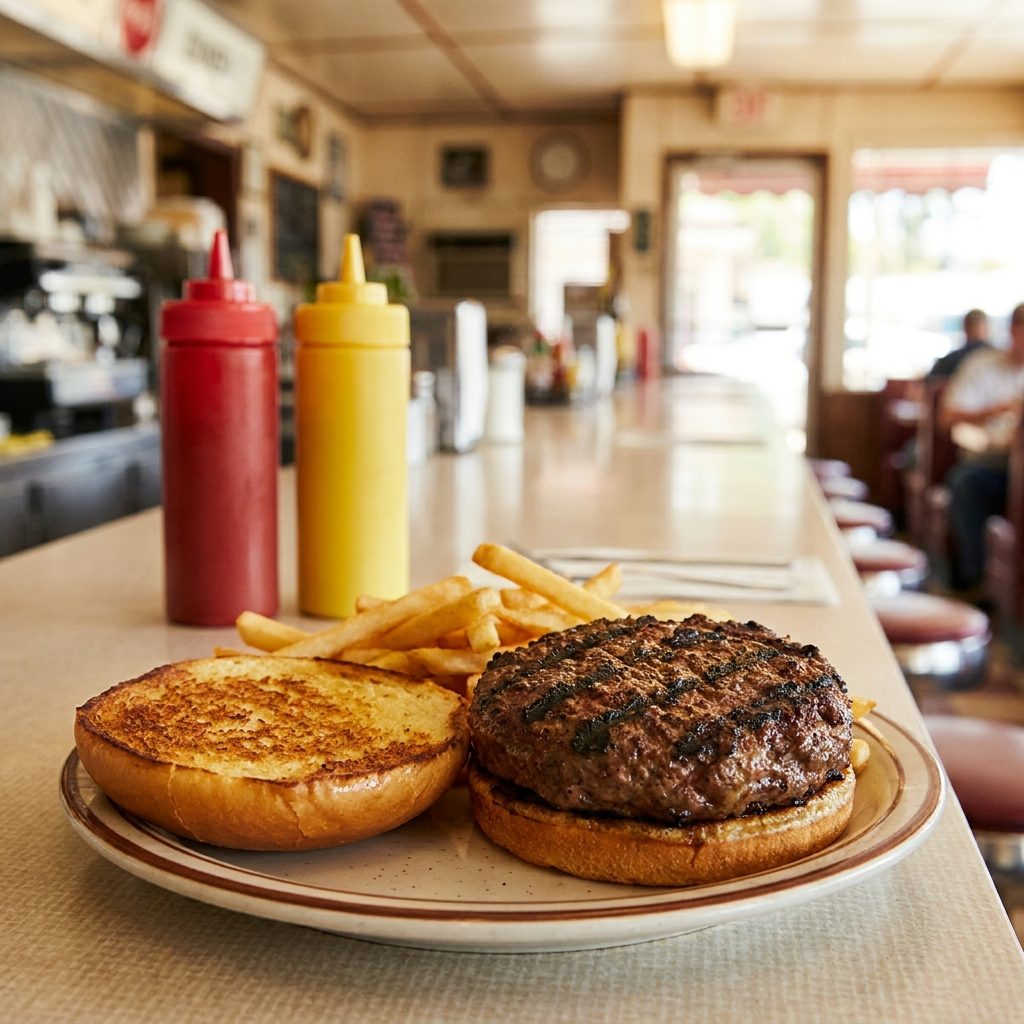
A plain burger-and-fries plate at a sit-down restaurant might land around eighty-five cents. Griddled patty, toasted bun, a heap of fries, and a paper cup of ketchup.
This was the easy order for a teenager or anyone who didn’t want a full dinner. Fast food was cheaper, but a burger arriving on real china with fries and a cold Coke had a little more occasion built into it.
21. Children’s Meal: Around 65 Cents in 1972
Would you like to save this?
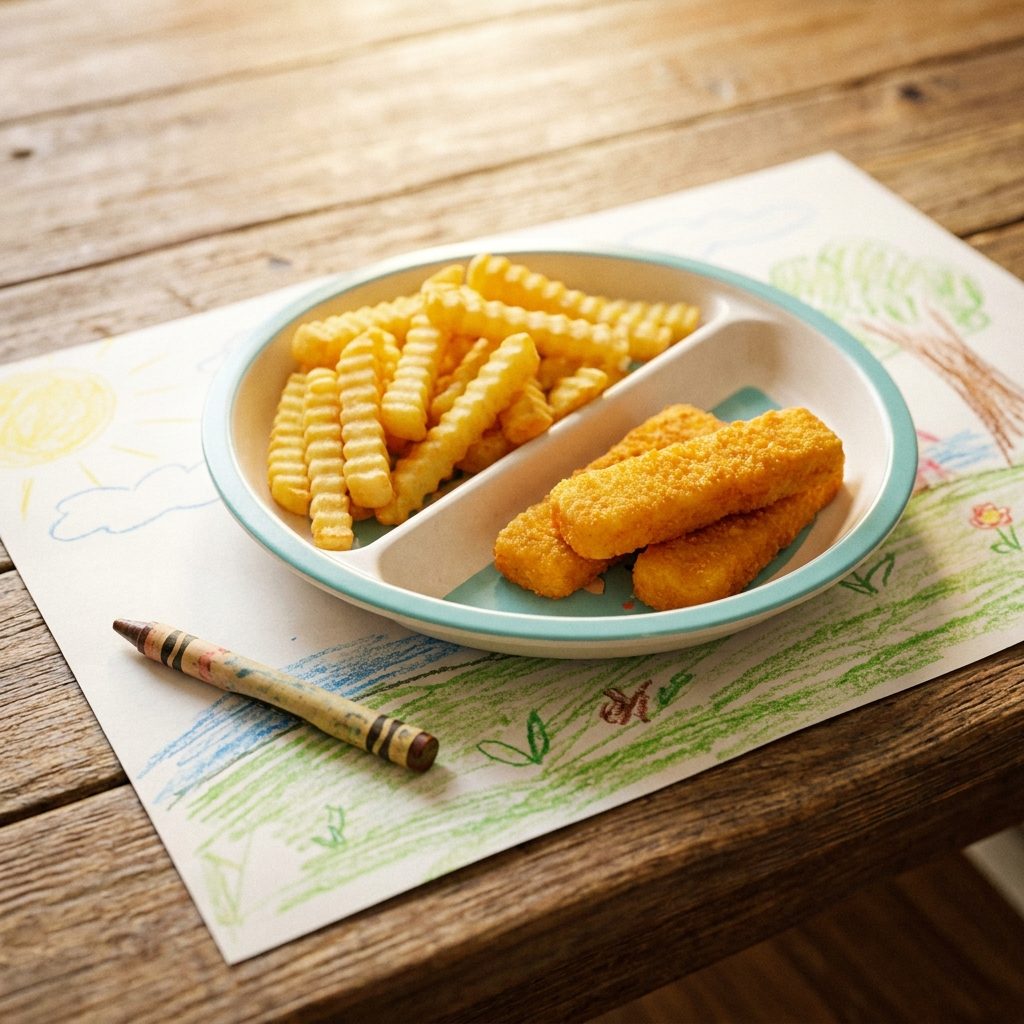
The kids’ plate might come in around sixty-five cents: fish sticks or a small burger with fries, perhaps a dab of applesauce beside it. Add a glass of milk and a paper placemat with a maze and a couple of crayons.
Children’s meals kept their portion of the check relatively modest, which mattered when the whole family was eating out. The numbers look tiny now, but for households watching every dollar, four restaurant plates were still four restaurant plates.
20. Spaghetti Dinner: About $1.35 in 1972
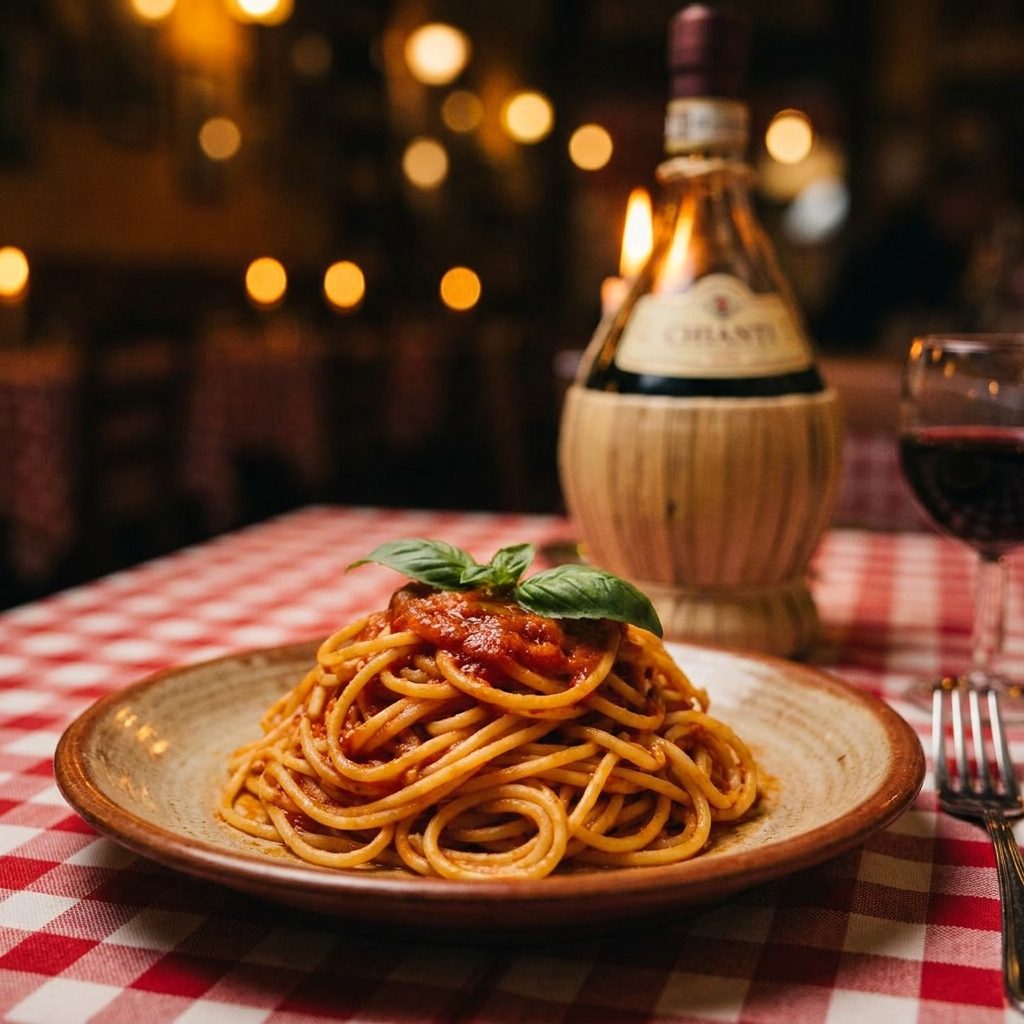
The house spaghetti might run about a dollar thirty-five, sometimes less at the neighborhood Italian-American place with fishnet-covered candle bottles on the tables. A meatball or two could cost extra.
At $3.50 an hour, a $1.35 plate represented a little over twenty-three minutes of gross pay. Pasta also had the advantage of feeding somebody properly without requiring a premium piece of meat.
Red sauce carried plenty of American restaurant dinners through those years because pasta was familiar, filling, and easy to turn into a complete plate.
19. Sandwich Basket: Roughly 85 Cents in 1972
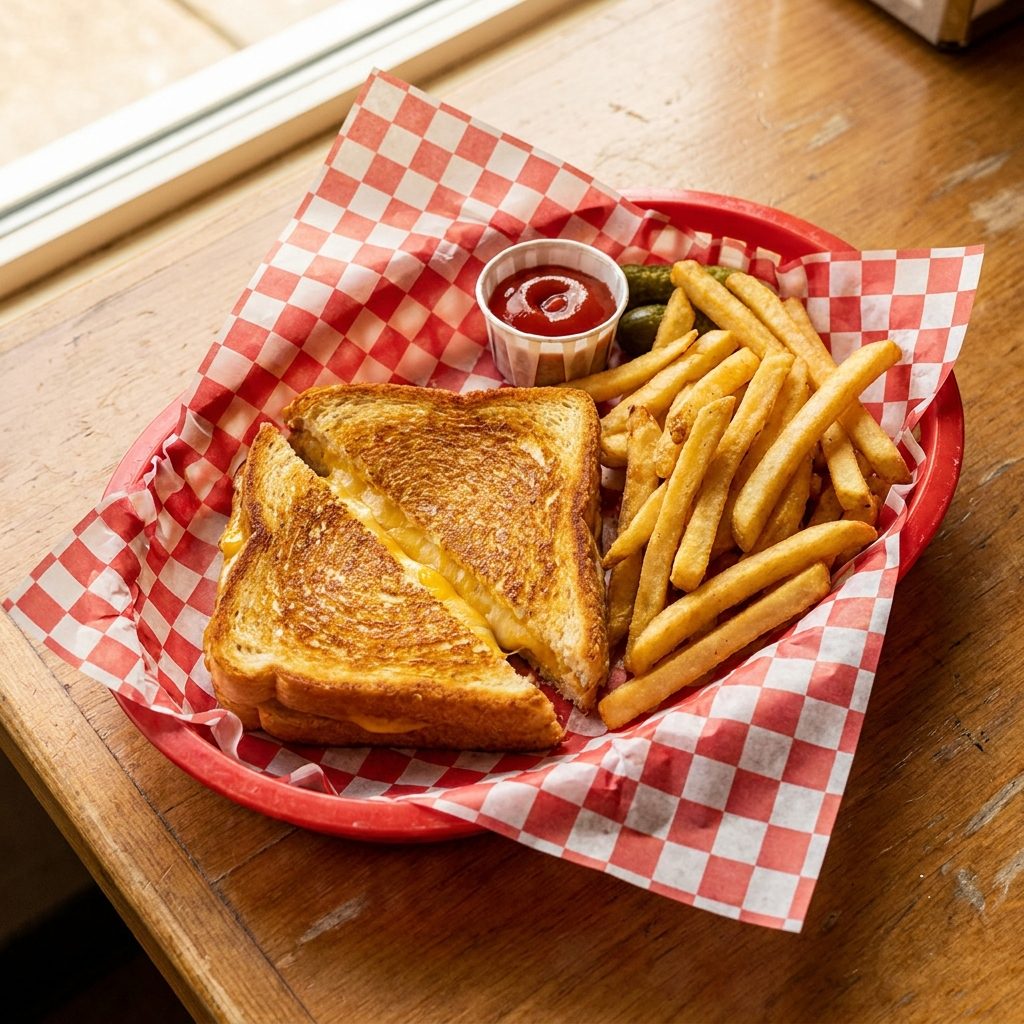
The sandwich basket was the casual option. Grilled cheese, ham, burger, whatever the kitchen could get between bread, riding in a red plastic basket with fries alongside for somewhere around eighty-five cents.
At $3.50 an hour, that came to roughly fifteen minutes of gross pay. The basket itself also suited diners and lunch counters perfectly: less ceremony, straightforward service, and no attempt to disguise the meal as anything grander than lunch.
18. Baked Potato Upgrade: About 40 Cents in 1972
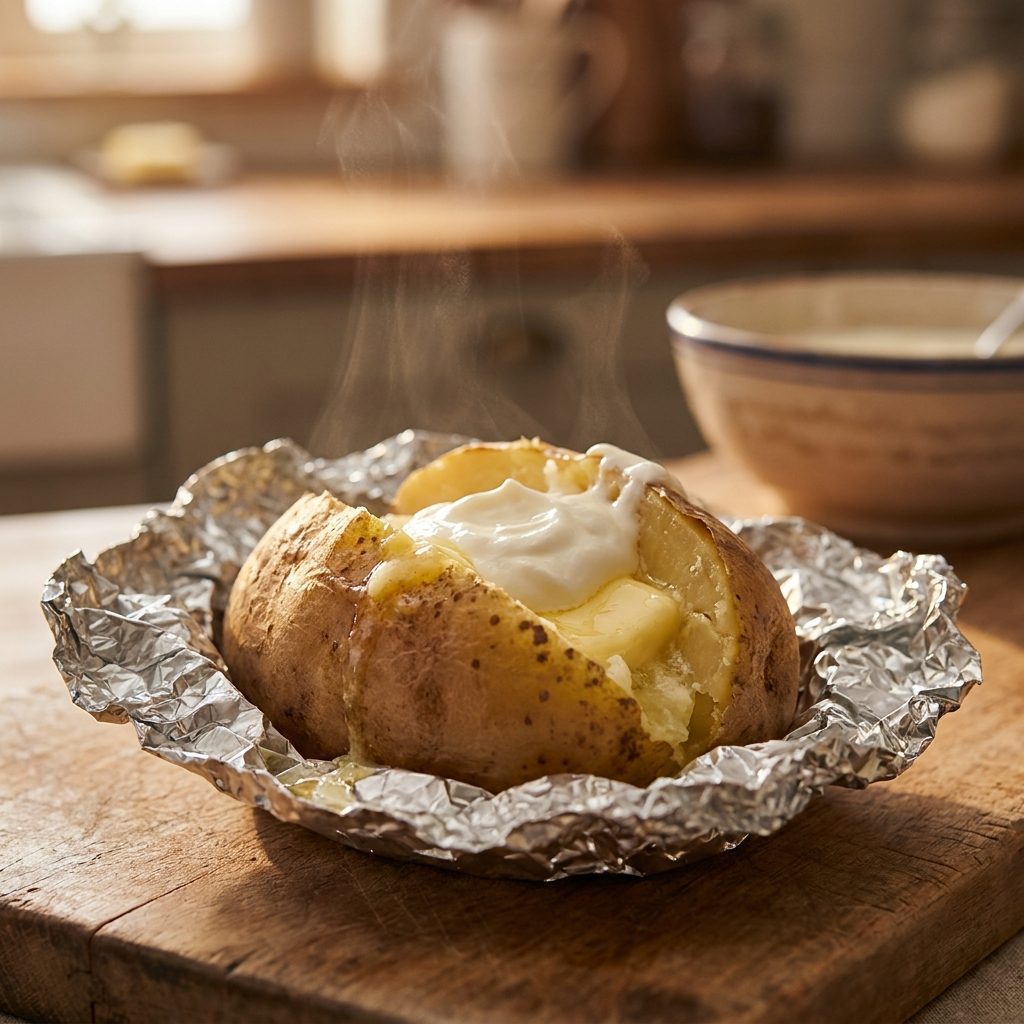
Trading fries for a baked potato might add around forty cents at a sit-down steak-and-spaghetti place. Butter came with the territory. Sour cream and chives supplied the flourish that made a side dish feel like an upgrade.
Small money, but that was the point. A modest addition could make an ordinary dinner feel a notch more celebratory without ordering another course.
17. Side of French Fries: Around 25 Cents in 1972
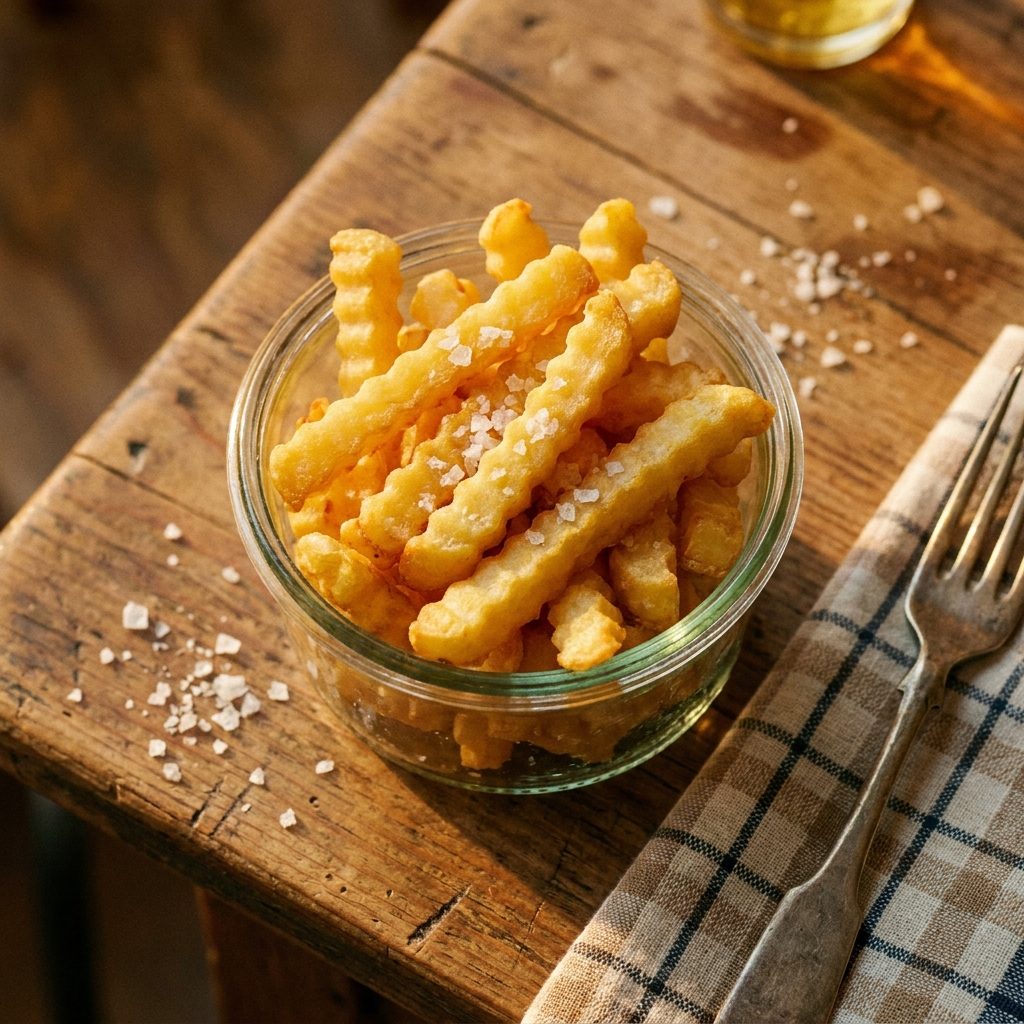
A side of fries might set you back a quarter, perhaps thirty cents at the nicer spot. Crinkle-cut, salted at the fryer, and served hot enough to punish anybody who grabbed the first one too quickly.
A quarter still had heft. It worked in vending machines, arcade games, laundromats, parking meters, and plenty of other small transactions. Seeing an entire side dish attached to the same coin is one of those details that makes an old menu feel genuinely old.
16. Dinner Roll Basket: Usually Free (or a Dime) in 1972
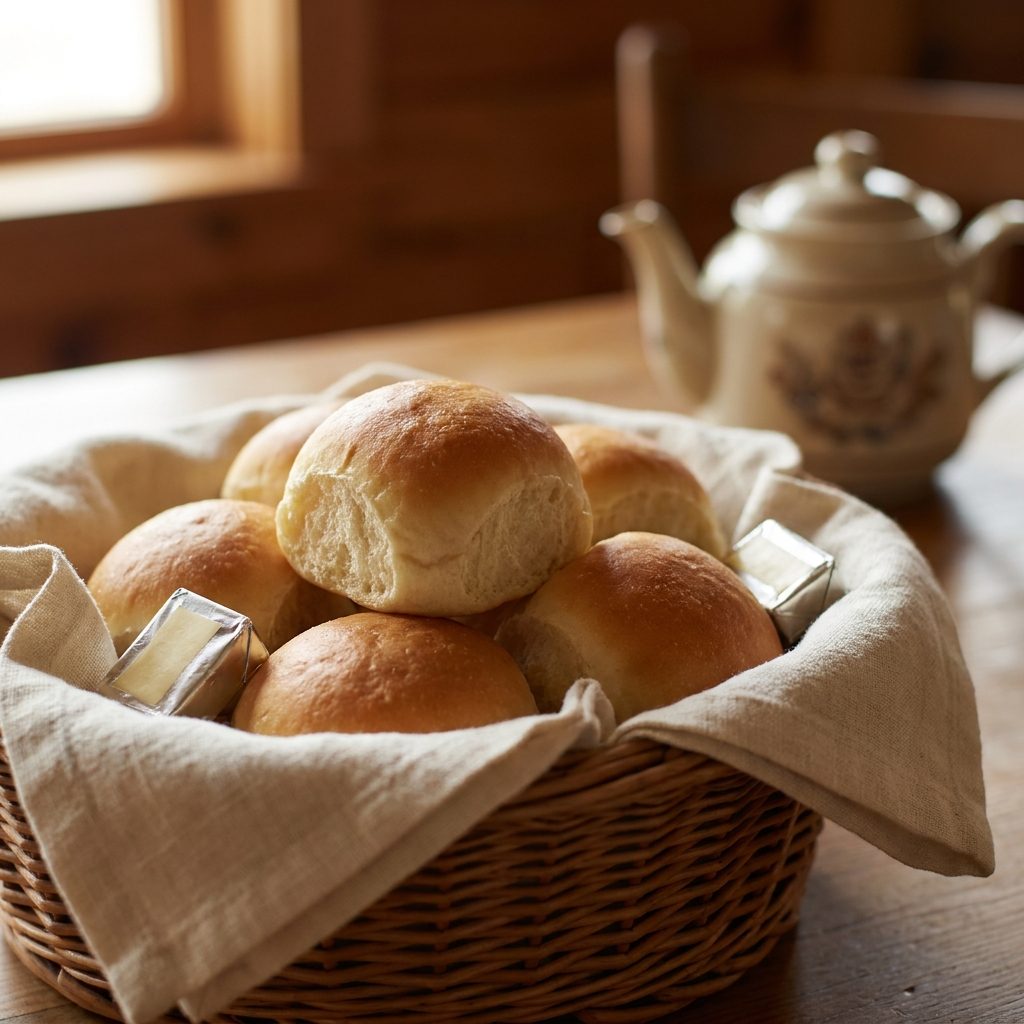
The roll basket was often the freebie, arriving before the main course with foil-wrapped butter tucked among the bread. Ask nicely and another basket might follow.
Some restaurants charged a token amount. Plenty treated bread as inexpensive hospitality, something to occupy the table while the kitchen worked and make dinner feel abundant before the entrée ever arrived.
A genuinely good warm roll before dinner remains difficult to argue with.
15. Coffee: About 15 Cents a Cup in 1972
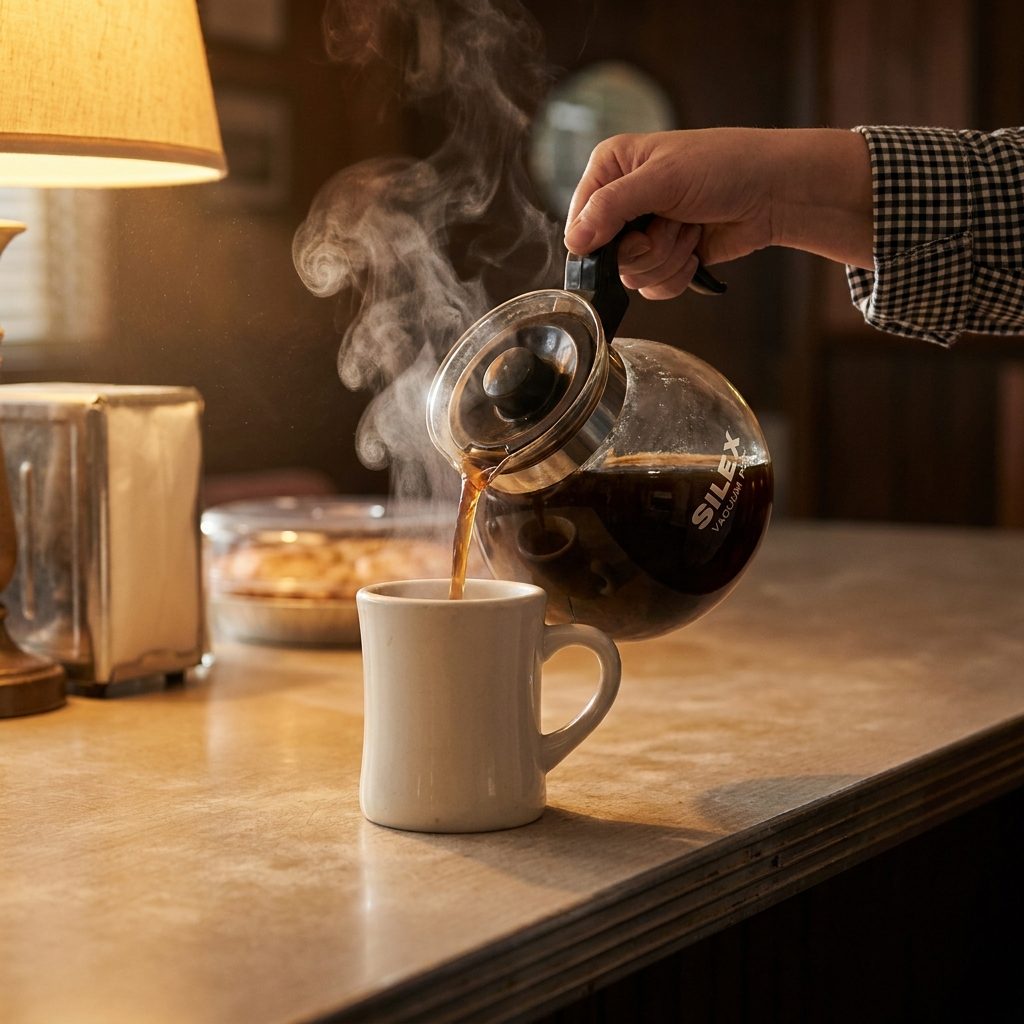
Fifteen cents bought a cup of coffee, and refills were often part of the deal. The server moved through the room with the pot, topping off white cups before anybody had much reason to ask.
At $3.50 an hour, fifteen cents represented a little over two and a half minutes of gross pay.
The bottomless refill was its own quiet arrangement. You occupied the stool, the pot kept moving, and nobody counted cups.
14. Iced Tea: Roughly 20 Cents in 1972
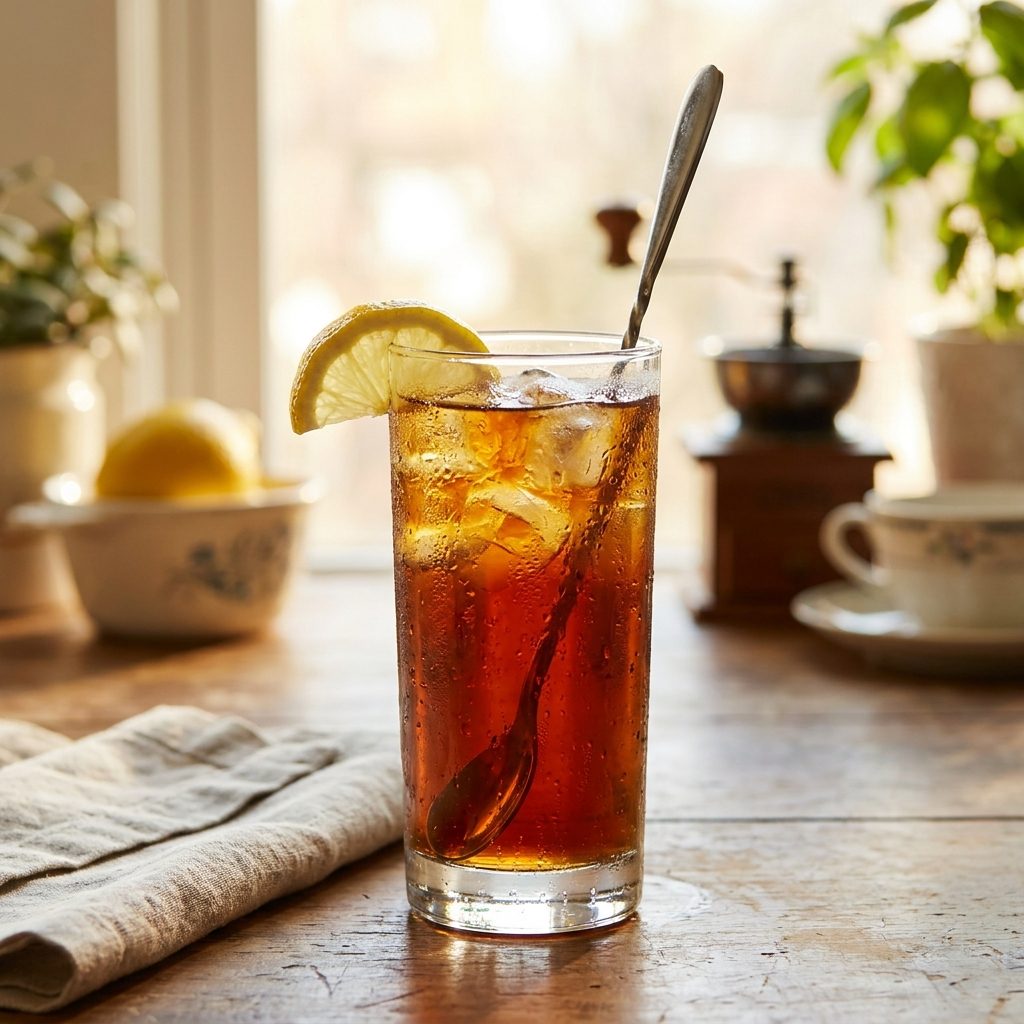
Iced tea landed around twenty cents, served in a tall glass with a lemon wedge and a long spoon for the sugar you’d stir in yourself. Refills were sometimes included.
It was the summer drink and the thrifty drink at once: simple to make in quantity, cold enough to justify another glass, and considerably less theatrical than a sundae or shake.
13. Fountain Soft Drink: About 15 to 20 Cents in 1972
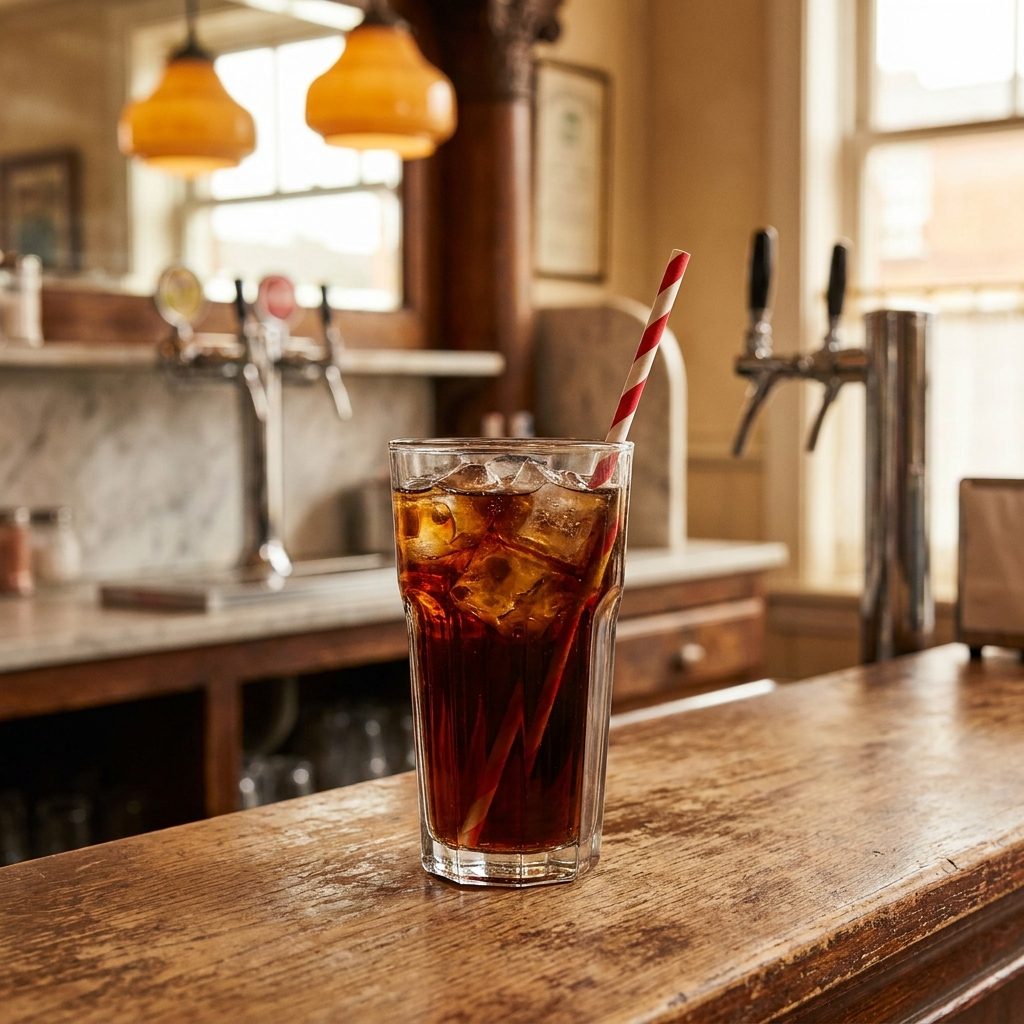
A fountain Coke might run fifteen to twenty cents, poured over ice in a fluted glass with a paper straw that softened if you took too long. Syrup, carbonated water, ice: an uncomplicated drink with very little food cost behind it.
Kids still campaigned hard for one. On a menu built around practical dinners, soda was close enough to dessert to count as a treat.
12. Glass of Milk: Around 15 Cents in 1972
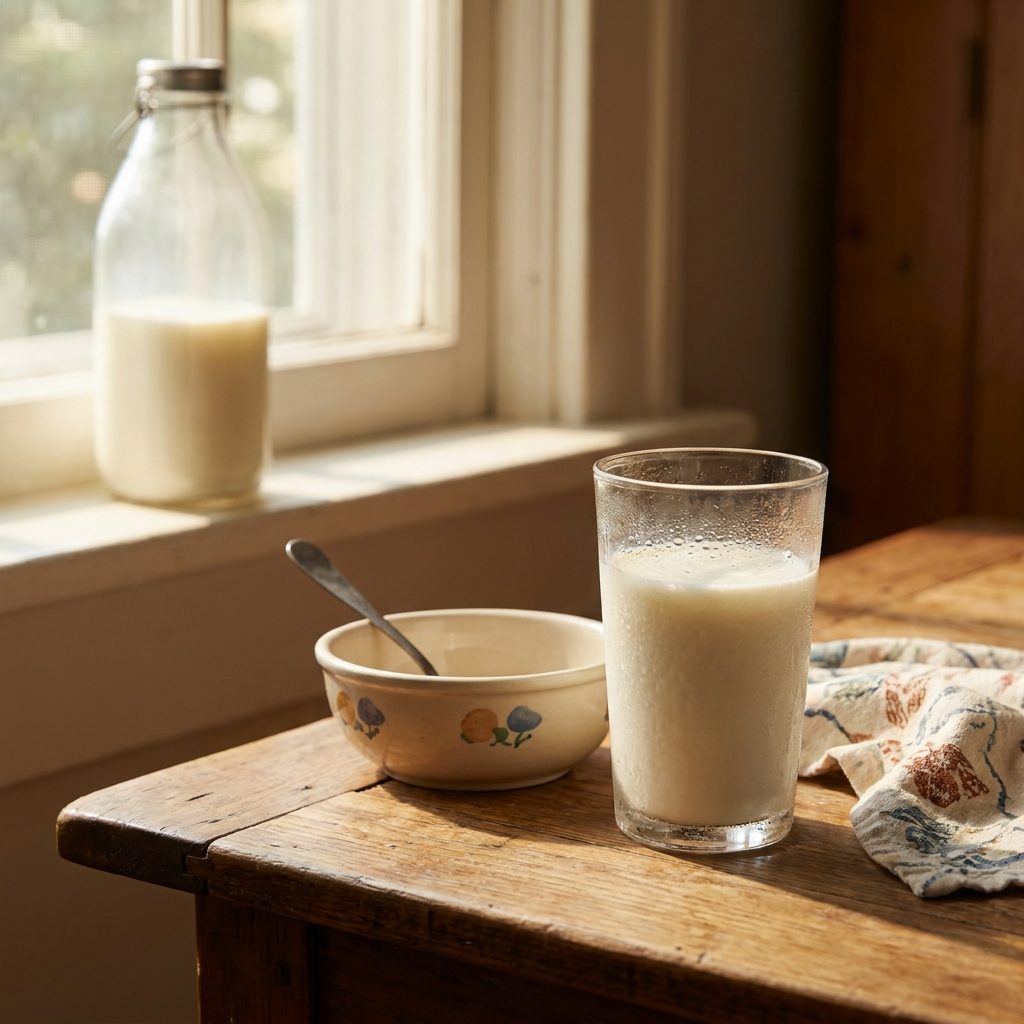
The kids’ default drink might cost around fifteen cents, poured cold into a short restaurant glass and set down without much ceremony.
Milk was the sensible order: familiar, filling, and unlikely to start an argument with the parents footing the bill. A dime and a nickel bought one less negotiation at the table.
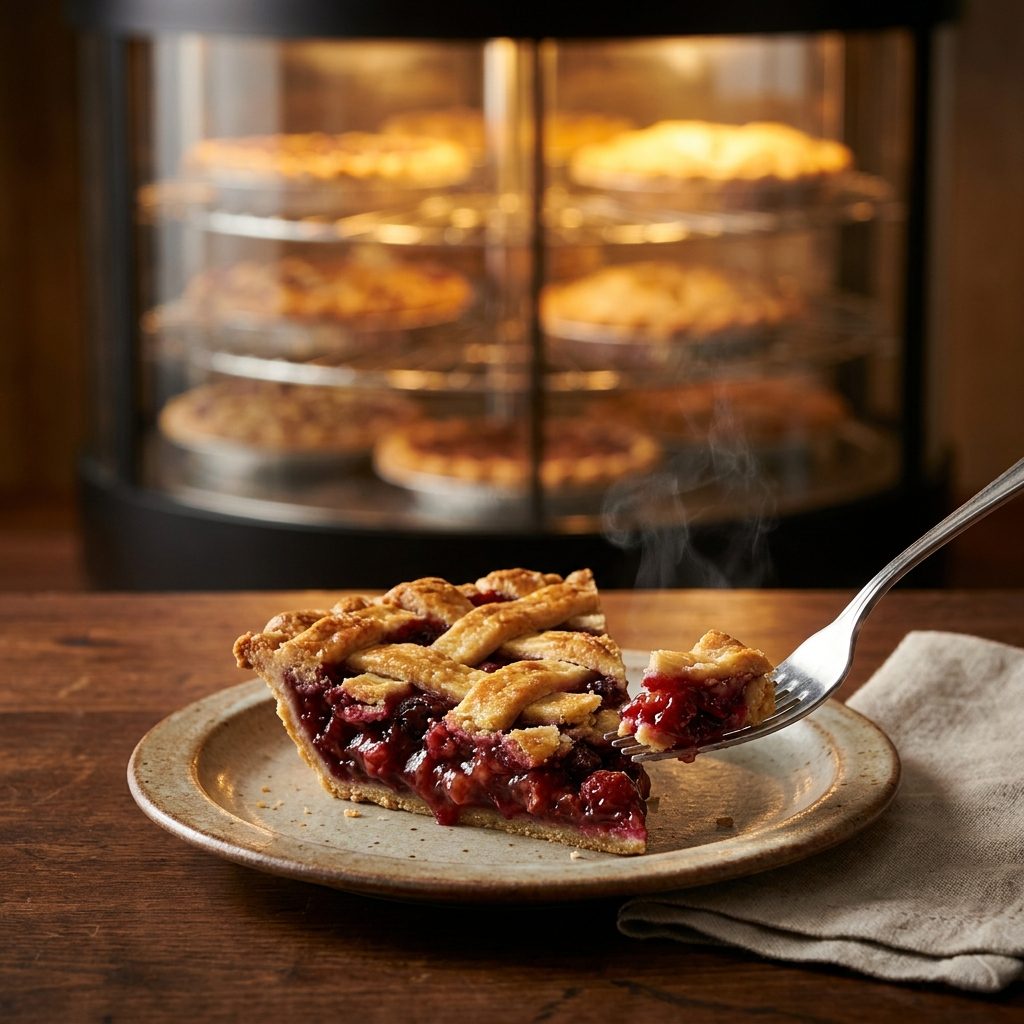
11. Slice of Homemade Pie: About 35 Cents in 1972
Would you like to save this?
Dessert might close the night at about thirty-five cents a slice, cut from a pie the restaurant advertised as homemade and sometimes genuinely made in-house. À la mode cost a little more for the scoop of vanilla.
Cherry, apple, lemon meringue turning under the glass dome by the register, sitting there where everybody had to walk past it. That case could sell dessert without saying a word.
Pie was the last cheap chance to turn an ordinary dinner into an occasion. Split one slice four ways and everybody still got the part of the evening they’d remember.
10. The Ice Cream Sundae: Roughly 45 Cents in 1972
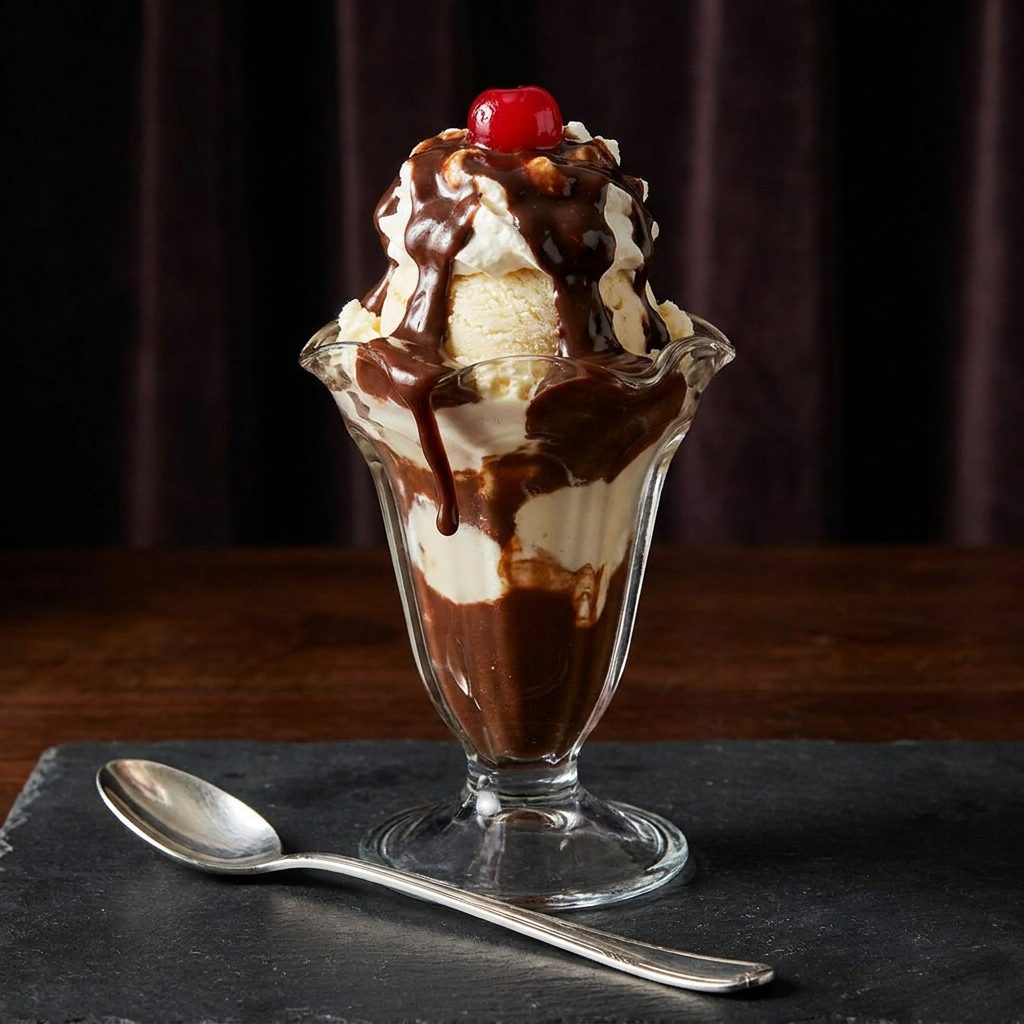
A hot fudge sundae ran about 45 cents in 1972. That was the dessert you ordered while the grown-ups had coffee and nobody was quite ready to call the night over.
Against the $1.60 federal minimum wage, forty-five cents represented just under seventeen minutes of gross pay. Cheap enough to feel possible, expensive enough that ordering one for every child could still become a discussion.
Restaurants had another reason to like sundaes: the components were straightforward, assembly was quick, and the finished glass looked considerably more extravagant than the ingredients suggested.
9. The Whole Family Dinner Bill: Around $12 to $18 for Four in 1972
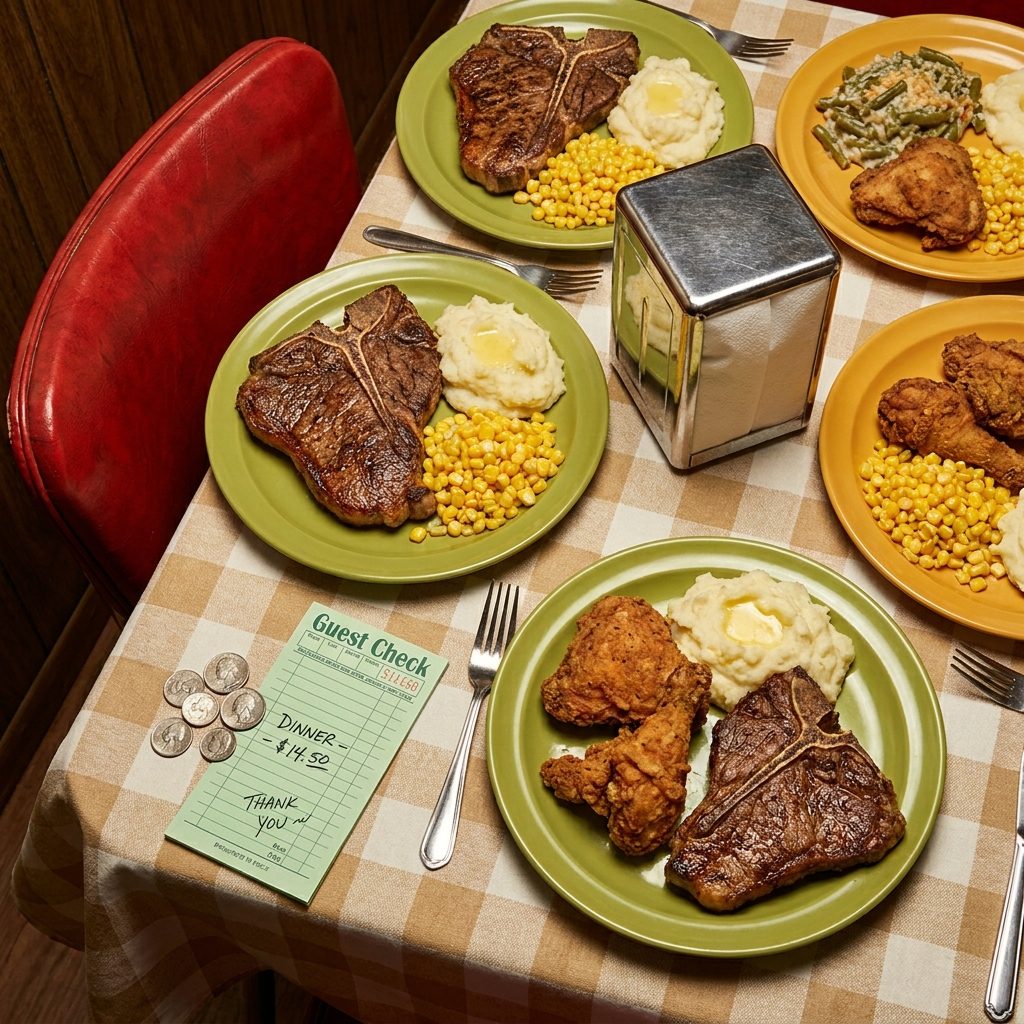
A representative full sit-down dinner for four might land somewhere around $12 to $18 in 1972 once entrées, drinks, perhaps dessert, and a tip entered the picture. The exact total depended enormously on the restaurant and what everybody ordered.
That still wasn’t pocket change. At two dollars an hour, a $15 dinner represented seven and a half hours of gross wages. Cheap-looking menu prices came attached to much thinner paychecks.
8. A Slice of Cheesecake for About 40 Cents
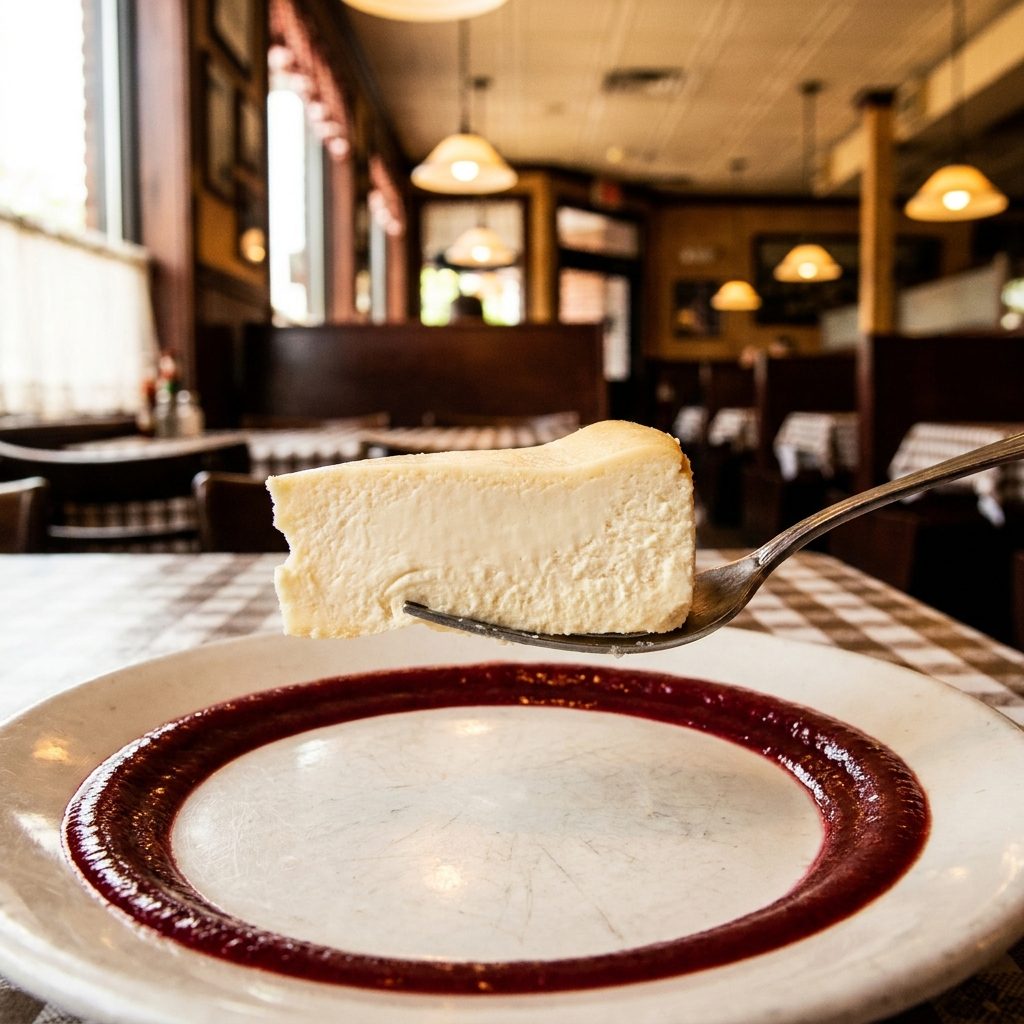
Cheesecake landed around 40 cents a slice, and in a red-sauce restaurant it often came out cold, dense, and substantial enough that one slice could easily go around.
Forty cents wasn’t nothing to a working family. Four separate desserts added $1.60 to the check—the entire federal minimum hourly wage in 1972. Dessert was a decision rather than something automatically attached to every meal.
7. The Banana Split: Around 60 Cents and Big Enough to Share
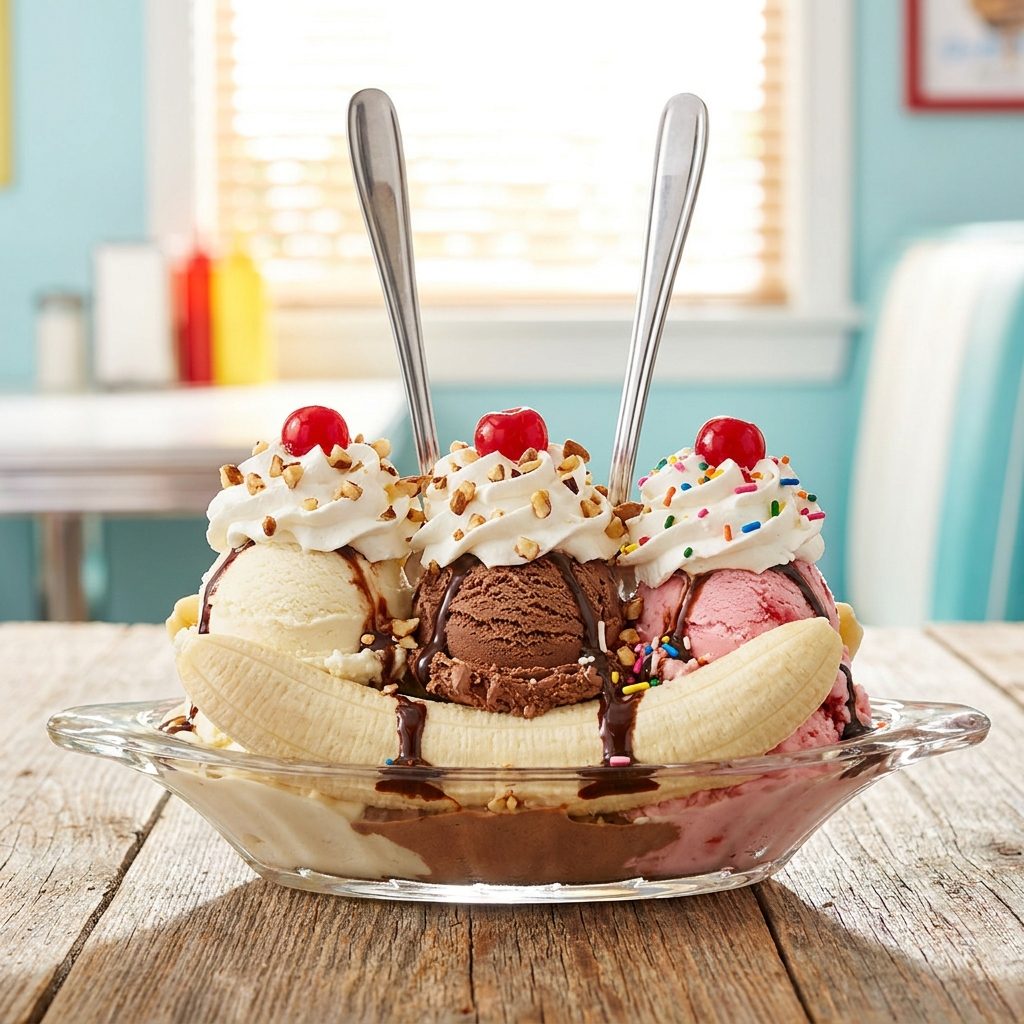
The banana split topped the dessert menu at roughly 60 cents, and it came with enough hardware that asking for a second spoon seemed prudent rather than cheap.
Sixty cents bought a lot of theater: multiple scoops, flavored toppings, a whole banana, whipped cream, and the cherry nobody was willing to surrender. At $1.60 an hour, the federal minimum wage put that sixty-cent dessert at twenty-two and a half minutes of gross pay.
Soda fountains had been serving banana splits since the early 20th century. By 1972 the dessert was old-fashioned enough to be familiar and spectacular enough that children still watched for it coming across the room.
6. The Standard Tip: 15 Percent Was a Familiar Benchmark
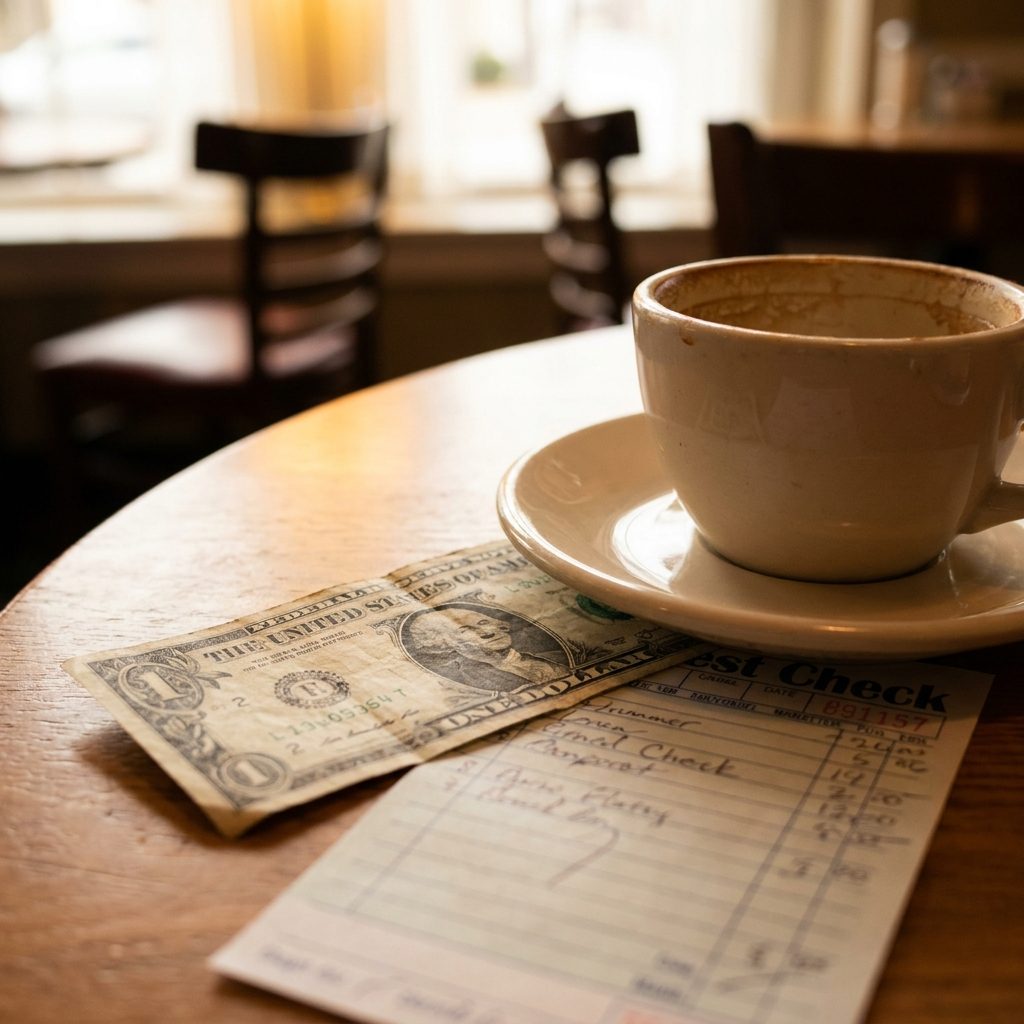
Fifteen percent was a familiar tipping benchmark in 1972. On a $10 pre-tip check, that meant $1.50. On $15, it meant $2.25.
The bills were smaller because the checks were smaller, but the money still mattered to the person serving the table. A couple of dollars left behind could represent a meaningful piece of a shift when hourly wages were low.
That’s the trap in looking at the old numbers without context. The tip looks tiny. So did the paycheck.
5. Taking Home the Leftovers: Foil, a Paper Bag, and Maybe a Box
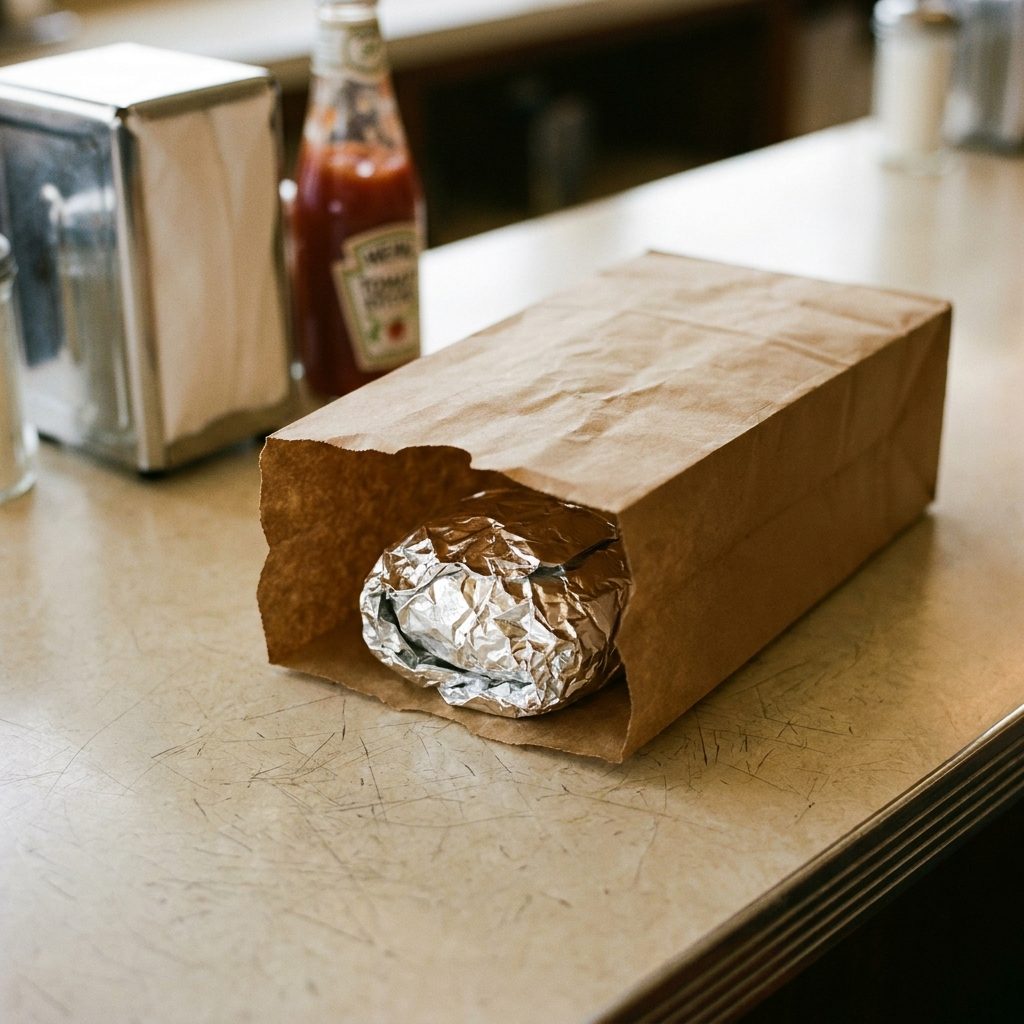
Foil and paper bags were still familiar ways to send restaurant leftovers home in 1972, well before disposable foam clamshells became as ubiquitous as they would later.
A server might fold foil around the remains of dinner or disappear into the kitchen and return with a small package tucked into a brown bag. Pizza, fried chicken, and half a sandwich all had a second life waiting at home.
The phrase “doggie bag” had already been around for years. Whether the dog ever saw any of it was another matter.
4. Waiting for a Table: Free, Loud, and Part of the Fun
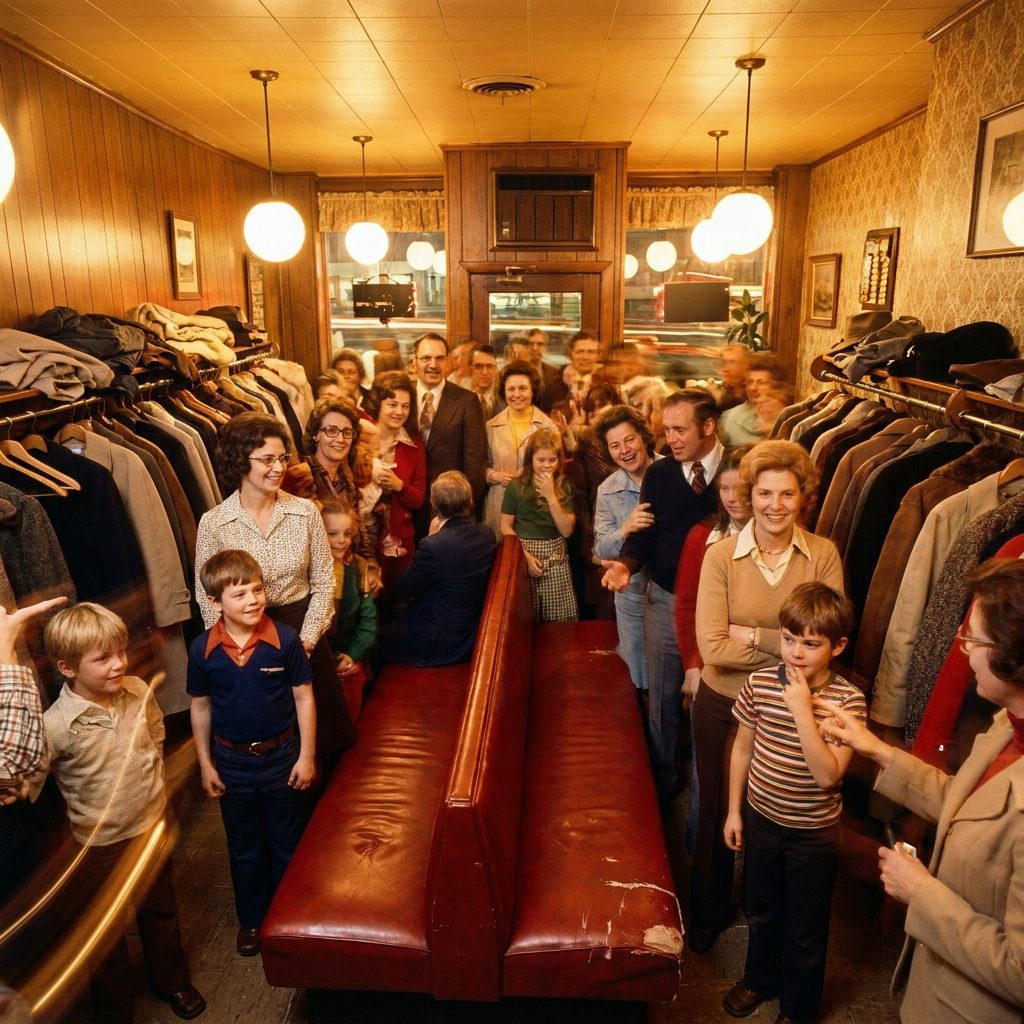
The wait cost nothing but time, and on a busy Friday night it could mean standing three-deep near the entrance while tables slowly turned over.
No phone text telling you your table was ready. No app showing your place in line. You gave a name to the hostess, stayed within shouting distance, and occupied yourself near the gumball machine, coat rack, or mint display while adults talked to whoever happened to be standing beside them.
By the time somebody finally called the family name, everyone was ready to sit down.
3. The Cash Register and the Handwritten Receipt: The Total Rang Out Loud
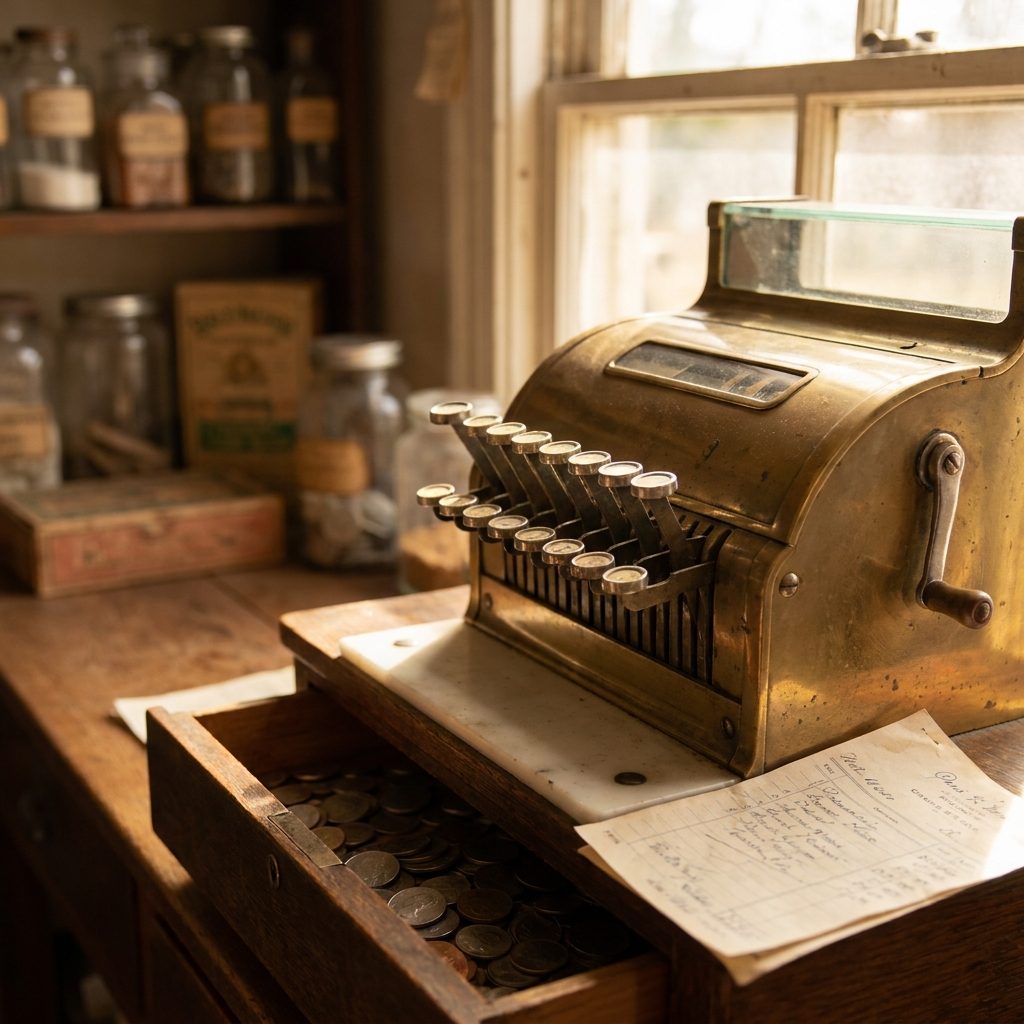
The register didn’t necessarily beep. Plenty still rang—a mechanical machine on the counter that opened with a metallic chime and displayed the total mechanically rather than on a glowing screen.
The guest check might be the same handwritten slip the server had carried around during the meal, each item recorded in quick pencil or pen and totaled by hand. No thermal-paper footer. No QR code. No survey invitation promising entry into a sweepstakes.
You paid, collected the change, and headed for the door.
2. The Ashtray Was Already on the Table: Non-Smoking Sections Were Far From the Norm
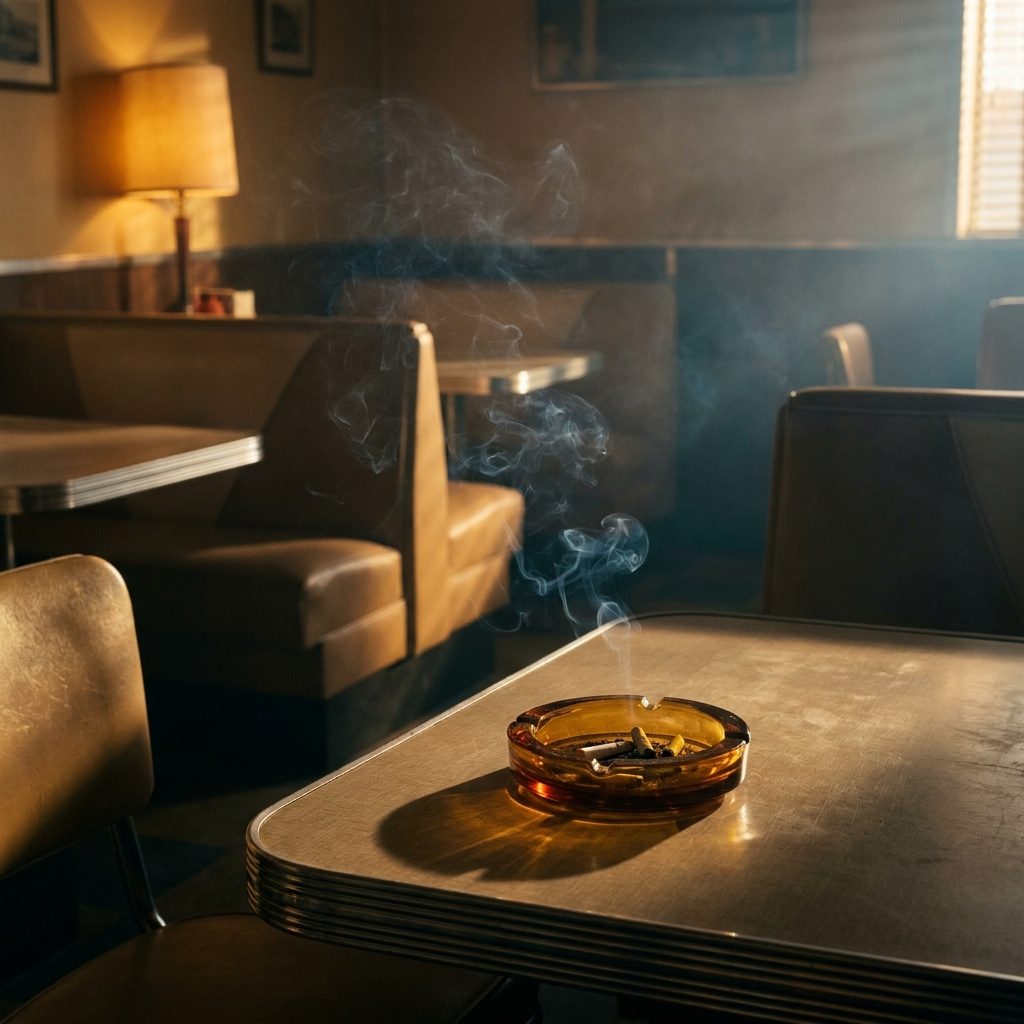
In 1972, a restaurant ashtray beside the sugar caddy was entirely ordinary. Smoking restrictions were still limited, and the familiar question about smoking or non-smoking seating had not yet become standard across American restaurants.
Adults could light up between courses while children finished spaghetti a few feet away. Cigarettes might cost around 40 to 45 cents a pack, and the smell of smoke mixed with coffee, fryer oil, perfume, and whatever was coming out of the kitchen.
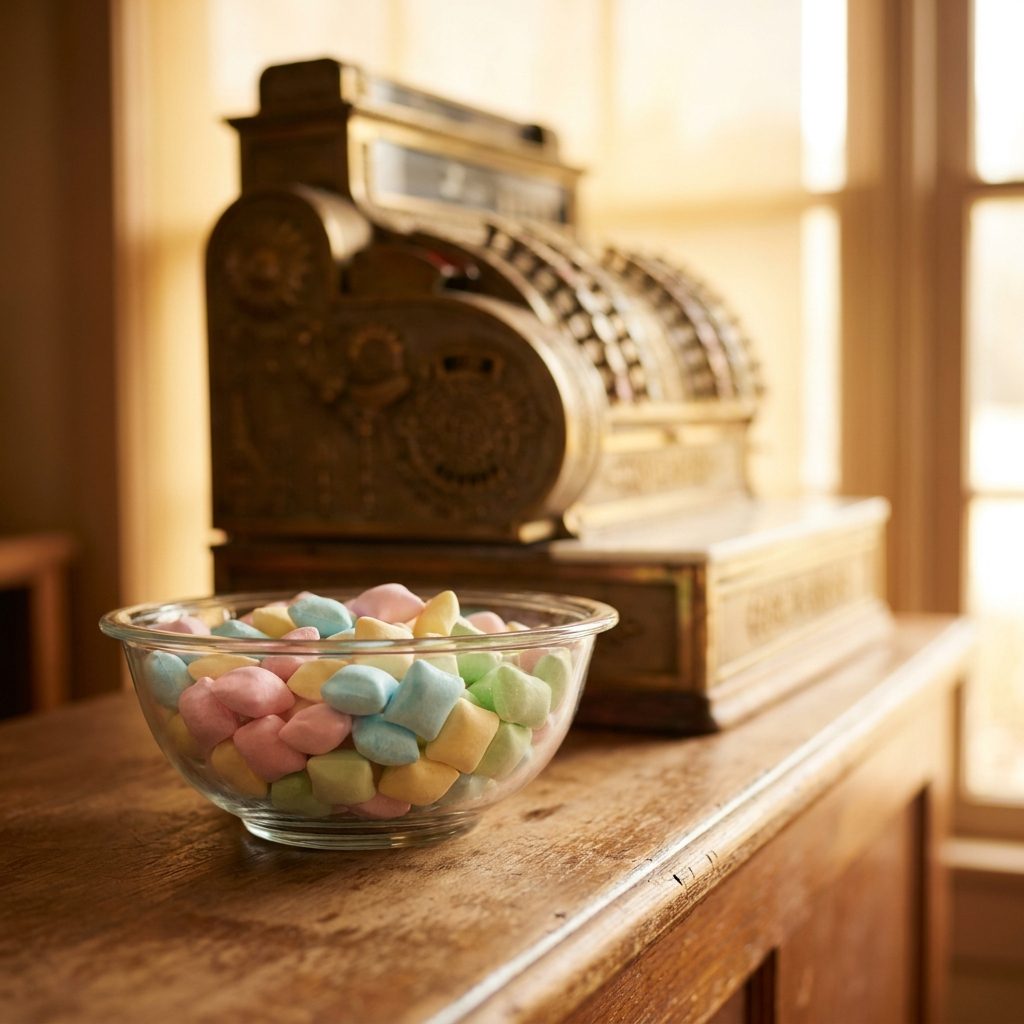
1. The Bowl of Pastel Mints Nobody Actually Paid For
Would you like to save this?
Every family meal seemed to end in roughly the same place. Near the register, right around a kid’s eye level, sat the bowl of pastel mints—pink, green, yellow, white, chalky, maybe a little stale, and irresistible anyway.
They were free, and grabbing one or two on the way out felt like part of settling the bill. Nobody knew exactly what flavor the colors were promising. Nobody cared.
They tasted like the end of Friday night: dinner finished, coats back on, the parking lot outside, and the ride home in the back seat with the windows cracked. You couldn’t buy that for a nickel today, and back then you didn’t have to.