Would you like to save this?
The back corner of your refrigerator smells like regret. You know the one. Everybody’s got a Tupperware graveyard in there, and most of us keep feeding it without realizing we’re doing it. The fixes here aren’t about meal-prep obsession or labeling everything like a lab technician. They’re about 28 small habits that quietly rot good food and waste real money. Most of them take less than thirty seconds to correct, and not a single one requires buying a new gadget.
28. Pushing Leftovers to the Back of the Fridge Where They Quietly Become Science Experiments
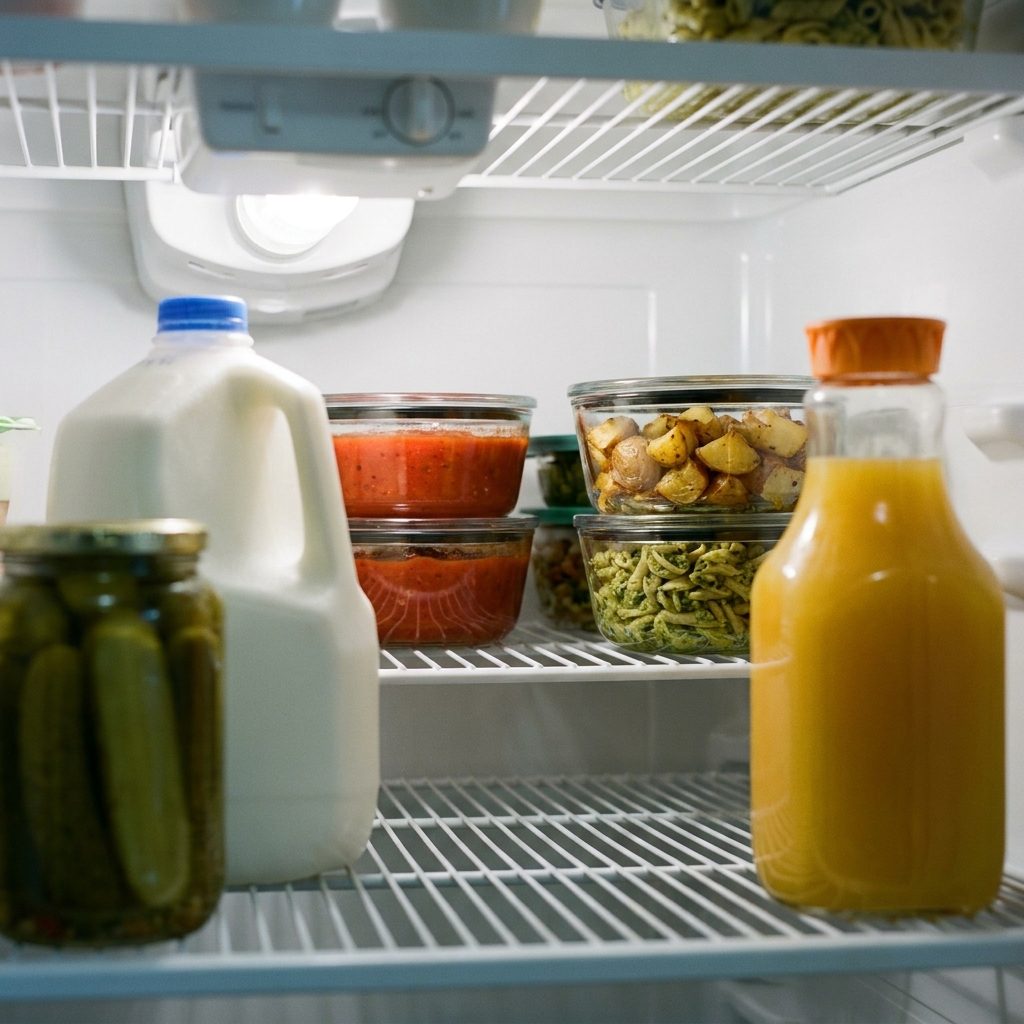
Fresh leftovers go in, the door shuts, and the container migrates backward behind the milk, the mustard, the half-empty jar of olives. Two weeks later you find it and the lid is slightly bulging. We’ve all been there. I did this with a beautiful pork ragu last winter that deserved better.
Cold air in most home refrigerators circulates unevenly, and the back wall is often the coldest spot, which sounds like it would preserve food longer. But the real problem isn’t temperature. It’s visibility. What you can’t see, you forget. And what you forget, you throw away.
The fix: New leftovers go front and center on the middle shelf, right at eye level. Move older items to the front too, every time you open the door. It takes five seconds. Think of your fridge like a deli case: the stuff that needs to sell first sits in front.
27. Storing Leftovers in Opaque Containers So Nobody Remembers What’s Inside
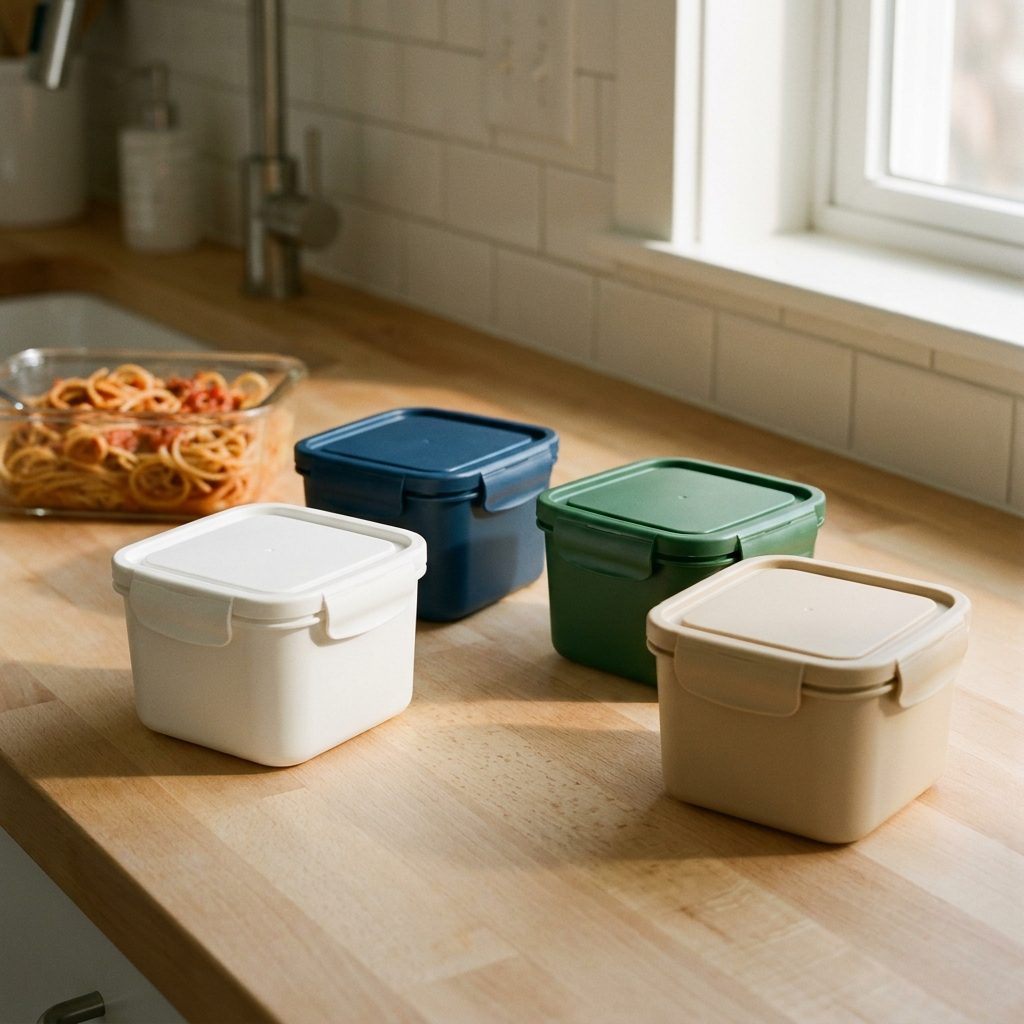
Opaque containers are the silent killers of leftover ambition. You pack away Tuesday’s chicken parm, snap the lid, and by Thursday it’s just a mysterious white box with condensation on the inside. Nobody opens it. Nobody claims it. It sits there until someone brave enough does the sniff test.
Switch to clear containers, glass or BPA-free plastic, and suddenly your fridge becomes a visual menu. You open the door, you see the food, you eat the food. That’s it. Glass meal prep containers with snap lids run about twelve bucks for a four-pack and they last for years.
26. Saving Portions So Small They Were Never Realistically Going to Become a Meal
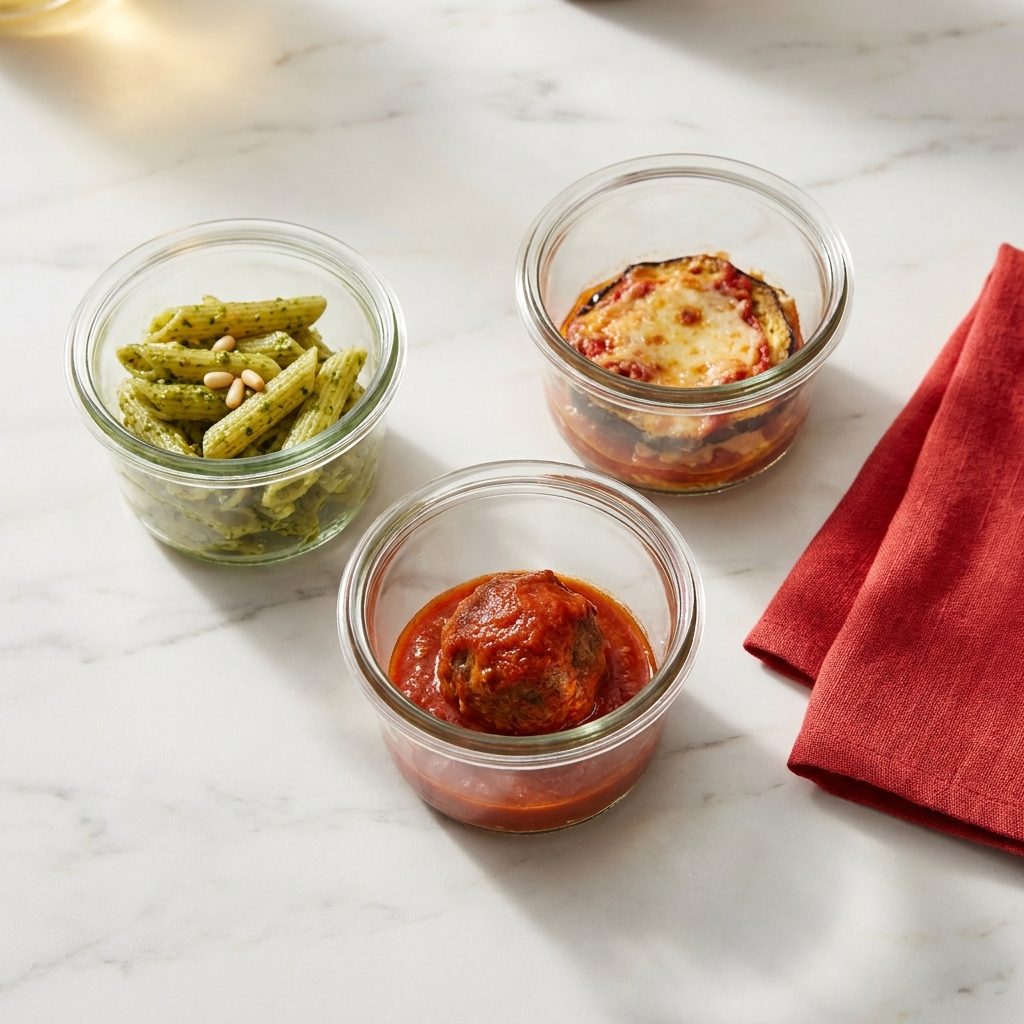
Two tablespoons of marinara. A single meatball. Three rigatoni and a sprig of broccoli rabe. We save these because throwing away food feels wrong, and that instinct is good. But let’s be honest: nobody is building a meal around a meatball solo act.
These micro-portions take up fridge real estate, add visual clutter, and almost always end up in the trash a week later, which means you wasted the container, the shelf space, and the emotional energy of the guilt cycle. A better rule: if it won’t cover at least half a plate or serve as a meaningful ingredient in something else, it goes into the compost or the dog bowl tonight.
25. Forgetting to Label Containers with the Date
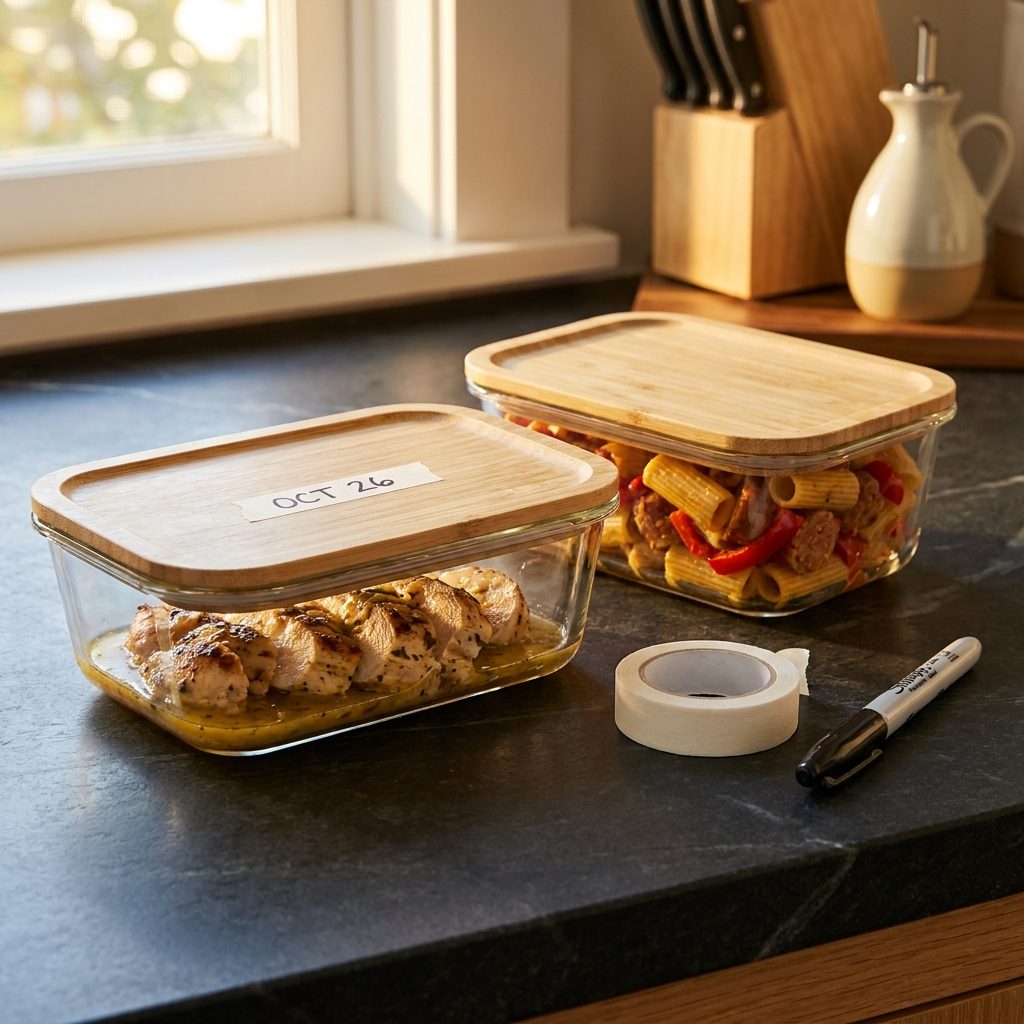
The Three-Day Guessing Game
Without a date on the lid, every container in your fridge becomes a riddle. Is that chicken from Monday or last Monday? Your nose isn’t as reliable as you think it is, especially with heavily seasoned Italian food where garlic and oregano can mask the early signs of spoilage.
A piece of white masking tape and a black permanent marker next to your stove. That’s the whole system. Write the date, stick it on the lid. Most cooked leftovers are good for three to four days. Anything past that gets the freezer or the trash, no debate.
24. Cooking a Brand-New Dinner Before Checking What Leftovers Already Need Eating
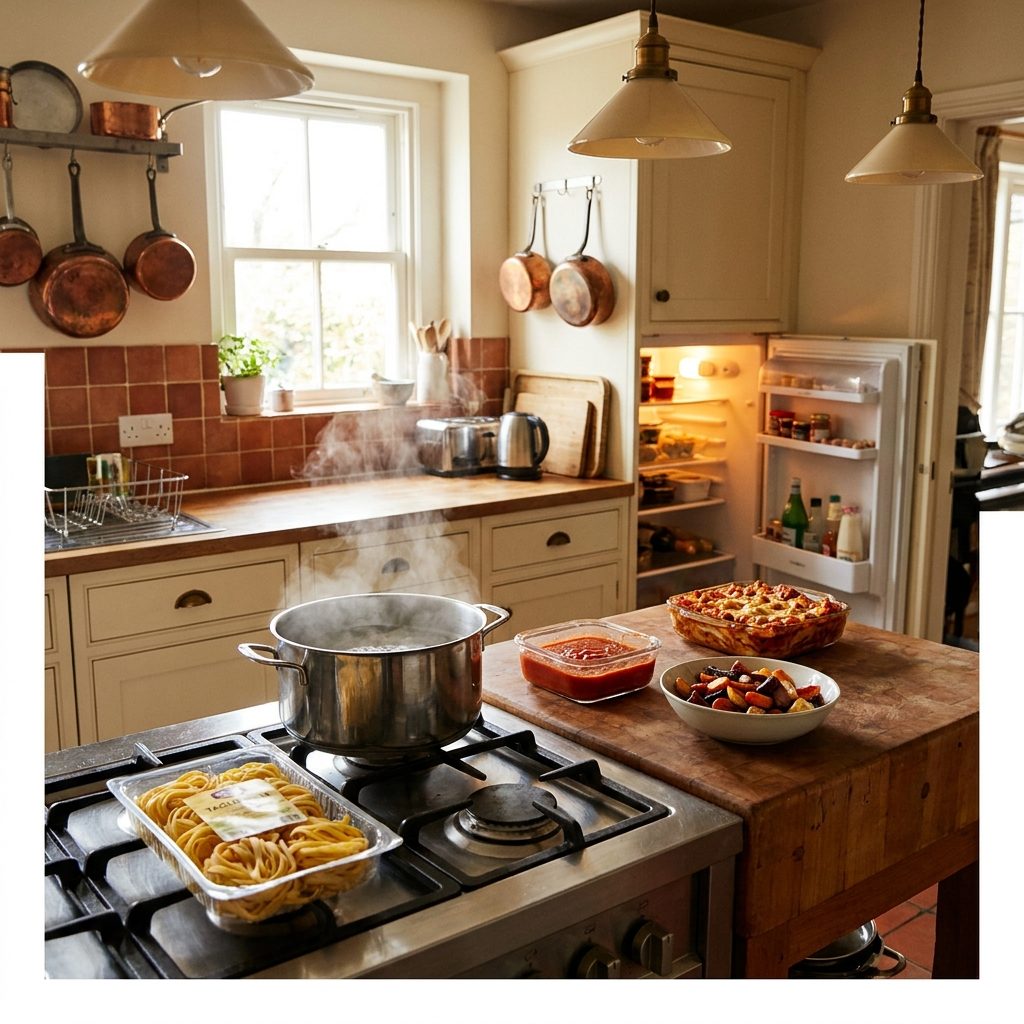
Monday’s rigatoni is still perfectly good. But tonight you felt like making chicken marsala, and so now the rigatoni slides one day closer to the bin. I do this constantly, and I know better. The pull of cooking something new is strong, especially if you love being in the kitchen.
Before you start anything, open the fridge. Look at what’s already cooked. If something is on day three, that’s dinner tonight, full stop. You can dress it up: leftover pasta gets a hot skillet with olive oil and a handful of Pecorino until the edges crisp. Day-old chicken parm gets sliced onto garlic bread for a sandwich. The new recipe can wait until tomorrow when you’ll have an empty fridge and a clear conscience.
23. Leaving Takeout in Bulky Restaurant Containers That Get Buried Under Everything Else
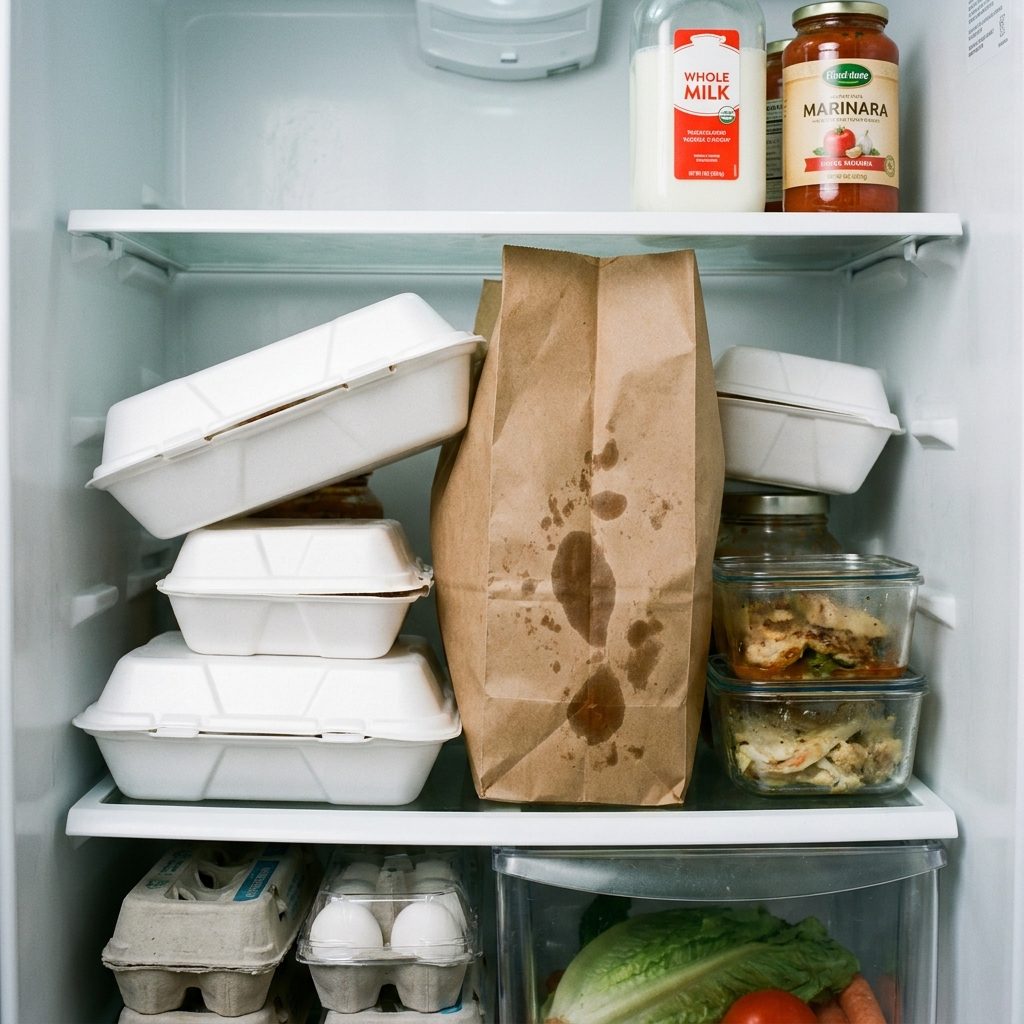
Those giant styrofoam clamshells and foil-and-cardboard trays are designed for transport, not storage. They don’t stack. They don’t seal well. And they’re so bulky they swallow an entire shelf, pushing everything else out of sight.
When you get home with takeout, transfer whatever you’re not eating right now into your own containers. Yes, right now, before you sit down. It takes ninety seconds. The food stays fresher because your containers seal properly, your fridge stays organized, and you don’t end up with that sad half-eaten hero wedged diagonally across the top shelf for five days.
22. Saving Leftovers Without Any Plan for How They’ll Actually Be Reused
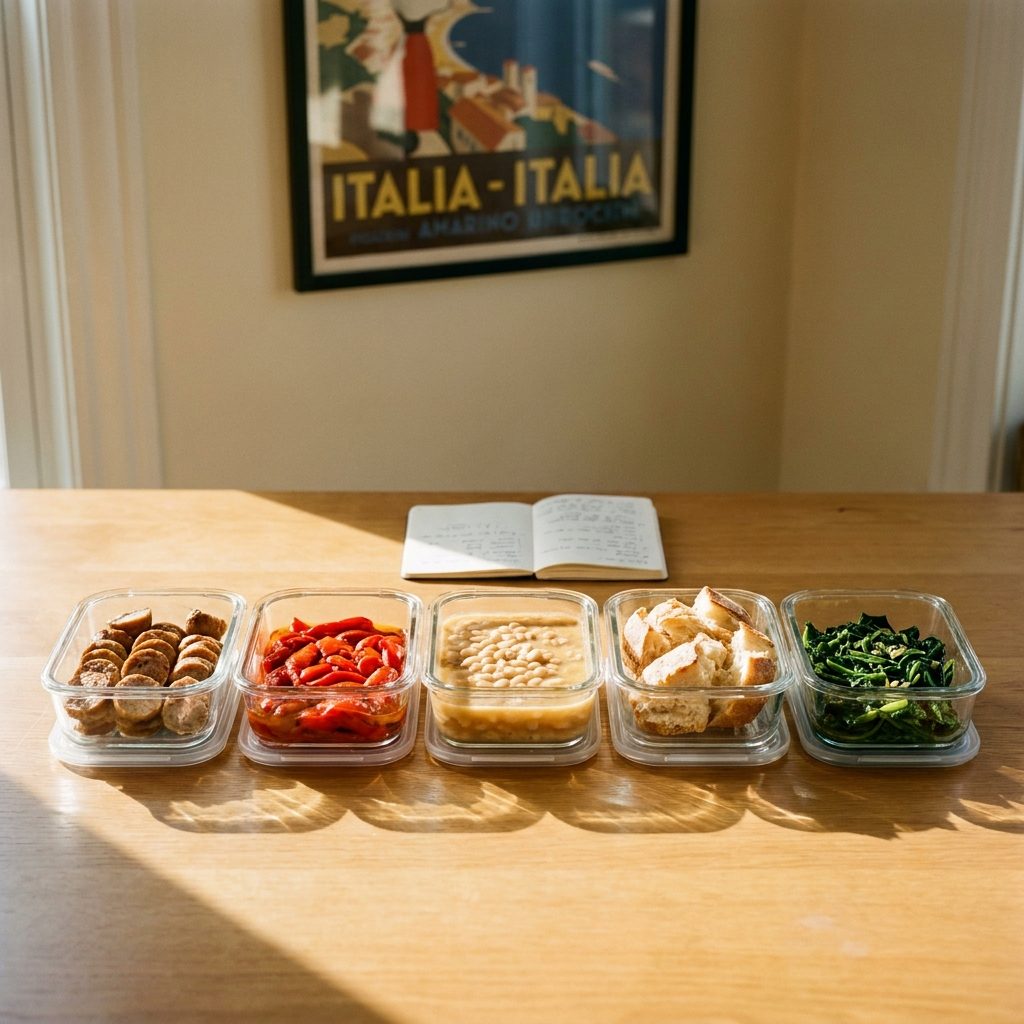
Hope is not a meal plan. Saving leftover roasted vegetables with the vague thought that “I’ll do something with those” is how food goes from the fridge to the trash in exactly four days. Every time.
The moment you’re putting food away, answer one question out loud if you have to: what will this become? Leftover sausage and peppers becomes tomorrow’s sub filling. Extra marinara becomes the base for shakshuka or a quick pizza sauce. Roasted broccoli gets tossed into pasta with garlic and red pepper flakes.
If you can’t name a second life for it in ten seconds, you probably won’t use it. Be honest with yourself, and either freeze it immediately or let it go.
21. Keeping Leftovers in Oversized Containers That Make the Fridge Look Fuller Than It Is
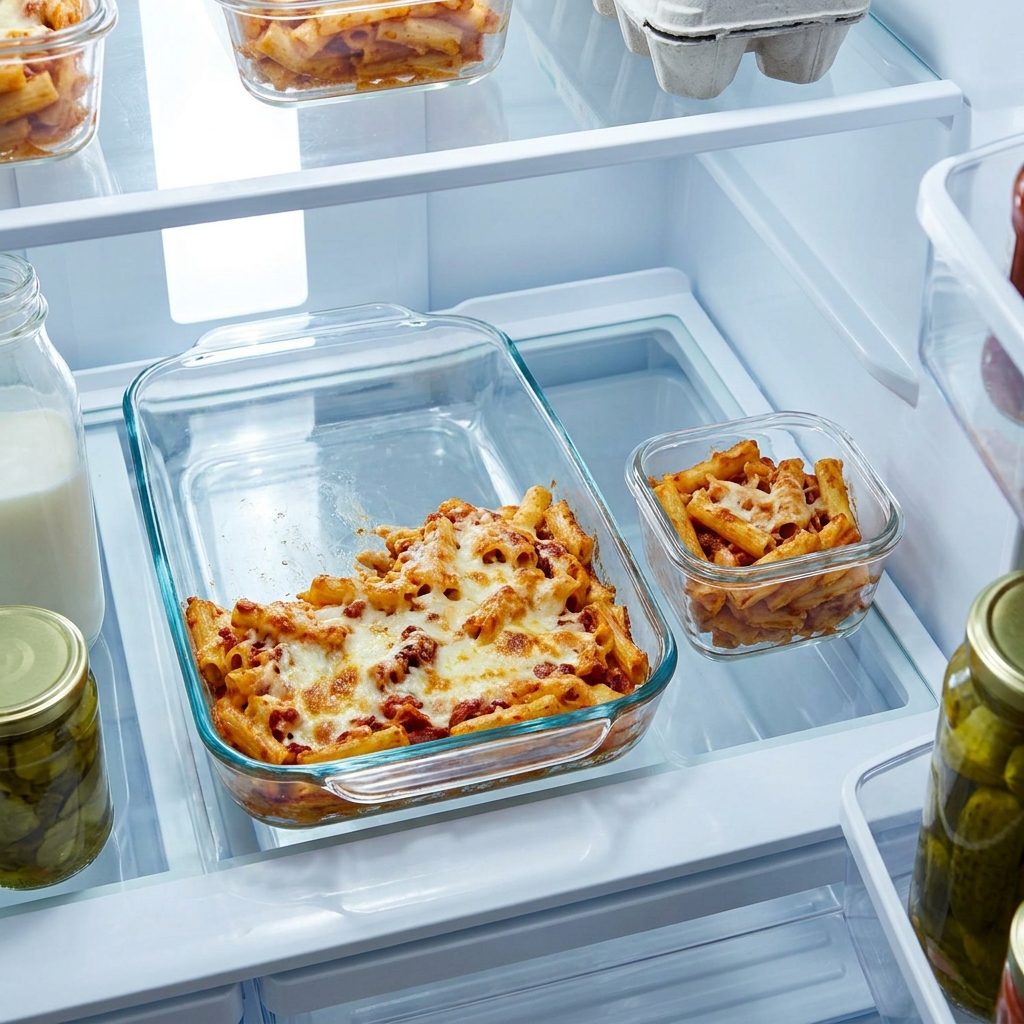
A quart of soup in a container built for a gallon. Half a chicken cutlet rattling around in a baking dish meant for lasagna. Your fridge looks packed, but most of what’s in there is air.
Oversized containers cause two problems at once. They waste shelf space, which means other food gets shoved to the back (see mistake number one). And all that extra air inside the container accelerates oxidation, which dries out food faster and dulls flavor. Leftover mozzarella dries at the edges. Sauce develops that leathery skin on top.
Match the container to the portion. A cup of sauce goes in a small jar. Two slices of pizza stack in a flat container. If you’re investing in a set, get one with multiple sizes. The small ones get more use than you’d expect.
20. Assuming You’ll Remember What That Mystery Container Holds Next Week
Would you like to save this?
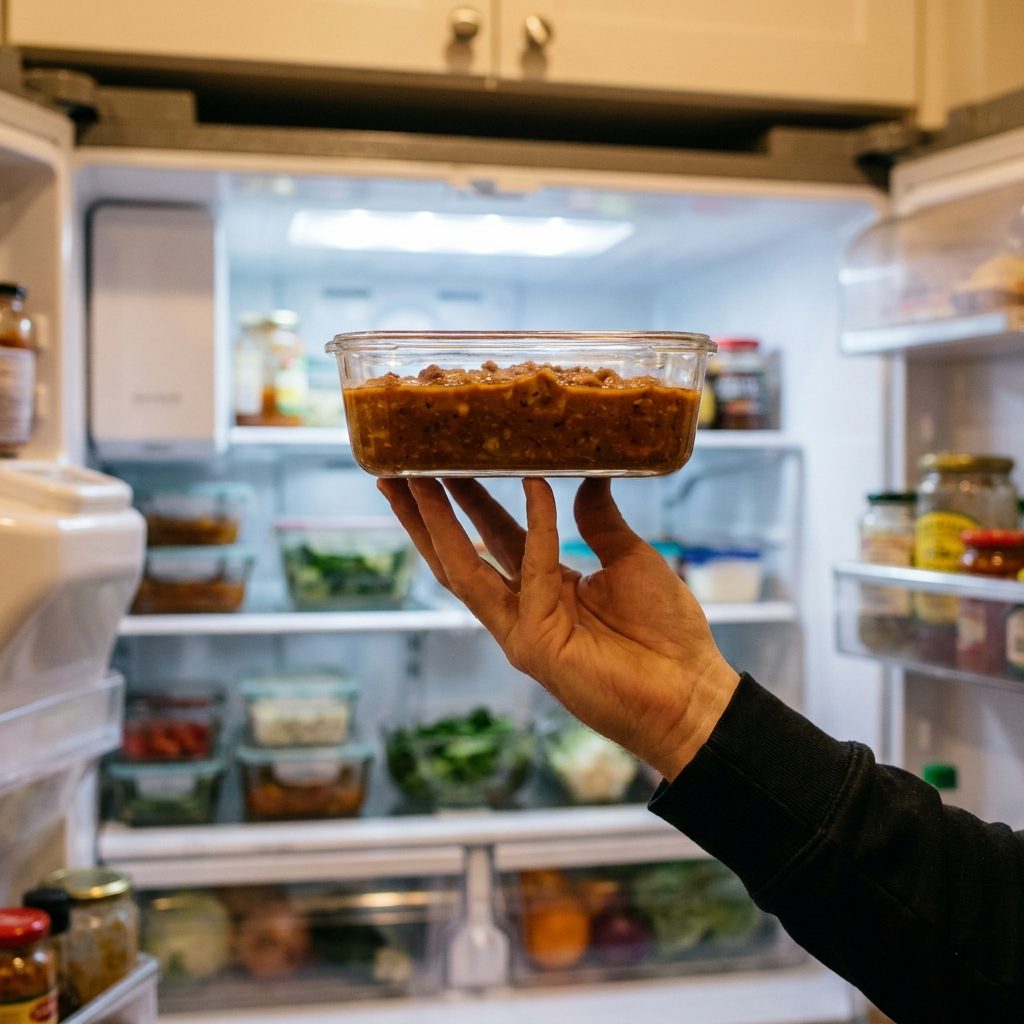
You won’t. I promise you won’t. I say this as someone who has confidently reheated what I thought was Sunday’s bolognese and ended up eating Wednesday’s lentil soup. Both brown. Both in the same container. Both a lesson in humility.
Cooked Italian food has a particular talent for looking identical after a few days in the fridge. Braised meats, bean soups, and slow-cooked sauces all converge on the same shade of reddish-brown. And cold food smells muted, so the sniff test fails you here too.
Label it. Or at a bare minimum, keep a dry-erase marker on the fridge door and scrawl the contents right on the glass lid. Your future self will thank you at 10pm on a Tuesday.
19. Not Creating a Designated ‘Eat This First’ Shelf in the Refrigerator
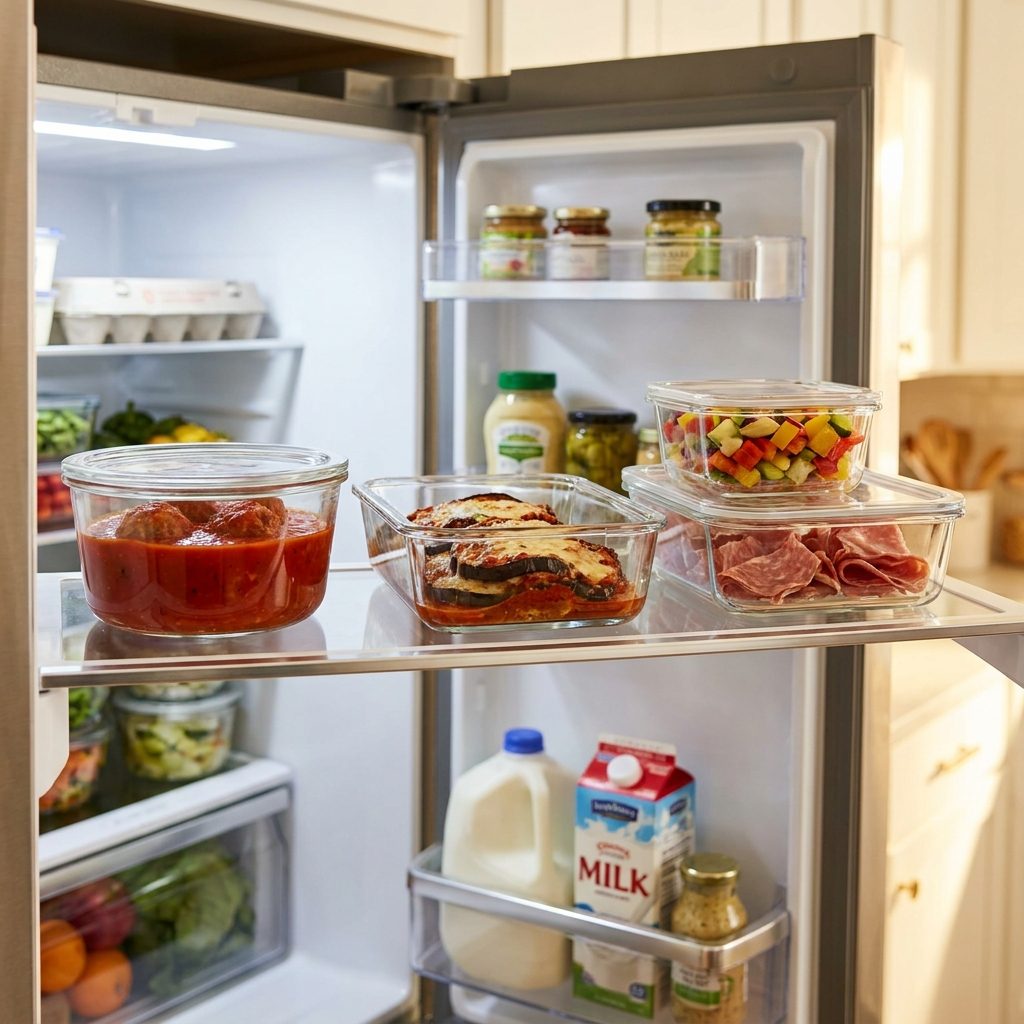
This is the single most effective anti-waste habit in any kitchen, and it requires zero equipment. Pick one shelf, ideally the one at eye level, and declare it the “eat this first” zone. Everything on that shelf is older, already cooked, or about to turn. When someone opens the fridge looking for a snack or deciding what to heat up, that shelf is the first and only place they look.
The fridge isn’t a museum. It’s a queue. Treat it like one and the food actually moves.
Restaurants call this the “use first” shelf and it’s non-negotiable in any professional kitchen. At home, it works just as well. Rotate items onto it every time you cook something new. Clear containers, date labels, eye level. The whole system costs nothing and saves you from discovering that beautiful eggplant parm you forgot about last Thursday.
18. Letting Leftovers Sit in the Fridge Until They Look Sad Enough to Toss
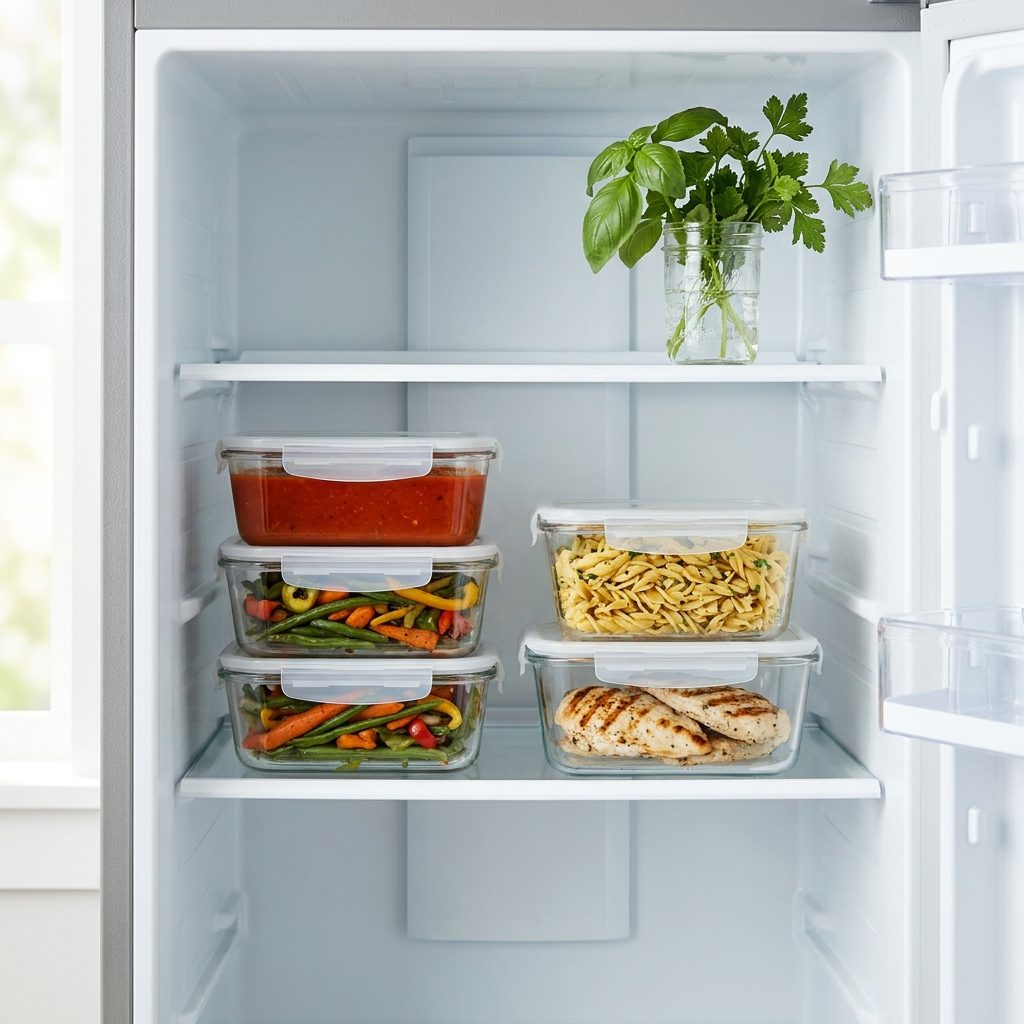
Day one, that container of roasted chicken thighs looks like a meal. Day four, it’s become scenery. The chicken hasn’t gone bad yet, not technically, but it’s lost its visual appeal, and once that happens, nobody’s opening the lid. I’ve watched this play out in my own fridge more times than I’d like to admit.
The problem isn’t spoilage. It’s procrastination dressed up as optimism. You saved the food with good intentions, then let the clock run until appetite said no. The fix is embarrassingly simple: eat leftovers within 48 hours of making them, or freeze them on day two. That’s it. If it’s been sitting there since Tuesday night and it’s now Friday morning, the window’s already closing. Move it to the freezer or commit to lunch today.
17. Storing Leftovers Uncovered or in Flimsy Wrap That Lets Them Dry Into Cardboard
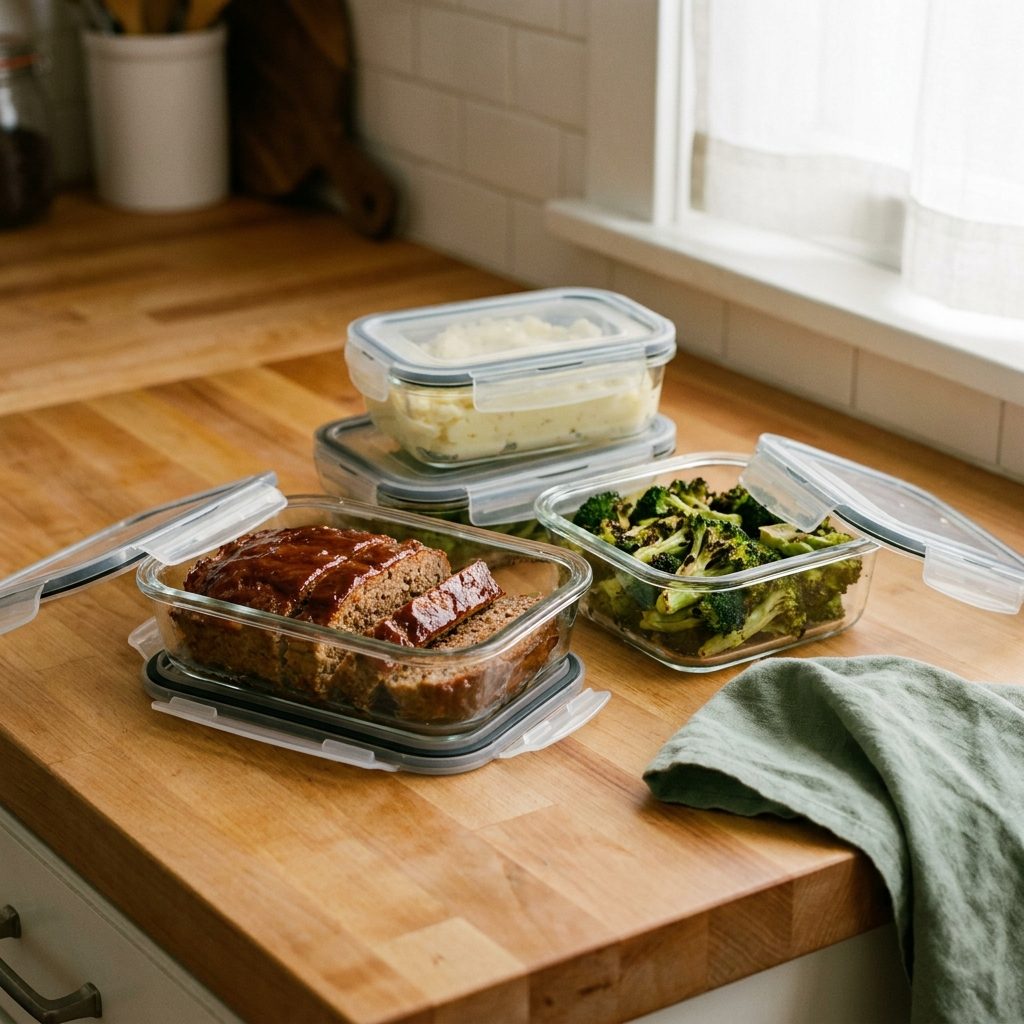
Plastic wrap draped loosely over a bowl is not a seal. It’s a suggestion. And your fridge’s circulating air will ignore that suggestion completely, pulling moisture out of last night’s pasta until the noodles have the texture of a rubber band.
Cold, dry air is constantly moving inside a refrigerator. Anything left exposed, or covered with a single sheet of clingy wrap that’s already peeling at one corner, loses moisture fast. Sauce thickens. Bread turns stiff. Sliced meat develops that grayish film that makes everyone reach for the takeout menu instead.
Use glass food storage containers with tight-fitting lids. They’re worth every dollar. Press plastic wrap directly onto the surface of soups and sauces before lidding them, which prevents that skin from forming on top. And squeeze as much air out of zip-top bags as you can before sealing. Your Tuesday leftovers will taste like Tuesday, not like the inside of a dehumidifier.
16. Making Fresh Side Dishes When Perfectly Good Leftover Vegetables Are Already in the Fridge
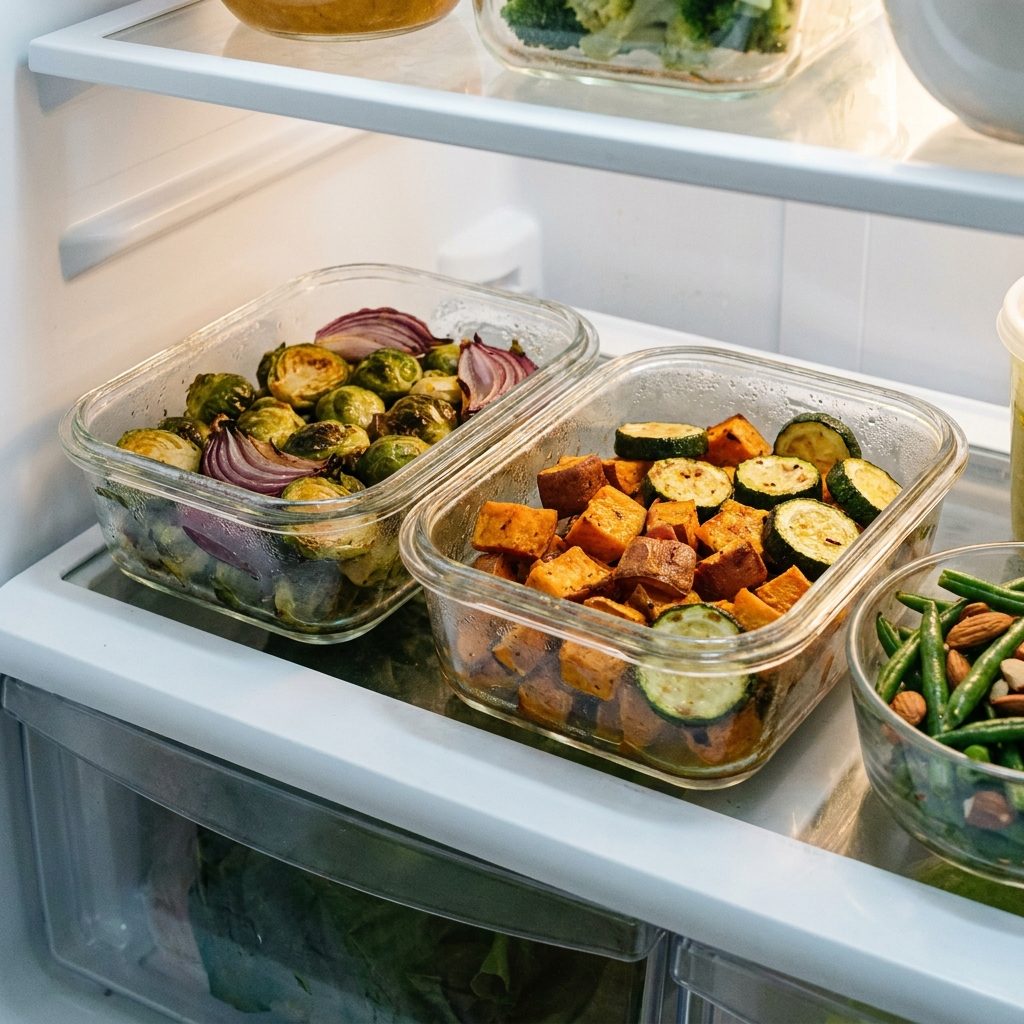
Wednesday night: you roast a sheet pan of carrots, zucchini, and red peppers. Thursday night: you buy a bag of pre-washed salad mix and steam some frozen peas because, well, Thursday needs its own side dish. Meanwhile, Wednesday’s vegetables sit in the fridge getting one day closer to the trash.
This is one of those habits that feels like cooking but is actually just shopping. Those roasted vegetables are already cooked, already seasoned, already good. Toss them into a warm skillet with a splash of olive oil for two minutes and they’re a side dish again. Fold them into scrambled eggs. Pile them on toast with a smear of ricotta. The only thing stopping you is the strange psychological pull of “fresh” over “reheated,” and honestly, a well-roasted carrot reheated in a hot pan tastes better than a sad steamed pea any day of the week.
15. Forgetting That Sauces, Gravies, and Soups Freeze Beautifully for Months
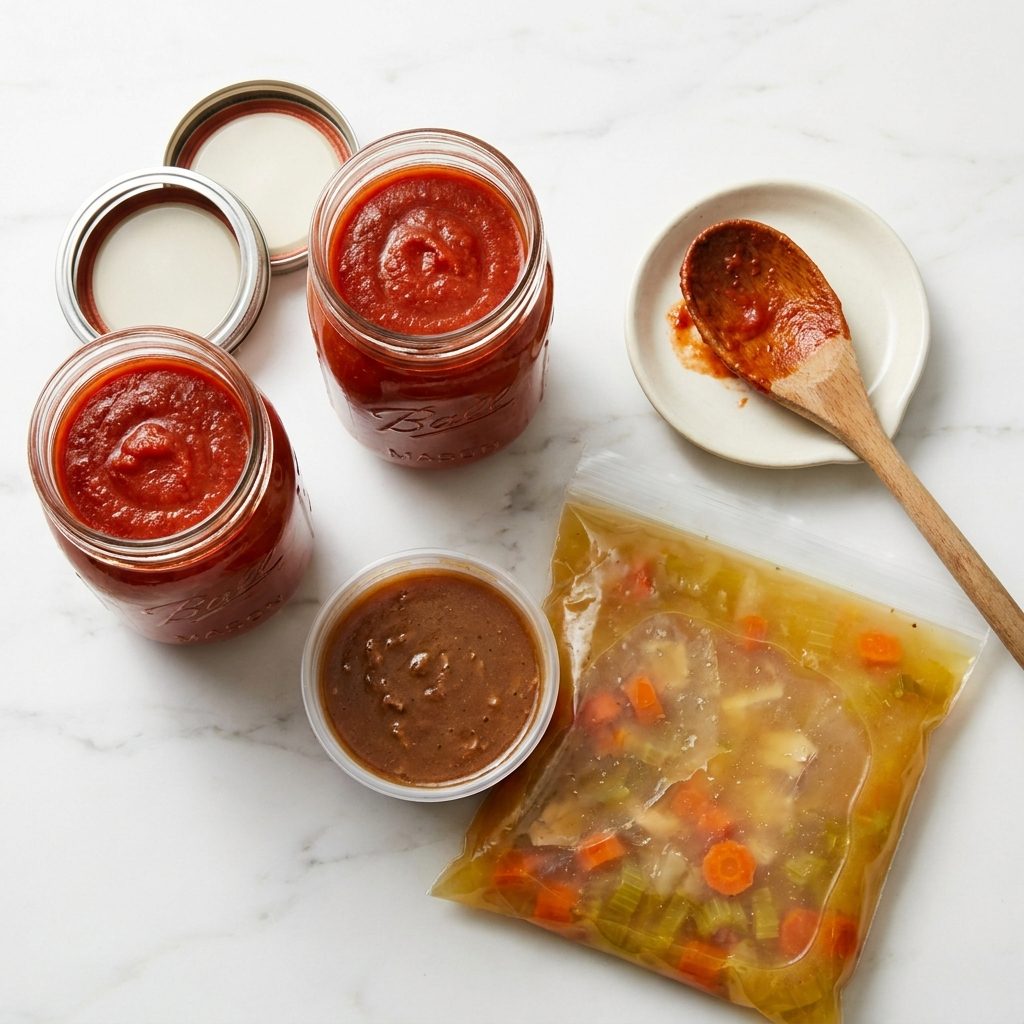
The Best Candidates for the Freezer Are Already Liquid
Leftover marinara. Half a pot of Sunday gravy. That chicken soup you made too much of. These are the things people dump down the drain or let go fuzzy in the back of the fridge, when they could live happily in the freezer for three months or more.
Liquid-based foods freeze and thaw better than almost anything else because they don’t suffer the texture breakdown that plagues meats and breads. The ice crystals that form during freezing redistribute evenly when the sauce thaws, and you’d be hard-pressed to tell defrosted marinara from fresh. Pour sauces into freezer-safe containers or zip-top bags laid flat (they stack like files in a cabinet), leave an inch of headspace for expansion, and label them with the date. Next month when you need a quick pasta dinner, you’ll pull out something that tastes like you spent an afternoon cooking.
14. Buying Groceries Before Taking Inventory of What’s Already Waiting to Be Eaten
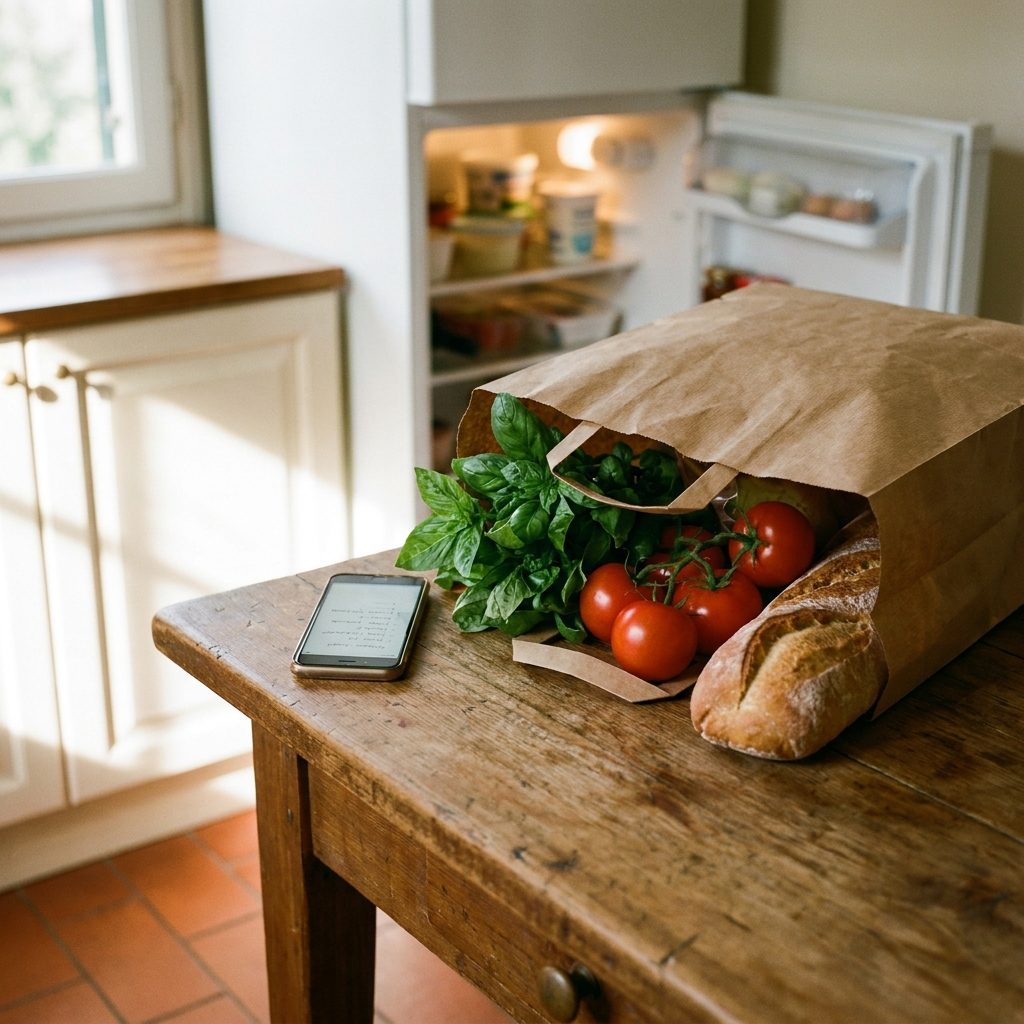
Guilty. I’ve done this dozens of times. Walked into the store with a vague sense of what I needed, loaded the cart with chicken breasts and bell peppers, came home and discovered I already had chicken breasts and bell peppers. Now I’ve got double the perishables and half the time to use them.
The refrigerator is not a mystery box. Spend sixty seconds looking inside before you leave the house. Open the containers. Smell them. Check dates. Build tonight’s meal around what’s already there, and only buy what you’re actually missing. This sounds like the most obvious advice in the world, and it is, which makes it embarrassing how rarely any of us actually do it.
13. Saving Leftovers That Nobody in the Household Actually Likes Enough to Eat Again
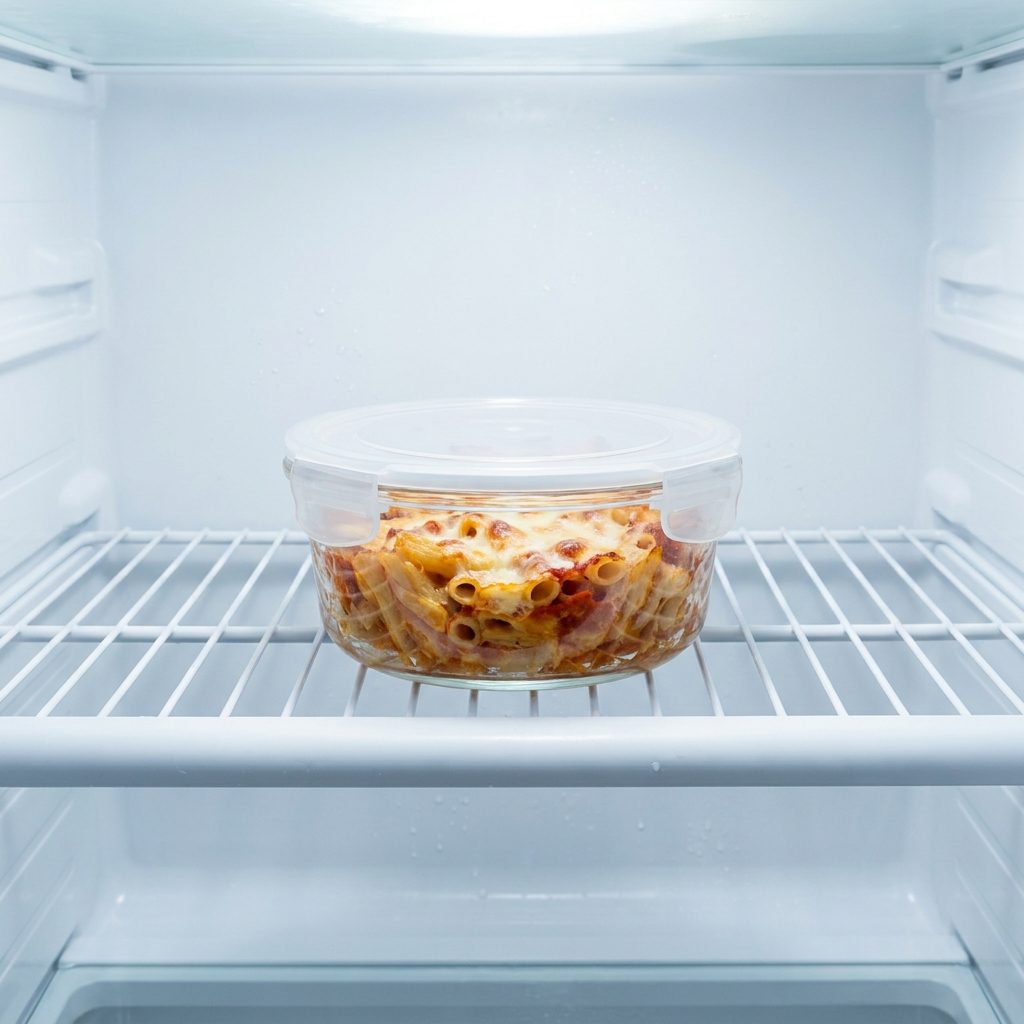
This is the most quietly wasteful habit in any kitchen, and it comes from a place of genuine decency. You made too much. Throwing it away feels wrong. So you pack it up, slide it into the fridge, and tell yourself someone will eat it.
Nobody will eat it. You know this. Your family knows this. That leftover meatloaf nobody wanted seconds of at dinner isn’t going to become more appealing by Thursday. The honest move? Acknowledge what your household actually eats twice and what it doesn’t. Freeze the things worth saving for a future soup or casserole. And if it’s something nobody will touch in any form, let it go now instead of performing a week-long guilt ritual that ends at the trash can anyway.
12. Ignoring Leftovers Until Cleaning Day Forces a Mass Refrigerator Purge
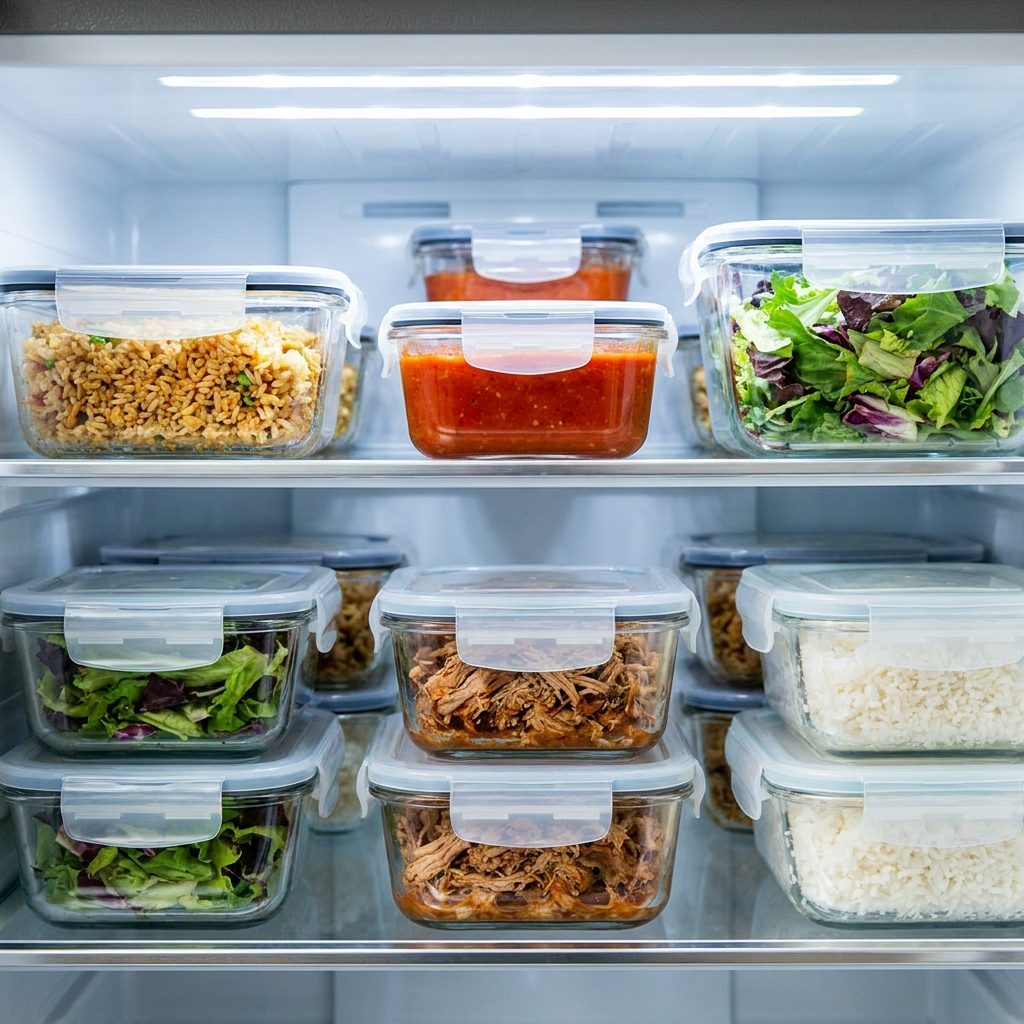
Sunday morning. Rubber gloves on. Trash bag open. You’re pulling out containers you don’t even remember filling, peeling back lids to discover science experiments, and tossing everything because it’s easier than investigating. This is how half a fridge ends up in the garbage in one brutal session.
The purge feels productive. It isn’t. It’s the consequence of ignoring food all week. A better system takes less effort than the purge itself: every two days, open every container in the fridge. Anything older than four days gets frozen or eaten for lunch. That’s a two-minute scan, not a cleanup project. If you do it consistently, Sunday never becomes a horror show.
11. Treating Leftovers as Backup Food Instead of Scheduling Them Into the Week’s Meals
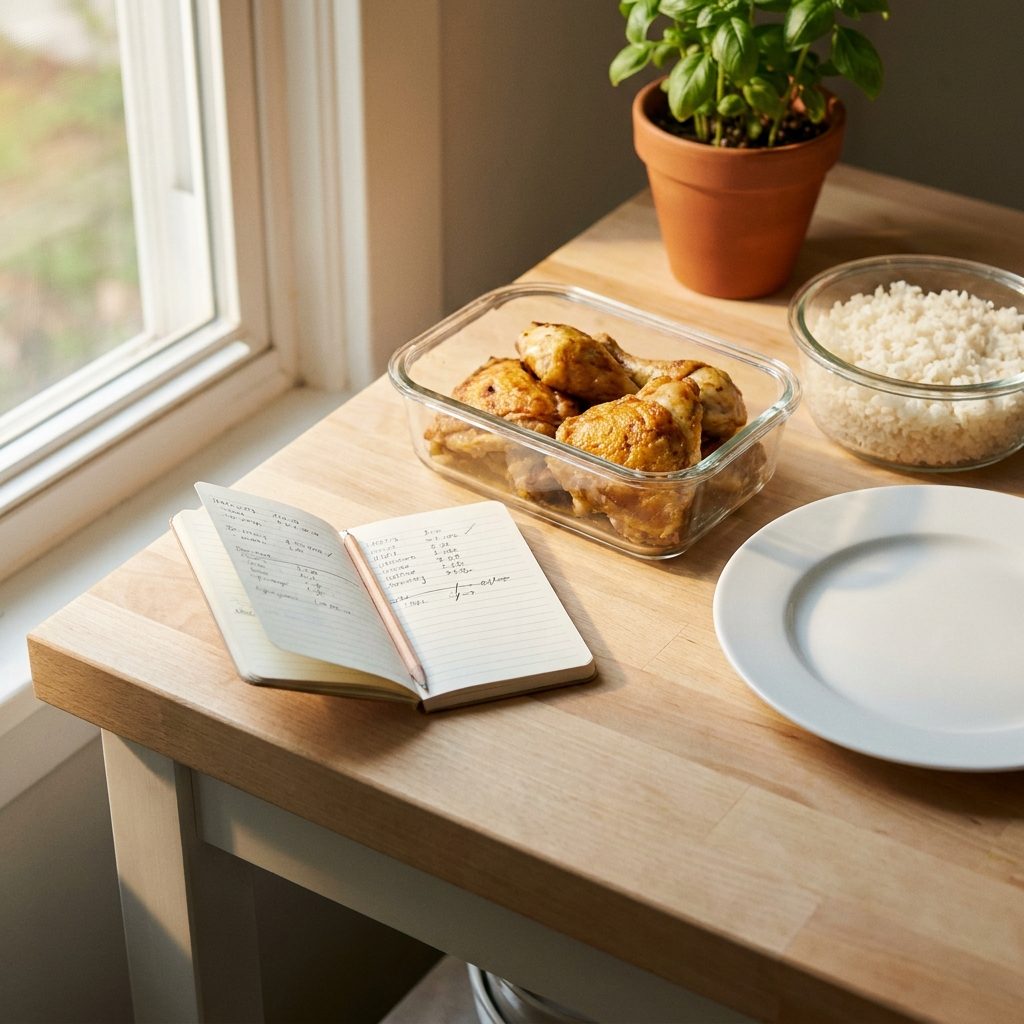
“We have leftovers if nobody wants to cook.” That sentence is a death warrant for whatever’s in those containers. Leftovers positioned as the fallback option almost never get chosen, because there’s always a more exciting alternative: ordering delivery, making something new, or just snacking until bedtime.
The shift is small but powerful. Instead of treating Tuesday’s roast chicken as an insurance policy, treat it as the plan. “Tuesday we cook. Wednesday we eat the rest of it as chicken salad sandwiches.” That’s not a backup. That’s dinner. Write it on the calendar, put it on the whiteboard, say it out loud at breakfast. When leftovers have a specific night assigned to them, they stop being forgotten reserves and start being meals that happen.
10. Assuming Leftovers Need to Be Eaten Exactly as Originally Served Instead of Turning Them Into Something New
Would you like to save this?
Nobody wants Tuesday’s dinner reheated exactly the same way on Thursday. The human brain craves novelty, and reheated pork chops on the same plate with the same sides triggers a very specific feeling: defeat. But that pork, sliced thin and tucked into a warm tortilla with pickled onions and a little hot sauce? That’s a meal someone actually looks forward to.
Five Leftover Conversions That Work Every Time
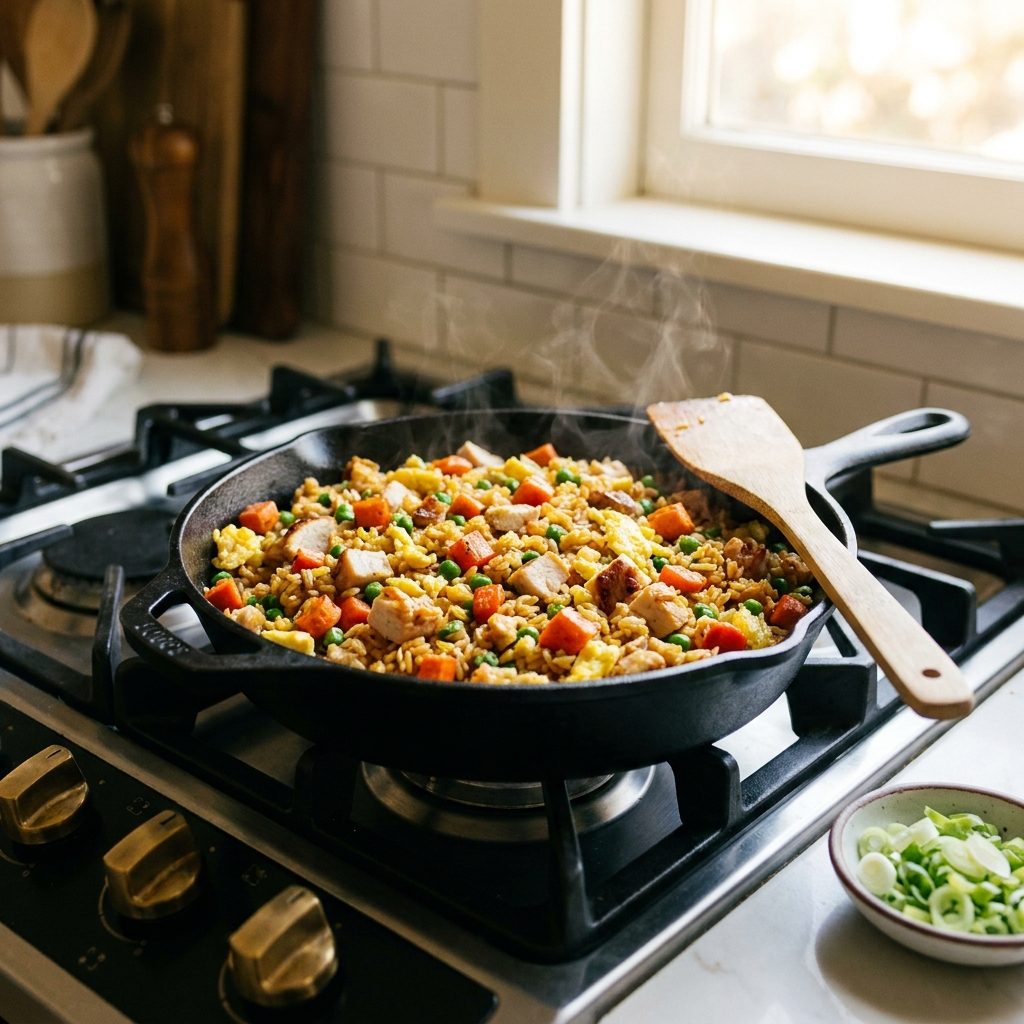
- Any leftover protein, chopped small, tossed into fried rice with a scrambled egg and soy sauce in a cast iron skillet
- Leftover pasta baked with extra cheese and a splash of cream until bubbly on top
- Roasted vegetables folded into a frittata or blended with broth into a quick soup
- Last night’s rice turned into rice pudding with milk, sugar, cinnamon, and a little vanilla
- Any cooked meat plus cheese plus bread equals a pressed sandwich in a hot pan
The skill isn’t cooking. It’s seeing what’s in the container as an ingredient, not a finished dish. Once that mental switch flips, you stop reheating dinners and start building new ones out of work you already did. And honestly, some of the best meals I’ve ever thrown together came from staring into an overstuffed fridge at 6 PM with no plan and a lot of odds and ends.
9. Skipping Perfectly Good Leftovers Because Some Recipe You Saw Online Looks More Exciting
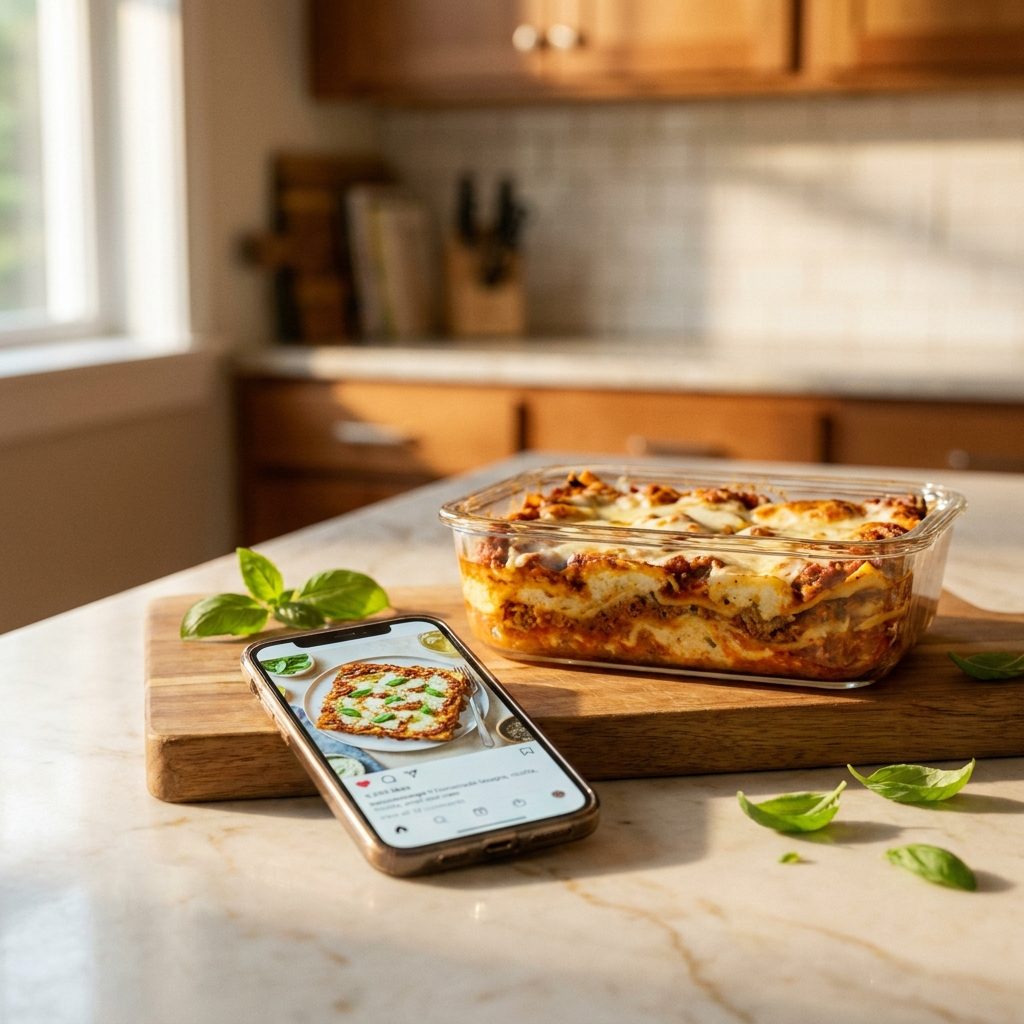
That Tuesday-night container of baked ziti in the fridge is competing against a TikTok carbonara recipe you’ve never tried, and the ziti loses every time. Not because it tastes worse. Because novelty triggers a dopamine hit that reheated pasta simply can’t match. Your brain registers the new recipe as a reward and the leftover as a chore.
The ziti goes untouched for four days, then straight into the trash. Meanwhile, the carbonara used a half-pound of guanciale you didn’t need to buy.
Try this instead: commit to a “leftovers-first” night twice a week. Monday and Thursday, or whatever works. The rule is simple: nothing new gets cooked until the fridge is cleared. I resisted this for years because it felt restrictive. Turns out it freed up more cooking energy for the nights I actually wanted to experiment.
8. Treating the Refrigerator Like Long-Term Storage Instead of a Three-Day Countdown Clock
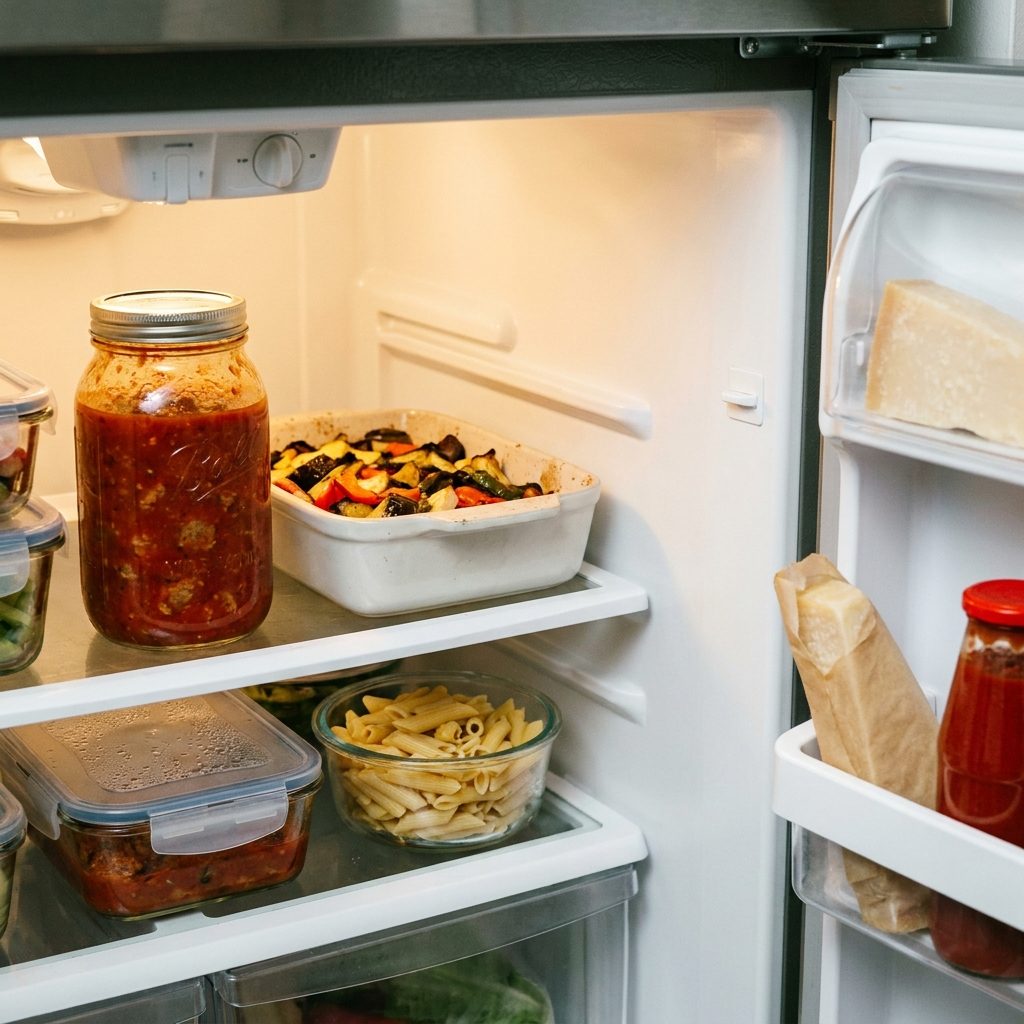
Most cooked food has about 72 hours in the fridge before quality drops off a cliff. That’s it. Three days. Yet most of us treat the refrigerator like it’s a pause button with no expiration date, shoving containers to the back and assuming they’ll be fine “for a while.”
They won’t. Cooked proteins start developing off-flavors around day four. Pasta absorbs every bit of moisture from its sauce by day three and turns to mush. That beautiful eggplant parm you made Sunday? By Thursday it’s a soggy, slightly sour shadow of itself. The USDA says 3-4 days for most cooked leftovers, and that’s for safety. Quality-wise, you’re really working with two to three.
Start thinking of your fridge as a short queue, not a vault. Whatever goes in needs a plan to come out within three days. If you can’t eat it by then, freeze it the same night you cook it, when the food is at its peak.
7. Burying Leftovers in Drawers Where Nobody Can See Them
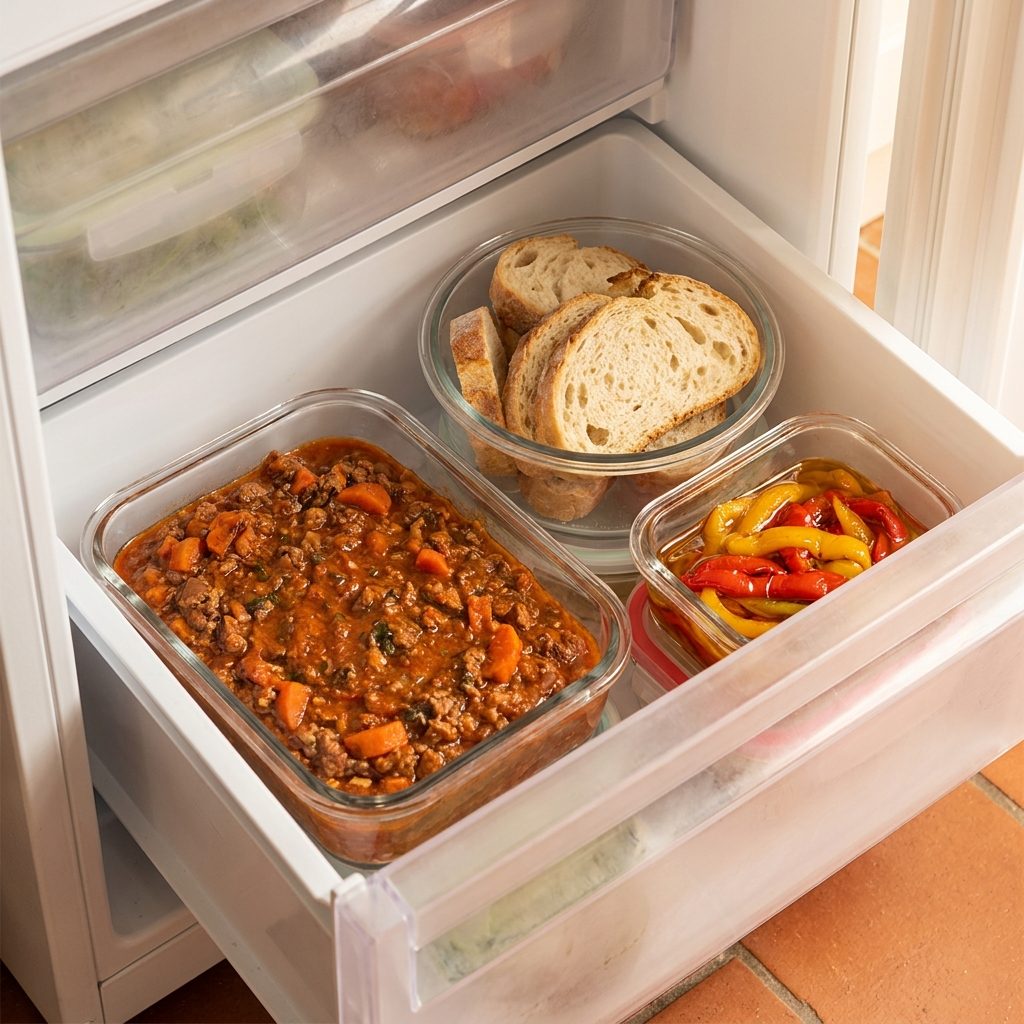
Crisper drawers and bottom bins are where leftovers go to die. I’m not being dramatic. If you can’t see it at eye level when you open the fridge door, your brain treats it like it doesn’t exist. Out of sight, out of mind isn’t just a saying; it’s how spatial memory actually works with food.
Move every leftover to the middle shelf, right at eye level. Use clear glass food containers instead of opaque takeout boxes. You want to see that chicken parm the second you open the door. Some people even designate a specific shelf as the “eat this first” zone. Sounds fussy, but it works.
6. Opening the Fridge, Seeing the Leftovers, and Telling Yourself You’ll Definitely Eat Them Tomorrow
The “Tomorrow” Trap
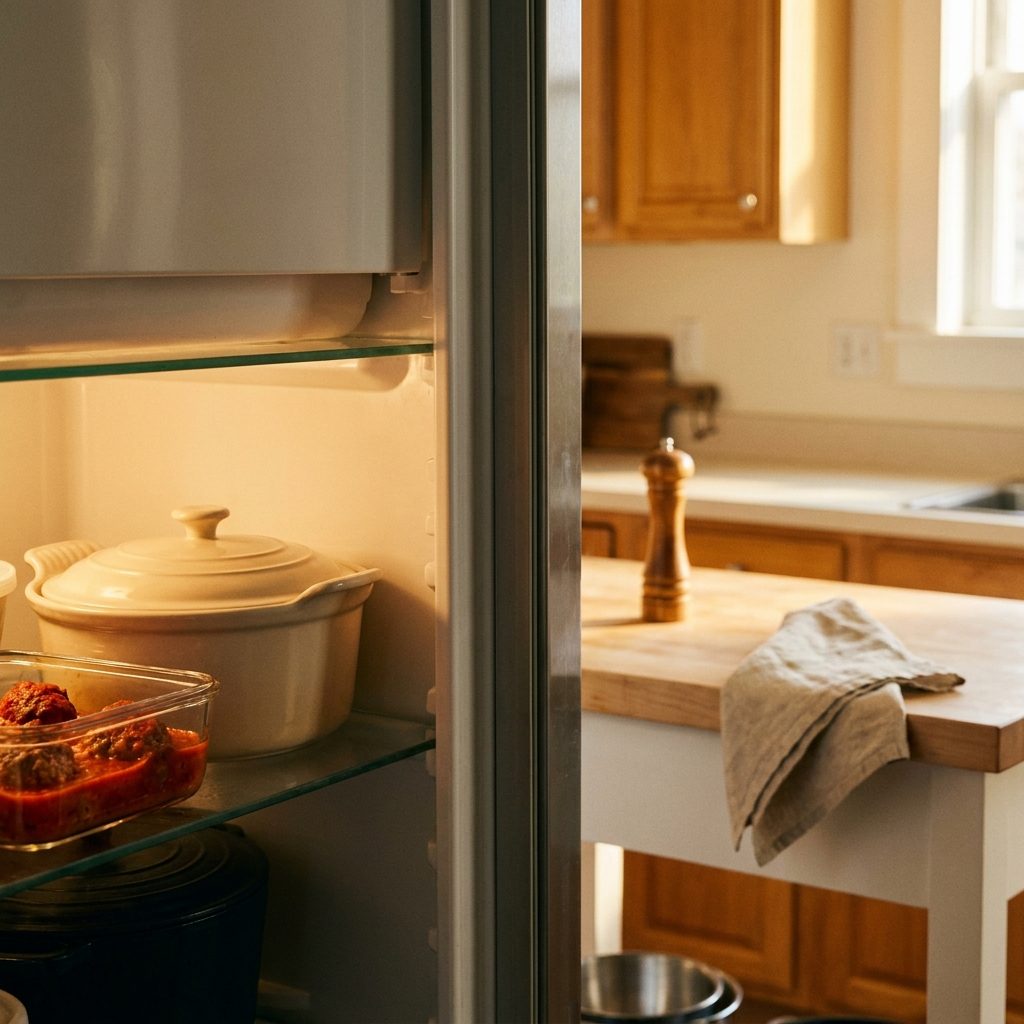
You open the door. You see the leftover sausage and peppers from two nights ago. You think: I’ll have that for lunch tomorrow. Then you close the door, order something, and repeat the exact same ritual 24 hours later. This cycle can go on for the entire lifespan of the food.
“Tomorrow” is the most dangerous word in leftover management. It feels like a decision, but it’s actually a deferral. And deferrals compound. By the time you finally commit, the peppers have gone soft and the sausage has that slightly metallic taste that means it’s past its prime.
The fix is almost too simple: when you see leftovers and think “tomorrow,” eat them right now instead. Or, if you genuinely aren’t hungry, pack them into a lunch container for the next day and put that container at the very front of the fridge with a fork on top. The physical act of preparing it makes the commitment real.
5. Never Teaching Your Family That Leftovers Are the First Option Before Opening Anything New
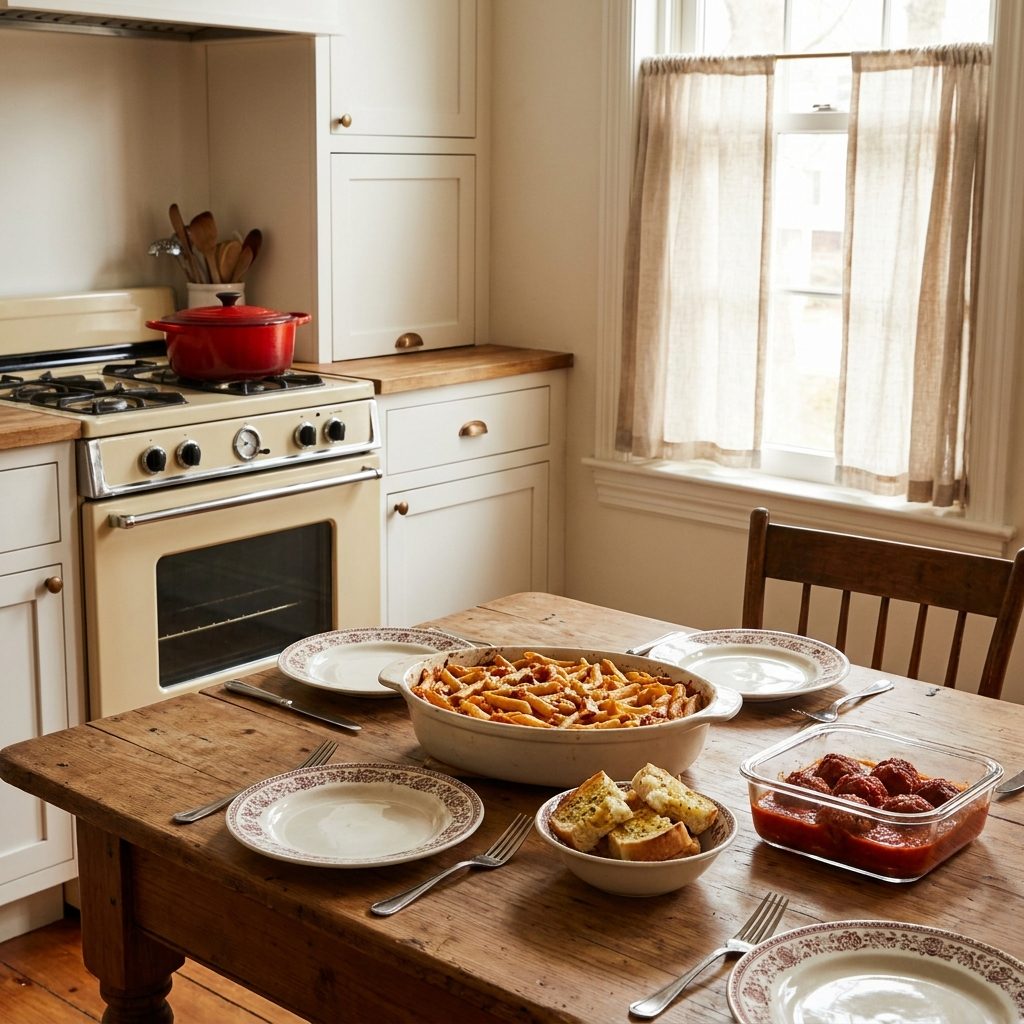
Somebody in your house is opening a fresh bag of shredded mozzarella right now while a container of last night’s chicken cacciatore sits untouched on the second shelf. This isn’t malice. It’s habit. And habits in a household are set by whoever decides the kitchen rules.
If there’s no spoken, understood policy that leftovers get eaten first, everyone defaults to whatever’s easiest and newest. Kids especially. But adults do it too. I’ve watched my own family open a brand-new jar of marinara while a quart of homemade Sunday gravy sat right there, slowly oxidizing.
Make it a house rule, stated plainly: check the fridge for leftovers before you cook or open anything new. Not as a punishment. As a default. Frame it however you want. “We eat what we’ve got” works fine. The leftover container goes on the counter during meal prep so nobody can pretend they didn’t see it.
4. Cooking a Giant Batch Because the Recipe Said So, Not Because Anyone Will Actually Eat It All
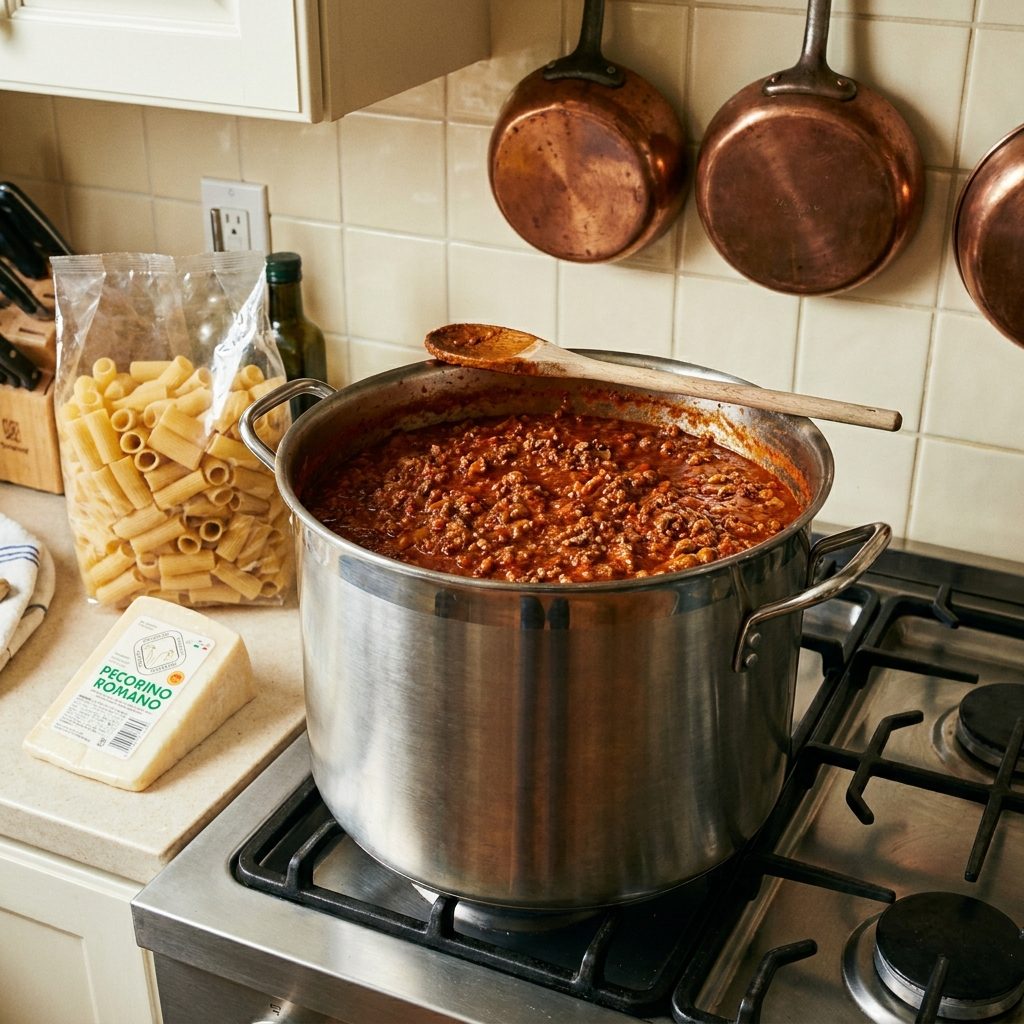
A recipe that serves 8 does not care that only 3 people live in your house.
I say this as someone who has made enough Sunday gravy to feed a block party for a household of two. The recipe called for a 28-ounce can of San Marzanos, so I used a 28-ounce can. It called for two pounds of meat, so I browned two pounds. Then I had five meals’ worth of Bolognese and exactly two meals’ worth of enthusiasm for eating it.
Halve recipes aggressively. Most sauces, braises, and baked pastas scale down without any issues. The ones that don’t (bread doughs, some baking) are the exception, not the rule. And if you do make a full batch on purpose, portion and freeze half of it that same evening, before it ever enters the “I’ll eat this later” zone of the fridge.
3. Treating Every Leftover as Equally Worth Saving Instead of Prioritizing the Expensive Stuff
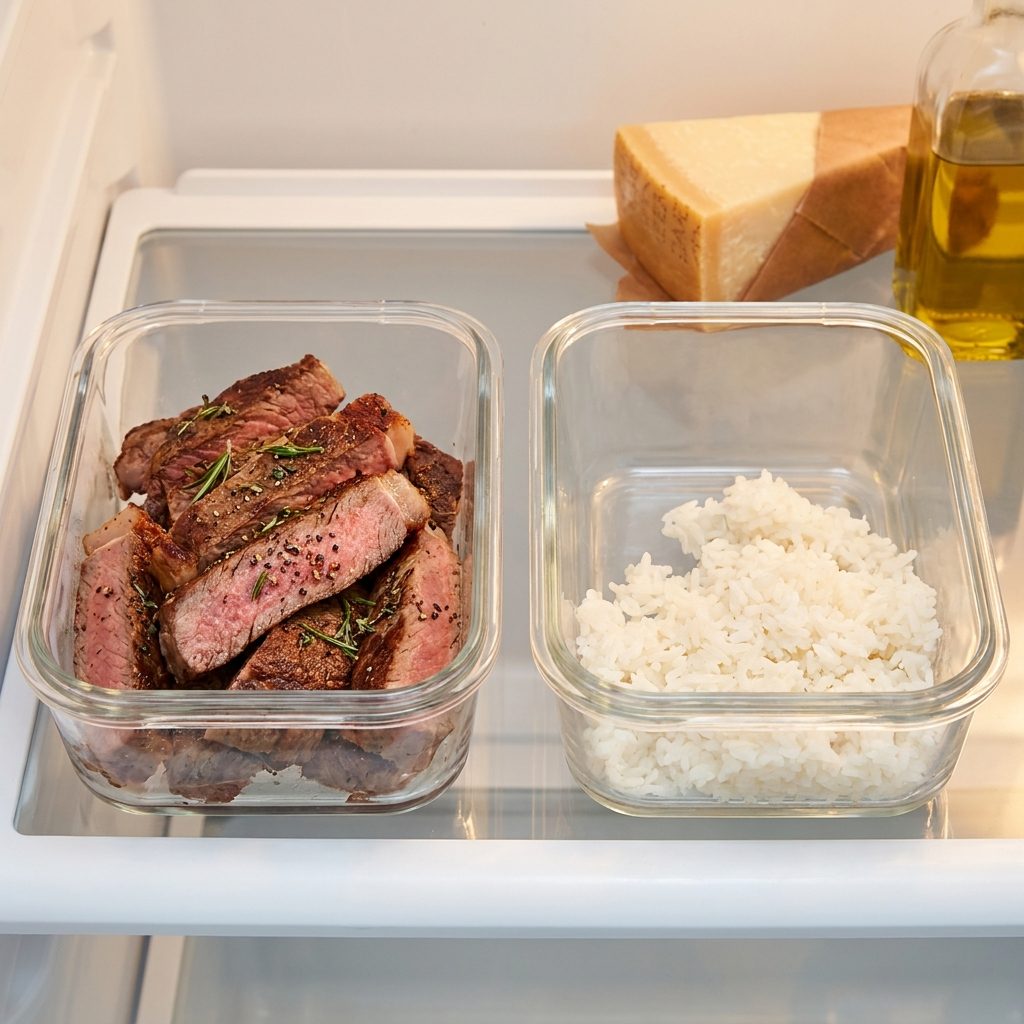
Not all leftovers deserve the same real estate in your fridge. A quarter-cup of plain rice is not worth the same attention as four ounces of leftover braised short rib. Yet most people save everything with equal reverence, filling the fridge with tiny containers of steamed broccoli and half-portions of boxed pasta while the expensive proteins quietly spoil behind them.
Triage your leftovers. Cooked proteins, prepared sauces with long ingredient lists, anything that cost real money or significant time: those get priority shelf space, clear containers, and a plan to be eaten within 48 hours. A few tablespoons of plain orzo? Let it go. The rice you made as a side dish? Unless it’s becoming fried rice tomorrow, it’s not worth saving. This isn’t about being wasteful. It’s about being strategic with your attention.
2. Saving Foods That Reheat Terribly and Pretending This Time Will Be Different
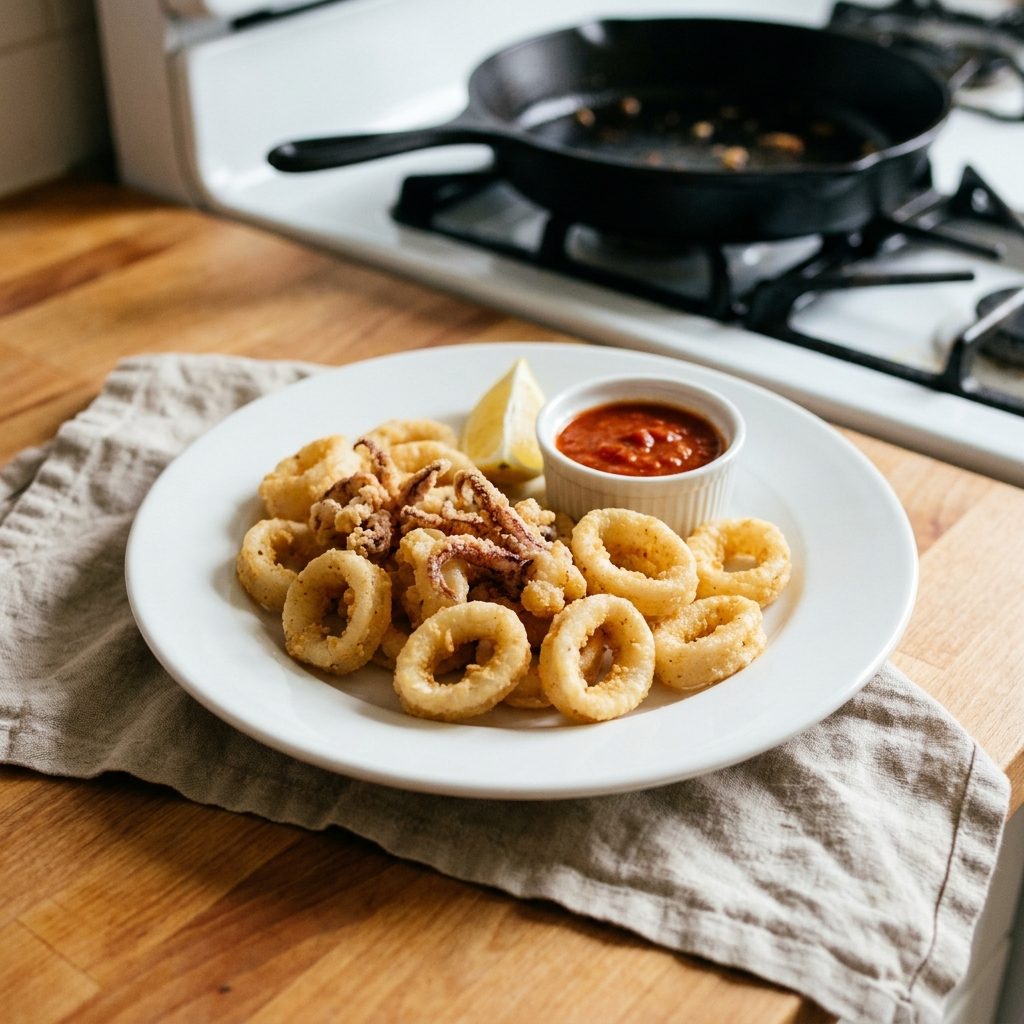
Fried calamari, leftover Caesar salad, any pasta that was already slightly overcooked the first time around. Some foods simply do not survive a second act. The breading goes limp. The lettuce wilts into something translucent and sad. The pasta turns to paste.
And yet we save them. Every time. Because throwing away food that was delicious four hours ago feels like a crime. I get it. I’ve wrapped up leftover fried zucchini more times than I can count, fully knowing I was going to open that container the next day, look at the soggy sticks, and throw them out anyway.
Be honest with yourself at the table. If it’s a dish that depends on crunch, crispness, or a specific texture that heat and moisture will destroy, eat what you can and let the rest go. The real waste happened when you served more than people could eat. The trash can isn’t the problem; the portion size was.
1. Refusing to Freeze Leftovers Because “We’ll Eat Them Soon” (You Won’t)
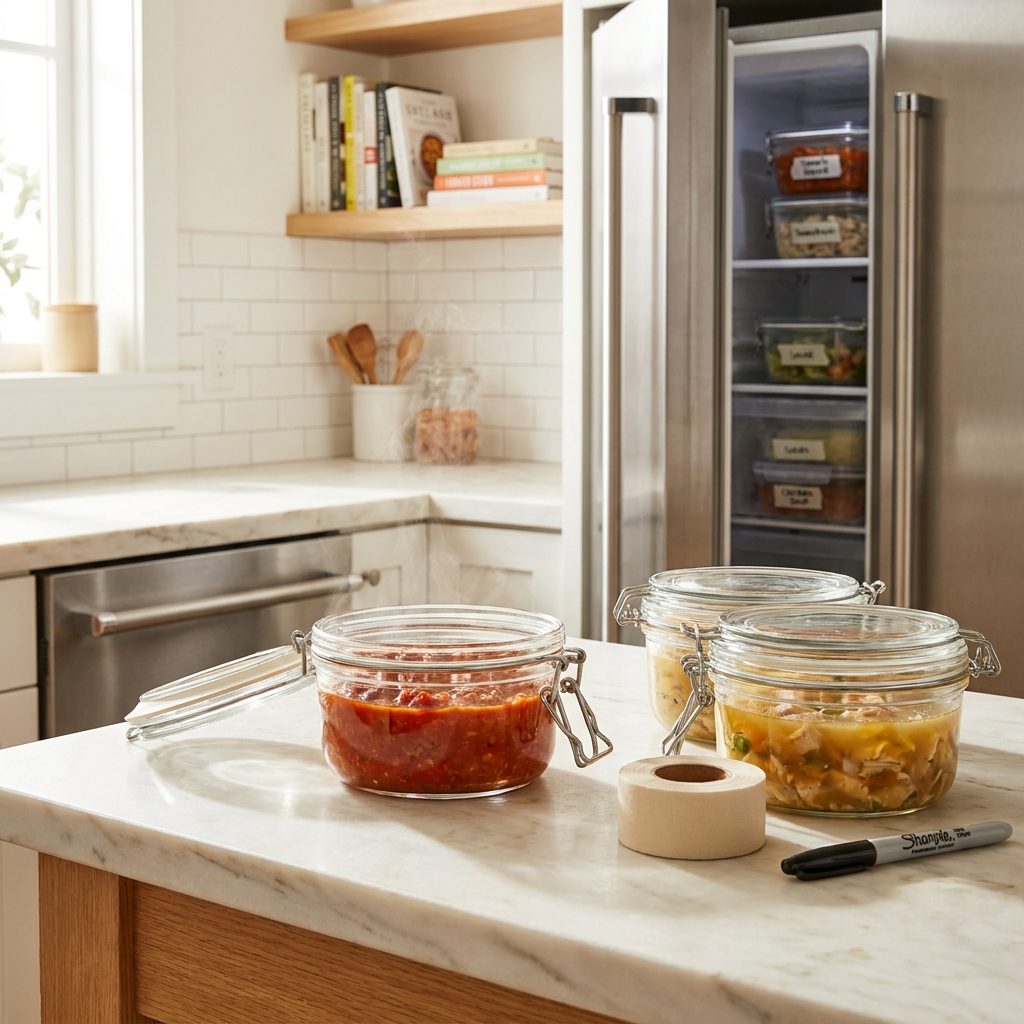
“Oh, we don’t need to freeze it. We’ll have it for dinner tomorrow or the next day.”
Famous last words. The container stays in the fridge through tomorrow, through the next day, through the day after that. By day four you’re suspicious of it. By day five it’s gone.
Freezing gets a bad reputation because people associate it with mushy vegetables and freezer-burned meat. But most cooked Italian-American food freezes beautifully. Braises, ragus, soups, meatballs in sauce, baked ziti before the final bake. These dishes actually benefit from a slow freeze-and-thaw cycle because the flavors meld further.
The rule of thumb I finally adopted after years of wasted food: if you won’t eat it within 48 hours, freeze it the same night you cook it. Don’t wait. Portion it into glass freezer containers or heavy-duty freezer zip bags with the air pressed out, label with the date and the dish name, and get it in the freezer while it’s still at peak quality. Future you will be genuinely grateful on some random Thursday when there’s nothing in the house and a quart of your own Bolognese is waiting in the freezer.